numero Cinco

Tabelog 100 #88
Our verdict
numero Cinco brings Spanish cooking into Nishinomiya’s small but serious dining circuit, with Tabelog 100 Spanish cuisine recognition in 2026 and a price tier that places it above the city’s casual European rooms. The appeal is cultural as much as culinary: Spanish formats translated through Japanese precision, set in Kurakuenguchi rather than a larger Osaka or Kobe dining corridor.

Pearl is the En Primeur Club membership app, where members save venues, book tables and use the concierge.
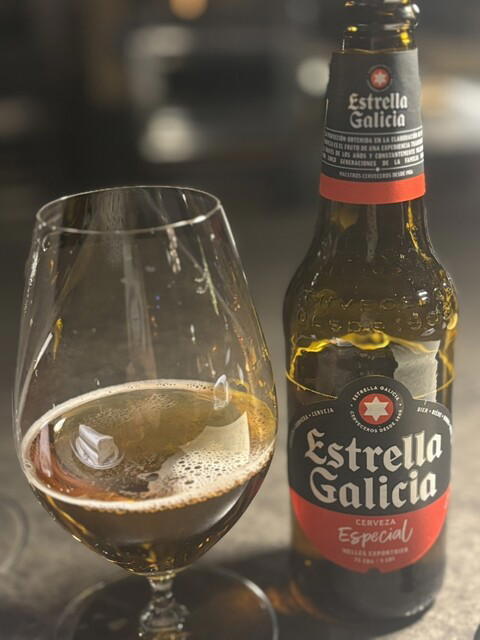
Nishinomiya has the quieter rhythm of residential Hanshin dining: fewer neon cues, more compact rooms, bakeries, patisseries, and small restaurants that rely on repeat local confidence rather than tourist traffic. In that setting, Spanish cooking reads differently from its big-city version. It is less about late-night spectacle and more about how a Mediterranean grammar of seafood, rice, olive oil, grill, and wine can be tightened into the cadence of a Japanese neighbourhood restaurant.
That is the useful way to read numero Cinco. The restaurant is not competing with the huge hospitality machines of Osaka or Kobe; it belongs to a smaller Nishinomiya category where ambition shows through recognition, pricing, and format discipline. Its selection for Tabelog 100 Spanish cuisine in 2026 places it inside a national conversation about Spanish restaurants in Japan, while its Nishinomiya setting keeps the experience grounded in a local dining culture that values restraint, regularity, and careful sourcing over theatrical scale.
Spanish cooking in Nishinomiya is a specialist lane, not a default choice
Spanish restaurants in Japan often split into two registers. One borrows the casual language of tapas bars: small plates, wine, jamón, paella, and a social room built for groups. The other treats Spain as a serious culinary framework, closer to French and Italian fine dining in structure but with different anchors: rice, shellfish, paprika, garlic, olive oil, charcoal, and a less sauce-heavy idea of richness. Nishinomiya’s stronger public dining identity tends to sit around bakeries, sweets, Japanese set meals, and compact neighbourhood restaurants, so a Spanish address with national category recognition carries extra weight.
The local comparison makes that point. Asai operates in a different register, while names such as La Baguette de Paris YOSHIKAWA, Matsumoto, Ryoichi Yamauchi, and O'KINY indicate how Nishinomiya’s dining map often rewards focused, smaller-format places rather than grand dining rooms. The city’s appeal is cumulative: bakeries, sweets, casual cooking, and other Nishinomiya dining rooms. Against that patchwork, Spanish cuisine becomes a deliberate choice, not a filler category.
Tabelog’s Spanish cuisine list is useful here because it cuts across the country rather than rewarding only large metropolitan dining. A 2026 selection signals that numero Cinco has moved beyond being merely a convenient local option. It sits in the tier where diners compare it with other Japanese Spanish rooms on execution and consistency, while Nishinomiya gives it a softer landing than the reservation-scarred corridors of central Osaka.
The appeal is in translation: Spanish structure, Japanese control
Spanish food travels well in Japan because both traditions understand the value of product-led cooking. The connection is not superficial. Spain’s coastal cooking has long treated shellfish, rice, preserved seafood, and grilled ingredients as serious material; Japan brings a parallel respect for seasonality, texture, and exact timing. When the translation works, the result does not need heavy fusion language. It simply lets Spanish forms behave with Japanese sharpness.
That context matters more than a roll call of dishes. The restaurant’s category is Spanish, not a vague European label, and that distinction carries expectations: rice should matter, seafood should matter, the drinks should have a reason to exist, and the pacing should balance conviviality with control. In Japan, diners also expect a level of polish that can make rustic Mediterranean cooking feel more measured than it would in Barcelona, San Sebastián, or Madrid. The tension can be productive when the room resists turning Spain into decoration.
numero Cinco’s public signals point toward that more serious lane. The 2026 Tabelog 100 Spanish cuisine recognition and the mid-to-premium local spend level suggest a restaurant built for planned meals rather than casual grazing. That matters in Nishinomiya, where a destination dinner often needs to justify itself against easy trips into Kobe or Osaka. The stronger argument is not novelty; it is specificity. A diner choosing Spanish cooking here is choosing a narrower frame, and the restaurant’s recognition gives that choice a credible basis.
How to place it within a Nishinomiya food day
Nishinomiya rewards slow scheduling. It is not a city that needs to be eaten in a single sweep, and its dining strengths are spread across categories that suit different hours. A day can move from bakery culture to patisserie, from casual local cooking to a more composed evening meal. For readers building a wider plan, a full Nishinomiya restaurants guide is the practical anchor, while broader Nishinomiya hotels, bars, wineries, and experiences guides help separate a local dinner from a broader Kansai itinerary.
The smarter comparison is not only within Spanish cuisine. It is with how Japan absorbs foreign foodways and gives them local discipline. That pattern appears across the country in unnamed dining rooms that translate outside culinary ideas into Japanese service rhythms and local expectations. Even beyond Japan, other places show how culinary identity changes when it leaves its origin point and meets a different service culture.
The final read is clear: numero Cinco is most compelling for diners who want Nishinomiya to be more than a stop between Kobe and Osaka. It gives the city a serious Spanish marker, backed by a 2026 national category selection, and it fits the area’s quieter strength: compact restaurants with enough focus to make a detour feel rational.
Frequently asked questions
Where do I go for numero Cinco?
Nishinomiya.
What's the pricing like at numero Cinco?
Pricing at numero Cinco is listed as Dinner: JPY 10,000 - JPY 14,999; Lunch: JPY 5,000 - JPY 5,999.
Do I need a reservation for numero Cinco?
Given numero Cinco’s Tabelog 100 Spanish cuisine 2026 selection and dinner pricing of JPY 10,000–14,999, planning ahead is the sensible move; confirm current booking details directly.
What do critics highlight about numero Cinco?
The clearest signal is its Tabelog 100 Spanish cuisine 2026 selection, which places it among the year’s notable Spanish addresses in Japan. Public listings also point to lunch at JPY 5,000–5,999, dinner at JPY 10,000–14,999, a 3.54 score, and a Nishinomiya location.
Price and Positioning
Comparable venues by cuisine and price in the same metro.
| Venue | Cuisine | Price | Awards | Notes |
|---|---|---|---|---|
| numero CincoThis venue (the venue you are viewing) | Mexican & Southwestern Comfort Food | $20–30 | Tabelog 100 #88 | Not listed |
| Ramen Tanron Honten | Ramen | $10–20 | Tabelog 100 #12 | Nishinomiya, Ramen |
| tonkatu butashou | Modern Tonkatsu & Izakaya-Style Japanese | $30–50 | Tabelog 100 #38 | Shukugawa, Modern Tonkatsu & Izakaya-Style Japanese |
| O'KINY | Casual Korean Restaurant | $10–20 | Tabelog 100 #71 | Kurakuen / Kurakuenguchi, Casual Korean Restaurant |
| Michel bach | Classic Western-style patisserie and dessert shop | $10–20 | Tabelog 100 #80 | Shukugawa, Classic Western-style patisserie and dessert shop |
| Akash | Indian curry house | Not listed | Tabelog 100 #54 | Not listed |
Recognition history
Dated appearances from independent guides and award organizations, with the underlying list record or original source where available.
Tabelog 100 #88 · No. 88
Tabelog · Tabelog 100 - Spanish cuisine - 2026
Continue exploring
More in Nishinomiya
Restaurants in Nishinomiya
All restaurants in Nishinomiya →




Bars in Nishinomiya
Browse all →




Hotels in Nishinomiya
Browse all →



Wineries in Nishinomiya
Browse all →
Details
- Cozy
- Modern
- Casual Hangout
- Date Night
- Group Dining
- After Work
- Standalone
- Beer Program
- A La Carte
- Beer
- Cocktails
Intimate and cozy with a casual, modern feel; guests describe it as a friendly neighborhood spot where the focus is on bold, homey Southwestern flavors rather than formality.