Michelin Plate · Tabelog Bronze #287
Our verdict
Operating from a 16-seat counter in Roppongi since June 2021, YAKITORI Moe es applies French culinary technique to Japanese yakitori, producing an omakase format that has earned Tabelog Bronze Awards in both 2025 and 2026, consecutive Tabelog 100 selections from 2022 through 2025, and a Michelin Plate in both 2024 and 2025. Dinner runs JPY 10,000–14,999 before the 10% service charge, with two seatings nightly from Monday through Saturday.

Pearl is the En Primeur Club membership app, where members save venues, book tables and use the concierge.
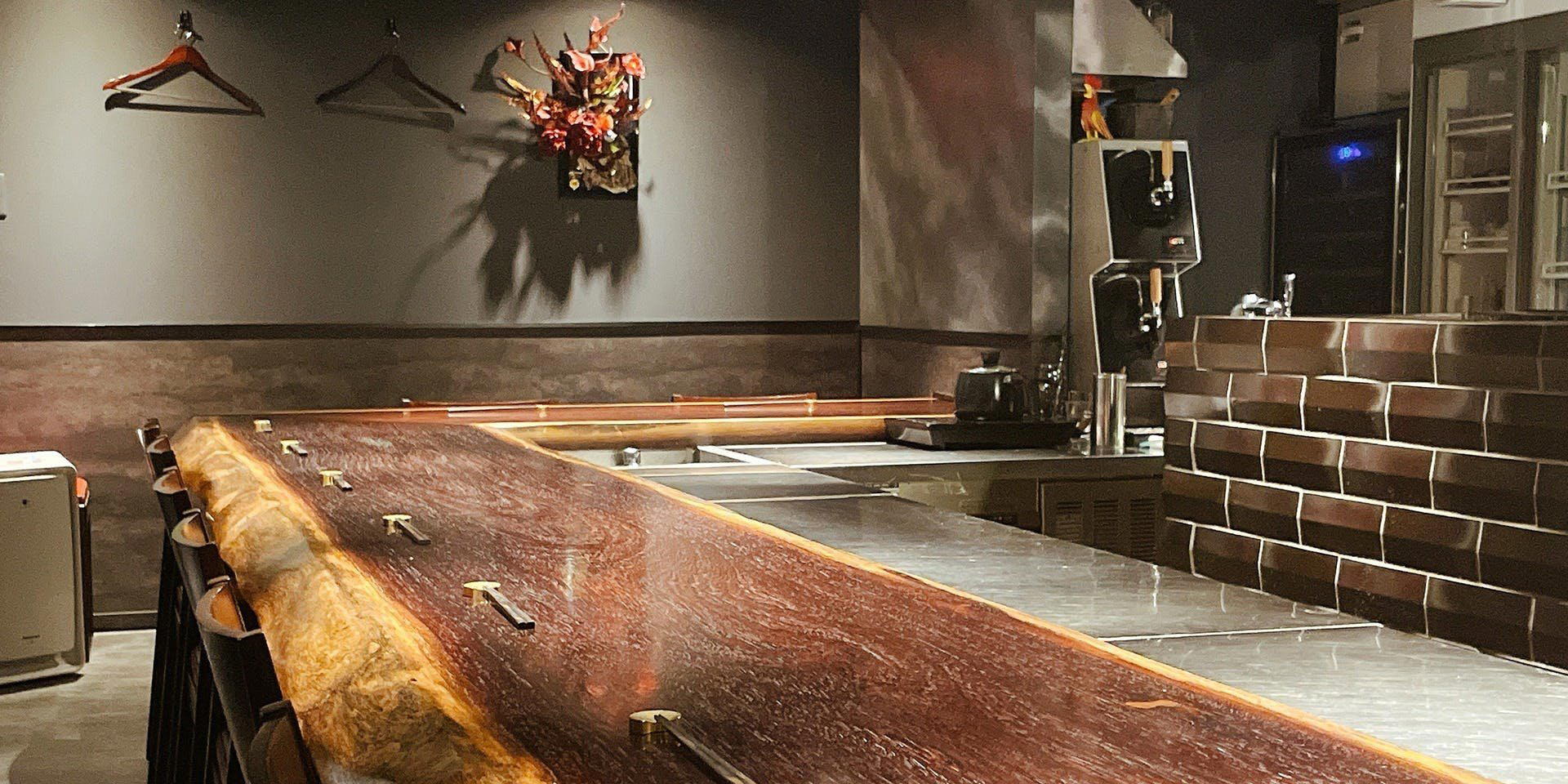
YAKITORI Moe es, Roppongi: Where French Technique Meets the Yakitori Counter
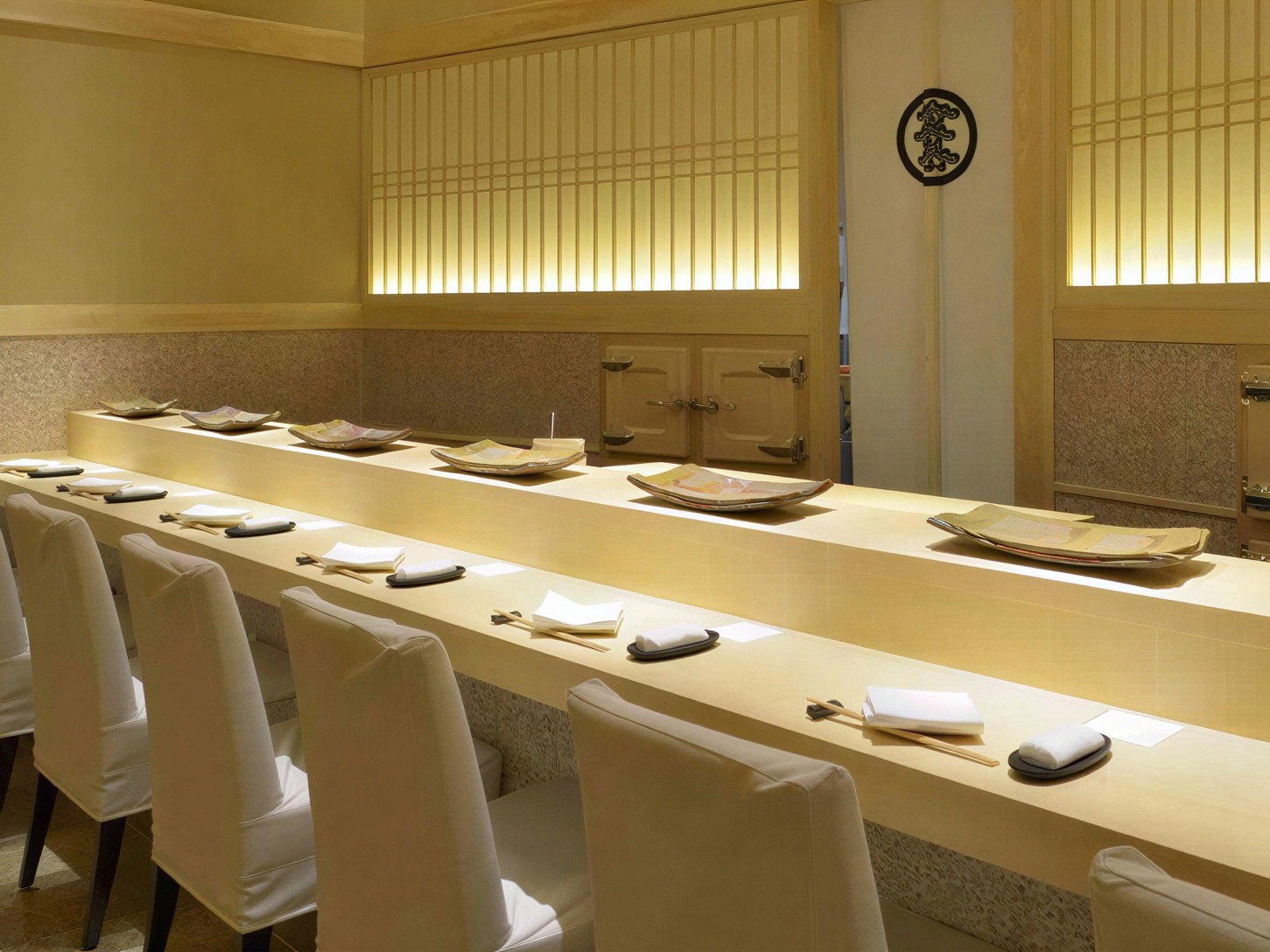
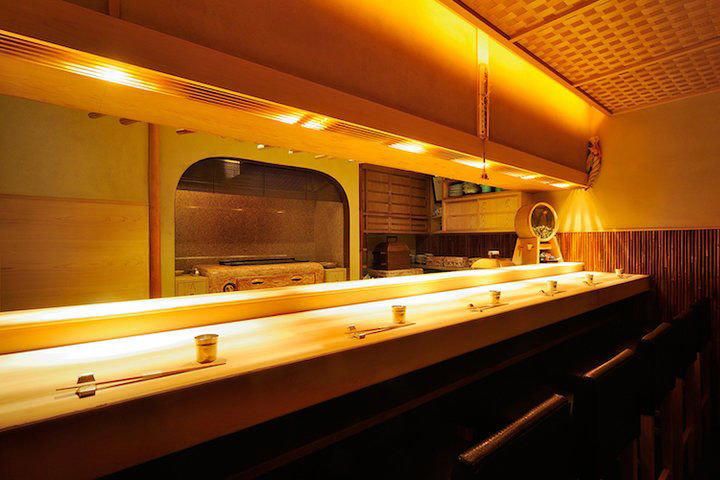
Sixteen seats. Two seatings per night. All dishes served simultaneously. The operating model at YAKITORI Moe es removes the improvisation that defines most yakitori counters and replaces it with the kind of structured precision more familiar in French tasting-menu kitchens. That decision, made when chef Daisuke Numano opened the restaurant in June 2021, tells you almost everything about where this counter sits in Tokyo's yakitori scene and why it has accumulated a Tabelog score of 4.27, consecutive Bronze Awards in 2025 and 2026, and four consecutive Tabelog 100 selections from 2022 through 2025.
Yakitori in Roppongi: A Different Register
Tokyo's yakitori scene spans an enormous range, from the standing-room kushiyaki bars beneath Yurakucho's refined tracks to the counter-only omakase rooms in Ginza and Minami-Aoyama that now price against kaiseki. Roppongi has historically occupied the middle of that spectrum, shaped by its international character and a dining-out culture that skews toward expense accounts and late corporate dinners. The neighbourhood generates real demand for technically serious yakitori that can hold its own alongside the kind of Franco-Japanese cooking available at addresses like Aria di Takubo, and YAKITORI Moe es positions itself squarely in that demand zone.
The French-yakitori fusion category is small but growing in Tokyo. What distinguishes the serious practitioners from trend-followers is the sourcing discipline applied to the bird itself. Moe es works with whole chickens from a breed that requires an extended rearing period, then rests the meat for several days post-slaughter to allow flavour concentration. That approach mirrors the faisandage logic applied to game birds in classical French cooking, transposed onto poultry bred for the grill. The effect on the finished skewer is a depth of flavour that straight-to-counter birds cannot match. For comparison, the format sits closer to the omakase yakitori tradition established by counters like Yakitori Omino and Asagaya BIRD LAND than to the à la carte grill bars that dominate the lower price tiers.
The Counter as Stage: How the Omakase Format Works Here
The editorial angle on counter dining in Tokyo often fixates on sushi and its theatre of slicing and pressing. Yakitori counters operate differently: the fire is the performance. At Moe es, the simultaneous-service format amplifies that theatrical quality. Rather than a rolling succession of skewers paced by the chef's read of each diner, the kitchen prepares all dishes in parallel for each eight-seat time slot. It is a format that demands tighter execution than staggered service, there is no recovery window if timing slips, and it orientates the dining experience around a shared rhythm rather than individual pacing.
Omakase progression begins with cooked preparations that signal the French lineage clearly. Smoked chicken and terrine de foie gras appear as appetisers, framing the meal as something operating above the register of a standard yakitori dinner. Skewers follow, seasoned with salt over sauce, which is the orthodox Japanese approach to letting the bird's flavour read without interference. The meal closes with chicken soba noodles, a deliberately modest landing after the technical ambition of what preceded it. The full arc, French appetiser, consommé-style soup, salt-forward skewers, simple noodle close, is a composed menu in the way that a tasting menu is composed, not a sequence assembled on the fly.
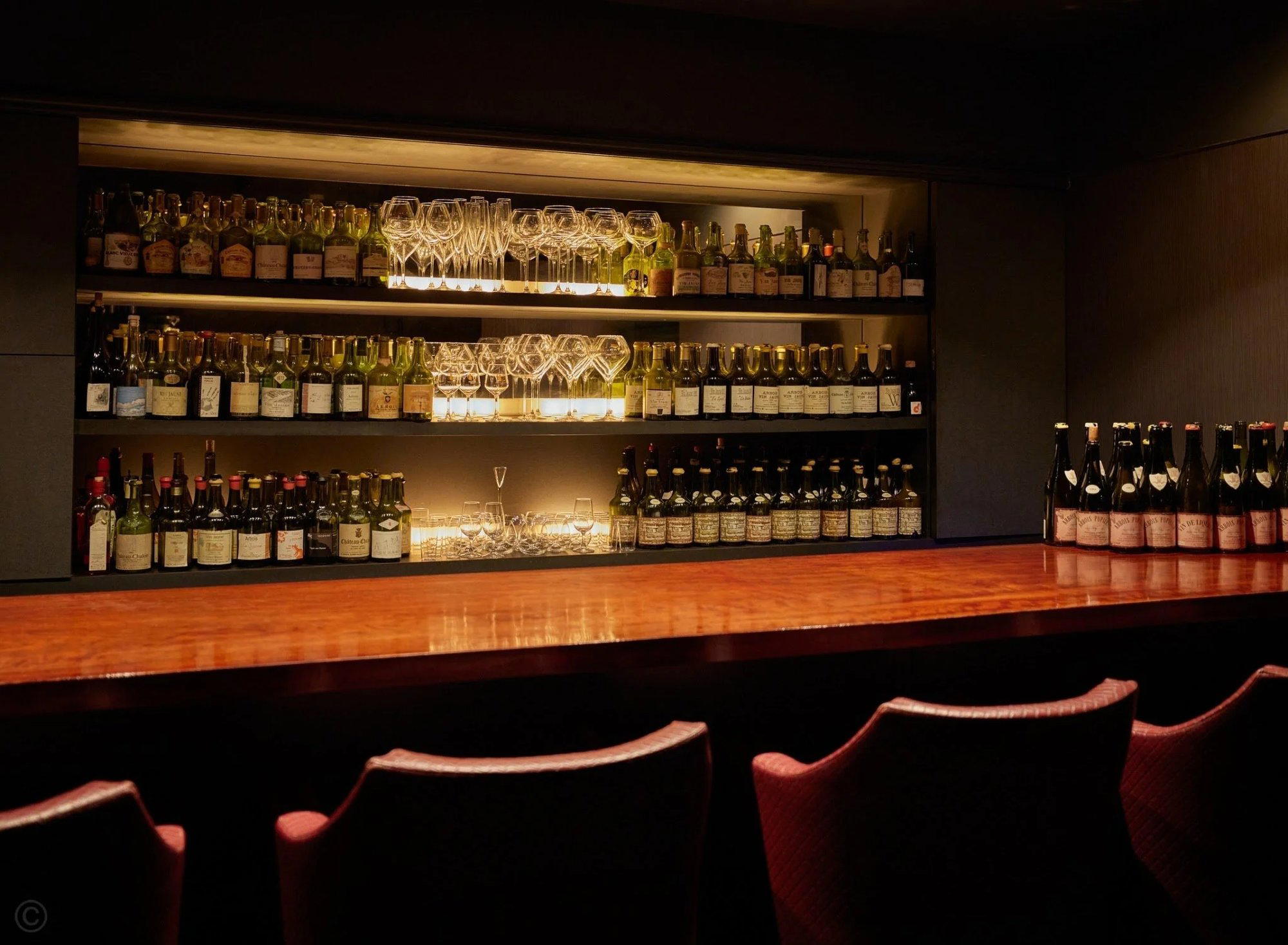
A sommelier is on staff, and the drinks program skews toward sake and wine, both areas where the restaurant signals deliberate curation rather than a standard izakaya list. Counters like 124. KAGURAZAKA and Aramaki operate with similar levels of format discipline, and all sit in a tier that prices significantly above the JPY 3,000–6,000 range typical of neighbourhood yakitori-ya.
Recognition and Where It Places the Counter
Tabelog's awards infrastructure matters more than international lists for evaluating domestic Japanese restaurants, particularly at the yakitori level where Michelin's guide tends to track broader categories. A 4.27 score on a platform where scores above 4.0 already signal serious standing positions the counter in the top tier of the yakitori category nationally. The Tabelog Bronze Award added in 2025 and retained for 2026 confirms the score has held under review-weight scrutiny rather than coasting on an early burst of ratings. The Opinionated About Dining ranking at #612 in Japan provides a secondary cross-reference from a Western-facing critical audience, and both Michelin Plate recognitions in 2024 and 2025 confirm international guide awareness even without a star designation.
Across Tabelog, OAD, Michelin, and Google, the consistency of recognition since opening in 2021 suggests the counter has not benefited from a new-opening halo effect that faded, it opened, built a record, and sustained it.
For context on the broader Japanese fine-dining spectrum: counters operating at this price point in Tokyo share a city with tasting-menu restaurants at significantly higher price brackets, including kaiseki at Gion Sasaki in Kyoto, innovative French at HAJIME in Osaka, and contemporary formats at Goh in Fukuoka. The yakitori omakase category punches above its price tier in terms of critical regard, and Moe es is one of the clearer examples of that.
Those interested in how the yakitori tradition travels outside Tokyo can also look at Ichimatsu, Yakitori in Osaka and Torisaki, Yakitori in Kyoto for regional comparisons, or at akordu in Nara, 1000 in Yokohama, and 6 in Okinawa for a broader sweep of serious Japanese dining outside the capital.
Know Before You Go
Reservations: Omakase only. Two seatings available: 18:00 and 19:00 (exact end times vary). Reservation required; no walk-in policy.
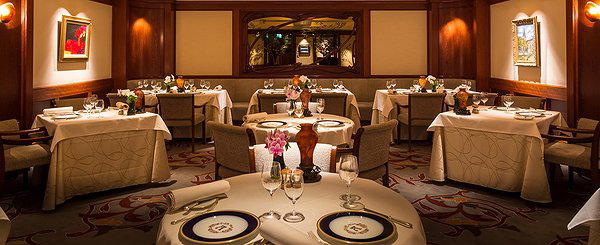
Seating: 16 total. 12 counter seats plus a private room for up to 4 guests. Private exclusive use is not available.
Price: Dinner JPY 10,000–14,999 per person (official listing). Review-based spending average runs JPY 15,000–19,999, likely reflecting the 10% service charge and drinks.
Hours: Monday through Saturday, 18:00–23:00. Closed Sundays. Additional closures are not fixed, confirm in advance.
Payment: Credit cards accepted. Electronic money and QR code payments are not accepted.
Access: Three minutes on foot from Roppongi Station (Tokyo Metro Hibiya Line and Toei Oedo Line). Address: 7-13-10 Roppongi, Minato-ku, Tokyo. No parking on site.
Timing note: Dishes are served simultaneously for each seating group. Arriving late means fewer courses, the kitchen does not hold back the progression.
Children: Not permitted.
Smoking: Non-smoking throughout.
Drinks: Sake and wine program with sommelier available. No electronic payment accepted for drinks.
Further Reading
YAKITORI Moe es sits within a wider network of serious Tokyo dining. Our full Tokyo restaurants guide covers the complete range of cuisine types and price tiers across the city. For planning around the counter, the Tokyo hotels guide, Tokyo bars guide, and Tokyo experiences guide provide the surrounding context for a full visit. The Tokyo wineries guide is worth consulting if the wine focus at Moe es prompts broader interest in the Japanese wine and sake supply chain.
Frequently asked questions
What should I expect cuisine-wise at YAKITORI Moe es?
Which chef is YAKITORI Moe es associated with?
The chef associated with YAKITORI Moe es is Daisuke Numano.
What's the signature dish at YAKITORI Moe es?
Moe es runs a strict omakase format, so no single skewer is offered à la carte, the full sequence is the point. The meal is framed by French-influenced appetisers (the Tabelog description cites smoked chicken and foie gras terrine), a consommé-clear chicken soup mid-course, and closes with chicken soba noodles. Chef Daisuke Numano sources whole chickens from slow-bred stock, rests the meat for several days before service, and seasons predominantly with salt rather than sauce to let the protein carry the meal.
How much does it cost to eat at YAKITORI Moe es?
Pricing at YAKITORI Moe es is listed as ¥¥¥.
Peers You’d Cross-Shop
| Venue | Cuisine | Price | Awards | Notes |
|---|---|---|---|---|
| YAKITORI Moe esThis venue (the venue you are viewing) | Modern Yakitori | $100–150 | Michelin Plate · Tabelog Bronze #287 | Not listed |
| Harutaka | Edo-Style Omakase Sushi | $200–300 | 3 Michelin Stars · World's 50 Best #76 | Sushi |
| RyuGin | Modern Kaiseki | $500+ | 3 Michelin Stars · World's 50 Best #41 | Kaiseki, Japanese |
| L'Effervescence | Modern French with Japanese Influences | $200–300 | 3 Michelin Stars · World's 50 Best #69 | French |
| HOMMAGE | Modern French with Japanese Influences | $150–200 | 2 Michelin Stars · World's 50 Best #78 | Innovtive French, French |
| MAZ | Innovative Peruvian-Japanese Fusion | $150–200 | 2 Michelin Stars · World's 50 Best #28 | Innovative |
Recognition history
Dated appearances from independent guides and award organizations, with the underlying list record or original source where available.
Michelin Plate
Michelin
Opinionated About Dining Top Restaurants in Japan Recommended
Opinionated About Dining
Tabelog Bronze #287
Tabelog
Full recognition history (8 entries)
Michelin Plate
Michelin
Opinionated About Dining Top Restaurants in Japan Ranked #612
Opinionated About Dining
Tabelog 100 #58 · No. 58
Tabelog · Tabelog 100 - Yakitori - EAST - 2025
Tabelog Bronze
Tabelog
Michelin Plate
Michelin