

A Michelin Bib Gourmand yakitori counter in Kyoto's Higashiyama Ward, Hiiragitei holds its own against the neighbourhood's kaiseki-heavy dining culture with focused charcoal grilling and a price point that makes serious yakitori accessible. It earns consistent respect as a neighbourhood standard-bearer for the format.
Pearl is the En Primeur Club membership app — saves, bookings, and concierge access live there. Same editors, same standards.
- Address
- 306-6 Ishibashicho, Higashiyama Ward, Kyoto, 605-0066, Japan
- Phone
- +81 75-748-1739
- Website
- hiiragitei.com
- Directions
- Get directions
 Saves & bookings on Pearl
Smoke and Cedar: Yakitori in Higashiyama
Higashiyama Ward is Kyoto's historic corridor, a district where stone-paved lanes and wooden shopfronts set expectations for a certain kind of dining: quiet, deliberate, formatted around multi-course kaiseki at prices that reflect the neighbourhood's prestige. Into that context, yakitori operates as a structural counterpoint. Where kaiseki restaurants like Gion Sasaki occupy the ¥¥¥¥ tier with elaborate seasonal coursework, yakitori counters position themselves at the intersection of craft and accessibility, anchored by charcoal, technique, and the economics of the skewer format. Hiiragitei, situated at 306-6 Ishibashicho in the heart of Higashiyama, is one of the more closely watched addresses in that category. Its 2024 Michelin Bib Gourmand recognition marks it as a place where quality-to-price ratio outperforms its tier.
The Lunch and Dinner Divide in Yakitori
Yakitori counters in Kyoto split differently across the day than kaiseki or French-influenced restaurants. At the mid-range price point Hiiragitei occupies, the daytime service typically draws a local crowd: residents from the Higashiyama area, pilgrims finishing morning temple circuits, and visitors seeking a meal that fits between sightseeing intervals. The tone is lighter, the pace faster. Lunchtime yakitori in this district functions almost as a quick-service format, with skewers ordered incrementally rather than consumed as a structured progression. The energy is transactional without being rushed.
Evening service in yakitori is a different proposition. Charcoal grilling is at its most effective when the counter has settled into a rhythm, when the binchotan coals are fully lit and the cook has found their pace. The Bib Gourmand recognition is earned across both services, but the evening format allows for more deliberate eating: drinks extend the visit, skewers arrive in a considered sequence, and the social dynamic of the counter format, common in yakitori, where seated proximity to the grill is standard, becomes part of the experience rather than an incidental backdrop. For visitors who have one evening to allocate to yakitori in Kyoto, that evening context is where the format performs at its depth.
That consistency across a varied reviewer pool, which likely includes single-visit tourists and repeat local customers, suggests the kitchen operates at a reliable standard regardless of the time of day.
Yakitori's Position in Kyoto's Broader Dining Structure
Kyoto's fine dining identity is built on kaiseki, a format that has defined the city's international reputation for generations. The multi-course, seasonally structured kaiseki meal is how Kyoto translates its culinary values to the outside world, and the city's Michelin-starred institutions reflect that: two- and three-star addresses overwhelmingly belong to Japanese or kaiseki categories. Within that, yakitori operates at a different register, one that is socially democratising in a way kaiseki cannot be. The price range Hiiragitei occupies makes it accessible to a visiting diner who may be allocating budget across multiple meals and experiences during a Kyoto stay.
Among the Kyoto yakitori cohort, the Bib Gourmand separates Hiiragitei from unlisted counters in the same ward. Comparable yakitori addresses in the city's Bib tier include Torisaki, Sumiyakisosaitoriya Hitomi, Torisho sai, and Yakitori Kyoto Tachibana. Each occupies a distinct sub-neighbourhood position within Kyoto's yakitori map, and each earns its Bib recognition through a version of the same core argument: genuine technique at a price that does not require a special-occasion budget. The Michelin Bib Gourmand highlights value as well as ambition.
For visitors building a broader Japan itinerary, Kyoto's yakitori scene sits within a larger regional pattern. Osaka's yakitori addresses, including Ichimatsu and Torisho Ishii, tend toward a louder, more pub-forward environment that reflects Osaka's eating-out culture. Kyoto's counters, Hiiragitei among them, keep a quieter register that fits the city's general dining temperament. The underlying craft, binchotan charcoal, parts-focused skewer sequencing, the balance of tare versus shio seasoning, is consistent across both cities, but the room tone and pacing differ in ways that matter to the experience.
What to Order at Hiiragitei
Yakitori's menu logic is consistent across the format's leading practitioners: the skewer list covers the whole bird, from muscle cuts like momo (thigh) to organ sections including liver, heart, and cartilage. At a Bib Gourmand counter, the expectation is that each skewer category is executed cleanly, fat rendered correctly, surfaces caramelised, the seasoning choice between tare (sweetened soy baste) and shio (salt) offered on most cuts. The tasting sequence generally starts with lighter, cleaner cuts before moving toward richer organ or fatty sections, though the yakitori counter format permits ordering in any combination. Tsukune, the minced chicken skewer typically finished with egg yolk, functions as a reference point for a kitchen's overall seasoning intelligence, it is worth ordering early as a calibration. Pairing with draft beer or cold sake follows the standard format at counters in this price tier.
Planning a Visit
Hiiragitei sits in Ishibashicho within Higashiyama Ward, a short walk from the Sanneizaka and Ninenzaka stone-paved lanes that form the neighbourhood's primary pedestrian circuit. Visitors arriving from central Kyoto typically reach Higashiyama by taxi or bus from Gion; the area is well-served by day but quieter in the evenings once the souvenir shops close, which makes it a distinct night-dining destination rather than a casual street-food stop. Hiiragitei's hours are Monday and Thursday through Sunday from 5:30 to 11 PM, with Tuesday and Wednesday closed; reservations are essential. The ¥¥ price range makes it one of the more accessible Michelin-recognised options in a neighbourhood where dinner costs can scale quickly. For broader planning across the city, see our full Kyoto restaurants guide, alongside our Kyoto hotels guide, bars guide, wineries guide, and experiences guide. Travellers extending their Japan itinerary to other cities can explore HAJIME in Osaka, Harutaka in Tokyo, akordu in Nara, Goh in Fukuoka, 1000 in Yokohama, and 6 in Okinawa for a wider cross-section of Japan's current dining range.
Comparable Spots, Quickly
Comparable venues nearby, for context on price, style, and recognition.
| Venue | Cuisine | Price | Awards | Notes |
|---|---|---|---|---|
| HiiragiteiThis venue — the venue you are viewing | Kyoto Yakitori & Obanzai | $$$ | Bib Gourmand | Not listed |
| COPPIE | Modern Japanese Izakaya with Italian Fusion | $$$ | Michelin Plate | Shimogyō |
| Berangkat | Modern Japanese with Southeast Asian influences | $$$ | Bib Gourmand | Nakagyō |
| Shokudou Ogawa | Modern Japanese Izakaya | $$$ | Not listed | Shimogyō |
| Kyogoku Kaneyo | Traditional Kyoto Unagi | $$$ | Bib Gourmand | Nakagyō |
| Aji Fukushima | Traditional Kyoto Kaiseki | $$$ | Michelin Plate | Higashiyama |
Recognition history
Dated appearances from independent guides and award organizations, with the underlying list record or original source where available.
Tabelog 100 #25 · No. 25
Tabelog · Tabelog 100 - Izakaya - WEST - 2025
Michelin Bib Gourmand
Michelin
Continue exploring
More in Kyoto
Restaurants in Kyoto
Browse all →
Bars in Kyoto
Browse all →
Hotels in Kyoto
Browse all →
Wineries in Kyoto
Browse all →
At a Glance
- Intimate
- Cozy
- Classic
- Date Night
- Special Occasion
- Casual Hangout
- Open Kitchen
- Chefs Counter
- Sake Program
- Local Sourcing
Current opening hours
- Monday
- 5:30–11 PM
- Tuesday
- Closed
- Wednesday
- Closed
- Thursday
- 5:30–11 PM
- Friday
- 5:30–11 PM
- Saturday
- 5:30–11 PM
- Sunday
- 5:30–11 PM
Hours can change for holidays and private events. Last verified .
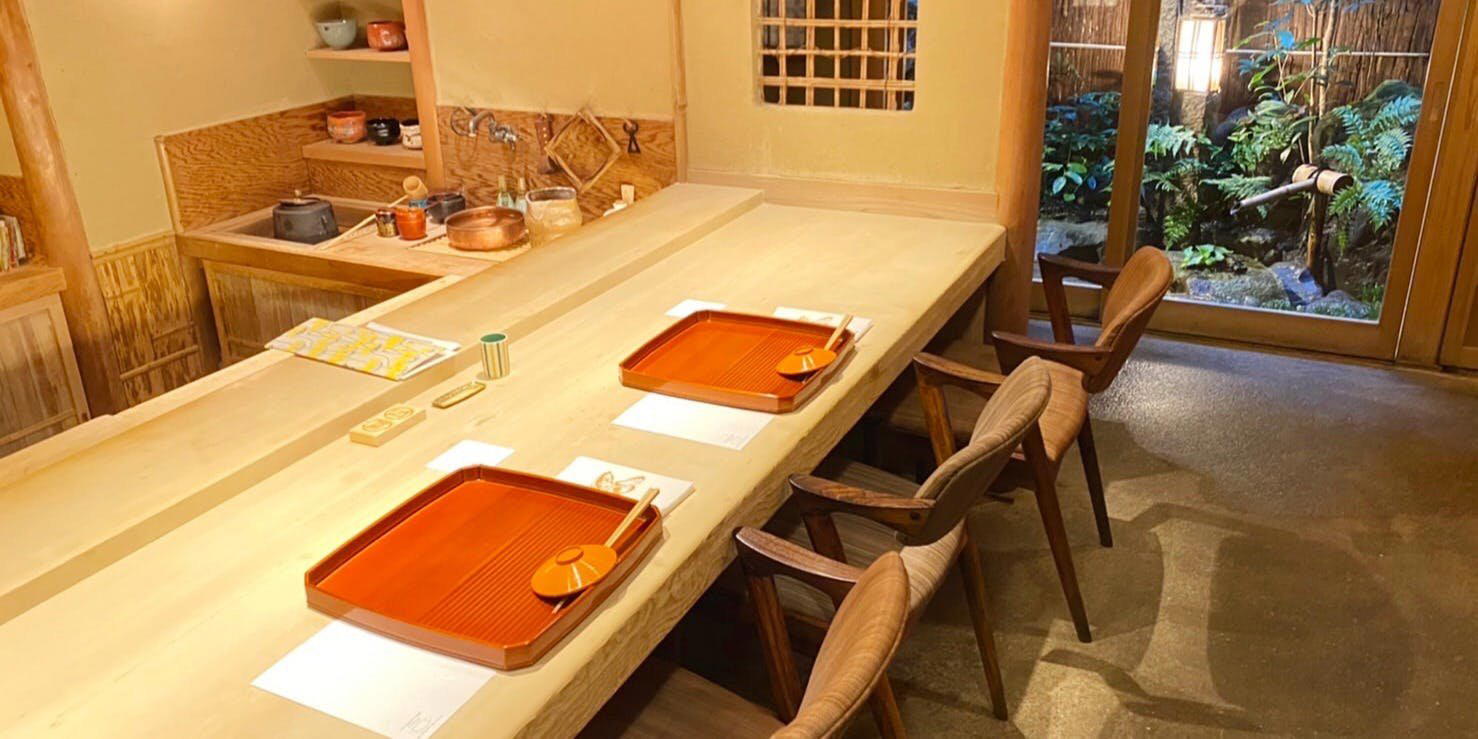
Hushed and tactile with warm wood, softened light, and the soft crackle of binchotan charcoal creating a meditative atmosphere.