

Tabelog 100 #81
Our verdict
Yakitori Imai, in Shibuya's Jingumae neighbourhood, has climbed steadily through Opinionated About Dining's Japan rankings, Recommended in 2023, #368 in 2024, and #467 in 2025 against a wider field. Chef Takashi Imai runs an evening-only counter focused on yakitori with the kind of technical seriousness the format rarely receives outside specialist circles. Open Monday through Friday, with weekends reserved.

Pearl is the En Primeur Club membership app, where members save venues, book tables and use the concierge.
The menu
What to order
- Yakitori
- Amagi shamo chicken skewers
- Seasonal grilled vegetables
The Discipline Behind the Skewer
Yakitori occupies an unusual position in Japan's food hierarchy. It is street food by origin and izakaya staple by habit, yet the format has produced some of the most technically demanding cooking in Tokyo. The gap between a yakitori-ya that functions as a drinking perch and one that applies kaiseki-level thinking to chicken and charcoal is wider than it appears from the outside. In Jingumae, a short walk from Omotesando's more publicised dining corridor, Yakitori Imai has been accumulating recognition that places it firmly in the specialist tier.
The Opinionated About Dining rankings tell a clear story of trajectory: a Recommended listing in 2023, a climb to #368 among Japan's leading restaurants in 2024, and a position at #467 in 2025 as the ranked field broadened. That pattern, entry, rise, consolidation, is more informative than any single-year placement. It signals a kitchen operating with consistency rather than novelty, which in yakitori is exactly what the format demands.
Why Simplicity Is the Hardest Brief
The editorial angle here is worth spelling out. Yakitori is, at its structural core, a protein on a skewer held over fire. There are no sauce reductions to mask an uneven cut, no cream to soften an imprecise temperature. The fat content of the piece, the age of the bird, the moisture retained through the cook, the exact moment of pull from the binchotan, these variables are entirely exposed. Skilled yakitori is a test of mastery over very few variables, which makes it harder, not easier, than formats with more components to balance. The same argument applies to ramen, soba, or unagi: the fewer the elements, the less margin for error, and the more a practitioner's decisions become visible.
Chef Takashi Imai works within this tradition at an address that holds its own against venues with far more elaborate frameworks. The OAD ranking places Yakitori Imai in conversation with kaiseki counters, high-end sushi rooms, and Western tasting-menu formats that operate at multiple price multiples, categories where the ¥¥¥¥ tier is standard. That a yakitori-focused counter earns comparable critical recognition speaks less to the specific venue than to what has happened to the format in Tokyo over the past decade: a serious professionalization, with dedicated practitioners elevating sourcing and technique beyond what the category's casual reputation would suggest.
Jingumae and the Neighbourhood Context
The address, 3 Chome-42-11 Jingumae, Shibuya, situates Yakitori Imai in a part of Tokyo that runs between Harajuku's retail energy and the quieter residential blocks behind Omotesando. It is not a dining destination in the way that certain pockets of Ginza or Nishi-Azabu are mapped by restaurant hunters, which means the room draws on a mix of neighbourhood regulars and informed visitors rather than the tourist-heavy foot traffic that shapes experience at more conspicuously located counters. For a format that functions leading as an evening ritual, slow, drink-accompanied, unhurried, that neighbourhood dynamic is a practical advantage.
Tokyo's yakitori scene has its own geography. The genre's spiritual centre has historically been the alleyways around Yurakucho and Shinjuku's Memory Lane, where smoky counters have operated for decades under the tracks. The newer wave of specialist yakitori, the venues that appear in serious critic rankings, has spread across the city without being anchored to any single district. Yakitori Imai in Jingumae, Yakitori Omino, and Asagaya BIRD LAND each occupy different neighbourhoods and draw distinct clienteles, reflecting the diffusion of serious yakitori practice across the city rather than its concentration in a single cluster.
How This Counter Fits Tokyo's Wider Dining Map
Tokyo's restaurant ecosystem stratifies quickly at the upper end. The city's most discussed tables are split between multi-course formats, kaiseki, French tasting menus, omakase sushi, and the specialist single-ingredient counters that have earned international attention. Yakitori Imai sits in the second group, alongside venues like 124. KAGURAZAKA and Aramaki, where a single culinary tradition is executed with a depth that challenges the assumption that complexity is a prerequisite for seriousness.
Across Japan, the argument for format specialists at the top of critical rankings has been made repeatedly. Gion Sasaki in Kyoto, HAJIME in Osaka, and Goh in Fukuoka represent the tasting-menu pole; yakitori specialists represent the opposite end, where restraint in scope demands equivalent depth of execution. The city's yakitori specialists also have counterparts further afield: Ichimatsu in Osaka and Torisaki in Kyoto operate within the same genre tradition, each interpreted through a different city's rhythm. For diners building a Japan itinerary that takes yakitori seriously as a category rather than as a casual fill, the comparison across cities is instructive.
For the full scope of Tokyo's dining options, see our full Tokyo restaurants guide. Planning a wider Japan trip can also draw on akordu in Nara, 1000 in Yokohama, 6 in Okinawa, or Aria di Takubo for a different register within Tokyo itself. Alongside dining, our full Tokyo hotels guide, bars guide, wineries guide, and experiences guide cover the full range of the city.
Know Before You Go
- Address: 3 Chome-42-11 Jingumae, Shibuya, Tokyo 150-0001, Japan
- Hours: Monday to Friday, 5:30 pm – 10:30 pm. Closed Saturday and Sunday.
- Format: Evening-only yakitori counter
- Recognition: Opinionated About Dining Leading Restaurants in Japan, Recommended 2023, #368 in 2024, #467 in 2025
- Booking: Advance reservation advised; booking method not publicly listed, check current availability through direct contact or a concierge service
- Getting there: Jingumae is walkable from Omotesando Station (Tokyo Metro Ginza, Chiyoda, and Hanzomon lines) or Harajuku Station (JR Yamanote Line)
Frequently asked questions
at Yakitori Imai?
What the OAD rankings and Google consensus do confirm is that the kitchen produces yakitori at a level that places it among Japan's critically recognised specialists in the format. At counters operating at this level, the standard approach is to follow the chef's sequence, an omakase-style progression through cuts and preparations, rather than ordering selectively. If you have dietary restrictions or preferences, communicate them at booking. Chef Takashi Imai's focus on the yakitori tradition means the menu will be anchored in chicken preparations across various cuts, grilled over binchotan charcoal in the manner the format demands.
Category Peers
A compact comparison to help you place this venue among nearby peers.
| Venue | Cuisine | Price | Awards | Notes |
|---|---|---|---|---|
| Yakitori ImaiThis venue (the venue you are viewing) | Refined Japanese Yakitori | $50–100 | Tabelog 100 #81 | Not listed |
| Harutaka | Edo-Style Omakase Sushi | $200–300 | 3 Michelin Stars · World's 50 Best #76 | Sushi |
| RyuGin | Modern Kaiseki | $500+ | 3 Michelin Stars · World's 50 Best #41 | Kaiseki, Japanese |
| L'Effervescence | Modern French with Japanese Influences | $200–300 | 3 Michelin Stars · World's 50 Best #69 | French |
| HOMMAGE | Modern French with Japanese Influences | $150–200 | 2 Michelin Stars · World's 50 Best #78 | Innovtive French, French |
| MAZ | Innovative Peruvian-Japanese Fusion | $150–200 | 2 Michelin Stars · World's 50 Best #28 | Innovative |
Recognition history
Dated appearances from independent guides and award organizations, with the underlying list record or original source where available.
Opinionated About Dining Top Restaurants in Japan Recommended
Opinionated About Dining
Tabelog 100 #81 · No. 81
Tabelog · Tabelog 100 - Yakitori - EAST - 2025
Full recognition history (5 entries)
Opinionated About Dining Top Restaurants in Japan Ranked #467
Opinionated About Dining
Opinionated About Dining Top Restaurants in Japan Ranked #368
Opinionated About Dining
Opinionated About Dining Top Restaurants in Japan Recommended
Opinionated About Dining
Continue exploring
More in Tokyo
More from Chef Takashi Imai
Browse all →
Restaurants in Tokyo
All restaurants in Tokyo →



Bars in Tokyo
All bars in Tokyo →






Details
- Modern
- Intimate
- Sophisticated
- Cozy
- Date Night
- Business Dinner
- Solo
- Special Occasion
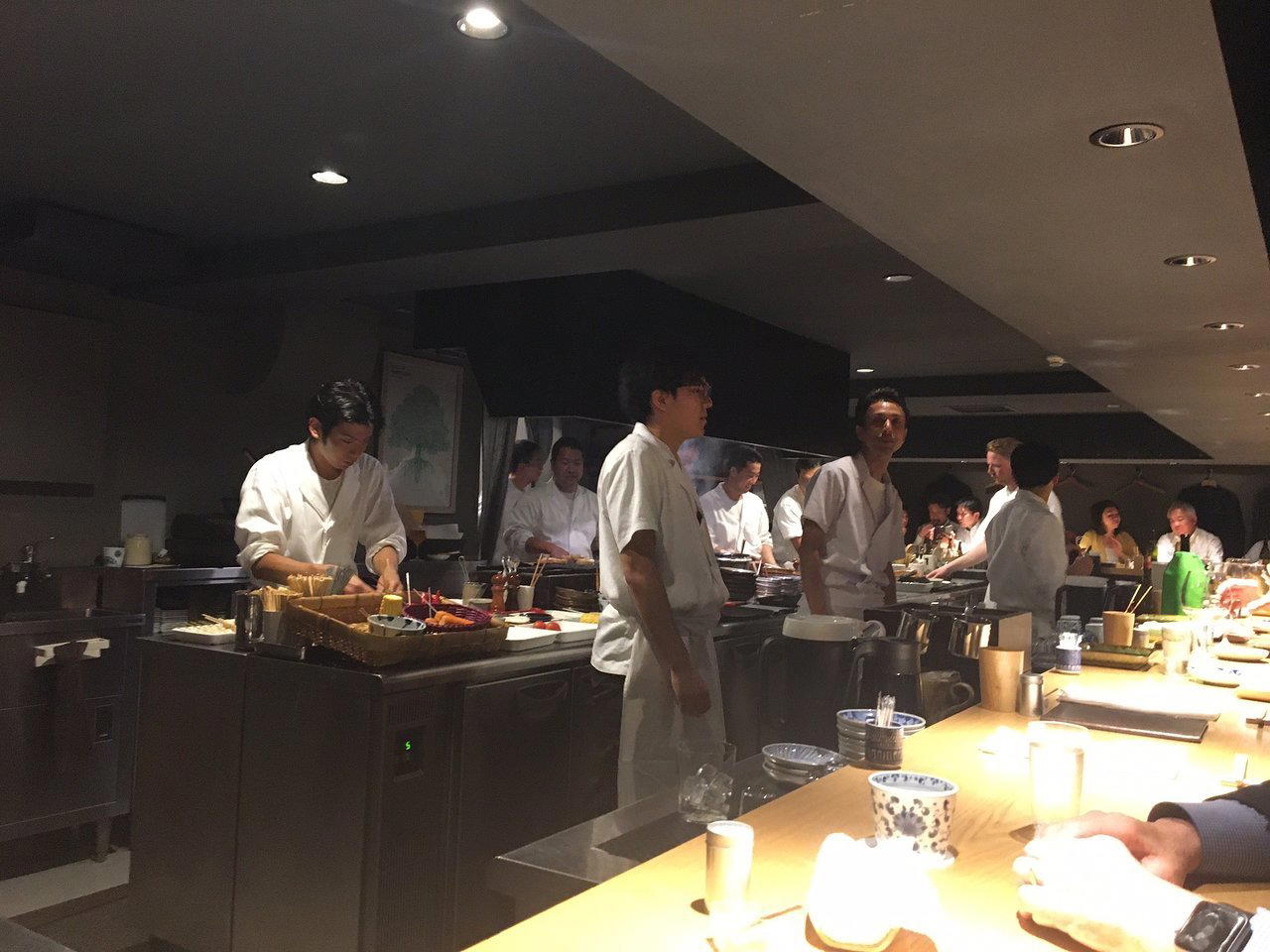
- Chefs Counter
- Open Kitchen
- Standalone
- Sake Program
- Beer Program
- Zero Proof
- Local Sourcing
- Omakase
- Counter Dining
- A La Carte
- Wine
- Sake
- Beer
- Non Alcoholic Drinks
Current opening hours
- Monday
- 5:30–10:30 p.m.
- Tuesday
- 5:30–10:30 p.m.
- Wednesday
- 5:30–10:30 p.m.
- Thursday
- 5:30–10:30 p.m.
- Friday
- 5:30–10:30 p.m.
- Saturday
- Closed
- Sunday
- Closed
Hours can change for holidays and private events. Hours as of .
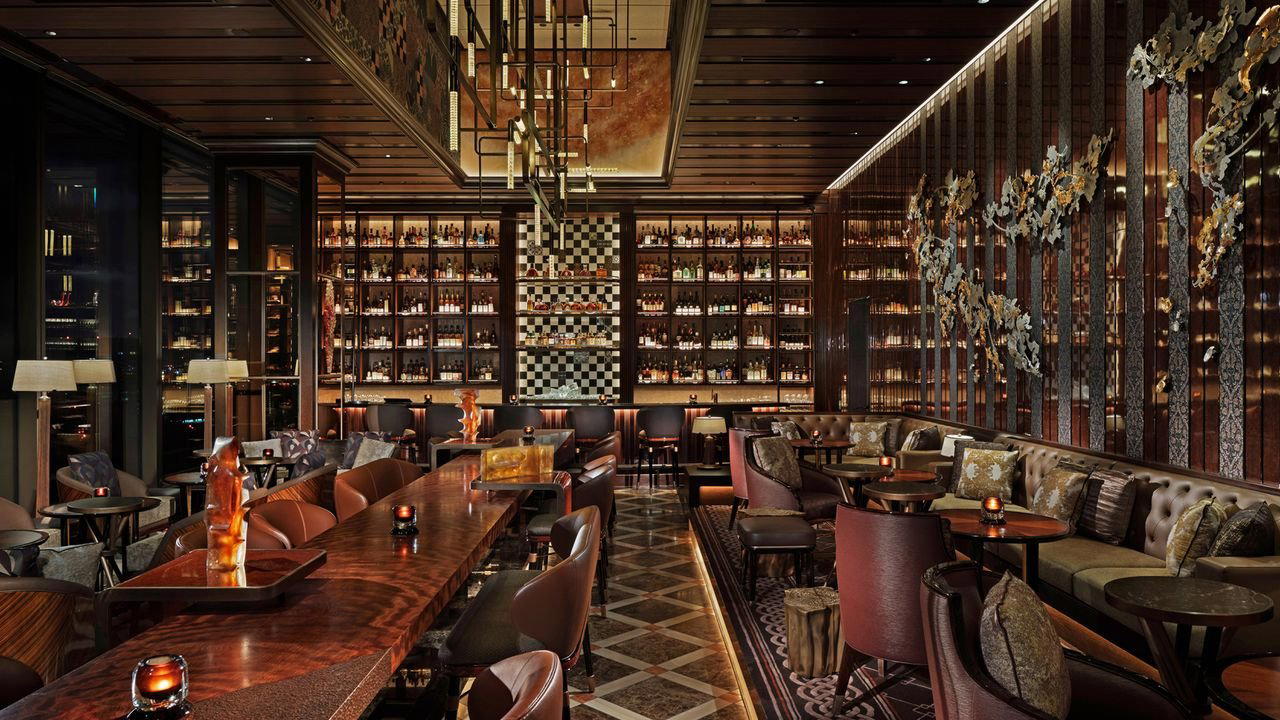
Modern and stylish with an intimate counter-focused layout and a refined, relaxed atmosphere centered on the grill.