
Our verdict
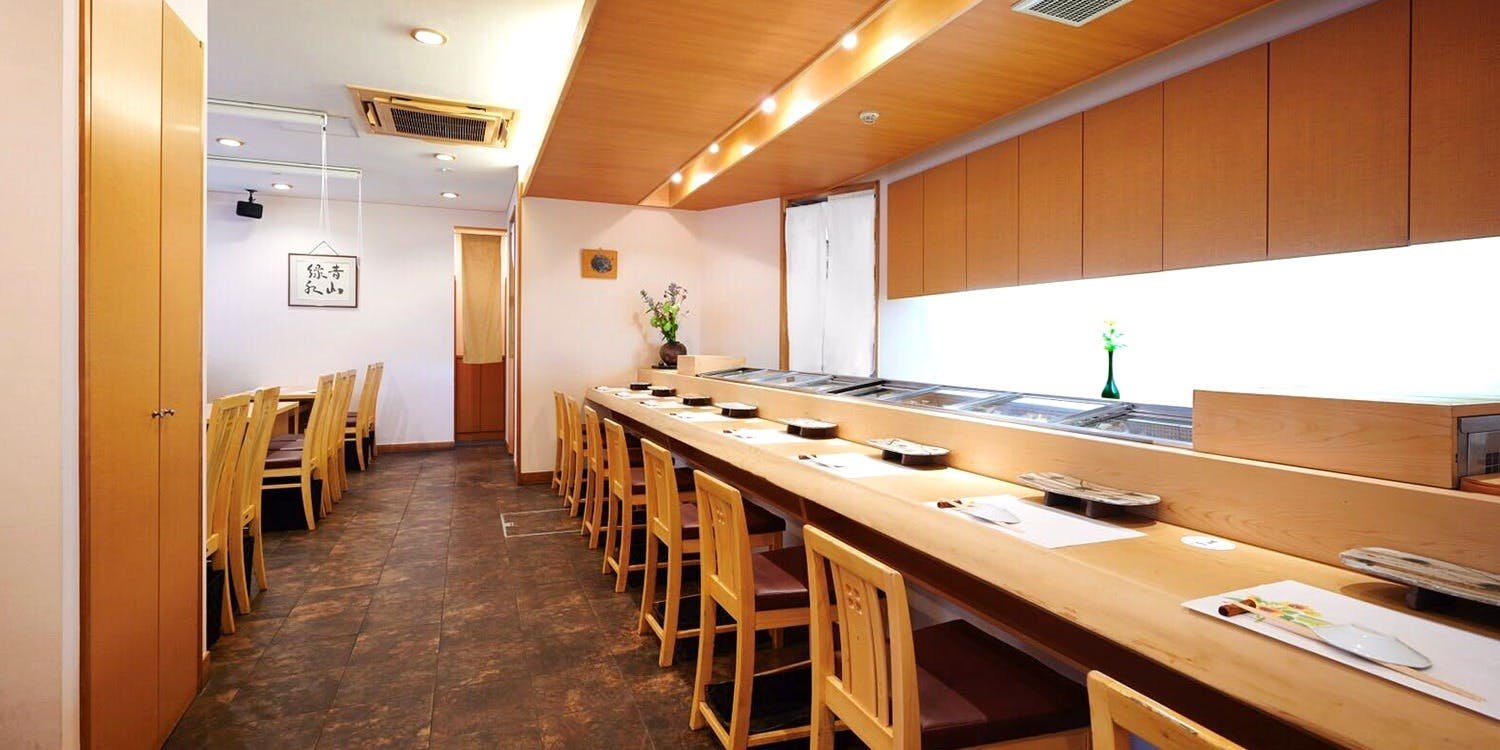
A lunchtime-only sushi counter in Nihonbashi, Miyako Zushi has earned consecutive recognition on Opinionated About Dining's Top Restaurants in Japan list, climbing from Highly Recommended in 2023 to a ranked position in both 2024 and 2025. Open just five days a week, its midday-only hours make it one of Tokyo's more disciplined operations, and one of the more quietly serious sushi addresses in the old mercantile heart of Chuo City.

Pearl is the En Primeur Club membership app, where members save venues, book tables and use the concierge.
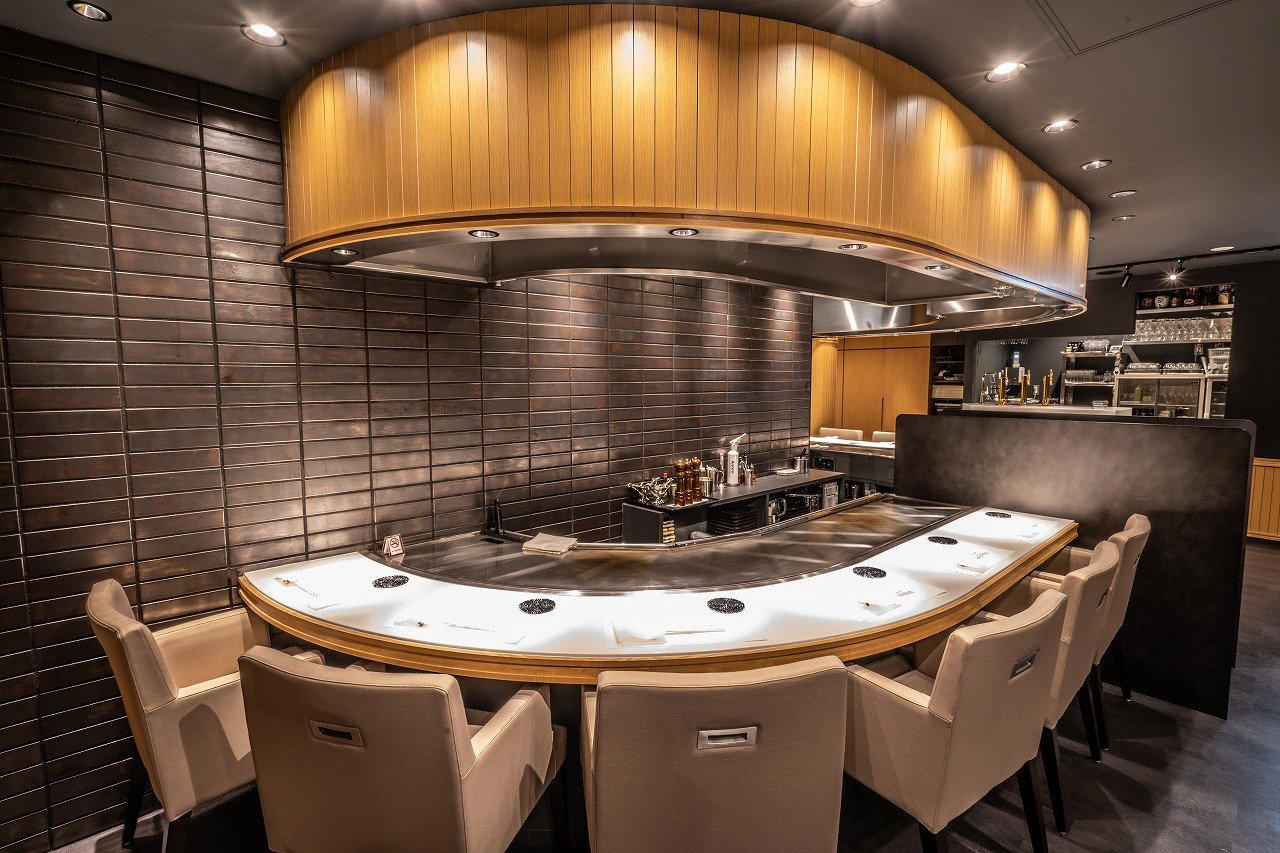
The menu
What to order
- Salt Sushi
- Assorted Nigiri
- Tuna Nigiri
Nihonbashi and the Sushi Counter That Keeps Its Own Hours
Tokyo's sushi scene is often mapped through its evening omakase counters, the multi-course progressions in Ginza and Minami-Aoyama that run from six until near midnight and require booking windows measured in months. But the city has always maintained a parallel tradition: the lunchtime sushi-ya, open only at midday, closed by mid-afternoon, operating on a rhythm that predates the modern tasting-menu format and that, in some rooms, has not changed in decades. Miyako Zushi, in Nihonbashi, belongs to that tradition. The kitchen opens at 11 am from Monday through Friday and closes at 2 pm. Saturday and Sunday, it does not open at all.
That constraint is the first thing worth understanding about this address. In a city where high-end sushi has increasingly oriented itself toward the evening, toward the ceremony of omakase, toward sake pairings and extended sequences, a counter that runs only at lunch, only on weekdays, and closes before the afternoon commute is making a deliberate statement about what it is. Nihonbashi, the Chuo City neighbourhood where Miyako Zushi sits, reinforces that character. This is old Tokyo mercantile territory, a district whose commercial identity stretches back to the Edo period when the original Nihonbashi bridge marked the starting point of the five major highways of Japan. The area has accumulated layers of financial institutions, department stores, and established restaurants without losing its sense of being a working district rather than a destination one. Lunch here is functional in the way it used to be everywhere: a proper meal taken in the middle of the working day, not an occasion dressed up as one.
Opinionated About Dining's Consistent Recognition
The third-party case for Miyako Zushi is built on a clear upward trajectory in Opinionated About Dining's rankings for Japan. The platform, which aggregates scored assessments from a network of frequent diners with documented eating records, placed Miyako Zushi in the Highly Recommended category in 2023, then moved it to a ranked position at number 353 in 2024, and ranked it again at number 393 in 2025. A slight downward movement in rank across two years does not necessarily indicate a decline in quality; OAD lists expand and contract based on the full field of evaluated restaurants, and a top-400 position in a country with the density of serious dining that Japan maintains is a meaningful signal. What the three-year record confirms is consistency: this counter has held recognition across multiple evaluation cycles without a gap year or a drop to unranked status.
Among Tokyo sushi, that kind of sustained third-party attention at a non-Michelin-starred address points toward a specific kind of room. Counters like Harutaka and Sushi Kanesaka operate in the bracket where starred recognition and OAD ranking overlap; Sukiyabashi Jiro Roppongiten occupies the well-documented upper tier of that system. Miyako Zushi's position is different: its recognition comes through a platform that weights repeat visits and informed eating, and it arrives at a lunch-only counter in a neighbourhood that does not draw the standard fine-dining crowd.
The Lunch Format as the Point
The editorial angle on Miyako Zushi is inseparable from its format. Lunch-only sushi in Tokyo operates under different economics and different expectations than evening omakase. The midday meal tends to be shorter, the price structure more contained, and the emphasis on a particular kind of efficiency, quality delivered within a time window that respects a working noon break. Edomae sushi at lunch, as a category, is where much of the foundational craft sits: the vinegared rice, the precision of the cut, the temperature management of fish that has been conditioned through the morning rather than left to evolve across a long evening service.
The five-day-a-week, two-hour operating window at Miyako Zushi means the kitchen runs a compressed service without the variability that comes from split sessions.
The booking window is likely shorter than the major evening counters; the time cost is two hours at most; and the location in Nihonbashi puts the meal within range of Chuo City's other lunch-hour institutions. Comparable sushi addresses in the accessible-to-serious middle register include Edomae Sushi Hanabusa and Hiroo Ishizaka, both of which serve as useful reference points for what the city's non-headline sushi tier looks like when it is operating at a high level.
Nihonbashi in Context
For visitors constructing a broader Japan itinerary, Tokyo's sushi geography extends well beyond the capital. Sushi Shikon in Hong Kong and Shoukouwa in Singapore represent what the export of Tokyo's counter tradition looks like in Southeast Asian fine-dining contexts. Within Japan, the conversation about serious dining reaches into HAJIME in Osaka, Gion Sasaki in Kyoto, akordu in Nara, Goh in Fukuoka, 1000 in Yokohama, and 6 in Okinawa. Each represents a different regional inflection on what serious Japanese cooking looks like outside the capital's concentrated restaurant district.
For the full picture of where Miyako Zushi sits within Tokyo's dining ecosystem, our full Tokyo restaurants guide maps the city's major categories and price tiers. Supplementary guides cover Tokyo hotels, Tokyo bars, Tokyo wineries, and Tokyo experiences for readers building a complete itinerary.
Know Before You Go
- Address: 2 Chome-9-7 Nihonbashi, Chuo City, Tokyo 103-0027, Japan
- Hours: Monday to Friday, 11 am – 2 pm. Closed Saturday and Sunday.
- Cuisine: Sushi (Edomae tradition)
- Recognition: Opinionated About Dining Leading Restaurants in Japan, Ranked #393 (2025), Ranked #353 (2024), Highly Recommended (2023)
- Guest Rating:
- Note: Lunch-only format means evening availability does not apply. Plan accordingly for a midweek visit.
Frequently asked questions
Where do I go for Miyako Zushi?
Miyako Zushi is located at 2 Chome-9-7 Nihonbashi, Chuo City, Tokyo 103-0027, Japan, Tokyo.
What's Miyako Zushi known for in terms of accolades?
Miyako Zushi has received recognition including: Opinionated About Dining Top Restaurants in Japan Ranked #393 (2025); Opinionated About Dining Top Restaurants in Japan Ranked #353 (2024); Opinionated About Dining Top Restaurants in Japan Highly Recommended (2023).
What do people recommend at Miyako Zushi?
Miyako Zushi draws visitors specifically for its traditional sushi counter format in Nihonbashi, a neighbourhood with deep commercial and culinary history in Tokyo. Opinionated About Dining, which aggregates votes from a peer network of serious diners and critics, has ranked it among the Top Restaurants in Japan three consecutive years, #353 in 2024 and #393 in 2025, signalling consistent peer endorsement rather than a single spike in attention. The counter operates Monday through Friday, 11am to 2pm only, so the experience itself is the recommendation: a focused lunch-format sitting rather than an extended evening omakase progression.
Is Miyako Zushi open every day?
Hours at Miyako Zushi: Hours: Monday 11 am–2 pm Tuesday 11 am–2 pm Wednesday 11 am–2 pm Thursday 11 am–2 pm Friday 11 am–2 pm Saturday Closed Sunday Closed.
Cuisine and Awards Snapshot
A quick snapshot of similar venues for side-by-side context.
| Venue | Cuisine | Price | Awards | Notes |
|---|---|---|---|---|
| Miyako ZushiThis venue (the venue you are viewing) | Edomae Sushi | $50–100 | Not listed | Not listed |
| Harutaka | Edo-Style Omakase Sushi | $200–300 | 3 Michelin Stars · World's 50 Best #76 | Sushi |
| RyuGin | Modern Kaiseki | $500+ | 3 Michelin Stars · World's 50 Best #41 | Kaiseki, Japanese |
| L'Effervescence | Modern French with Japanese Influences | $200–300 | 3 Michelin Stars · World's 50 Best #69 | French |
| HOMMAGE | Modern French with Japanese Influences | $150–200 | 2 Michelin Stars · World's 50 Best #78 | Innovtive French, French |
| MAZ | Innovative Peruvian-Japanese Fusion | $150–200 | 2 Michelin Stars · World's 50 Best #28 | Innovative |
Recognition history
Dated appearances from independent guides and award organizations, with the underlying list record or original source where available.
Opinionated About Dining Top Restaurants in Japan Recommended
Opinionated About Dining
Full recognition history (4 entries)
Opinionated About Dining Top Restaurants in Japan Ranked #393
Opinionated About Dining
Opinionated About Dining Top Restaurants in Japan Ranked #353
Opinionated About Dining
Opinionated About Dining Top Restaurants in Japan Highly Recommended
Opinionated About Dining
Continue exploring
More in Tokyo
More from Chef Various
Browse all →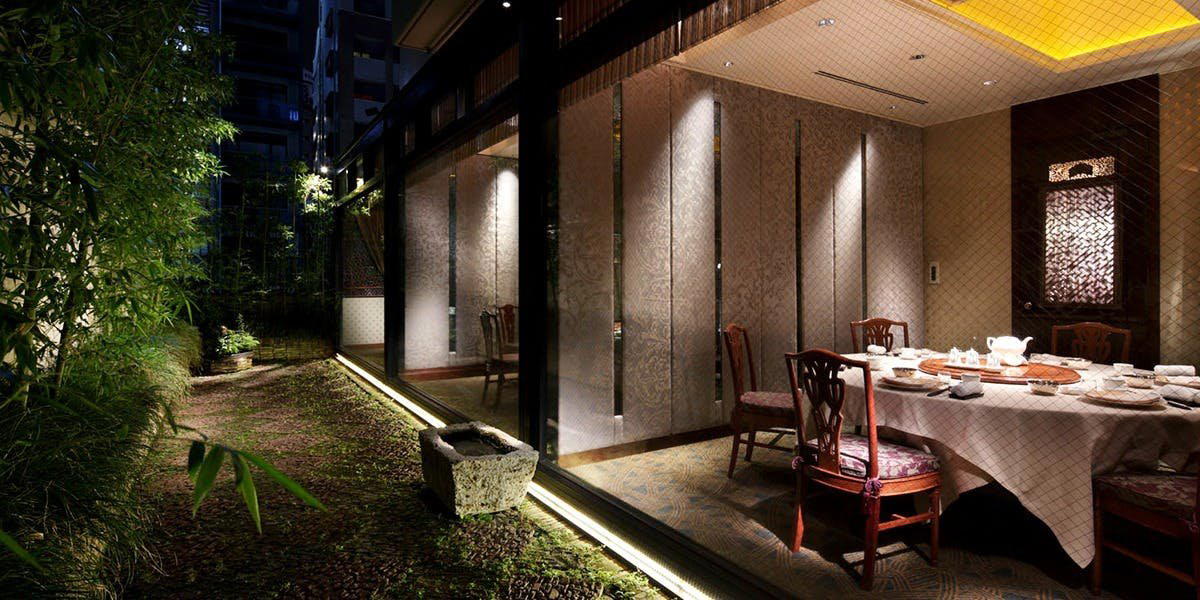
Restaurants in Tokyo
All restaurants in Tokyo →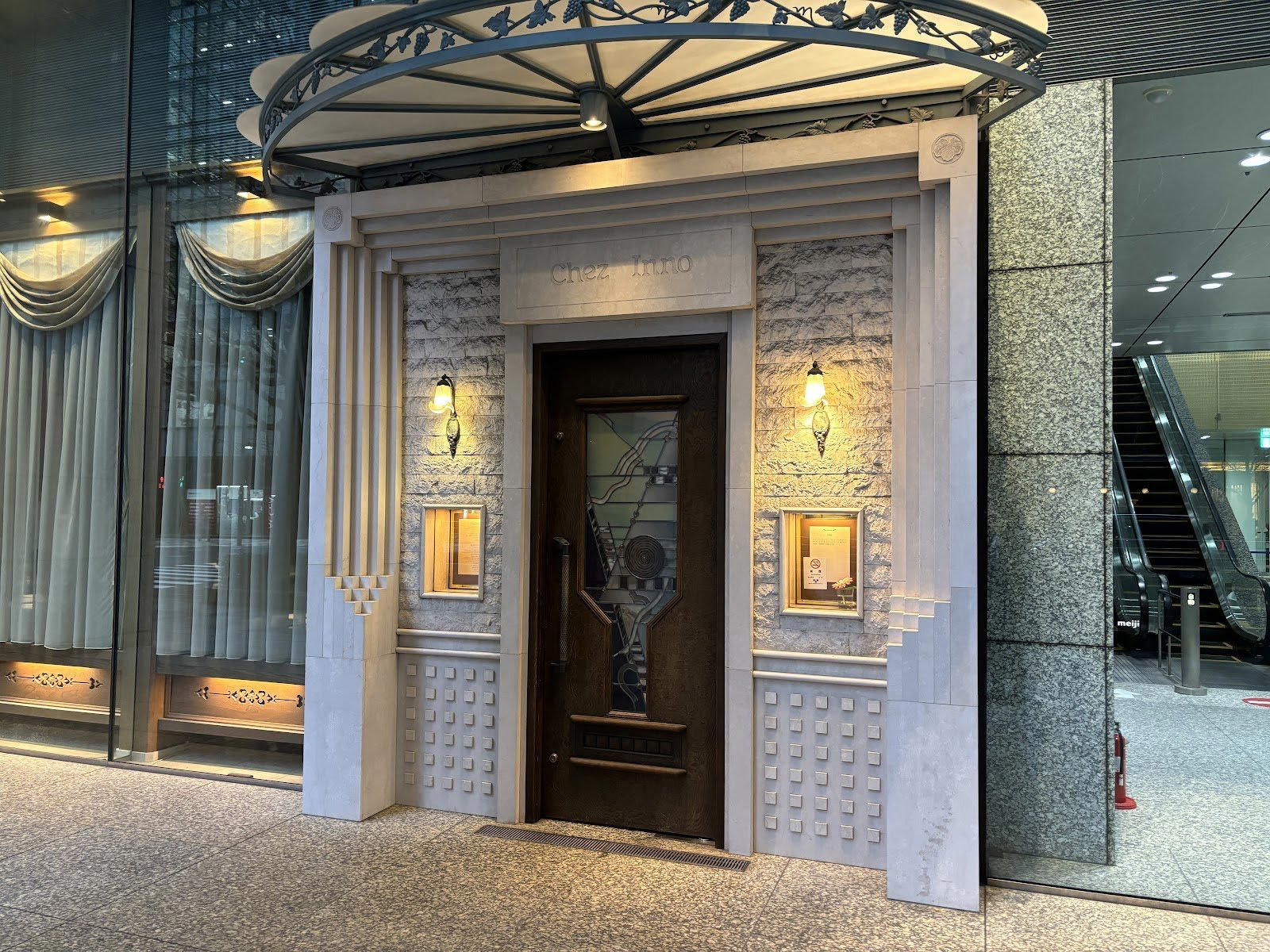

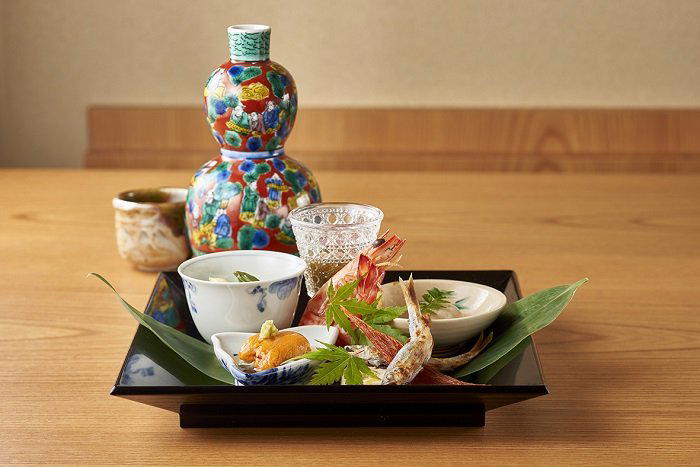



Details
- Classic
- Cozy
- Business Dinner
- Casual Hangout
- Sake Program
- A La Carte
- Set Menu
Current opening hours
- Monday
- 11 AM–2 PM
- Tuesday
- 11 AM–2 PM
- Wednesday
- 11 AM–2 PM
- Thursday
- 11 AM–2 PM
- Friday
- 11 AM–2 PM
- Saturday
- Closed
- Sunday
- Closed
Hours can change for holidays and private events. Hours as of .
Relaxed and inviting atmosphere focused on efficient Japanese hospitality and unpretentious comfort.