
Seo is a compact Azabujuban yakitori address with Tabelog 100 Yakitori EAST recognition in 2025 and prior selections in 2024, 2021, 2019, and 2018. The draw is not novelty but continuity: a counter-led chicken grill format in a Tokyo district where polished neighbourhood dining often matters more than spectacle.
Pearl is the En Primeur Club membership app — saves, bookings, and concierge access live there. Same editors, same standards.
- Address
- Japan, 〒106-0045 Tokyo, Minato City, Azabujuban, 1 Chome−4−2 カーサツルオカ B1F
- Phone
- +81 3-5574-8881
- Website
- tabelog.com
 Saves & bookings on Pearl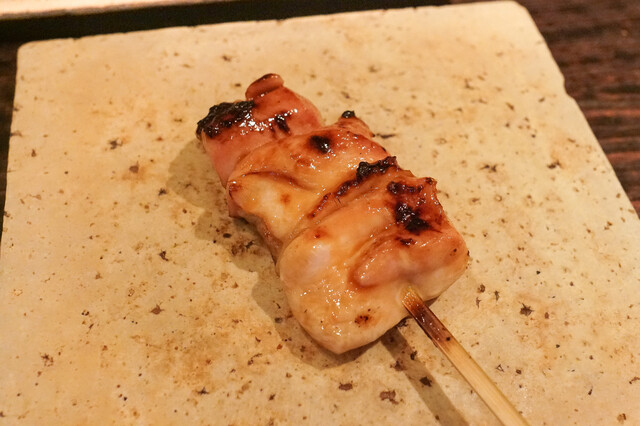
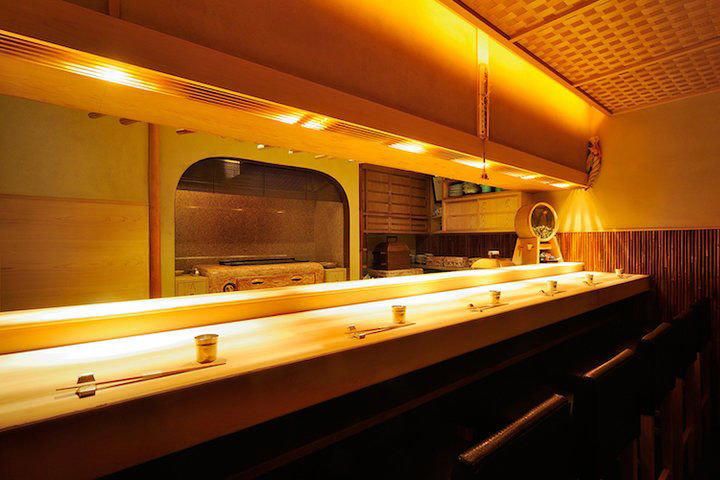
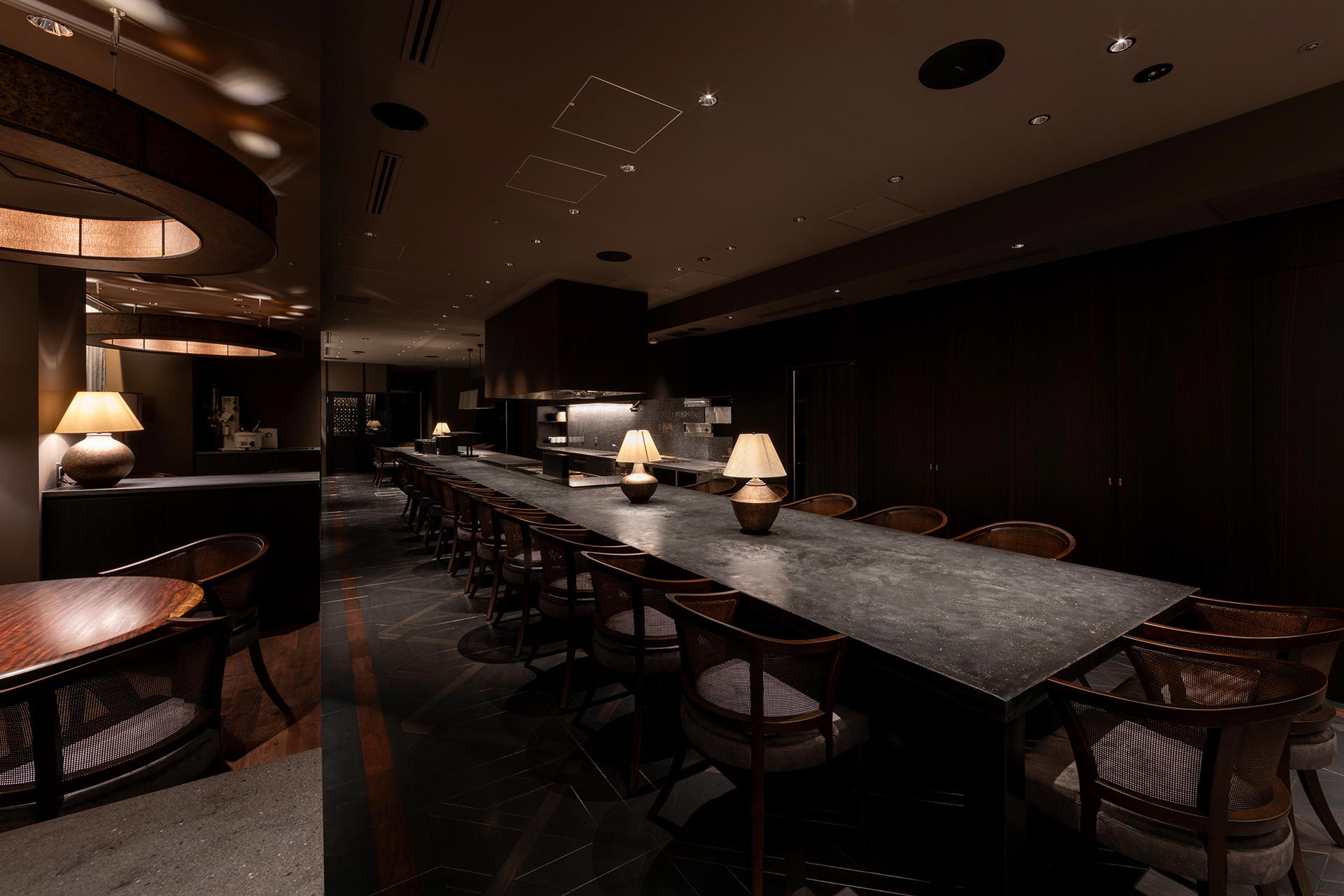
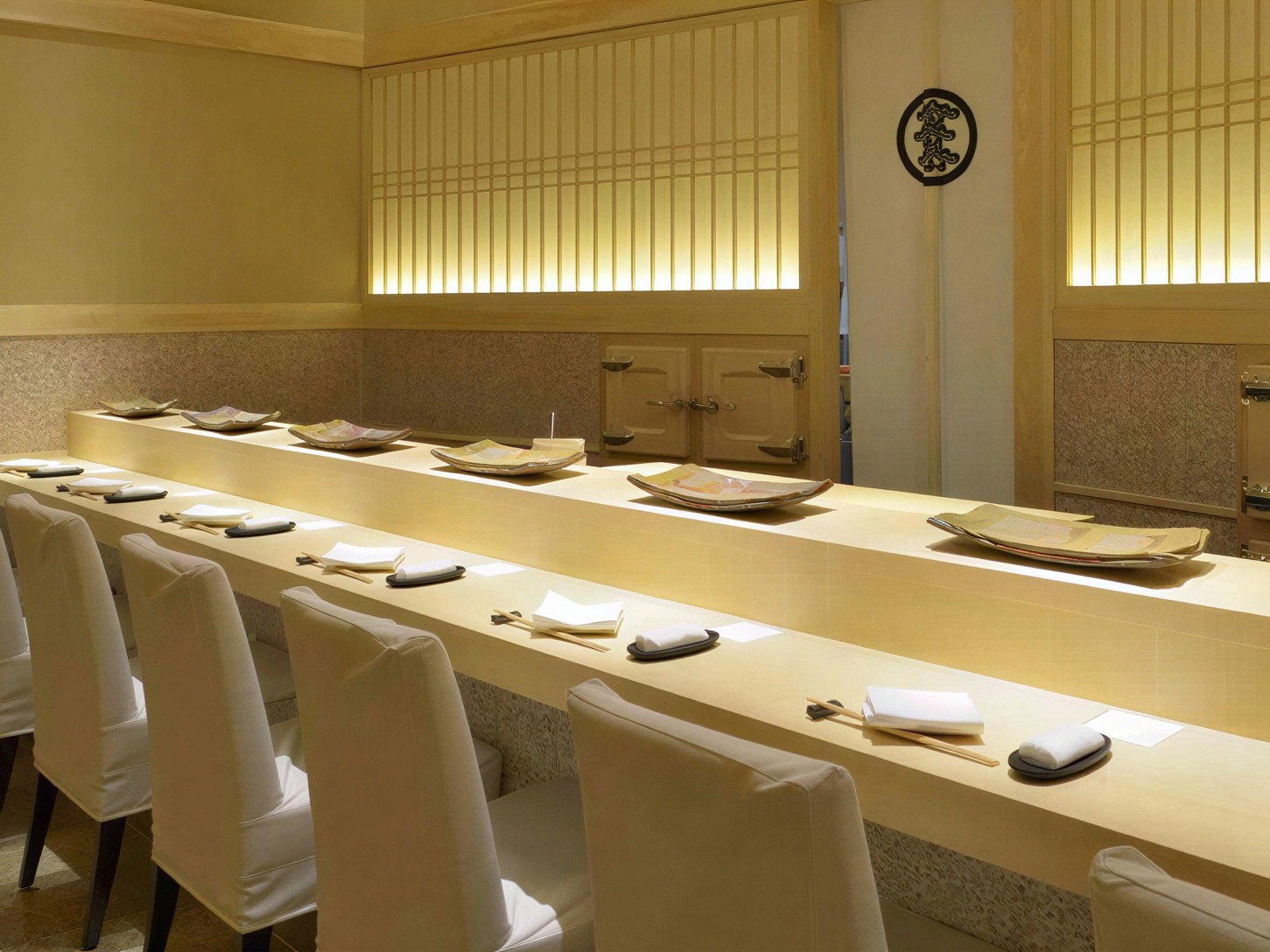
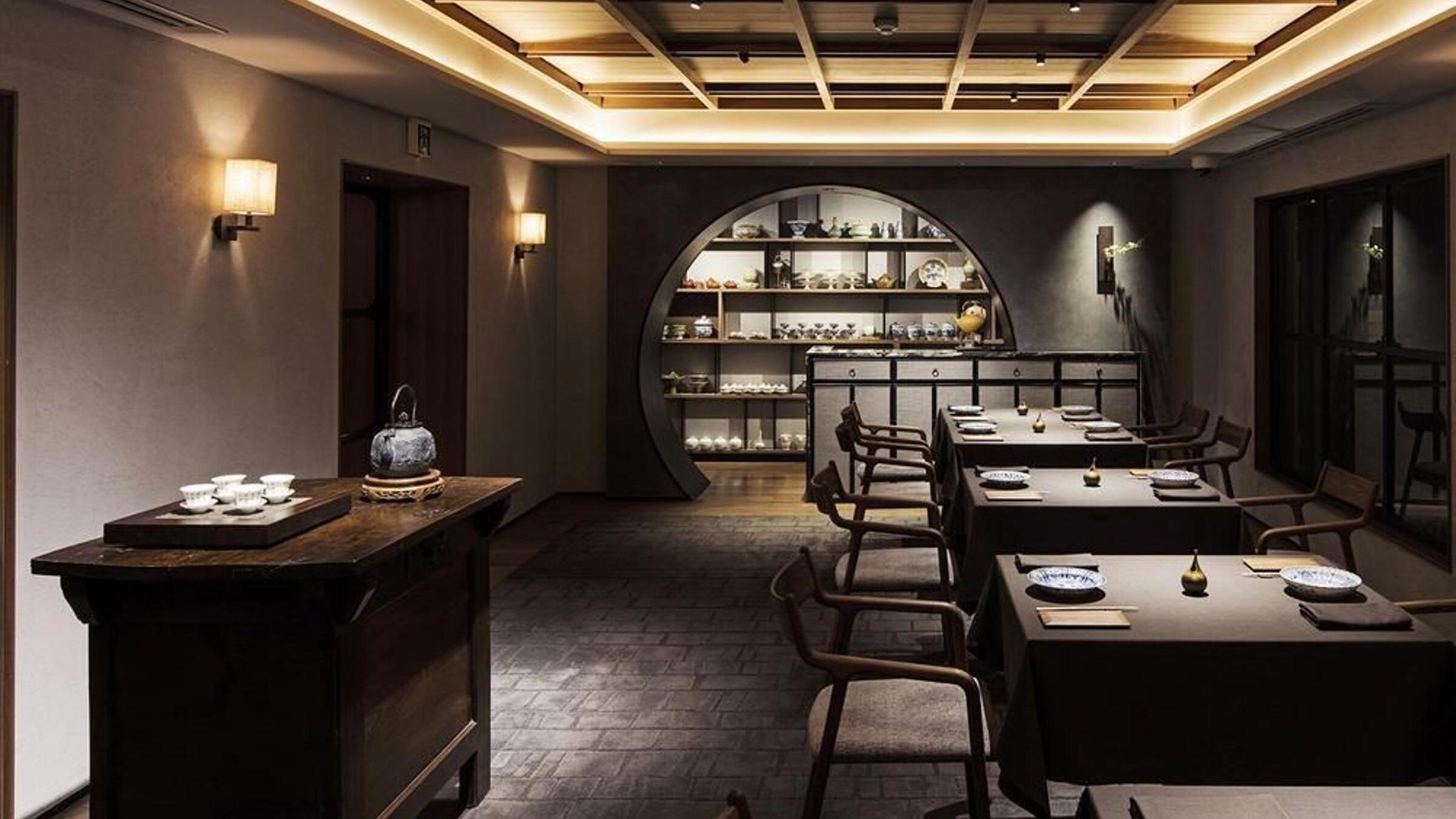
Azabujuban’s restaurant basements carry a particular Tokyo signal: discreet entrances, compact rooms, and dining rooms designed for people who already know why they are there. Seo belongs to that grammar. The room is small, counter-led, and built around the kind of yakitori format where the grill is not background equipment but the organising principle of the evening.
Tokyo yakitori has split into several lanes over the past decade. There are casual smoke-heavy shops built for beer, luxury counters that price themselves beside sushi and kappo, and neighbourhood rooms that keep the form disciplined without turning it into theatre. Seo sits in the last two categories rather than the first. Its repeated appearance on Tabelog’s Yakitori 100 selections, including the 2025 EAST list, places it inside a serious competitive bracket, but the setting remains closer to Azabujuban’s polished local dining culture than to a destination restaurant performing for visitors.
Yakitori in Azabujuban has grown up without losing the counter
Yakitori’s rise in Tokyo has not been about making grilled chicken grander. The more interesting shift is precision: tighter sourcing, more controlled pacing, and drinks lists that treat sake, shochu, and wine as part of the meal rather than an afterthought. Seo reflects that evolution. Chicken skewers and chicken dishes define the category, while the drinks programme covers nihonshu, shochu, and wine, a combination that places it in the modern Tokyo yakitori lane rather than the old izakaya shorthand.
The counter matters because yakitori is a cuisine of sequence. A small room changes the rhythm: heat, timing, and handoff become visible, and the meal reads as a progression rather than a plate-by-plate order. Seo’s configuration, with counter seating and a private room, suggests a dual role common in Minato: serious eating at the bar, quieter business or friend gatherings away from it. That split is part of why Azabujuban has become such a useful neighbourhood for this style of restaurant. It is central without feeling like Ginza, international without surrendering its local regulars, and comfortable with dinner rooms that do not need to announce themselves from the street.
Within Tokyo’s yakitori field, the comparison is not only with other grill counters. It is also with the city’s broader high-touch dining culture: sushi counters, kappo rooms, tempura specialists, and small Italian restaurants that use intimacy as a quality signal. Comparison venues such as Gaigai and Serata sit in the same broad yakitori conversation, while Piatto Suzuki shows how Azabujuban also supports compact specialist dining outside Japanese grill traditions. That context is useful because Seo’s appeal is not scale. It is the confidence of a room that has remained small while the category around it has become more expensive, more reservation-driven, and more closely watched.
Recognition here signals consistency, not a sudden trend
Tabelog selection history is the key trust marker. Seo was selected for Tabelog Yakitori 100 in 2018, 2019, 2021, 2024, and again for Yakitori EAST in 2025. In Tokyo, where yakitori lists are crowded and highly regional, that pattern says more than a single badge. It points to continuity across changing dining cycles: before the post-pandemic reservation squeeze, through the return of inbound travel, and into the current phase where specialist counters compete for the same attention once reserved for sushi.
The restaurant opened in 2003, which gives the recognition a different weight. Tokyo has seen waves of new yakitori counters arrive with sharper design, higher prices, and aggressive media attention. A two-decade address in this category has to keep relevance through execution, not surprise. Seo’s current position reads as reinvention by restraint: no public-facing chef myth is needed, and no elaborate concept has to carry the story. The format itself does the work.
That restraint also explains the right expectations. This is not the place to approach as a broad chicken restaurant in the Western sense, nor as a casual skewer stop between bars. It belongs to the Tokyo specialist tradition where the value sits in pacing, heat management, cuts, seasoning, and drink matching. Readers comparing across the city can use Our full Tokyo restaurants guide to place it beside other dining formats, while broader planning across stays, drinking, and cultural time can sit with Our full Tokyo hotels guide, Our full Tokyo bars guide, Our full Tokyo wineries guide, and Our full Tokyo experiences guide.
How to read Seo against Tokyo's wider dining map
The smarter way to plan a Tokyo food itinerary is by format, not cuisine labels alone. Yakitori demands a different mood from curry, café culture, sukiyaki, or sake-led bar dining. For contrast within Tokyo, compare Seo’s controlled grill-counter lane with 124. KAGURAZAKA (Yakitori). 鮪と炭火焼き うお炭 秋葉原店, 12/10 Shinjuku ten, 2D Cafe, and 3 Chome no Curry Ya San. Each points to a different version of Tokyo dining: grill, casual visual culture, neighbourhood curry, or late-city grazing.
Outside Tokyo, the contrast becomes even clearer. -Grilled beef Sukiyaki- KAMAKURA TANUKIAN 鎌倉 たぬき庵 in Kamakura sits in a beef-led tradition;.cafe in Osaka and.know in Kumamoto belong to different regional casual registers; (Shoku) Vietnam in Kawasaki shifts the lens to Vietnamese cooking in Greater Tokyo; [Curry Senmon Ten] Maruyama Kyoju. in Sapporo shows how specialist curry travels by city; and [ki:] in Kyoto belongs to another dining tempo altogether. Even abroad, Jōdo Saké Bar in Los Angeles and Onigiri Time in Pasadena show how Japanese formats change when removed from their local operating culture.
The case for Seo is therefore narrow, which is a strength. It is for travellers who want Tokyo yakitori in a serious but not overblown register, with enough recognition to justify the detour and enough neighbourhood character to avoid feeling interchangeable. In a city where the new opening often gets disproportionate attention, longevity is the sharper signal.
Cost Snapshot
Nearby venues at a similar price tier for orientation.
| Venue | Cuisine | Price | Notes |
|---|---|---|---|
| SeoThis venue — the venue you are viewing | Minato, Yakitori | $$$ | Not listed |
| Ranma | Minato, Teppanyaki Japanese | $$$ | Not listed |
| Sushi Sagawa | Minato, Traditional Edomae Sushi | $$$ | Not listed |
| 伯雲 | Minato, Traditional Japanese Kaiseki | $$$ | Not listed |
| Ebisu Kuroiwa | Shibuya, Kaiseki | $$$ | Not listed |
| Kourai Tei | Not listed | $$$ | Shibuya, Korean-style Yakiniku (Japanese BBQ) |
Recognition history
Dated appearances from independent guides and award organizations, with the underlying list record or original source where available.
Tabelog 100 #15 · No. 15
Tabelog · Tabelog 100 - Yakitori - EAST - 2025









At a Glance
- Cozy
- Intimate
- Classic
- Sophisticated
- Business Dinner
- Group Dining
- Special Occasion
- After Work
- Private Dining
- Standalone
- Sake Program
- Beer Program
- Corkage Allowed
Current opening hours
- Monday
- 5–10:30 PM
- Tuesday
- 5–10:30 PM
- Wednesday
- 5–10:30 PM
- Thursday
- 5–10:30 PM
- Friday
- 5–10:30 PM
- Saturday
- 5–10:30 PM
- Sunday
- Closed
Hours can change for holidays and private events. Last verified .
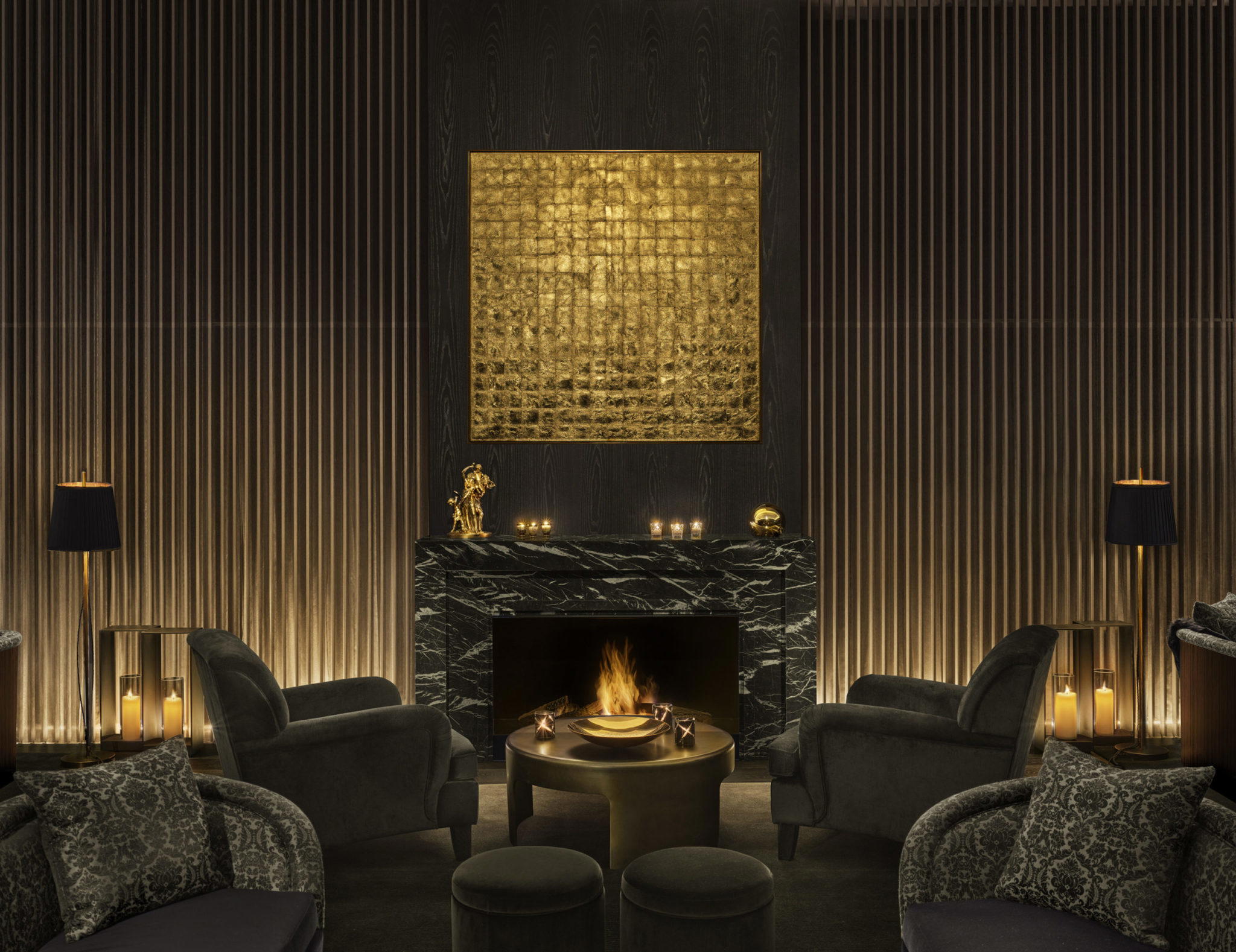
A calm, stylish basement-level yakitori space that feels cozy and intimate, with counter seating and a relaxed, hidden-away atmosphere.