
Behind a black timber facade on Sukhumvit 26, Yakiniku Sudo is a Wagyu-focused grill counter where Japanese technique meets Bangkok's appetite for precision dining. The minimalist interior keeps attention on the grill, where beef is coaxed to temperature with quiet care. Counter seats are the move for solo diners or pairs who want the full theatre of it.
Pearl is the En Primeur Club membership app — saves, bookings, and concierge access live there. Same editors, same standards.
- Address
- ชั้น 2 ห้อง 206 โครงการนิฮอนมาชิ เลขที่ 115 207 Sukhumvit 26, Khlong Tan, Khlong Toei, Bangkok 10110, Thailand
- Phone
- +66 82 814 3444
- Website
- instagram.com
- Directions
- Get directions
 Saves & bookings on Pearl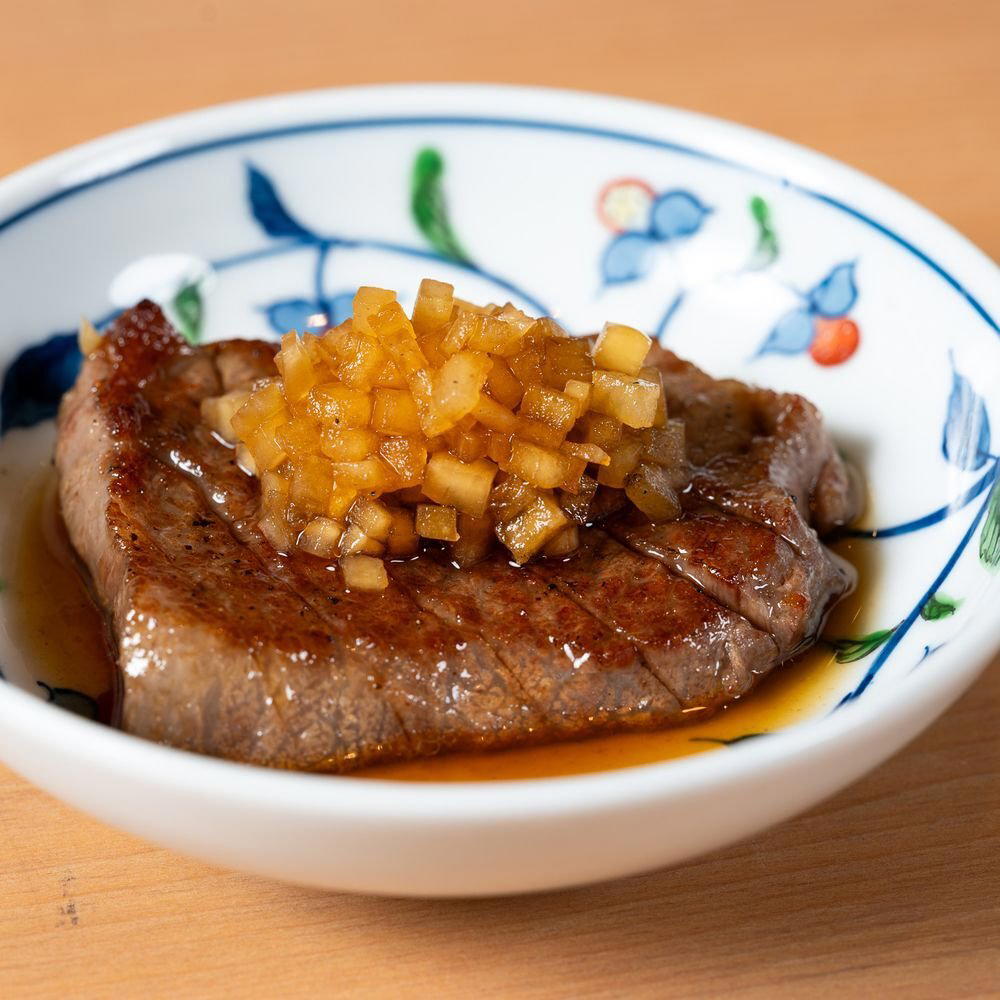
A Black Door on Sukhumvit 26
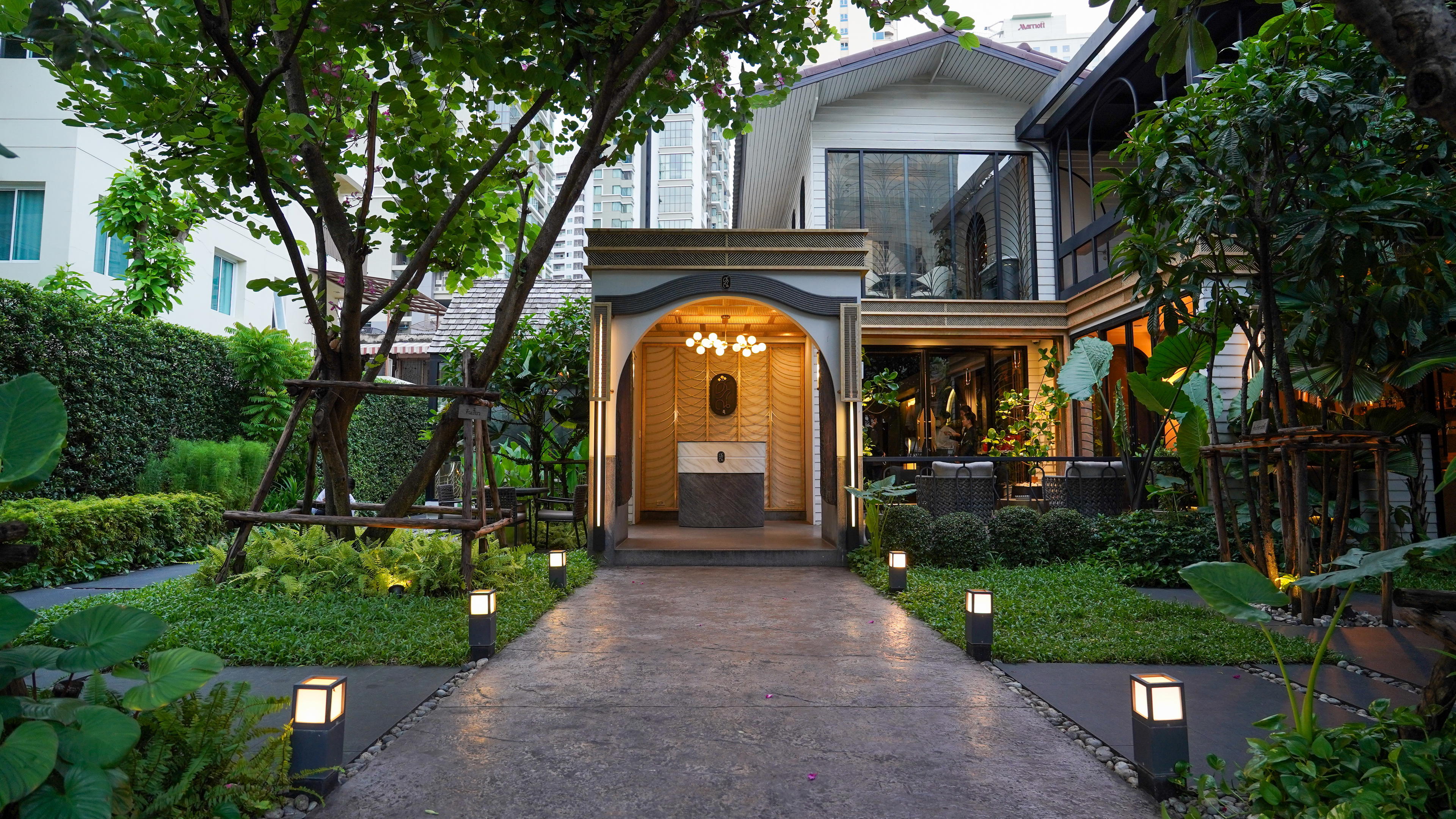
Bangkok's Sukhumvit corridor has long functioned as the city's most cosmopolitan dining strip, where Japanese-run restaurants occupy a tier of their own. The neighbourhood around Sukhumvit 26, inside the Nihonmachi project, leans into that identity with deliberate focus. Yakiniku Sudo sits on the second floor of that complex, announced by little more than a black timber facade and a modest sign.
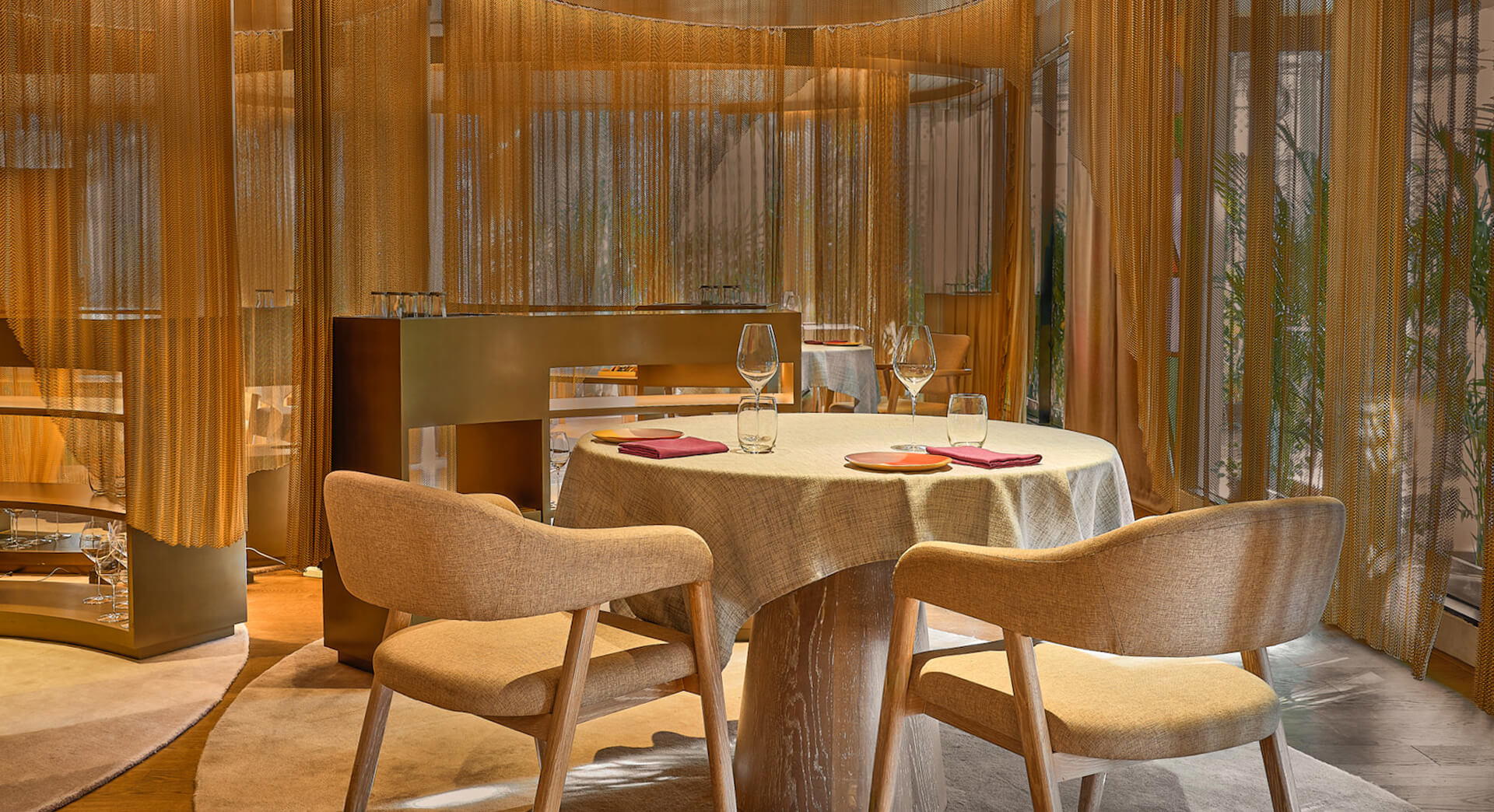
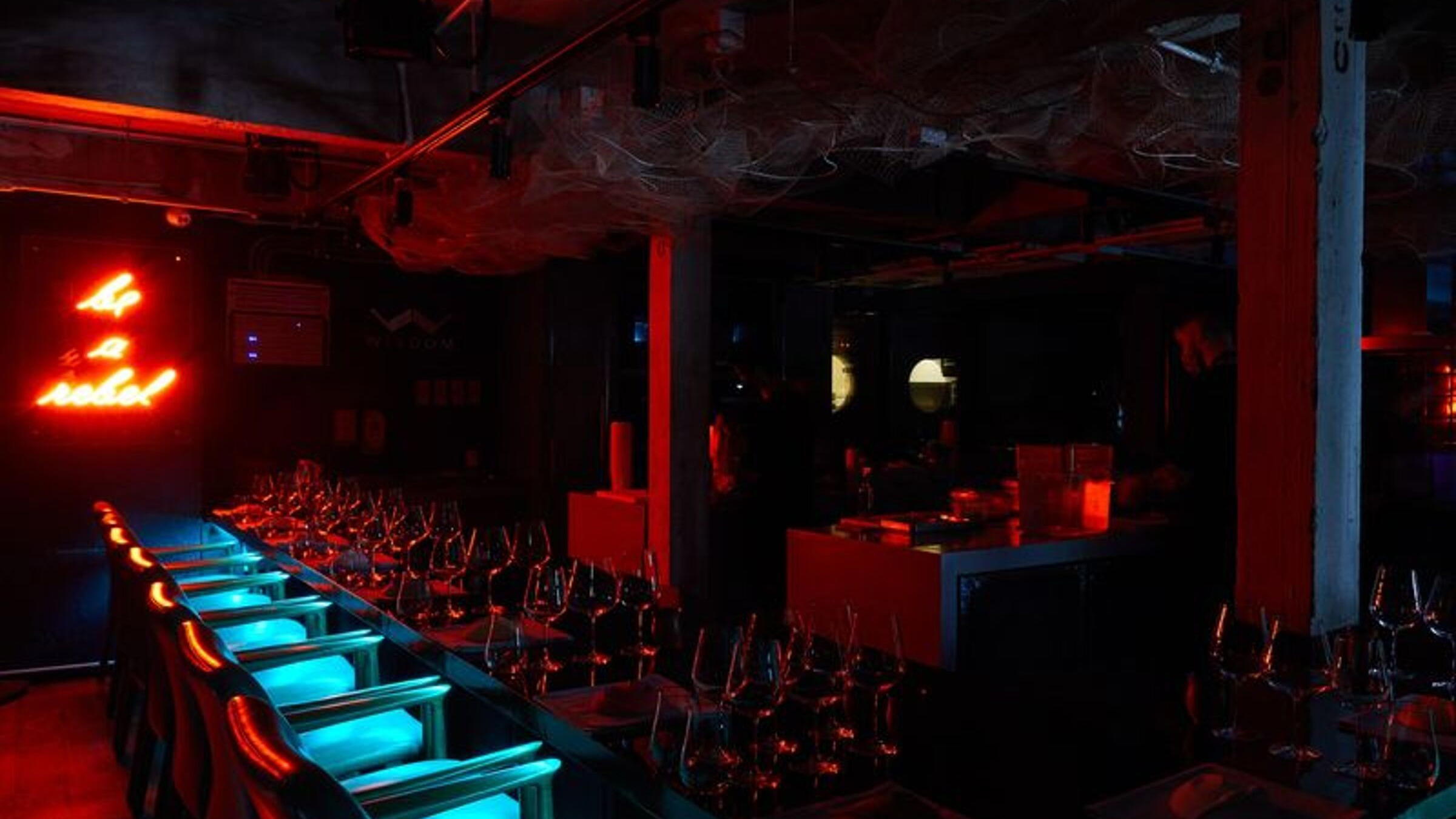
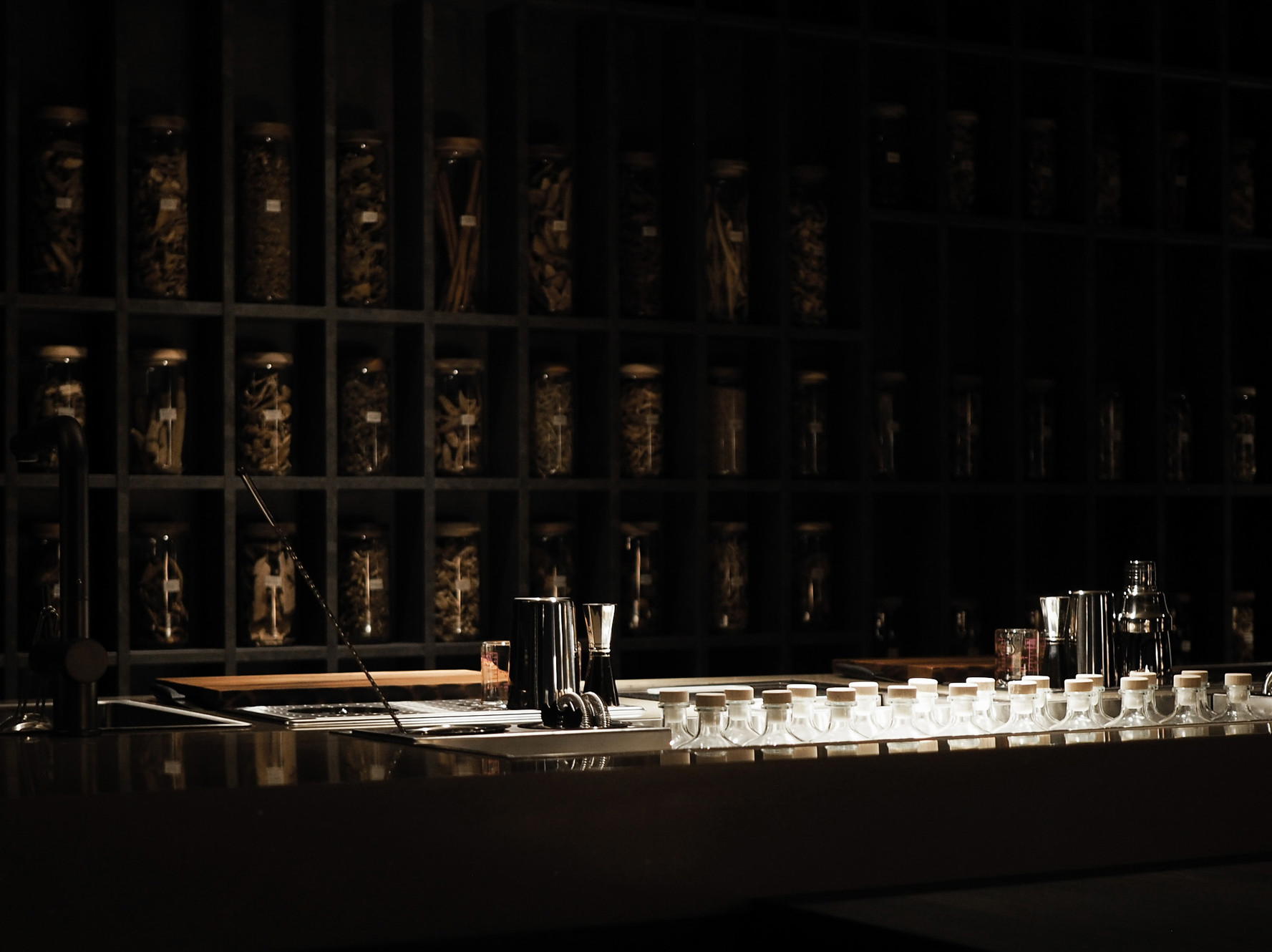
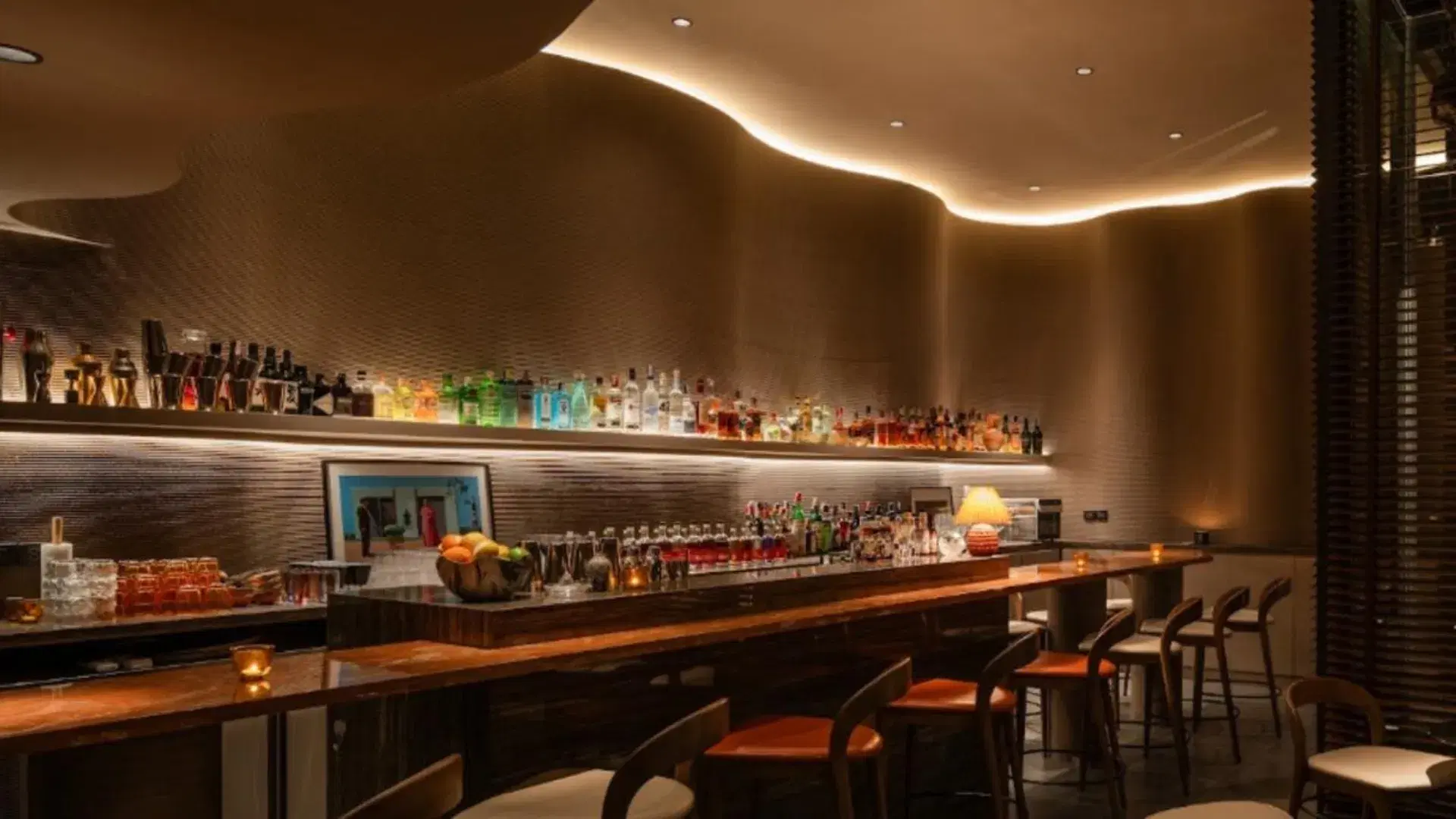
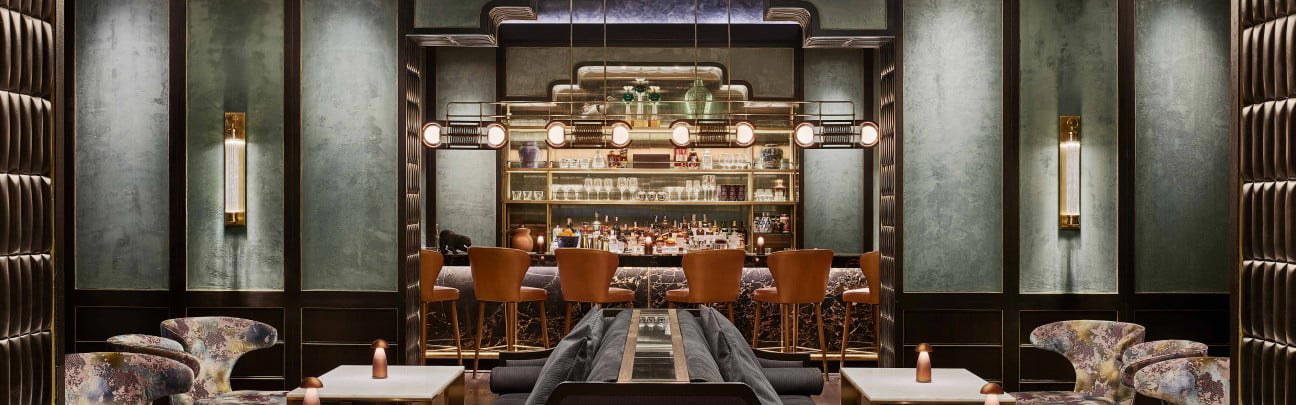
The design language inside follows through. Dark tones, minimal decoration, and a spatial arrangement that funnels attention toward the grill station rather than the walls or the room itself. This is a format common to high-end yakiniku in Tokyo and Osaka, where the counter becomes a kind of stage and the chef's movements around it carry the evening's rhythm. In Bangkok's Japanese dining circuit, that level of interior discipline remains relatively uncommon outside of omakase sushi, making the format here worth noting as a distinct design choice rather than a default.
The Counter as the Point
Yakiniku as a format presents an architectural challenge: the grill, smoke, and theatre of the live cook need to be legible to the diner without the space becoming chaotic. At Sudo, the seating arrangement resolves this by prioritising the counter. Groups who book counter seats get the closest read on what is happening at the grill, which is part of the recommendation built into the venue's own positioning. The alternative for those in private dining configurations is a more removed experience, which suits different contexts but loses some of the format's core appeal.
Across Bangkok's fine-dining circuit, the counter-as-theatre model has proven durable. Omakase counters at the city's Japanese restaurants, including some that sit in the same ฿฿฿฿ bracket as venues like Sorn (Southern Thai) and Baan Tepa (Thai contemporary), have established an expectation among Bangkok diners that the chef's work should be visible and proximate. Sudo extends that logic from sushi to yakiniku, which requires a different kind of spatial calibration given the presence of live fire and the pace at which cuts move through the grill.
Wagyu, Technique, and the Logic of Restraint
The menu centres on Wagyu, handled with what the venue describes as Japanese-honed precision. In practical terms, this means the beef is grilled to coax out its natural aroma, tenderness, and depth rather than masked by heavy seasoning or elaborate preparation. That approach aligns with a wider principle in premium yakiniku: the beef itself carries the argument, and the chef's role is temperature management, timing, and knowing when to stop. House-made sauces, offered in classic form or as pineapple kimchi, provide counterpoint without crowding the plate. Thoughtful sides and a dessert round out the format, giving the meal a clear arc from start to finish.
This model sits at a different end of the spectrum from Bangkok's tasting-menu scene, where elaborate sequence and conceptual framing drive the experience. Restaurants like Gaa (Modern Indian), Sühring (German), and Côte by Mauro Colagreco (Mediterranean) operate through multi-course architecture where narrative and provenance are central to the pitch. Yakiniku Sudo operates through a more direct logic: the quality of the ingredient and the precision of the cook, presented without extended framing. That is not a simpler proposition; it is a different one, and in Bangkok's saturated fine-dining market, it occupies a distinct position.
Where It Sits in Bangkok's Japanese Dining Scene
Bangkok has one of Southeast Asia's deepest concentrations of Japanese dining outside Japan itself, spanning ramen shops, izakayas, kaiseki counters, and specialty grill formats. Premium yakiniku, however, remains a smaller subset. The capital's highest-profile Japanese restaurants have tended to cluster around sushi and kaiseki as the prestige formats, with yakiniku occupying a more casual register in most cases. A Wagyu-specialist grill operating at Sudo's apparent level of precision and design intent represents a different point on that spectrum: serious in execution, Japanese in technique, but less reliant on the ceremony and sequence of kaiseki or omakase.
For comparison outside Bangkok, the yakiniku format at its most refined appears in Tokyo's Michelin-listed grill rooms, where the counter model, single-origin Wagyu sourcing, and minimal intervention have become markers of credibility. Atomix in New York City and Le Bernardin in New York City represent a related but distinct principle: that format discipline and ingredient quality can carry a room without decorative excess. Sudo's interior and menu philosophy echo that principle in a Bangkok context.
Elsewhere in Thailand, the fine-dining conversation extends well beyond Bangkok. PRU in Phuket and Aeeen in Chiang Mai each operate with their own regional identity, while AKKEE in Pak Kret and Angeum in Phra Nakhon Si Ayutthaya push further into the country's culinary margins. Agave in Ubon Ratchathani and The Spa in Lamai Beach add to a nationwide picture where serious dining is no longer a Bangkok-only proposition.
Planning a Visit
Yakiniku Sudo is located on the second floor of the Nihonmachi complex at 115/207 Sukhumvit 26, Khlong Tan, Bangkok. For groups, counter seats are the recommended configuration to make full use of the grill theatre. The venue's format and tone suit those who want focused, technique-led dining in a quiet, dark room rather than a lively social atmosphere.
Where the Accolades Land
Comparable venues nearby, for context on price, style, and recognition.
| Venue | Cuisine | Price | Awards | Notes |
|---|---|---|---|---|
| Yakiniku SudoThis venue — the venue you are viewing | Premium Yakiniku Omakase | $$$ | Michelin Plate | Not listed |
| In the Mood for Love (Sushi) | Fusion Sushi Bar & Bistro | $$$ | Not listed | Khlong Tan Nuea |
| Sushi Ichizu | Authentic Edomae Omakase | $$$$ | Not listed | Watthana Khwaeng |
| Jikasei B | Edomae Omakase Sushi | $$$$ | Michelin Plate | Watthana Khwaeng |
| Torisawa 22 | Yakitori Omakase | $$$$ | Michelin Plate | Watthana Khwaeng |
| Seifu | Kyoto Kaiseki Omakase | $$$$ | Michelin Plate | Siam Square |
Recognition history
Dated appearances from independent guides and award organizations, with the underlying list record or original source where available.
Michelin Plate
Michelin
At a Glance
- Minimalist
- Special Occasion
- Sake Program
Current opening hours
- Monday
- 11 AM–9 PM
- Tuesday
- 11 AM–9 PM
- Wednesday
- 11 AM–9 PM
- Thursday
- 11 AM–9 PM
- Friday
- 11 AM–9 PM
- Saturday
- 11 AM–9 PM
- Sunday
- 11 AM–9 PM
Hours can change for holidays and private events. Last verified .
Dark, minimalist space with focus on the chef's grilling.