
Michelin Plate
Our verdict
An eight-seat Edomae counter on Sukhumvit Soi 43 where a Portuguese chef works with seasonal fish flown from Tokyo and Kanazawa, seasoning sushi rice with three vinegars and following a traditional meal progression. The intimate room and engaged, English-speaking service make it one of the more considered omakase formats in Bangkok's increasingly crowded Japanese dining tier.

Pearl is the En Primeur Club membership app, where members save venues, book tables and use the concierge.
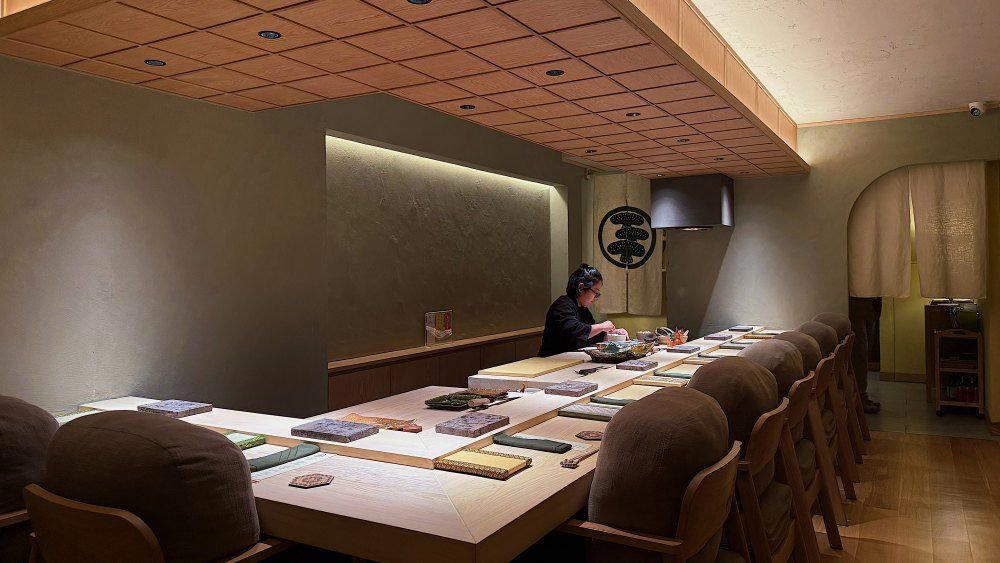
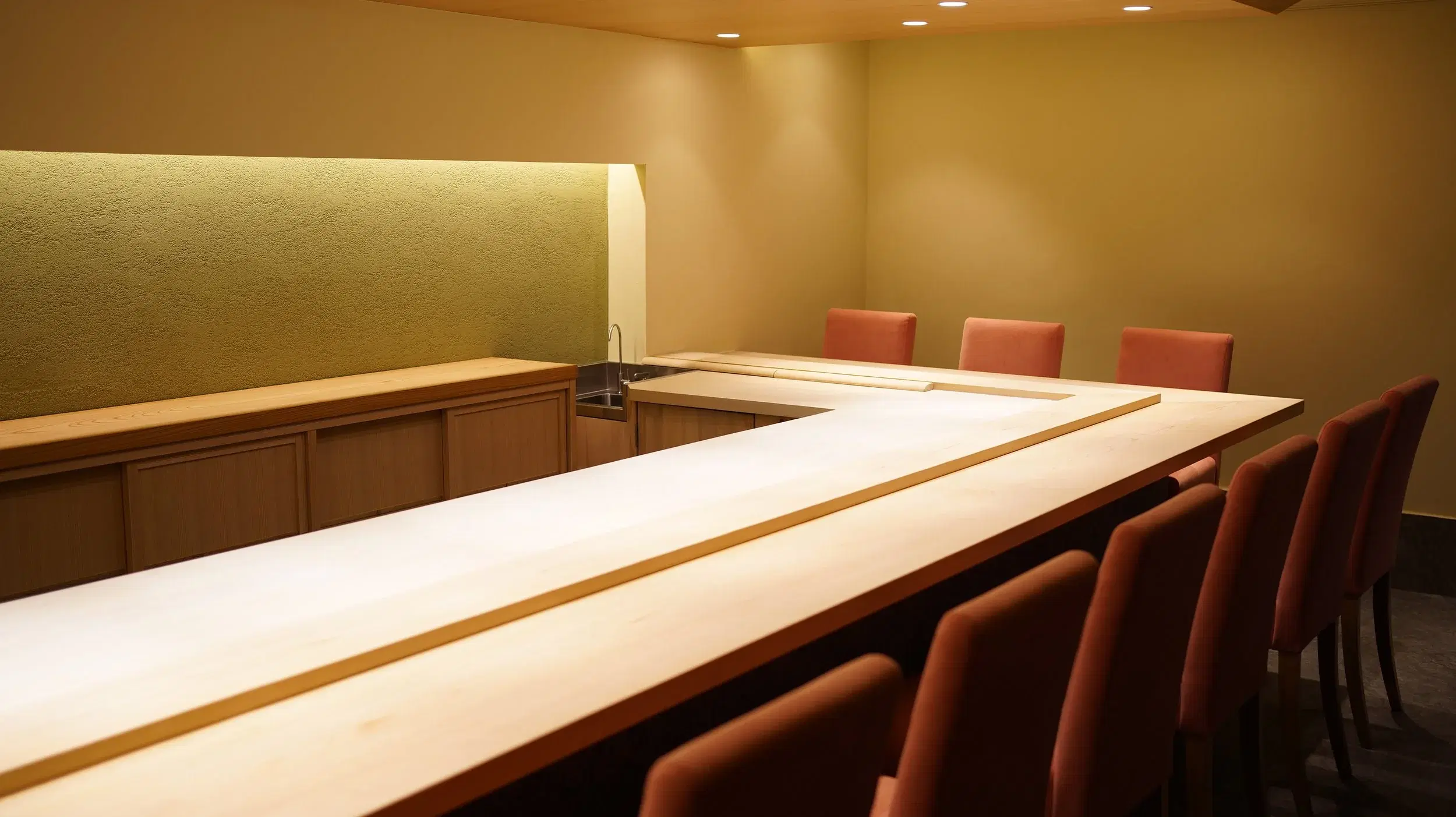
Eight seats. A counter worn to a quiet shine. The room on Sukhumvit Soi 43 gives almost nothing away from the street, which is part of the point. Bangkok's premium omakase tier has expanded sharply over the past five years, and the venues that earn sustained attention tend to be the ones that resist volume and spectacle in equal measure. Jikasei B sits firmly in that category.
Edomae in Bangkok: What That Actually Means
Edomae is not simply a style of sushi. It is a specific set of techniques developed in Edo-period Tokyo that treated preservation and seasoning as craft equal to the fish itself. Salt, vinegar, kelp curing, light pickling, controlled aging: these methods were born from necessity before refrigeration and survived into the contemporary kitchen because they generate flavour complexity that raw fish alone cannot. The leading omakase counters in Tokyo and Osaka still anchor their menus to this tradition, and Bangkok's top-tier Japanese restaurants have increasingly adopted the same framework.
At Jikasei B, the Edomae progression is paired with sushi rice seasoned using three vinegars, a technical choice that adds layered acidity rather than the flat sharpness of a single-vinegar blend. This is the kind of detail that goes unnoticed unless you've eaten widely across the omakase format, but it registers in every piece of nigiri. The sourcing reinforces the approach: seasonal fish arrives from Tokyo's Toyosu market and from Kanazawa, a coastal city on the Sea of Japan with a distinct cold-water catch profile that differs meaningfully from Pacific-side sourcing.
A Portuguese Perspective on Japanese Form
Bangkok's fine dining circuit has become one of Asia's more interesting arenas for cross-cultural technique precisely because it draws chefs from outside the obvious lineages. The chef at Jikasei B arrives from Portugal, which places him in an instructive context. Portuguese culinary culture has one of the longest-documented relationships with preserved and cured seafood in the Western tradition, and that instinct for patience and transformation translates with uncommon naturalness into Edomae discipline. The result is a counter where the Japanese framework is observed closely but not recreated as pastiche.
This is a different proposition from the Thai-Japanese fusion formats that have multiplied across Bangkok, and it is also distinct from the Japanese-only counters staffed entirely by Japanese chefs. It occupies a narrower band: rigorous in its adherence to Edomae progression, but informed by a culinary background that reads fish and acidity through a different cultural lens. Bangkok's dining scene has produced a number of these laterally-positioned formats in recent years, including Gaa, where Indian technique intersects with European precision, and Côte by Mauro Colagreco, which brings Argentine-Mediterranean thinking to bear on the city's premium dining tier.
The Counter Experience
The eight-seat format is not incidental. Counters at this capacity operate on a different logic from larger omakase rooms: the chef's arc of attention is concentrated, the pacing is tighter, and the interaction between kitchen and guest shapes the experience in ways that a 20-seat room cannot replicate. The chef at Jikasei B conducts service in English, which matters more than it might seem. Omakase relies on communication, on the chef reading the table and the guest understanding what they're eating and why. When that exchange is fluent, the meal gains dimension that a silent or translated service cannot provide.
Among the course highlights cited from the menu record is ankimo, the monkfish liver preparation that functions as one of the benchmark tests of an Edomae kitchen. It requires controlled curing to temper the organ's richness, and here it arrives tucked into crispy rice-flour wafers, a textural decision that breaks the heaviness and extends the flavour across the bite. This is the kind of dish that separates counters with genuine technical command from those simply working through a standard omakase template.
How Jikasei B Sits in Bangkok's Premium Restaurant Set
Bangkok's most-decorated restaurant tier runs heavily toward Thai cuisine and European fine dining. Sorn holds three Michelin stars for Southern Thai, while Baan Tepa and Sühring each hold two, representing Thai contemporary and German cuisines respectively. The Japanese omakase niche occupies a parallel track in the city's premium dining structure, drawing a guest profile with significant overlap but a distinct set of expectations around format, pacing, and sourcing transparency.
For context beyond Bangkok, the Edomae counter format has been refined at some of the most closely watched addresses in the world. Atomix in New York demonstrates how Korean culinary tradition can be applied with comparable rigour to multi-course tasting formats, while Le Bernardin remains the reference point for what sustained technical mastery of seafood looks like across decades. Jikasei B operates at a smaller scale and in a different tradition, but the underlying discipline is recognisable across all three.
Thailand's premium dining scene extends well beyond Bangkok. PRU in Phuket applies estate-grown produce to a serious tasting format, while Aeeen in Chiang Mai brings Northern Thai ingredients to a contemporary frame. Further afield, AKKEE in Pak Kret, Angeum in Ayutthaya, and Agave in Ubon Ratchathani each represent the spread of serious dining formats into Thailand's secondary cities. See the full picture in our Bangkok restaurants guide, alongside our Bangkok hotels guide, Bangkok bars guide, Bangkok wineries guide, and Bangkok experiences guide.
Know Before You Go
- Address: 3/4 Soi Sukhumvit 43, Khlong Tan Nuea, Watthana, Bangkok 10110
- Format: Edomae omakase, eight-seat counter
- Sourcing: Seasonal fish from Tokyo (Toyosu) and Kanazawa
- Service language: English-speaking chef
- Booking: Advance reservation required given the eight-seat capacity
- Getting there: Accessible from Phrom Phong BTS station; Soi 43 is a short walk or taxi ride from the main Sukhumvit corridor
Frequently asked questions
What is the overall feel of Jikasei B?
The room is deliberately modest, organised around an eight-seat counter that keeps the focus on the food and the chef's work. The scale means the experience is closer to a private dinner than a restaurant sitting. The English-speaking chef is actively engaged throughout the meal, which shapes the atmosphere as much as the physical space. For a city with Bangkok's density of options at the premium tier, the quiet precision of the format reads as a deliberate counterpoint to larger, more theatrical omakase rooms.
What do regulars order at Jikasei B?
The omakase progression is set, so ordering is not the operative question. The meal follows an Edomae sequence with seasonal fish from Tokyo and Kanazawa markets. The ankimo course, served in crispy rice-flour wafers, is the piece most frequently cited as a marker of the kitchen's technical approach. The three-vinegar sushi rice runs through the nigiri portion of the meal and is a consistent reference point among guests who eat widely across the Bangkok and Tokyo omakase circuits.
Do I need a reservation for Jikasei B?
At eight seats, the counter fills quickly. Bangkok's premium omakase tier now draws both resident and visiting diners with a high baseline of Japanese food knowledge, and the smaller the room, the tighter the booking window. Arriving without a reservation is not a practical strategy.
Price and Recognition
Comparable venues nearby, for context on price, style, and recognition.
| Venue | Cuisine | Price | Awards | Notes |
|---|---|---|---|---|
| Jikasei BThis venue (the venue you are viewing) | Edomae Omakase Sushi | $150–200 | Michelin Plate | Not listed |
| Torisawa 22 | Yakitori Omakase | $50–100 | Michelin Plate | Watthana Khwaeng, Yakitori Omakase |
| Yakiniku Sudo | Premium Yakiniku Omakase | $100–150 | Michelin Plate | Klong Toei Khwaeng, Premium Yakiniku Omakase |
| Sushi Saryu | Edo-mae Sushi Omakase | $200–300 | Michelin Plate | Si Lom, Edo-mae Sushi Omakase |
| Tempura Kanda | Tempura Omakase | $200–300 | Michelin Plate | Khlong Tan, Tempura Omakase |
| Fillets (Sushi) | Modern Japanese Omakase | $150–200 | Michelin Plate | Suan Lumphini, Modern Japanese Omakase |
Recognition history
Dated appearances from independent guides and award organizations, with the underlying list record or original source where available.
Michelin Plate
Michelin
Continue exploring
More in Bangkok
Restaurants in Bangkok
All restaurants in Bangkok →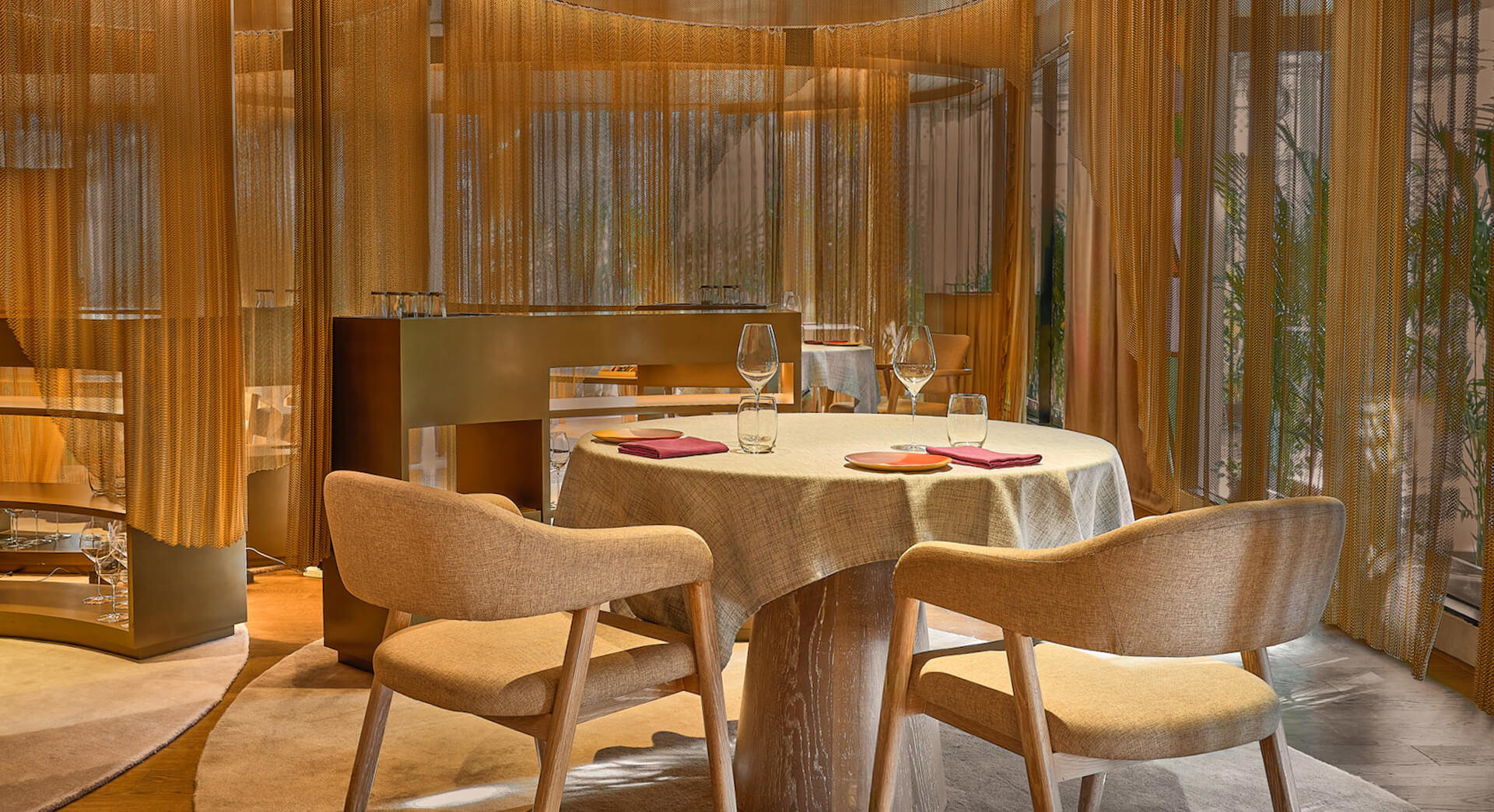
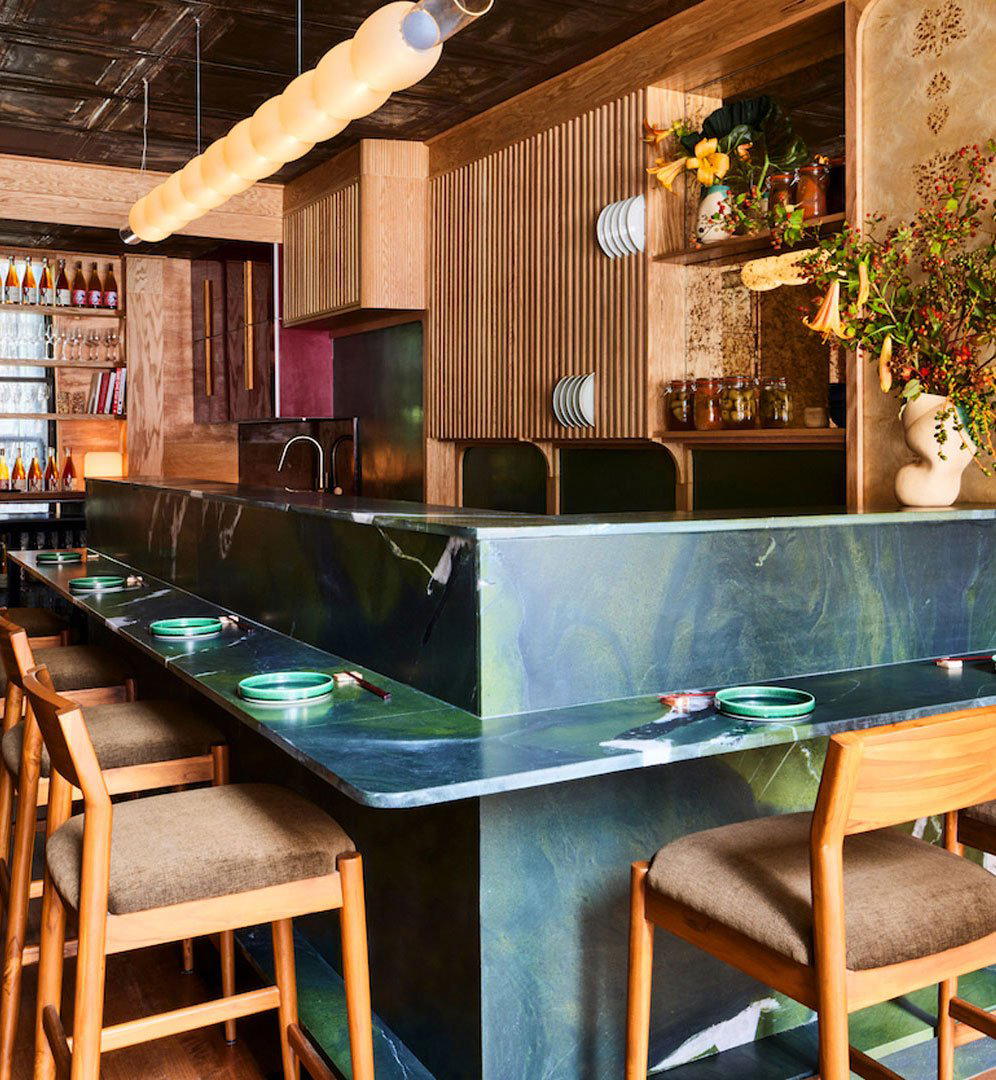
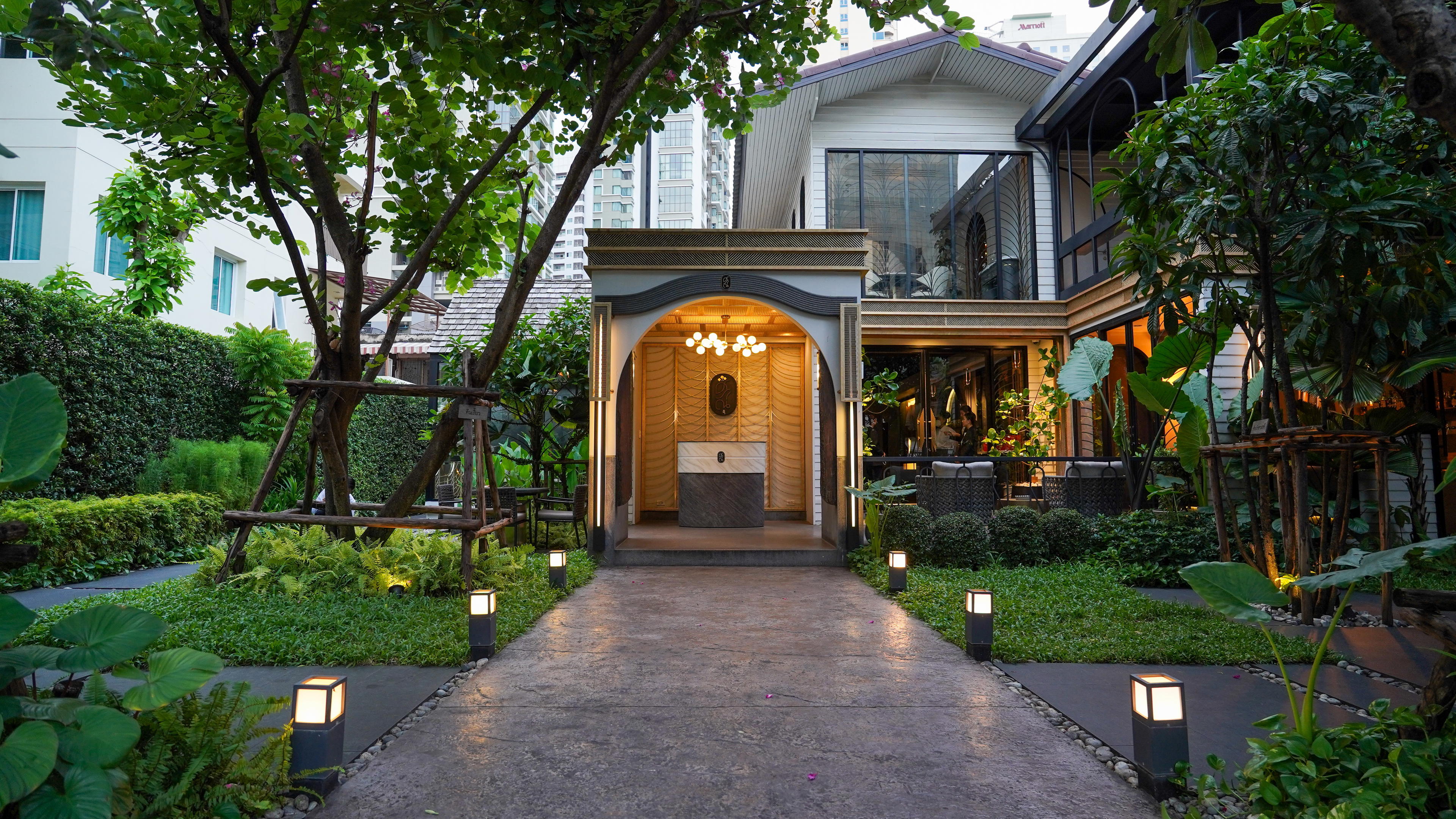
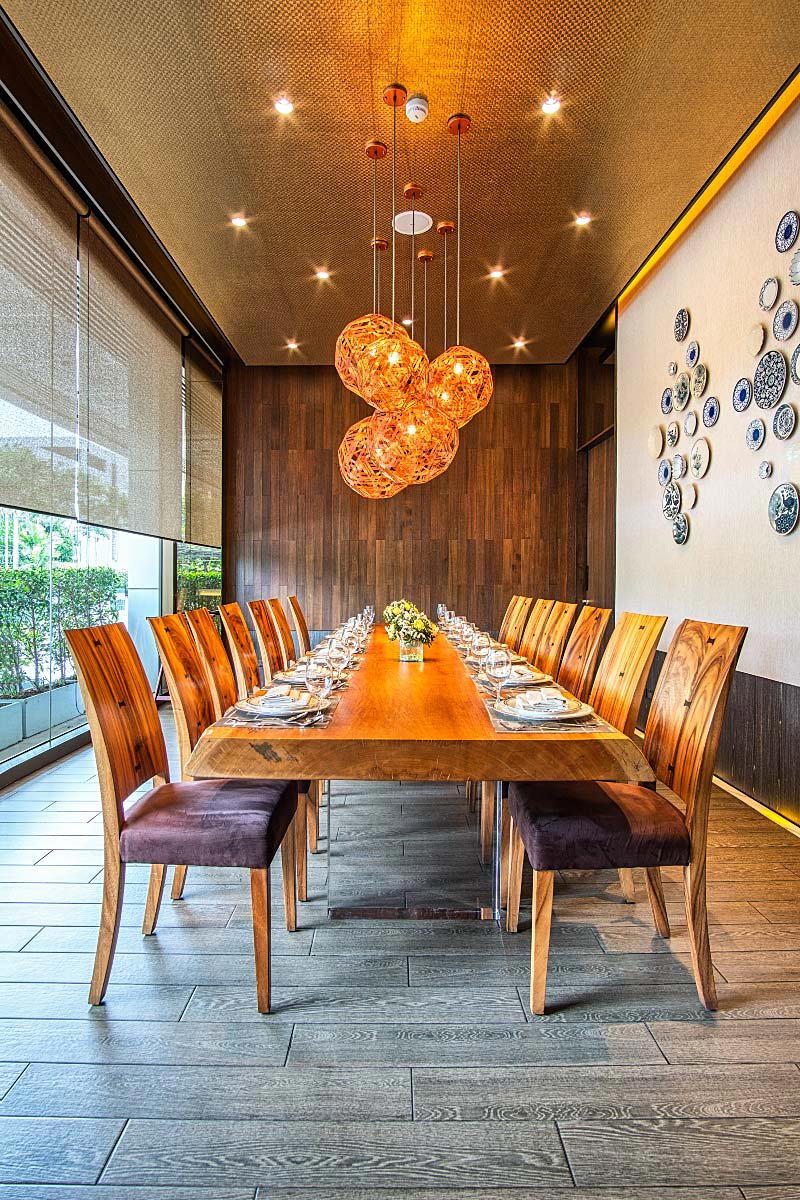
Bars in Bangkok
All bars in Bangkok →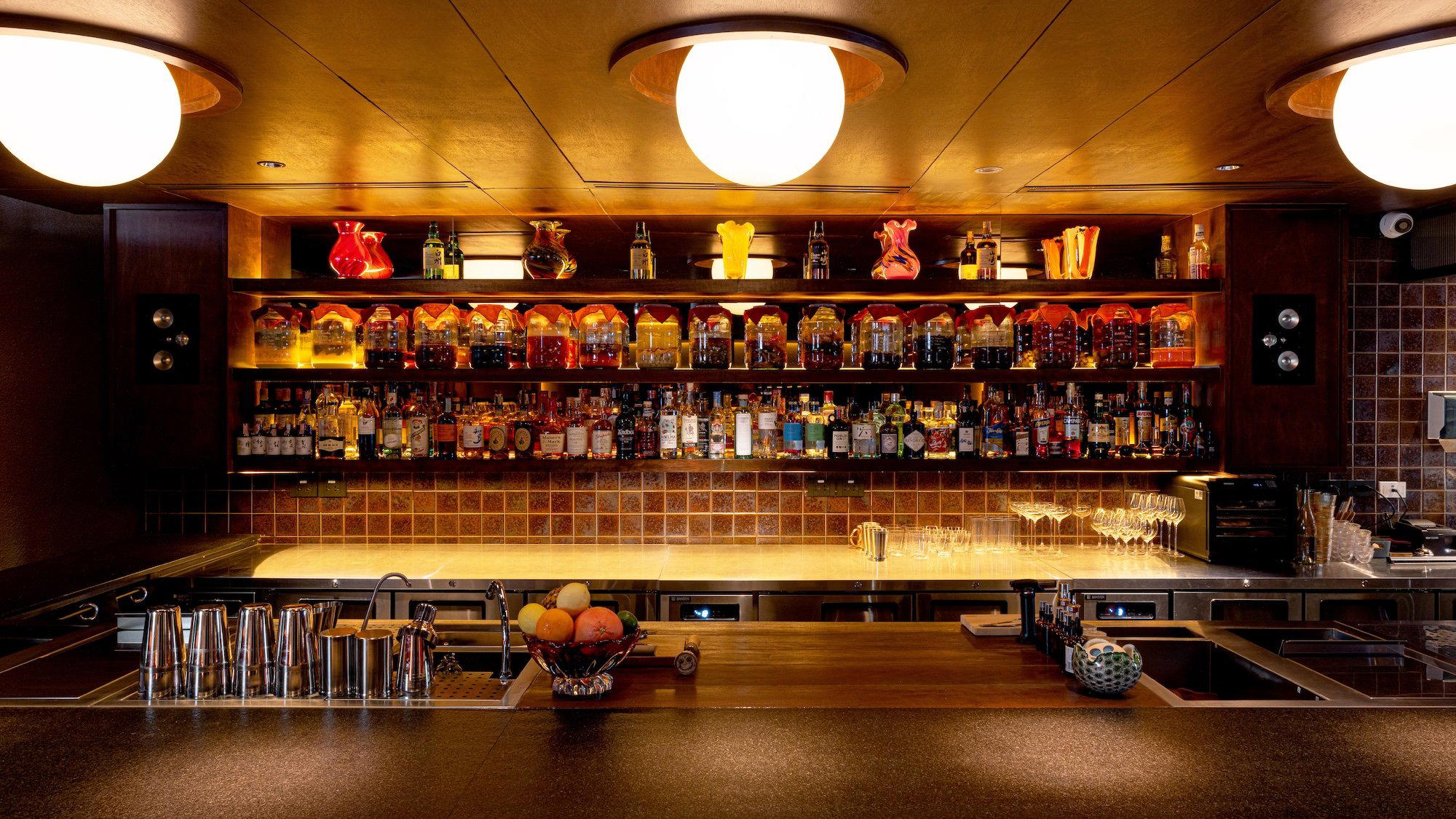
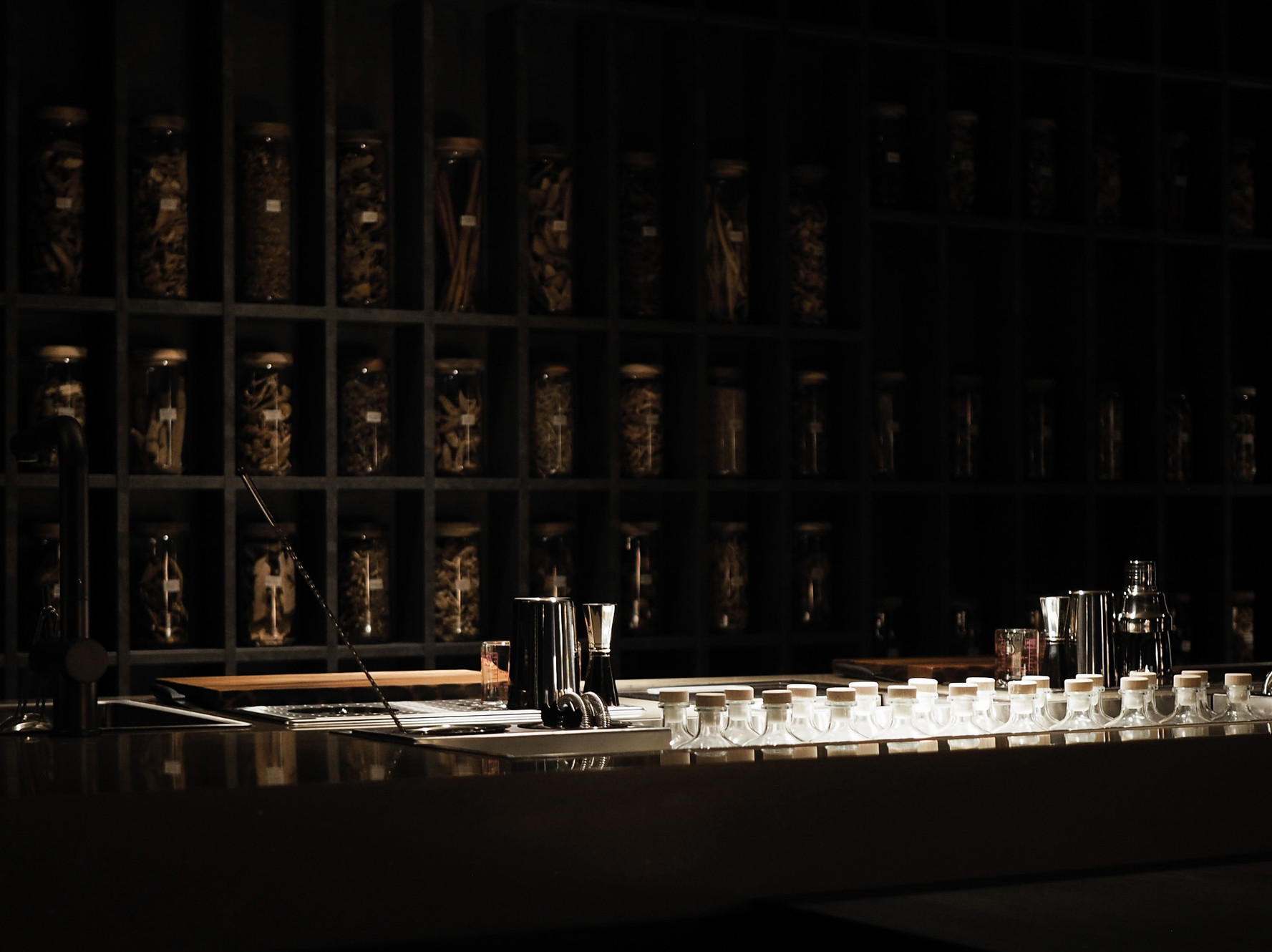
Details
- Intimate
- Elegant
- Sophisticated
- Minimalist
- Date Night
- Special Occasion
- Chefs Counter
- Omakase
- Counter Dining
Current opening hours
- Monday
- Closed
- Tuesday
- Closed
- Wednesday
- 5–10 PM
- Thursday
- 5–10 PM
- Friday
- 5–10 PM
- Saturday
- 12–3 PM, 5–10 PM
- Sunday
- Closed
Hours can change for holidays and private events. Hours as of .
Refined and contemplative atmosphere with shikkui clay plaster walls, custom wooden seating, hand-selected Japanese ceramics, and pristine hinoki counter embodying wabi-sabi elegance.