Michelin Plate
Our verdict
On the fourth floor of Kissuisen at the Marriott Rajdamri, Seifu runs two nine-seat rooms serving a kaiseki omakase that bridges Japanese technique with Thai ingredients, including fresh crab and spring water sourced from Ayutthaya. With only two sittings daily and a format that extends into sushi, it occupies a specific tier among Bangkok's high-end Japanese counters. Book well in advance.

Pearl is the En Primeur Club membership app — saves, bookings, and concierge access live there. Same editors, same standards.
- Address
- Rajdamri, Pathumwan, Pathum Wan, Bangkok 10330, Thailand
- Phone
- +66 65 731 4844
- Hours
- Daily 10 AM–10 PM
- Website
- sushicyu.com
- Directions
- Get directions
The menu
What to order
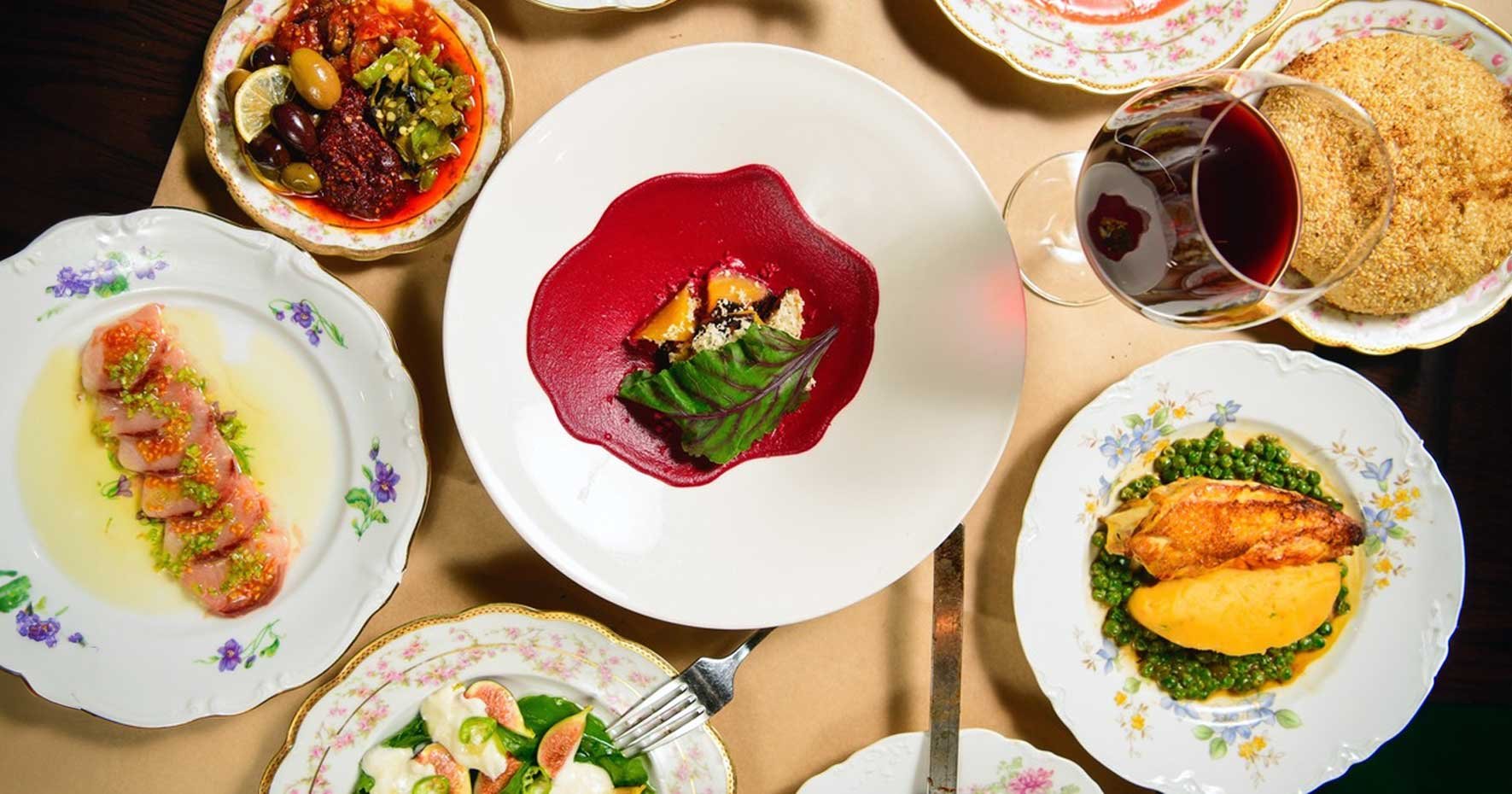
- Ayutthaya spring-water soup with fresh crab
- Nigiri sushi selection
- Seasonal sashimi
- Phuket lobster
- Sea urchin
Bangkok's high-end Japanese dining scene has grown stratified. At the accessible end, robatayaki and sushi bars fill mid-market hotel dining rooms. At the other end, a smaller cluster of counter-format kaiseki and omakase rooms operates on allocation logic: fixed sittings, small seat counts, and menus that change with both Japanese seasons and Thai produce availability. Seifu, on the fourth floor of Kissuisen at the Marriott Rajdamri in Pathumwan, belongs firmly to that second tier, with two rooms of nine seats each and a programme strict enough to require booking well ahead of any intended visit.
What the Format Demands
The structure at Seifu follows kaiseki omakase convention — a sequenced menu in which each course builds on the last, with the chef controlling pace and selection — but the execution extends the format to include sushi, broadening what would typically be a purely kaiseki progression. This is not unusual in Japan's more fluid high-end rooms, where counters led by chefs with cross-disciplinary training often blend category boundaries. What gives Seifu its specific character is the deliberate integration of Thai sourcing: fresh crab meat and spring water drawn from Ayutthaya, used in soups, bring a regional specificity that separates it from Japanese restaurants in Bangkok content to import everything. The result is a menu that uses Japan's structural grammar but writes some of its sentences in Thai.
That cross-pollination places Seifu in a different conversation than most of its peers in the city's premium dining tier. Sorn and Baan Tepa work Thai culinary traditions forward through a fine-dining lens; Gaa applies a similar logic to Indian cooking. Seifu runs the opposite direction: it imports a Japanese format and modifies it from within using local materials, a move that aligns it more closely with how a room like Atomix in New York handles Korean identity inside a Western tasting-menu frame than with direct Japanese transplants.
Lunch and Dinner: The Sitting Logic
Two sittings run daily, and the divide between them is worth thinking about before booking. Counter-format kaiseki rooms in this price bracket almost always favour dinner for the full sequence: more courses, longer service, deeper engagement with the wine or sake pairing. Lunch, where it exists, tends to compress rather than substitute, offering an abbreviated version of the evening programme at a lower price point with faster turnover. What can be said is that rooms of this scale and lineage, chef Yuichi Mitsui and chef Kazutomo Matayoshi together hold a combined experience that runs across the full kaiseki tradition, rarely allow the lunch service to feel incidental. If the dinner sitting is fully subscribed (common in rooms this size), the lunch sitting is not a consolation; it is a considered entry point.
Internationally, the lunch-versus-dinner divide at high-counter Japanese rooms has sharpened over the past decade. At the most selective omakase in Tokyo's Ginza district, lunch bookings are frequently easier to secure and carry slightly lower price tags, while delivering comparable kitchen output. Bangkok's calendar of short visits and packed restaurant itineraries makes the lunch sitting strategically useful for travellers who want the full counter experience without competing against multiple evening plans. For context on how Bangkok's premium restaurant calendar fills out, our full Bangkok restaurants guide maps the city's tier structure across cuisines.
The Room and the Detail
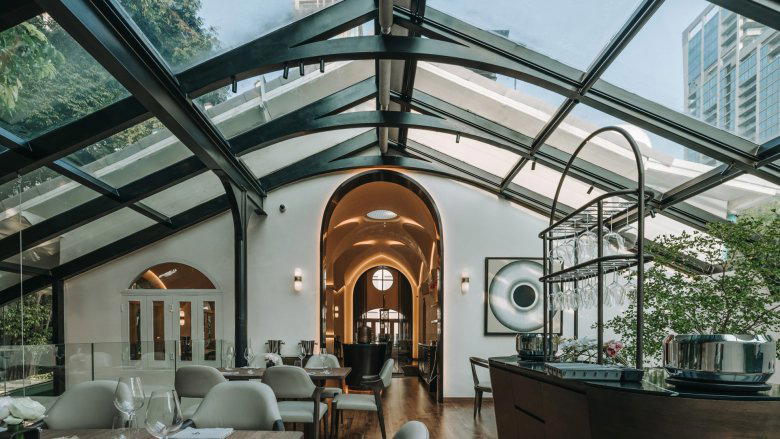
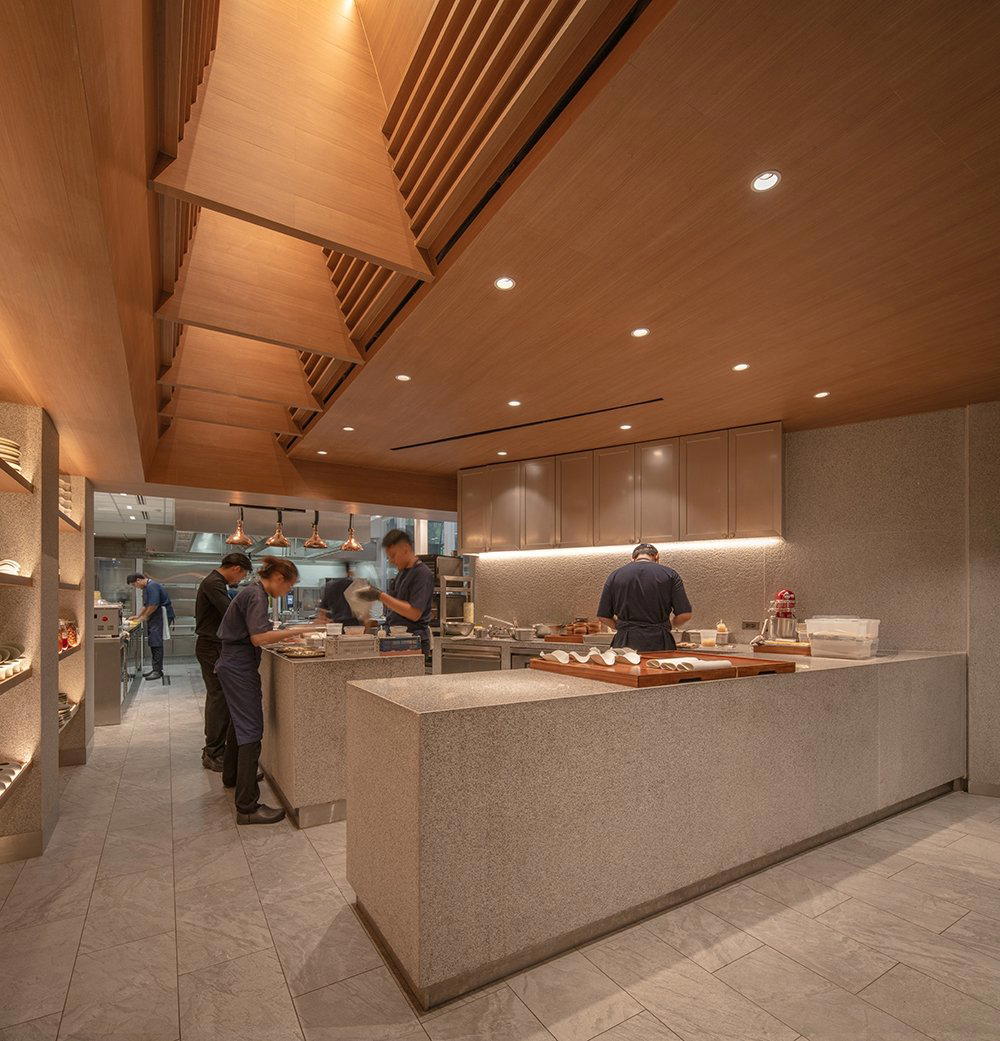
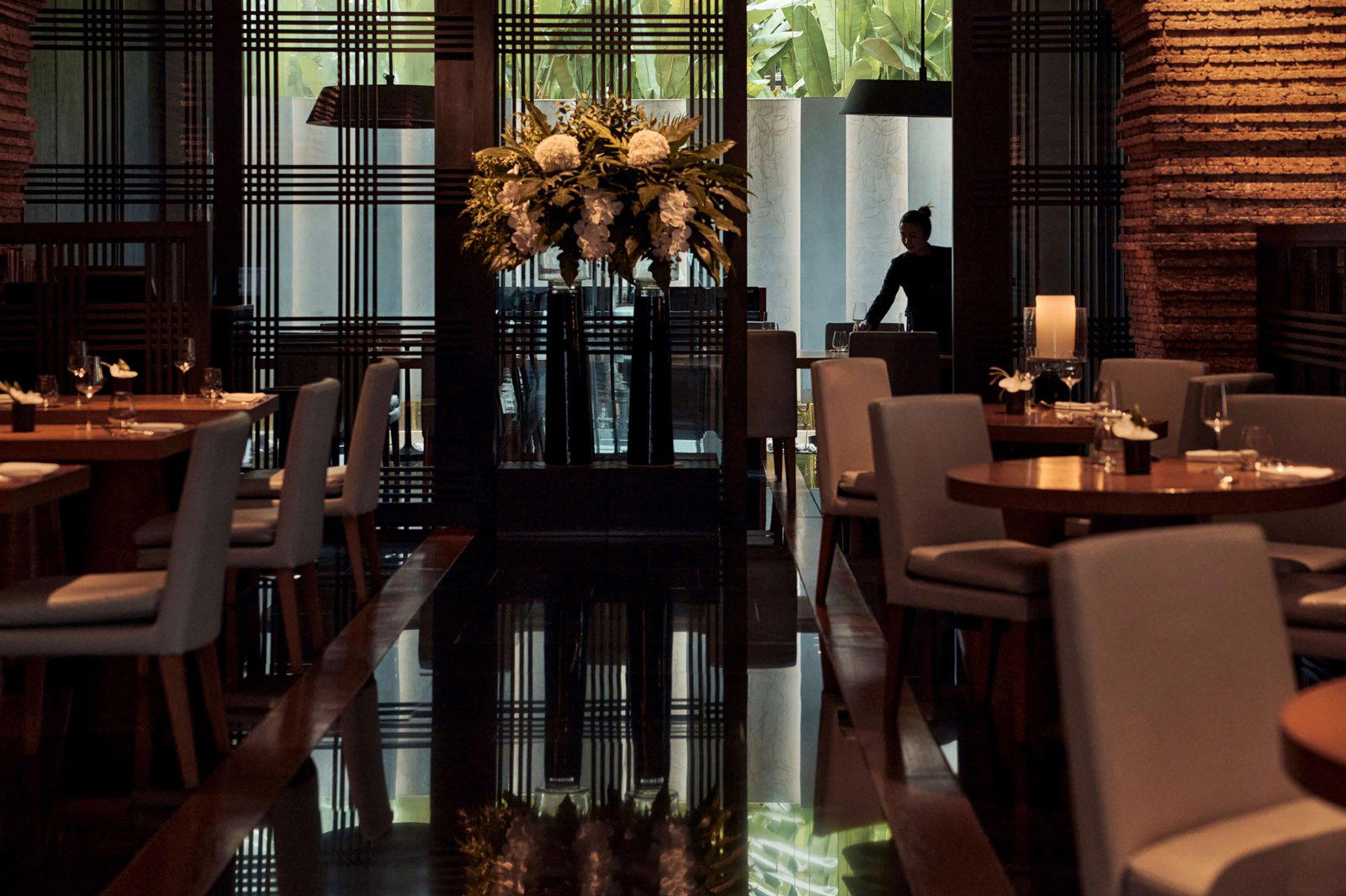
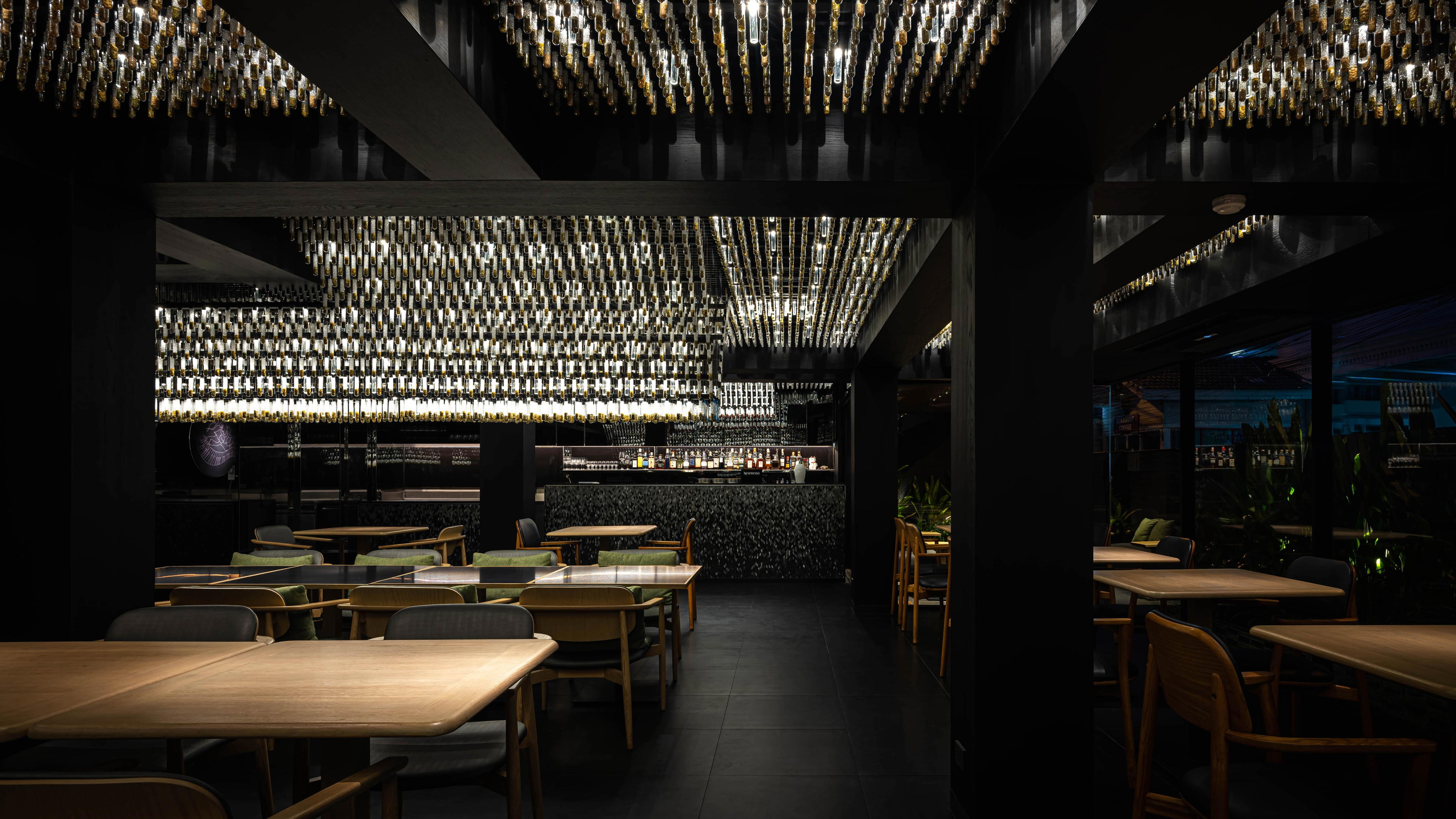
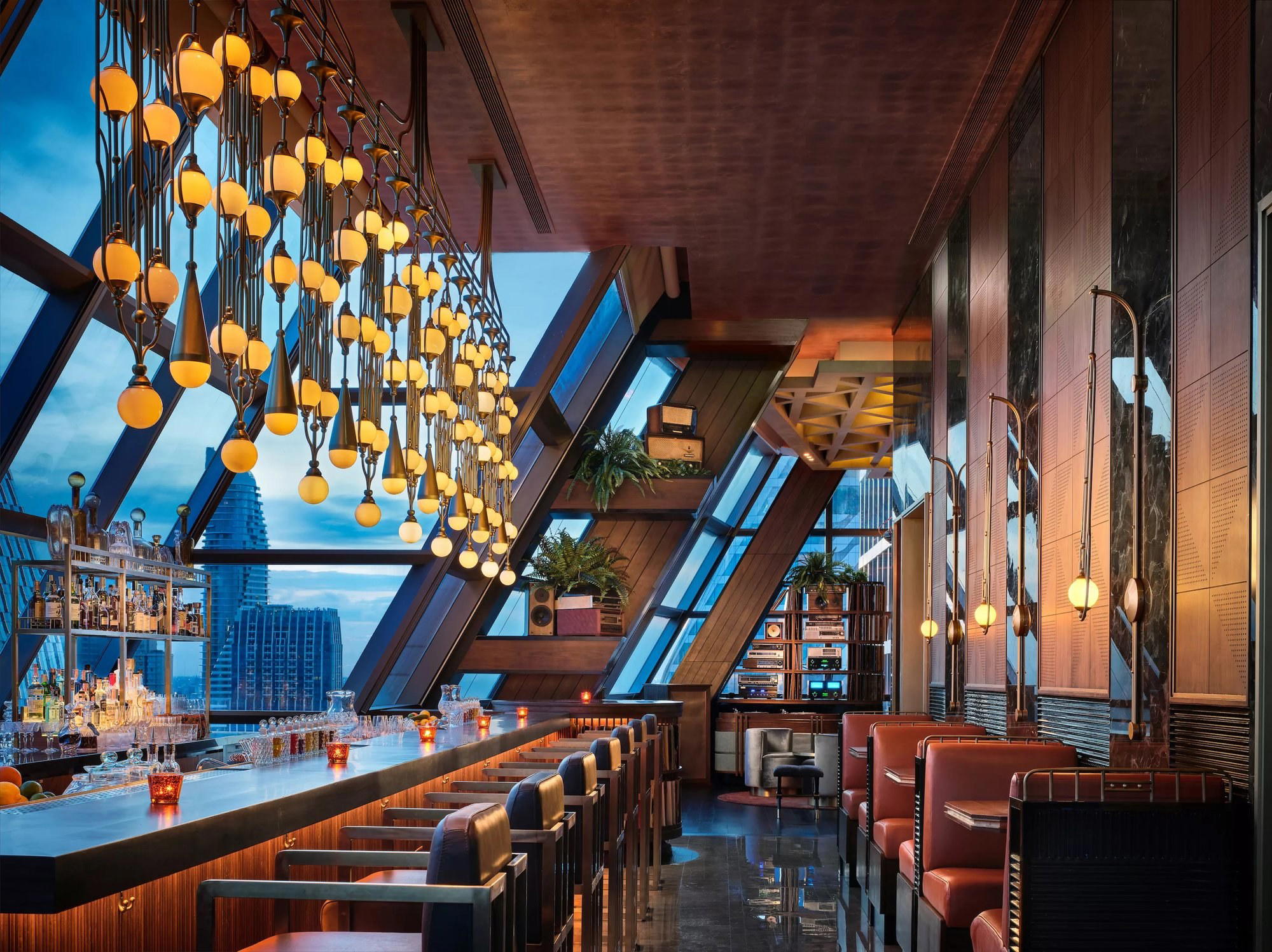
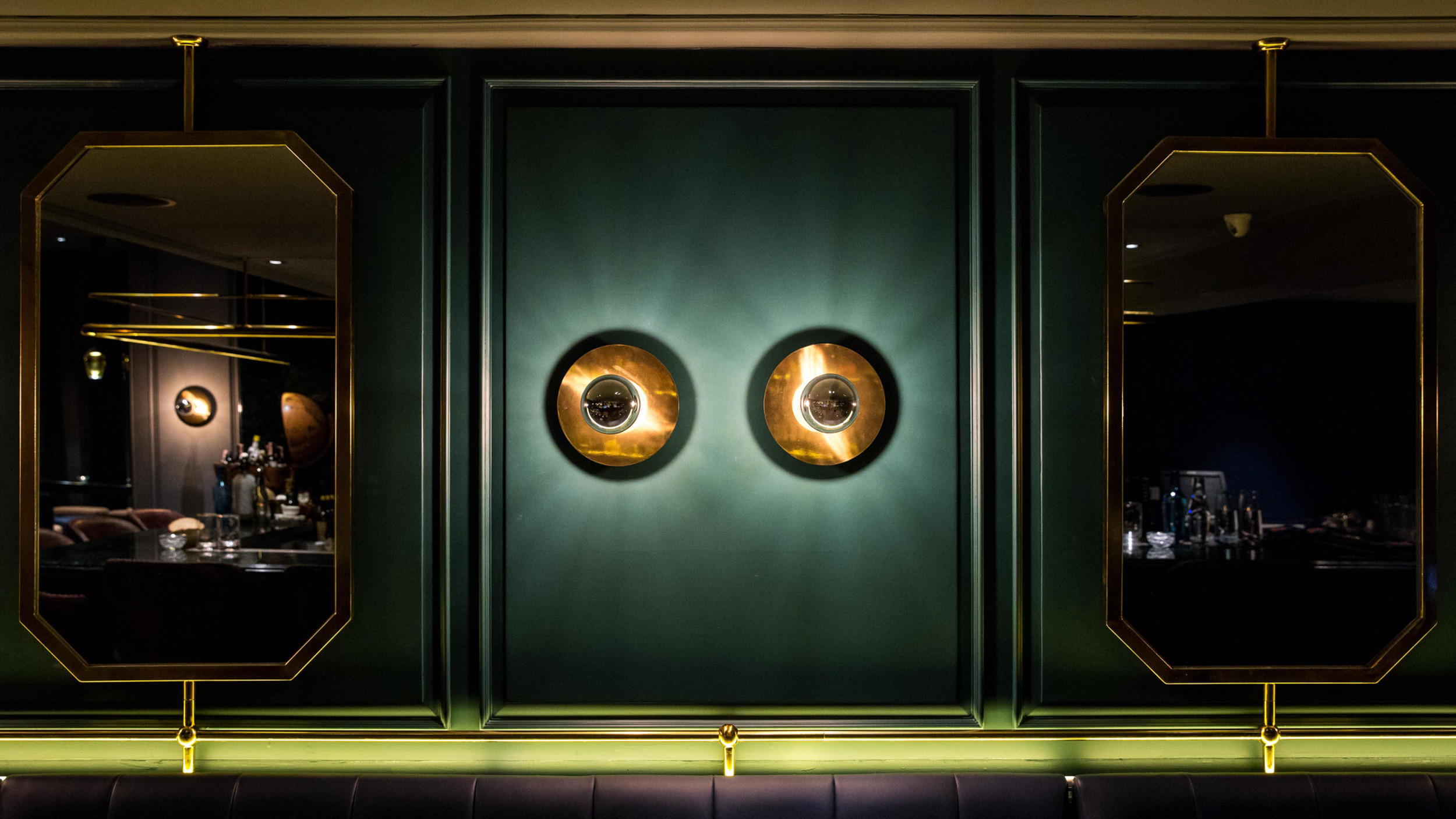
Two rooms, nine seats each: the physical design of Seifu makes the setting itself a piece of the service. Counter rooms of this size exist in a format tradition where the table-to-kitchen distance is close to zero. The chef's movements are visible, the pacing of courses is experienced rather than explained, and the space functions more like a performance in the theatrical sense than a restaurant in the conventional one. The menus carry illustrations by chef Mitsui, a detail that signals the degree of craft investment in the experience's material objects, and one that places Seifu alongside rooms like Le Bernardin in New York, where physical presentation of the menu is treated as part of the guest's record of the meal.
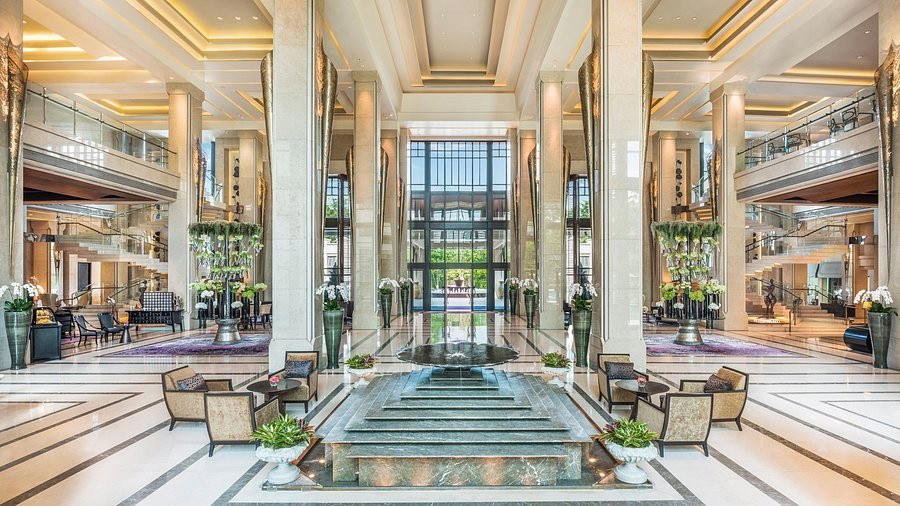
The hotel context, Kissuisen at the Marriott Rajdamri, situates Seifu in Pathumwan, Bangkok's central commercial and luxury hotel district. The Rajdamri address places it within easy reach of the BTS Skytrain network, which runs through Siam and Chidlom stations nearby. This is a different neighbourhood character than the quieter residential pockets where restaurants like Sühring or Côte by Mauro Colagreco operate, but the hotel setting provides the logistical infrastructure, parking, concierge coordination, consistent standards of pre- and post-dinner hospitality, that some guests find useful when organising around a fixed-format counter experience.
For those planning wider travel through Thailand, the culinary infrastructure extends well beyond Bangkok. PRU in Phuket runs a comparable farm-to-counter model in the south. Aeeen in Chiang Mai covers northern Thai fine dining. Angeum in Ayutthaya is relevant specifically because Ayutthaya is the source of the spring water Seifu uses in its soups, a provenance detail that connects two venues more directly than geography usually would. Elsewhere in the region, AKKEE in Pak Kret rounds out the area's dining options north of the city.
Planning Your Visit
Seifu operates on the fourth floor of Kissuisen at the Marriott Rajdamri, Pathumwan, Bangkok. Reservations: Two sittings daily; the 18-seat total capacity means availability compresses quickly, and booking well ahead is not a suggestion but a structural requirement. Format: Kaiseki omakase extended to include sushi; sequenced menu with no à la carte option. Setting: Two nine-seat rooms; counter format with illustrated menus. Getting there: The Rajdamri address is accessible via BTS Skytrain; Chidlom and Ratchadamri stations are the nearest stops. Bangkok context: Our Bangkok hotels guide, bars guide, wineries guide, and experiences guide cover the full planning picture for the city.
Frequently asked questions
Where do I go for Seifu?
Seifu is located at Rajdamri, Pathumwan, Pathum Wan, Bangkok 10330, Thailand, Bangkok.
What awards or recognition does Seifu have?
Seifu has received recognition including: On the fourth floor of Kissuisen at the Marriott, this intimate restaurant has two rooms, each seating nine. Veteran chef Yuichi Mitsui and chef Kazutomo Matayoshi extend the typical kaiseki omakase menu to include sushi and more, deploying….
What should I order at Seifu?
There is no ordering at Seifu. The kitchen delivers a sequenced kaiseki omakase in which each course is determined by chefs Yuichi Mitsui and Kazutomo Matayoshi, extending through sushi and additional courses beyond conventional kaiseki structure. Thai produce — including fresh crab meat and Ayutthaya spring water used in soups — appears throughout the menu alongside a range of Japanese techniques.
Do I need a reservation for Seifu?
Yes, and advance planning is necessary. Seifu runs two sittings daily across two rooms of nine seats each, giving a total capacity of 18 per sitting. That constraint means availability fills quickly, and the venue advises booking well ahead.
What's the signature at Seifu?
In a kaiseki omakase format, no single dish anchors the experience. The defining characteristic at Seifu is the integration of Thai sourcing — specifically Ayutthaya spring water and local crab — within a Japanese kaiseki sequence, a combination shaped by veteran chef Yuichi Mitsui, whose illustrations also appear on the printed menus.
Compact Comparison
Comparable venues nearby, for context on price, style, and recognition.
| Venue | Cuisine | Price | Awards | Notes |
|---|---|---|---|---|
| SeifuThis venue — the venue you are viewing | Kyoto Kaiseki Omakase | $150–200 | Michelin Plate | Not listed |
| Sushi Ichizu | Authentic Edomae Omakase | $200–300 | Not listed | Watthana Khwaeng, Authentic Edomae Omakase |
| Yakiniku Sudo | Premium Yakiniku Omakase | $100–150 | Michelin Plate | Klong Toei Khwaeng, Premium Yakiniku Omakase |
| Fillets (Sushi) | Modern Japanese Omakase | $150–200 | Michelin Plate | Suan Lumphini, Modern Japanese Omakase |
| Royal Osha | Modern Royal Thai Fine Dining | $50–100 | Michelin Plate | Suan Lumphini, Modern Royal Thai Fine Dining |
| Tempura Kanda | Tempura Omakase | $200–300 | Michelin Plate | Khlong Tan, Tempura Omakase |
Recognition history
Dated appearances from independent guides and award organizations, with the underlying list record or original source where available.
Michelin Plate
Michelin