

Tabelog 100 #77
Our verdict
Yakiniku Shimizu operates from a second-floor address in Nishigotanda, Shinagawa, and has climbed the Opinionated About Dining Japan rankings from a 2023 Highly Recommended to #317 in 2024 and #395 in 2025. Within Tokyo's yakiniku scene, it draws a repeat-visit clientele rather than a tourist circuit crowd, with evening-only hours and a consistent track record placing it in the upper tier of neighbourhood-anchored grilling restaurants.

Pearl is the En Primeur Club membership app, where members save venues, book tables and use the concierge.
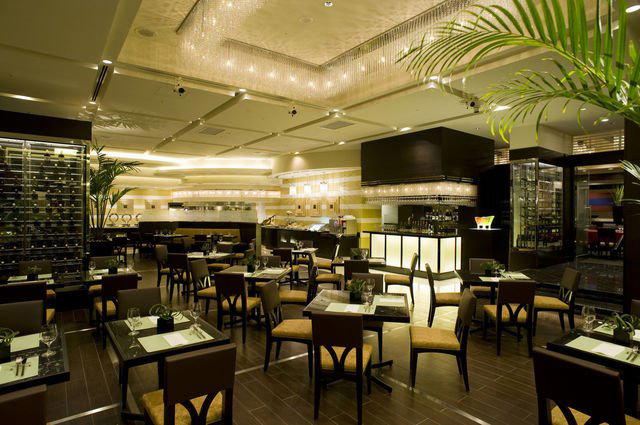
The menu
What to order
- Thick-cut tongue
- A5 wagyu cuts
- Rare cuts omakase
If You Eat Yakiniku Once in Tokyo, Make It a Regulars' Room
Most visitors to Tokyo anchor their dining itineraries around the obvious benchmarks: Michelin-starred kaiseki, high-end sushi counters, or the kind of French-Japanese fusion that occupies the leading tiers of global restaurant lists. Those meals are worth pursuing, and venues like HAJIME in Osaka or Gion Sasaki in Kyoto set a standard that is genuinely difficult to match. But the argument for prioritising a seat at Yakiniku Shimizu in Nishigotanda rests on a different kind of value: the room operates as a regulars' institution, not a destination for first-timers, and that distinction changes what you eat, how you are served, and what the evening actually feels like.
Yakiniku in Tokyo: What the Category Actually Means
Yakiniku, as a dining format, sits apart from most Japanese meal structures. The diner controls the cook, making decisions about timing, doneness, and sequencing that are usually reserved for the kitchen. This places significant responsibility on the quality of the sourcing: when technique is in the diner's hands, the cut of meat carries the weight. Tokyo's yakiniku scene has fractured across a wide price spectrum as a result, from affordable neighbourhood chains to tightly controlled counter-format restaurants where premium Wagyu is portioned with the same precision applied to omakase sushi. Shimizu operates at the neighbourhood-anchored end of that upper tier, drawing a consistent clientele rather than chasing the kind of recognition that requires a reservations infrastructure, an English-language booking page, or a social media strategy.
For comparison, yakiniku restaurants operating in larger international cities, such as Gyu-Kaku Japanese BBQ in Los Angeles or Nikushou in Hong Kong, tend to calibrate their formats toward accessibility. Shimizu's Shinagawa address and evening-only service suggest a different priority: the room works for people who already know why they are there.
What the OAD Trajectory Signals
Opinionated About Dining's Japan list is compiled from votes by frequent restaurant-goers, critics, and industry insiders rather than inspectors, which means rankings reflect the opinions of people who eat out at high frequency and notice incremental differences in consistency, sourcing, and hospitality. Yakiniku Shimizu received a Highly Recommended designation from OAD in 2023, moved to #317 on the Japan ranking in 2024, and appeared at #395 in 2025. The 2025 position is lower than 2024, but the more significant data point is the multi-year presence on the list. A restaurant that holds OAD recognition across three consecutive cycles is operating with consistent quality, not a single impressive performance caught at the right moment.
Within the Tokyo restaurant scene, peers at a similar recognition tier include venues like Cossott'e, Jumbo Hanare, and Nikusho Horikoshi. The full Tokyo dining picture, including where Shimizu sits relative to the wider scene, is mapped in our full Tokyo restaurants guide.
The Regulars' Perspective: Why Repeat Visitors Keep Returning
The dynamics of a regulars-driven room in Tokyo are specific. Restaurants that build their trade on return visits rather than walk-ins or tourism cycles tend to develop an informal hierarchy of service: what is offered, how much explanation accompanies each cut, and which items appear without being requested all shift based on how familiar the staff are with the guest. This is not sentimentality, it is a functional result of a small, stable clientele interacting with a kitchen that has no incentive to perform for strangers.
For a diner arriving without an existing relationship with the room, the implication is clear: arrive with some knowledge. Yakiniku service in a room like this rewards guests who understand the sequencing logic, the distinction between cuts suited to quick searing and those that benefit from slower rendering, and the discipline of not overcooking through impatience.
Tokyo's other high-performing neighbourhood dining rooms, such as Kiraku-Tei and Kinryuzan, share a similar profile: strong local repeat business, limited concessions to tourist convenience, and a quality floor held up by the expectation that the room's regulars will notice if it drops.
Nishigotanda, Shinagawa: Why the Address Matters
Shinagawa is not where most visitors position themselves when eating through Tokyo's restaurant scene. The district functions more as an arrival and transit point, and its residential pockets, including Nishigotanda, operate at a remove from the dining circuits centred on Ginza, Shinjuku, or Shibuya. That distance is precisely what allows a room like Shimizu to develop a regulars-first culture: it is not on the route that first-time visitors follow, which means the clientele skews toward people who live nearby or have made a deliberate decision to come. For the EP Club reader, that is a qualification worth noting. The address is on the second floor at 4 Chome-29-13 in Nishigotanda, a walk-up rather than a ground-floor shopfront, which in Tokyo typically signals a room that relies on reputation rather than passing trade.
Planning Your Visit
Shimizu operates Tuesday through Friday from 5 pm to 11:30 pm, Saturday and Sunday from 5 pm to 10 pm, and is closed on Mondays. The evening-only format is consistent with the category: yakiniku in the upper neighbourhood tier rarely operates at lunch, as the sourcing and prep economics of premium meat make shorter service windows more viable. For visitors without Japanese language capability, this is worth planning around in advance.
For broader Tokyo trip planning, consult our full Tokyo hotels guide, our full Tokyo bars guide, our full Tokyo wineries guide, and our full Tokyo experiences guide. For dining beyond Tokyo, the OAD-recognised circuit extends to akordu in Nara, Goh in Fukuoka, 1000 in Yokohama, and 6 in Okinawa.
At a Glance: Yakiniku Shimizu vs. Peer Format Comparison
| Venue | Category | Service Hours | OAD Recognition | Address Type |
|---|---|---|---|---|
| Yakiniku Shimizu | Yakiniku | Tue–Fri 5–11:30 pm; Sat–Sun 5–10 pm | Leading Restaurants Japan #395 (2025), #317 (2024) | 2F, Nishigotanda, Shinagawa |
| Nikusho Horikoshi | Yakiniku | Evening service | Tokyo peer tier | Tokyo |
| Jumbo Hanare | Yakiniku / Meat | Evening service | Tokyo peer tier | Tokyo |
Frequently asked questions
What is Yakiniku Shimizu known for?
Yakiniku Shimizu is recognised within Japan's restaurant community primarily through Opinionated About Dining, which has listed it among the leading restaurants in Japan across three consecutive years: Highly Recommended in 2023, #317 in 2024, and #395 in 2025. In terms of cuisine, it operates in the yakiniku format, where premium cuts of beef are grilled tableside by the diner. Its Nishigotanda, Shinagawa address and evening-only service point toward a neighbourhood-anchored model built on repeat custom rather than destination dining traffic. For context on how it compares with other yakiniku and meat-focused venues in Tokyo, see Jumbo Hanare and Nikusho Horikoshi.
What's the must-try dish at Yakiniku Shimizu?
In the yakiniku format more broadly, the cuts that most reward attention are those where sourcing quality is most legible: thinly sliced short rib, tongue, and premium loin grades where marbling and temperature management determine the outcome. At a restaurant with OAD recognition and a regulars-driven service model, the kitchen's strengths are leading explored by deferring to staff recommendations rather than arriving with a fixed order in mind. Cross-reference with cuisine context from Cossott'e and Kinryuzan for a broader picture of Tokyo's upper-neighbourhood meat dining tier.
The Essentials
A quick snapshot of similar venues for side-by-side context.
| Venue | Cuisine | Price | Awards | Notes |
|---|---|---|---|---|
| Yakiniku ShimizuThis venue (the venue you are viewing) | Japanese Yakiniku BBQ | $50–100 | Tabelog 100 #77 | Not listed |
| Harutaka | Edo-Style Omakase Sushi | $200–300 | 3 Michelin Stars · World's 50 Best #76 | Sushi |
| RyuGin | Modern Kaiseki | $500+ | 3 Michelin Stars · World's 50 Best #41 | Kaiseki, Japanese |
| L'Effervescence | Modern French with Japanese Influences | $200–300 | 3 Michelin Stars · World's 50 Best #69 | French |
| HOMMAGE | Modern French with Japanese Influences | $150–200 | 2 Michelin Stars · World's 50 Best #78 | Innovtive French, French |
| MAZ | Innovative Peruvian-Japanese Fusion | $150–200 | 2 Michelin Stars · World's 50 Best #28 | Innovative |
Recognition history
Dated appearances from independent guides and award organizations, with the underlying list record or original source where available.
Opinionated About Dining Top Restaurants in Japan Recommended
Opinionated About Dining
Tabelog 100 #77 · No. 77
Tabelog · Tabelog 100 - Yakiniku - TOKYO - 2025
Full recognition history (5 entries)
Opinionated About Dining Top Restaurants in Japan Ranked #395
Opinionated About Dining
Opinionated About Dining Top Restaurants in Japan Ranked #317
Opinionated About Dining
Opinionated About Dining Top Restaurants in Japan Highly Recommended
Opinionated About Dining
Continue exploring
More in Tokyo
More from Chef Various
Browse all →
Restaurants in Tokyo
All restaurants in Tokyo →

Bars in Tokyo
All bars in Tokyo →




Details
- Cozy
- Classic
- Sophisticated
- Group Dining
- Casual Hangout
- Special Occasion
- Date Night
- Standalone
- A La Carte
- Set Menu
Current opening hours
- Monday
- Closed
- Tuesday
- 5–10 PM
- Wednesday
- 5–10 PM
- Thursday
- 5–10 PM
- Friday
- 5–10 PM
- Saturday
- 5–10 PM
- Sunday
- 5–9 PM
Hours can change for holidays and private events. Hours as of .
Calm yet lively, with a relaxed neighborhood yakiniku atmosphere.