
Yakiniku Rikyu brings Japanese charcoal-grill dining to Paseo de la Castellana, occupying a format that remains scarce in Madrid's restaurant scene. Where the city's high-end dining conversation is dominated by Spanish creative tasting menus, Rikyu positions itself in a different register entirely, one built around the ritualism of tableside grilling, premium cuts, and a clientele that returns for consistency rather than novelty.
Pearl is the En Primeur Club membership app — saves, bookings, and concierge access live there. Same editors, same standards.
- Address
- P.º de la Castellana, 15, Chamberí, 28046 Madrid, Spain
- Phone
- +34910007767
- Website
- yakinikurikyu.es
- Directions
- Get directions
 Saves & bookings on Pearl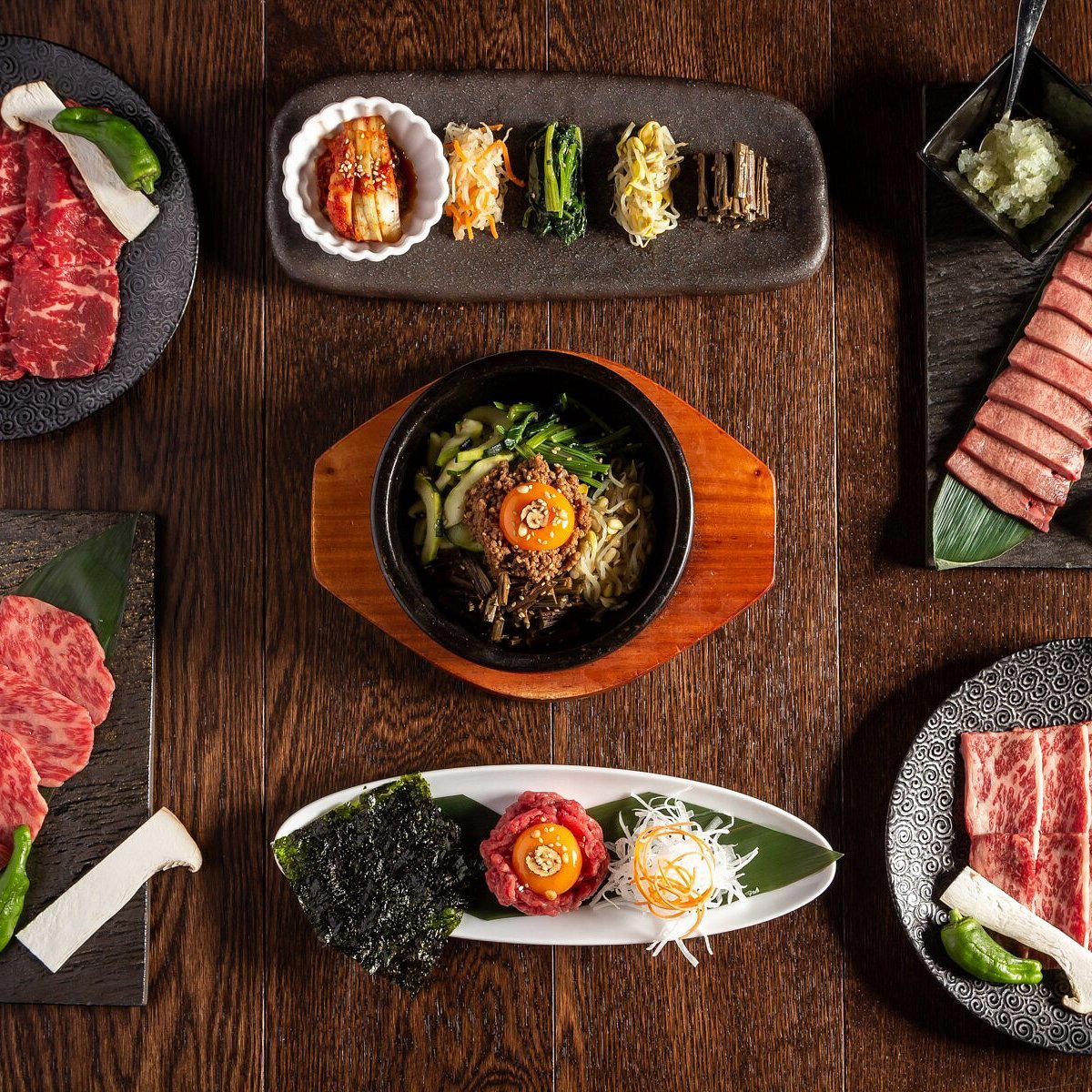
Japanese Yakiniku in a City That Runs on Tasting Menus
Madrid's premium dining conversation is largely conducted in one dialect: the long, multi-course Spanish creative menu. From DiverXO and Coque to Deessa, DSTAgE, and Paco Roncero, the city's fine-dining tier tends to route everything through the tasting format. Against that backdrop, Yakiniku Rikyu occupies a genuinely different position: a Japanese charcoal-grill restaurant on the Paseo de la Castellana that asks its guests to participate directly in the cooking, not simply to receive it.
Yakiniku as a format is older than most European diners appreciate. The tradition of tabletop grilling in Japan has its roots in the postwar period, when Korean-influenced barbecue culture took hold in cities like Osaka and Tokyo before being codified into the refined, cut-specific discipline that defines premium yakiniku today. By the time the format reached Europe, it had already stratified: at the low end, communal grills and bulk portions; at the high end, precisely butchered Wagyu, individual charcoal braziers, and a choreography that more closely resembles an omakase than a barbecue. Yakiniku Rikyu operates in that upper register.
The Address and What It Signals
Paseo de la Castellana 15 places the restaurant in Chamberí, one of Madrid's most established residential and commercial corridors. This is not the experimental quarter, not the late-night bar circuit. It is the part of the city where regulars matter more than walk-ins, and where a restaurant's longevity tends to be measured in loyal accounts rather than in reservation platform spikes. For a format like yakiniku, that is not incidental, the ritual of the grill, the learned preference for specific cuts, and the comfort of knowing the service rhythm are exactly what bring regulars back rather than first-timers in search of novelty.
Madrid's broader dining scene has, in recent years, developed a more sustained appetite for Japanese formats beyond sushi and ramen. The city now holds examples across omakase, izakaya-adjacent, and robatayaki registers. Yakiniku, with its higher operational overhead (individual grills, specialist butchery, Wagyu sourcing) and its slower, table-controlling pacing, remains among the less-replicated formats in town. That scarcity alone shapes the regulars' relationship with Rikyu: there is no obvious alternative, which concentrates loyalty.
What the Regulars Know
In the yakiniku format, the gap between a first visit and a tenth visit is significant. A first-timer tends to default to particularly recognizable cuts and grip the tongs with some uncertainty. A regular has already worked out the grilling sequence: which cuts benefit from a fast sear over high heat, which need longer and lower, how much rest to allow before the bite. This is the unwritten menu that loyal guests accumulate over time, and it is the reason yakiniku restaurants tend to build durable clientele rather than viral one-time visits.
At a restaurant positioned on the Castellana, where the client base skews toward professionals and established Madrid households, the regulars' relationship with the format is also a social one. The grill becomes a shared activity rather than a passive dining experience, which changes the pace and register of the evening entirely. Couples, small groups of colleagues, and families with older children all use the format differently, but the common thread is active engagement rather than spectatorship.
Spain's own grilling tradition, centred on the asador and the parrilla, gives Madrid diners a cultural framework for understanding fire-cooked meat as serious rather than casual. That overlap makes yakiniku more legible here than it might be in cities without a strong charcoal-cooking culture. The differences, of course, are considerable: where an asador presents a whole animal or a large cut carved tableside, yakiniku is architecturally the opposite, built around small, precise pieces grilled individually and consumed immediately. But the shared reverence for fire and quality beef creates a meaningful point of connection for Spanish guests new to the format.
Rikyu in Madrid's Wider Japanese Dining Context
Spain's restaurant scene has, over the past decade, developed a serious relationship with Japanese technique at both the creative and traditional ends. At the creative end, the influence is visible across many of the country's leading kitchens. For a sense of that broader geography, Spain's most decorated tables include El Celler de Can Roca in Girona, Martin Berasategui in Lasarte-Oria, Arzak in San Sebastián, Azurmendi in Larrabetzu, Mugaritz in Errenteria, Quique Dacosta in Dénia, Aponiente in El Puerto de Santa María, Cocina Hermanos Torres in Barcelona, Ricard Camarena in València, and Atrio in Cáceres. Yakiniku Rikyu sits outside that competitive set entirely, it is not vying for creative tasting-menu recognition. It occupies the specialized import category: a format brought intact from Japan and practised with enough fidelity to sustain a regular clientele in a city with many alternative dinner options.
For comparison from further afield, the yakiniku format's high-end expression is most visible in New York, where Japanese dining at this tier has grown considerably. Atomix and Le Bernardin represent what sustained critical recognition looks like in a dense, competitive market. Madrid's Japanese restaurant tier has not reached that critical mass, which is precisely why a format-specific operator like Rikyu holds a more distinctive position here than it might in Tokyo or New York.
Planning a Visit
The Paseo de la Castellana address is well-served by public transport, with Colón and Alonso Martínez metro stops both within walking distance. For out-of-town visitors, the address sits within the broader northern Salamanca and Chamberí corridor that is Madrid's most established fine-dining geography. Booking ahead is advisable; the yakiniku format's table-control requirements mean turnover is slower than at conventional restaurants, and covers are limited by the grill infrastructure. Madrid's dinner culture runs late, and yakiniku sessions tend to extend naturally, so allocating two to two-and-a-half hours is a realistic baseline.
Comparable Spots
Comparable venues nearby, for context on price, style, and recognition.
| Venue | Cuisine | Price | Notes |
|---|---|---|---|
| Yakiniku RikyuThis venue — the venue you are viewing | Japanese-Korean Yakiniku Grill | $$$ | Not listed |
| Robata | Contemporary Japanese Robata | $$$ | Recoletos |
| Ikigai Gran Vía | Modern Japanese-Spanish Fusion | $$$ | Universidad |
| 99 Sushi Bar (Hermosilla) | Japanese haute cuisine & sushi | $$$ | Barrio de Salamanca |
| Matcha | Japanese Sushi | $$ | Castillejos |
| Ginza | Japanese-Asian Fusion Buffet | $$ | Cortes |
Recognition history
Dated appearances from independent guides and award organizations, with the underlying list record or original source where available.
Macarfi 7 Food Rating
Macarfi
At a Glance
- Intimate
- Elegant
- Cozy
- Sophisticated
- Modern
- Date Night
- Special Occasion
- Open Kitchen
- Sake Program
Current opening hours
- Monday
- Closed
- Tuesday
- 1:30–11:30 PM
- Wednesday
- 1:30–11:30 PM
- Thursday
- 1:30–11:30 PM
- Friday
- 1:30–11:30 PM
- Saturday
- 1:30–11:30 PM
- Sunday
- 1:30–11:30 PM
Hours can change for holidays and private events. Last verified .
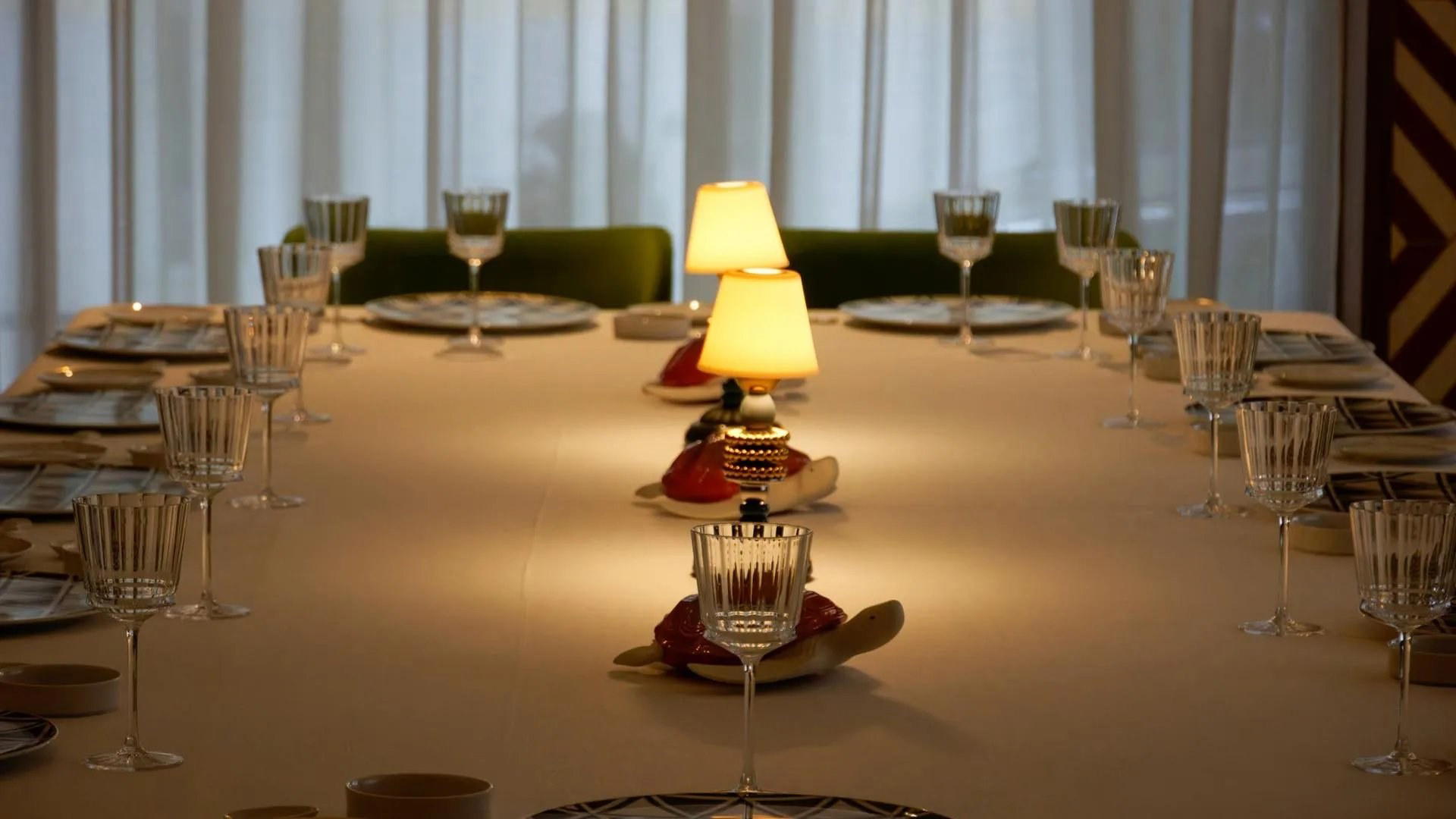
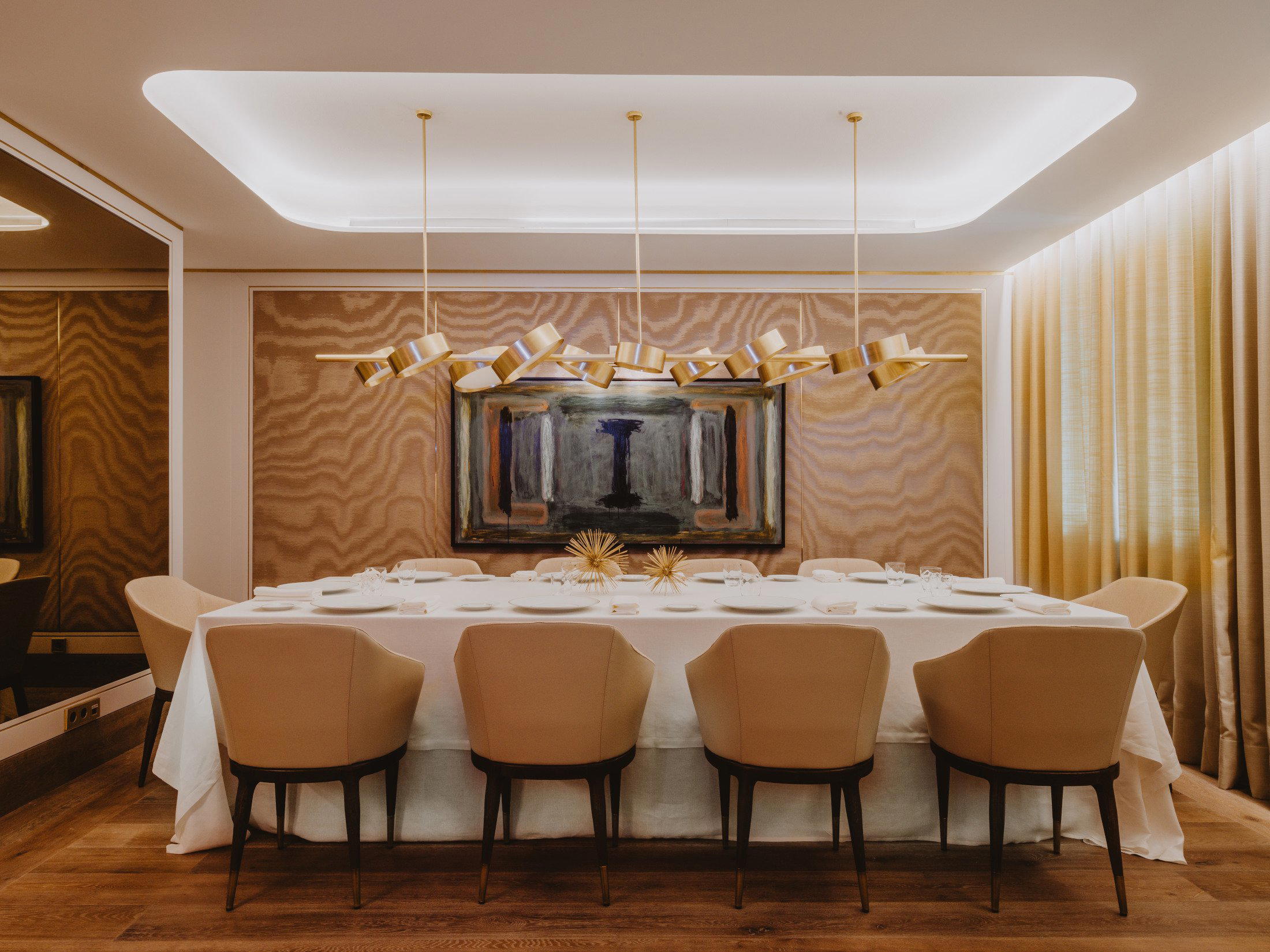
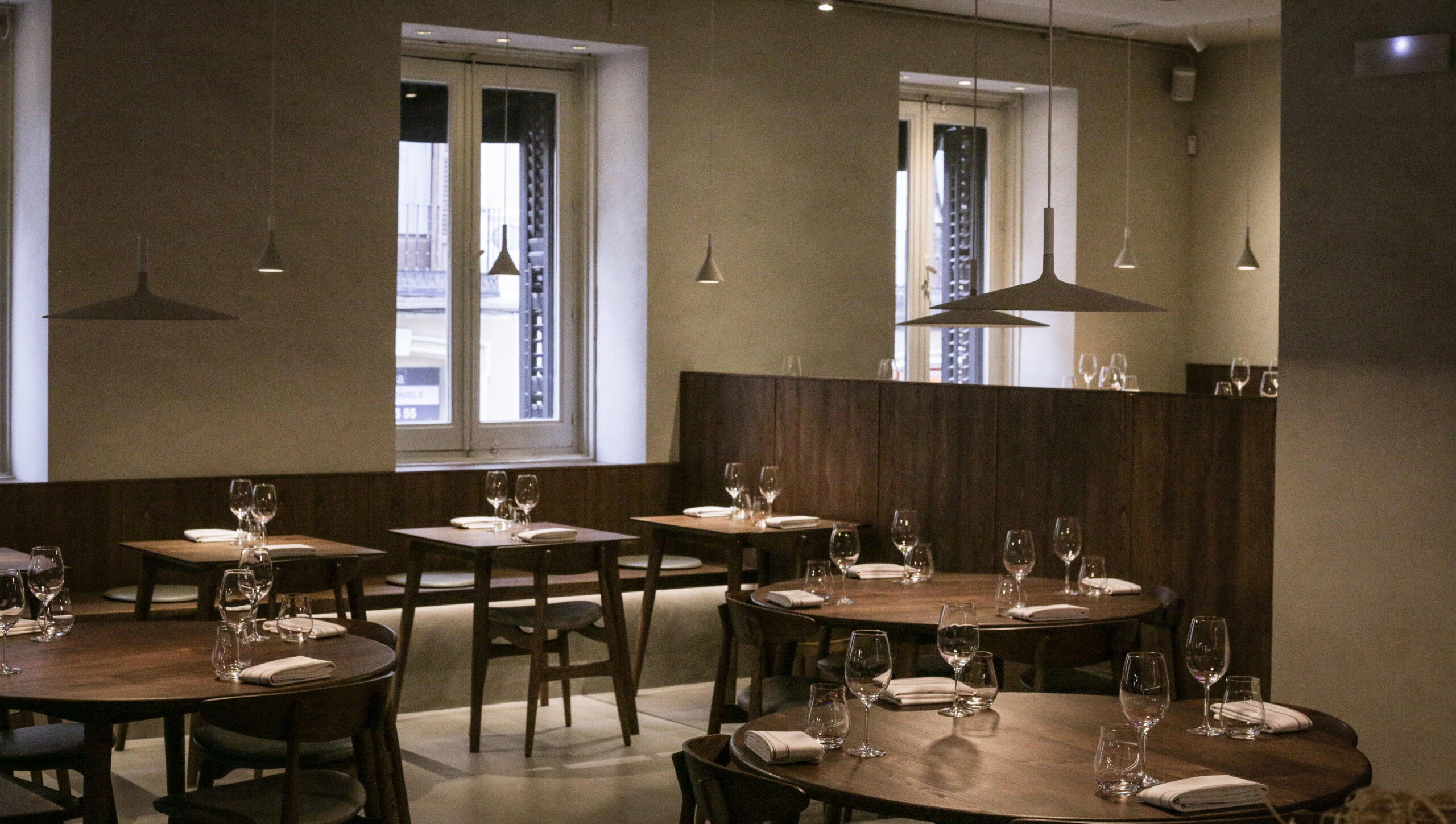
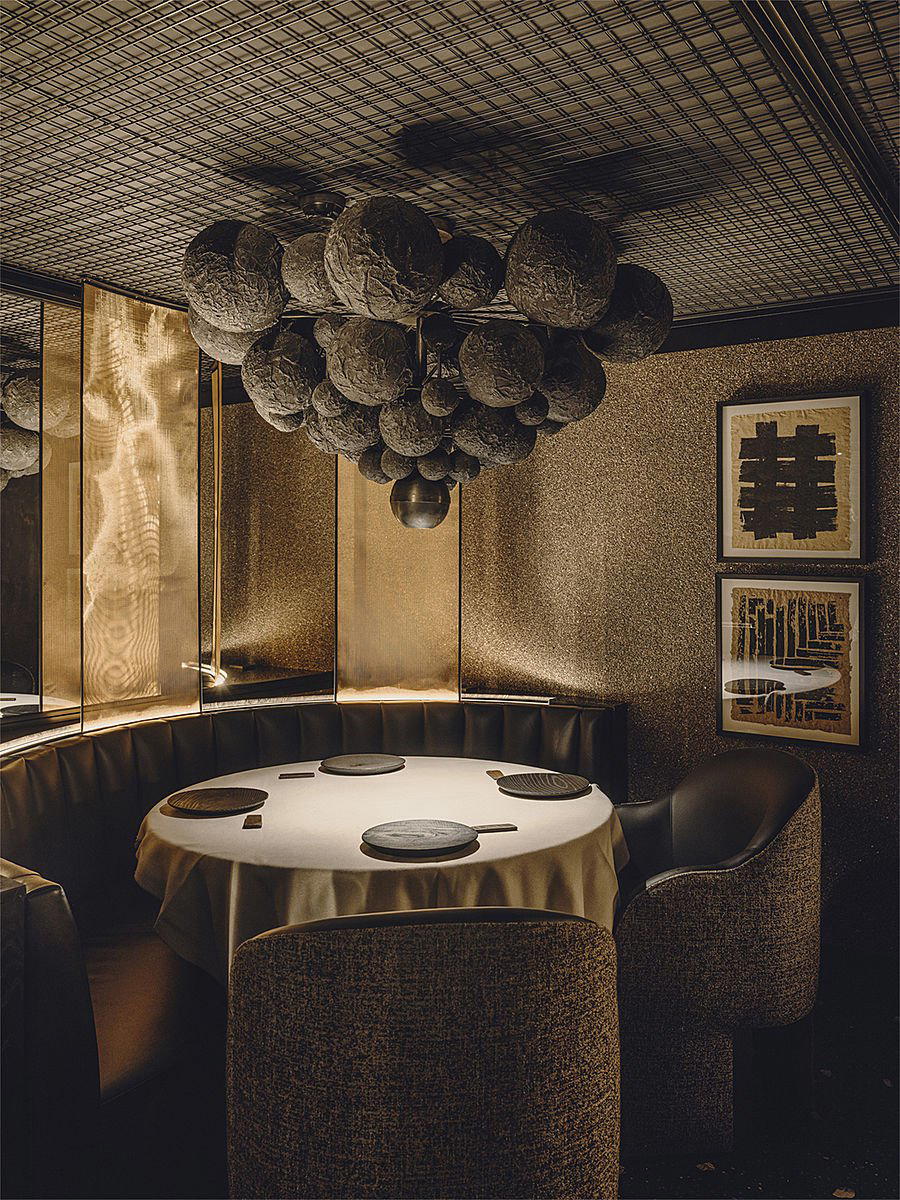
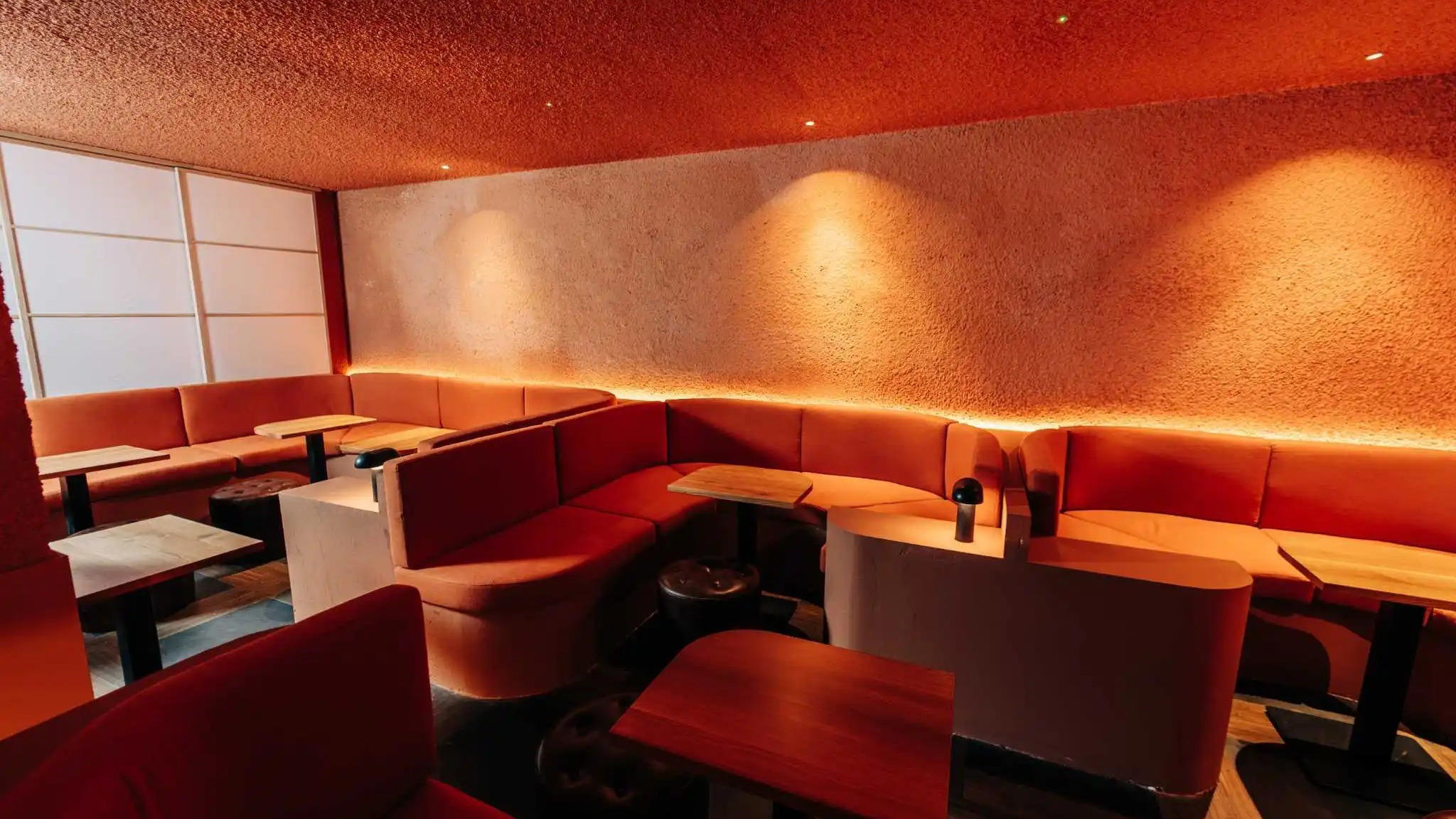
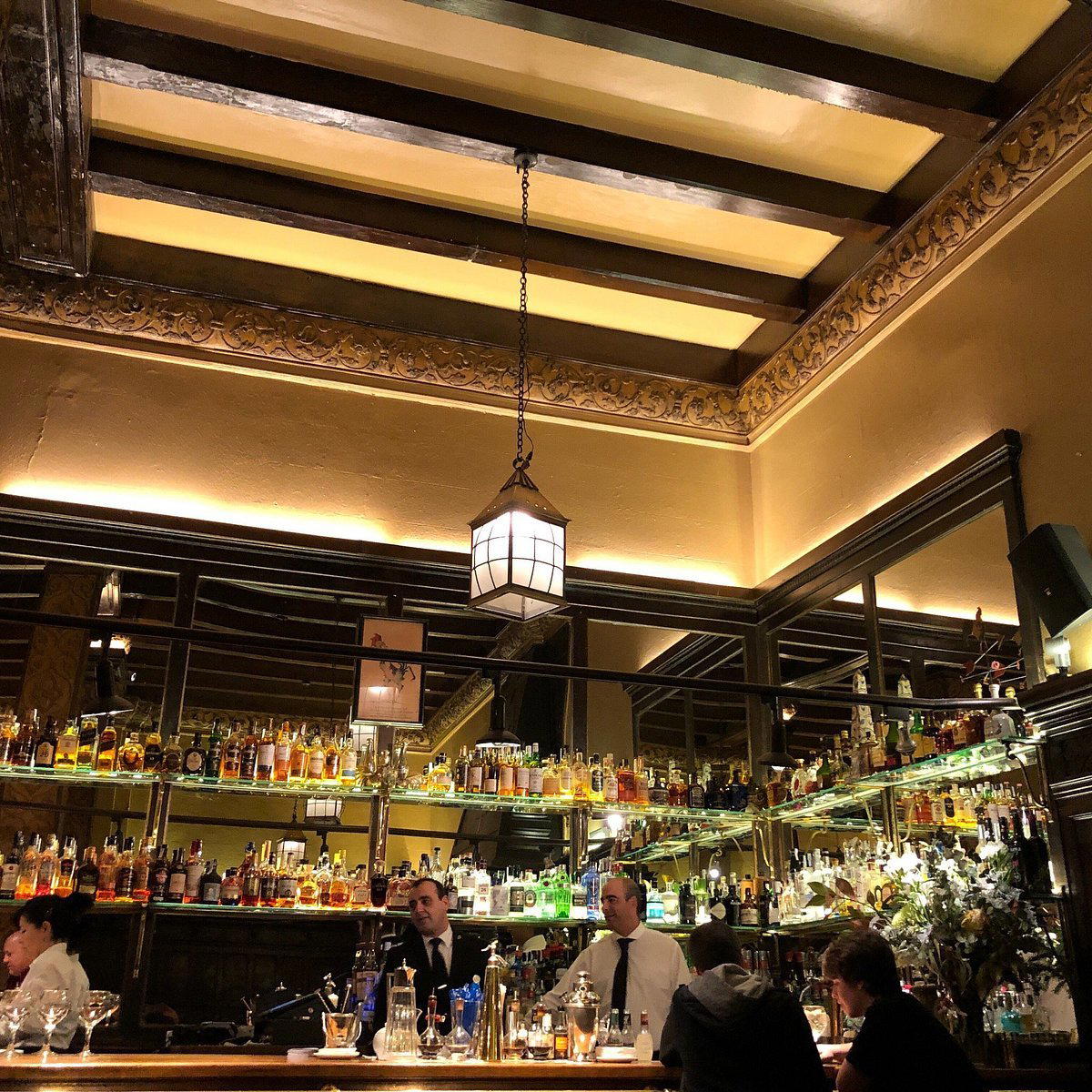
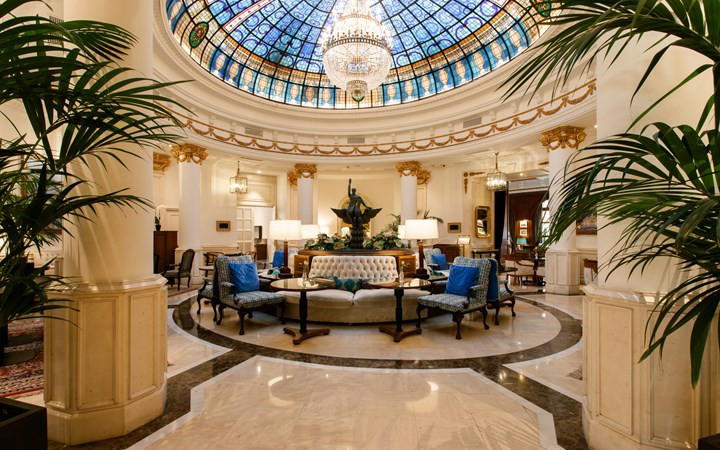
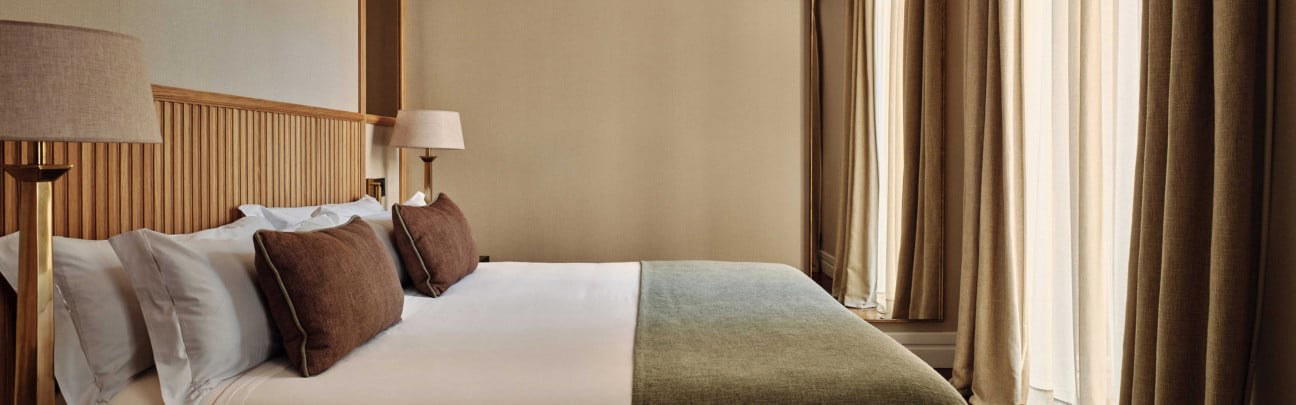
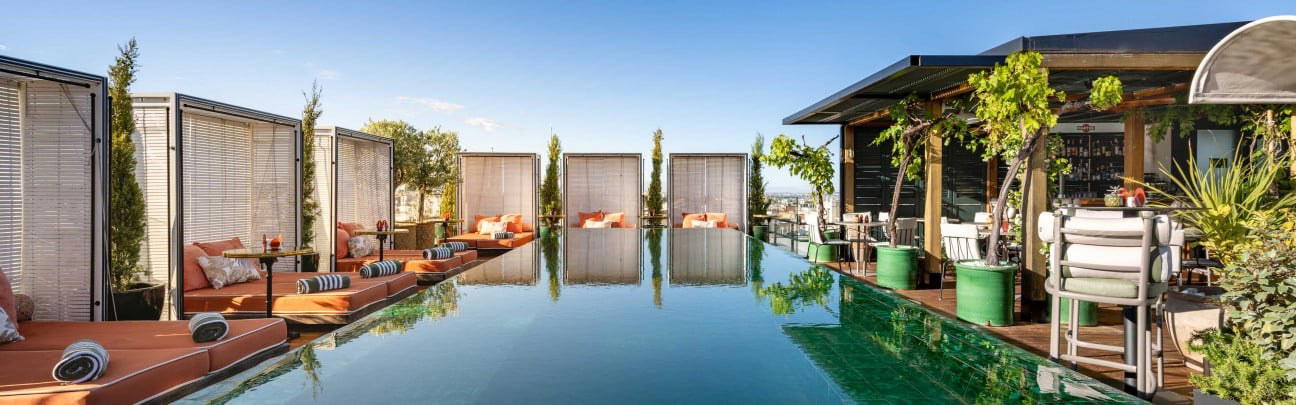
Intimate and classy with soft ambient lighting, dark oak wood, zen lighting, tatamis, and oriental art works evoking harmony and tradition.