
Yakiniku Mitsuboshi places Nagoya’s grilled-beef culture in a more selective register: counter and table cooking, tripe alongside yakiniku cuts, and a drinks list that reaches from nihonshu to wine and cocktails. Its selection for Tabelog 100 Yakiniku EAST 2025 gives the restaurant a clear quality signal in a category where ordering structure matters as much as the grill.
Pearl is the En Primeur Club membership app — saves, bookings, and concierge access live there. Same editors, same standards.
- Address
- 3 Chome-15-18 Kanayama, Naka Ward, Nagoya, Aichi 460-0022, Japan
- Phone
- +81 52-322-7390
- Website
- mitubosi.work
 Saves & bookings on Pearl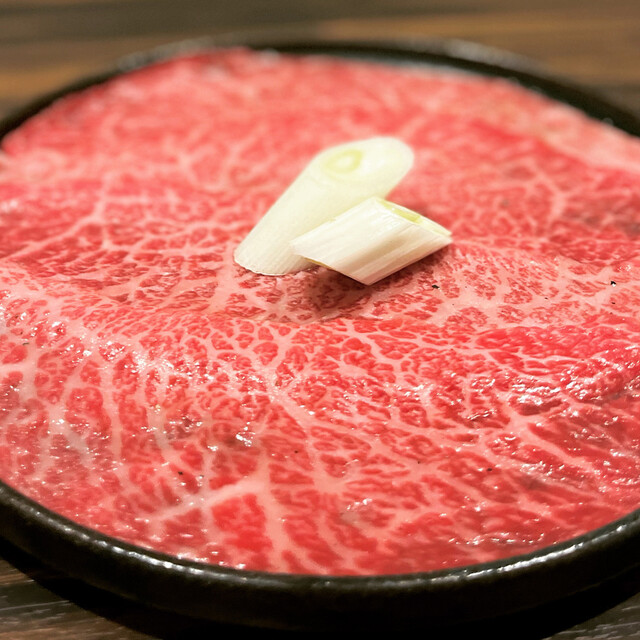
Kanayama’s dining streets are built for after-work appetite rather than ceremony: station lights, compact storefronts, and the smell of fat meeting heat somewhere behind a sliding door. In that setting, yakiniku works because it makes the table responsible for rhythm. The meal is not a procession from a distant kitchen; it is a sequence of decisions about cuts, offal, heat, sauce, rice, and drink. Yakiniku Mitsuboshi sits inside that tradition with the confidence of a restaurant selected for Tabelog 100 Yakiniku EAST 2025, a useful marker in a genre where consistency is tested service after service, grill after grill.
Yakiniku built around sequence, not spectacle
Good yakiniku menus reveal their priorities through structure. Beef-heavy restaurants often push diners toward premium marbled cuts first, then treat offal as a specialist appendix. The stronger Nagoya addresses tend to make the order feel more deliberate: leaner meat, richer cuts, tripe, rice, and drinks all need to work in a progression that does not exhaust the palate halfway through dinner. Here, the listed categories are yakiniku and tripe, which signals a kitchen aimed at both comfort and texture rather than a single luxury cue.
That matters in Nagoya. The city has deep habits around beef, miso, grilled food, and late-evening eating, but it is less internationally codified than Tokyo sushi or Kyoto kaiseki. For a visitor, the better read is not whether the room performs luxury, but whether the format gives enough range to build a satisfying meal without turning dinner into a checklist of expensive cuts. Yakiniku Mitsuboshi’s recognition in the EAST yakiniku selection places it in a competitive bracket beyond casual grill houses, while its category language keeps the meal grounded in the practical grammar of Japanese barbecue.
Menu architecture is also where yakiniku differs from steakhouse dining. A steakhouse centralizes judgment in the kitchen: doneness, portion, garnish, pacing. Yakiniku distributes that judgment across the table. The restaurant supplies cuts, seasoning, grill, ventilation, and pacing; the diner manages heat and timing. That division rewards groups who order across textures rather than chasing a single expensive plate. Tripe and other offal categories, when present, are not side curiosities; they are part of the genre’s logic, bringing chew, bitterness, and fat control to a meal that can otherwise become too rich.
Kanayama gives the format a useful edge
Kanayama is one of Nagoya’s practical food districts, shaped by rail access and evening traffic rather than hotel-lobby polish. That location changes the read of a yakiniku dinner. The format suits diners arriving in pairs, families, and groups, because the table becomes a shared workstation. It also suits the city’s mid-range premium tier: serious enough to plan around, accessible enough to remain connected to weekday dining rather than special-occasion theatre.
The drinks list reinforces that middle register. Sake, shochu, wine, and cocktails cover several styles of pairing without forcing the meal into a sommelier-led frame. In yakiniku, that flexibility is not cosmetic. Fatty beef can take shochu’s dry edge; tare-seasoned cuts can handle sake; wine gives structure when the order moves toward richer meat. The point is breadth, not display.
In Nagoya comparisons, price and format separate this address from lower-cost everyday counters and noodle rooms. THE RISCO, Nakamura So, Masago, and Mendokoro Suwa occupy cheaper casual bands, while Nishimura sits in the city conversation without the same available price signal here. The useful comparison is not cuisine-for-cuisine, but dining intention: quick meal versus planned grill dinner. Readers mapping the city more broadly can start with Our full Nagoya restaurants guide, then use Our full Nagoya hotels guide, Our full Nagoya bars guide, Our full Nagoya wineries guide, and Our full Nagoya experiences guide to build the rest of the itinerary.
How to read the table before ordering
The smartest way into this style of restaurant is to think in rounds. Begin with lighter or cleaner cuts, bring in richer beef once the grill and sauces are calibrated, then use offal and rice to reset texture rather than simply adding volume. That approach respects the menu’s structure and avoids the common mistake of ordering only for marbling. The listed presence of counter seating and table seating also changes the experience: counter seats suit tighter meals and observation; tables make more sense for diners who want a broader order and shared pacing.
Its Tabelog score of 3.67 and selection for the 2025 Yakiniku EAST list give the restaurant credibility without turning dinner into award tourism. The stronger reason to go is the match between category and city: Nagoya rewards meals that are direct, social, and technically dependent on small choices at the table. This is where yakiniku has an advantage over more formal Japanese dining for travellers. It teaches local eating habits through action, not explanation.
For adjacent EP Club reading, the Nagoya restaurant archive includes 1022, 451, Aaron, Alan., and All Day Dining Montmartre. Beyond Nagoya, Japan-focused dining research can extend to -Grilled beef Sukiyaki- KAMAKURA TANUKIAN 鎌倉 たぬき庵 in Kamakura. 鮪と炭火焼き うお炭 秋葉原店 in Tokyo.cafe in Osaka.know in Kumamoto, (Shoku) Vietnam in Kawasaki, and [Curry Senmon Ten] Maruyama Kyoju. in Sapporo. For Japanese drinking culture abroad, compare the category translation at Jōdo Saké Bar in Los Angeles and Onigiri Time in Pasadena.
Comparable Spots
Comparable venues at the same tier for side-by-side context.
| Venue | Cuisine | Price | Notes |
|---|---|---|---|
| Yakiniku MitsuboshiThis venue — the venue you are viewing | Traditional Yakiniku (Japanese BBQ) | $$$ | Not listed |
| Chiba Izumi | Yakitori Omakase | $$$ | Higashi |
| Tachigui Sushi Kiwami Meieki 4 chome ten | Casual Stand-Up Edo-Style Sushi | $$$ | Nakamura |
| Kamisono | Japanese Kaiseki Omakase | $$$ | Higashi |
| Kikkou Hanare | Seasonal Omakase Sushi Counter | $$$ | Nishi |
| CHIBA SAKAE | Yakitori Omakase & Sake | $$$ | Naka |
Recognition history
Dated appearances from independent guides and award organizations, with the underlying list record or original source where available.
Tabelog 100 #91 · No. 91
Tabelog · Tabelog 100 - Yakiniku - EAST - 2025
Continue exploring
More in Nagoya
Restaurants in Nagoya
Browse all →
At a Glance
- Cozy
- Lively
- Intimate
- Date Night
- Group Dining
- Casual Hangout
- After Work
- Celebration
- Standalone
- Beer Program
- Local Sourcing
Current opening hours
- Monday
- 5–10 PM
- Tuesday
- 5–10 PM
- Wednesday
- 5–10 PM
- Thursday
- 5–10 PM
- Friday
- 5–11 PM
- Saturday
- 5–11 PM
- Sunday
- 5–10 PM
Hours can change for holidays and private events. Last verified .
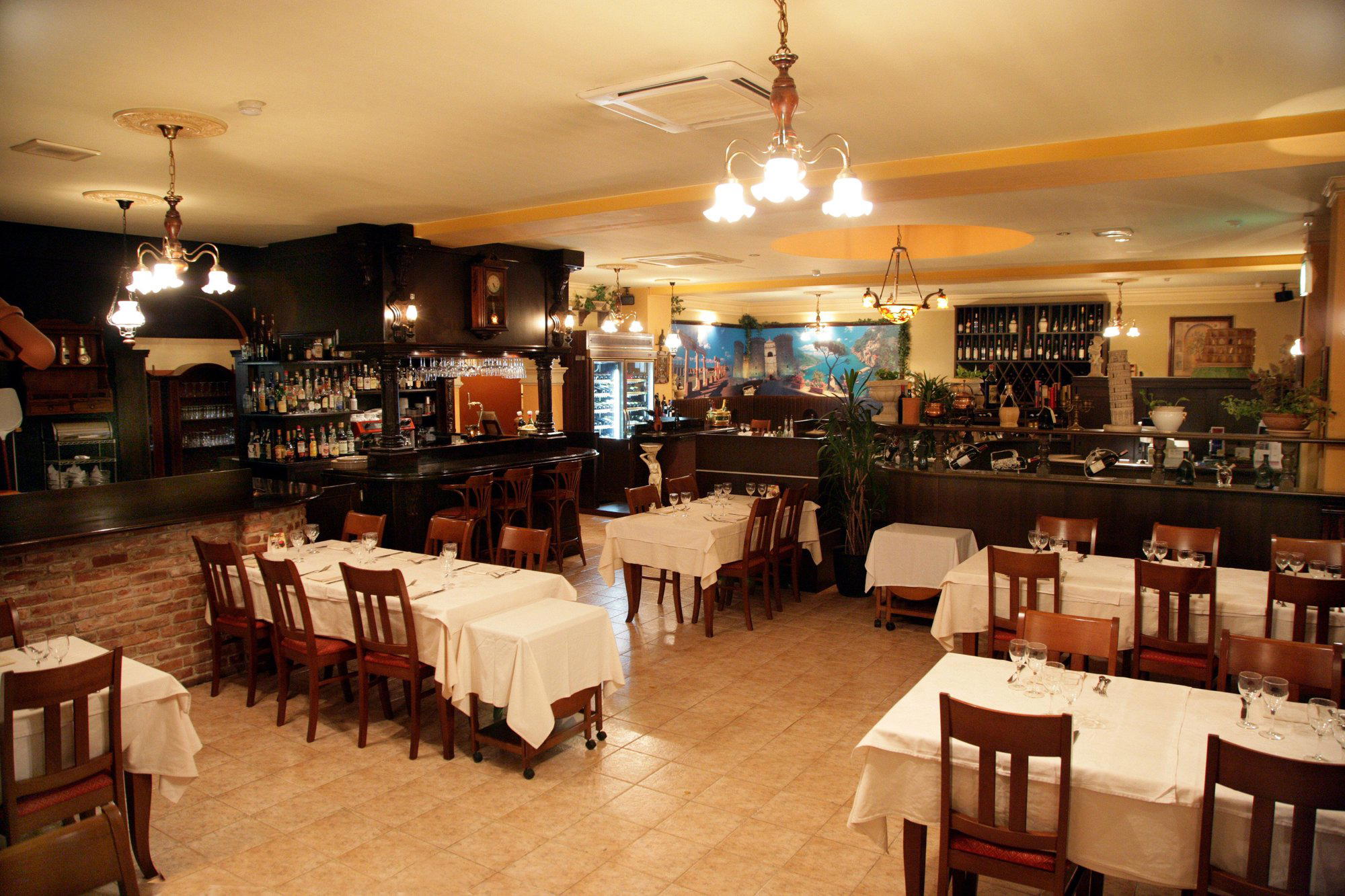
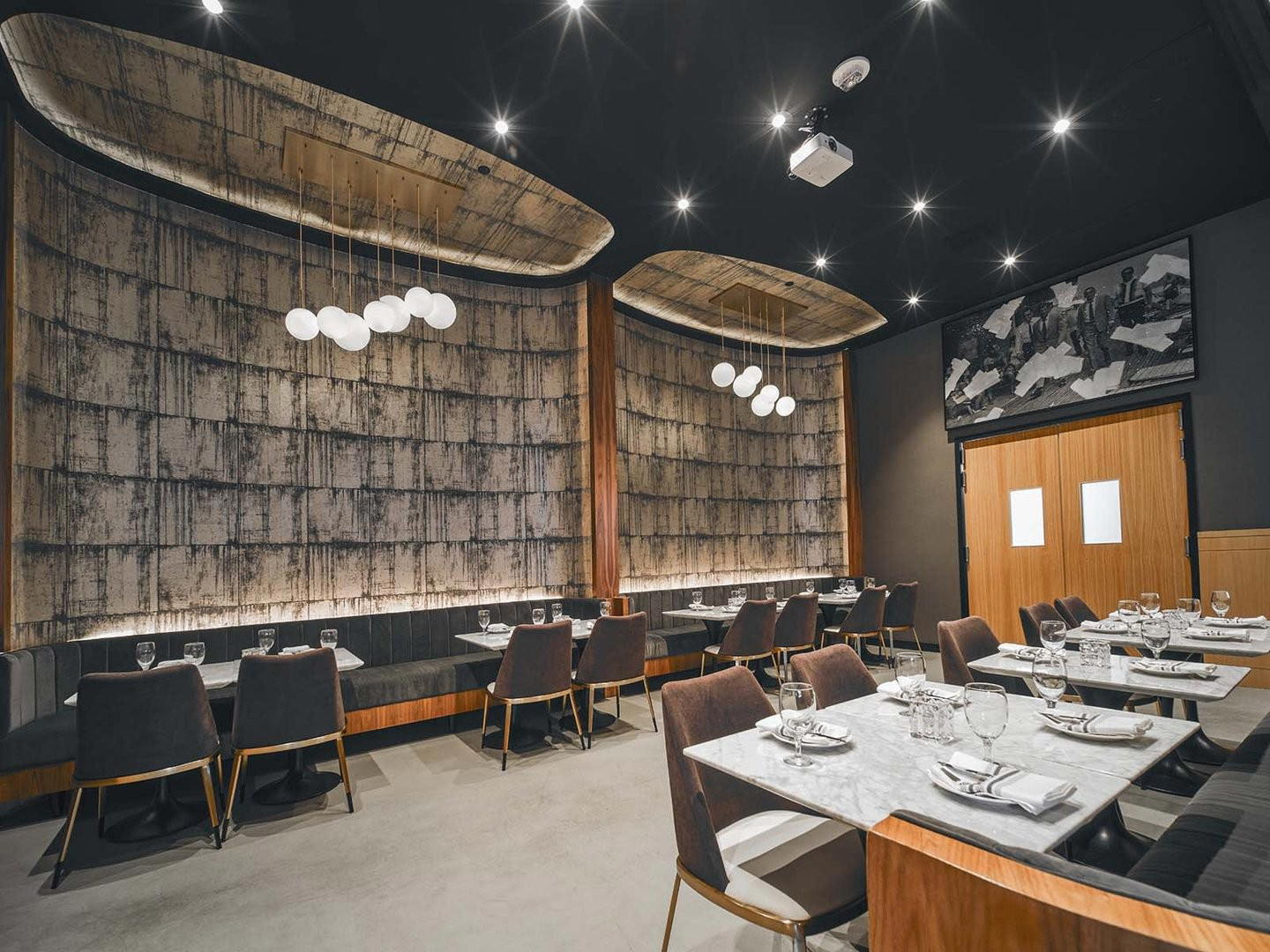
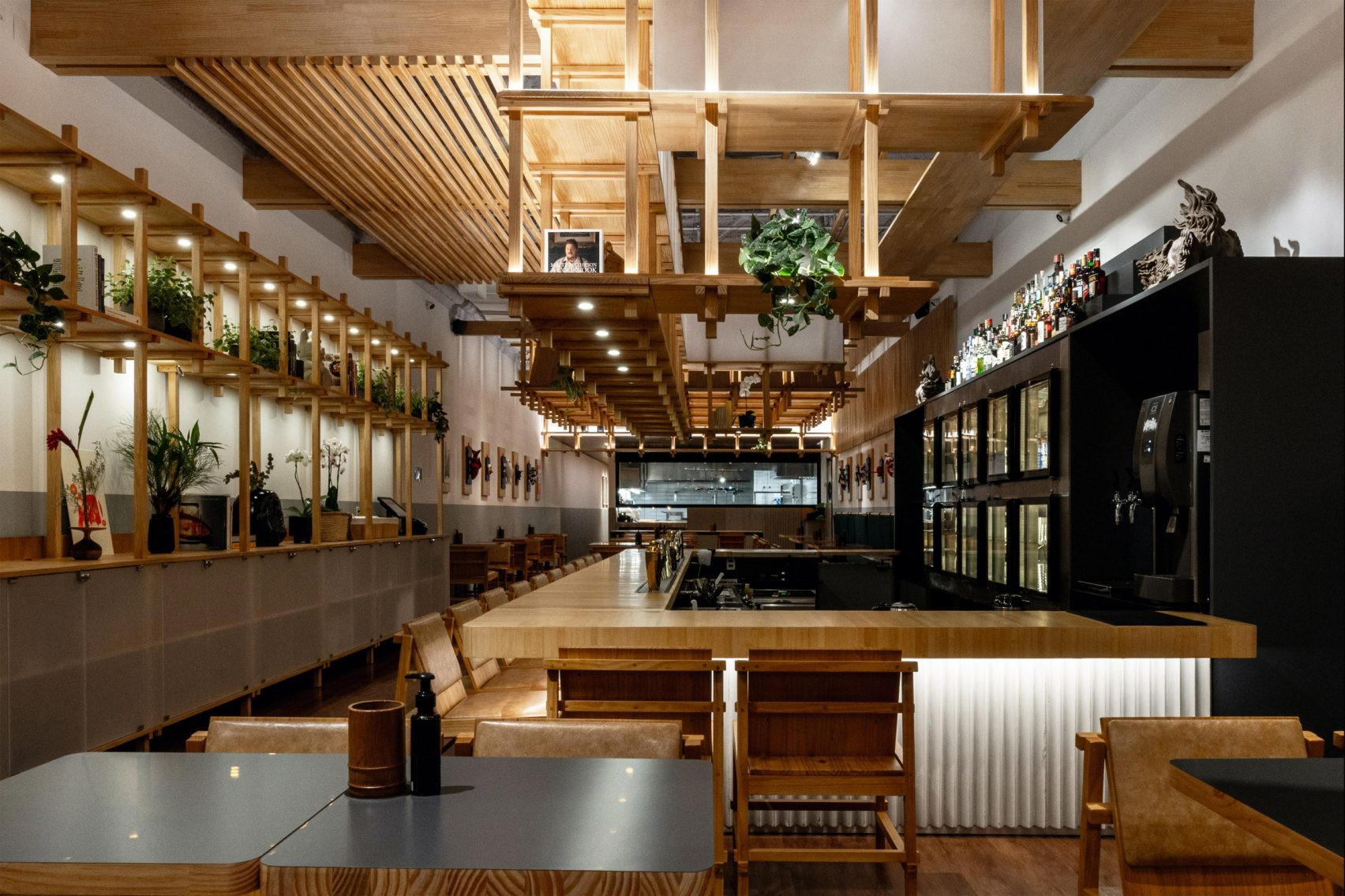
Warm, cozy yakiniku dining with an intimate feel, counter and table seating in a compact two‑floor space, a lively atmosphere typical of popular Japanese BBQ spots, and a focus on attentive service as part of its “three stars” concept.