Yah Toh Heen occupies a Tsim Sha Tsui address with a long record in Cantonese fine dining, placing it among Hong Kong's most established restaurant traditions. The room positions itself at the serious end of the city's Chinese dining spectrum, where harbour-side setting and a kitchen rooted in classical Cantonese technique define the experience. For visitors mapping Hong Kong's premium Chinese dining tier, it belongs on the same consideration list as Forum and other long-standing Cantonese institutions.
Pearl is the En Primeur Club membership app — saves, bookings, and concierge access live there. Same editors, same standards.
- Address
- 18 Salisbury Rd, Tsim Sha Tsui, Hong Kong
- Phone
- +852 2313 2313
- Directions
- Get directions
 Saves & bookings on Pearl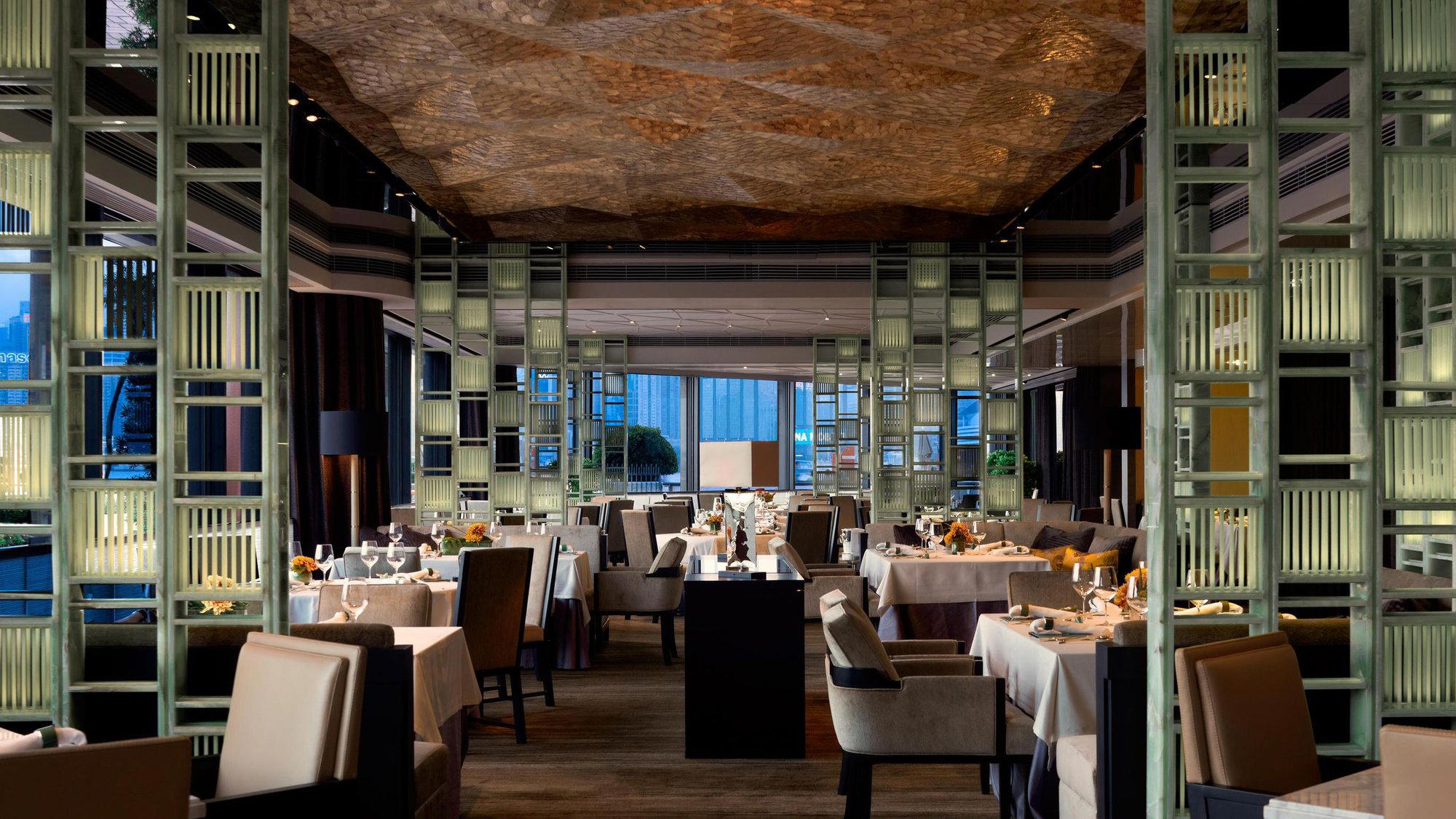
Cantonese Fine Dining and the Tsim Sha Tsui Tradition
Yah Toh Heen is a Cantonese restaurant at 18 Salisbury Rd, Tsim Sha Tsui, Hong Kong. Where kitchens like Caprice or Amber speak to an internationally fluent diner drawn by Michelin credentials and European technique, the senior tier of Cantonese restaurants earns its status through something harder to commodify: an institutional continuity, a repertoire that assumes the diner already knows what to expect and is there to assess the execution. Yah Toh Heen, at 18 Salisbury Road in Tsim Sha Tsui, sits inside that tradition. Its address alone places it in the southern Kowloon corridor where hotel dining has long anchored serious Chinese cuisine for a clientele combining business travellers, local families, and visitors prepared to spend at the level the room demands.
The geography matters here. Tsim Sha Tsui's restaurant strip along and behind Salisbury Road has historically been the Kowloon counterpart to the Island's Central dining concentration. The Victoria Harbour view from this stretch is among the more recognisable in Asian dining, and the restaurants that have occupied it longest understand that the setting functions as part of the meal's architecture. What arrives at the table is framed by what is visible through the glass.
Reading the Room: Atmosphere as Context
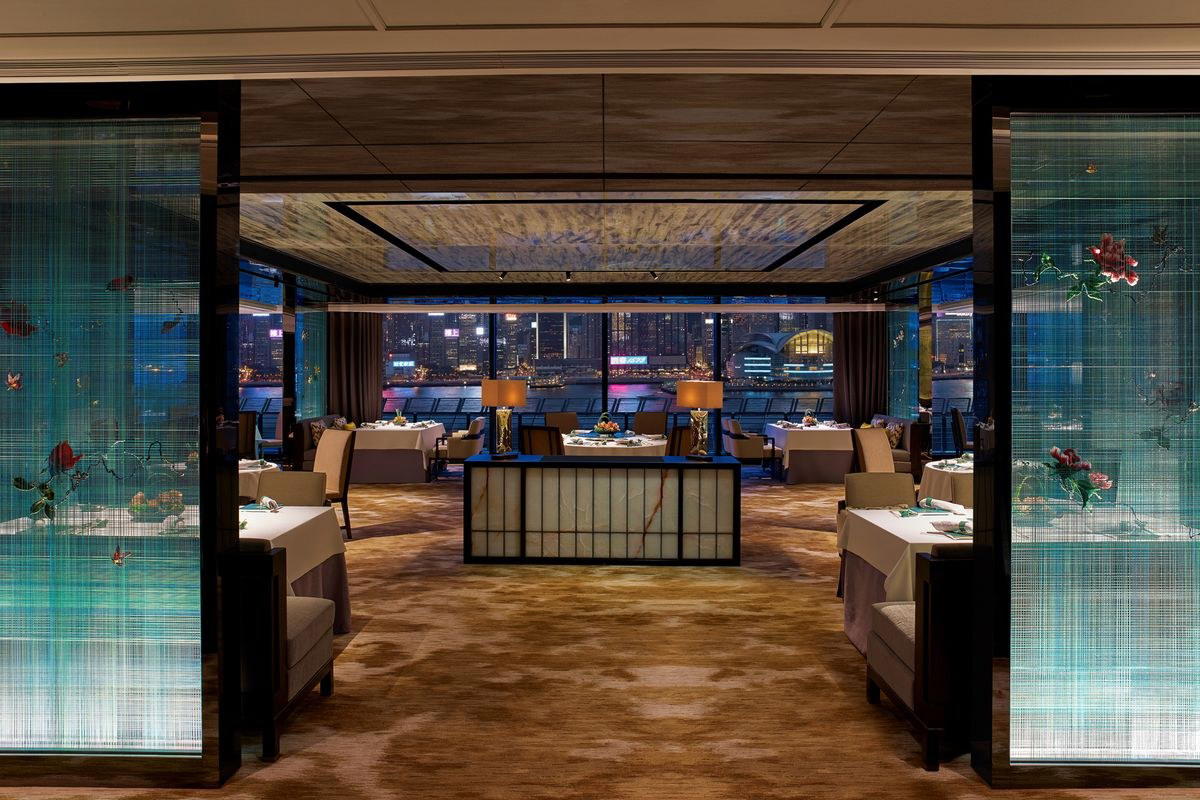
In Cantonese fine dining at this tier, the physical room carries meaning. These are not pared-back environments designed to focus attention narrowly on the plate. The interiors tend toward the formal and ceremonial, with table spacing that allows for private conversation, service choreography that signals occasion, and a noise level calibrated for business entertainment as much as pleasure. Natural light, where it reaches the harbour, arrives in a way that shifts through a meal as the afternoon moves into early evening. By the time the dim sum service gives way to dinner bookings, the light off the water has changed entirely.
This sensory layering, light, room scale, the controlled formality of service, is what separates the established Cantonese hotel dining room from the more casual Cantonese restaurants that have proliferated across Hong Kong's mid-range. The serious Chinese restaurants that have lasted at this address understand that the meal is a composed experience from arrival through payment, not simply a sequence of dishes.
Peer restaurants in this category, including Forum in Causeway Bay, have built decades-long reputations on the consistency of that composed experience. The competition within Hong Kong's premium Cantonese tier is not primarily about novelty or seasonal menus; it is about the reliability and depth of execution within a defined and demanding canon.
The Cantonese Canon and What It Demands
Classical Cantonese cooking requires a kitchen to demonstrate mastery across a range of techniques that have little margin for approximation. The clarity of a double-boiled soup is a measure of patience and restraint; the texture of a roasted bird signals the control of heat and timing across an entire service; the handling of seafood, live and priced by weight at the better restaurants, tells a diner immediately whether the kitchen is operating at the expected standard. These are not dishes that reward improvisation. They reward precision and accumulated knowledge.
This is the culinary tradition that places a restaurant like Yah Toh Heen in a different competitive frame from the fusion-inflected Japanese-French cooking at Ta Vie or the Italian technique of 8 1/2 Otto e Mezzo Bombana. Both of those restaurants are operating inside international frameworks with external reference points. A serious Cantonese kitchen at this tier is measured against itself and its local peers, by diners who eat within the tradition regularly and notice immediately when a texture is off or a balance is absent.
Globally, only a small number of dining cities can sustain this kind of internally referential premium Chinese restaurant culture. Hong Kong remains especially concentrated of them. The closest analogues in terms of culinary seriousness applied to a regional Chinese tradition are found in a handful of mainland cities, but few cities outside Hong Kong have the same density of experienced, demanding diners eating at this level on a regular basis. That density is what keeps the kitchen's standards honest.
Where Yah Toh Heen Sits in the City's Dining Map
For a visitor building a considered Hong Kong dining itinerary, the question is not whether to include a serious Cantonese restaurant but which tier to prioritise. Hong Kong's Chinese dining pyramid runs from dim sum tea houses open before dawn through mid-range roast-meat specialists and into the white-tablecloth Cantonese tier where the restaurant and its peers operate. Covering the full range across a multi-day stay gives a more complete picture of the city's culinary identity than spending every meal at the Michelin-starred French end of the spectrum.
Restaurants like Yah Toh Heen function as the Cantonese equivalent of the grand European dining rooms, Alain Ducasse at Louis XV in Monte Carlo or Alléno Paris au Pavillon Ledoyen, in that they ask the diner to engage with a culinary tradition at its most formal and considered expression. The register is different but the underlying ambition is comparable: a kitchen operating inside a well-defined tradition and asking to be judged on the quality of its execution within that tradition.
Planning Your Visit
Cuisine Context
Comparable venues nearby, for context on price, style, and recognition.
| Venue | Cuisine | Price | Notes |
|---|---|---|---|
| Yah Toh HeenThis venue — the venue you are viewing | Cantonese | Not listed | Not listed |
| Butao | Hakata-style tonkotsu ramen shop | $$ | Central |
| Tai Hing | Hong Kong Roast Meats & Comfort Food | $$ | Tsim Sha Tsui |
| Ramen Jo | Authentic Japanese Ramen | $$ | Wan Chai |
| Dim Sum and the Art of Chinese Tidbits | Traditional Cantonese Dim Sum | $$ | Wan Chai |
| Fu Sing Shark Fin Seafood Restaurant | Chinese Dim Sum and Shark Fin Seafood | $$ | Wan Chai |
Continue exploring
More in Hong Kong
Restaurants in Hong Kong
Browse all →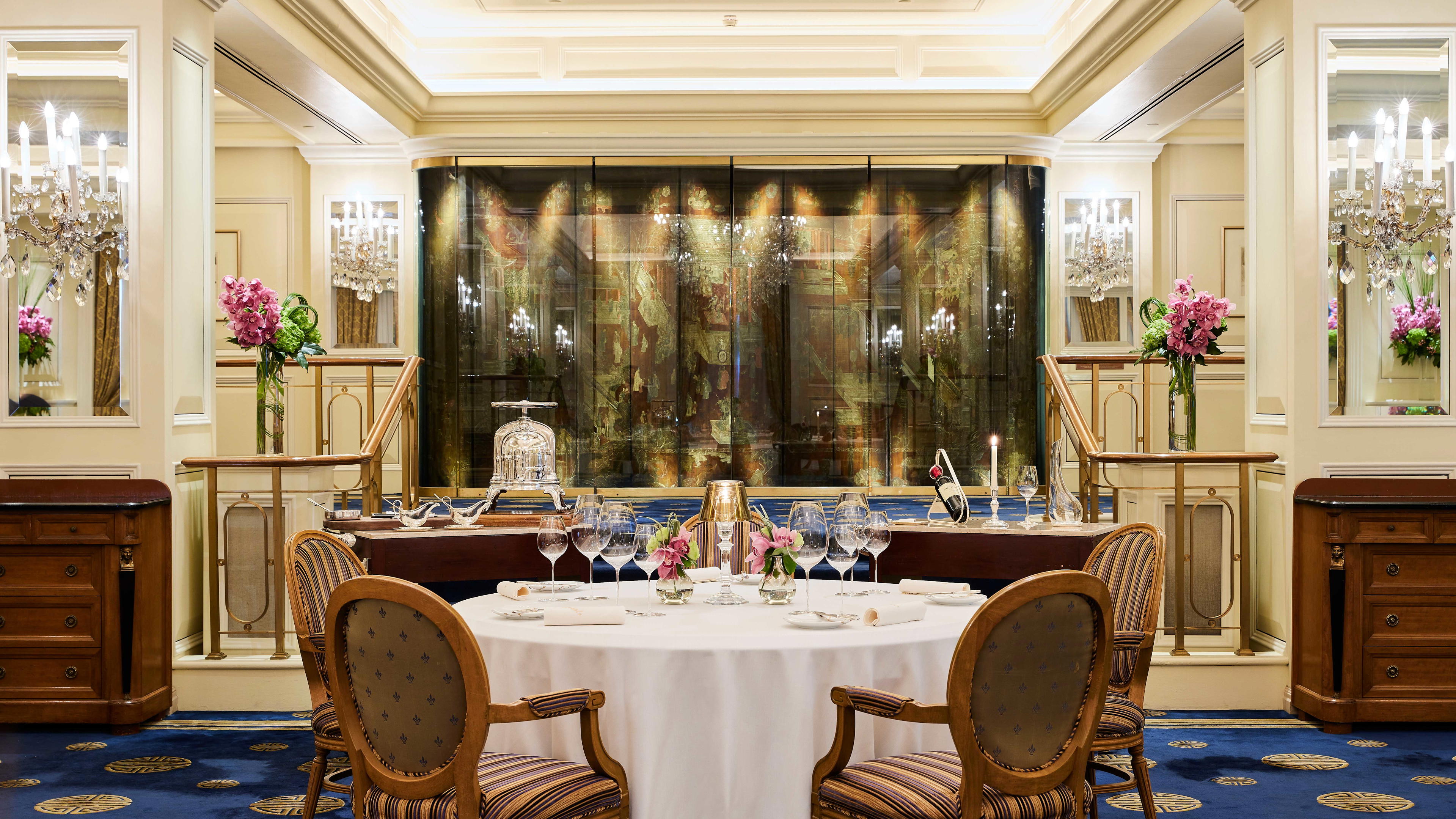
Bars in Hong Kong
Browse all →
At a Glance
- Elegant
- Sophisticated
- Scenic
- Classic
- Special Occasion
- Business Dinner
- Date Night
- Celebration
- Hotel Restaurant
- Waterfront
- Panoramic View
- Waterfront
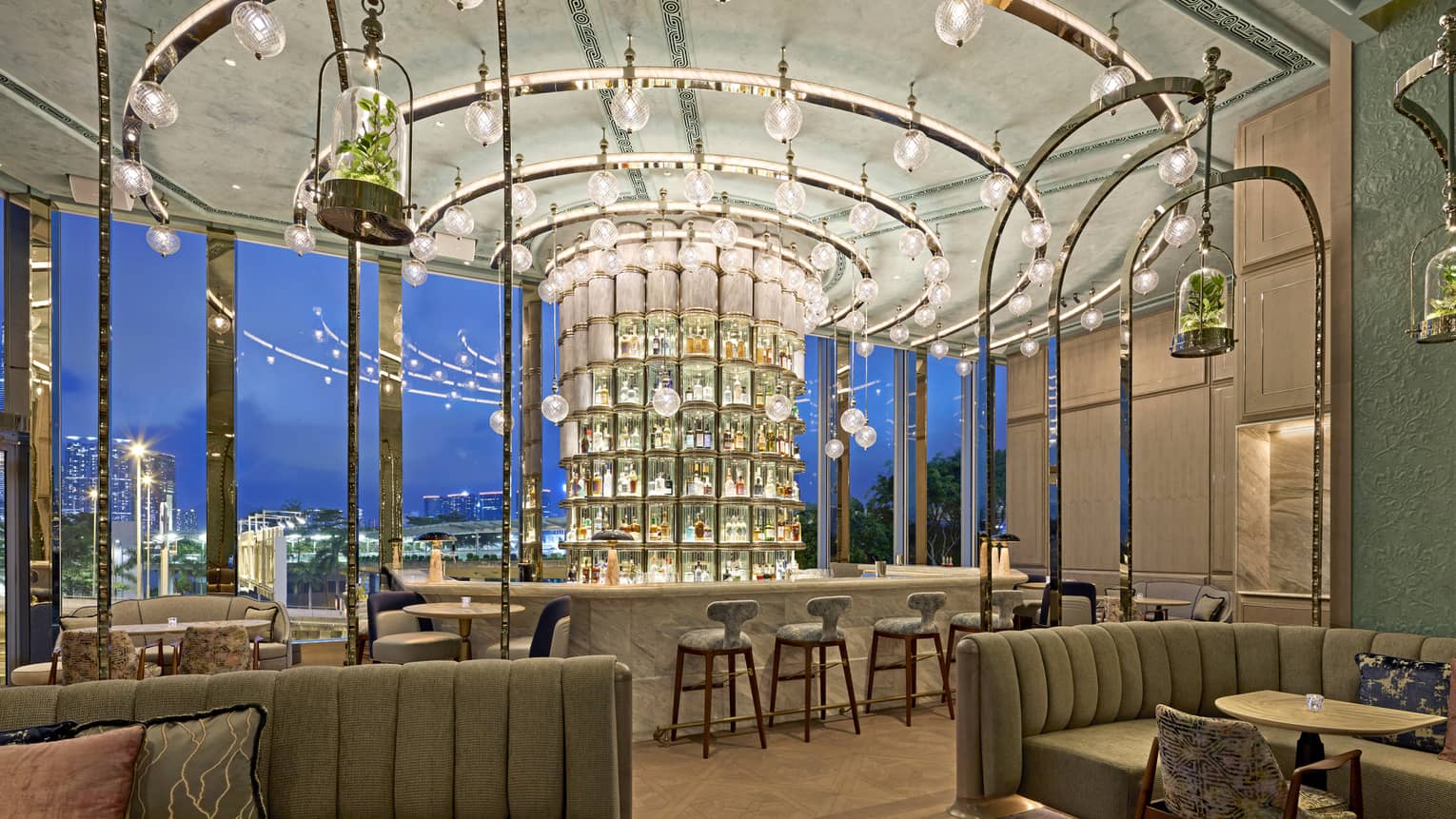
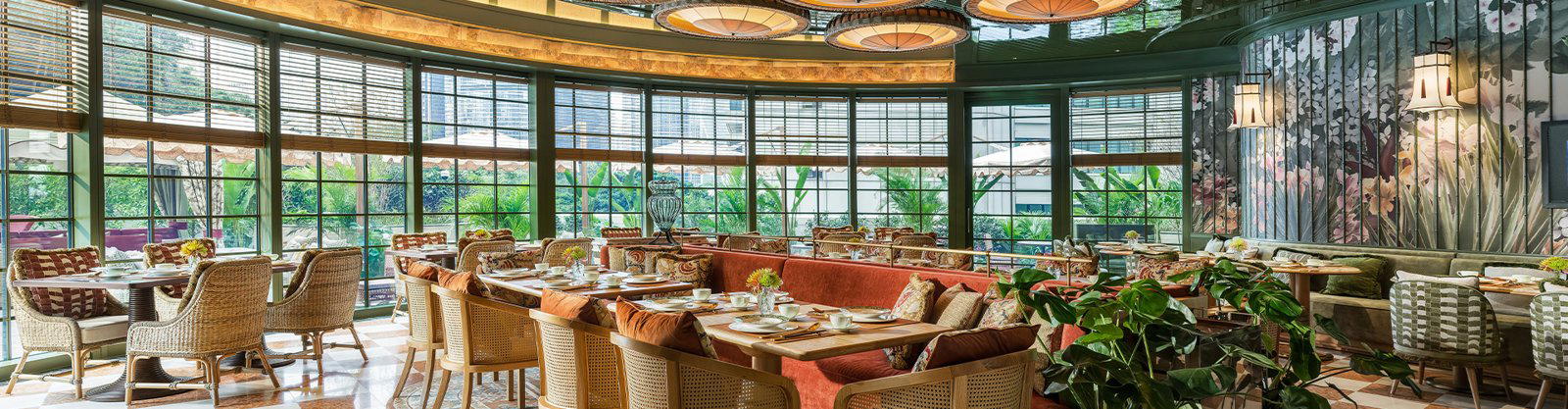
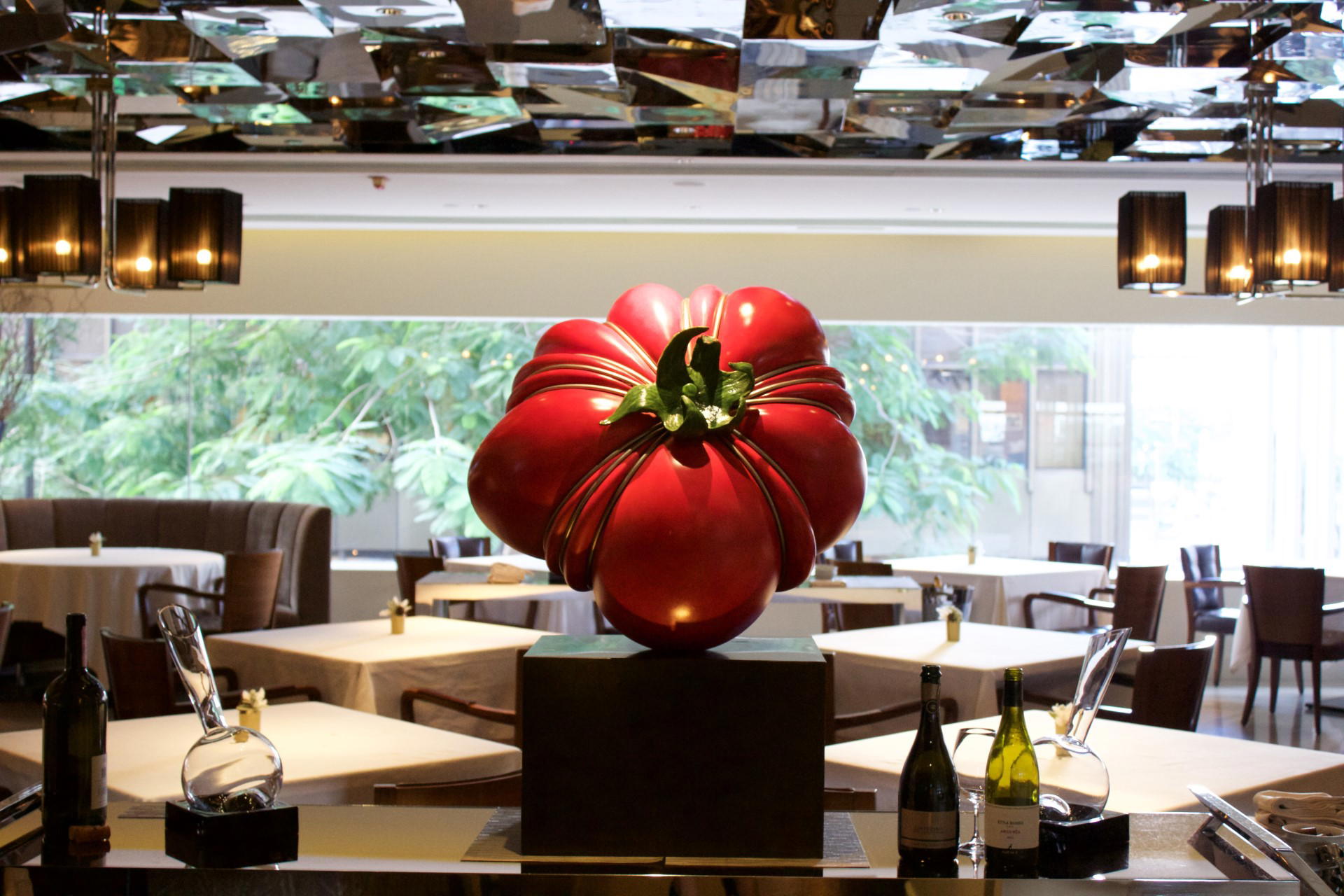
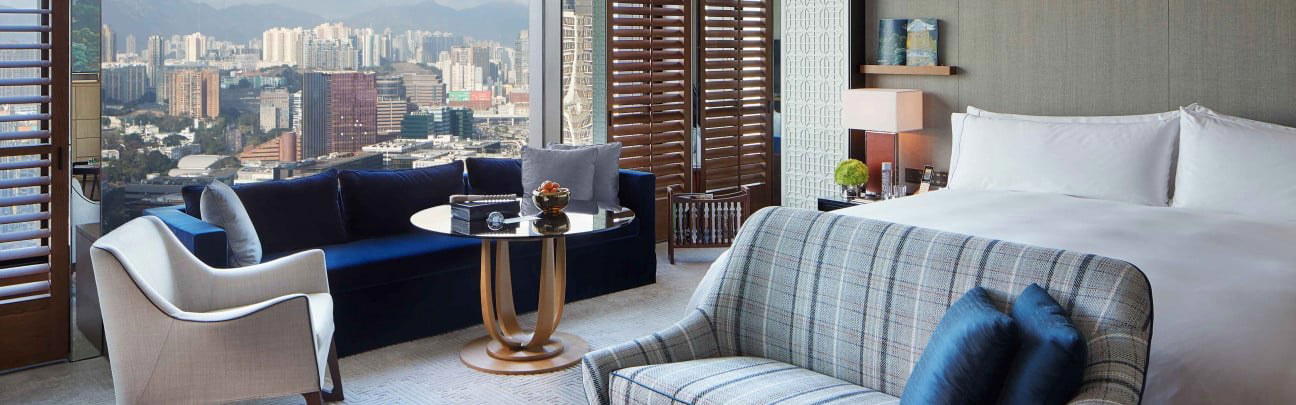
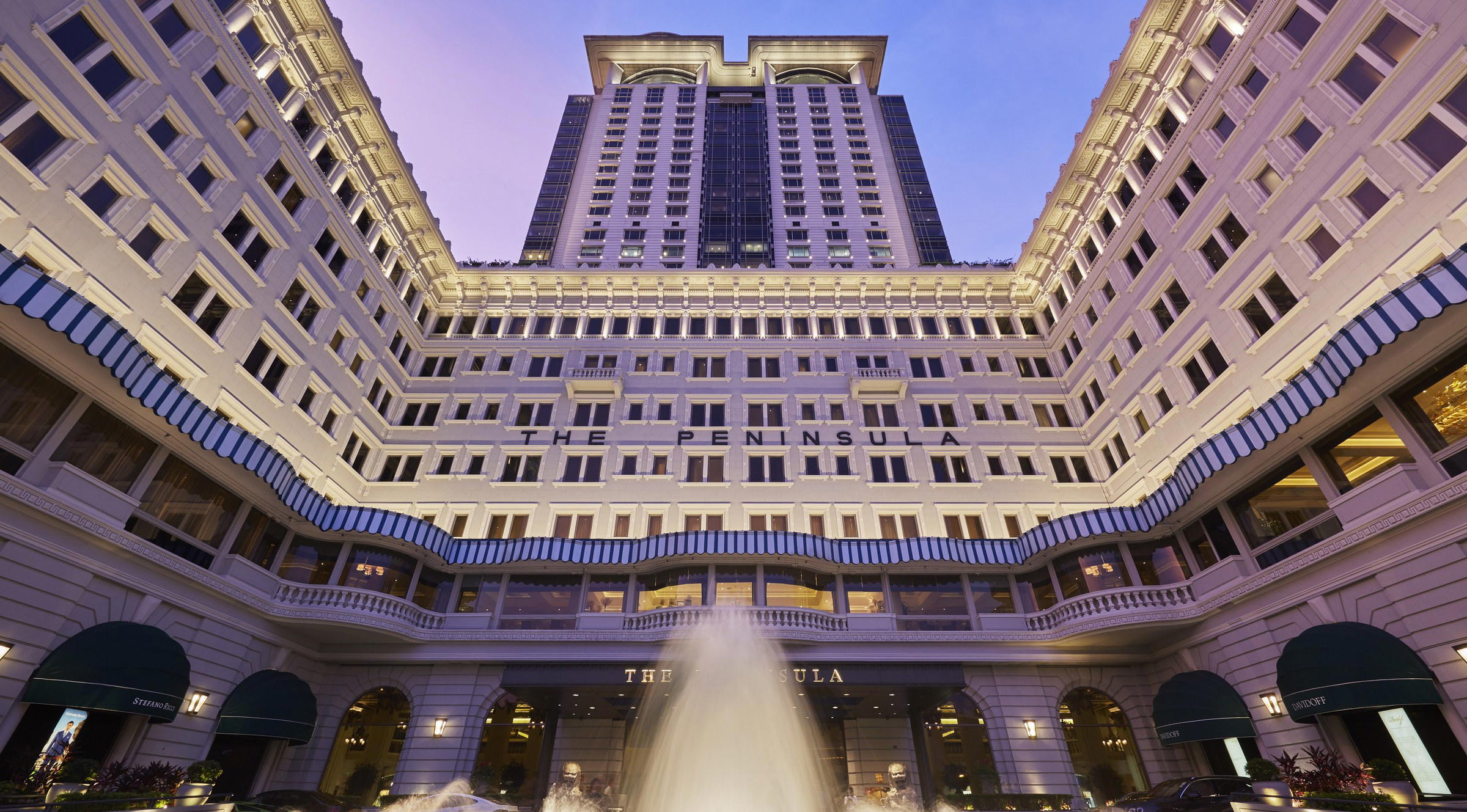
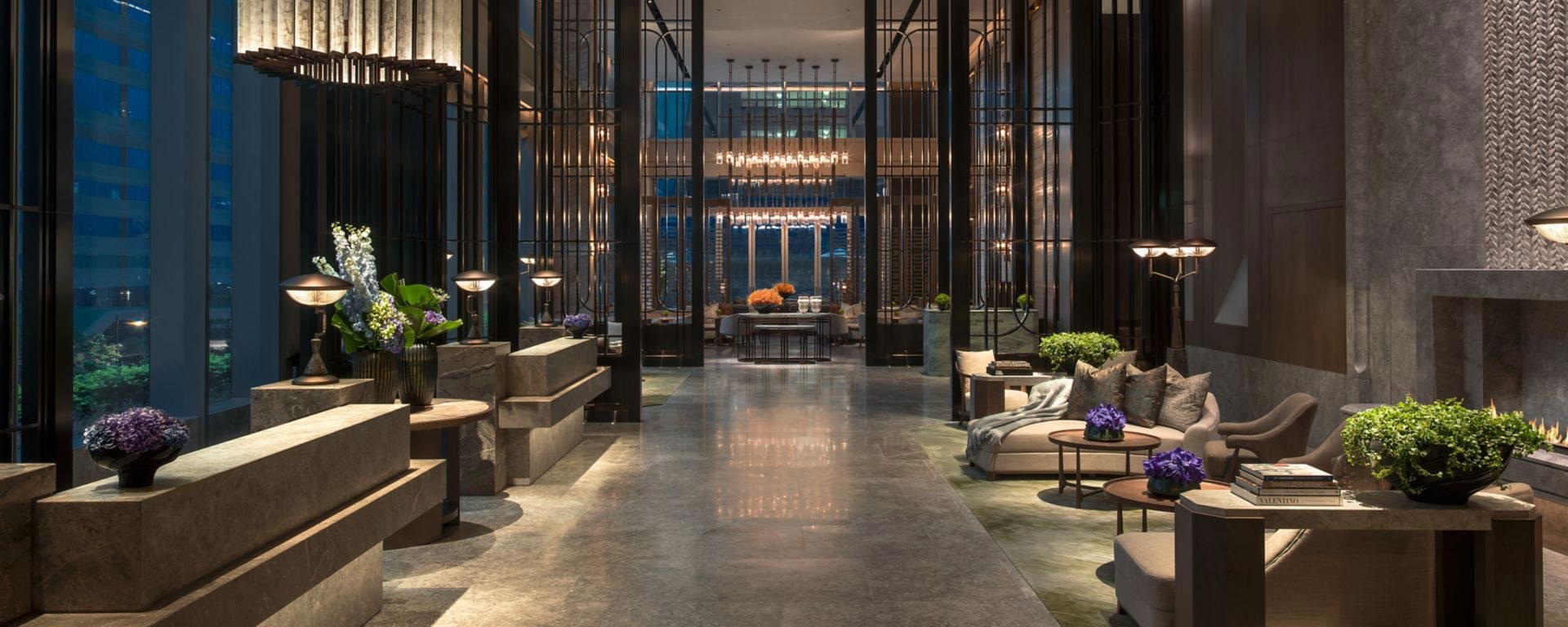
Elegant, carpeted hotel dining room with well-spaced tables, natural light, jade-themed design elements, and a refined harbour-facing atmosphere.