
Butao places Hakata-style ramen inside Hong Kong’s fast, compact Japanese dining culture, where the ritual is measured in broth, noodle texture, and turnover rather than long-form tasting-menu theatre. Its 2026 Opinionated About Dining Casual in Asia Highly Recommended recognition gives it a credible signal in a category that often depends on repetition, consistency, and the discipline of a single bowl.
 Request Booking on Pearl
Pearl is the En Primeur Club membership app — saves, bookings, and concierge access live there. Same editors, same standards.
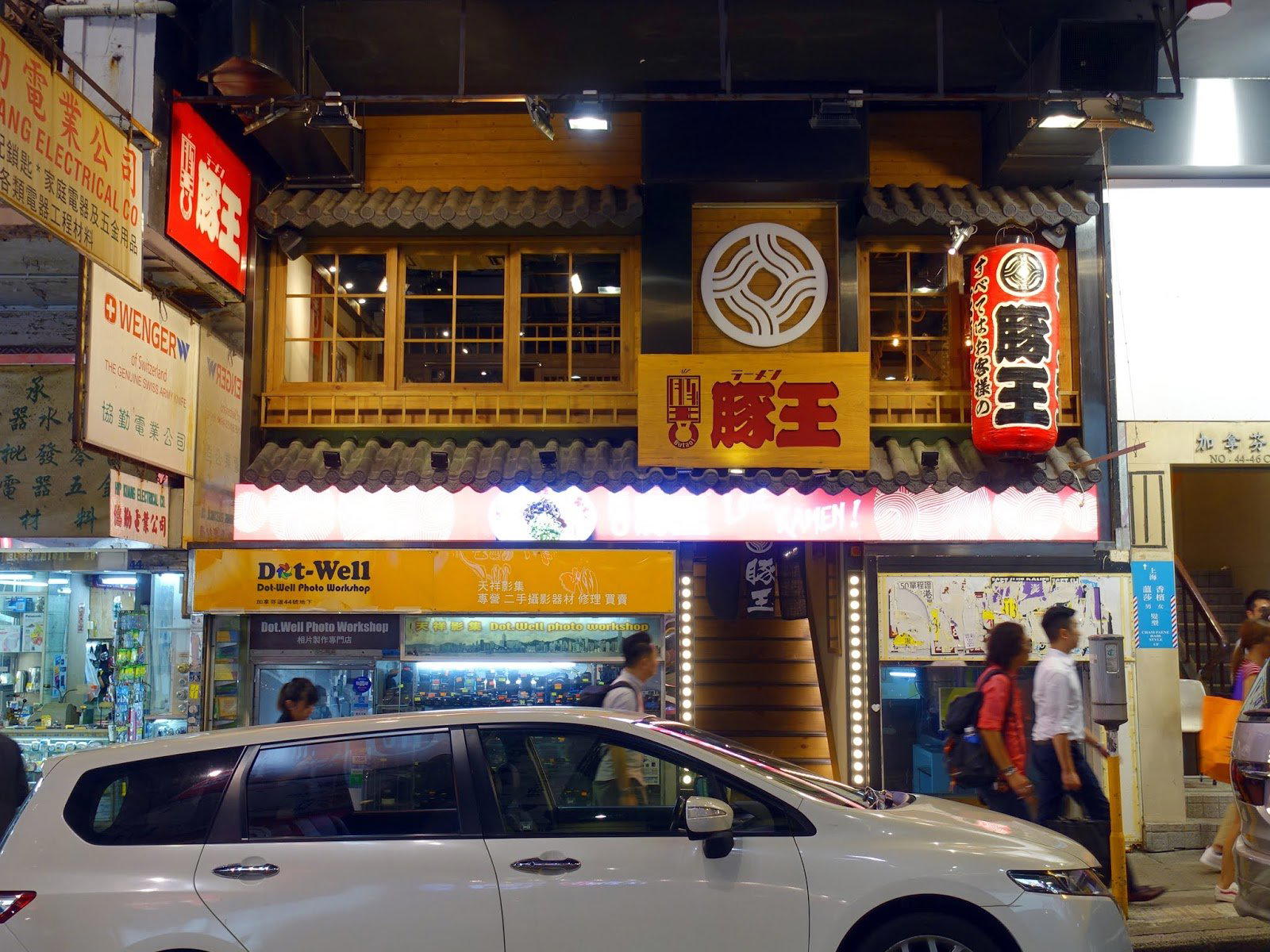
A ramen counter changes a Hong Kong meal before the first spoonful: steam at the pass, bowls moving quickly, diners reading the room rather than lingering over ceremony. In a city fluent in Cantonese tea houses, Japanese imports, hotel dining rooms, and late-night noodle shops, ramen occupies a useful middle register. It is informal, not careless; quick, but built around a sequence Japanese dining treats with precision: broth first, noodles before they soften, toppings as punctuation rather than decoration.
Butao sits in that register. The cuisine is listed simply as ramen, and that simplicity matters. Hong Kong has enough restaurants stretching casual Japanese food into luxury performance; stronger ramen rooms do the opposite, narrowing attention to the bowl and its rhythm. Recognition as a 2026 Opinionated About Dining Casual in Asia Highly Recommended address places Butao where polish is judged differently from fine dining. The question is not Michelin-style ceremony, but whether the room respects the timing, repetition, and calibration that make ramen work at speed.
Ramen as ritual, not a long meal
Japanese dining customs are often discussed through sushi counters and kaiseki rooms, but ramen has its own code. The ritual is compressed: order, watch, receive, eat while the noodles retain their intended bite. That pace is not a compromise; it is the point. A bowl that sits too long loses structure, and a dining room encouraging dawdling works against the food. In Hong Kong, where high-rent spaces reward efficiency, ramen’s format fits without translation.
The better way to read Butao is not as a chef-led auteur project, but as part of Hong Kong’s appetite for exact, repeatable Japanese formats. The chef field is listed as various, reinforcing the point: this is not a pageant of personality. It belongs to restaurants where systems matter, from broth management to noodle handling to service sequence. That makes it closer to disciplined casual counters than to the city’s tasting-menu dining rooms.
Hong Kong’s Japanese food scene often splits into two tracks. One is expensive, reservation-led, and often built around omakase or tasting menus. The other is compact, quick, and deeply format-specific: ramen, tonkatsu, yakitori, curry rice, udon. Butao belongs to the second, where seriousness is measured by focus rather than tablecloths. For readers mapping that side of the city, EP Club’s broader Hong Kong restaurant coverage is useful context: Our full Hong Kong restaurants guide sits alongside city guides for Hong Kong hotels, Hong Kong bars, Hong Kong wineries, and Hong Kong experiences.
Where a casual award signal matters
A ramen shop does not need fine-dining apparatus to be taken seriously, but outside Japan the category can be uneven. Some rooms lean too heavily on branding; others treat richness as balance. A casual recognition from Opinionated About Dining in 2026 points toward consistency inside a crowded, price-sensitive format. It separates the address from generic noodle stops without turning the meal formal.
That distinction matters in Hong Kong, where casual food has always carried critical weight. The territory’s dining culture gives equal oxygen to polished hotel restaurants, street-level specialists, and single-dish institutions. The same itinerary can move from Italian fine dining at 8½ Otto e Mezzo BOMBANA in Central And Western to local noodle history at Block 18 Doggie's Noodle in Yau Tsim Mong, then across the city to regional and neighbourhood cooking such as Chin Sik in Tsuen Wan or Habib's Indian & Middle Eastern Food in Kwun Tong. In that context, ramen is not a side note. It is another expression of Hong Kong’s preference for specialist formats judged on execution rather than ceremony.
The city’s restaurant map also shows how far one category can stretch. A family-oriented room such as Enchanted Garden Restaurant in Islands serves a different purpose from the dining-history curiosity of Former Jumbo Floating Restaurant in Aberdeen, while compact address-based entries such as 15-27 Cannon St, 208 Hollywood Rd, and 22 Ships (Spanish-Tapas) show how neighbourhood, format, and scale shape expectations before the menu begins. Butao should be read with that discipline: a casual Japanese specialist, not a general-purpose restaurant.
The wider ramen conversation
Ramen in Hong Kong has long borrowed from Japan while adapting to local speed, density, and dining hours. The city does not treat imported Japanese formats as novelty; it absorbs them into daily eating. That is why the category supports multiple styles, from richer pork-broth houses to lighter bowls and dipping-noodle specialists. Nearby EP Club reference points include Nagi Ramen and Shugetsu Ramen (Central), each useful for understanding how narrow-format Japanese dining has entered the city’s regular restaurant grammar.
Internationally, ramen’s spread has produced different local interpretations. Tokyo remains the reference city for many contemporary styles, making Afuri, Ramen in Tokyo a useful counterpoint for readers following the category back to Japan. In North America, Afuri Ramen, Ramen in Portland shows how the same cuisine can be repositioned for another dining culture. Hong Kong sits between those poles: closer to Japan in pace and urban density, but shaped by a city expecting casual food to carry its own authority.
The practical reading is simple. Butao is for a focused ramen meal, not a long evening built around wine, tasting-menu progression, or tableside theatre. Its credibility comes from category fit: a disciplined bowl in a city that understands quick dining can still demand standards. The OAD Casual in Asia Highly Recommended recognition gives travellers reason to place it above a random ramen stop, while the format keeps expectations grounded. Go for the ritual of the bowl: order with intent, eat while the noodles are at their intended texture, and let the meal end before it tries to become something else.
Comparable Venues Nearby
Comparable venues nearby, for context on price, style, and recognition.
| Venue | Cuisine | Price | Notes |
|---|---|---|---|
| ButaoThis venue — the venue you are viewing | Hakata-style tonkotsu ramen shop | $$ | Not listed |
| Ramen Jo | Authentic Japanese Ramen | $$ | Wan Chai |
| Shari Shari Kakigori House | Japanese Kakigori Shaved Ice | $$ | Central |
| Nikutoieba Matsuda | Wagyu-Focused Japanese Kaiseki / Omakase | $$$ | Sheung Wan |
| Kasa | Modern Cantonese Fusion | $$ | Wan Chai |
| Pierre | Dining | Not listed | Central |
Recognition history
Dated appearances from independent guides and award organizations, with the underlying list record or original source where available.
Opinionated About Dining Casual in Asia Highly Recommended
Opinionated About Dining
Continue exploring
More in Hong Kong
More from Chef Various
Browse all →
Restaurants in Hong Kong
Browse all →
Bars in Hong Kong
Browse all →
At a Glance
- Cozy
- Lively
- Intimate
- Classic
- Solo
- Casual Hangout
- After Work
- Late Night
- Standalone
- Beer Program