Our verdict
With sparse publicly available data, the restaurant remains a neighbourhood fixture rather than a destination on the city's high-profile circuit, a contrast worth understanding before booking in a city where the Italian dining tier now spans from casual trattoria to four-star contemporary.

Pearl is the En Primeur Club membership app, where members save venues, book tables and use the concierge.

The menu
What to order
- Pasta Carbonara
- Margherita Pizza
- Osso Buco
- Grilled Branzino
That positioning matters in a city where the Italian dining category has quietly split into two distinct tiers. At the leading end, venues like DaNico and Don Alfonso 1890 apply fine-dining structure to Italian frameworks, with prix-fixe formats, deep imported wine programs, and price points in the four-dollar-sign range. Below that tier, neighbourhood restaurants hold a different kind of loyalty, one built on familiarity, consistency, and the kind of accessibility that destination dining cannot offer by definition. Y Not Italian operates closer to that second register, and that is not a criticism. It is a category description.
The Wine Angle on a Neighbourhood Room
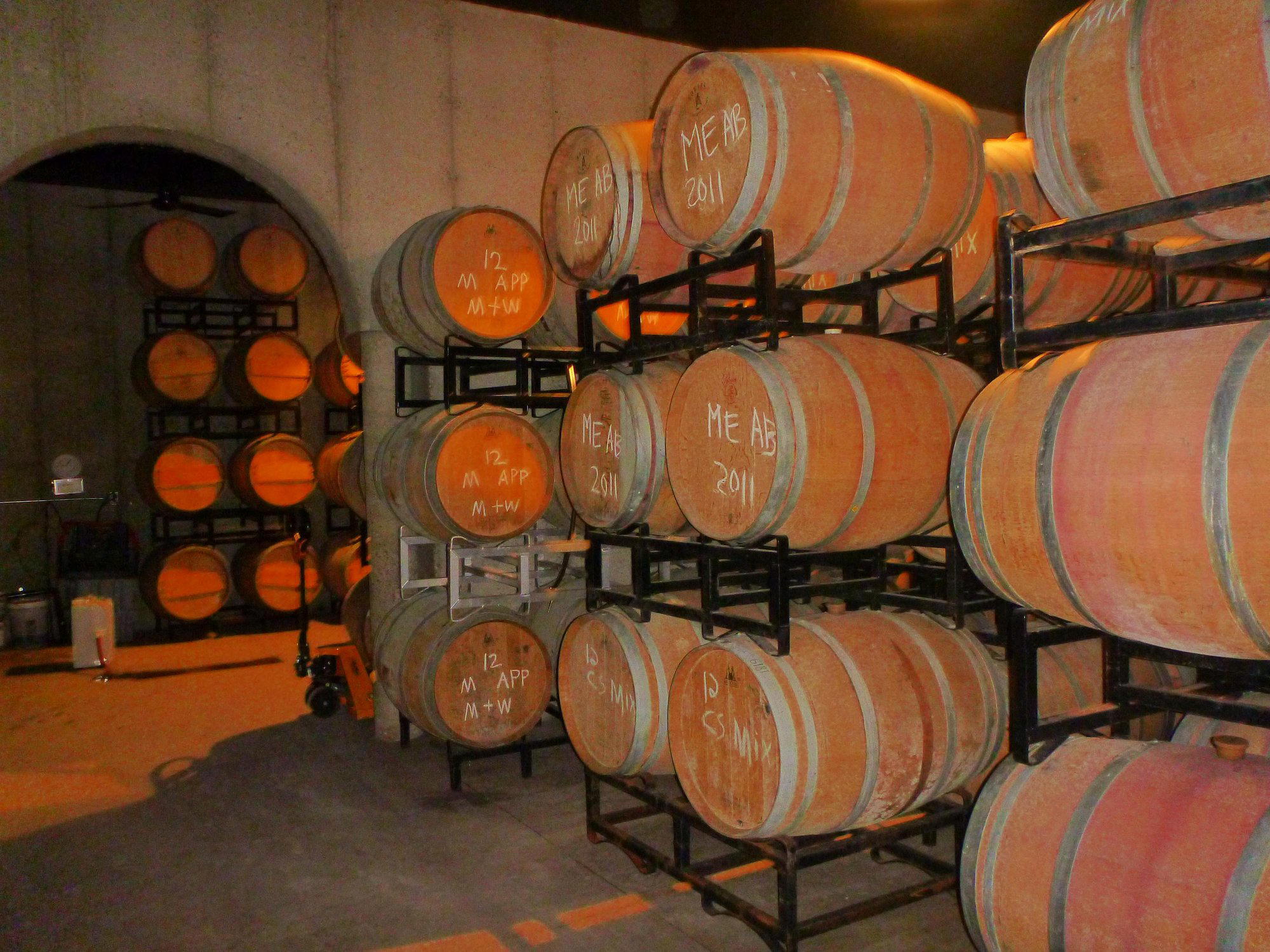
The editorial angle most worth applying to any Italian restaurant in Toronto, particularly one operating outside the fine-dining circuit, is the wine list. Italian cuisine is arguably the most wine-integrated of any European tradition: regional pairings are embedded in how dishes are constructed, not added afterward. A neighbourhood Italian room that takes its wine program seriously, even without a formal sommelier, signals something about kitchen intent.
For readers whose wine expectations run toward the kind of depth and curation found at Alo or the omakase-adjacent precision of Sushi Masaki Saito, the frame of reference is different here. The relevant comparison is the neighbourhood Italian room in its own right, a format that Toronto's Italian-Canadian communities have sustained for several generations and that functions by different logic than destination dining.
Where This Fits in Toronto's Italian Dining Map
Toronto's Italian restaurant scene is one of the most layered in North America, a direct product of mid-20th-century immigration patterns that brought significant Sicilian, Calabrian, and Neapolitan populations to the city. The result is a dining culture where Italian food exists at every price point and in every register, from the white-tablecloth rooms along St. Clair West to the cash-only joints that have barely changed their menus in thirty years. The surrounding blocks were among the earliest Italian settlement areas in the city, and the restaurants that have persisted here tend to have long relationships with their communities. That longevity is its own credential, even when awards and formal recognition are absent from the record. For comparison, the kind of destination recognition that venues like Aburi Hana have earned in the kaiseki category reflects a completely different set of institutional signals, press attention, tasting-menu format, price tier, that neighbourhood Italian rooms are not designed to accumulate.
Readers planning a broader Toronto dining itinerary that spans multiple categories and price tiers will find a fuller map in our full Toronto restaurants guide. Those interested in the Canadian dining scene beyond Toronto can look at Tanière³ in Quebec City, AnnaLena in Vancouver, or Jérôme Ferrer - Europea in Montreal for the kind of ambitious, formally recognized programming that represents a different register of the national dining conversation. For Ontario destinations outside the city, Restaurant Pearl Morissette in Lincoln, The Pine in Creemore, and Eigensinn Farm in Singhampton represent the province's most discussed destination rooms.
What the Absence of Data Signals
A significant amount of what would normally anchor a venue profile, chef name, price range, hours, awards, seat count, booking method, is not in the confirmed record for Y Not Italian. That absence is itself informative. Restaurants that have accumulated significant press attention, formal recognition, or social media momentum tend to generate a data trail. The lighter the public record, the more a venue relies on direct community relationships rather than editorial or institutional visibility.
This is not unusual in the neighbourhood Italian category. Some of the most consistent rooms in Toronto's Italian-Canadian dining tradition have operated for decades without appearing in a single national publication. Their authority comes from repetition and loyalty, not from awards cycles.enprimeurclub.com/restaurants/narval-rimouski-restaurant">Narval in Rimouski or Aux Anciens Canadiens in Quebec in their respective markets, Y Not Italian is not operating in that framework. The postal code places the restaurant in the Palmerston-Little Italy neighbourhood, walkable from Bloor Street West and accessible via the TTC's Bathurst or Ossington corridors. Reservations: Dress: no dress code is confirmed; neighbourhood Italian rooms in this district are typically casual. Wine: curation depth is not confirmed; arrive with expectations calibrated to the neighbourhood register rather than to the formal sommelier programs found at Toronto's destination-tier Italian rooms.
Frequently asked questions
What do people recommend at Y Not Italian?
For Toronto Italian dining with confirmed dish-level detail and formal recognition, DaNico and Don Alfonso 1890 both have documented menus and award credentials in the four-dollar-sign tier.
Do they take walk-ins at Y Not Italian?
Arriving before peak dinner hours is the practical hedge when the booking policy is unconfirmed. For Toronto venues where reservation windows and policies are formally documented, the full Toronto restaurants guide covers the city's destination-tier rooms, where advance booking is typically required. Walk-in availability at venues like Le Bernardin in New York City or Atomix in New York City illustrates how differently high-demand destination rooms manage access compared to neighbourhood-format venues.
Budget and Context
Comparable venues nearby, for context on price, style, and recognition.
| Venue | Cuisine | Price | Notes |
|---|---|---|---|
| Y Not ItalianThis venue (the venue you are viewing) | Casual Italian Bistro | $30–50 | Not listed |
| Uncle Tony's | Authentic Italian Pasta & Pizza | $30–50 | Church-Yonge Corridor, Authentic Italian Pasta & Pizza |
| Trattoria Di Parma | Authentic Italian Trattoria | $30–50 | Danforth, Authentic Italian Trattoria |
| Tulia Osteria | Italian Osteria with Neapolitan Pizza & Fresh Pasta | $30–50 | Leslieville, Italian Osteria with Neapolitan Pizza & Fresh Pasta |
| Gatsby | Italian-Forward Eclectic | Not listed | Yorkville, Italian-Forward Eclectic |
| Nodo Leslieville | Casual Italian Pizza & Pasta | $30–50 | Leslieville, Casual Italian Pizza & Pasta |
Continue exploring
More in Toronto
Restaurants in Toronto
All restaurants in Toronto →
Bars in Toronto
All bars in Toronto →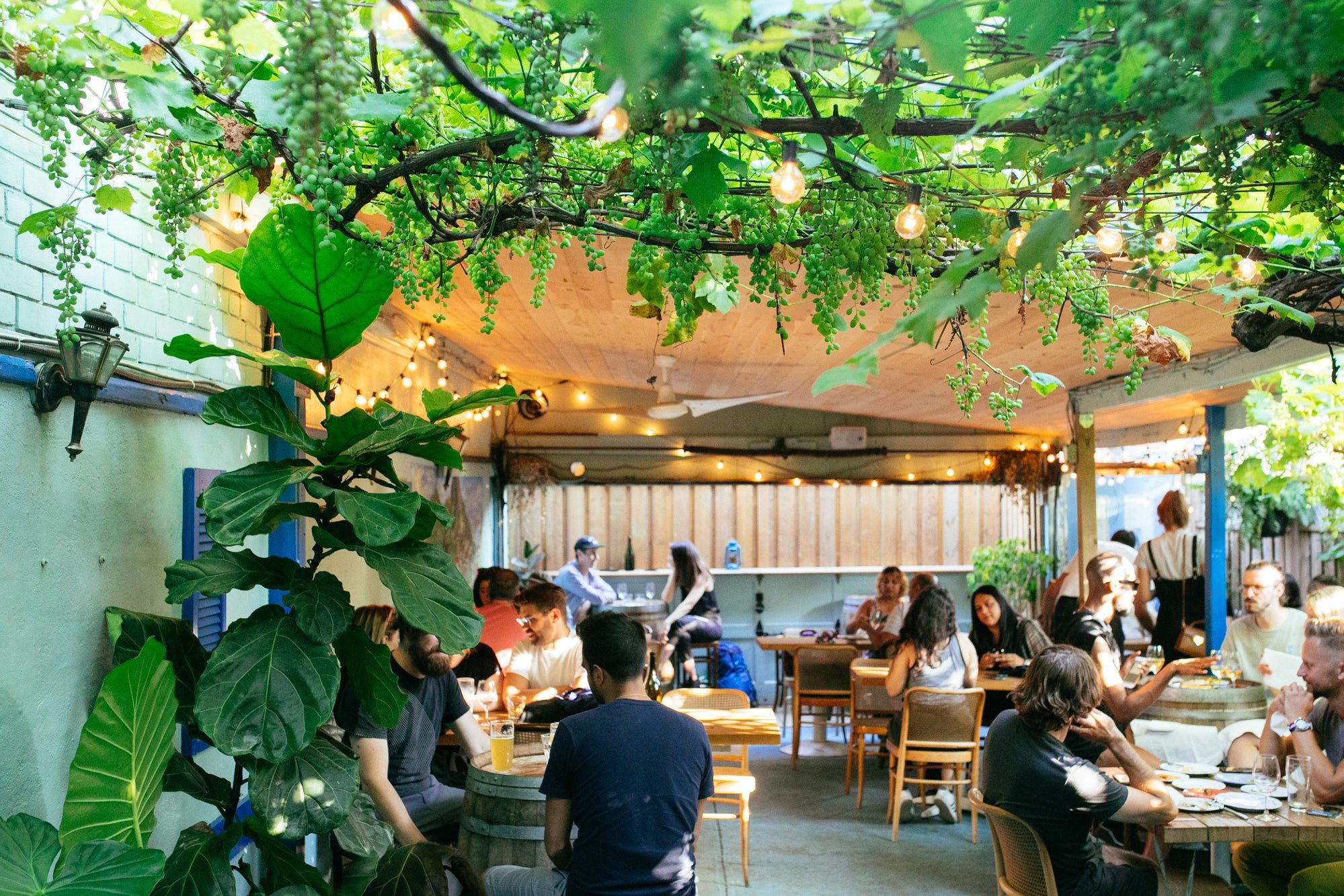

Details
- Cozy
- Lively
- Date Night
- Group Dining
- Family
- Open Kitchen
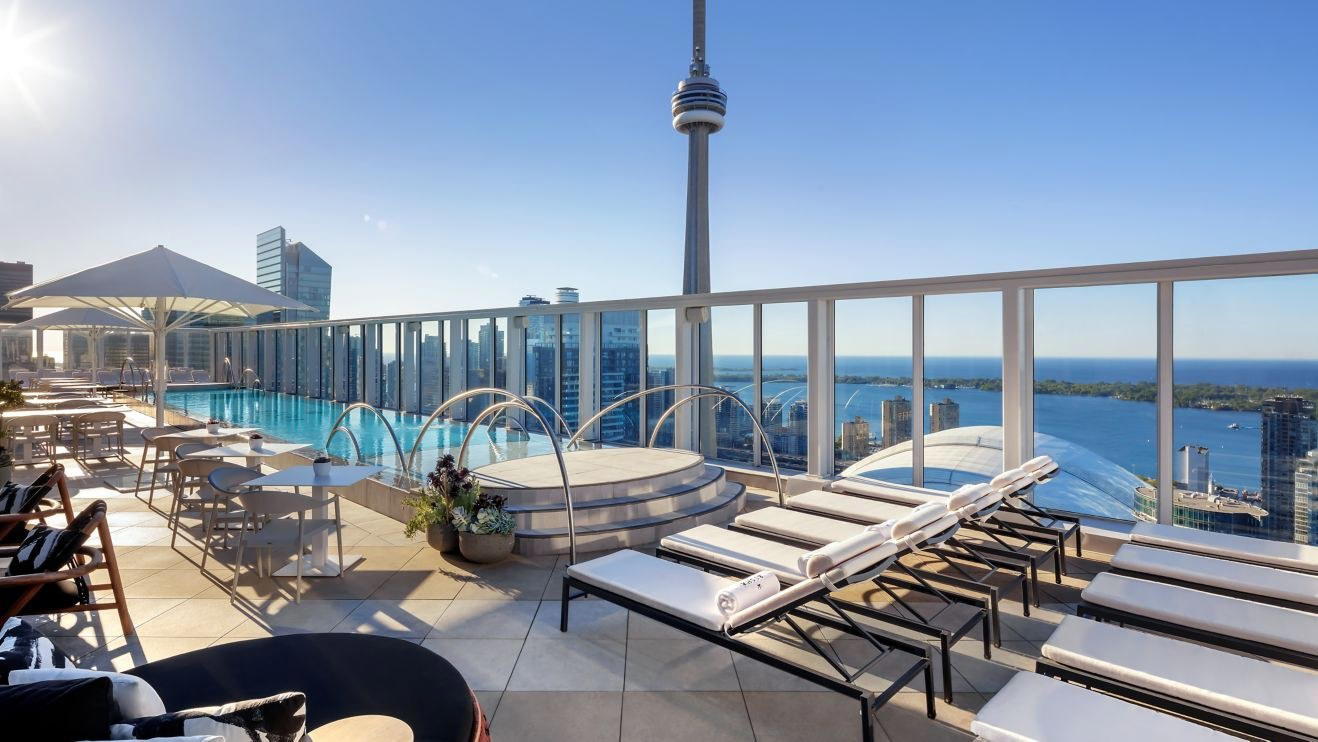
- Terrace
- Extensive Wine List
- A La Carte
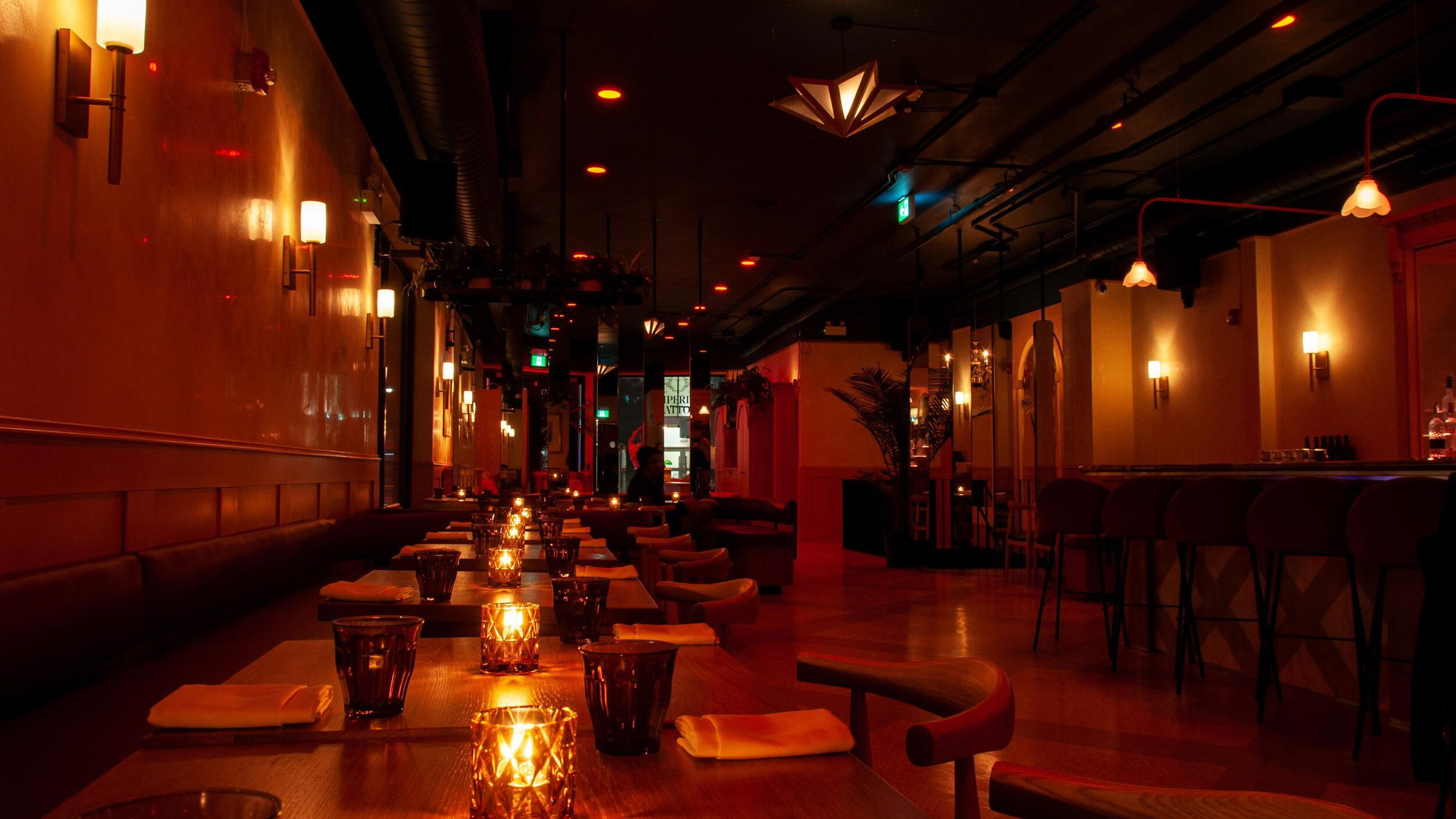
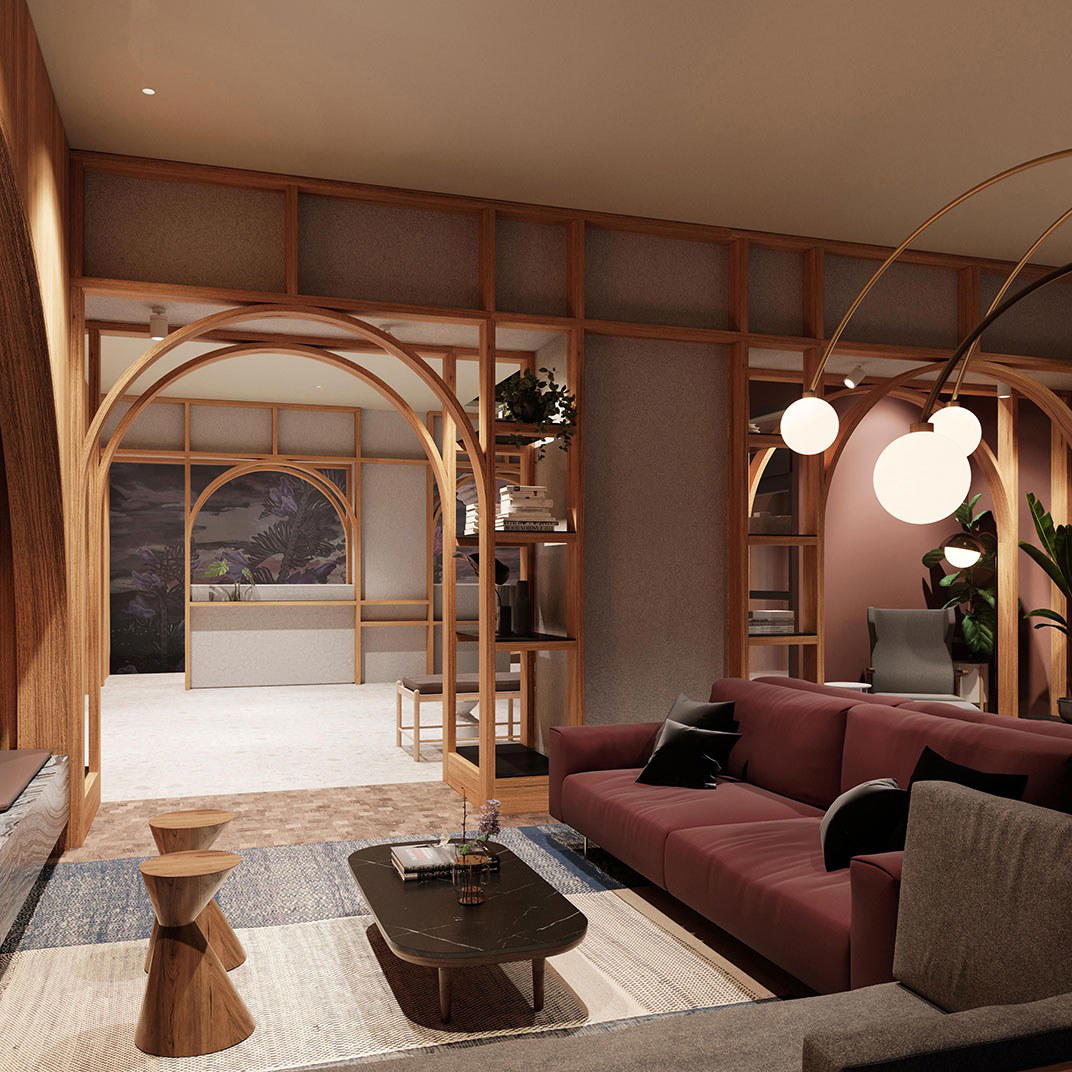
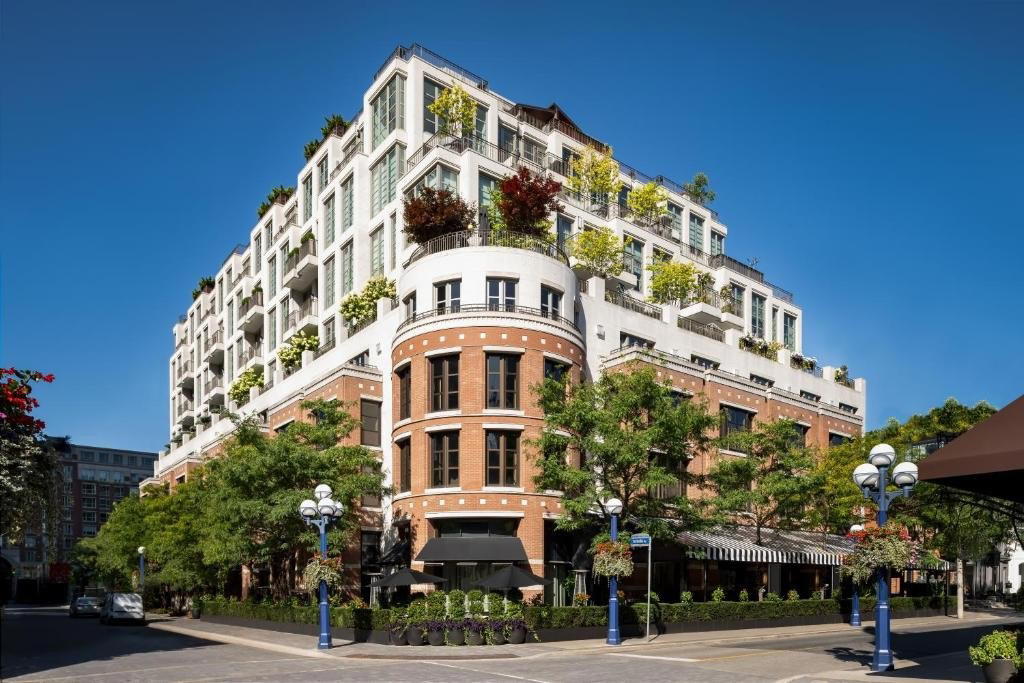
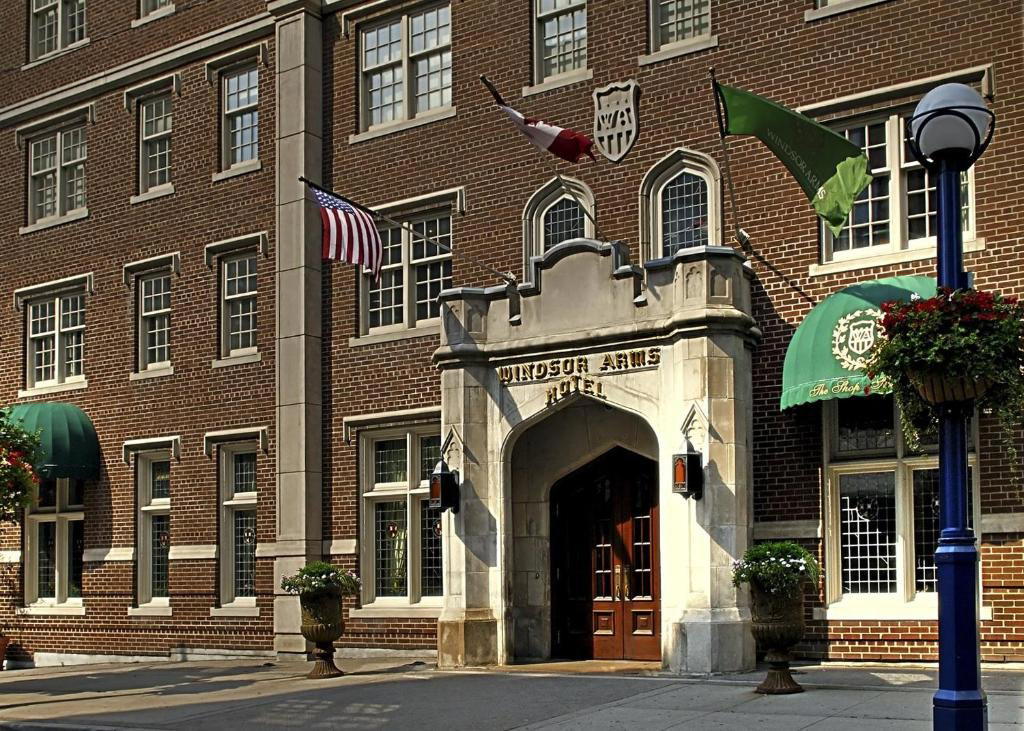
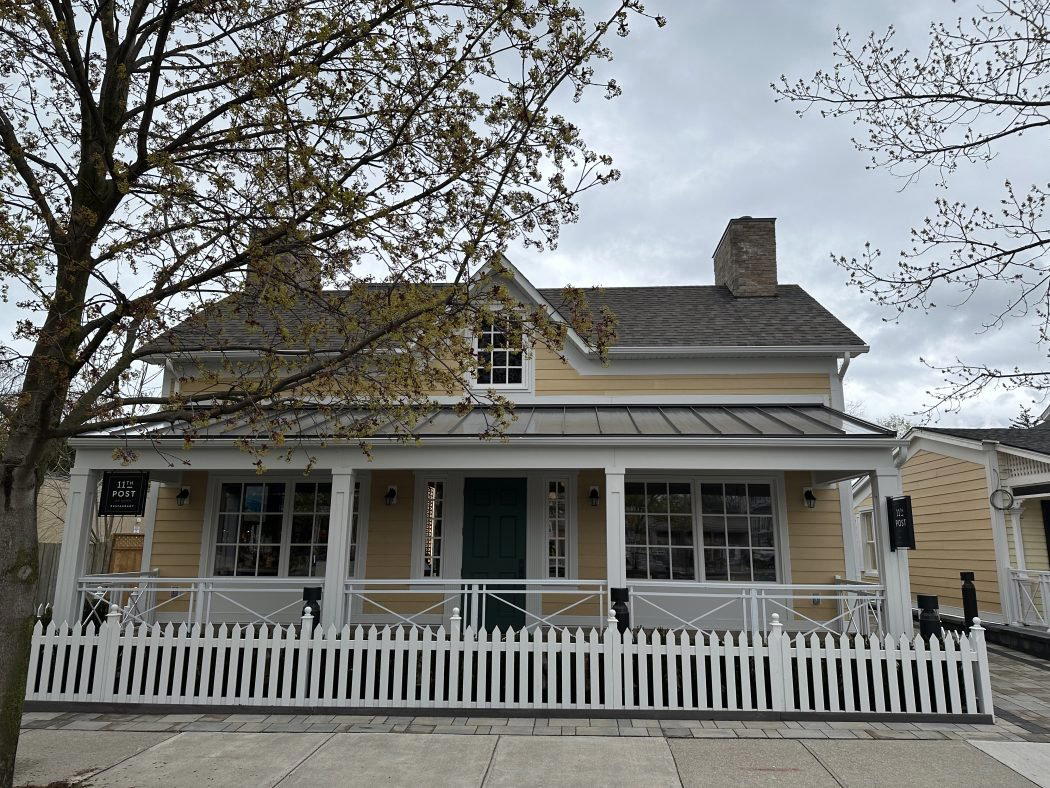
Cozy, warm, and comfortable interiors with a homey living/dining room feel, rustic exposed brick exterior, and plant-lined patio.