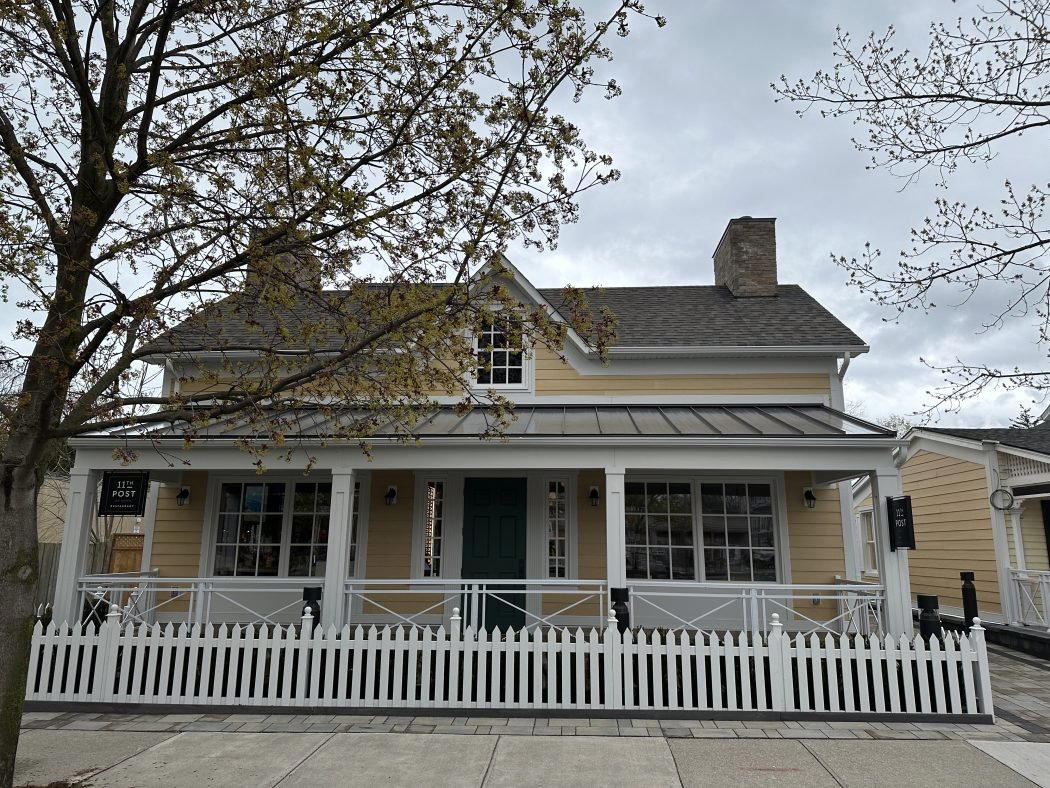
On Queen Street East in Leslieville, Nodo operates within Toronto's growing neighbourhood Italian tradition, a category that prizes daily-made pasta and a deliberately unhurried pace over the spectacle of downtown dining rooms. The address places it squarely in one of the city's most food-literate residential corridors, where regulars eat well and often.
Pearl is the En Primeur Club membership app — saves, bookings, and concierge access live there. Same editors, same standards.
- Address
- 1192 Queen St E, Toronto, ON M4M 1L4, Canada
- Phone
- +14167924196
- Website
- nodorestaurant.ca
- Directions
- Get directions
 Saves & bookings on Pearl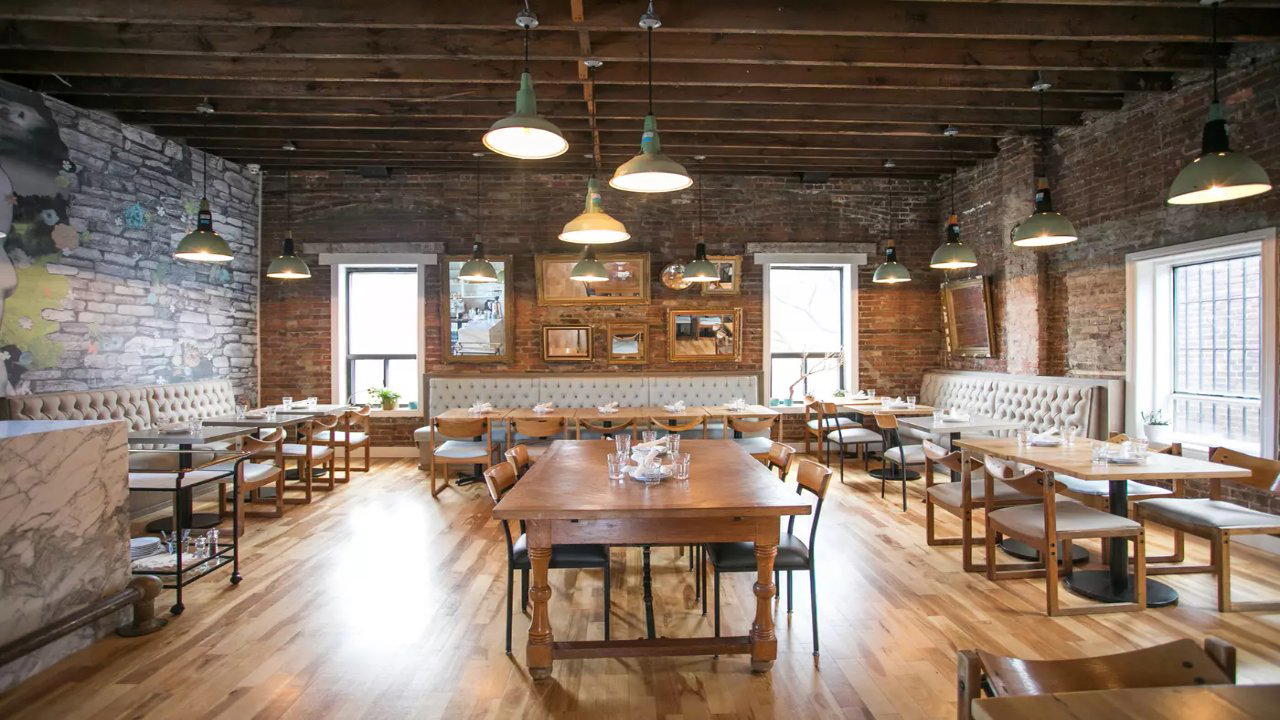
Queen Street East and the Rhythm of Neighbourhood Italian
There is a particular kind of dining room that Toronto does well and talks about too little: the neighbourhood Italian that earns its place through consistency across hundreds of Tuesday evenings. Queen Street East through Leslieville has become one of the more reliable corridors for this format. The street runs east from the Design District into a residential stretch where the dining rooms are smaller, the noise levels lower, and the expectation is a meal that fits into an actual life rather than a special occasion budget. Nodo Leslieville, at 1192 Queen St E, occupies that register.
Compared to the $$$$ Italian houses in the downtown core, DaNico on King West or Don Alfonso 1890 at the Bisha Hotel, Nodo reads as the neighbourhood counterpart: the place where the cooking shares a culinary vocabulary but the context is more casual. That positioning is not a compromise. In Canadian cities, the mid-tier neighbourhood Italian has historically been where pasta culture is actually sustained, the same way Restaurant Pearl Morissette in Lincoln or The Pine in Creemore sustain serious cooking outside of urban fine-dining circuits.
The Arc of the Meal: How a Leslieville Italian Evening Unfolds
The editorial angle for any neighbourhood Italian worth examining is the meal's progression, a sequence that has internal logic. In the Italian tradition this means antipasti that orient the palate toward acidity and salt, followed by pasta as the structural centre, with secondi and dessert framing the close. This is a different rhythm from the contemporary tasting formats at Alo or the kaiseki sequencing at Aburi Hana, where each course is an argument. The neighbourhood Italian meal is cumulative rather than declarative, building through repetition and familiarity.
At Nodo, this progression takes place on Queen East, where the brand's approach carries into a room shaped by the particular character of Leslieville. That kind of regular clientele pressures a kitchen differently than a tourist-facing room. The pasta has to hold up across repeated visits. Across Toronto's food-literate neighbourhoods, the restaurants that survive this test are the ones that have internalized the craft rather than performed it.
Pasta as the Central Argument
In Italian cooking's North American diaspora, fresh pasta has functioned as both a marker of ambition and a test of discipline. The difference between a neighbourhood Italian that takes pasta seriously and one that treats it as a vehicle for sauce is legible to anyone who eats pasta twice a week. Toronto's Italian restaurant density is high, the city has been shaped by Italian immigration patterns since the mid-twentieth century, which means the bar for what counts as credible pasta is set by decades of domestic cooking as much as by restaurant culture.
The neighbourhood Italian tradition in cities like Toronto, Montreal (where Jérôme Ferrer's Europea anchors a different tier of the same dining culture), and Vancouver (where AnnaLena reflects the West Coast's own relationship to European technique) has split into two camps: the ones that use fresh pasta as a point of pride and the ones that use it as marketing. The operational tell is how the pasta changes across seasons and what the daily-made component means for the menu's structure on any given service.
Leslieville as a Dining Neighbourhood
East-end Toronto dining has shifted considerably over the past decade. Leslieville has moved from a secondary destination to a corridor with its own internal logic, restaurants here compete for the loyalty of a walkable residential catchment rather than destination traffic. That changes what a successful restaurant looks like. The emphasis falls on repeatability, value coherence, and a room that functions on a Wednesday.
Queen Street East in this stretch sits at the boundary between Leslieville proper and the blocks approaching Riverside, an area that has attracted a mix of independent food businesses that skew toward operator-run rather than group-operated. Nodo represents the group-format end of that spectrum, bringing a recognizable formula into a neighbourhood context, a different dynamic than the single-site independents like Eigensinn Farm in Singhampton or the hyper-local ambition of Narval in Rimouski, but one that has its own validity in an urban neighbourhood that wants reliable access to competent cooking.
For context on Toronto's broader dining geography, the EP Club Toronto restaurants guide maps the full spread from the financial district's expense-account rooms to the east-end independents that define neighbourhood character. Internationally, the comparable registers would be Le Bernardin in New York at the formal end of the spectrum or Atomix for the precision tasting format, against which Nodo's neighbourhood positioning reads clearly. Closer to home, the Japanese end of Toronto's serious-dining tier, represented by Sushi Masaki Saito, operates on entirely different principles of access, price, and sequencing.
What the east-end neighbourhood Italian format offers that those rooms do not is access without ceremony. You do not need a reservation made months in advance, a tasting menu budget, or a particular kind of occasion. You need an appetite for pasta and a willingness to let the evening move at the pace the kitchen sets.
How Nodo Fits the Canadian Neighbourhood Italian Pattern
Across Canadian cities, the neighbourhood Italian that earns sustained loyalty tends to share a few structural features: a menu that is edited rather than exhaustive, a pasta program treated as the core rather than a section, a room that can accommodate a table of two or a group without either feeling like an afterthought, and pricing that makes return visits plausible. Barra Fion in Burlington and Aux Anciens Canadiens in Quebec City illustrate how regional Canadian dining traditions build identity through consistency and local loyalty rather than national recognition. Nodo's Leslieville location operates on a version of that same logic, within the specific context of Toronto's east end.
Know Before You Go
- Address: 1192 Queen St E, Toronto, ON M4M 1L4
- Neighbourhood: Leslieville, East Toronto
- Booking: Reservations recommended
- Format: Neighbourhood Italian; pasta-centred menu in a residential-corridor setting
- Price tier: Mid-range
At-a-Glance Comparison
Comparable venues nearby, for context on price, style, and recognition.
| Venue | Cuisine | Price | Notes |
|---|---|---|---|
| Nodo LeslievilleThis venue — the venue you are viewing | Casual Italian Pizza & Pasta | $$ | Not listed |
| Trio Ristorante Pizzeria | Authentic Italian Pizza & Pasta | $$ | Lawrence Park North |
| NODO | Casual Italian Pizza & Pasta | $$ | Oakwood Vaughan |
| Zia's Place | Southern Italian Handmade Pasta | $$ | Little Portugal |
| La Piazza | Casual Italian Pizza & Shareables | $$ | Yorkville |
| Amano Italian Kitchen | Modern Italian | $$ | Financial District |
Continue exploring
More in Toronto
Restaurants in Toronto
Browse all →
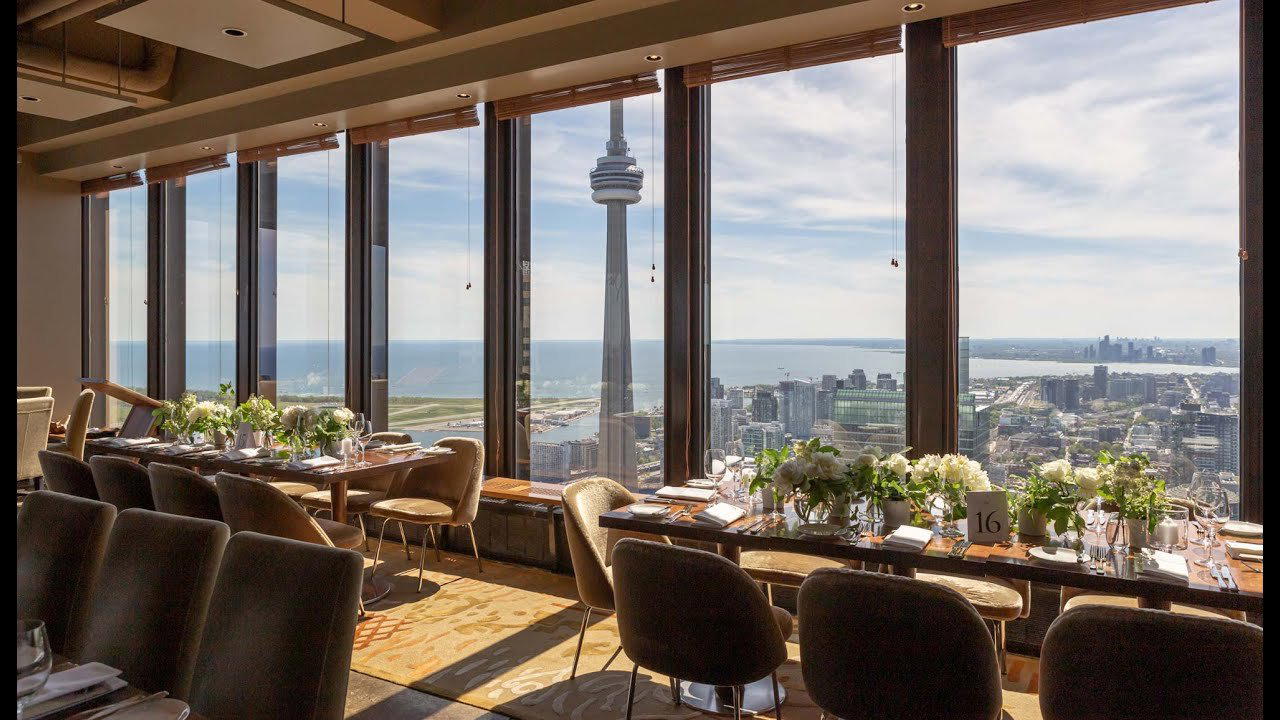
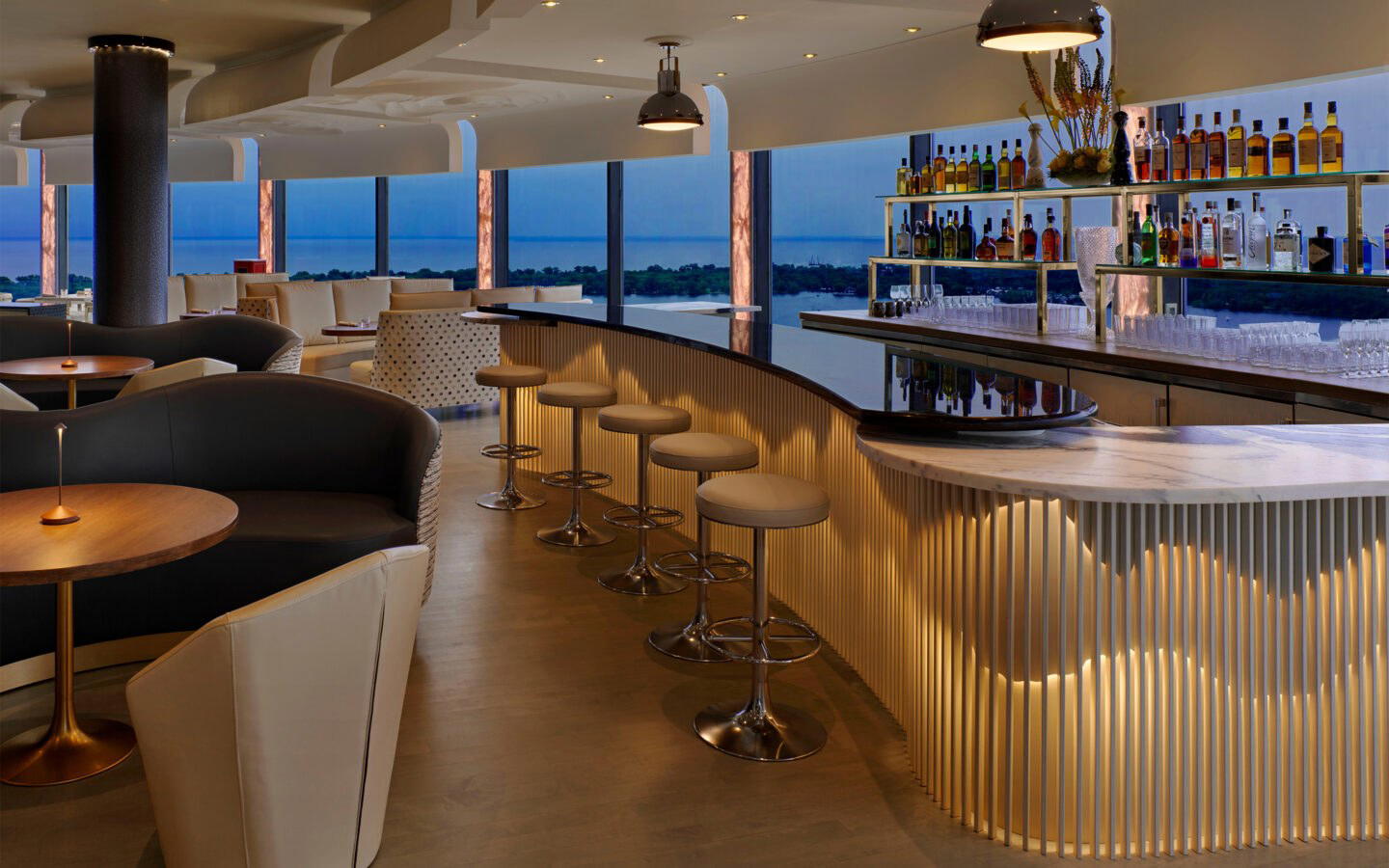
Bars in Toronto
Browse all →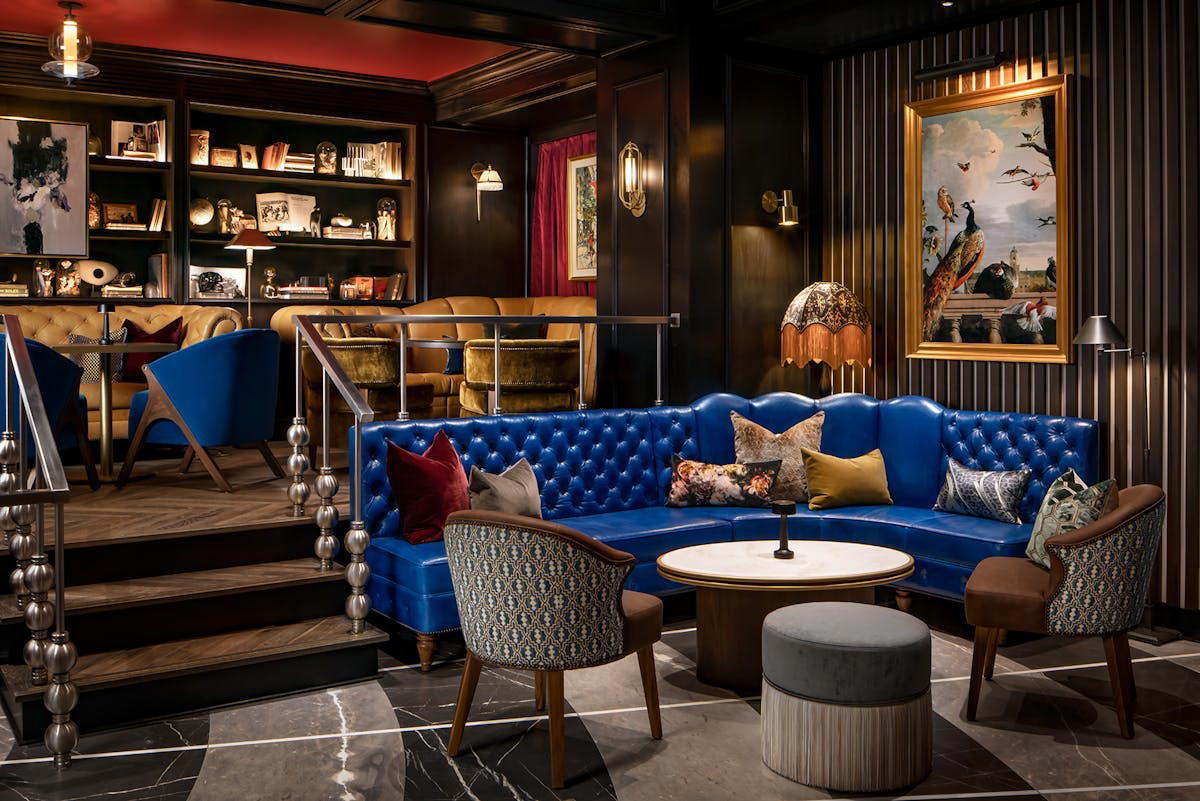
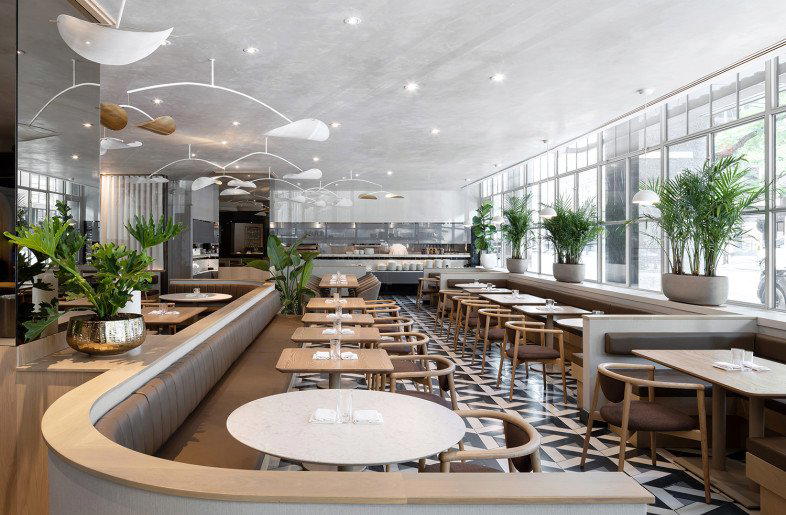
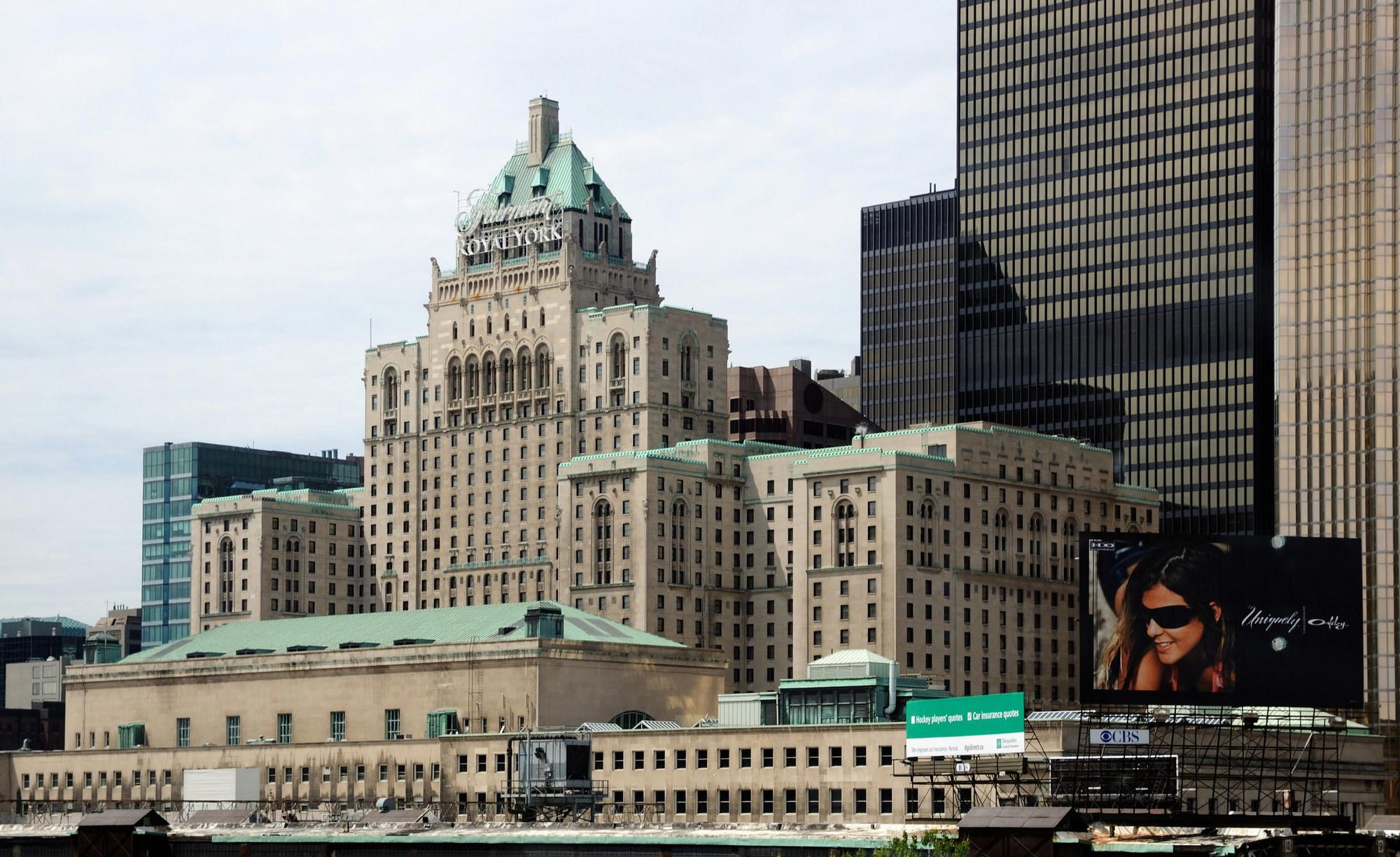
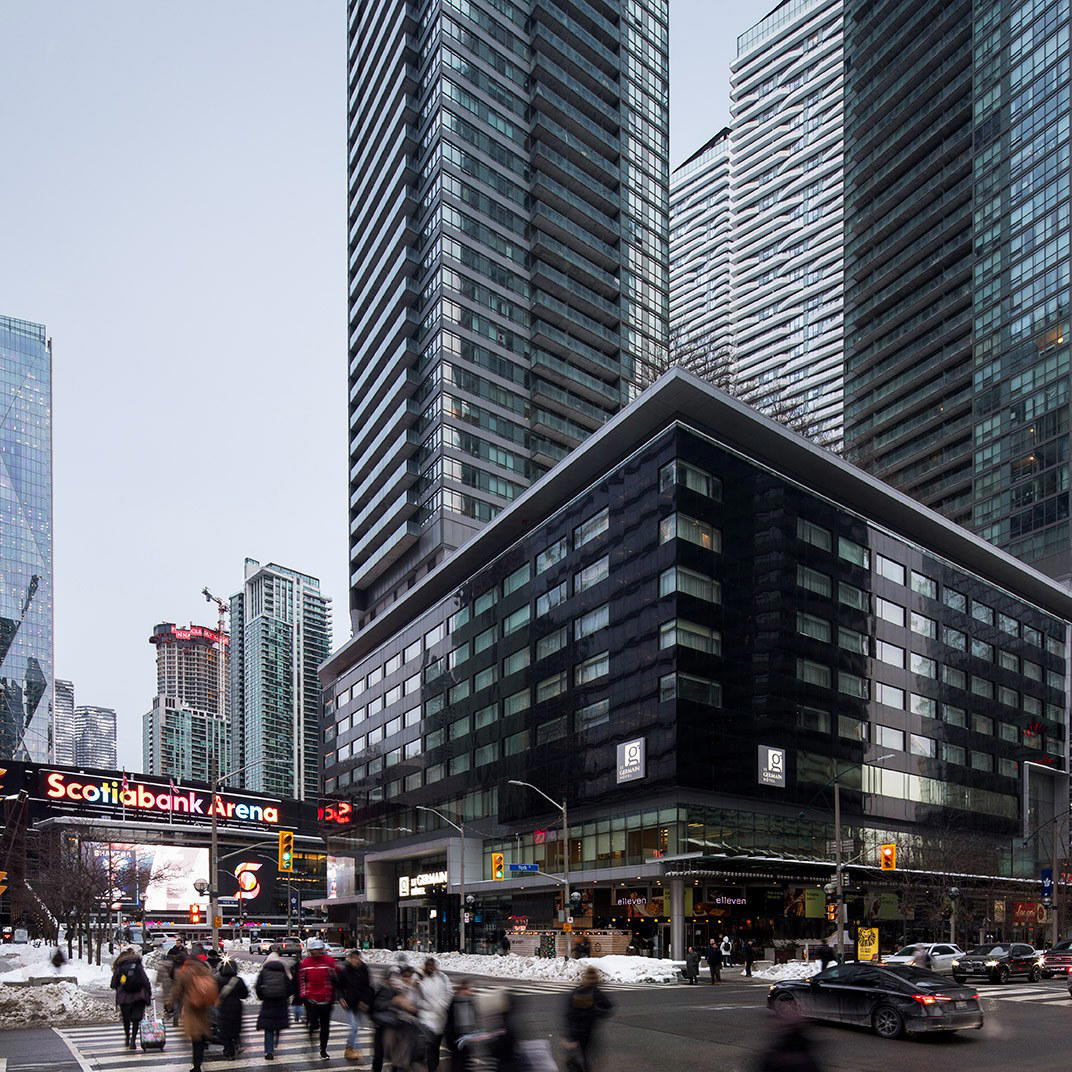
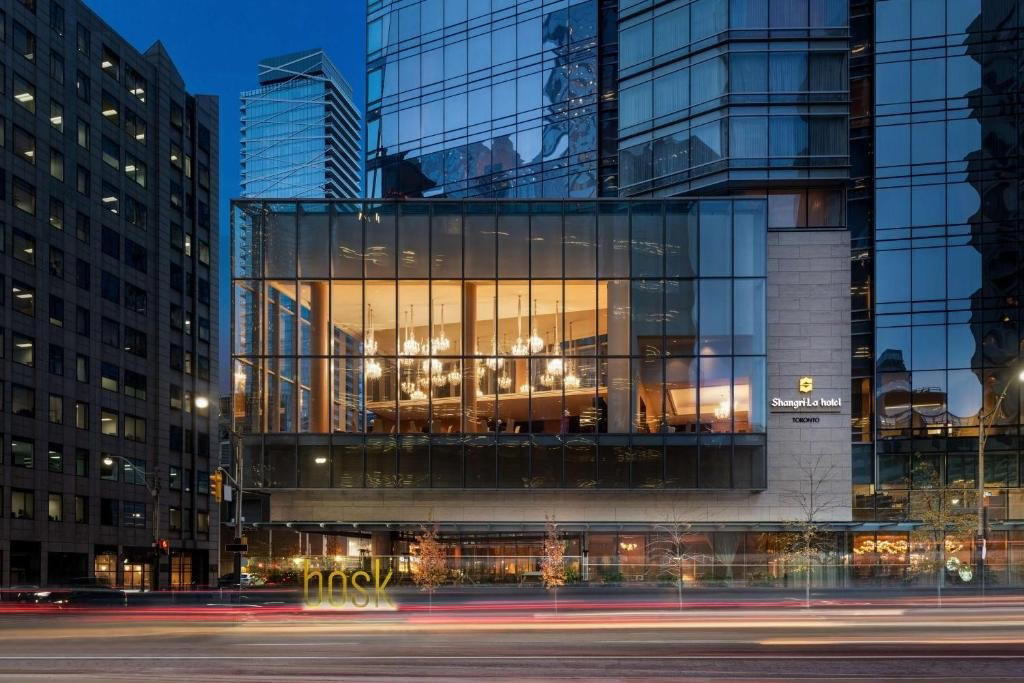
Hotels in Toronto
Browse all →


At a Glance
- Trendy
- Cozy
- Modern
- Date Night
- Casual Hangout
- Group Dining
- Open Kitchen
- Local Sourcing
Current opening hours
- Monday
- Closed
- Tuesday
- 5–9 PM
- Wednesday
- 5–9 PM
- Thursday
- 5–9 PM
- Friday
- 5–10 PM
- Saturday
- 12–10 PM
- Sunday
- 12–9 PM
Hours can change for holidays and private events. Last verified .
Warm and inviting casual atmosphere with moderate noise levels, featuring fresh Italian preparations in a trendy neighborhood setting.