Tulia Osteria occupies a Queen Street East address that places it squarely within Leslieville's evolving dining corridor, where Italian osteria tradition meets a neighbourhood appetite for ingredient-driven cooking. The format leans toward the casual end of serious dining, making it one of the more accessible entry points into Toronto's Italian table without sacrificing the kitchen's ambition.
 Discover on Pearl
Pearl is the En Primeur Club membership app — saves, bookings, and concierge access live there. Same editors, same standards.
- Address
- 1402 Queen St E, Toronto, ON M4L 1C9, Canada
- Phone
- +14164616400
- Website
- tuliaosteria.com
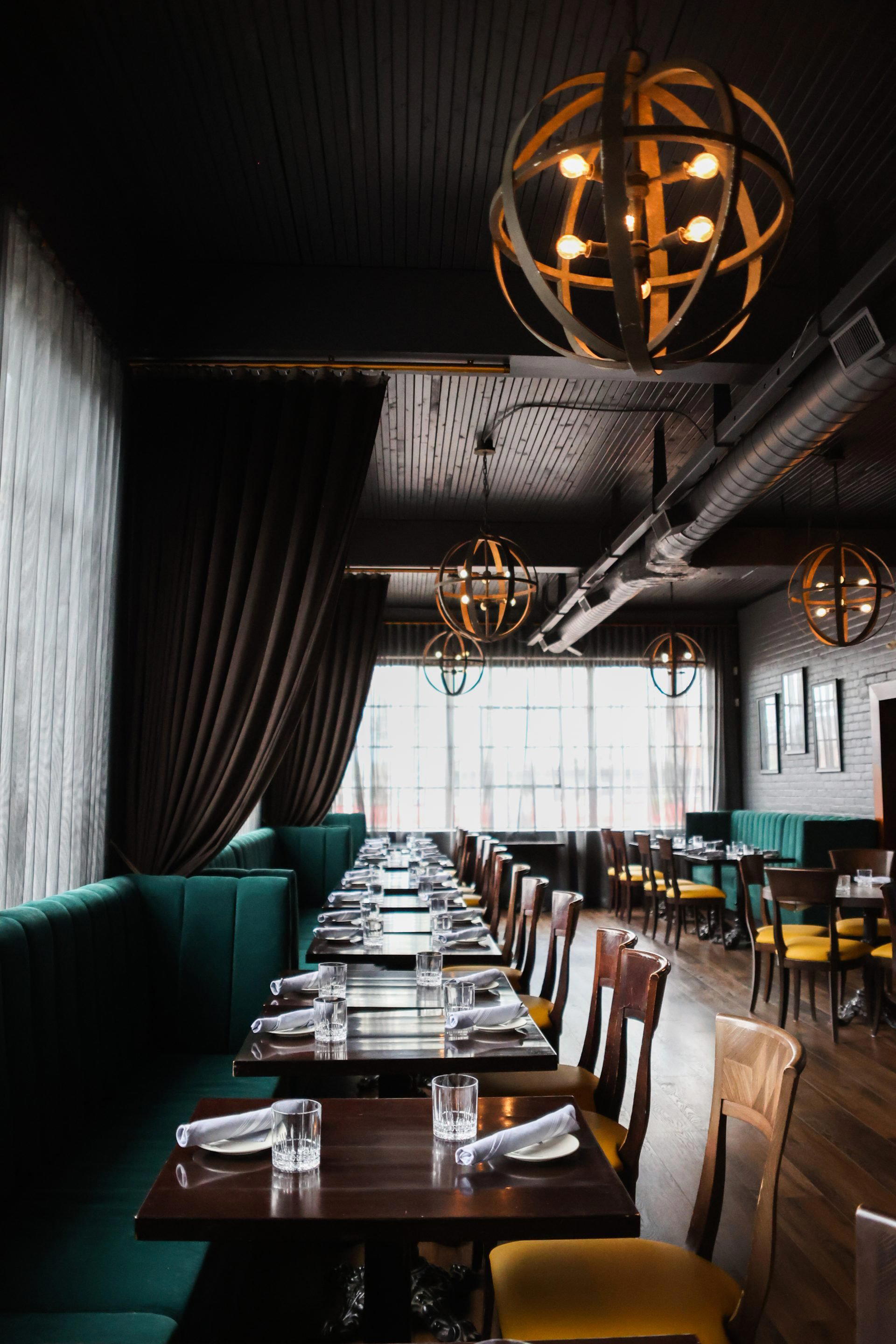
Queen Street East and the Osteria Form
Leslieville's dining strip along Queen Street East has evolved from a stretch of brunch spots and casual bars into a more considered dining corridor. The neighbourhood now holds a range of formats, from counter-service naturalist wine bars to sit-down kitchens with genuine culinary depth, and Tulia Osteria at 1402 Queen Street East sits inside that shift. The osteria format itself carries specific expectations: it implies a shorter, more seasonal menu, a wine list weighted toward Italian regions, and a room that prioritises the table over the spectacle. In Toronto, where the high-end Italian conversation often centers on downtown rooms, the neighbourhood osteria occupies a different and more practical position.
That positioning matters when you map Tulia against the city's Italian dining tier. Venues like DaNico and Don Alfonso 1890 operate at the upper end of the price range, with tasting formats and wine programs scaled to match. Tulia's Queen East address and osteria designation signal a different contract with the diner: less ceremony, more frequency. It is the kind of place that functions as a neighbourhood anchor rather than a destination in the formal sense, though that distinction is eroding as more diners actively seek out the east end.
The Arc of the Meal
The osteria tradition structures a meal differently from a tasting menu. There is no fixed progression; instead, the diner assembles the meal across antipasti, primi, secondi, and contorni. In practice, the most satisfying way to eat at a room like this is to move slowly through the earlier courses and resist the impulse to anchor the order around the protein. Italian regional cooking has always argued that pasta is the intellectual centre of the meal, and an osteria that takes its format seriously will reflect that in how the primi are constructed.
This approach to sequencing is also where the kitchen's ingredient sourcing becomes most visible. The primi, whether a hand-rolled pasta with a braised meat ragù or a risotto built around a single seasonal vegetable, compress the most technical work into a format that looks effortless. Toronto's seasonal window is shorter than in Italy, and the menu at a kitchen committed to seasonal cooking will change accordingly. Diners returning across seasons should expect meaningful shifts in what the kitchen is building around.
The wine list at a serious osteria should do specific work: it ought to illustrate Italian regional variety beyond the familiar anchors of Barolo and Chianti, and it should price at a range that encourages a second bottle rather than restraint. In a city where the LCBO's purchasing structure limits availability of smaller Italian producers, wine-forward Italian rooms in Toronto require some creativity in sourcing. The list's balance between familiar and regional labels is one of the clearest indicators of how seriously a kitchen takes the osteria identity.
Where Tulia Sits in Toronto's Italian Conversation
Toronto's Italian dining scene has a long history shaped by waves of immigration, and the city's older Italian-Canadian cooking traditions, Woodbridge-style Sunday gravy restaurants, the red-sauce rooms of College Street's Little Italy, coexist with a newer generation of kitchens that look directly to regional Italian technique rather than the diaspora version. Tulia belongs to the latter current, as its osteria framing implies. The tension between those two traditions produces something specific to Toronto that doesn't exist in the same way in New York or Vancouver, and it's worth reading the city's Italian table against that backdrop.
At the top of Toronto's Italian-adjacent tier, Alo runs a French-inflected tasting format that draws on classical technique rather than Italian regional specificity. At the Japanese end of the serious-dining spectrum, Sushi Masaki Saito and Aburi Hana represent the omakase and kaiseki formats respectively. None of these are direct comparators to Tulia, but they indicate the ambition level circulating through Toronto's dining tier, and they set the quality expectation that a serious neighbourhood osteria now has to meet. Across Canada more broadly, the ingredient-first kitchen ethos has produced strong regional expressions at places like Tanière³ in Quebec City, AnnaLena in Vancouver, and Restaurant Pearl Morissette in Lincoln, all of which demonstrate that the country's serious dining rooms have moved well past the need to reference European models defensively.
In Ontario specifically, the province's wine country restaurants, including The Pine in Creemore and Eigensinn Farm in Singhampton, have established that ingredient-driven, producer-connected cooking doesn't require a downtown postal code. Tulia's Leslieville location fits that same logic applied to an urban neighbourhood rather than a rural setting.
Planning Your Visit
Tulia Osteria is located at 1402 Queen Street East, Toronto, ON M4L 1C9, in the eastern section of Leslieville. The neighbourhood is accessible by TTC streetcar along Queen Street. Reservations are recommended. Dress is smart casual, and the average spend is about US$35 per person.
For Canadian dining itineraries, Jérôme Ferrer - Europea in Montreal, Narval in Rimouski, and Aux Anciens Canadiens in Quebec for a sense of how the country's regional dining traditions diverge. For international reference points, Le Bernardin in New York City and Atomix in New York City represent the kind of precision-driven ambition that continues to set the bar for serious dining in North America. In Ontario, Barra Fion in Burlington and Bearspaw Golf Club in Calgary round out a picture of how Canadian dining is developing beyond its major urban centres.
Peers Worth Knowing
Comparable venues nearby, for context on price, style, and recognition.
| Venue | Cuisine | Price | Notes |
|---|---|---|---|
| Tulia OsteriaThis venue — the venue you are viewing | Italian Osteria with Neapolitan Pizza & Fresh Pasta | $$ | |
| Cantina Mercatto | Modern Italian with Pizza and Pasta | $$ | Church-Yonge Corridor |
| Little Anthony's | Italian Osteria | $$ | Bay Street Corridor |
| Zia's Place | Southern Italian Handmade Pasta | $$ | Little Portugal |
| La Piazza | Casual Italian Pizza & Shareables | $$ | Yorkville |
| La Pizza & La Pasta | Neapolitan Pizza & Pasta | $$ | Yorkville |
Continue exploring
More in Toronto
Restaurants in Toronto
Browse all →
Bars in Toronto
Browse all →


Hotels in Toronto
Browse all →



Wineries in Toronto
Browse all →

At a Glance
- Cozy
- Rustic
- Intimate
- Date Night
- Casual Hangout
- Open Kitchen
- Extensive Wine List
- Craft Cocktails
Warm, inviting atmosphere with perfectly-appointed dining room blending luxury and comfort.