Located on the third floor of a commercial complex along Jiangbin West Avenue in Fuzhou's Taijiang district, Xuan He Yi Wei occupies a tier of Fujian dining where ingredient sourcing and regional culinary tradition carry more weight than theatrical presentation. The restaurant sits within a city whose food culture draws on centuries of river-to-table and coastal-to-kitchen supply chains, placing it inside a meaningful local conversation about what Fujianese cooking actually means at the table.
 Discover on Pearl
Pearl is the En Primeur Club membership app — saves, bookings, and concierge access live there. Same editors, same standards.
- Address
- China, CN ç¦å»ºç ç¦å·å¸ å°æ±åº æ±æ»¨è¥¿å¤§é 100 100å·è侨ä¸å¿3楼3013 é®æ¿ç¼ç
- Phone
- +8659187896767
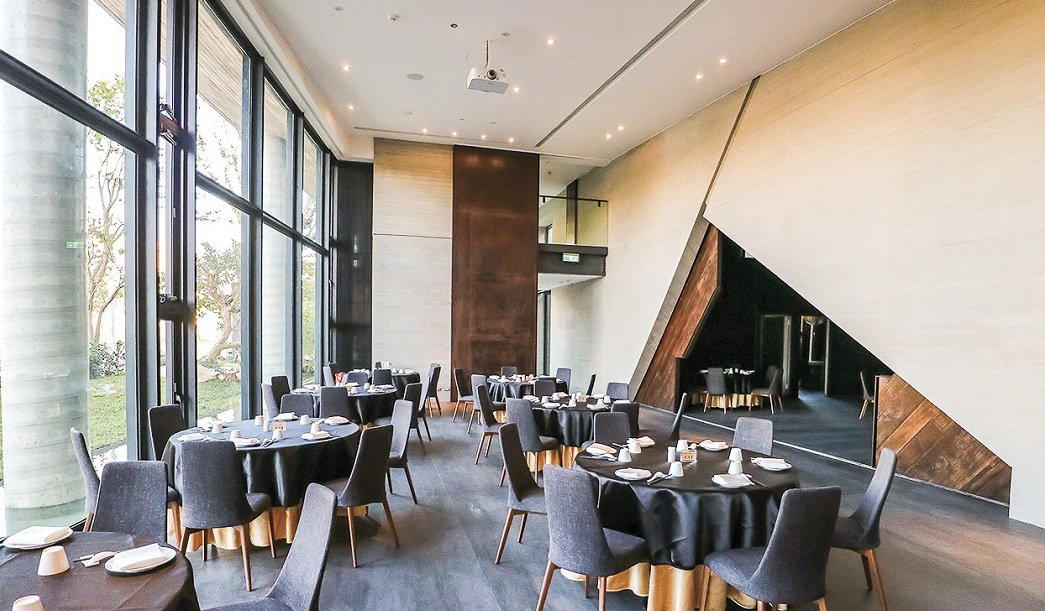
Where Fuzhou's Ingredient Culture Comes Into Focus
Fuzhou's dining scene has long operated on a logic that rewards the sourcing over the spectacle. The Min River system, the Taiwan Strait coastline, and the mountainous interior of Fujian province together produce a larder that chefs across the city treat as the primary argument for what ends up on the plate. Restaurants positioned along the Jiangbin corridor, the commercial stretch running parallel to the Min River's northern bank, tend to reflect that orientation, drawing on proximity to wholesale markets and the kind of supplier relationships that take years to establish. Xuan He Yi Wei sits on the third floor of a mixed-use complex at 100 Jiangbin West Avenue in the Taijiang district, a location that places it squarely within this riverside commercial tradition.
The Taijiang Setting and What It Signals
Taijiang is not Fuzhou's most scenically prominent district, but it functions as one of the city's most commercially active food corridors. The area's history as a trading and mercantile zone, shaped by the Min River's role in moving goods between the Fujian interior and the coast, has left it with a practical, ingredient-forward dining culture rather than a decorative one. In that context, a restaurant occupying a floor of a modern commercial tower along Jiangbin West Avenue is not making a statement about minimalism for its own sake. It is operating within a neighbourhood where access to supply and proximity to the city's professional dining public matter more than address prestige. Fuzhou's premium dining tier has never centralised around a single address in the way that, say, Shanghai's fine-dining cluster gravitates toward the Bund or Xintiandi. Instead, it is distributed across commercial nodes, with Taijiang representing one of the more active.
For regional comparison, the sourcing-first posture of Fujianese restaurants in Fuzhou finds close parallels in the Zhejiang and Jiangsu traditions visible at venues like Ru Yuan in Hangzhou or Dingshan·Jiangyan in Suzhou, where seasonal and regional produce is framed as the editorial spine of the menu rather than the supporting cast. The difference in Fuzhou is the specific ecology: the estuary-driven seafood culture of the Min River delta, the mountain-grown produce of western Fujian, and a fermentation and preservation tradition that distinguishes Fujianese cooking from its eastern Chinese neighbours.
Fujian's Ingredient Logic at the Table
Understanding what distinguishes Fujianese cuisine from other southern Chinese traditions requires tracking what the kitchen sources and why. Fujian is one of China's most geographically varied provinces, a narrow coastal strip backed by steep interior mountains, and that compression of terrain within a short distance creates an unusual diversity of raw material. Coastal catches from the Taiwan Strait include species less commonly encountered in northern or inland Chinese kitchens. River systems contribute freshwater fish and crustaceans with textural profiles shaped by cold, fast-moving water. The mountainous interior supplies preserved vegetables, wild fungi, and game that anchor the province's braising and slow-cooking traditions.
This supply architecture is what gives Fujianese cooking its structural character: light broth-based preparations that let primary ingredients speak, long braising formats that extract flavour from secondary cuts and bones, and a controlled use of fermented and preserved elements that add depth without overwhelming freshness. The tradition sits in marked contrast to the heat-forward logic of Sichuan kitchens, as represented locally in Fuzhou by venues like Chosop, or the wheat-centred comfort of noodle formats at places like A Xin Xian Lao on Gongnong Road.
Within Fuzhou's mid-to-upper restaurant tier, the conversation about sourcing integrity is an active one. Wenru No.9 represents one approach to Fujian cuisine at a considered price point, while Jiangnan Wok·Rong applies Huaiyang discipline, a tradition equally defined by ingredient quality, at the ¥¥¥ tier. The broader regional fine-dining picture, as seen at 167 Shan Hai Li, tends to frame coastal and mountain produce as the primary value proposition regardless of format or price tier.
Where Xuan He Yi Wei Sits in the City's Dining Structure
Fuzhou's premium dining conversation is less internationally documented than that of coastal peers like Xiamen, where venues such as Fleurs Et Festin have built recognisable reputations, or cities with deeper critical infrastructure like Guangzhou, where Imperial Treasure Fine Chinese Cuisine operates within a well-documented Cantonese tradition. Fuzhou operates with less external critical attention, which means the local dining hierarchy is determined more by regulars and professional reputation than by award cycles or media profiles.
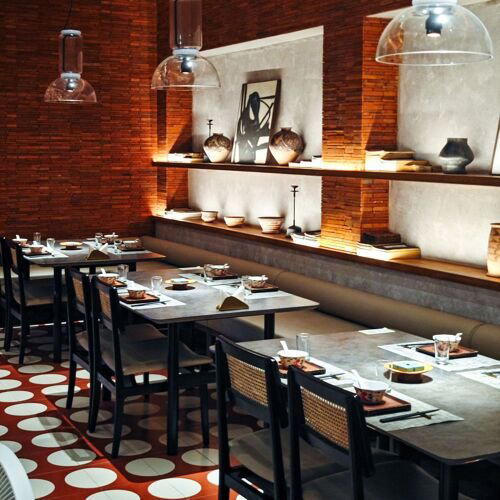
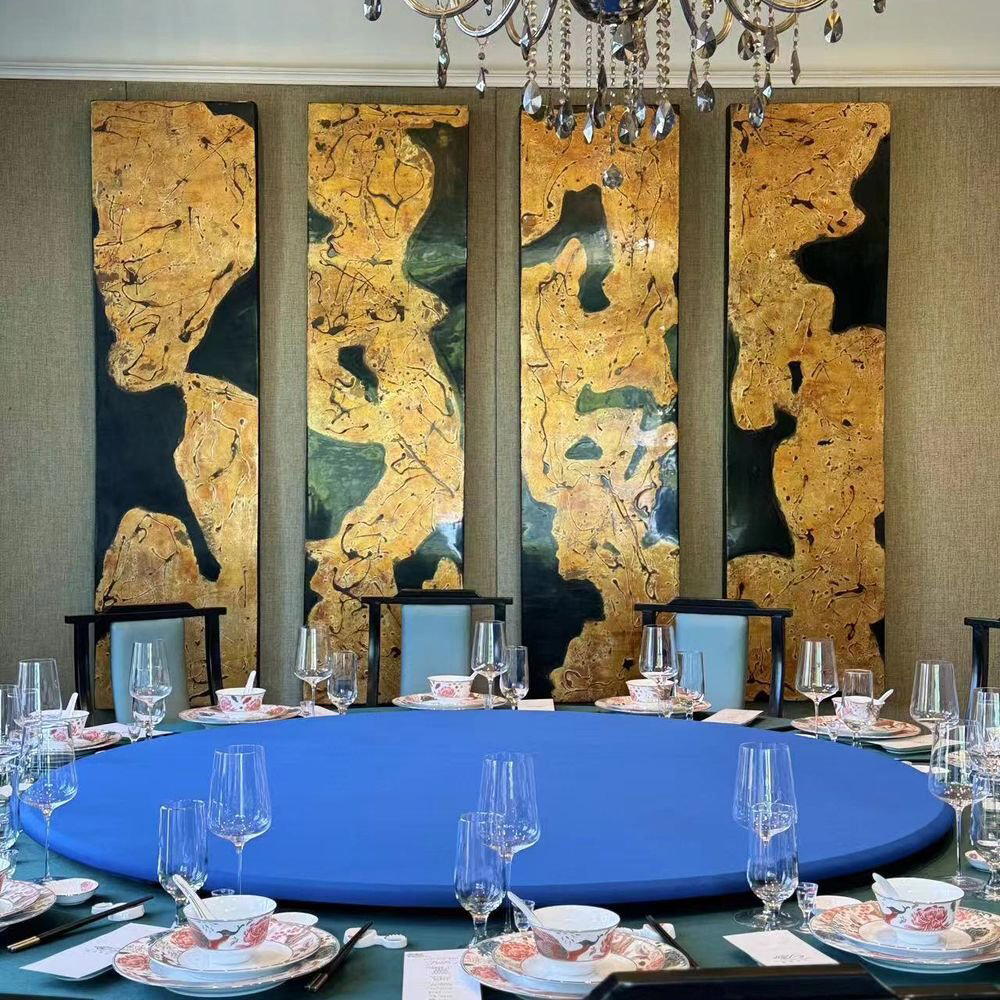
Within that structure, a venue located in a Taijiang commercial tower competes on the quality of its kitchen output and the reliability of its sourcing relationships rather than on room design or hospitality theatre. This is characteristic of how the mid-to-upper tier of Fuzhou's restaurant market functions: the envelope is plain, the argument is on the plate. For readers seeking broader Chinese regional context, the approach finds some analogues in the straightforwardly ingredient-focused posture of Xin Rong Ji in Beijing or Xin Rong Ji in Chengdu, both of which prioritise the integrity of core ingredients over decorative elaboration. At the higher end of Chinese dining internationally, Chef Tam's Seasons in Macau demonstrates how far Cantonese sourcing philosophy can be pushed at the award tier, while 102 House in Shanghai offers a contrasting Shanghai interpretation.
Planning a Visit
Xuan He Yi Wei is located on the third floor of what is addressed as Unit 3013 within a commercial complex at 100 Jiangbin West Avenue, Taijiang district, Fuzhou. The Jiangbin corridor is accessible by metro and by the city's main arterial road network running along the north bank of the Min River. Confirm current opening hours and reservation availability directly. The Taijiang district is practical rather than scenic as a destination, with the dining experience itself rather than the surrounding streetscape as the draw.
Fast Comparison
Comparable venues nearby, for context on price, style, and recognition.
| Venue | Cuisine | Price | Awards | Notes |
|---|---|---|---|---|
| Xuan He Yi WeiThis venue — the venue you are viewing | Fujian Cuisine | $$ | , | |
| Harmony Garden | Modern Fujian Fine Dining in Private Villa Rooms | $$ | , | Gulou |
| MINHENANHUANXI | Min Cuisine | $$$ | , | Fuzhou |
| 粤新啫煲•广州啫啫煲 | Cantonese Clay Pot Rice (啫啫煲) | $$ | , | 福州市 |
| Ancient Steamed Swallow (古蒸燕) | Ancient Steamed Swallow | , | , | 福州市 |
| 潮象·哈叔卤肉饭 | Traditional Braised Pork Rice (Lu Rou Fan) | $ | , | 福州市 |
Continue exploring
More in Fuzhou
At a Glance
- Business Dinner
- Special Occasion