
Rong Ji Hai Xian Lao Hua reframes a Fuzhou street-food tradition around luxury seafood, live abalone, razor clam, in a modern, comfortable room on Liaoyuan Road in Cangshan District. Two consecutive Michelin Plates (2024 and 2025) confirm its place at the sharper end of the city's lao hua scene. The format is simple: choose your toppings and noodles, and the kitchen handles the rest.
Pearl is the En Primeur Club membership app — saves, bookings, and concierge access live there. Same editors, same standards.
- Address
- 163 Liaoyuan Rd, Cangshan District, Fuzhou, Fujian, China, 350028
- Phone
- +86 591 2220 5777
- Directions
- Get directions
 Saves & bookings on Pearl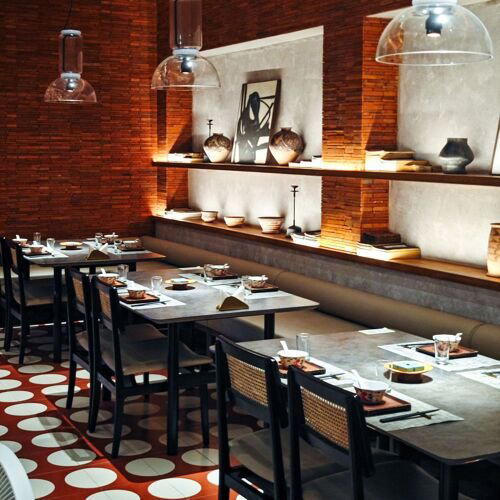
When a Bowl of Noodles Stops Being Frugal
Lao hua, Fujian-style noodle soup built on a dense, collagen-rich pork-bone broth, has long occupied the lowest rung of Fuzhou's eating hierarchy. You find it at pavement stalls, in cramped shophouses, served fast and cheap to workers and students. The format rarely asks you to linger. Rong Ji Hai Xian Lao Hua on Liaoyuan Road in Cangshan District works from the opposite premise: a modern, composed room that reads nothing like the average stall, and a menu that replaces the standard pork-and-fishcake toppings with live abalone and razor clam. The bowl is recognisably lao hua; what surrounds it is something that category has, until recently, resisted becoming.
How the Format Evolved
The evolution of lao hua as a format tracks a broader pattern visible across Chinese cities over the past decade, where street-food categories, ramen in Japan went through a similar arc earlier, attract operators willing to raise ingredient cost and physical environment simultaneously. In Fuzhou, a city with a documented appetite for seafood and one of China's highest per-capita seafood consumption rates among provincial capitals, the logical direction was always towards the sea. Rong Ji's move to anchor a noodle-soup format around live seafood rather than cheaper proteins is less a gimmick than a logical extension of what the city's palate has always valued. What shifted is the willingness to charge for it in a category traditionally defined by its affordability.
That shift is not without precedent in other formats. Xin Rong Ji (Xinyuan South Road) in Beijing and Xin Rong Ji in Chengdu demonstrate how a seafood-forward approach can hold a high position across multiple Chinese cities. At noodle level, A Bing Bao Shan Mian in Hangzhou and A Kun Mian in Taichung represent comparable moments where a humble noodle tradition is pushed into more considered territory. Rong Ji's version is specifically Fujianese, specifically maritime, and priced, still at the ¥ tier, in a way that makes it genuinely accessible even if the ingredient register has moved up.
The Room and the Register
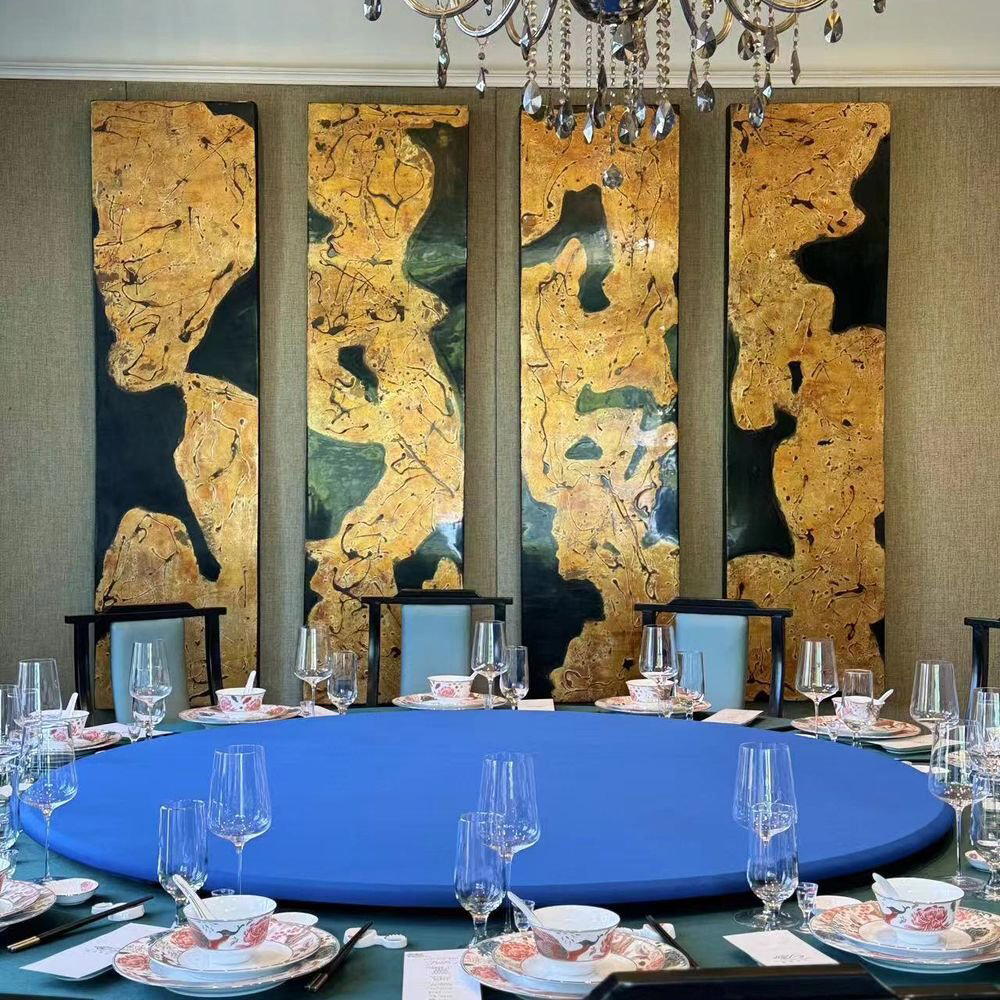
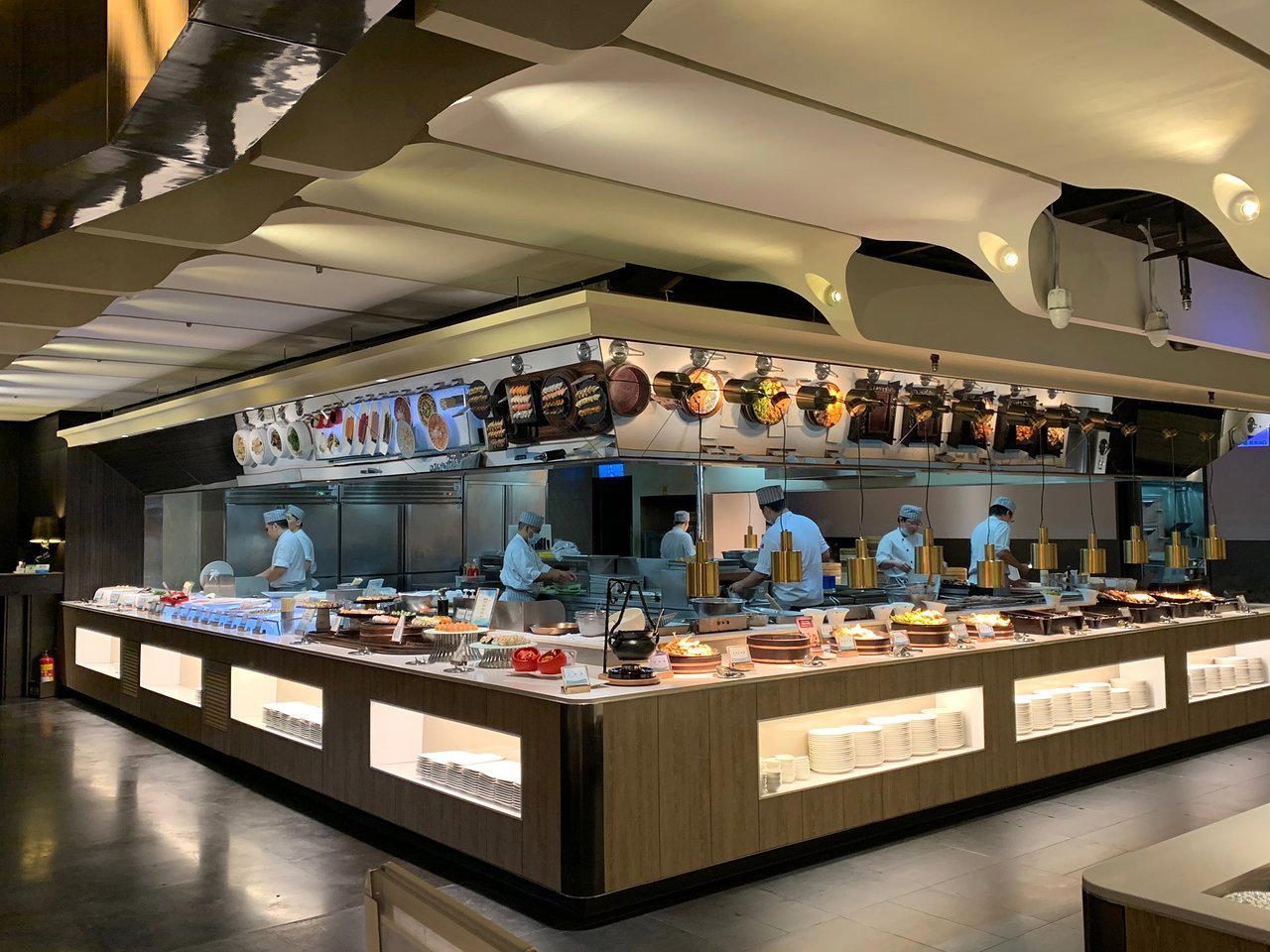
The physical space on Liaoyuan Road signals the change before you look at the menu. Where a conventional lao hua counter is functional, plastic stools, laminate tables, strip lighting, Rong Ji's room reads as modern and composed, described in the Michelin documentation as cosy. That word does real work here: it implies a considered scale, a deliberate atmosphere, rather than the incidental warmth of a packed stall. The contrast with peers matters. Hou Jie Lao Hua (Yadao Lane) and Hou Jie Lao Hua (216 Tonghu Road) operate in the traditional format with justifiable recognition of their own; Wei Rong Lao Hua and A Xin Xian Lao (Gongnong Road) occupy a similar tier. Rong Ji has chosen a different positioning: the room alone makes that argument before the food arrives.
What the Michelin Recognition Signals
A Michelin Plate in 2024 and again in 2025 places Rong Ji inside a small comparable set of Fuzhou venues that Michelin inspectors consider worth a visit, below the starred tier but explicitly above the mass of the city's restaurants. For a noodle-soup format priced at ¥, this is an unusual designation. Michelin's inspectors typically flag Plate-level venues for cooking quality that merits attention regardless of format or price point. Two consecutive plates suggest consistency rather than a one-year anomaly. In the wider context of Fuzhou's Michelin cohort, which includes mid-range Fujian specialists and higher-spend formats, Rong Ji's position at the affordable end of the recognised tier is a notable data point: the luxury-topping lao hua format has passed scrutiny that most noodle shops in the city have not.
For additional perspective on where Fuzhou's broader dining scene sits within the region's Michelin geography, Chef Tam's Seasons in Macau and Imperial Treasure Fine Chinese Cuisine in Guangzhou represent the formal Chinese-dining tier that anchors the southern China Michelin circuit. Rong Ji operates at a completely different price and format register, but the shared Michelin recognition places it on the same map.
What to Order
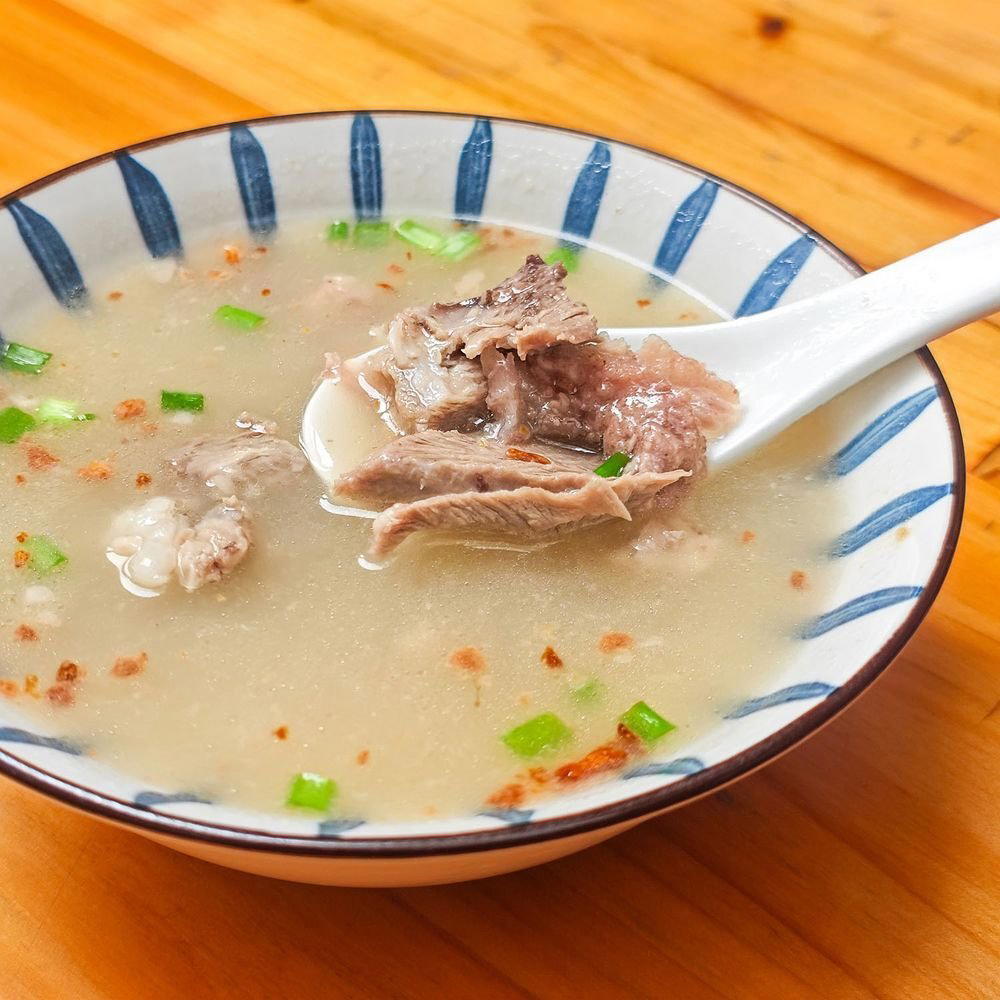
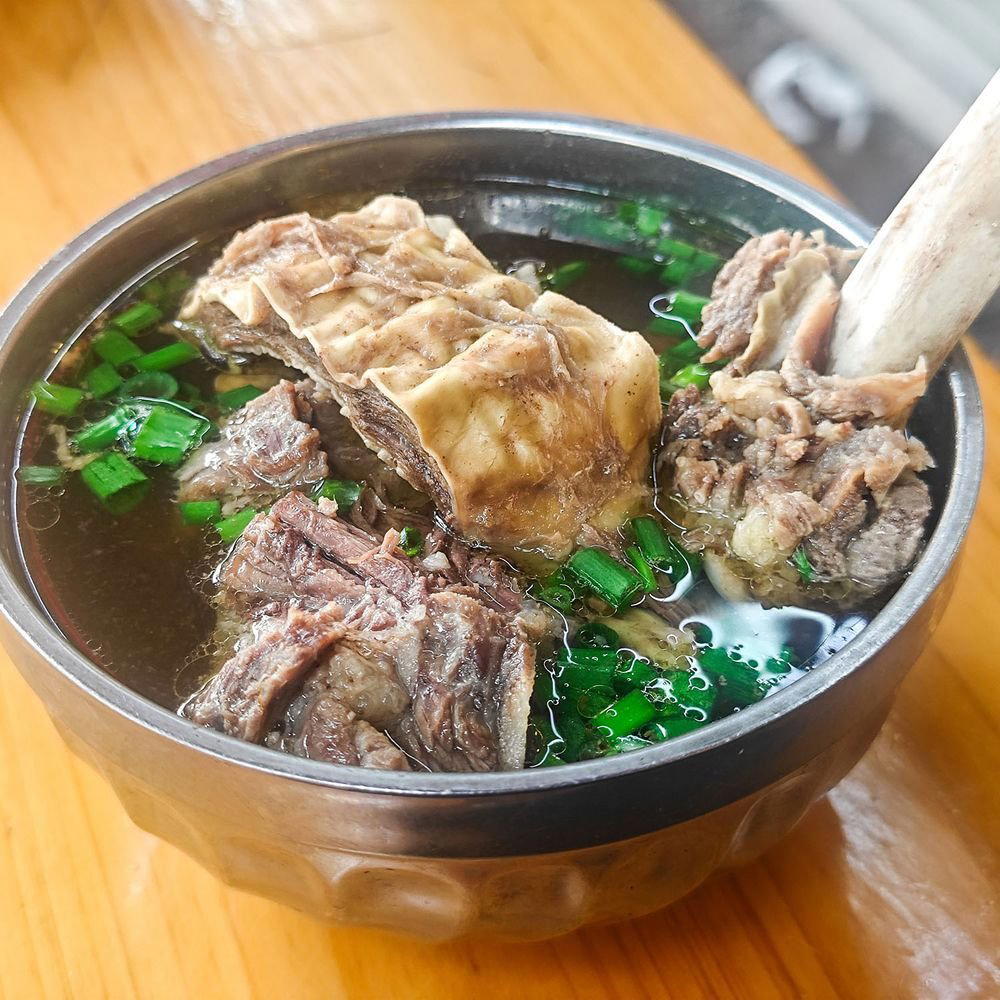
The ordering format removes decision fatigue by design: indicate your preferred toppings and noodle type to the server, and the kitchen constructs the bowl. The premium lane runs through live abalone and razor clam, both of which sit at the opposite end of the lao hua topping spectrum from the pork offcuts and fish cakes found at street-level stalls. The Michelin documentation also points to pork head meat dressed in Sichuan pepper sauce as a dish worth ordering alongside the noodles, a cold preparation that functions as a counterpoint to the hot soup, with the numbing heat of Sichuan pepper cutting through the fattiness of the pork. That specific dish is a signal of how far Rong Ji has moved from lao hua orthodoxy: a Sichuan-influenced cold meat preparation has no obvious place in traditional Fujian noodle culture, but its presence here speaks to an appetite for range within a recognisable format. Also of interest in the broader Fuzhou dining context: Guan Zhong Wang Shi represents a contrasting approach to Fujian ingredients at a higher price tier.
Planning a Visit
Rong Ji Hai Xian Lao Hua is at 163 Liaoyuan Road, Cangshan District. The ¥ price tier means a full meal with premium toppings remains well within the range of a casual lunch budget, though live seafood additions will push the bill higher than a conventional lao hua stall. Reservations are recommended.
How It Stacks Up
Comparable venues nearby, for context on price, style, and recognition.
| Venue | Cuisine | Price | Awards | Notes |
|---|---|---|---|---|
| Rong Ji Hai Xian Lao Hua (Cangshan)This venue — the venue you are viewing | Modern Fujian Seafood Lao Hua Noodles | $$ | Michelin Plate | Not listed |
| Chosop | Authentic Sichuan | $$ | Michelin Plate | Taijiang |
| Fuyuan | Fuqing Fujian Cuisine | $$ | Michelin Plate | Gulou |
| Yut Fei | Refined Cantonese | $$$ | Michelin Plate | Gulou |
| Sheng Hai Lou (Cangshan) | Fujian Cuisine | $$$ | Michelin Plate | Cangshan |
| Xuan He Yi Wei | Fujian Cuisine | $$ | Not listed | Fuzhou |
Recognition history
Dated appearances from independent guides and award organizations, with the underlying list record or original source where available.
Michelin Plate
Michelin
Michelin Plate
Michelin
Michelin Plate
Michelin
At a Glance
- Cozy
- Modern
- Elegant
- Intimate
- Special Occasion
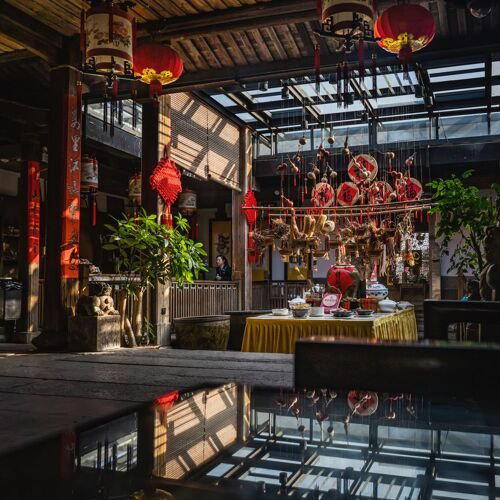
Clean lines, warm wood, and gentle glow creating a cocoon of calm and contemporary elegance.