
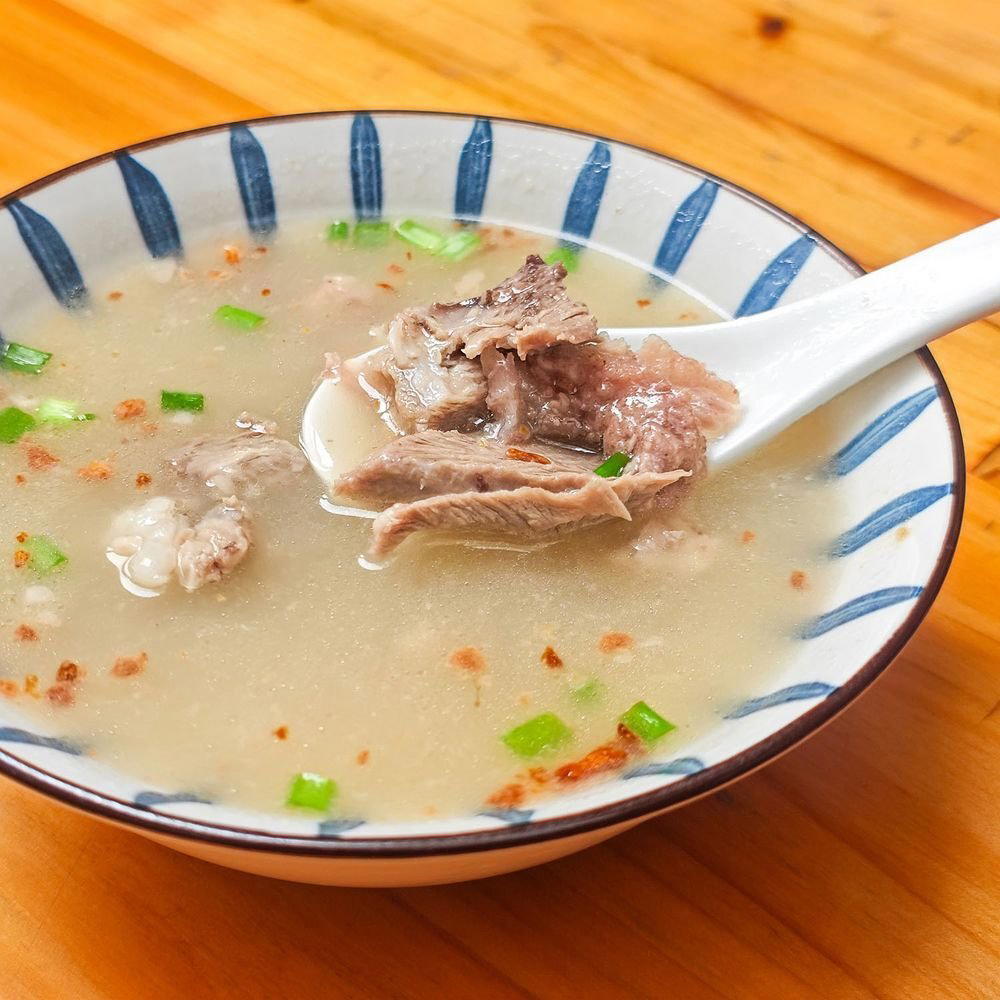
Xuanhe Cuisine holds a 2025 Michelin Plate at Rongqiao Center in Fuzhou's Taijiang district, where a wood-lined dining room frames the hits of Fuzhou cooking: fried pork belly marinated in red vinasse, sautéed sticky rice cake with mud crab, and quick-fried jellyfish and pork kidney in sweet and sour sauce.
Pearl is the En Primeur Club membership app — saves, bookings, and concierge access live there. Same editors, same standards.
- Address
- China, CN 福建省 福州市 台江区 江滨西大道 100 100号融侨中心3楼3013 邮政编码: 350028
- Phone
- +86 591 8789 6767
- Directions
- Get directions
 Saves & bookings on Pearl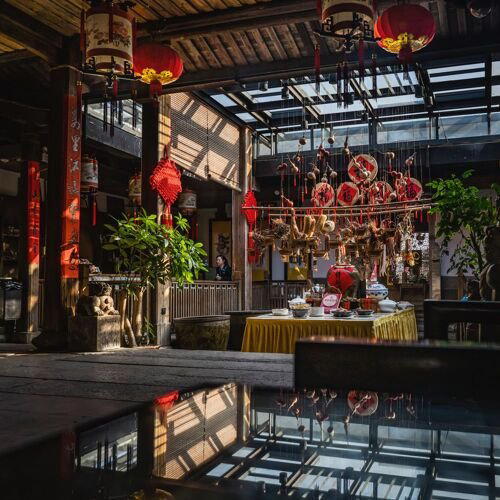
A Room Built for Familiar Cooking
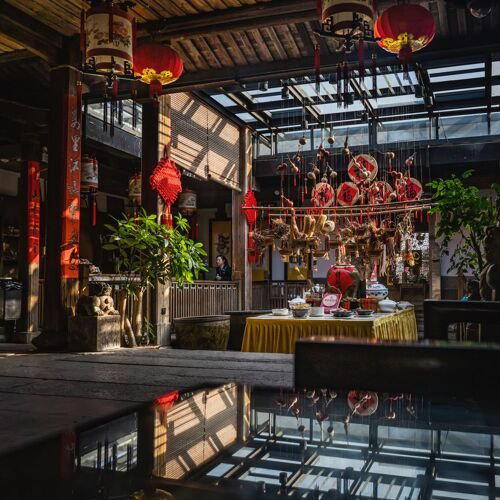
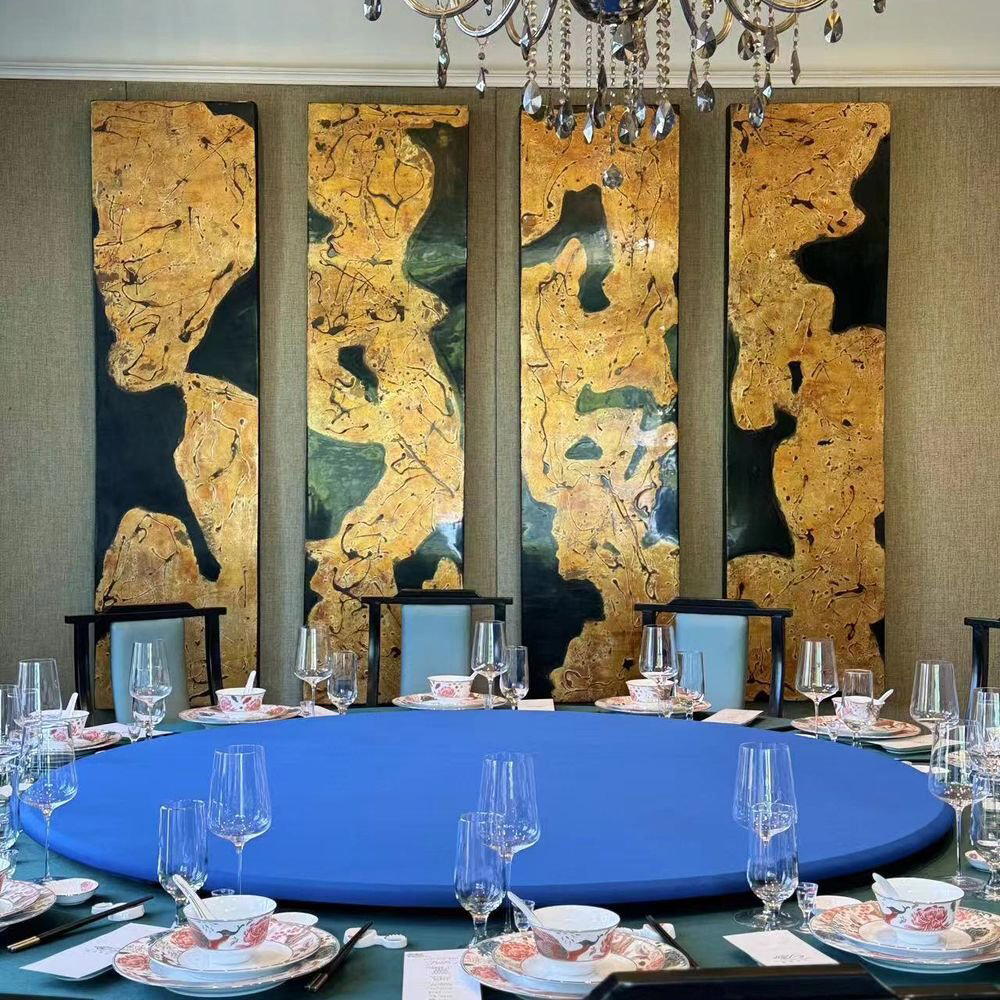
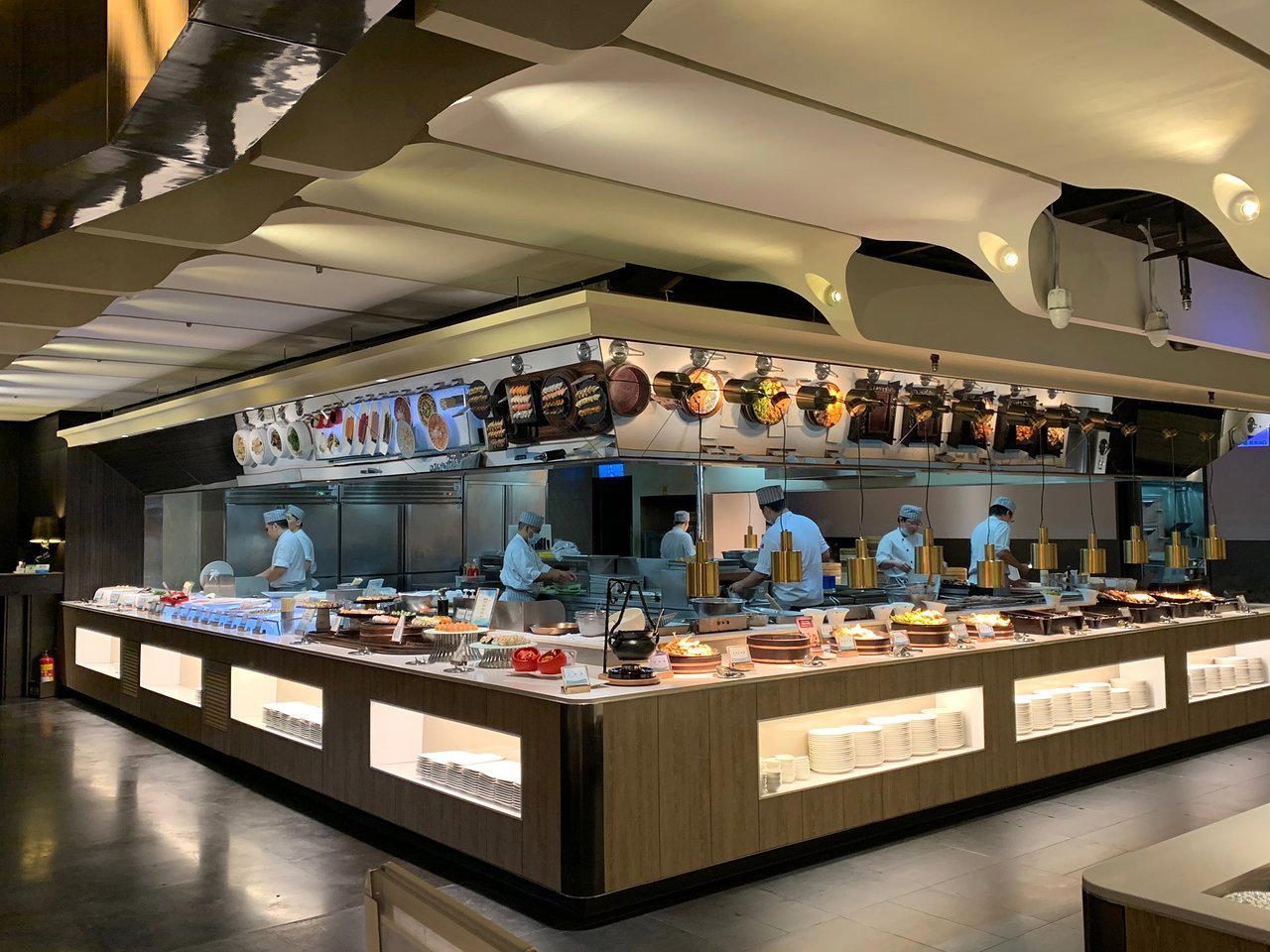
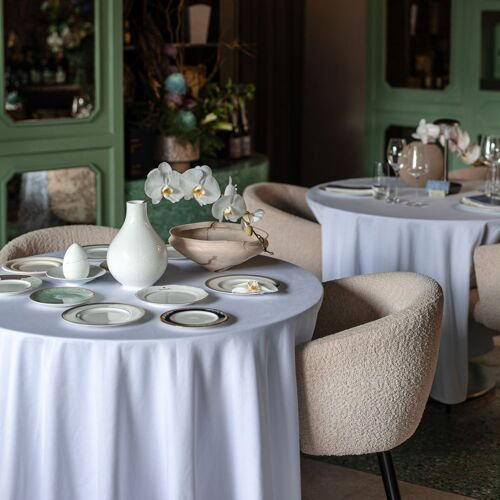
The third floor of Rongqiao Center, along Jiangbin West Road, is not the kind of address that announces itself loudly. Fuzhou's riverfront commercial blocks tend to house the kind of restaurants that serve a local lunch crowd and a business-dinner circuit in equal measure, and Xuanhe Cuisine fits that pattern precisely. The interior leans into warm timber finishes throughout, a design choice that reads as deliberate rather than decorative: Fujianese cooking is not a cuisine of spectacle, and the room doesn't pretend otherwise. The effect is a dining space that settles you before the food arrives, which matters more here than it might at a venue chasing atmosphere for its own sake.
That combination of unshowy surroundings and grounded, ingredient-led cooking has earned Xuanhe a 2025 Michelin Plate. Among the Fujian-cuisine entries in the city, Jing Li occupies a comparable bracket and draws a similarly local-facing crowd. What separates venues at this level is typically the precision with which they handle the foundational techniques of Fujianese cooking, and Xuanhe's Michelin recognition signals that it clears that bar.
What Fuzhou Cuisine Actually Requires
Fujian cooking has a quieter reputation than the chilli-forward cuisines of Sichuan or the theatrical presentations of Cantonese fine dining, but its technical demands are specific. Red vinasse, the fermented by-product of rice wine production, is a defining ingredient in the Fuzhou pantry: it lends a deep, fermented sweetness to braised and fried pork preparations and requires careful management to avoid tipping into bitterness. The fried pork belly marinated in red vinasse on Xuanhe's menu represents one of the cleaner expressions of this technique among Fuzhou's mid-range restaurants. The fermentation gives the belly a colour and depth that plain soy-braised pork cannot replicate.
Seafood sourcing is the other axis on which Fujianese restaurants rise or fall. Fuzhou sits at the mouth of the Min River on the Taiwan Strait coast, and razor clams, mud crab, and jellyfish are not supplementary items here, they are the cuisine's structural backbone. The sautéed sticky rice cake with mud crab places two equally demanding preparations in the same dish: the rice cake requires controlled heat to achieve a yielding texture without disintegration, and the crab's sweetness needs to carry through rather than be overwhelmed by the wok work. The quick-fried crisp duo of jellyfish and pork kidney in sweet and sour sauce is the kind of dish that illustrates the Fujianese comfort with textural contrast, combining two ingredients that most other regional cuisines would never pair. These are established moves, executed with care.
For context on how Fujian cuisine travels beyond its home province, Hokkien Cuisine in Chengdu and Hokklo in Xiamen both carry the tradition in different directions. Xuanhe's version remains closest to the Fuzhou end of the Fujian spectrum, emphasising the Min River ingredient set rather than the broader Hokkien diaspora repertoire.
The Case for Marking an Occasion Here
Fuzhou's mid-range restaurant tier has a particular strength for milestone dinners: the ¥¥ price point allows for a full table of shared dishes without the financial compression that pushes celebratory groups toward ordering less than the menu merits. At Xuanhe, the format of the menu, built around the shared-plate logic of Fujianese family dining, suits occasions where a group wants to eat across the full range of what a kitchen can do. A table that orders the red vinasse pork belly, the mud crab rice cake, and the jellyfish-kidney duo is eating through three distinct technique categories in one sitting: fermentation, wok technique, and quick-fry contrast. That breadth, at the mid-range price, is the practical argument for choosing a venue like this over a single-dish specialist when the meal needs to feel substantial.
Fuzhou has a number of alternatives in this register. Wenru No.9, Fuyuan, and Harmony Garden on Xierhuan North Road each approach Fujianese and broader Chinese cooking with their own emphasis. For a meal that centres specifically on the Fuzhou canon, Xuanhe's Michelin Plate recognition gives it a verifiable credential that its immediate neighbours in the same price tier generally lack.
The broader Fuzhou restaurant scene beyond the Fujian-cuisine category includes venues like Longkushan Eatery for casual eating and Jiangnan Wok Rong at the ¥¥¥ tier for Huaiyang cooking. For the reader choosing a restaurant to mark something, a family reunion, a business conclusion, or a birthday, Xuanhe offers Michelin-recognised Fuzhou cooking at mid-range pricing.
Across China's wider fine and mid-fine dining circuit, Fujian cuisine remains underrepresented relative to its complexity. Venues like Xin Rong Ji in Beijing, 102 House in Shanghai, Ru Yuan in Hangzhou, and Xin Rong Ji in Chengdu represent how premium Chinese regional dining is positioning itself in major urban markets. Chef Tam's Seasons in Macau and Imperial Treasure Fine Chinese Cuisine in Guangzhou show the southern end of that spectrum. Xuanhe operates below that price stratum but within the same tradition of taking regional Chinese cooking seriously on its own terms.
Planning the Visit
Xuanhe Cuisine is at 100 Jiangbin West Road, 3rd floor, Unit 3013, Rongqiao Center, Taijiang district, Fuzhou, postal code 350028. The ¥¥ pricing places the restaurant in the accessible mid-range for Fuzhou dining: a full shared meal across several dishes sits comfortably within the bracket without requiring advance financial planning.3 reflects a steady local following rather than a tourist-driven audience, which is generally a more reliable signal for cuisine of this type. Booking availability and specific hours are not confirmed at the time of writing; for current table availability, contacting the venue directly or checking a Chinese dining platform is the practical approach.
For broader planning across the city, EP Club's full Fuzhou restaurants guide covers the range of options across cuisine type and price point. The Fuzhou hotels guide, bars guide, wineries guide, and experiences guide cover the rest of the city's hospitality offering.
- Red vinasse pork belly
- Mud crab sticky rice cake
- Jellyfish and pork kidney
- Sand ginger salt-baked three yellow chicken
- Duck sauce boiled vermicelli
- Rock tea milk jelly
Booking and Cost Snapshot
Comparable venues nearby, for context on price, style, and recognition.
| Venue | Cuisine | Price | Awards | Notes |
|---|---|---|---|---|
| Xuanhe CuisineThis venue — the venue you are viewing | Dining | ¥¥ | Michelin Plate | Not listed |
| Rong Ji Hai Xian Lao Hua (Cangshan) | Not listed | $$ | Michelin Plate | Cangshan, Modern Fujian Seafood Lao Hua Noodles |
| Fuyuan | Gulou, Fuqing Fujian Cuisine | $$ | Michelin Plate | Not listed |
| Yi Qiang (Dadao Road) | Dining | Not listed | Bib Gourmand | Not listed |
| Shan Hai Nan Yan | Not listed | $$ | Bib Gourmand | Taijiang, Fujianese with Cantonese influences |
| Chosop | Taijiang, Authentic Sichuan | $$ | Michelin Plate | Not listed |
Recognition history
Dated appearances from independent guides and award organizations, with the underlying list record or original source where available.
Michelin Plate
Michelin
Michelin Plate
Michelin
Michelin Plate
Michelin
At a Glance
- Cozy
- Classic
- Quiet
- Family
- Group Dining
- Casual Hangout
- Business Dinner
- Standalone
Warm wood interiors, soft lighting and a calm, enclosed dining room atmosphere suited to relaxed meals and group dinners.