
A Michelin Plate-recognised Sichuan restaurant in Fuzhou's Taijiang District, Chosop brings an extensive and authentic Sichuan menu to a shopping mall setting without compromising on seriousness. Low fabric-clad partitions create a composed dining environment, and the kitchen is led by a Sichuanese chef whose command of the canon, from braised pork belly to the delicate jidouhua, keeps the cooking grounded in regional tradition. Priced at ¥¥, it offers a credible entry into Sichuan cuisine in a city better known for its Fujianese cooking.
Pearl is the En Primeur Club membership app — saves, bookings, and concierge access live there. Same editors, same standards.
- Address
- 378 Gongye Rd, 黎明商圈 Taijiang District, Fuzhou, Fujian, China, 350002
- Phone
- +86 591 8370 8090
- Directions
- Get directions
 Saves & bookings on Pearl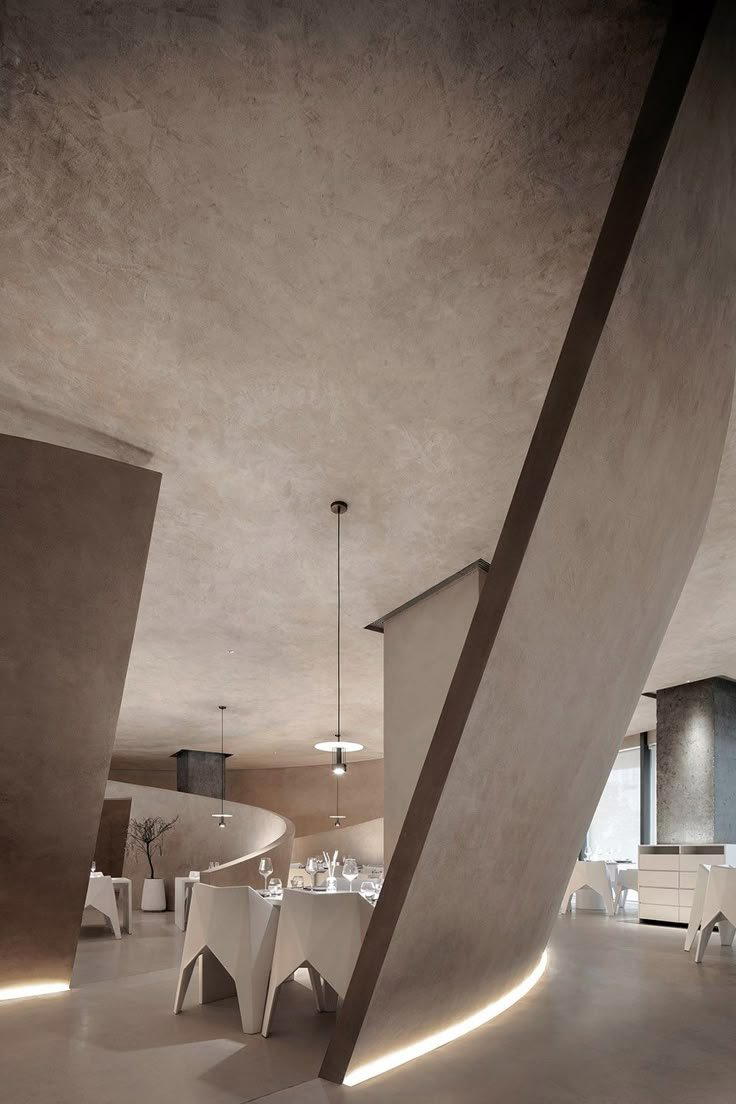
Sichuan in a Fujianese City
Fuzhou's restaurant scene is defined by its own coastal culinary grammar: light broths, fresh seafood, fermented red yeast rice, and a preference for sweetness over heat. That makes the presence of a serious Sichuan kitchen here something worth examining. Sichuan cuisine, built on a fundamentally different set of flavour principles, with numbing mala heat, deep fermented pastes, and slow-braised richness, doesn't simply transplant itself; it either compromises to local palates or holds its ground. At Chosop on Gongye Road in Taijiang District, the kitchen, helmed by a Sichuanese chef, takes the latter position. The Michelin Plate recognition the restaurant has held consecutively in 2024 and 2025 is a meaningful signal.
What the Setting Tells You
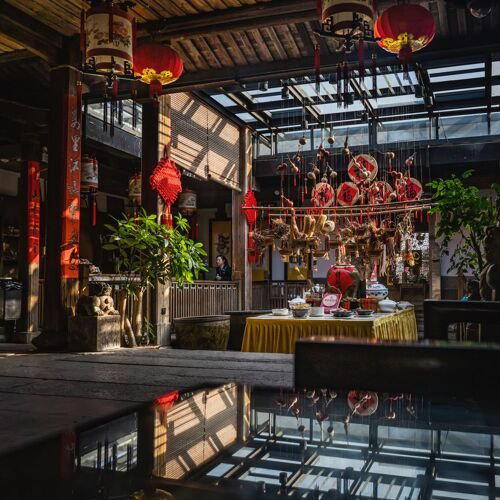
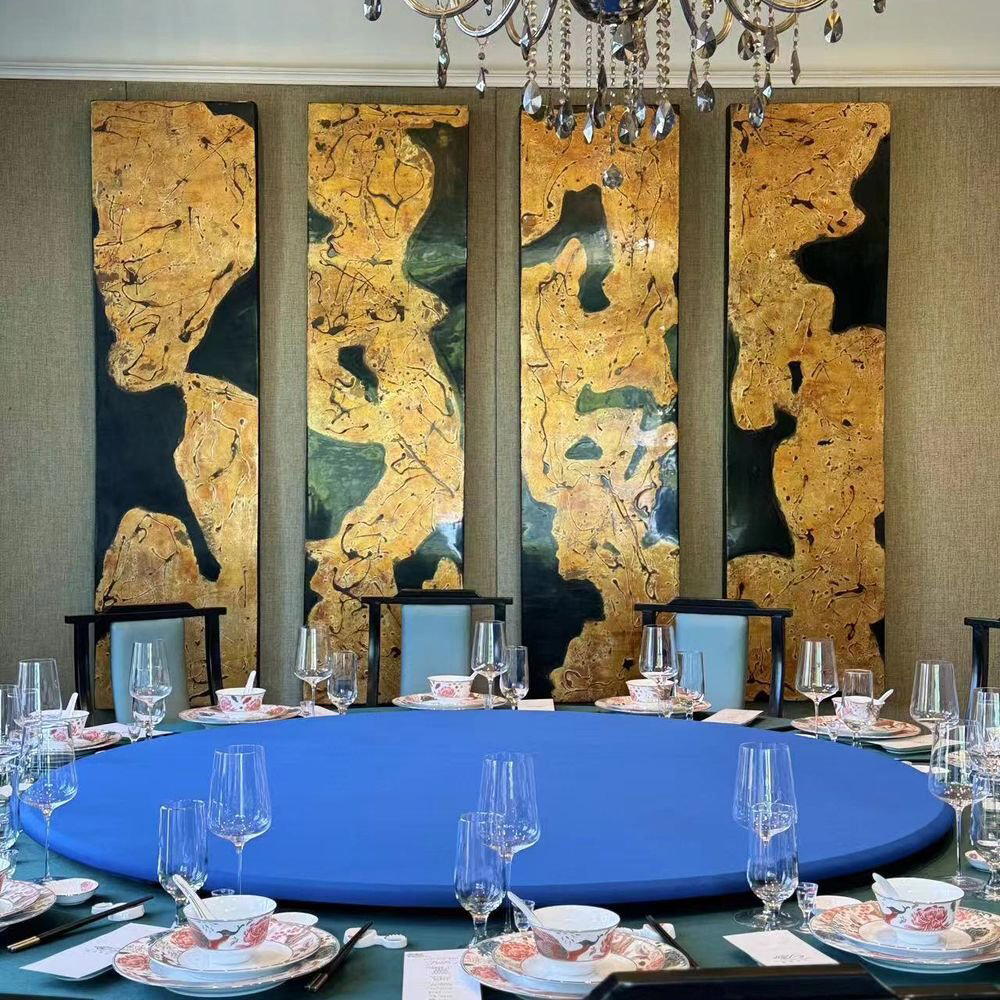
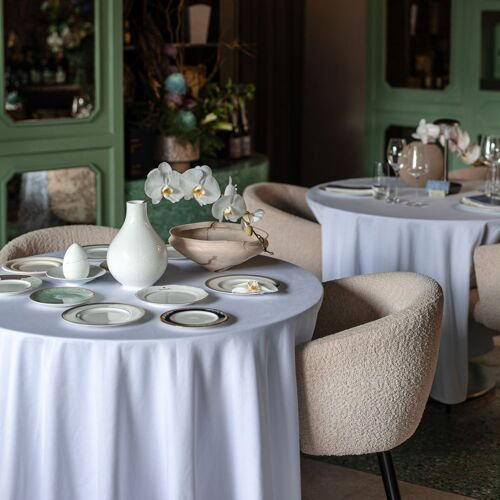
Mall dining carries a specific set of assumptions in most cities, and most of those assumptions don't apply here. Chosop occupies its shopping mall address, 378 Gongye Road, in the Liming commercial area of Taijiang District, with a considered interior that does the work of separating the dining experience from the retail noise outside. Low fabric-clad partitions divide the room into semi-private sections, doing two things at once: creating an intimate, enclosed atmosphere that suits the intensity of Sichuan flavours, and giving the space a design coherence that reads as deliberate rather than incidental. The overall environment is composed and quieter than the surrounding context would suggest.
This format trades street-level character for controlled environment and accessible parking, and the better ones compensate with serious interior design and disciplined cooking. Chosop fits that profile.
The Sichuan Canon, Covered with Depth
Sichuan cuisine has a canonical repertoire that any serious kitchen should be measured against. The province's cooking tradition spans cold dishes dressed in chilli oil and vinegar, stir-fries built on doubanjiang, slow braises that marry pork fat with fermented aromatics, and a category of technically demanding preparations that test a cook's precision. Chosop's menu covers most of this range, which in itself marks it out from the abbreviated Sichuan offerings that circulate in many Chinese cities outside the province.
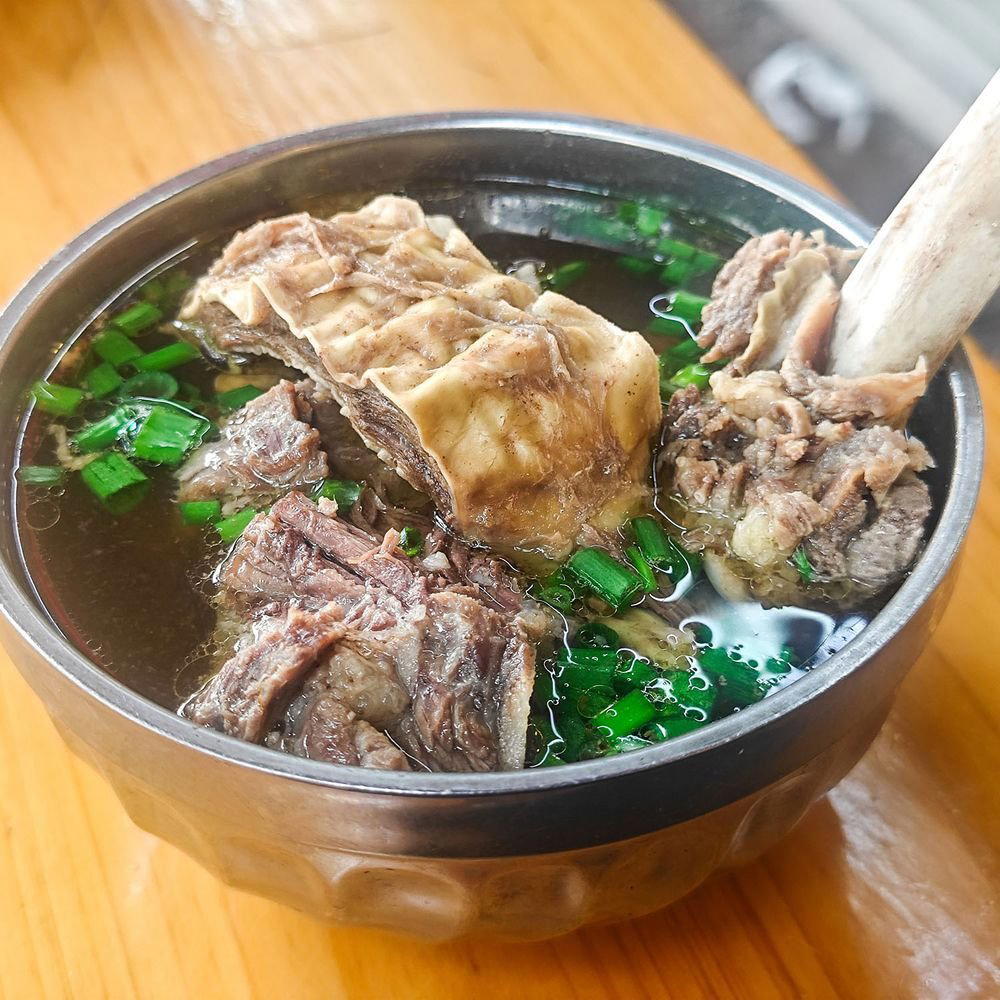
Two dishes in particular illustrate the kitchen's command. The pork belly braised in wine and soy, served with salted duck egg and rice, exemplifies the slower, richer end of the Sichuan spectrum: the combination of fermentation from the wine, salinity from the duck egg, and the fat-rendered depth of the belly requires timing and technique that can't be rushed. The other is jidouhua, a preparation that demands considerably more precision: minced chicken and egg white are poached in chicken stock until they form a silken mass that mimics tofu in texture. It's a dish that reveals the delicate, almost Cantonese-adjacent side of Sichuan cooking that often goes unnoticed outside the region, and at Chosop it is described as impeccably executed.
These two dishes together demonstrate why Michelin's inspectors engaged with the kitchen. For comparison, Chengdu's most technically rigorous Sichuan tables, venues like Yu Zhi Lan and Fang Xiang Jing, operate at a higher price and formality tier, but the reference point for what the cuisine is capable of at its most refined is the same tradition Chosop draws from.
Chosop Within Fuzhou's Broader Dining Map
Positioning Chosop within Fuzhou requires understanding how the city's restaurant scene works. Fujianese cuisine dominates the high-prestige tier here, with venues like Wenru No.9 and Fuyuan representing the province's own culinary identity at a formal level. At the other end, noodle specialists like A Xin Xian Lao anchor the street-food tier. In between, a small number of imported regional kitchens operate at ¥¥ to ¥¥¥ price points, and Chosop at ¥¥ sits at the accessible end of that range while carrying the Michelin Plate credential that few in its price bracket match.
For Huaiyang cooking at a higher price point, Jiangnan Wok Rong holds a Michelin star and serves as a reference for what Michelin recognition looks like at the tier above. Chosop doesn't compete on price or formality with that category; it competes on culinary authenticity and technique within its own regional tradition. The comparison is useful for setting expectations, not for establishing hierarchy.
Elsewhere in mainland China, serious regional kitchens transplanted outside their home province can be found at various calibres: Xin Rong Ji in Chengdu and its Beijing outpost show how a kitchen with strong regional identity can carry that identity into different city contexts. 102 House in Shanghai, Ru Yuan in Hangzhou, and Imperial Treasure in Guangzhou and Chef Tam's Seasons in Macau offer further reference points for what premium Chinese regional cooking looks like across the country's major dining cities.
Planning a Visit
Chosop is located at 378 Gongye Road in the Liming commercial area, Taijiang District, with a postal code of 350002, direct to reach by taxi or metro within central Fuzhou. The ¥¥ pricing makes a shared meal between two to three people manageable without significant spend, and the breadth of the menu means a table can cover multiple points on the Sichuan spectrum in a single sitting.
Cuisine Lens
Comparable venues nearby, for context on price, style, and recognition.
| Venue | Cuisine | Price | Awards | Notes |
|---|---|---|---|---|
| ChosopThis venue — the venue you are viewing | Authentic Sichuan | $$ | Michelin Plate | Not listed |
| Fuyuan | Fuqing Fujian Cuisine | $$ | Michelin Plate | Gulou |
| Xingxian (Mawei) | Traditional Fujian Seafood | $$ | Bib Gourmand | Mawei District |
| Shan Hai Nan Yan | Fujianese with Cantonese influences | $$ | Bib Gourmand | Taijiang |
| Hui Wei Private Kitchen | Fujianese Songxi Specialties | $$$ | Michelin Plate | Cangshan |
| Yut Fei | Refined Cantonese | $$$ | Michelin Plate | Gulou |
Recognition history
Dated appearances from independent guides and award organizations, with the underlying list record or original source where available.
Michelin Plate
Michelin
Michelin Plate
Michelin
Michelin Plate
Michelin
At a Glance
- Elegant
- Intimate
- Modern
- Business Dinner
- Date Night
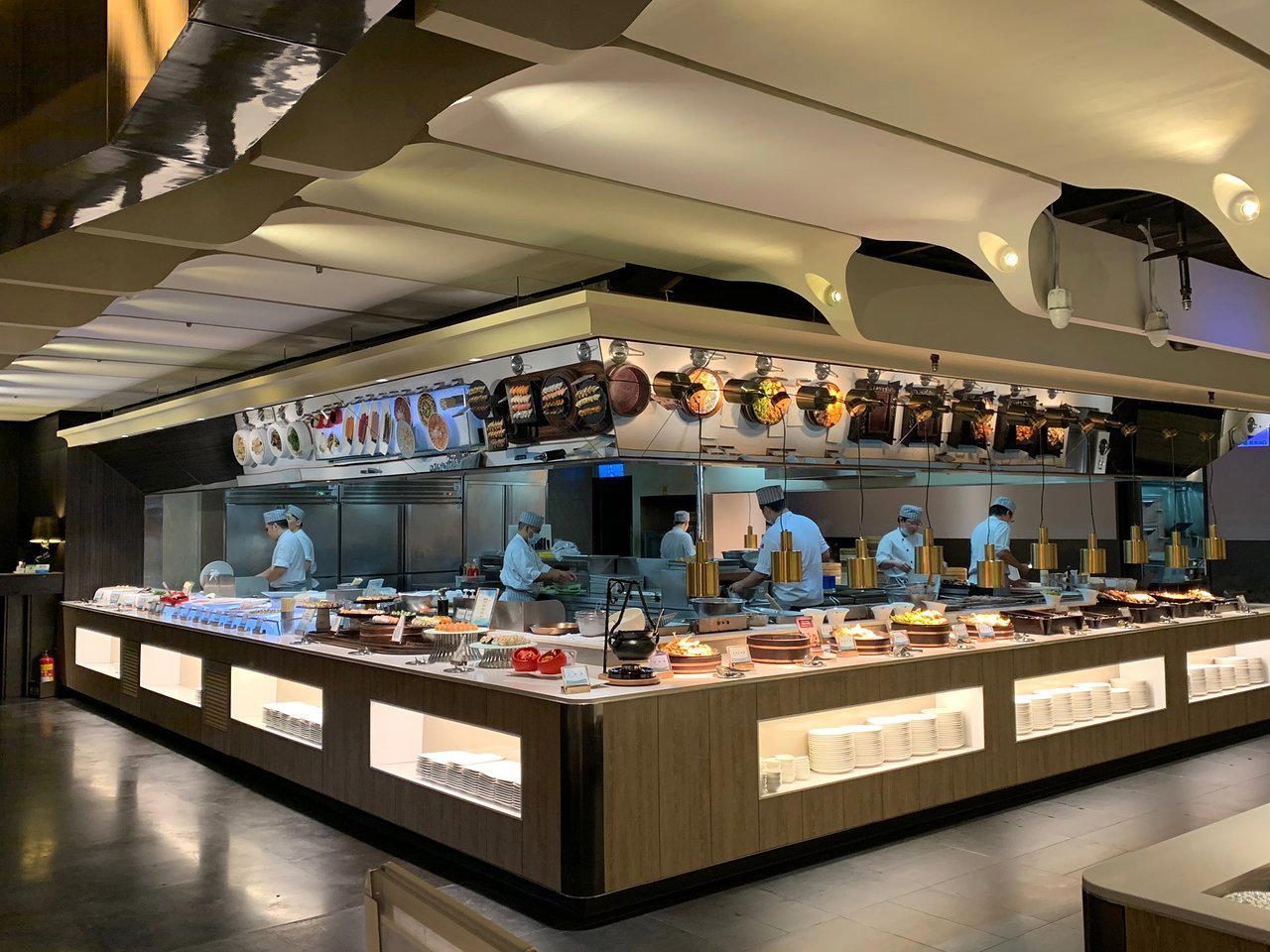
- Open Kitchen
- Extensive Wine List
Warm precise lighting with tactile restrained textures and low fabric-clad partitions creating intimate nooks that soften conversation.