
Harmony Garden belongs to Fuzhou’s higher-recognition dining tier, carrying a Black Pearl Restaurant Guide 2026 one-diamond listing. The useful lens here is not spectacle but sourcing: Fujian cooking depends on river, coast, mountain produce, and the restaurant’s relevance lies in how that regional pantry reads in a city where local identity is often expressed through restraint rather than noise.

Pearl is the En Primeur Club membership app — saves, bookings, and concierge access live there. Same editors, same standards.
Fuzhou dining tends to reveal itself quietly: steam, broth, river fish, rice wine, dried seafood, and the clean sweetness that separates Fujian cooking from the heavier registers of China’s inland banquet tables. Harmony Garden sits inside that conversation rather than outside it. Its Black Restaurant Guide 2026 one-diamond recognition gives the room a measurable trust signal, but the more interesting question is what a polished Fuzhou restaurant chooses to foreground when the city’s food culture is built around freshness, texture, and the careful handling of local ingredients.
Fujian sourcing is the real measure of the table
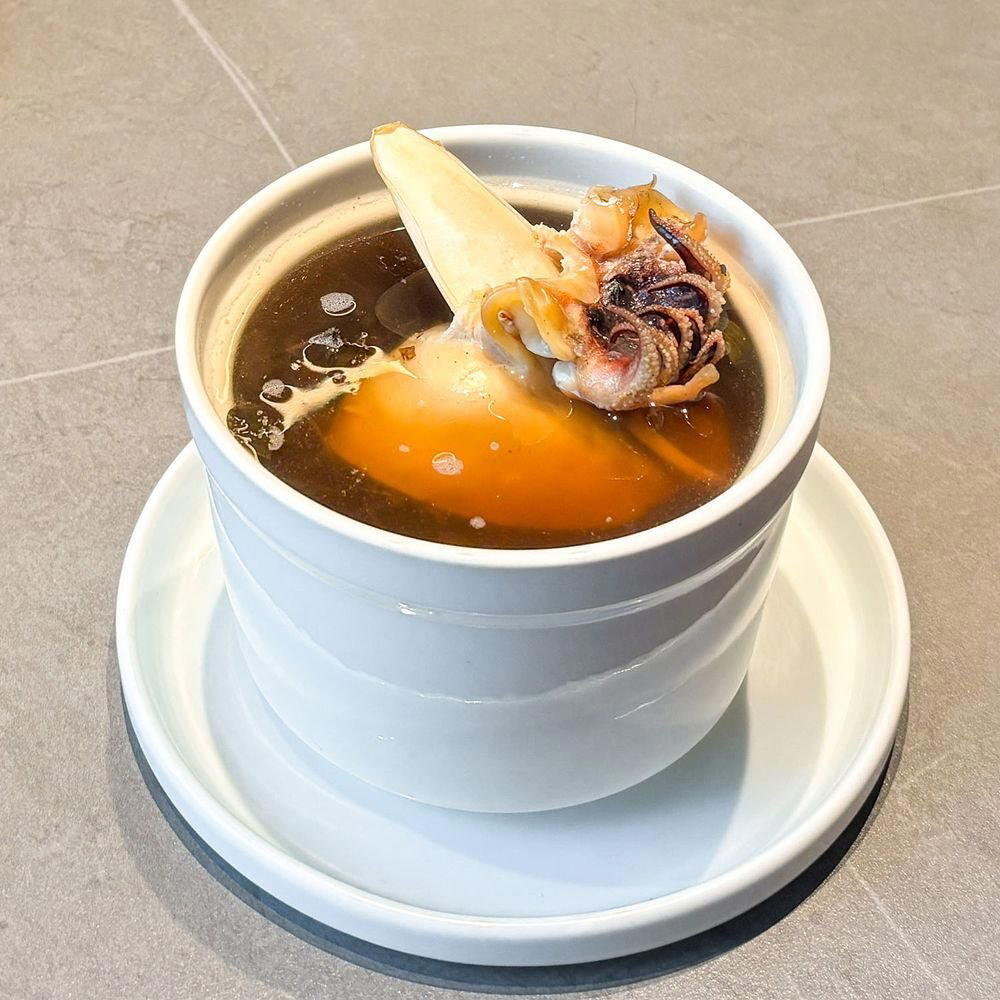
In Fuzhou, ingredient sourcing is not a decorative talking point. The city’s position between river systems, coastal markets, and mountain agriculture shapes the grammar of the meal: seafood without aggressive seasoning, soups with depth rather than weight, vegetables that carry sweetness, and preserved or dried elements used for structure. A restaurant at Harmony Garden’s recognition level is judged less by novelty than by discipline: whether the kitchen lets the raw material remain legible, whether seasoning supports rather than masks, and whether banquet polish avoids flattening regional character.
This is where Fuzhou differs from better-known Chinese dining capitals. Chengdu’s restaurant identity often turns on heat, oil, and layering, which is why a page such as #8 in Chengdu belongs to a different culinary logic. Cantonese luxury, represented in Shanghai by 100 Century Avenue Cantonese in Shanghai, also prizes clarity, but usually through another service culture and another seafood economy. Fuzhou’s version is quieter and more local: coastal Fujian technique, freshwater sensitivity, and a preference for balance over display.
That matters for readers deciding how to place Harmony Garden within a Fuzhou itinerary. The restaurant is not useful because it can be reduced to a single named dish or chef narrative. It is useful because it gives structure to a city whose cooking can be under-read by visitors moving between noodles, banquet rooms, and regional seafood. For a broader scan of the city’s table, Our full Fuzhou restaurants guide places it alongside simpler and more specialised addresses, including A Xin Xian Lao (Gongnong Road) (Noodles), Guan Zhong Wang Shi (Noodles), Fuyuan (Fujian), Chosop (Sichuan), and 167 Shan Hai Li.
Recognition without turning the meal into a trophy
Black ’s one-diamond category places the restaurant in a curated Chinese dining framework, which is particularly relevant in cities where Michelin coverage is uneven or absent. For domestic travellers, that award can function as shorthand for consistency and ambition. For international visitors, it is more useful as a calibration tool: expect a restaurant operating above casual local dining, but judge it through regional fluency rather than imported luxury codes.
Fuzhou rewards this kind of reading. The city’s food identity does not need the grandstanding that can dominate capital-city dining rooms. A meal here should be assessed by broth clarity, seafood handling, ingredient seasonality, and how well the kitchen respects Fujian’s preference for softness, freshness, and aromatic restraint. That is also why comparisons beyond the city can mislead. Hangzhou’s 1913 in Hangzhou, Xiamen’s 1927 Dong Yuan Si Chu in Xiamen, Beijing’s 1949 - Duck de Chine in Beijing, and 1980烧肉粽 in 厦门市 each sit in separate regional systems, with different expectations around signature formats, urban dining tempo, and occasion dining.
The practical decision is simple: use the restaurant for a more composed reading of Fuzhou’s ingredient culture, then balance it with lower-format meals elsewhere in the city. Noodle shops explain daily appetite; Fujian restaurants explain local technique; higher-recognition dining rooms show how the same pantry behaves when service and sourcing are pushed into a more formal register. Travellers building a wider stay can pair the restaurant map with Our full Fuzhou hotels guide, while non-dining planning sits in Our full Fuzhou bars guide, Our full Fuzhou wineries guide, and Our full Fuzhou experiences guide.
How to read it within a wider food trip
The restaurant is strongest as a regional anchor, not as a stand-alone reason to define the city. That distinction matters. Fuzhou becomes clearer when polished Fujian cooking is set against quick noodle meals, seafood-led tables, and the broader coastal corridor that connects the province to Xiamen and beyond. Readers coming from Los Angeles or Pasadena, for instance, may know tightly focused Japanese formats such as Jōdo Saké Bar in Los Angeles or Onigiri Time in Pasadena; Fuzhou asks for another rhythm, one built around regional produce and a softer register of flavour.
The editorial verdict is measured: the restaurant is a serious Fuzhou address because the award signal aligns with a city where ingredient quality and restraint carry the meal. Go for a controlled expression of Fujian sourcing, then let the rest of the itinerary fill in the sharper, quicker, and more everyday sides of the city’s dining culture.
Comparable Venues Nearby
Comparable venues nearby, for context on price, style, and recognition.
| Venue | Cuisine | Price | Notes |
|---|---|---|---|
| Harmony GardenThis venue — the venue you are viewing | Modern Fujian Fine Dining in Private Villa Rooms | $$ | Not listed |
| 粤新啫煲•广州啫啫煲 | Cantonese Clay Pot Rice (啫啫煲) | $$ | 福州市 |
| MINHENANHUANXI | Min Cuisine | $$$ | Fuzhou |
| Ancient Steamed Swallow (古蒸燕) | Ancient Steamed Swallow | Not listed | 福州市 |
| Xuan He Yi Wei | Fujian Cuisine | $$ | Fuzhou |
| Yu Xian Lou | Live Tank Fuzhou Seafood | $$ | Cangshan |
Recognition history
Dated appearances from independent guides and award organizations, with the underlying list record or original source where available.
Black Pearl 1 Diamond
Black Pearl
At a Glance
- Elegant
- Intimate
- Classic
- Cozy
- Business Dinner
- Group Dining
- Family
- Celebration
- Special Occasion
- Private Event
- Private Dining
- Standalone
- Design Destination
- Beer Program
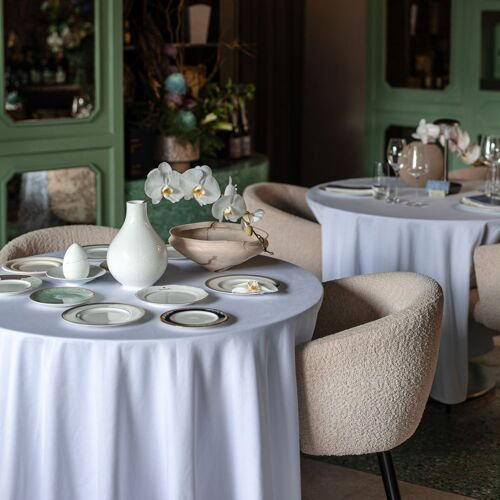
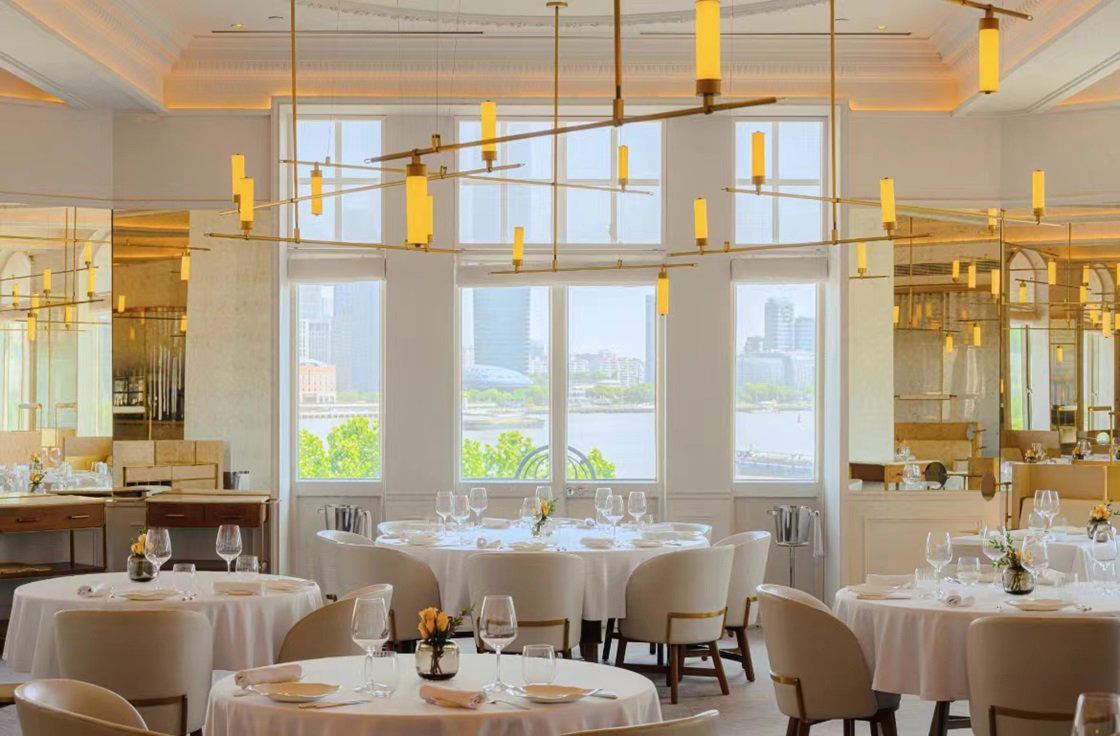
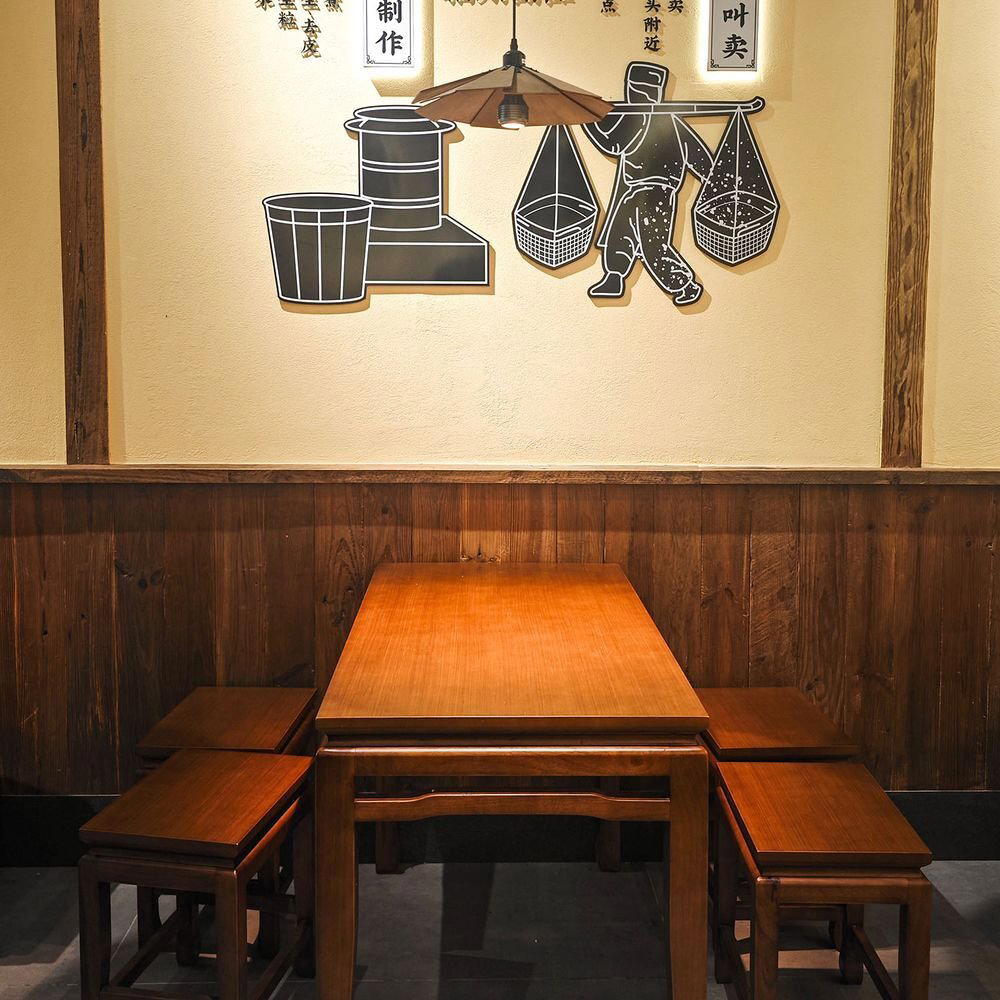
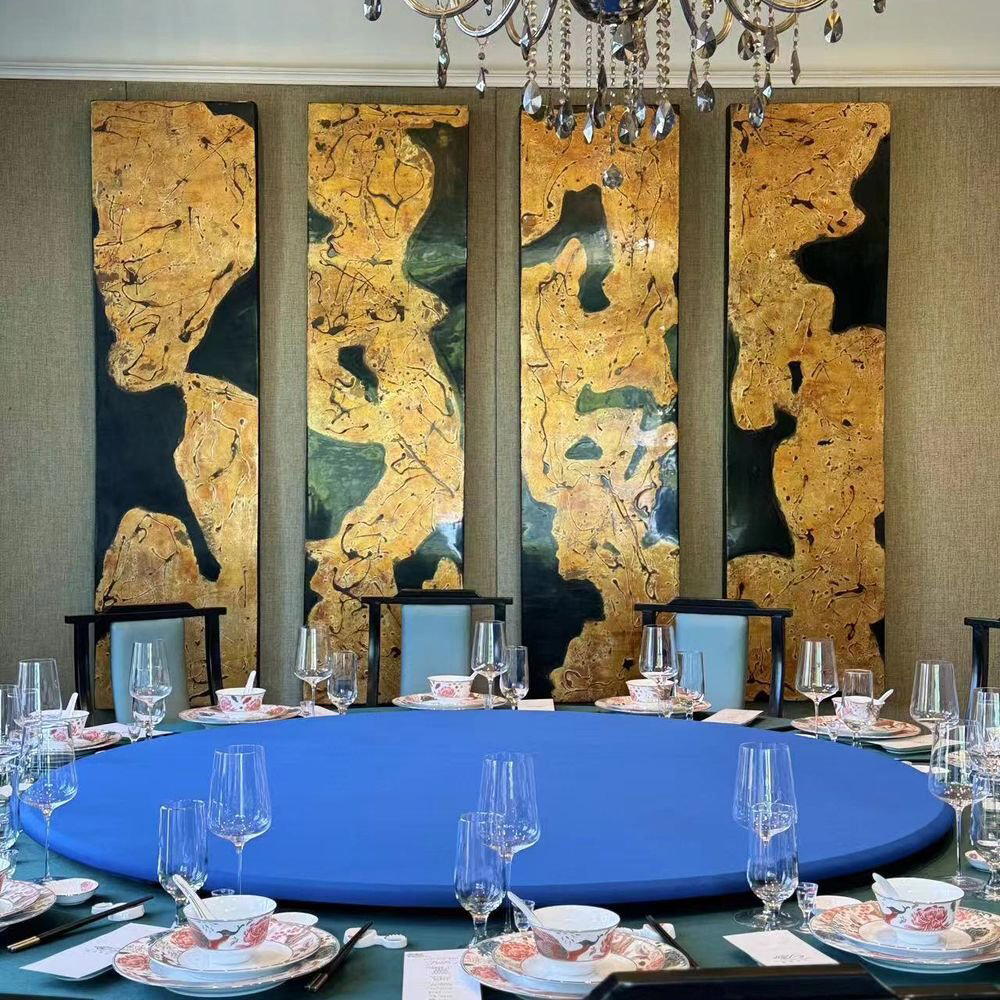
The restaurant occupies a two-storey villa where each of the nine private rooms is individually named after poems from Song dynasty Emperor Huizong, decorated with antique tea ware, creating a quiet, intimate and classically Chinese atmosphere that feels more like a cultured private residence than a hotel banquet hall.