
A Michelin Bib Gourmand recipient in 2024 and 2025, Guan Zhong Wang Shi brings Xi'an hand-pulled noodle craft to Fuzhou's Gulou district. The spartan room and single-price-tier menu make the case that Shaanxi cooking at its most direct is also notable value in the city. The signature biangbiang noodle, dressed in aromatic spiced oil, is the reason to come.
Pearl is the En Primeur Club membership app — saves, bookings, and concierge access live there. Same editors, same standards.
- Address
- China, CN 福建省 福州市 鼓楼区 柳河路 81 81号电影机械厂4座105 邮政编码: 350025
- Phone
- +86 591 8372 5535
- Directions
- Get directions
 Saves & bookings on Pearl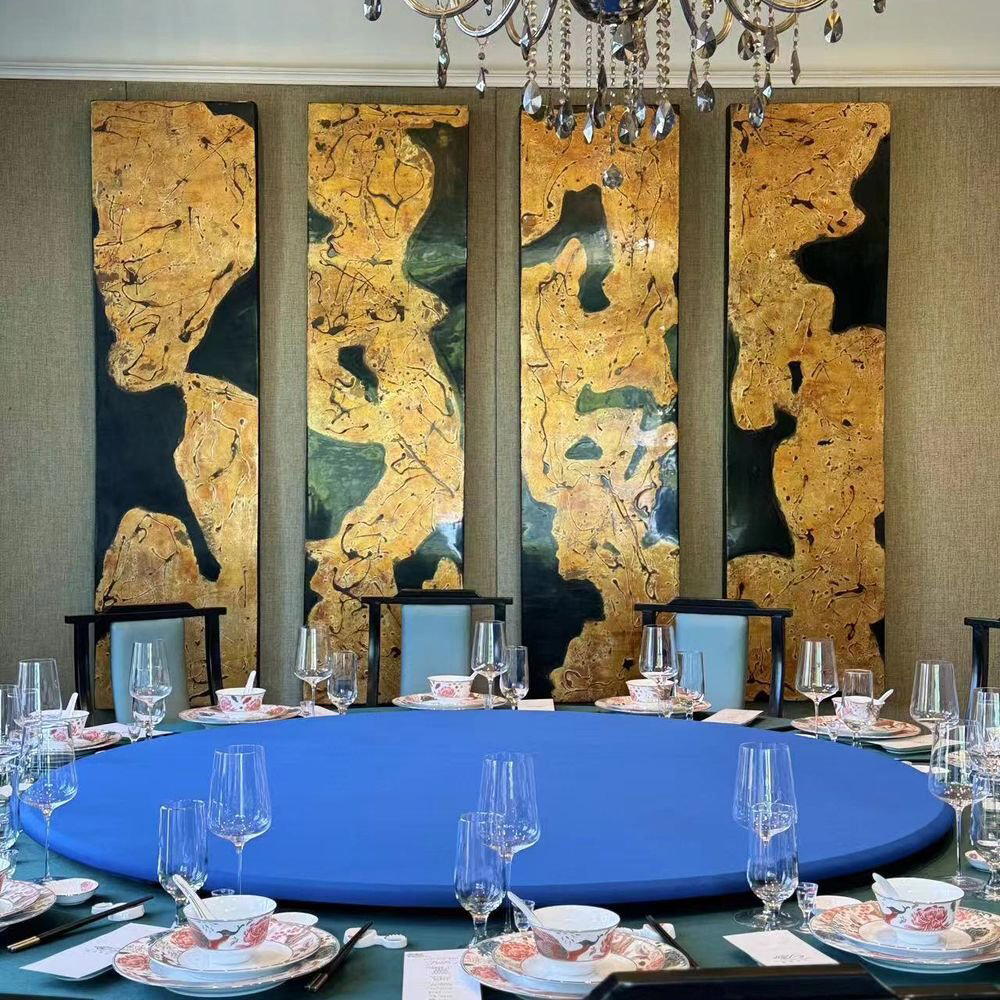
A Single Bowl, a Single Noodle, a Clear Value Case
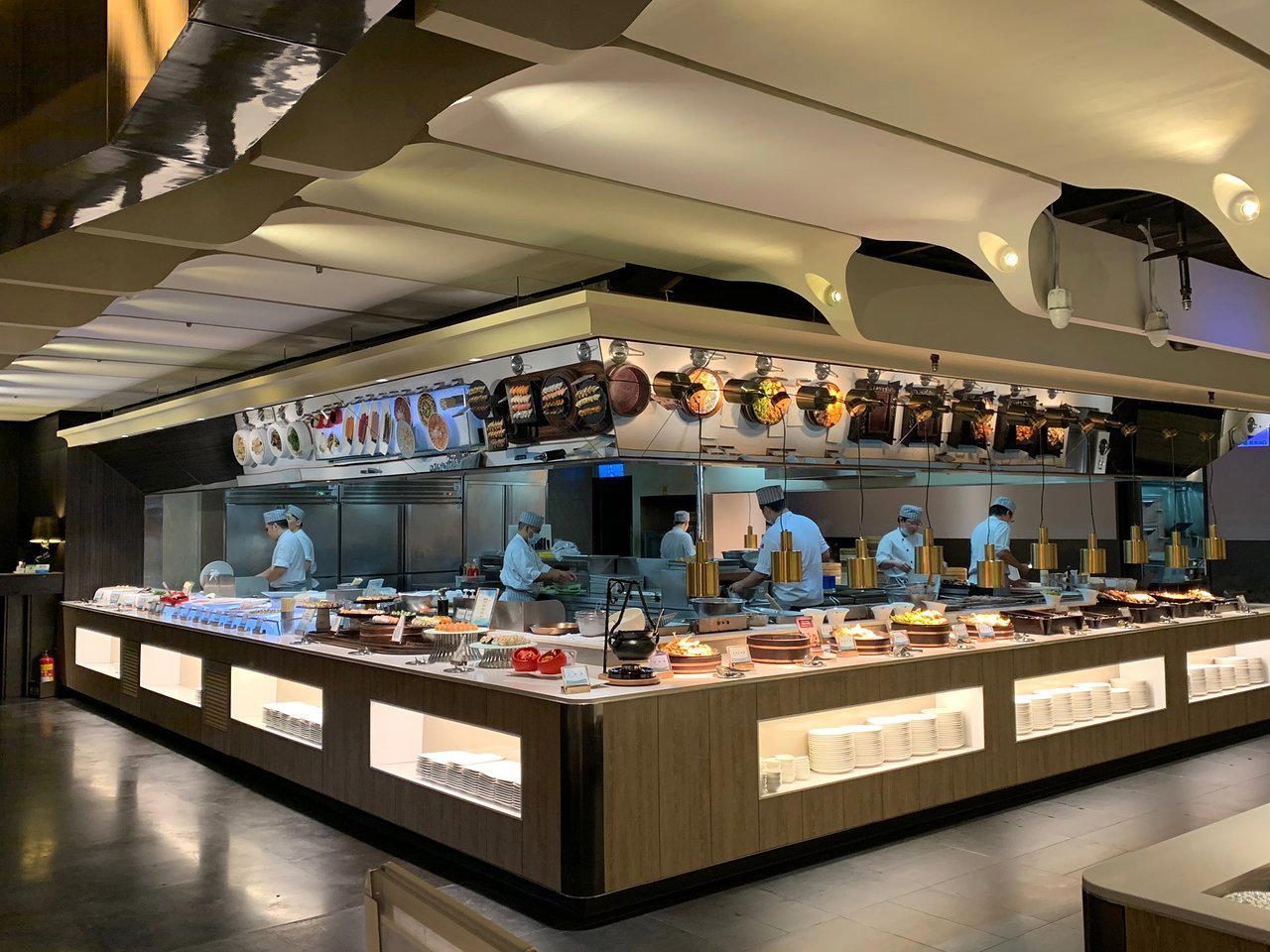
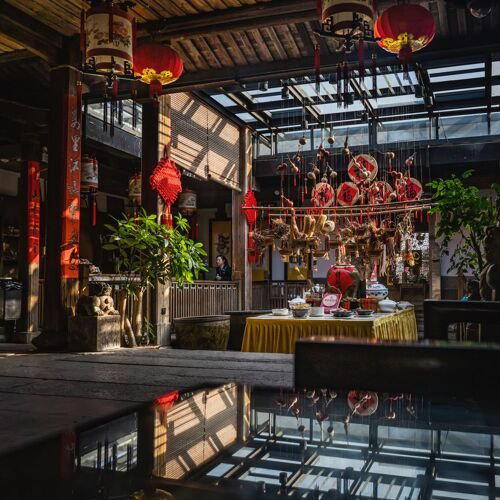
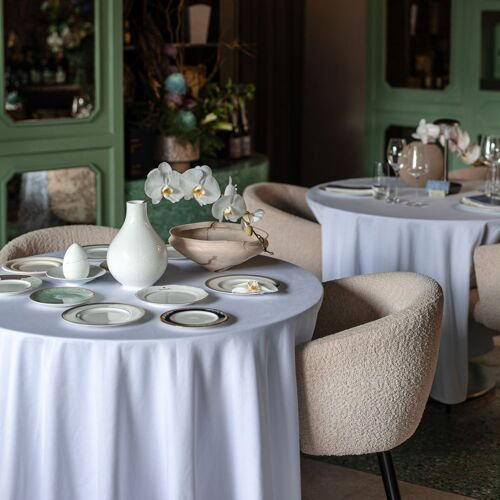
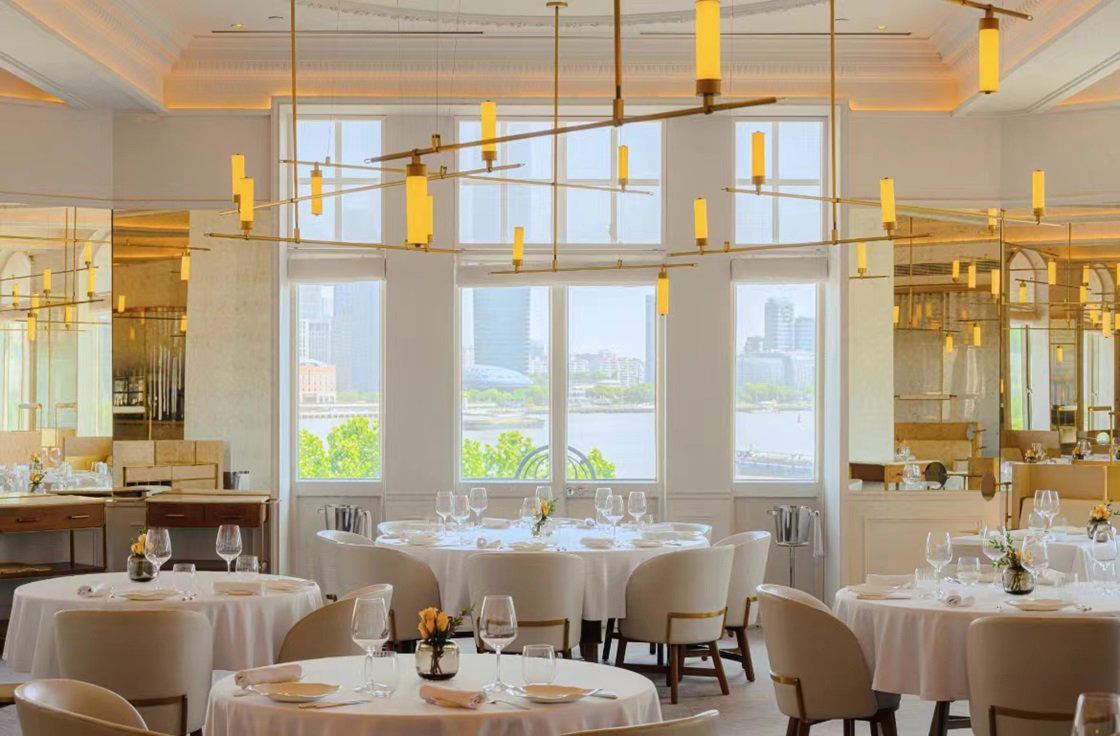
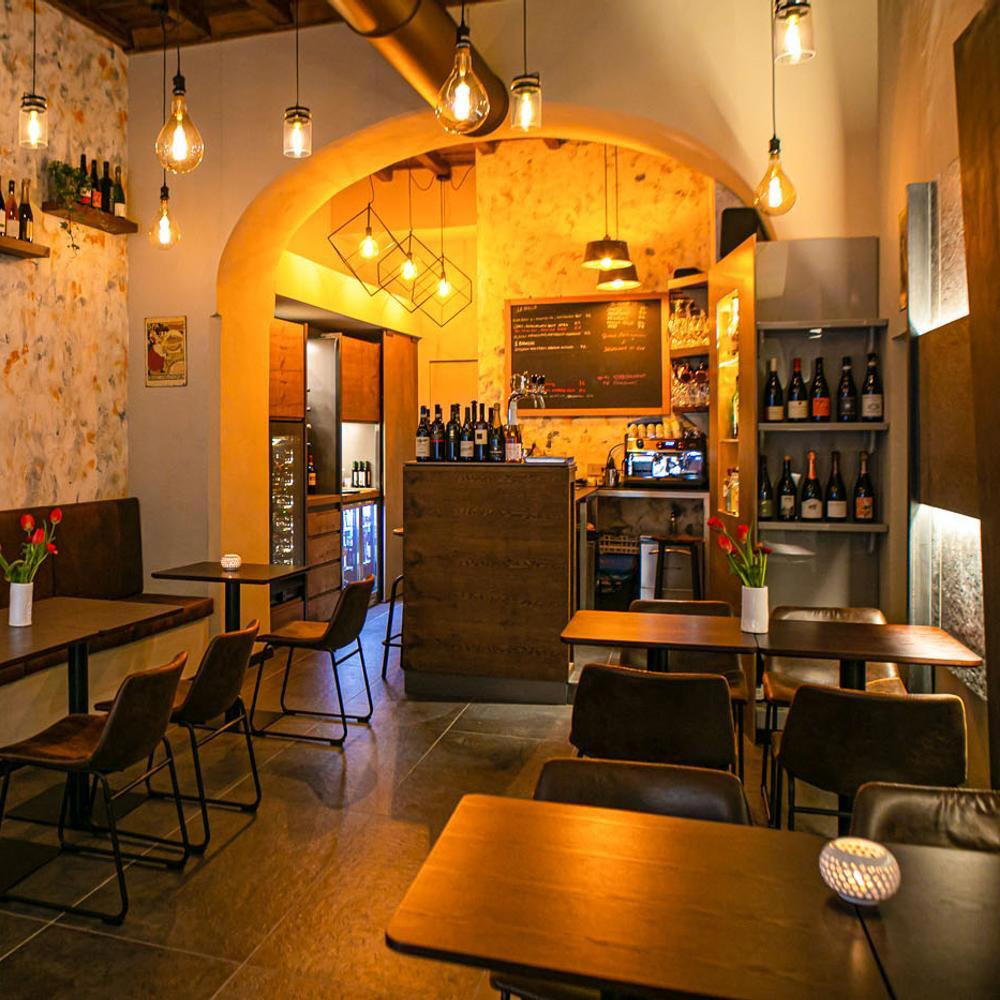
Fuzhou's Gulou district is dense with seafood-forward Fujian cooking, the kind of broth-based tradition that has defined the city's palate for generations. Walk far enough along Liuhe Road, however, and the register shifts. The room at Guan Zhong Wang Shi is sparse and clean, its walls unadorned, its tables without ceremony. This is not a design statement. The money goes into the bowl.
The value argument at the lower end of Fuzhou's dining spectrum has always rested on honesty: what you see is what you eat, and the cooking has to carry the experience without atmosphere or theatre to prop it up. Guan Zhong Wang Shi makes that case without equivocation. Michelin Bib Gourmand recognition in 2024 and 2025 confirms its place in the city's recognised dining tier.
Shaanxi in a Fujian City
China's noodle geography is among the more contested and regionally specific in any food culture. The wheat-based traditions of the northwest, Shaanxi, Gansu, Xinjiang, produce a fundamentally different product from the rice-flour preparations that dominate coastal provinces like Fujian. Biangbiang noodles belong to the Xi'an tradition: wide, hand-pulled belts of wheat dough, named for the sound they make when slapped against the board, thick enough to carry a dressing without dissolving into it.
It is a format almost entirely absent from Fuzhou's restaurant stock, where local noodle culture runs toward thin rice vermicelli in peanut-laced broths or fish-ball soups. The gap that Guan Zhong Wang Shi fills is a real one. The kitchen team arrived from Shaanxi province, and the hand-pulling technique is demonstrated openly. Watching the dough stretched and slapped into a single continuous ribbon before landing in the bowl is part of understanding what the dish actually is, the process and the product are inseparable.
What the Bowl Delivers
The format at the restaurant is minimal by design. The biangbiang presentation is a single long noodle in a bowl, not a bundle of shorter strands, not a portion divided for convenience. That single ribbon is dressed with a spiced oil that coats evenly rather than pooling, carrying Shaanxi's signature fragrant heat through every part of the noodle. Cabbage, bean sprouts, and chives provide textural contrast: fresh, crisp, and deliberately uncooked, so they hold against the warmth of the oil rather than wilting into it.
The noodle itself is toothsome, resisting cleanly before yielding, without gumminess. That quality is the mark of correct hydration and sufficient hand-working of the dough, and it is precisely what separates hand-pulled noodles from machine-cut versions at the same price point. For a single-digit renminbi outlay, the craft level is inconsistent with the price, which is the value proposition in its plainest form.
For noodle eating across China at a similar price tier, other inexpensive, craft-focused, regionally specific bowls occupy related positions in their own cities. What distinguishes the restaurant is the degree to which the product is a transplant rather than a local adaptation: the kitchen is not interpreting Xi'an cooking for Fuzhou tastes but reproducing it with a Shaanxi crew.
Where It Sits in Fuzhou's Price Tiers
Fuzhou's Michelin-recognised dining spans a wide cost range. At the mid-tier, restaurants like Hou Jie Lao Hua (216 Tonghu Road) and Hou Jie Lao Hua (Yadao Lane) hold Bib Gourmand recognition alongside seafood specialists like Rong Ji Hai Xian Lao Hua in Cangshan and Wei Rong Lao Hua. These represent the city's accessible, award-confirmed tier, strong cooking at prices that do not require a reservation budget decision. The restaurant occupies the same bracket, but with a distinct cuisine identity: none of its Bib Gourmand peers are doing northwest Chinese wheat-noodle work.
The contrast with Fuzhou's upper end is instructive. Starred addresses and higher-price-tier Fujian cooking, or the kind of refined Chinese dining found at venues like Xin Rong Ji in Beijing, Imperial Treasure in Guangzhou, or Chef Tam's Seasons in Macau, operate on a fundamentally different logic of service, space, and spend. The restaurant makes no argument in that direction. Its ambition is vertical rather than lateral: do one thing at the highest possible standard for the lowest defensible price. The Bib Gourmand, by design a recognition of quality-to-value ratio, is the appropriate award for that ambition.
For a Fujian-forward neighbourhood lunch, A Xin Xian Lao on Gongnong Road is also worth considering in the same outing.
Planning a Visit
The restaurant is located at 81 Liuhe Road in Gulou district, within the 350025 postcode zone. The price tier is single-¥, placing most orders well under ¥50 per person. Given the format, the practical approach is to arrive early, particularly around meal peaks. The spartan interior keeps turnover moving, but the Michelin recognition has increased foot traffic from visitors seeking out the address specifically. Mornings and early lunches tend to be the more manageable windows.
Reputation First
Comparable venues nearby, for context on price, style, and recognition.
| Venue | Cuisine | Price | Awards | Notes |
|---|---|---|---|---|
| Guan Zhong Wang ShiThis venue — the venue you are viewing | Shaanxi Hand-Pulled Noodles | $ | Bib Gourmand | Not listed |
| Shan Hai Nan Yan | Fujianese with Cantonese influences | $$ | Bib Gourmand | Taijiang |
| Xingxian (Mawei) | Traditional Fujian Seafood | $$ | Bib Gourmand | Mawei District |
| Mei Ya Bo Hua Sheng Tang | Traditional Fuzhou Peanut Soup and Desserts | $ | Bib Gourmand | Taijiang |
| Hou Jie Lao Hua (Yadao Lane) | Fuzhou Lao Hua Noodles | $ | Bib Gourmand | Gulou |
| Min Shi Fu | Fujian Live Seafood | $$ | Bib Gourmand | Gulou |
Recognition history
Dated appearances from independent guides and award organizations, with the underlying list record or original source where available.
Michelin Bib Gourmand
Michelin
Michelin Bib Gourmand
Michelin
Michelin Bib Gourmand
Michelin
At a Glance
- Rustic
- Cozy
- Intimate
- Casual Hangout
- Solo
- Standalone
Spartan, clean, and rustic room with minimal decoration; warm and unpretentious atmosphere designed for casual dining.