
Wei Rong Lao Hua is one of Fuzhou's most-recognised lao hua noodle counters, holding consecutive Michelin Plate awards in 2024 and 2025. Stationed in the Liming commercial district of Gulou, the shop draws a steady crowd from morning through to late evening with fresh seafood, meats, offal, and a pork broth built for dipping with deep-fried dough sticks. Budget-friendly and no-reservations, it is a reliable address for the city's defining noodle tradition.
Pearl is the En Primeur Club membership app — saves, bookings, and concierge access live there. Same editors, same standards.
- Address
- 26 Fuer Rd, 黎明商圈 Gulou District, Fuzhou, Fuzhou, Fujian, China, 350025
- Phone
- +86 138 0506 0712
- Directions
- Get directions
 Saves & bookings on Pearl
Gulou's Noodle Culture, Served Without Ceremony
In Fuzhou, the lao hua noodle shop is not a novelty or a heritage revival project. It is infrastructure. The city runs on thin, hand-pulled rice noodles submerged in opaque pork broth, topped with whatever the market delivered that morning, eaten fast at communal tables before the working day begins. Wei Rong Lao Hua, at 26 Fuer Road in the Liming commercial district of Gulou, sits inside that tradition without apology. There are no tasting menus, and no printed credentials mounted on the wall. The Michelin Plate recognitions, awarded consecutively in 2024 and 2025, are the city's way of formally acknowledging what the neighbourhood already knew.
The Liming District as Context
Gulou is Fuzhou's commercial and administrative core, and the Liming commercial circle within it is the kind of district that sustains a noodle shop year-round rather than seasonally. Office workers, market vendors, students, and weekend families all pass through. The noodle shops that survive and thrive here do so because they are genuinely useful: open long hours, priced at the bottom of the market, and consistent enough to anchor a daily habit. Wei Rong sits in that operating model. The shop runs from morning through to late in the evening, making it accessible across more of the day than many comparable counters in the city. That extended-hours format is itself an editorial signal: this is not a destination for one carefully choreographed sitting; it is a place built into the rhythm of a neighbourhood.
For visitors arriving from outside Fuzhou, the Liming area is worth understanding before arrival. The noodle shops clustered here, including several that compete directly in the lao hua tier, reflect a local eating culture that has not been reshaped for external consumption. Arriving here places you inside a part of the city that Fuzhou residents actually use.
What Lao Hua Means in Fuzhou
The lao hua category refers to a specific Fuzhou preparation: thin, smooth noodles, typically made from rice flour, served in a pork-bone broth that has been cooked long enough to carry genuine depth without the cloudiness of heavier northern styles. The broth at shops in this tier is not a background liquid. It is the product. Toppings, which range across fresh seafood, braised meats, and offal, are selected individually at the counter, and each component arrives separately, allowing the diner to combine and pace as they choose.
The deep-fried dough stick is not an afterthought in this format. Dipping a length of crisp, airy dough into the pork broth is how the texture contrast gets introduced into what would otherwise be a uniformly soft bowl. It is a structural choice that defines the eating experience at shops like Wei Rong. Michelin specifically notes this technique as the recommended way to engage with the broth. That advice speaks to how embedded this preparation is in the Fuzhou dining culture.
Across the city, lao hua shops differentiate primarily on the quality of their toppings and the depth of their broth. At Wei Rong, the seafood, meat, and offal selections are flagged for freshness and quality at a price point that sits at the lower end of the city's dining range. That combination, fresh market ingredients at budget pricing within a long-hours shop in a working commercial district, is the model that earns consistent return visits rather than one-off pilgrimages.
Placing Wei Rong in the Fuzhou Noodle Tier
Fuzhou has enough dedicated lao hua addresses to constitute a competitive category. Hou Jie Lao Hua (Yadao Lane) and Hou Jie Lao Hua (216 Tonghu Road) occupy the same budget noodle tier, as does A Xin Xian Lao (Gongnong Road), which focuses on fresh ingredients in a similar format. Rong Ji Hai Xian Lao Hua (Cangshan) takes a more seafood-forward position within the same broad category. These shops share a price point, a format, and an audience. What the Michelin Plate distinguishes at Wei Rong is the reliability and consistency of execution across the full toppings range.
The lao hua tradition is specifically a budget-tier, high-frequency format. Wei Rong does not compete with mid-range Fujian restaurants or the city's more formal dining rooms. Its comparable set is the working noodle shop.
The shared characteristic across these addresses is that they are defined by their city's specific noodle preparation, not by fine dining ambition.
Planning a Visit
Wei Rong Lao Hua is a walk-in operation. The shop opens in the morning and runs through to late evening, covering a broader window than most comparable noodle counters. No reservation is required or available. The price range sits at the ¥ tier, meaning a full bowl with toppings should cost well under the threshold of even a modest casual restaurant in Fuzhou. The address is 26 Fuer Road, Liming commercial district, Gulou. The shop draws steady traffic across the full day, with peak pressure likely during standard meal windows, so arriving between those peaks tends to mean shorter waits at the counter.
For those moving between Chinese cities and tracking similar food traditions, Xin Rong Ji (Xinyuan South Road) in Beijing, 102 House in Shanghai, Ru Yuan in Hangzhou, Xin Rong Ji in Chengdu, Chef Tam's Seasons in Macau, and Imperial Treasure Fine Chinese Cuisine in Guangzhou represent the regional range of Chinese dining at various price points.
Standing Among Peers
Comparable venues nearby, for context on price, style, and recognition.
| Venue | Cuisine | Price | Awards | Notes |
|---|---|---|---|---|
| Wei Rong Lao HuaThis venue — the venue you are viewing | Chinese | $ | Michelin Plate | Not listed |
| Chosop | Authentic Sichuan | $$ | Michelin Plate | Taijiang |
| Rong Ji Hai Xian Lao Hua (Cangshan) | Modern Fujian Seafood Lao Hua Noodles | $$ | Michelin Plate | Cangshan |
| Shang Xing | Classic Chaoshan Cuisine | $$ | Bib Gourmand | Gulou |
| Mei Ya Bo Hua Sheng Tang | Traditional Fuzhou Peanut Soup and Desserts | $ | Bib Gourmand | Taijiang |
| Yong Zhou Ji Bian Rou (Jinrong South Road) | Dining | Not listed | Bib Gourmand | Fuzhou |
Recognition history
Dated appearances from independent guides and award organizations, with the underlying list record or original source where available.
Michelin Plate
Michelin
Michelin Plate
Michelin
Michelin Plate
Michelin
At a Glance
- Lively
- Classic
- Well Known
- Casual Hangout
- Solo
- Late Night
- Standalone
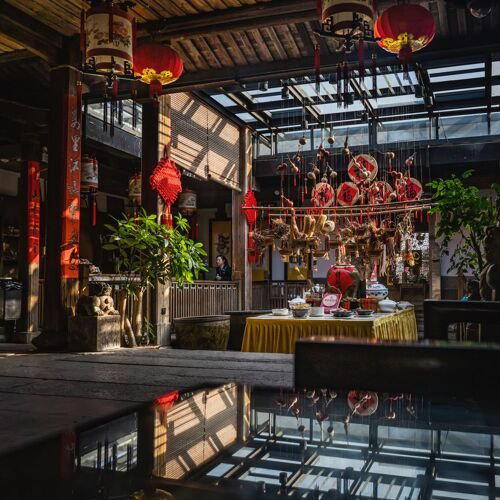
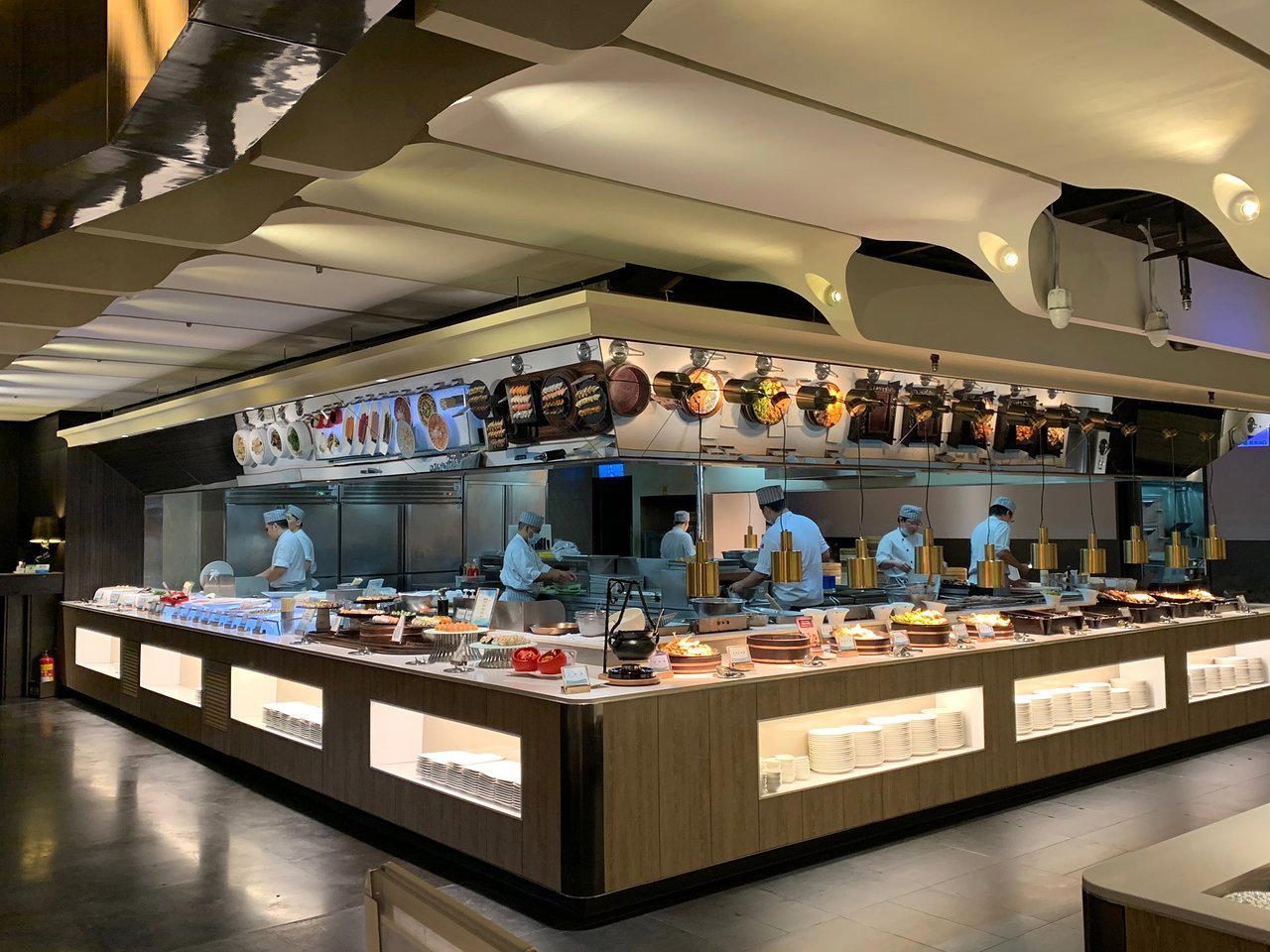
Busy, dense and functional, with a counter-and-table noodle-shop setup focused on fast turnover rather than comfort or decor.