
1 Michelin Star
Our verdict
A Michelin-starred sister to Tei by O'Bond, Wok by O'BOND operates at the sharper end of Taipei's creative tasting menu circuit. The kitchen applies modern French technique to Taiwanese and broader Asian flavour architecture, rotating its themed seasonal menus through forms that rarely resemble their source ingredients. Taiwanese teas and herb-infused cocktails anchor the drinks program with the same conceptual discipline.

Pearl is the En Primeur Club membership app — saves, bookings, and concierge access live there. Same editors, same standards.
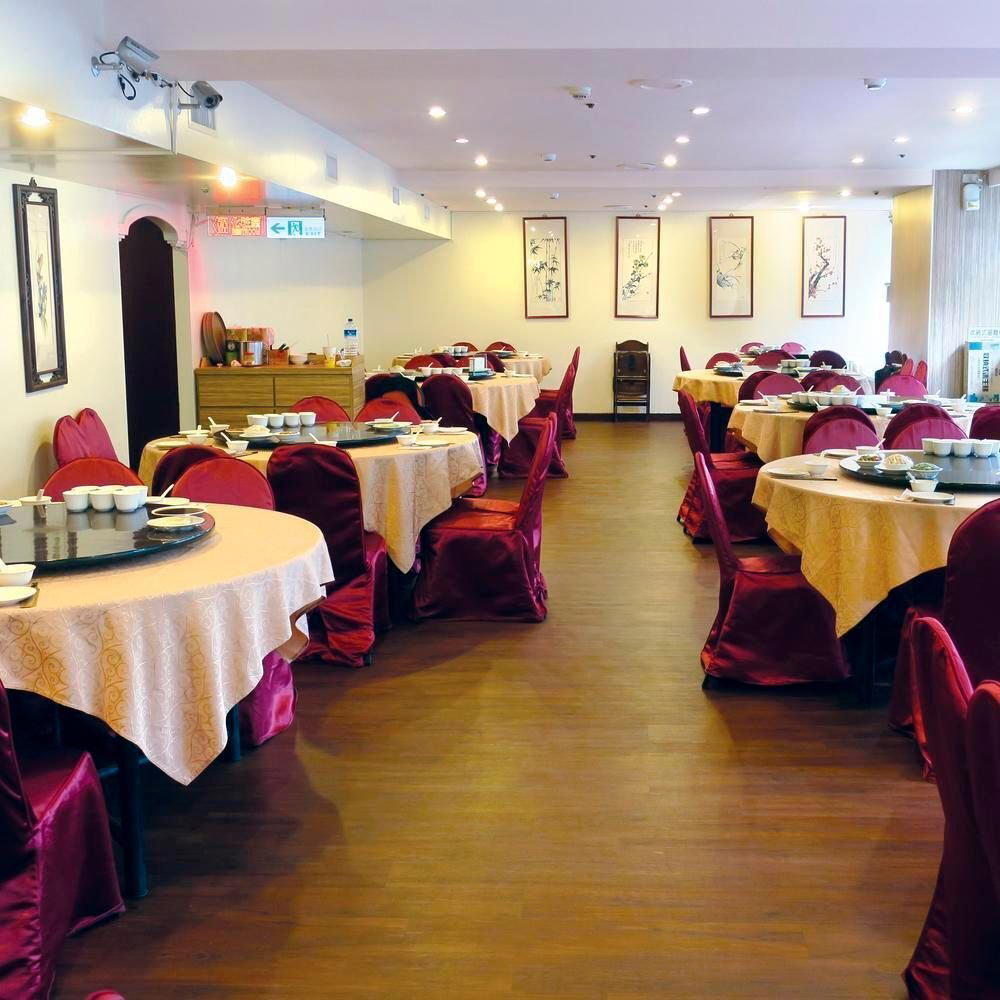
Red Walls, Bare Concrete, and a Room Built for Concentration
The dining room at Wok by O'BOND in Taipei's Zhongshan District reads as a deliberate instruction to pay attention. Dark green velvet seating sits against red walls, accent lighting cuts across bare concrete, and the overall effect is a space stripped of distraction without feeling sparse. It is a particular kind of Taiwanese design confidence: expensive materials used selectively, industrial surfaces left honest, atmosphere achieved through contrast rather than accumulation. The room signals, before the first course arrives, that what follows will ask something of the diner.
That design logic connects directly to the kitchen's approach. Wok by O'BOND shares lineage with Tei by O'Bond, the Taipei bar recognised for its Taiwanese tea cocktails, and the two addresses have built a coherent creative identity across formats. Where Tei established that Taiwanese botanical ingredients could be handled with the same precision as a European bar program, Wok extends that argument into food, using modern French technique as a structural framework for deconstructed Taiwanese and Asian flavours. The result is a tasting menu restaurant that sits within a broader Taipei movement toward indigenous ingredient literacy expressed through European culinary grammar.
Where Wok by O'BOND Sits in Taipei's Tasting Menu Circuit
Taipei's upper tier of tasting menu restaurants has grown considerably more specific over the past decade. Venues like Taïrroir established early that Taiwanese-French fusion could hold Michelin weight, and the category has since fractured into distinct sub-positions: some houses prioritise produce sourcing, others conceptual reinvention, others the theatrical presentation associated with contemporary fine dining internationally. Wok by O'BOND occupies the conceptual reinvention tier, where the primary project is transformation rather than provenance display.
At the $$$ price point, Wok sits one tier below the $$$$ bracket occupied by Taipei comparators such as logy, Le Palais, and de nuit. That positioning is editorially significant: it places Wok in a category where Michelin recognition (the kitchen holds one star as of 2024) represents proportionally strong value relative to peer restaurants priced higher. For a diner building a Taipei creative-dining itinerary, Wok by O'BOND functions as a high-signal, moderate-outlay entry point into the city's most experimental end of the market. Neighbouring creative addresses like Circum-, AKIN, and aMaze occupy similar terrain, giving Zhongshan and the wider city a cluster of restaurants where the competitive pressure is entirely about ideas rather than ingredient cost.
Globally, the model of applying French fine dining structure to non-European flavour traditions has matured into a recognised format. Restaurants like Alléno Paris au Pavillon Ledoyen have explored extraction and transformation as primary techniques, and creative-category houses in cities from Milan (Enrico Bartolini) to Munich (JAN) each work through versions of this same tension between classical structure and local material. Wok's specific contribution is applying that framework to Taiwanese tea culture and the layered umami vocabulary of East Asian cooking, a combination that generates forms recognisably different from what any of its European peers produce.
The Seasonal Menu as Evolving Argument
The tasting menu at Wok by O'BOND changes each season, which is partly logistics and partly editorial position. A rotating seasonal format commits a kitchen to continuous reinvention rather than the refinement of a fixed signature repertoire. For a restaurant whose core project is transformation of familiar flavour into unfamiliar form, seasonal change is not a marketing decision but a structural necessity: the argument about what Taiwanese cooking can become requires new evidence every few months.
This model positions Wok differently from creative tasting menu restaurants that build identity around a stable signature dish set. It rewards return visits explicitly, and it places demands on the kitchen to sustain invention across multiple annual cycles. The 2024 Michelin star functions as a third-party validation that this sustained cycle of reinvention has been executed at a credible level, not merely attempted. Within Taiwan's broader Michelin-starred creative tier, which includes JL Studio in Taichung and the Indigenous-focused approach at Akame in Wutai Township, Wok represents the urban, technique-forward end of the national creative dining spectrum.
For a restaurant running a format that changes four times per year, maintaining that average suggests the structural discipline of the menu holds even as specific content rotates.
The Drinks Program as Second Kitchen
The Taiwanese tea and herb-infused cocktail program at Wok by O'BOND is not ancillary to the food. Given the O'Bond group's origins in tea cocktail development at Tei, the drinks at Wok function as a parallel creative track that applies the same deconstruction logic to liquid form. Taiwanese tea culture produces ingredients of genuine complexity, and the decision to use those ingredients in cocktails rather than simply as a beverage pairing represents a substantive creative choice about what a drinks program can contribute to a tasting menu experience.
This approach has parallels elsewhere in Taipei's bar and restaurant scene. The city's cocktail culture has moved progressively toward local botanical and fermented ingredients as primary material rather than as local colour added to Western formats. Taipei's bar scene now includes addresses operating at a high level of technical specificity with Taiwanese botanical ingredients, and Wok sits within that broader shift rather than operating in isolation from it. For diners interested in that intersection, pairing the restaurant with Taipei's wider bar addresses provides a fuller picture of what the city is doing with its own botanical heritage.
Planning a Visit: How Wok by O'BOND Compares
| Venue | Cuisine Type | Price Range | Michelin (2024) | Format |
|---|---|---|---|---|
| Wok by O'BOND | Creative / Taiwanese-Asian | $$$ | 1 Star | Seasonal tasting menu |
| logy | Modern European / Asian Contemporary | $$$$ | — | Tasting menu |
| de nuit | French Contemporary | $$$$ | — | Tasting menu |
| Set. | Creative | $$$ | Tasting menu | |
| HUGH dessert dining | Dessert-focused | $$$ | Dessert tasting menu |
Wok by O'BOND is located at No. 18, Long Jiang Road, Zhongshan District, Taipei. Zhongshan is one of Taipei's more navigable central districts, with MRT access and a density of dining addresses that makes it a sensible base for a multi-venue evening. For a broader picture of what the city offers across formats, see our full Taipei restaurants guide, our full Taipei hotels guide, our full Taipei bars guide, our full Taipei wineries guide, and our full Taipei experiences guide.
For context on Taiwan's creative dining scene beyond Taipei, GEN in Kaohsiung and A Cun Beef Soup in Tainan illustrate how the island's culinary ambition distributes across its cities. Volando Urai Spring Spa and Resort in Wulai District offers a contrast in format for those extending beyond the urban core.
Frequently asked questions
What should I order at Wok by O'BOND?
The kitchen operates a themed tasting menu that rotates each season, so there is no fixed à la carte selection to navigate. The format is set: you arrive for the current seasonal menu and move through courses that deconstruct Taiwanese and broader Asian flavour references using modern French technique. Given the O'Bond group's established strength in tea-based drinks, ordering from the Taiwanese tea and herb-infused cocktail list rather than treating it as an optional add-on is the logical approach. The cocktail program is a structural part of the creative proposition, not a supplement to it. The kitchen holds one Michelin star as of 2024, which confirms the current seasonal iteration is worth the commitment.
Do I need a reservation for Wok by O'BOND?
For a Michelin-starred creative tasting menu restaurant at the $$$ tier in Taipei, advance booking is the reliable approach. Restaurants in this category operating seasonal rotating menus typically seat a limited number of covers per service, and Michelin recognition since 2024 has added predictable demand pressure. The general pattern for starred tasting menu restaurants in Taipei is that walk-in availability at desirable service times is limited, and the safest window for securing a preferred date is several weeks ahead. If your Taipei itinerary is fixed around specific dates, booking as early as your schedule allows reduces the risk of missing the current seasonal menu entirely.
Cuisine and Credentials
A quick peer check to anchor this venue’s price and recognition.
| Venue | Cuisine | Price | Awards | Notes |
|---|---|---|---|---|
| Wok by O'BONDThis venue (the venue you are viewing) | Innovative Chinese Fusion | Not listed | 1 Michelin Star | Not listed |
| logy | Modern Japanese-Taiwanese Fusion Omakase | $100–150 | 2 Michelin Stars · World's 50 Best #22 | Modern European, Asian Contemporary |
| Le Palais | Fine Dining Cantonese | $150–200 | 3 Michelin Stars · La Liste Top Restaurants | Cantonese |
| Taïrroir | Taiwanese-French Fusion Fine Dining | $150–200 | 3 Michelin Stars · La Liste Top Restaurants | Taiwanese/French, Taiwanese contemporary |
| Mudan Tempura | Michelin-Starred Tempura | Not listed | 2 Michelin Stars · La Liste Top Restaurants | Tempura |
| de nuit | Contemporary French | $150–200 | 1 Michelin Star · Star Wine List | French Contemporary |
Recognition history
Dated appearances from independent guides and award organizations, with the underlying list record or original source where available.
Michelin 1 Star
Michelin
Full recognition history (3 entries)
Michelin 1 Star
Michelin
Michelin 1 Star
Michelin
Continue exploring
More in Taipei
Restaurants in Taipei
All restaurants in Taipei →
Bars in Taipei
All bars in Taipei →
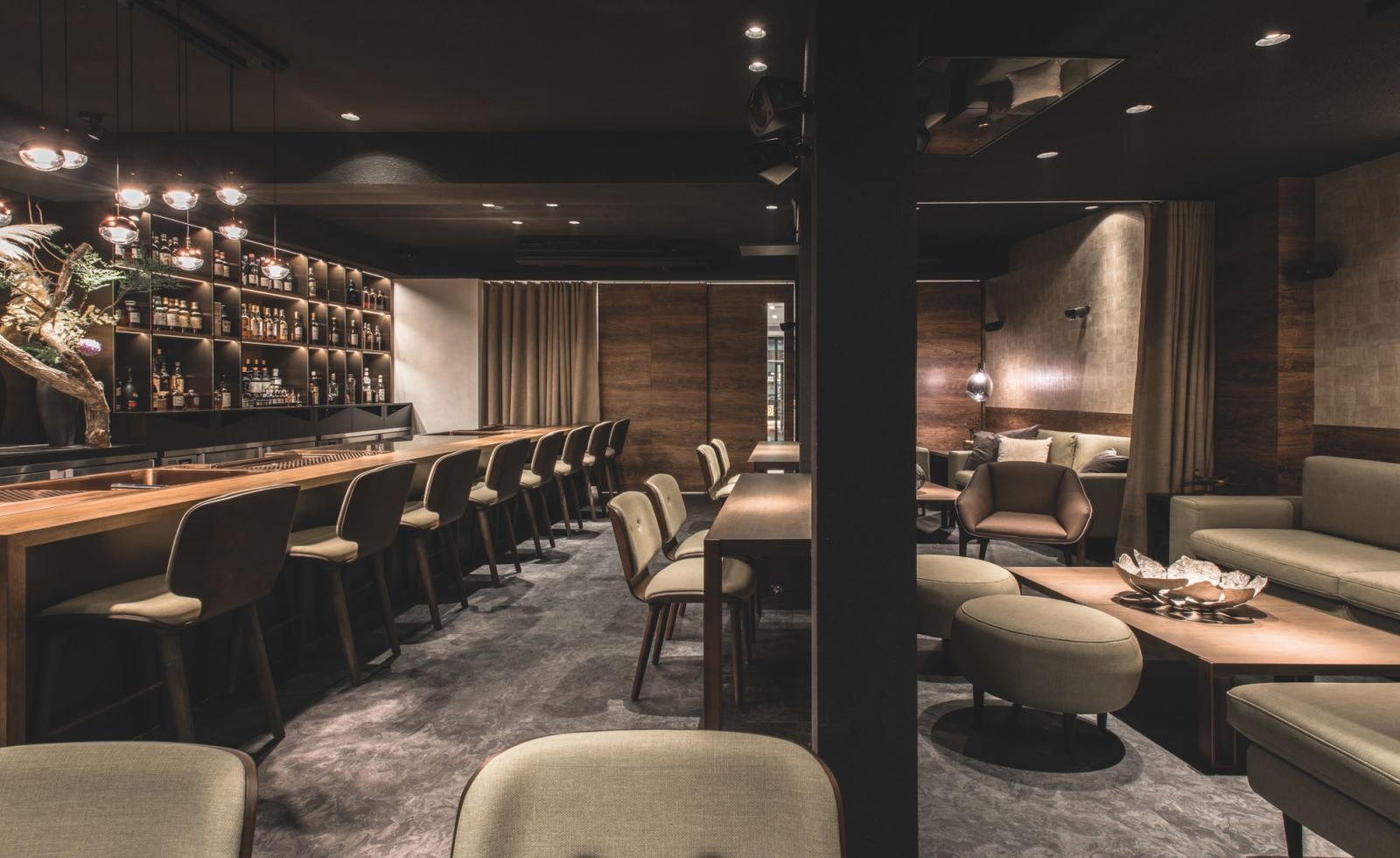
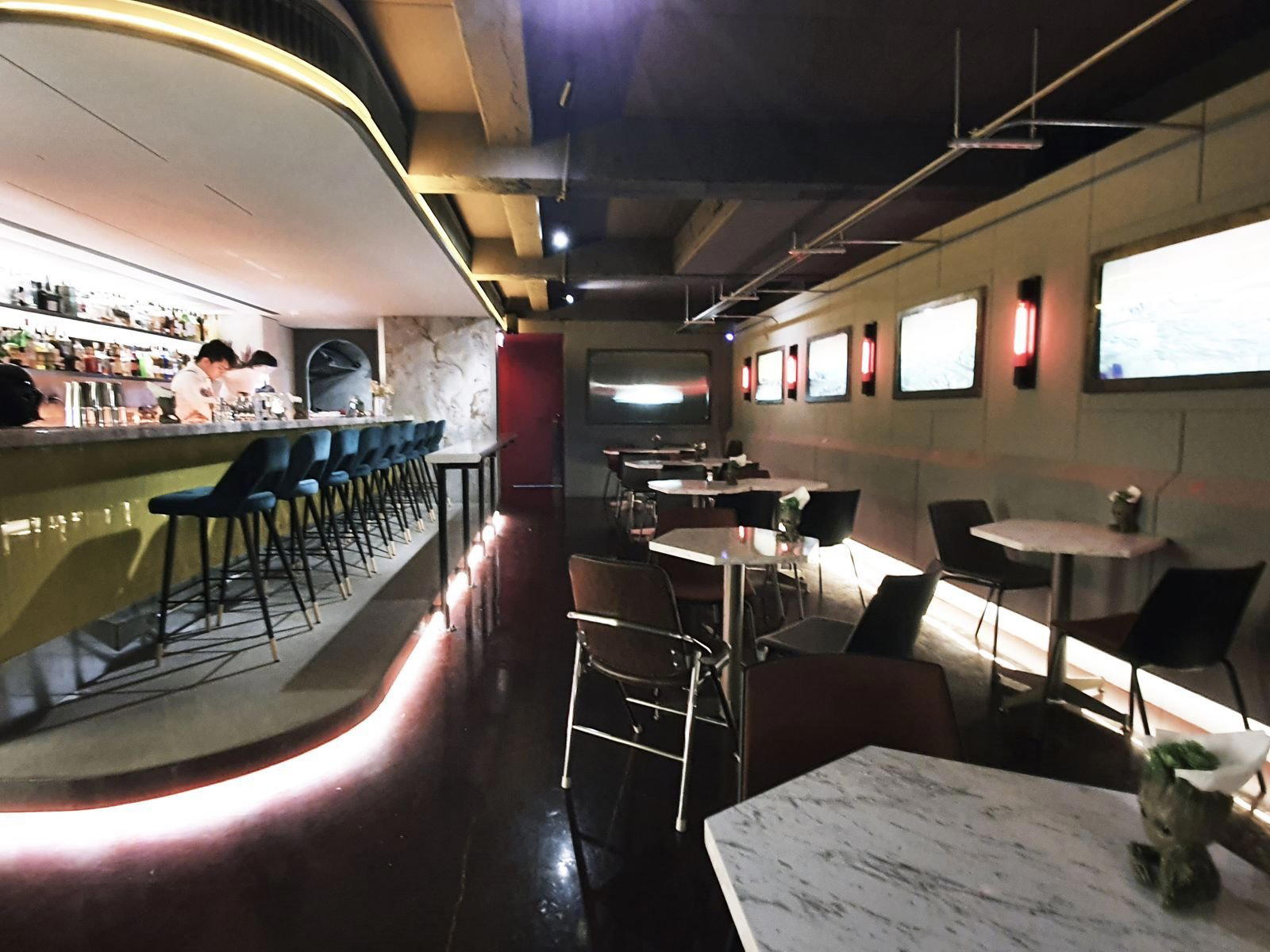
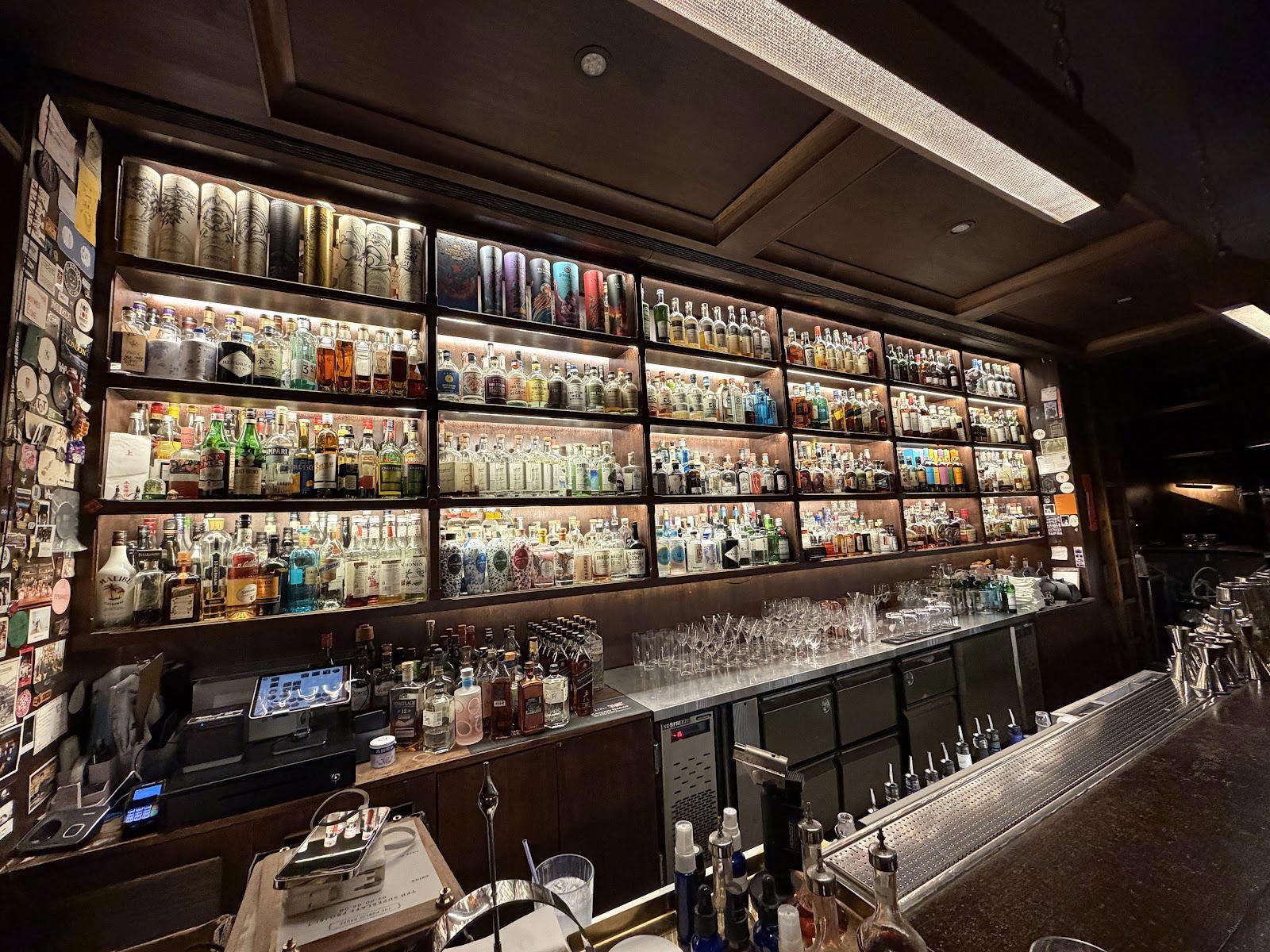
Hotels in Taipei
All hotels in Taipei →
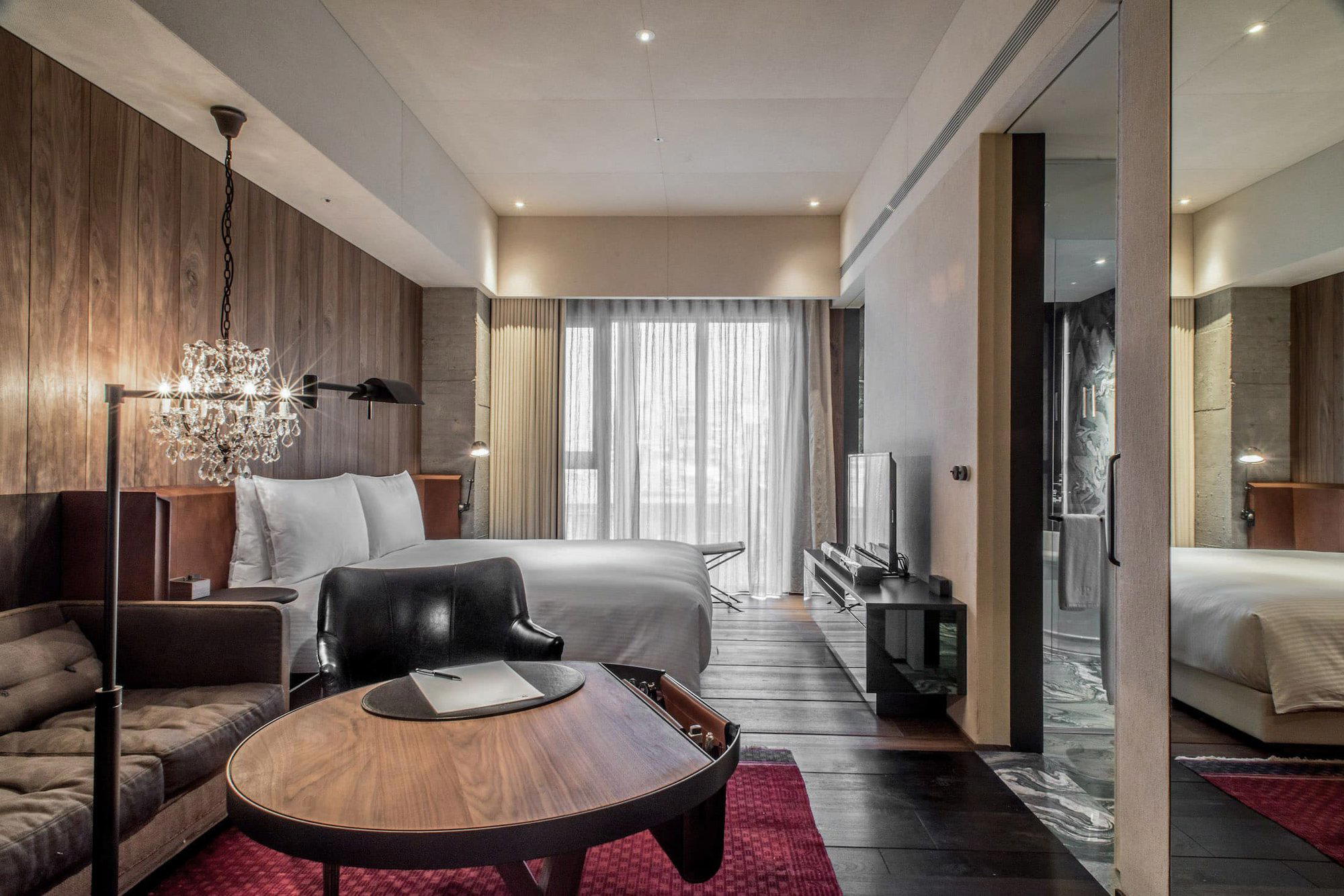
Wineries in Taipei
Browse all →
Details
- Sophisticated
- Elegant
- Quiet
- Modern
- Romantic
- Date Night
- Business Dinner
- Special Occasion
- Standalone
- Craft Cocktails
- Sake Program
- Tasting Menu
- Set Menu
- Cocktails
- Wine
- Champagne
- Sake
Current opening hours
- Monday
- Closed
- Tuesday
- Closed
- Wednesday
- 6–11 PM
- Thursday
- 6–11 PM
- Friday
- 6–11 PM
- Saturday
- 6–11 PM
- Sunday
- 6–11 PM
Hours can change for holidays and private events. Last verified .
Refined and polished, with a quiet, formal dining room that feels relaxed yet deliberate; reviews mention a dark green and vermilion palette and a carefully staged atmosphere.