
1 Michelin Star
Our verdict
A Michelin Plate recipient in 2024 and 2025, aMaze on Mingshui Road brings over three decades of Hangzhou and Jiangzhe culinary tradition into conversation with European technique. Chef Jim Yang's 10-course set menu works through home-style recipes reinterpreted with ingredients less common in Chinese kitchens, including saffron, cheese, and Japanese seaweed. Tea pairings complete the format.

Pearl is the En Primeur Club membership app, where members save venues, book tables and use the concierge.
The menu
What to order
- Fish Ball | Softshell Turtle | Bamboo Shoot
- Ginger duck and fish ball
- Fresh crab and prawn noodles
- Black pepper wagyu
Where Jiangzhe Tradition Meets the European Pantry
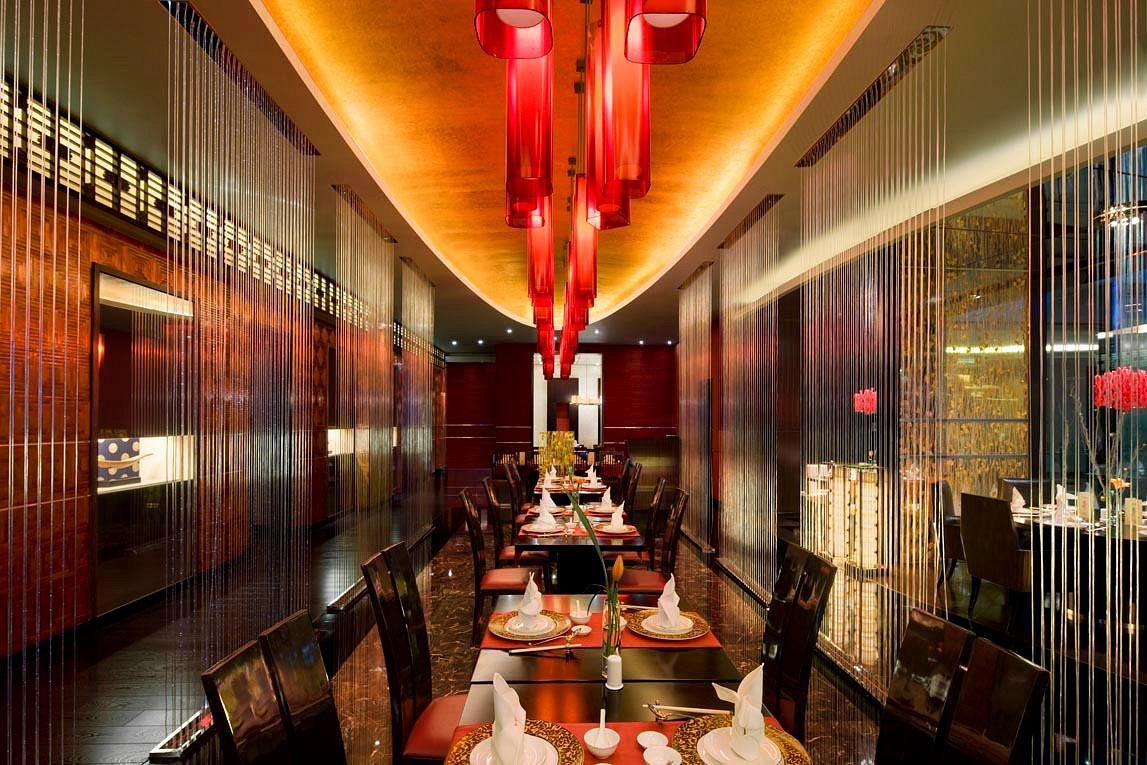
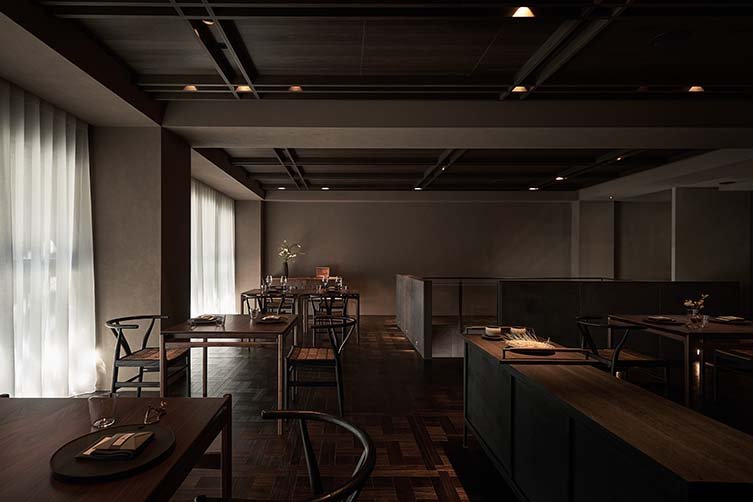
On Mingshui Road in Zhongshan District, the restaurant's exterior gives little away. The façade reads austere, even anonymous, in the way that certain serious Taipei dining rooms deliberately resist signalling from the street. Step inside, and the register shifts entirely: warm wood panelling, art commissioned from local Taiwanese artists, and a plush interior that positions aMaze closer to a contemporary gallery dining room than the clinical minimalism common in high-end Chinese restaurant design across the region. That contrast, spare exterior, generous interior, is a reasonable metaphor for what happens on the plate.
Taipei's creative fine-dining category has grown considerably across the last decade, with the city's Michelin selection now running from three-star Cantonese institutions like Le Palais and three-star Taiwanese-French hybrids like Taïrroir down through a competitive Plate-level tier where distinct culinary propositions jostle for attention. aMaze occupies a specific and somewhat unusual position in that field: a chef with more than 30 years of experience in Hangzhou and Jiangzhe cooking, working a 10-course format that folds European technique directly into the canon of eastern Chinese home-style recipes. That is not the Taiwanese-French crossover formula that defines much of the city's creative fine dining, nor is it the Cantonese luxury register. It is something narrower, and arguably more specific.
A Technique of Crossing
The intersection of imported method and regional Chinese tradition is one of the more contested spaces in contemporary Asian dining. Done at scale, or without culinary confidence, it produces confusion rather than coherence. The more persuasive version of this approach treats European technique as a tool for precision and preservation rather than prestige, applying it to ingredients and flavour logics already embedded in the source cuisine. Across the wider Taiwan dining scene, this crossover runs in several directions: JL Studio in Taichung works Singaporean-European fusion with two Michelin stars, while GEN in Kaohsiung brings its own southern Taiwan perspective. In Taipei specifically, venues like Circum- and AKIN represent the creative contemporary tier from different angles. aMaze approaches the question through the lens of a single chef's accumulated knowledge of Jiangzhe cuisine and a deliberate choice to introduce non-traditional ingredients, saffron and cheese among them, alongside Japanese seaweed, into a framework that remains rooted in eastern Chinese flavour logic.
That ingredient list is worth sitting with. Saffron does not appear in classical Hangzhou cooking. Cheese is broadly absent from Chinese culinary tradition. Japanese seaweed, while geographically proximate, carries its own distinct umami register. The choice to bring these elements into a 10-course menu structured around Jiangzhe home recipes signals that the kitchen is not performing fusion for novelty's sake but testing which European and Japanese pantry items can hold a coherent conversation with the techniques and textures of that specific regional tradition. For comparison points in the broader creative format, Alléno Paris au Pavillon Ledoyen and Arpège in Paris each demonstrate how deeply a kitchen can commit to a single culinary logic while absorbing global influences; Cocina Hermanos Torres in Barcelona shows a similar depth of regional rootedness in a creative format. aMaze operates at a different scale and recognition level, but the underlying question it is asking, what does technique transfer do to tradition, is the same one animating those rooms.
The Tea Pairing as Structural Argument
Tea pairings at the level of serious wine pairing remain rare in fine dining outside of a handful of dedicated practitioners, and they function differently from beverage pairings built around alcohol. Tea's aromatic range, its tannin structure, and its capacity to cleanse and reset the palate are well understood in Chinese culinary culture but less frequently deployed as a formal pairing discipline. At aMaze, the tea pairing is described in the Michelin citation as integral to the menu rather than supplementary, bringing out the qualities of individual courses rather than simply accompanying them. That decision fits the broader framework: if you are working from Jiangzhe tradition and introducing European ingredients, pairing with tea rather than defaulting to wine keeps the beverage logic consistent with the culinary logic of the menu.
For Taipei diners already familiar with the dessert-led format at HUGH dessert dining or the tighter contemporary format at Set., aMaze offers a longer, more explicitly narrative format: 10 courses constructed as autobiography, each dish drawing on a specific episode or period in the chef's relationship with Jiangzhe cooking. That biographical structure is common in premium tasting menus globally but less frequent in Chinese fine dining, where the cuisine's own historical weight tends to carry the narrative. Here, the chef's 30-plus years of accumulated experience in this specific regional tradition becomes the editorial through-line.
Zhongshan District and What the Neighbourhood Signals
Zhongshan District has developed into one of Taipei's more concentrated zones for serious dining and creative venues, with a mix of international hotels, long-running local institutions, and newer format-driven restaurants occupying the area between the main boulevard and the riverside. The address on Mingshui Road places aMaze in the district's northern section, accessible by MRT with Xingtian Temple and Zhongshan stations both within reasonable distance. For broader Taipei planning, our full Taipei restaurants guide maps the city's dining tiers across neighbourhoods, and our full Taipei hotels guide covers accommodation options across the city's districts. Those planning to drink well around dinner will find our Taipei bars guide and wineries guide useful, along with our Taipei experiences guide for broader programming. Further afield in Taiwan, A Cun Beef Soup in Tainan and Akame in Wutai Township represent the range of serious eating available outside Taipei, while Volando Urai Spring Spa and Resort in Wulai District sits close enough for a day trip from the capital.
Planning a Visit
aMaze carries a Michelin Plate in both 2024 and 2025, placing it in the recognised tier below starred rooms. The price range sits at the upper end of Taipei dining ($$$$), consistent with a 10-course set menu format. The Mingshui Road address in Zhongshan District is direct to reach by MRT. Also worth considering alongside aMaze in the creative Taipei tier are Wok by O'BOND, which brings its own distinct angle to the high-end Chinese cooking conversation.
Frequently asked questions
Is aMaze better for a quiet night or a lively one?
The format points toward a quiet, considered evening. A 10-course set menu built around Chef Jim Yang's personal narrative, with structured tea pairings chosen to complement each course, leaves little room for the kind of ambient energy you'd find at a la carte venues. The Michelin Plate recognition in both 2024 and 2025 underlines a room that rewards attention rather than occasion noise.
What's the price range at aMaze?
Pricing at aMaze is listed as $$$$.
What's aMaze known for in terms of accolades?
aMaze has received recognition including: Michelin Plate (2025); In contrast with the austere façade, the plush interior is adorned with warm wood and colourful art by local artists. Chef Jim Yang has been cooking Hangzhou and Jiangzhe fare for over 30 years. In his 10-course set m….
What do people recommend at aMaze?
There is no a la carte menu to pick from: aMaze runs a single 10-course set that traces Chef Jim Yang's thirty-plus years cooking Hangzhou and Jiangzhe food, with European techniques and less common ingredients such as saffron, cheese, and Japanese seaweed threaded through home-style recipes. The tea pairing is specifically cited in the Michelin citation as integral to the experience, making it the one element guests consistently highlight.
Cost and Credentials
Comparable options at a glance, pulled from our tracked venues.
| Venue | Cuisine | Price | Awards | Notes |
|---|---|---|---|---|
| aMazeThis venue (the venue you are viewing) | Modern Jiangzhe Fine Dining | $150–200 | 1 Michelin Star | Not listed |
| logy | Modern Japanese-Taiwanese Fusion Omakase | $100–150 | 2 Michelin Stars · World's 50 Best #22 | Modern European, Asian Contemporary |
| Le Palais | Fine Dining Cantonese | $150–200 | 3 Michelin Stars · La Liste Top Restaurants | Cantonese |
| Taïrroir | Taiwanese-French Fusion Fine Dining | $150–200 | 3 Michelin Stars · La Liste Top Restaurants | Taiwanese/French, Taiwanese contemporary |
| Mudan Tempura | Michelin-Starred Tempura | Not listed | 2 Michelin Stars · La Liste Top Restaurants | Tempura |
| de nuit | Contemporary French | $150–200 | 1 Michelin Star · Star Wine List | French Contemporary |
Recognition history
Dated appearances from independent guides and award organizations, with the underlying list record or original source where available.
Michelin 1 Star
Michelin
Full recognition history (3 entries)
Michelin 1 Star
Michelin
Michelin Plate
Michelin
Continue exploring
More in Taipei
Restaurants in Taipei
All restaurants in Taipei →
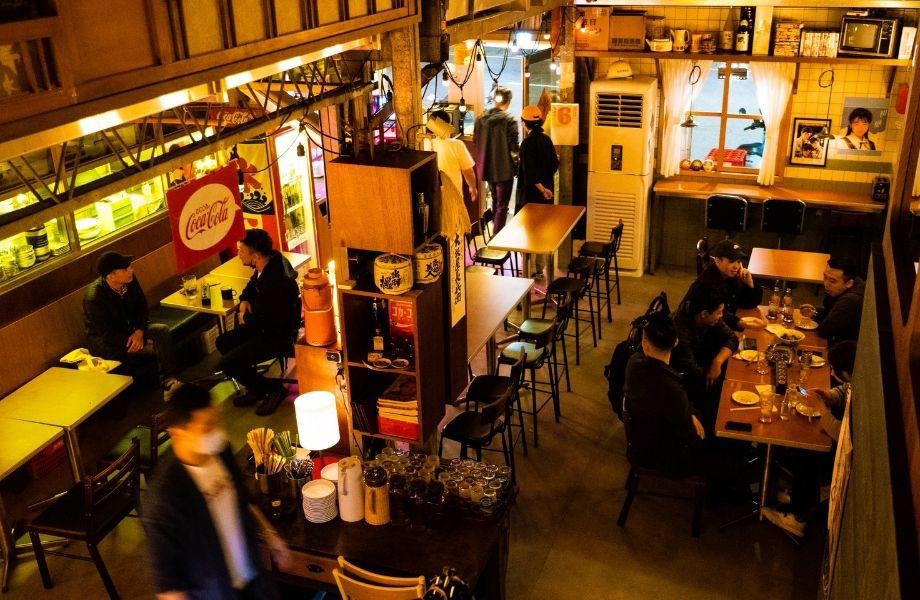
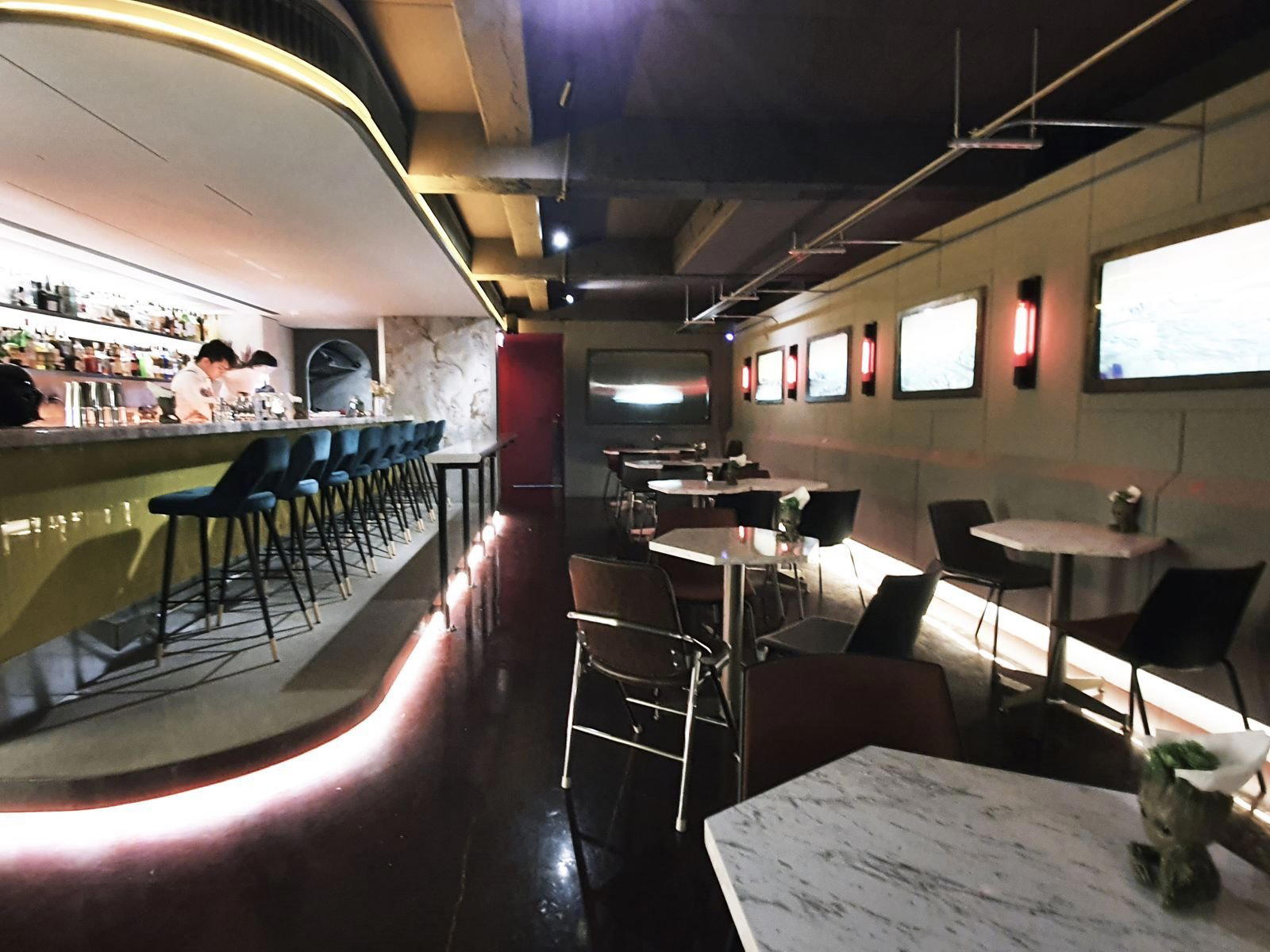
Bars in Taipei
All bars in Taipei →
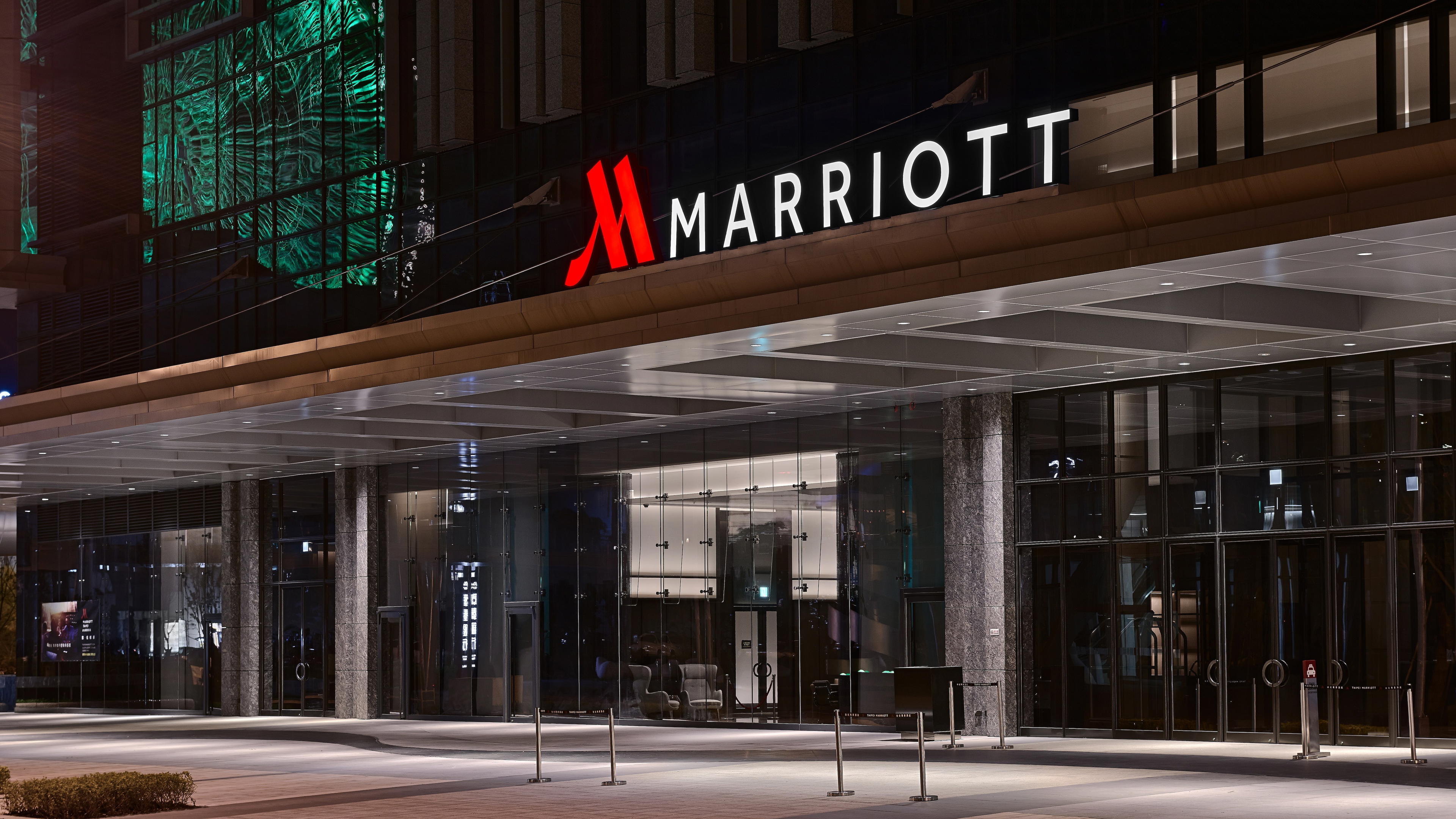
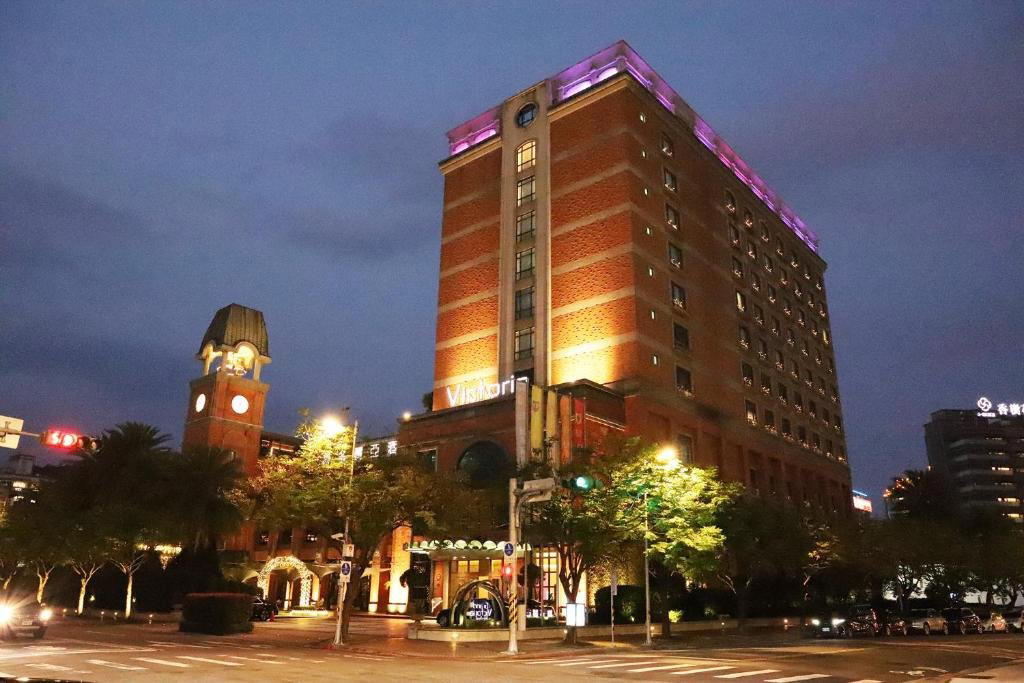
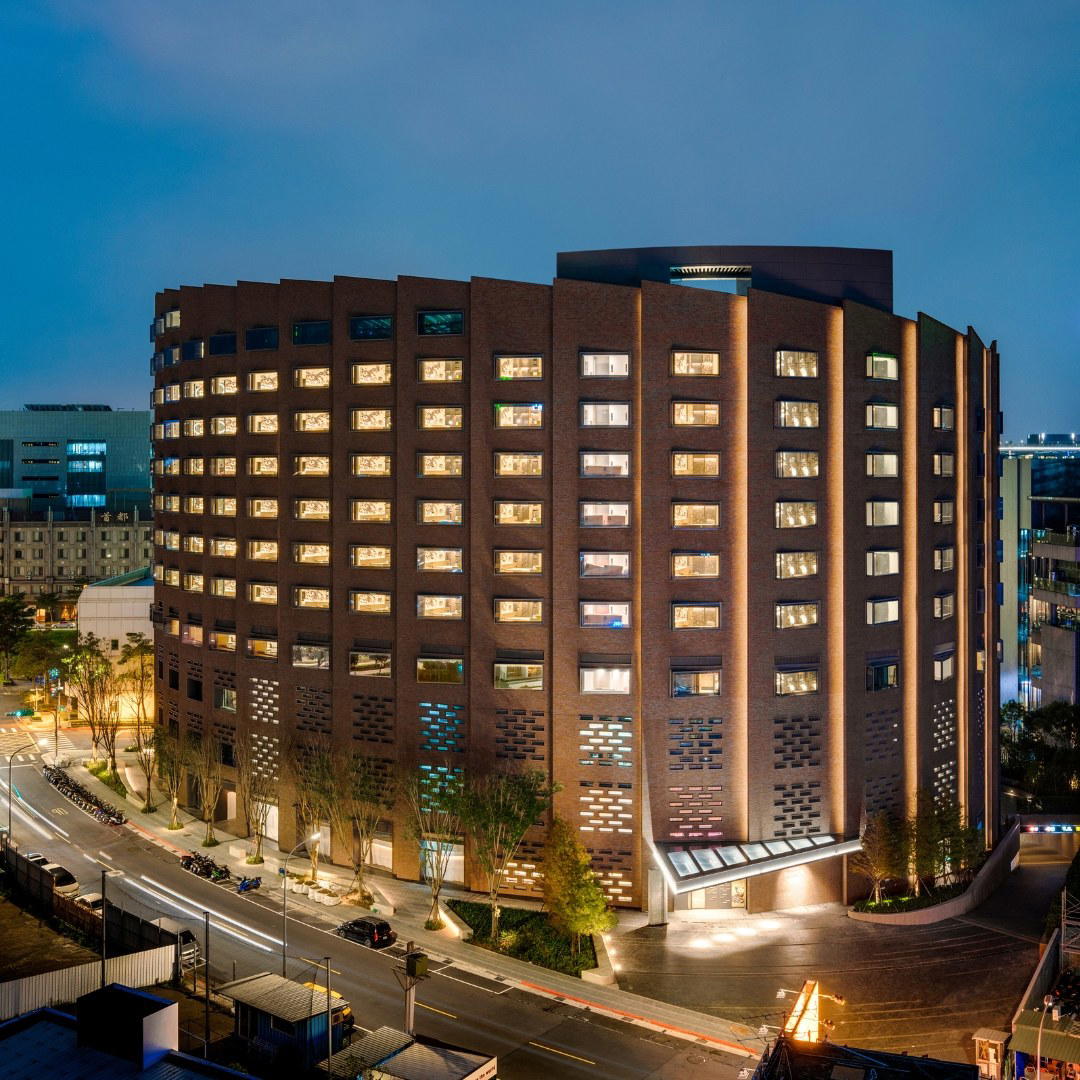
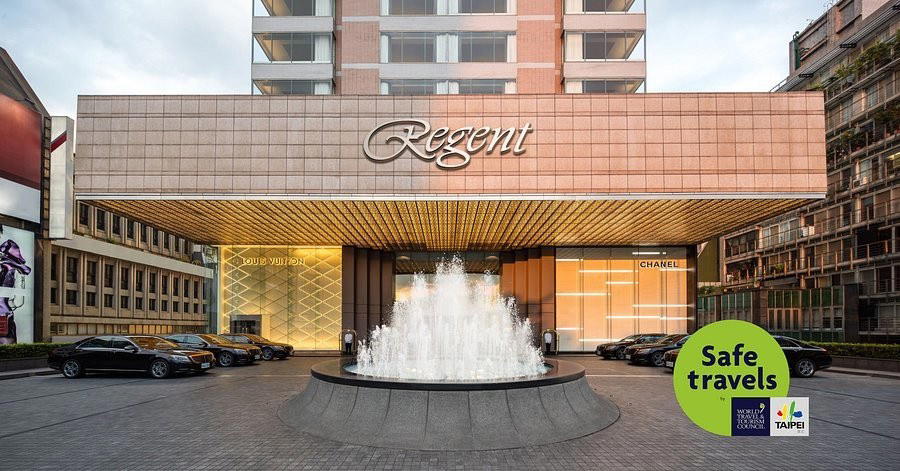
Hotels in Taipei
All hotels in Taipei →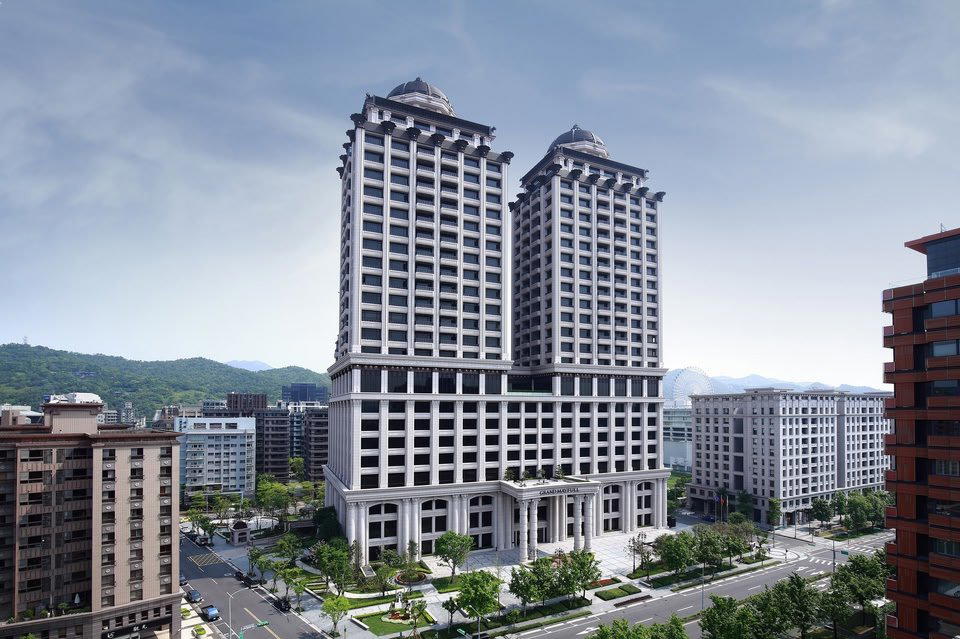
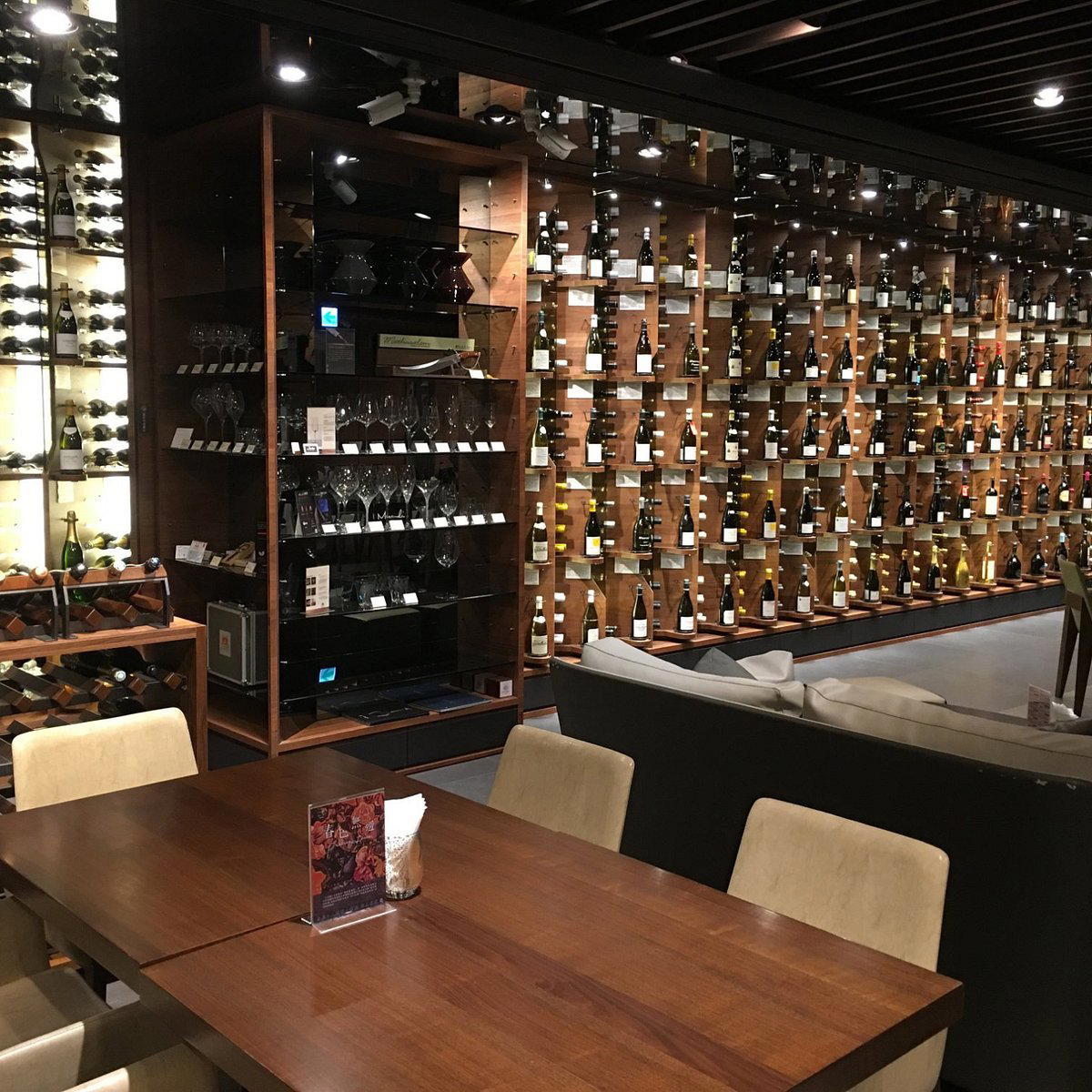
Wineries in Taipei
Browse all →
Details
- Intimate
- Elegant
- Modern
- Cozy
- Sophisticated
- Minimalist
- Special Occasion
- Date Night
- Private Dining
- Tasting Menu
Current opening hours
- Monday
- Closed
- Tuesday
- 6–9:30 PM
- Wednesday
- 6–9:30 PM
- Thursday
- 6–9:30 PM
- Friday
- 6–9:30 PM
- Saturday
- 6–9:30 PM
- Sunday
- Closed
Hours can change for holidays and private events. Last verified .
Warm timber, soft light, vivid canvases by local artists creating a plush refuge for quiet revelation.