Rittisstadl
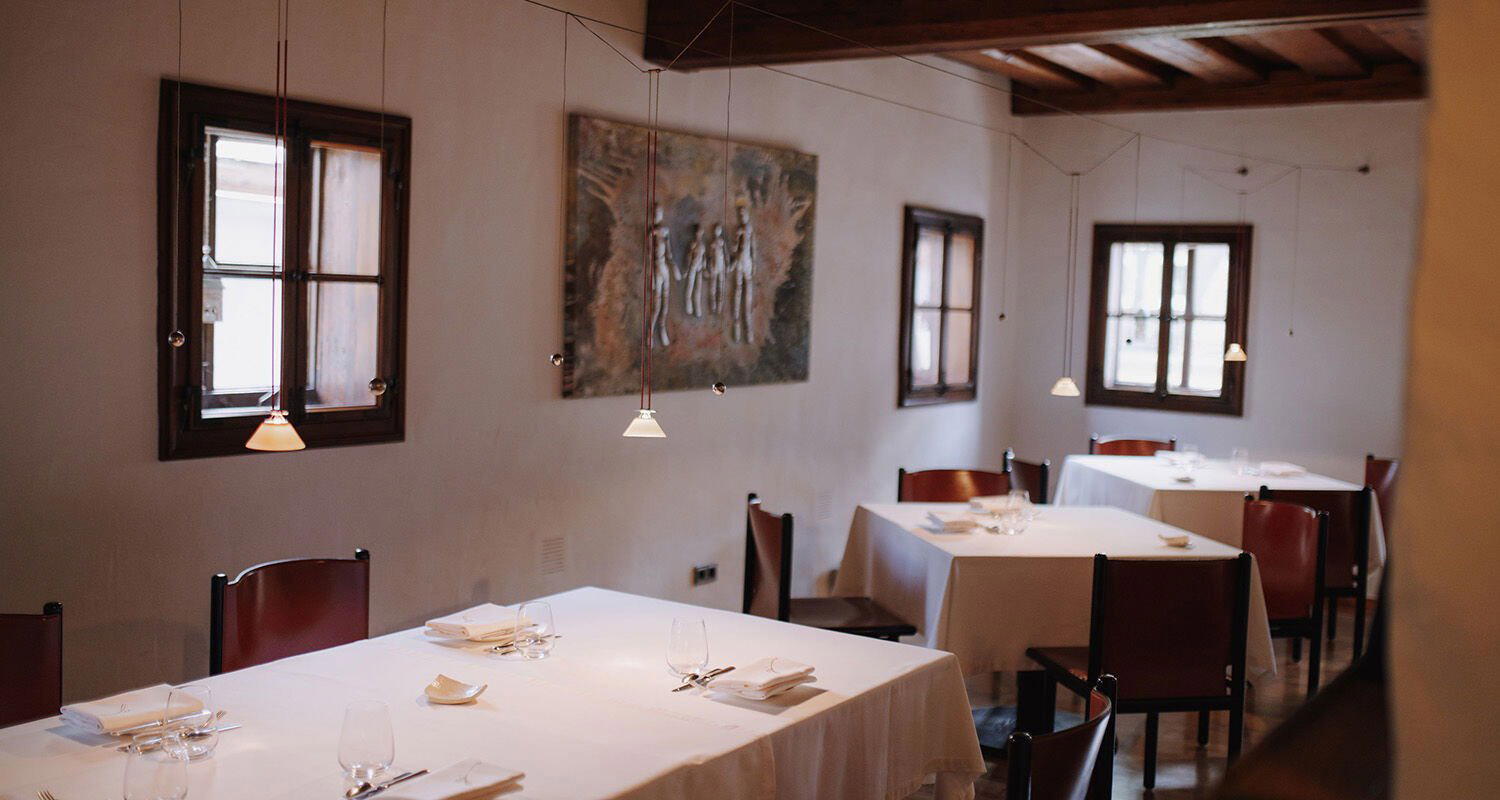
A traditional alpine Stadl in Ramsau am Dachstein, Rittisstadl sits in the quieter residential reach of Schildlehen, where the Dachstein massif frames every sightline. Expect the kind of unhurried, wood-beamed atmosphere that defines the Styrian alpine dining tradition rather than the tourist-facing inns closer to the ski lifts. Confirm details directly before visiting, as booking information and hours are not centrally listed.
Pearl is the En Primeur Club membership app — saves, bookings, and concierge access live there. Same editors, same standards.
- Address
- Schildlehen 128, 8972 Ramsau am Dachstein, Austria
- Phone
- +433687817765
- Website
- rittisberg.at
- Directions
- Get directions
 Saves & bookings on Pearl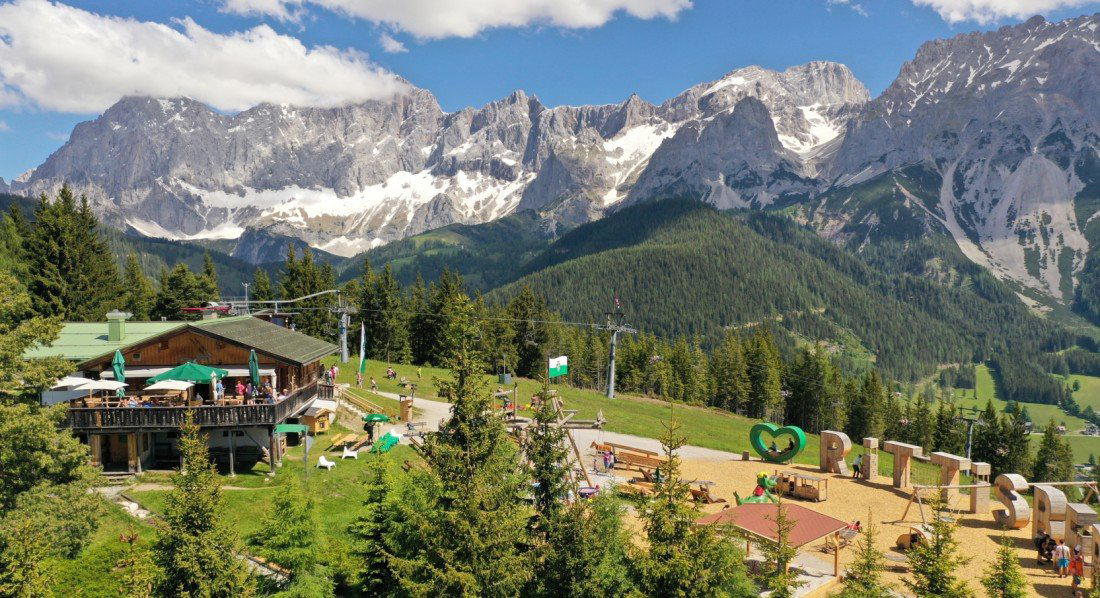
Where the Dachstein Dining Tradition Runs Quietly
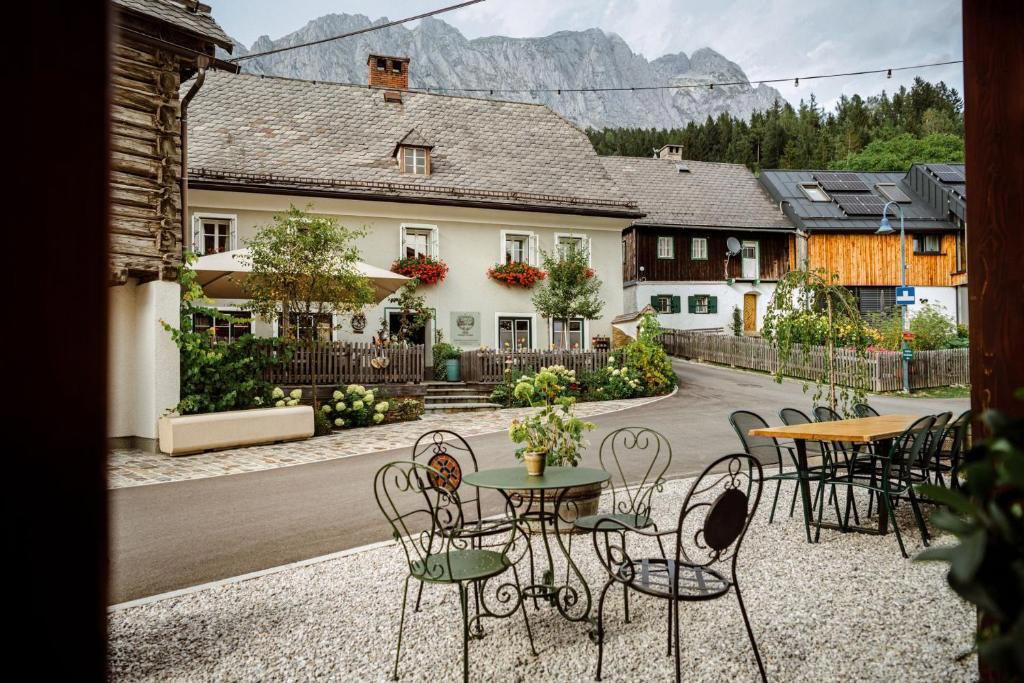
Ramsau am Dachstein sits at around 1,100 metres, spread across a plateau where its dining establishments occupy different registers depending on location. The cluster of options near the Dachstein glacier cable car serves skiers and summer hikers. Move toward the Schildlehen addresses and the tempo changes: fewer coach parties, more regulars from the valley, and a type of alpine Stadl that has historically served its immediate community before it served passing visitors. Rittisstadl, at Schildlehen 128, operates within that quieter geographic and social register.
The Stadl format itself is worth understanding before you arrive. In Styrian alpine areas, a Stadl is literally a barn-derived structure, and the dining rooms that occupy them carry the logic of that origin: heavy timber framing, low-pitched or vaulted ceilings, and a spatial warmth that comes from material density rather than interior design decisions. These spaces pre-date the contemporary alpine chalet aesthetic that has spread through ski resort architecture across the Alps. Approaching one in early evening, with the Dachstein faces catching the last lateral light, gives you a sense of a dining tradition that developed around the agricultural and pastoral rhythms of a high-altitude community, not around tourism infrastructure.
The Collaborative Logic of Small Alpine Kitchens
The team dynamic in small alpine establishments like this one follows a pattern distinct from urban restaurant hierarchies. In cities, the division between kitchen and floor is often sharp, with sommeliers operating as a separate technical department. In a Ramsau Stadl, the functions compress. The person taking your order often knows the kitchen's sourcing decisions directly, and wine or schnapps recommendations come from the same conversational register as food suggestions. A working knowledge of local Styrian wines and regional distillates often circulates through the front of house as a matter of local practice.
This produces a different kind of service experience than you find at formally structured alpine restaurants. Gourmetrestaurant Tannenhof in Sankt Anton am Arlberg or Griggeler Stuba in Lech operate in a comparable set where wine programs and front-of-house choreography are formal competitive signals. A Stadl in Ramsau operates in a different comparable set entirely, one where the competitive signals are consistency of regional cooking, depth of local sourcing, and the ease with which a guest feels absorbed into the rhythm of the place rather than served through it.
Ramsau's Dining Spread and Where This Fits
The dining options across Ramsau cover a wider range than the village's size suggests. Brandalm and Guttenberghaus occupy the mountain-hut tier, reached by foot or lift and oriented around the physical logic of altitude dining: hearty portions, limited menus, fast turnover at peak hours. Ennstalerhof and Gasthof Hunerkogel represent the valley-floor Gasthof tradition, more anchored and often serving as local meeting points across the seasons. Knoll Lift-Stüberl sits at the lift-adjacent category, capturing the between-run traffic that defines ski resort F&B economics.
Rittisstadl at Schildlehen 128 sits outside these categories. The address alone places it in the residential scatter of the plateau rather than at any functional node of tourist movement. That positioning is not a disadvantage in the context of the Styrian alpine dining tradition; it is more or less the definition of a local Stadl. The Austrian alpine regions have always maintained a tier of eating and drinking establishments that exist to serve their immediate geographic community, with visitors admitted rather than targeted.
For context on how this tradition intersects with the broader Austrian fine dining conversation, it is useful to look at where ambitious Austrian alpine cooking has landed in recent years. Döllerer in Golling an der Salzach and Obauer in Werfen have built internationally recognised programs on precisely the kind of high-altitude Styrian and Salzburg regional pantry that a Stadl kitchen draws from at a more local scale. Steirereck im Stadtpark in Vienna takes Styrian ingredients into an urban fine dining register. What connects these different tiers is a shared material base: the alpine dairy, the freshwater fish, the mountain herbs, and the game that Styria produces at volume. The Stadl format is where those same ingredients appear without the editorial distance of a tasting menu.
Planning a Visit
Ramsau am Dachstein is accessible from Schladming, roughly 10 kilometres down the valley, which has a mainline rail connection on the Salzburg-Graz route. From Schladming, local bus services reach Ramsau, though a car or taxi makes the Schildlehen end of the plateau considerably more manageable. The summer hiking season runs from roughly June through September, with winter ski season peaking December through March; both periods draw visitors to the area, though the Schildlehen establishments operate on schedules oriented more toward community rhythms than tourist peaks.
Because no central booking system, phone number, or website is publicly listed for Rittisstadl, the practical advice is to confirm hours and reservation availability through local accommodation or the Ramsau tourism office before making it a destination. Walk-in culture is common in this establishment type, but seasonal closures and event bookings can affect availability without online notice.
For those building a wider Styrian and Austrian alpine itinerary, the connections extend further: Kräuterreich by Vitus Winkler in Sankt Veit im Pongau, Ikarus in Salzburg, Landhaus Bacher in Mautern an der Donau, Ois in Neufelden, and Restaurant 141 by Joachim Jaud in Mieming each represent different points on the spectrum from casual regional to formally ambitious. The contrast between a Stadl in Ramsau and any of those addresses is instructive: same ingredient base, radically different price tier.
Price and Recognition
Comparable venues nearby, for context on price, style, and recognition.
| Venue | Cuisine | Price | Notes |
|---|---|---|---|
| RittisstadlThis venue — the venue you are viewing | Not listed | $$ | Not listed |
| Gasthof Hunerkogel | Not listed | $$ | Ramsau am Dachstein, Traditional Austrian |
| Lärchbodenalm | Not listed | $$ | Ramsau am Dachstein, Traditional Austrian Alpine |
| Pehab | Not listed | $$$ | Ramsau am Dachstein, Regional Austrian Seasonal |
| Knoll Lift-Stüberl | Not listed | $$ | Ramsau am Dachstein, Traditional Austrian |
| Waldschenke Ramsau | Ramsau Ort, Traditional Austrian | $$ | Not listed |
Continue exploring
More in Ramsau Am Dachstein
Restaurants in Ramsau Am Dachstein
Browse all →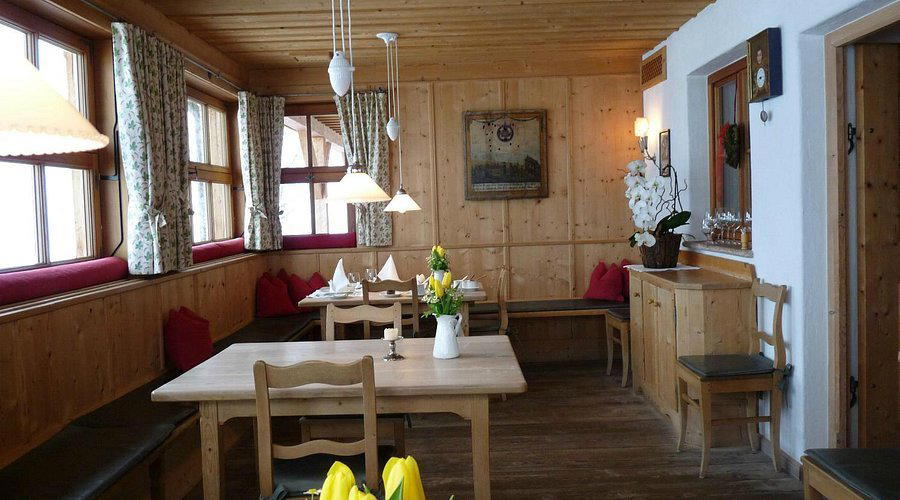
Bars in Ramsau Am Dachstein
Browse all →
At a Glance
- Scenic
- Cozy
- Rustic
- Family
- Casual Hangout
- Celebration
- Panoramic View
- Terrace
- Mountain
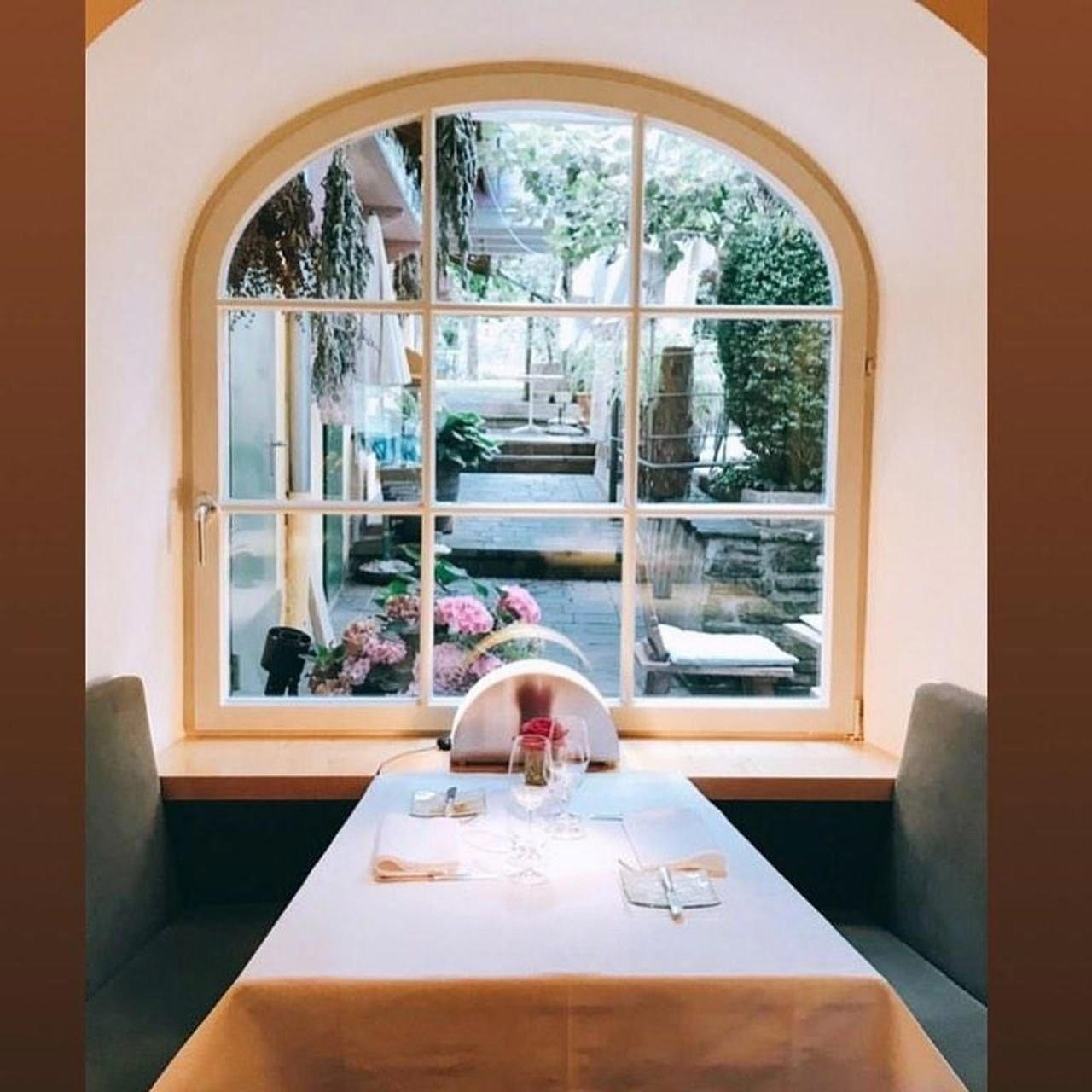
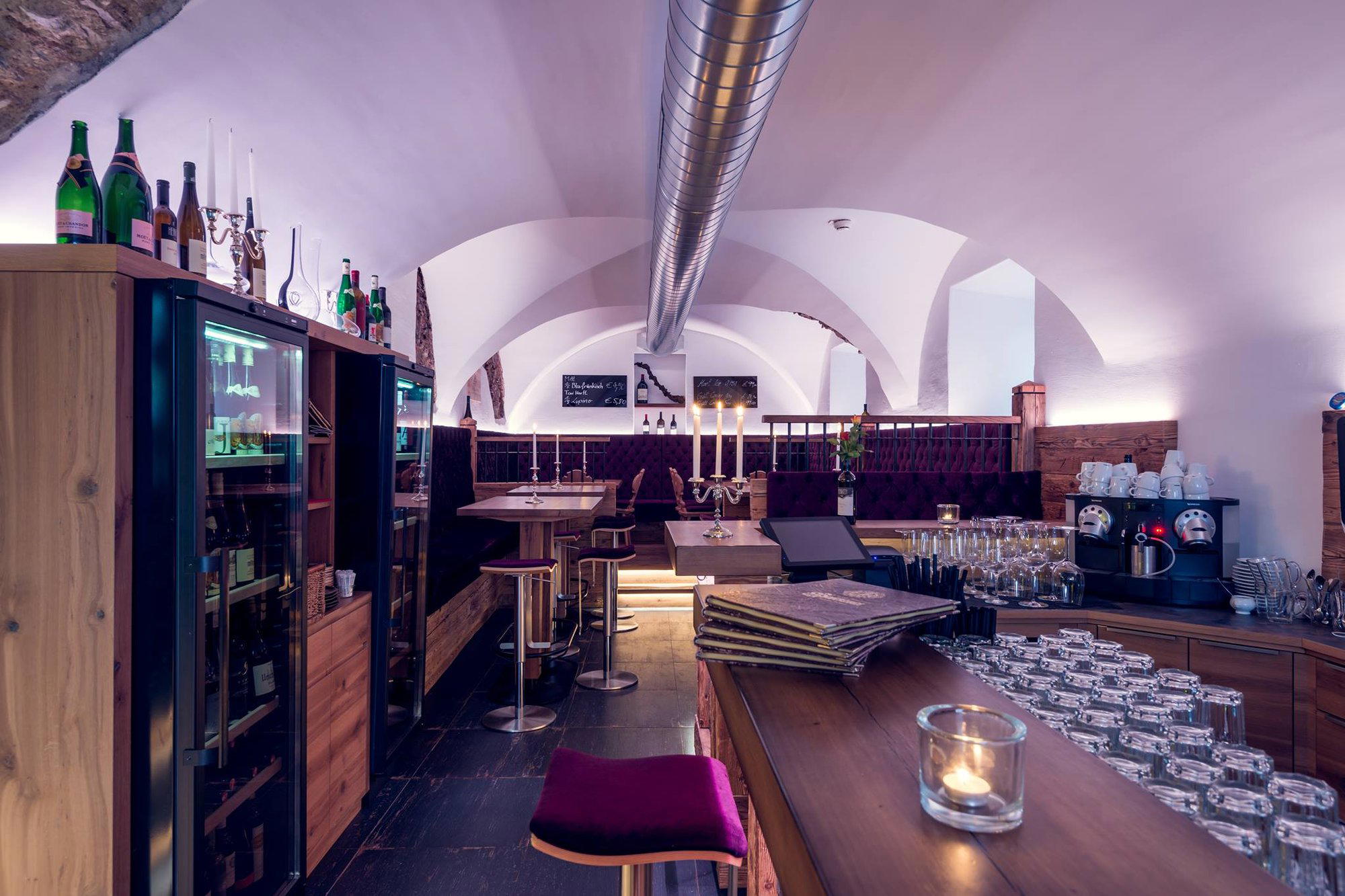
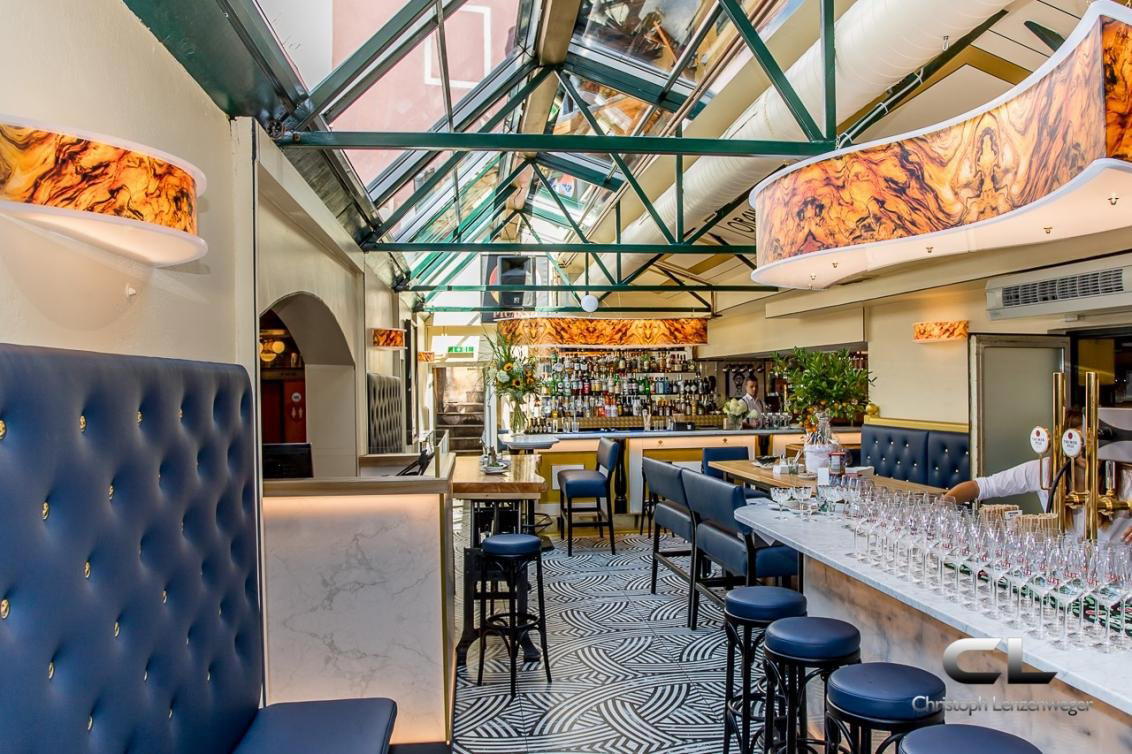
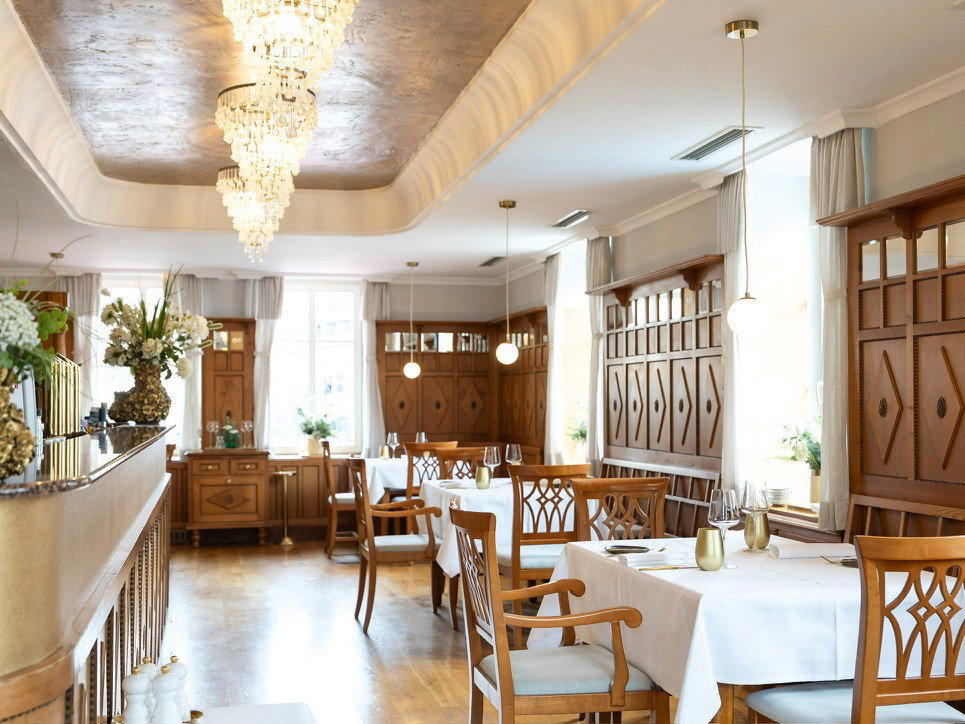
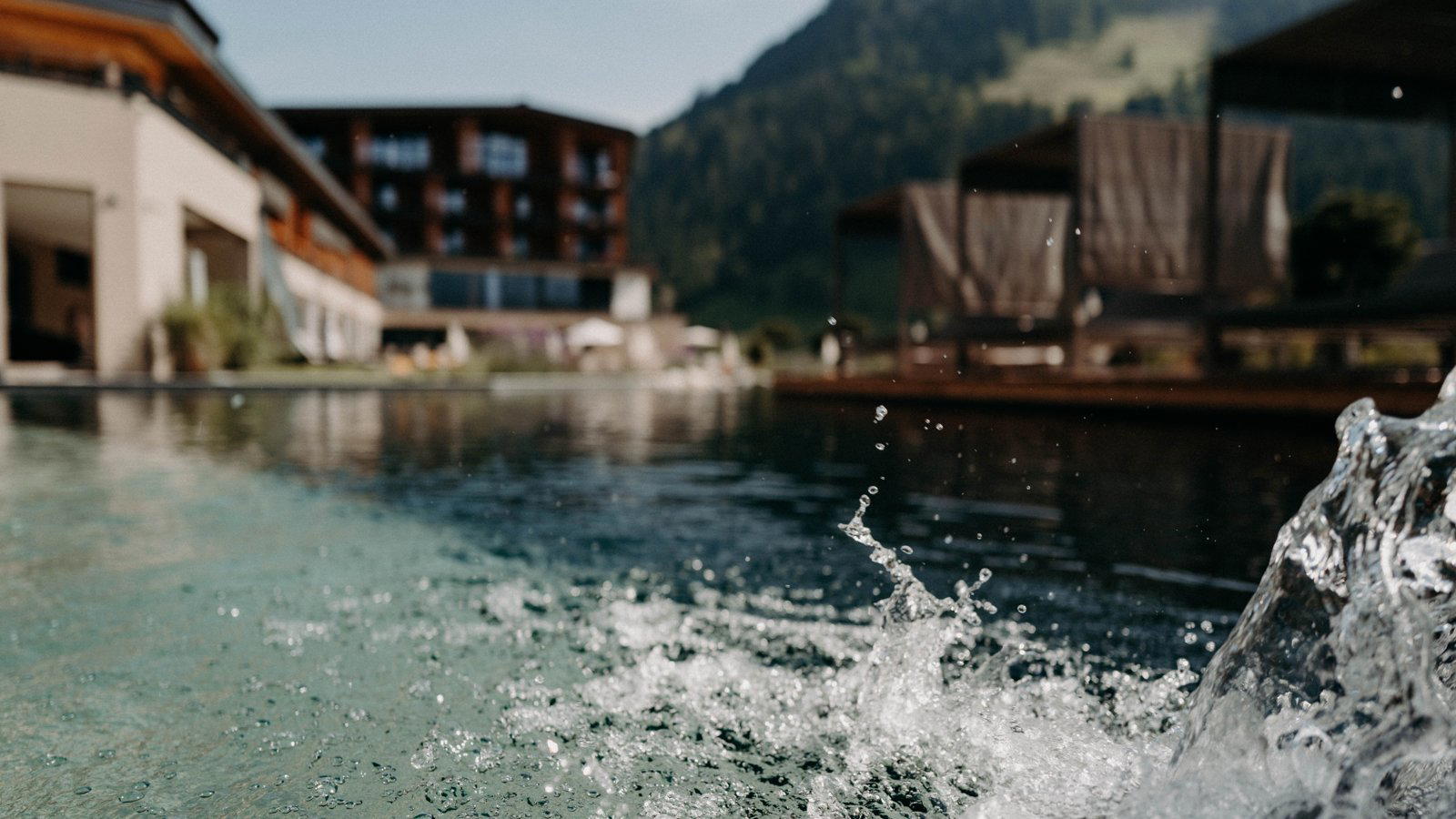
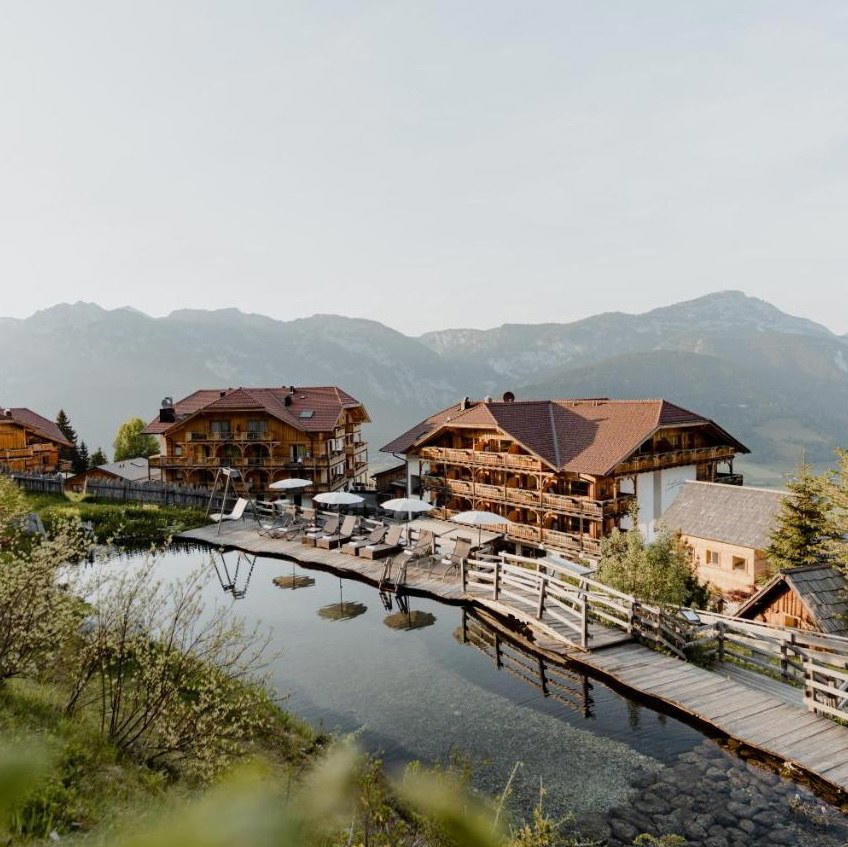
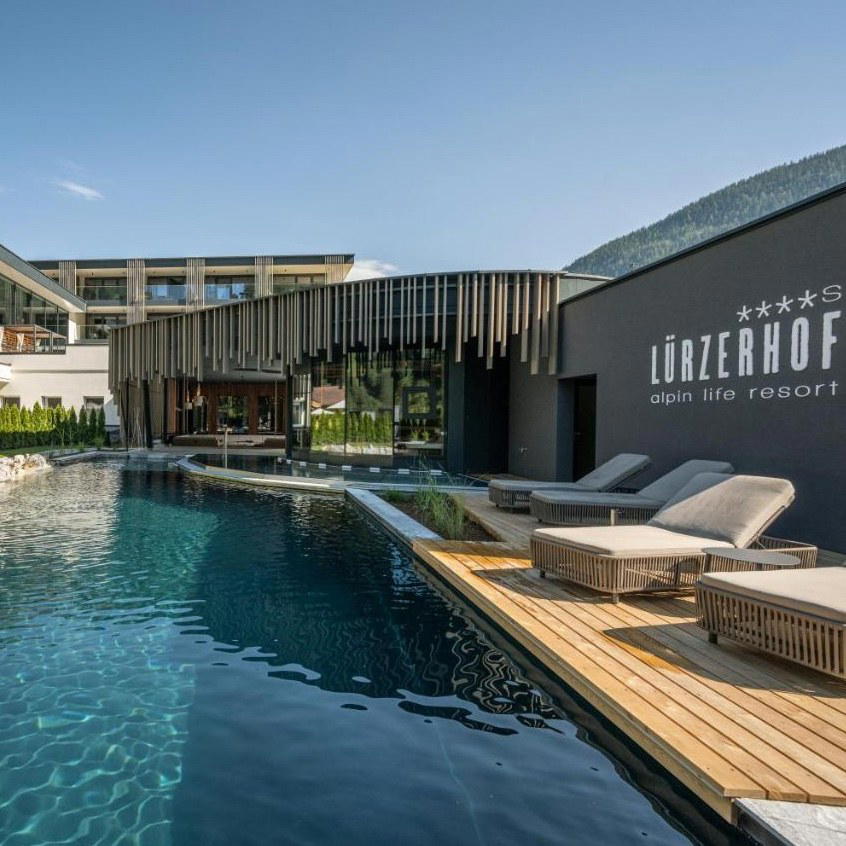
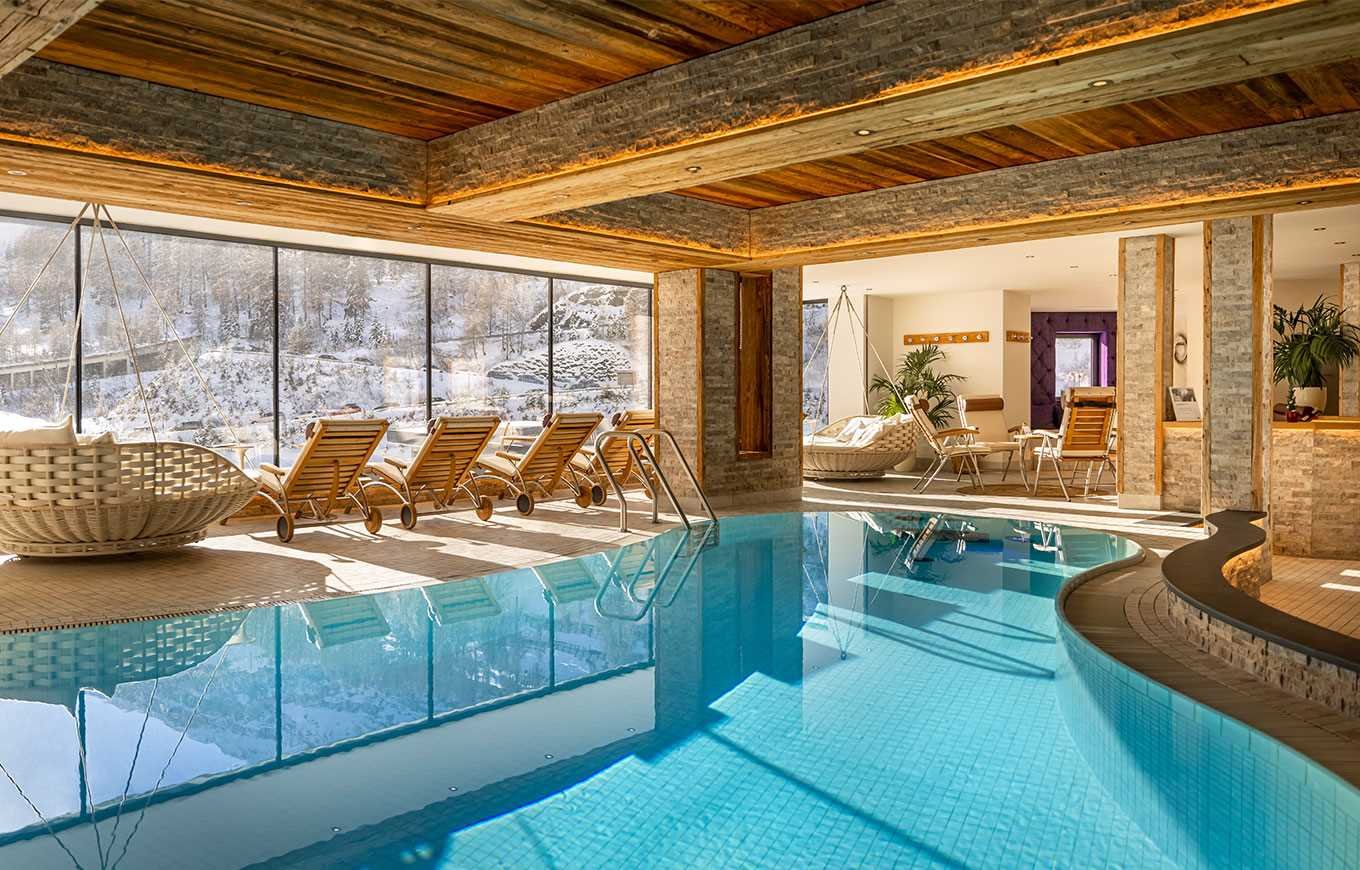
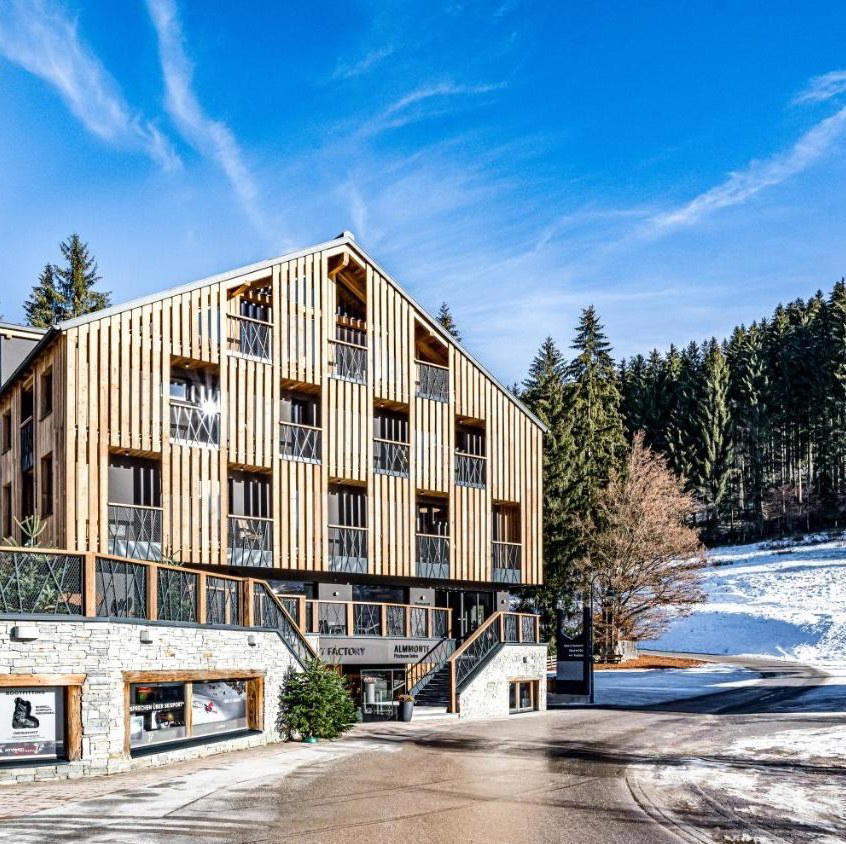
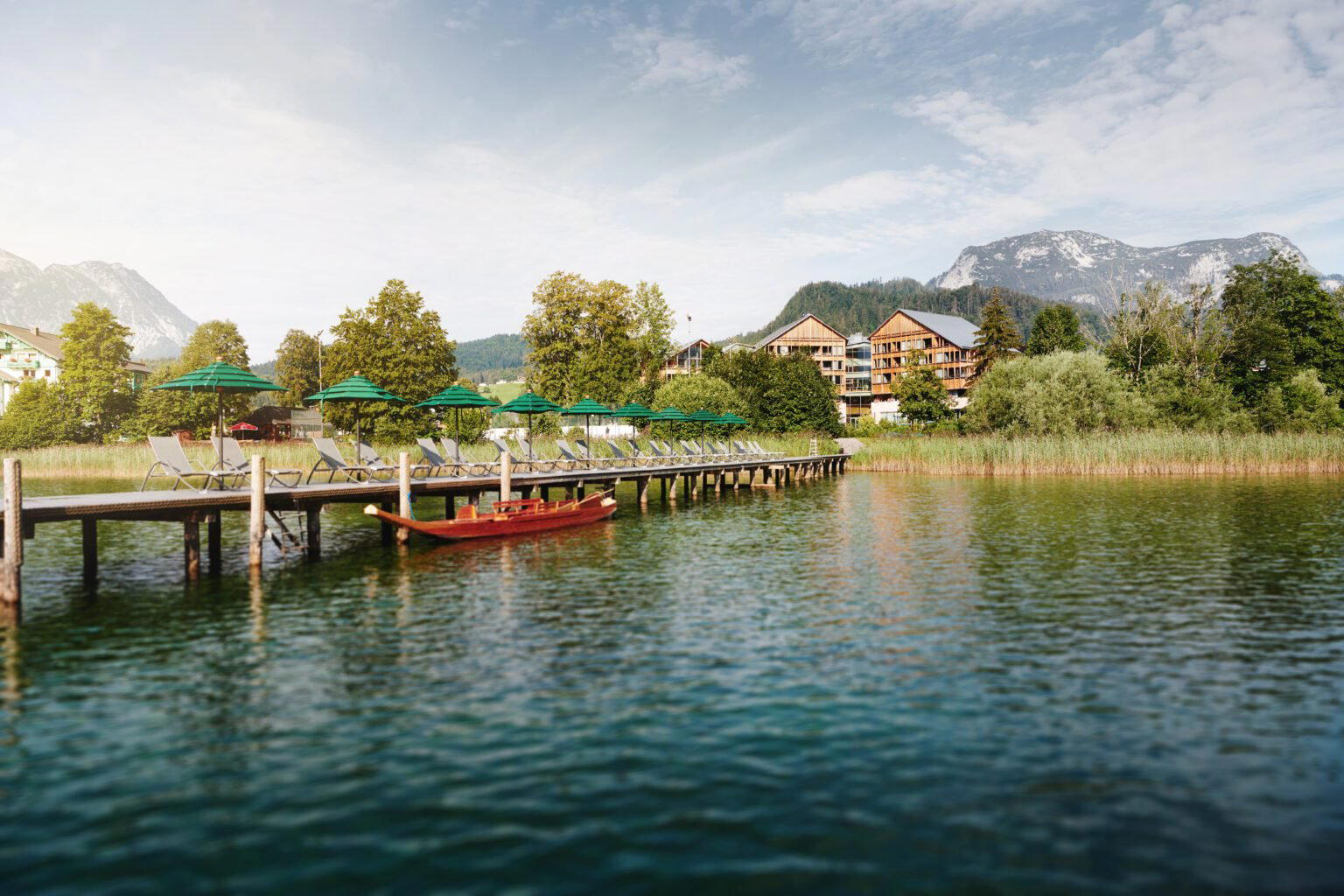
Welcoming and cozy mountain lodge atmosphere with modern but rustic decor, described by guests as relaxed and comfortable with loving attention to detail.