Herzlstubn
Herzlstubn sits at Oberdorf 39 in Saalbach Hinterglemm, a Salzburg region ski village where alpine dining has long orbited around local produce and mountain tradition. The address places it within the broader Saalbach dining circuit, where venues range from après-ski Stadls to more composed, ingredient-focused rooms. For visitors working through the valley's restaurant options, Herzlstubn represents the locally rooted end of that spectrum.
Pearl is the En Primeur Club membership app — saves, bookings, and concierge access live there. Same editors, same standards.
- Address
- Oberdorf 39, 5753 Saalbach, Austria
- Phone
- +434365416225
- Website
- kendler.at
- Directions
- Get directions
 Saves & bookings on Pearl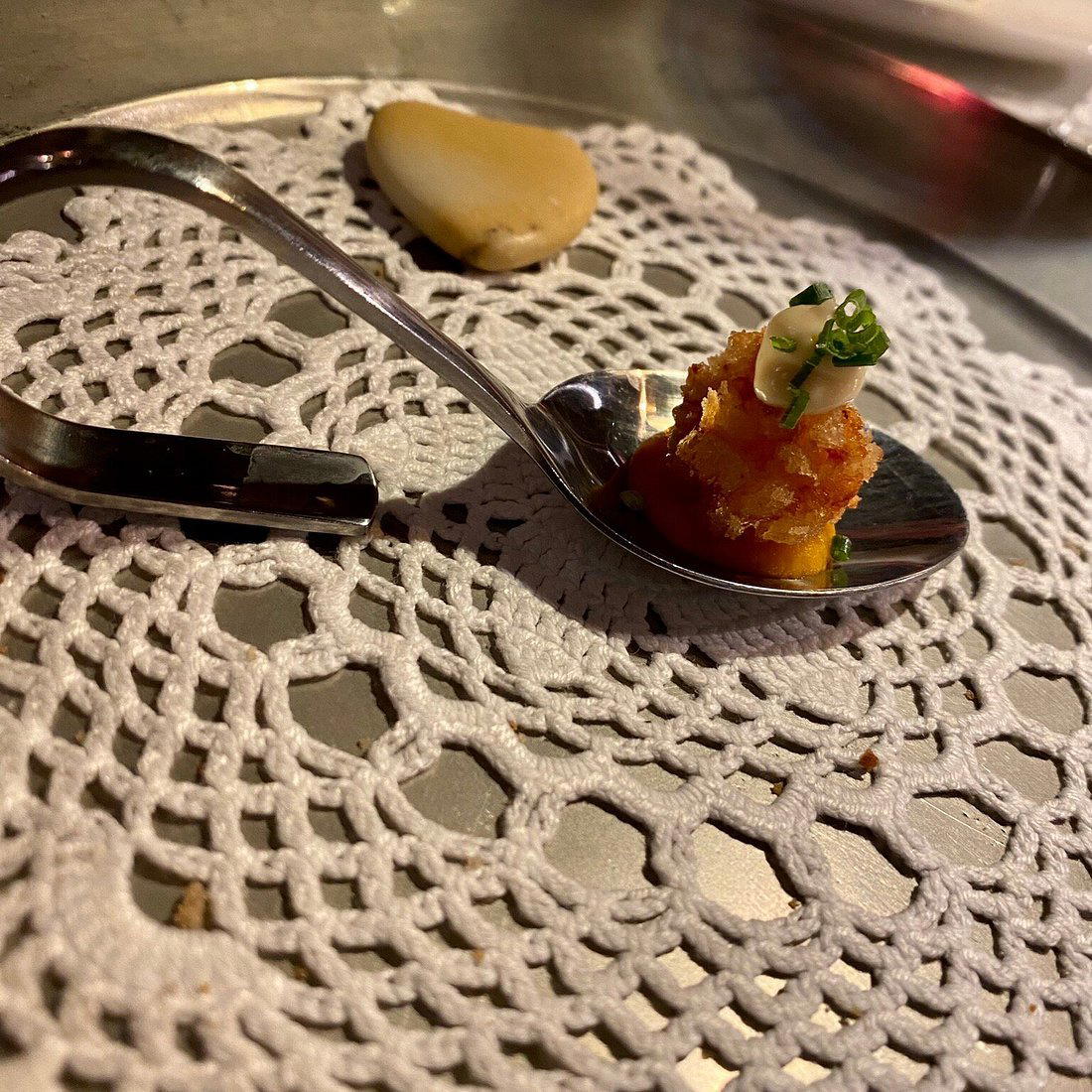
Where the Mountain Larder Takes Centre Stage
Saalbach Hinterglemm operates on a particular rhythm: the ski lifts close, the boots come off, and the question of where to eat carries more weight than it might in a city where options are endless. The Salzburg Pinzgau region surrounding the valley has always had a dependable larder, shaped by high-altitude pasture, short growing seasons, and a tradition of preservation that predates refrigeration by centuries. Smoked meats, aged cheeses, root vegetables that concentrate their flavour in mountain soil, and dairy from herds grazing above 1,500 metres: these are the raw materials that define honest alpine cooking in this part of Austria. Herzlstubn is a restaurant serving Authentic Austrian Cuisine in Saalbach, Austria. Herzlstubn, at Oberdorf 39 in the upper village, operates within that tradition.
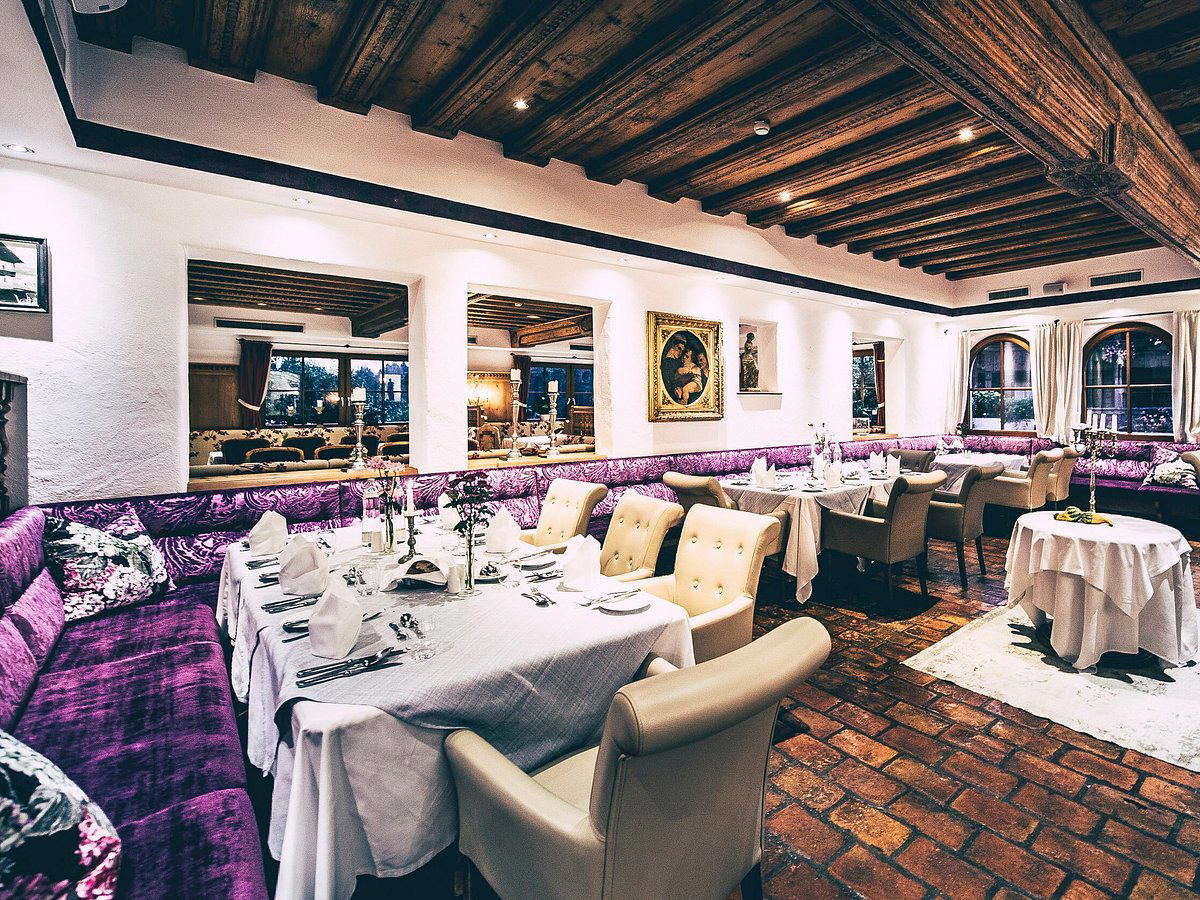
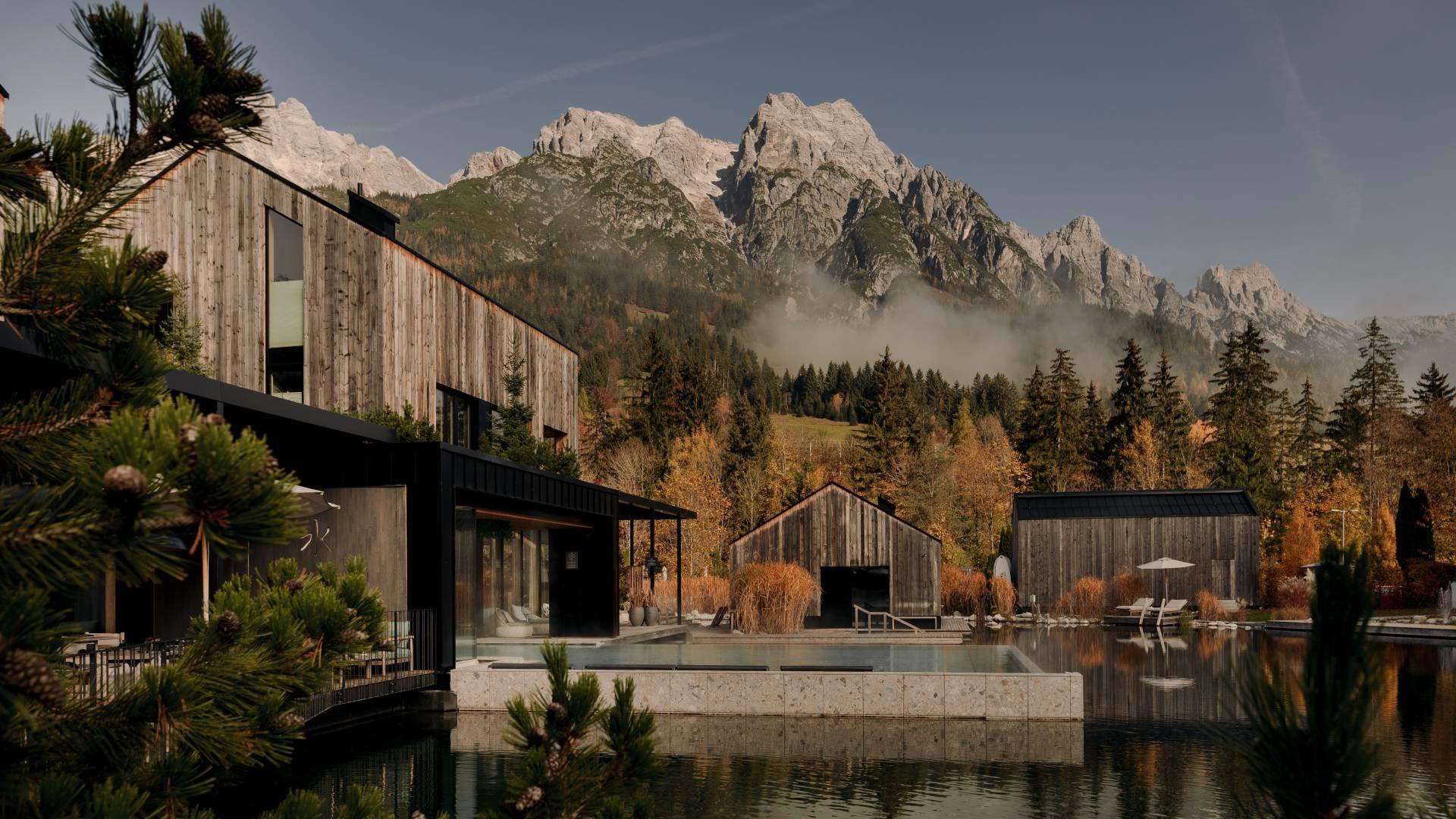
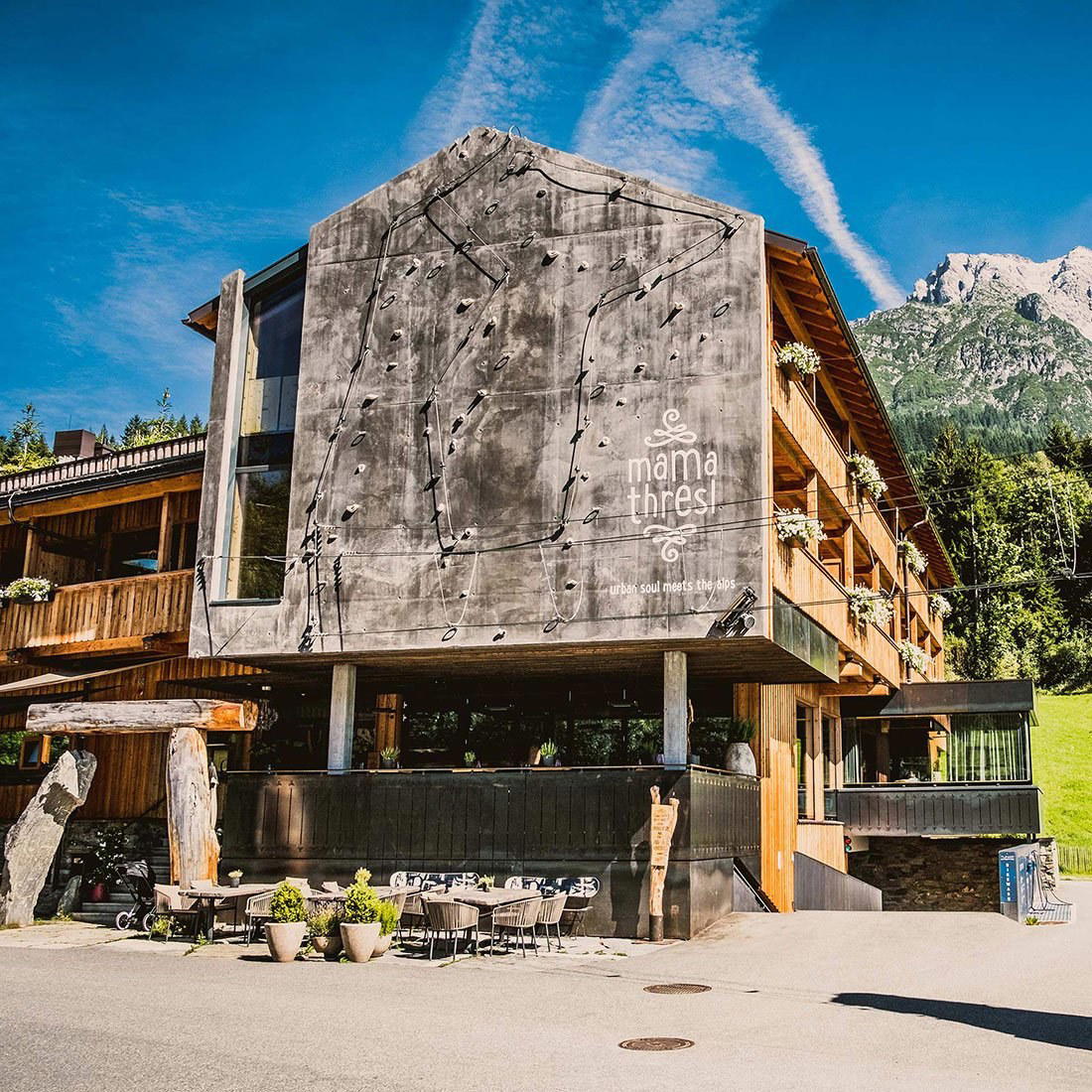
The Oberdorf address is telling. Upper Saalbach sits slightly removed from the densest concentration of après-ski traffic, which means the dining room draws guests who are making a deliberate choice rather than stumbling in from the nearest lift station. That self-selection tends to produce a different kind of atmosphere: quieter, more attentive to the food, and more likely to include locals and returning visitors who know the valley well. The room itself, consistent with the Stubn typology found across the Salzburg and Tirol alps, is built for warmth, both physical and social. Dark timber, low ceilings, and the kind of compact seating that makes conversations unavoidable are architectural features of the genre, not stylistic accidents.
The Ingredient Logic of Alpine Stubn Cooking
Across Austria's mountain dining circuit, the strongest kitchens in the Stubn category share a common discipline: sourcing within a short radius and cooking in ways that amplify rather than obscure what the region produces. This is a different project from the high-altitude fine dining pursued at addresses like Griggeler Stuba in Lech or Gourmetrestaurant Tannenhof in Sankt Anton am Arlberg, where Michelin recognition has oriented the kitchen toward international fine dining vocabulary. The Stubn format, when executed with integrity, is not a lesser version of that project, it is a parallel one, with its own standards and its own pleasures.
In the Pinzgau, that means working with Pinzgauer cattle, one of Austria's oldest and most regionally specific breeds, whose meat carries a depth that commodity beef does not. It means Almkäse, the hard mountain cheese made in summer on high pastures and brought down for winter, with a crystalline texture and concentrated fat that comes only from long aging. It means wild herbs gathered from slopes that see genuine altitude, and game that enters the kitchen through local hunters rather than industrial supply chains. Kitchens that take this sourcing seriously produce food that tastes specifically of where it was made, a quality that neither technique alone nor imported ingredients can replicate. Herzlstubn's position within this tradition places it alongside a category of alpine dining that the wider Austrian culinary conversation, focused as it often is on destinations like Steirereck im Stadtpark in Vienna or Obauer in Werfen, sometimes undervalues.
Saalbach's Dining Circuit in Context
The village supports a range of formats, from the convivial timber-bench energy of Xandl Stadl to the more composed settings of Der Schwarzacher and Gold & Pepper. The Grill covers the fire-and-meat end of the spectrum. Herzlstubn sits in a different register from all of them: smaller in scale and more rooted in the domestic alpine tradition that predates the ski resort economy. That positioning is not nostalgia, it is a genuine alternative to the international hospitality formats that dominate resort dining across the Alps.
Kitchens that once cooked loosely from regional tradition have either professionalised toward fine dining or doubled down on the Stubn format with greater intentionality about sourcing and execution. The middle ground, vaguely alpine and vaguely international, has become the least interesting place to eat. Venues that have committed clearly to one direction or the other, whether that commitment runs toward the precision of Ikarus in Salzburg or the herb-driven local focus of Kräuterreich by Vitus Winkler in Sankt Veit im Pongau, tend to offer the clearest case for a reservation. Herzlstubn belongs to the locally committed end of that split.
Planning a Visit
Saalbach Hinterglemm's dining rooms fill quickly during peak ski season, which runs from late November through early April, with the highest pressure falling over the Christmas and New Year period and again through February half-term. A venue at the Oberdorf address, drawing a mix of returning guests and in-the-know visitors, is unlikely to have walk-in tables available on a busy winter evening. Reaching out to the property directly to confirm availability and any current hours is the sensible approach before making the trip up the valley from the lift base.
Döllerer in Golling an der Salzach, Landhaus Bacher in Mautern an der Donau, Ois in Neufelden, Schwarzer Adler in Hall in Tirol, and Restaurant 141 by Joachim Jaud in Mieming offers useful reference points across the Austrian alpine and river-valley spectrum. And for those curious about how the same instinct toward terroir-driven, produce-led cooking plays out in entirely different contexts, Le Bernardin in New York City and Atomix in New York City show how ingredient sourcing becomes a defining editorial choice in their respective categories as well.
At-a-Glance Comparison
Comparable venues nearby, for context on price, style, and recognition.
| Venue | Cuisine | Price | Notes |
|---|---|---|---|
| HerzlstubnThis venue — the venue you are viewing | Authentic Austrian Cuisine | $$ | Not listed |
| Xandl Stadl | Alpine Austrian | $$$ | Hinterglemm |
| Der Schwarzacher | Traditional Austrian Alpine | $$$ | Hinterglemm |
| Grill | Steakhouse Grill | $$$ | Hinterglemm |
| Gold & Pepper | Alpine with Mediterranean Touch | $$$ | Saalbach center |
| Taubenseehütte | Traditional Tyrolean Alpine Cuisine | $$ | Kössen, Tirol |
Continue exploring
More in Saalbach Hinterglemm
Restaurants in Saalbach Hinterglemm
Browse all →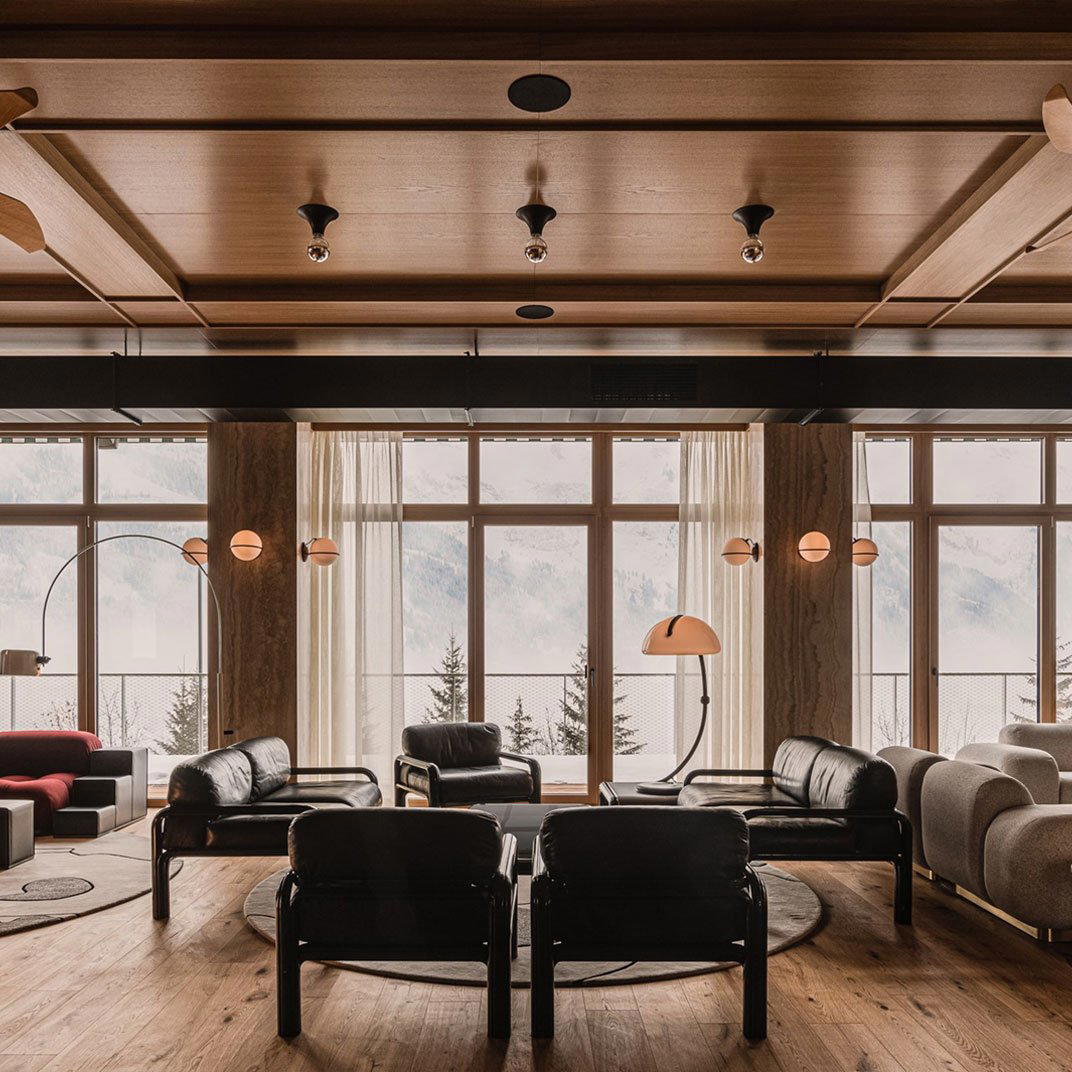
Bars in Saalbach Hinterglemm
Browse all →
At a Glance
- Cozy
- Rustic
- Family
- Casual Hangout
- Hotel Restaurant
- Local Sourcing
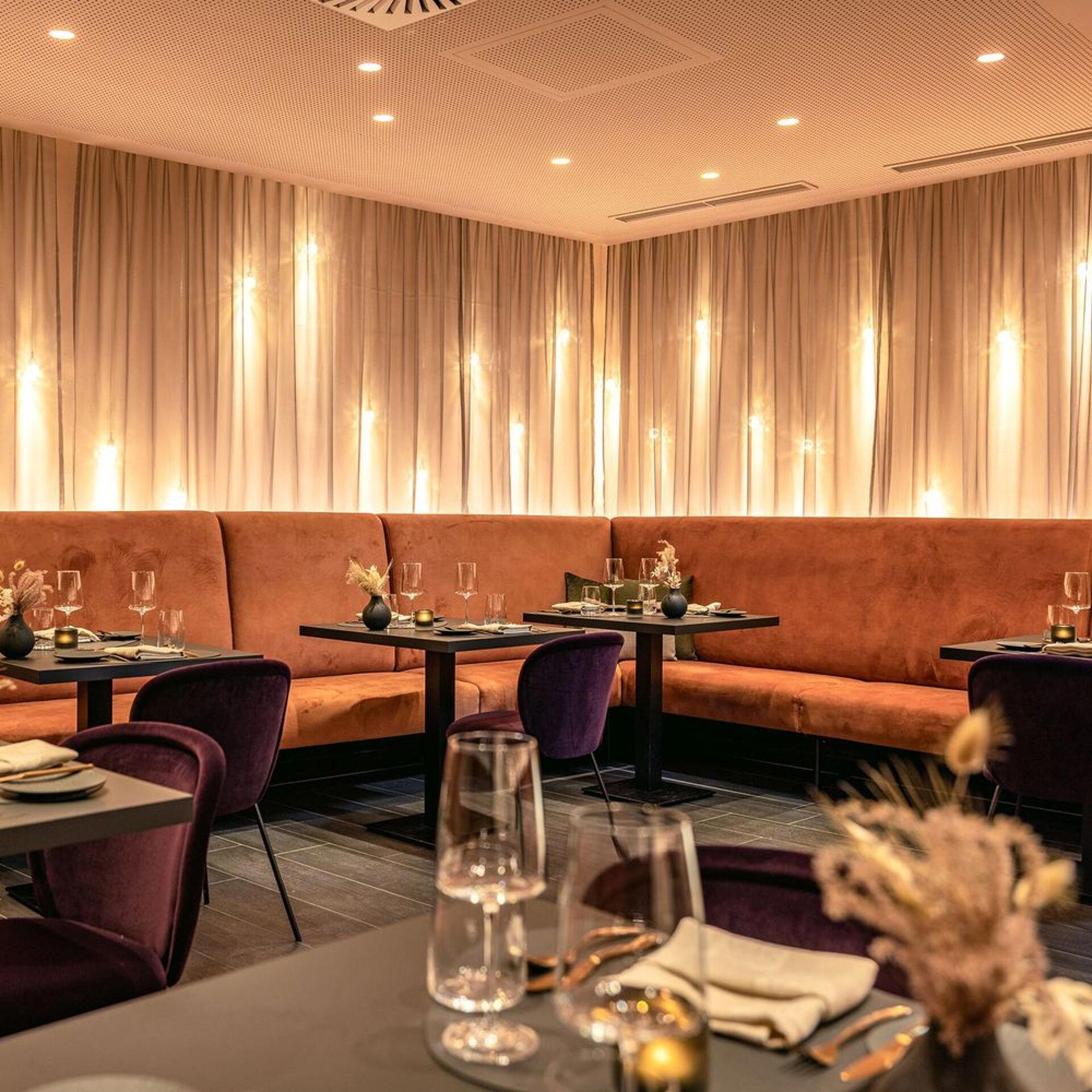
Warm, inviting, and cozy atmosphere with stylish design.