Burgeralm
Burgeralm sits at Wandberg in Rettenschöss, a corner of Tirol where alpine pasture and local supply chains define what lands on the plate. The setting places it squarely in Austria's tradition of mountain-rooted casual dining, where the sourcing story and the landscape are inseparable. For anyone moving through the Inn Valley or the Kaiserwinkl region, it offers a grounded alternative to the area's more formal dining options.
Pearl is the En Primeur Club membership app — saves, bookings, and concierge access live there. Same editors, same standards.
- Address
- Wandberg 1115/15, 6347 Rettenschöss, Austria
- Phone
- +4369913130509
- Website
- burgeralm.at
- Directions
- Get directions
 Saves & bookings on Pearl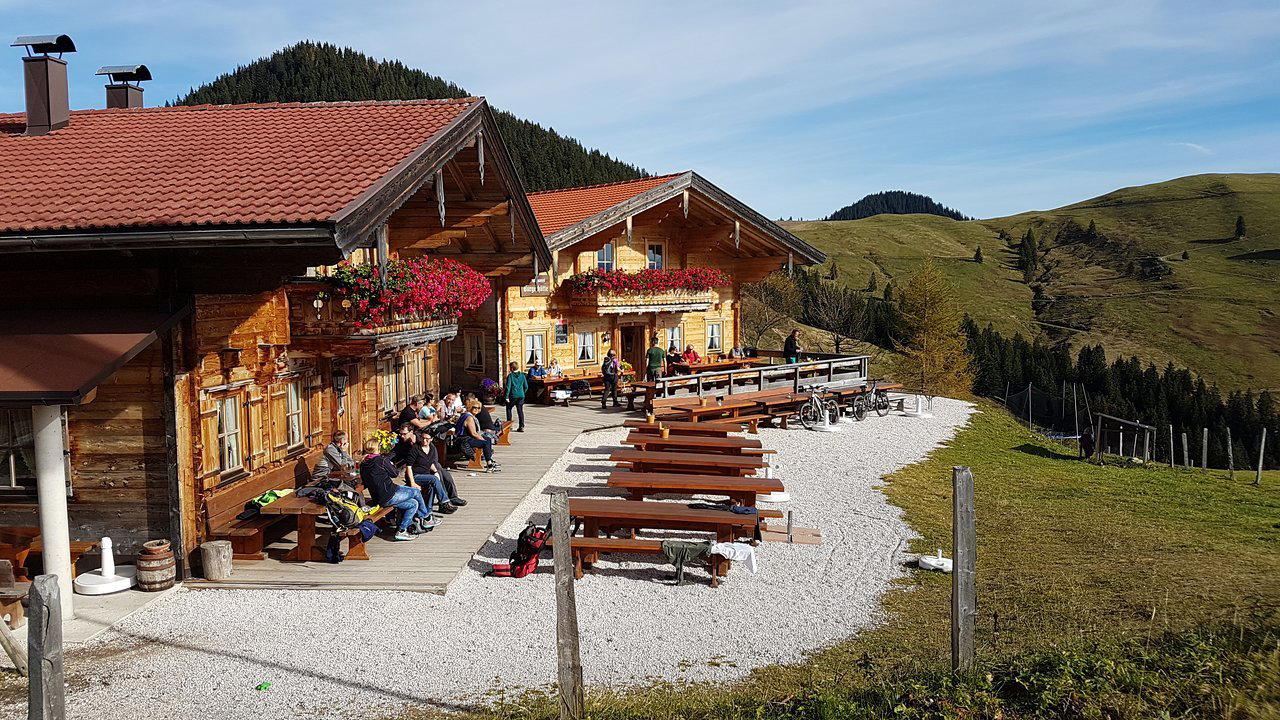
Where the Mountain Sets the Menu
Austria's alpine dining tradition has always drawn a direct line between elevation and ingredient. The higher the pasture, the shorter the supply chain: cattle graze on slopes that are visible from the dining room, herbs grow at altitudes that concentrate their oils, and the season dictates the plate in ways that lowland kitchens rarely experience. Burgeralm, a casual restaurant in Rettenschöss serving Tyrolean Alpine Burgers & Cheese, sits inside that tradition. The Wandberg area of Tirol is not a dining destination in the way that Lech or Ischgl position themselves; it is working alpine terrain, and that distinction matters for what arrives on the table.
The broader pattern across Tirol and Salzburg is worth understanding before arriving. Austria's mountain dining splits into at least two recognisable tiers. At the upper end, places like Gourmetrestaurant Tannenhof in Sankt Anton am Arlberg and Stüva in Ischgl apply fine-dining discipline to alpine ingredients, operating within the premium resort economy. Below that, and considerably more numerous, are the hut and alm formats: outdoor-adjacent, seasonally anchored, and oriented toward walkers, cyclists, and locals who want something honest rather than elaborate. Burgeralm belongs to this second category, where the sourcing logic is the same as the fine-dining tier but the format is stripped back.
The Alm Format and What It Tells You About Ingredients
The word Alm in German-speaking Austria refers specifically to alpine summer pasture, and establishments carrying the name are making an implicit claim about proximity to that land. It signals that the kitchen is not a neutral urban space importing product from a wholesale catalogue; it is embedded in an agricultural context. Across the Kaiserwinkl and Kufstein districts of Tirol, this translates practically to dairy sourced from herds within walking distance, game that comes from managed local hunts, and bread baked from regional grain rather than par-baked industrial loaves.
That sourcing logic is what separates the alm tradition from the broader casual-dining category. A comparable impulse drives some of Austria's most ambitious kitchens: Döllerer in Golling an der Salzach has built a reputation precisely around sourcing from the Salzach valley with the same seriousness that Burgundy producers apply to terroir. Kräuterreich by Vitus Winkler in Sankt Veit im Pongau takes the herb-and-meadow connection further still, into what is effectively a philosophy of place. At Burgeralm, the same underlying argument applies in a less formal register.
Rettenschöss and the Kaiserwinkl Region
Rettenschöss sits in the Kaiserwinkl, the southeastern corner of Tirol bordering Bavaria, centred on the Walchsee lake and bounded by the Kaisergebirge massif to the south. It is not a village that appears on most international travel itineraries, which is partly the point. The dining options here are not calibrated for the resort visitor with a Michelin expectation; they serve a community of farmers, hikers, and second-home owners who regard the connection to local land as unremarkable because it has always been the default.
That context places Burgeralm in an interesting position relative to Austria's wider restaurant scene. The country's formally recognised dining destinations, from Steirereck im Stadtpark in Vienna at one end to Obauer in Werfen and Landhaus Bacher in Mautern an der Donau in the regions, have spent decades arguing for Austrian produce as a serious fine-dining foundation. The alm category makes no such argument because it never needed to: the sourcing was local before local sourcing became a positioning strategy.
Internationally, the instinct to embed a restaurant in its supply landscape rather than curating ingredients from afar has found expression in places as different as Lazy Bear in San Francisco, where communal format and hyper-regional sourcing converge, or Ois in Neufelden, which applies a similar discipline within Upper Austria's forest and farmland corridor. The alm tradition predates all of these as a model; what changes is the level of culinary ambition applied to the same underlying logic.
Arriving at Wandberg
The practical reality of reaching Burgeralm matters. Wandberg 1115/15 is a mountain address, not a village-centre location, which means access is on foot or by car along roads that reflect the terrain. For those based around Walchsee or Kössen, the approach is part of the experience; for those driving up from the Inn Valley corridor near Kufstein, it sits within a half-day excursion range. Walkers using the Kaiserwinkl trail network will find the address intersects with several marked routes across the Wandberg area.
Given the remoteness of the address and the nature of the format, arriving without a confirmed table is a risk in summer and on weekends, when the Kaiserwinkl draws significant numbers of day visitors from both the Austrian and Bavarian sides of the border. Checking ahead before you go is sensible for a mountain address like this.
For those building a wider Tirol itinerary, Burgeralm sits at the informal, grounded end of a spectrum that includes more polished options across the state: Restaurant 141 by Joachim Jaud in Mieming to the west, or Schwarzer Adler in Hall in Tirol for those wanting a town-centre base.
Austria's longer-standing fine-dining addresses, including Taubenkobel in Schützen am Gebirge and Griggeler Stuba in Lech, operate with the formal infrastructure of reservations, sommelier programmes, and multi-course tasting formats. The alm tradition, including Burgeralm's position on the Wandberg, offers something structurally different: a direct encounter with the ingredients before they are interpreted through a chef's formal technique. Neither approach is a substitute for the other, but for a reader who has already covered the Ikarus in Salzburg and Atelier Fischer in Sankt Gilgen end of the spectrum, Burgeralm and the Kaiserwinkl alm format represent the other pole of Austrian food culture. Thaller Gasthaus in Sankt Veit am Vogau demonstrates that this commitment to regional produce runs consistently across Austria's provinces, not only its mountain zones. Even internationally, from Le Bernardin in New York City to the alpine huts of Tirol, the argument for ingredient proximity as the foundation of honest cooking holds across formats and price points.
How It Stacks Up
Comparable venues nearby, for context on price, style, and recognition.
| Venue | Cuisine | Price | Notes |
|---|---|---|---|
| BurgeralmThis venue — the venue you are viewing | Tyrolean Alpine Burgers & Cheese | $$ | Not listed |
| Hagstein | Traditional Tyrolean Alpine Cuisine | $$ | Kitzbüheler Horn |
| Gasthof Auwirt | Traditional Austrian & Tyrolean | $$ | Aurach bei Kitzbuhel |
| Wimmertalalm | Traditional Austrian Mountain Hut | $$ | Gerlos |
| Erfurter Hütte | Traditional Tyrolean Alpine | $$ | Maurach, Eben am Achensee |
| Michl Stub'n | Traditional Austrian Mountain Restaurant | $$ | Wildschonau |
Continue exploring
More in Rettenschoss
Restaurants in Rettenschoss
Browse all →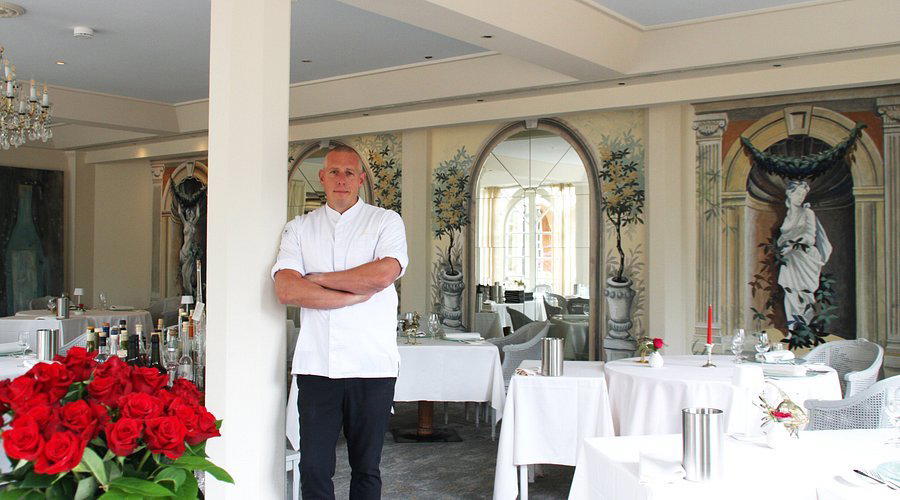
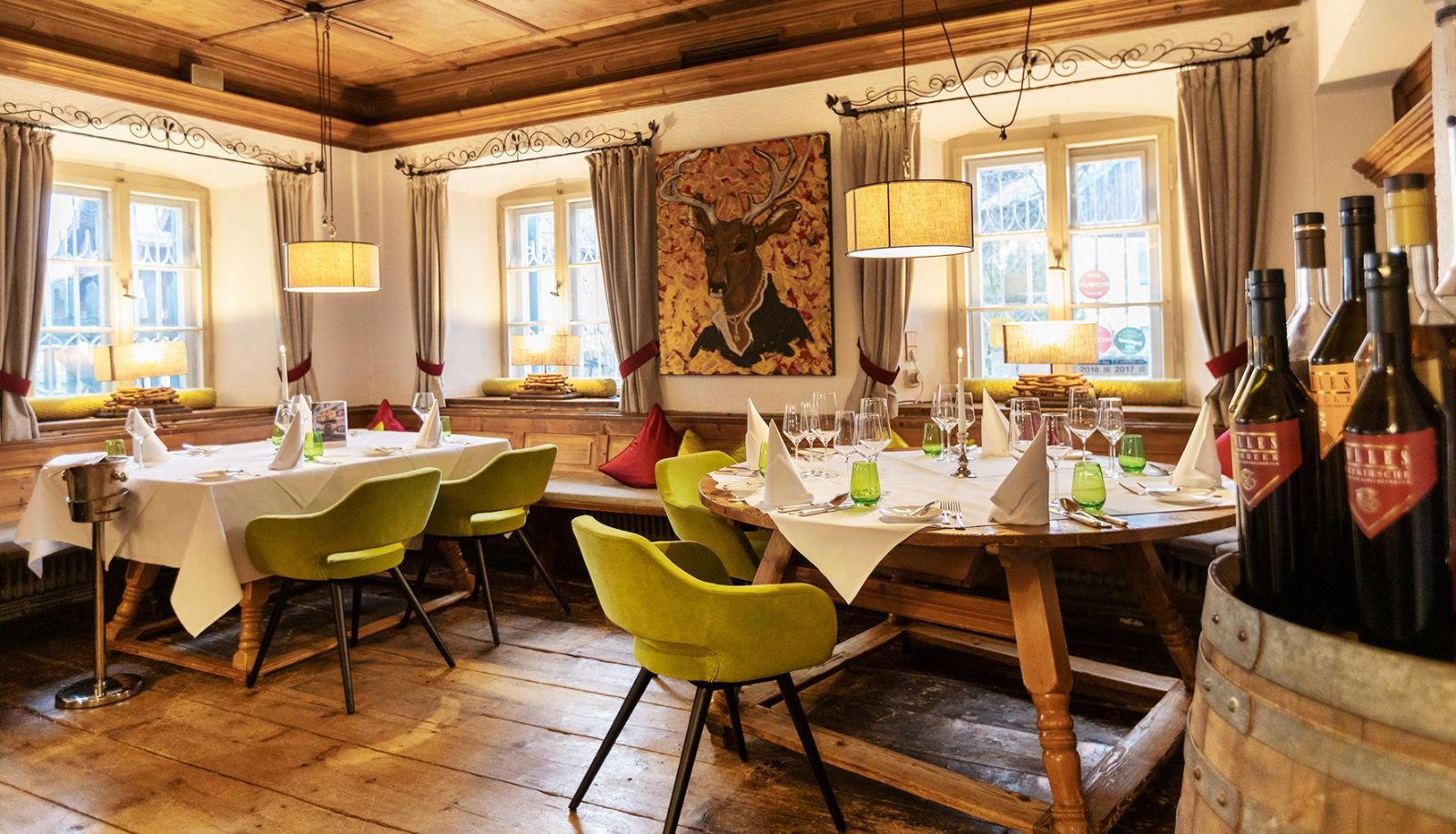
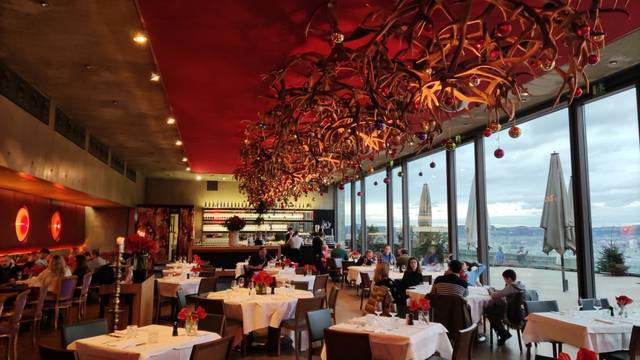
Bars in Rettenschoss
Browse all →


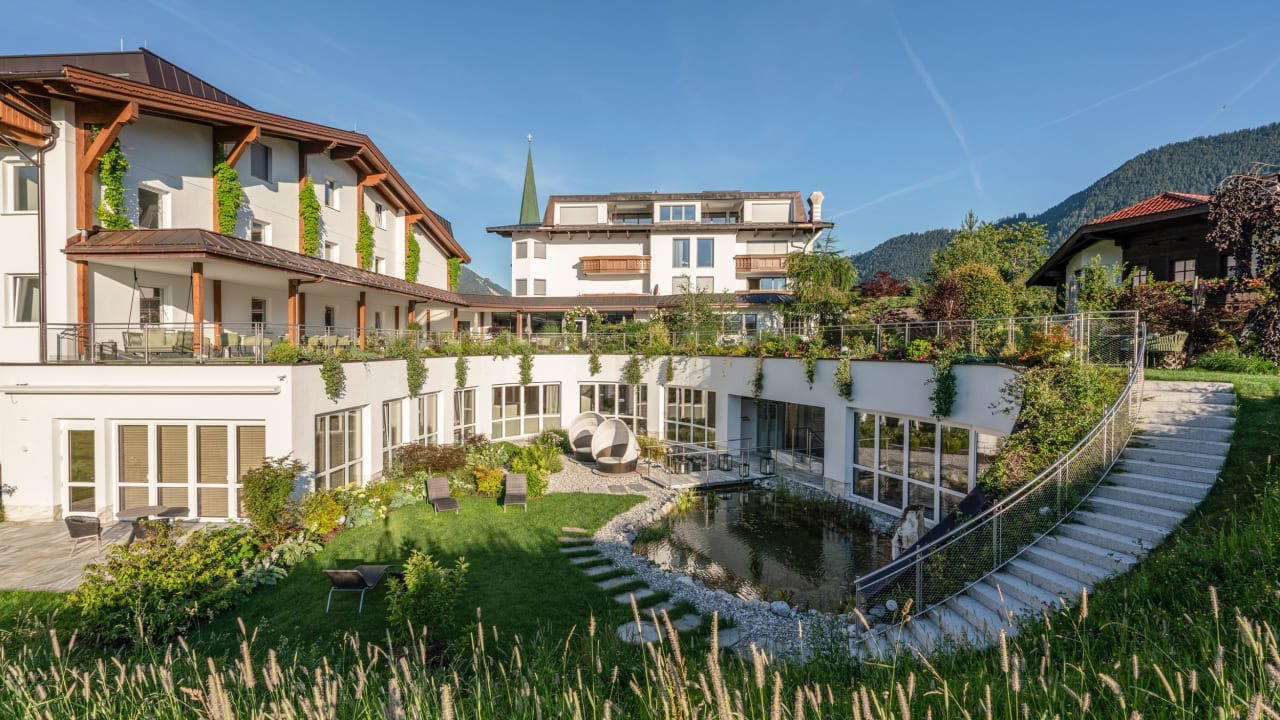
Hotels in Rettenschoss
Browse all →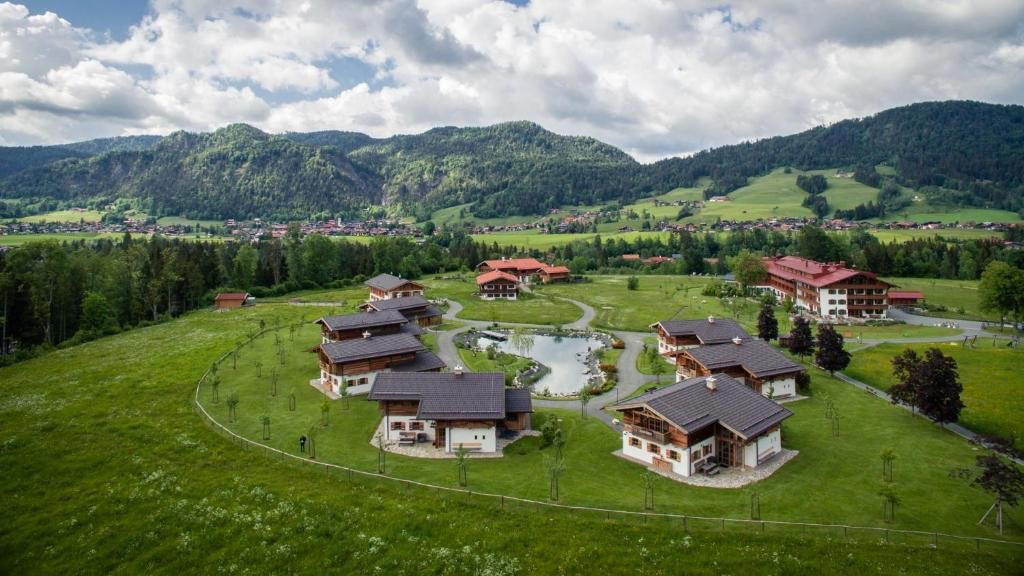
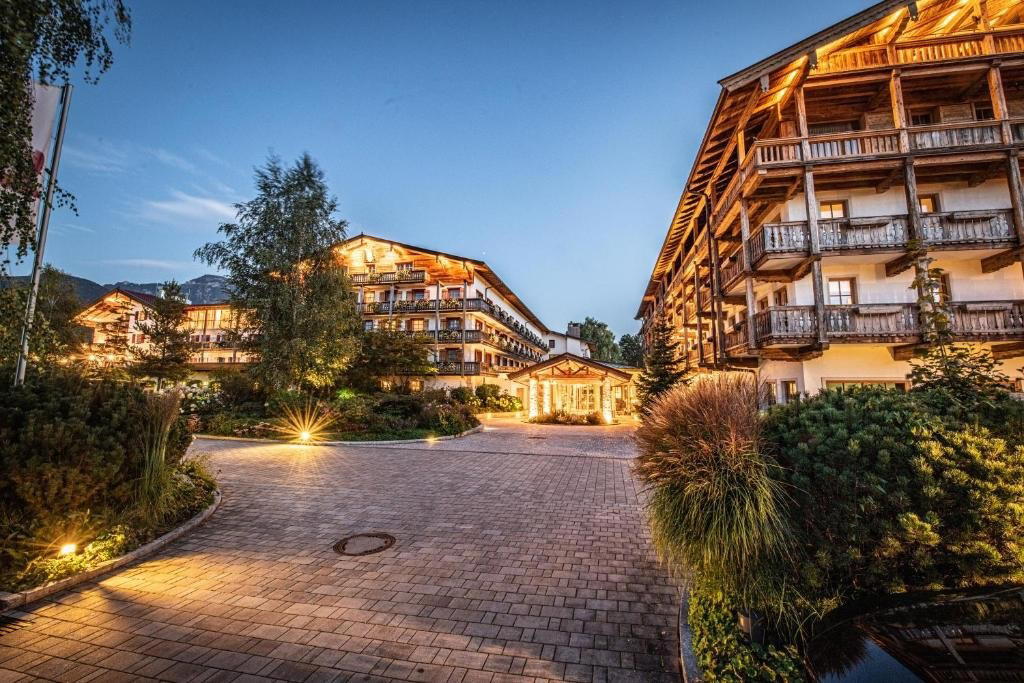
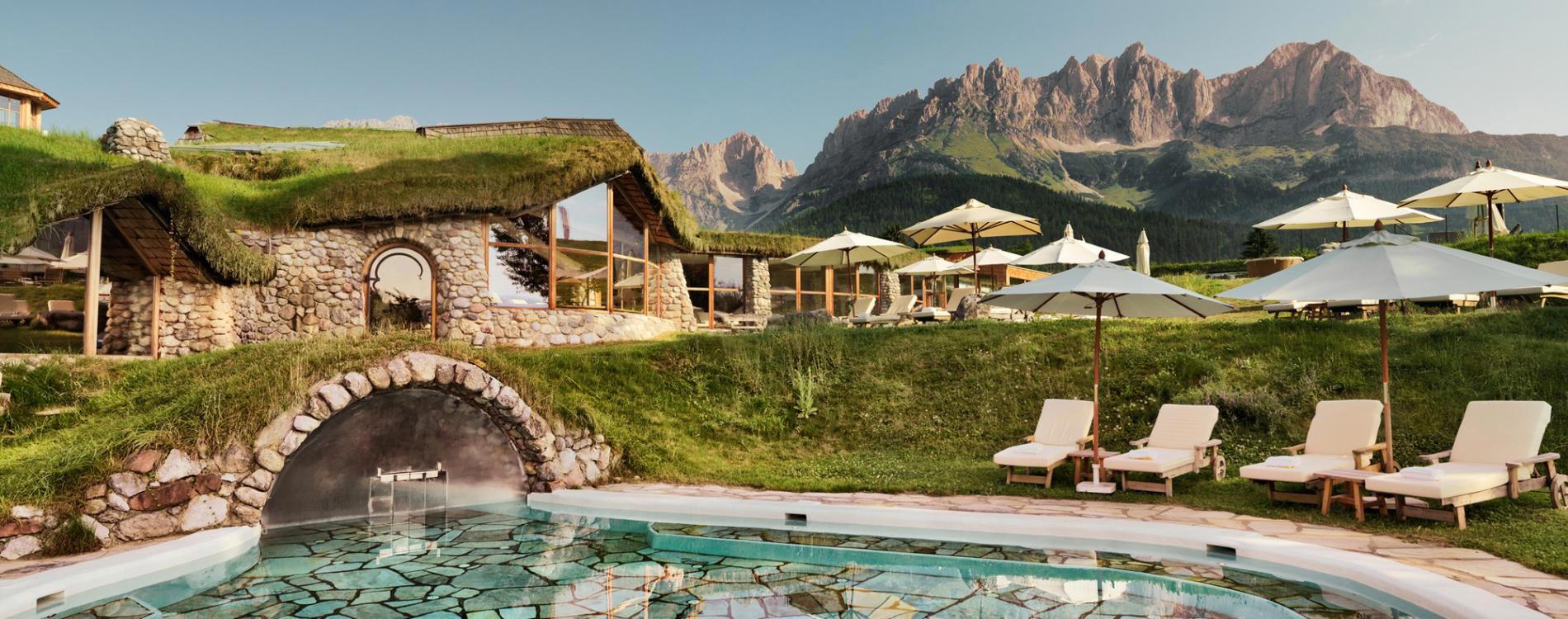
Wineries in Rettenschoss
Browse all →
At a Glance
- Scenic
- Cozy
- Rustic
- Family
- Casual Hangout
- Group Dining
- Standalone
- Panoramic View
- Local Sourcing
- Organic
- Mountain
Naturally scenic and cozy alpine-hut atmosphere with a traditional, authentic feel; the venue emphasizes a mountain setting and panoramic views.