One of Munich's most historically significant Bavarian restaurants, Zum Franziskaner on Residenzstraße has anchored the city's traditional dining scene for generations. Positioned steps from the Residenz palace complex, it draws locals and visitors alike for occasions that call for something more ceremonial than a neighbourhood Wirtshaus. The setting carries the weight of the address.
Pearl is the En Primeur Club membership app — saves, bookings, and concierge access live there. Same editors, same standards.
- Address
- Residenzstraße 9, 80333 München, Germany
- Phone
- +49 89 2318120
- Website
- zum-franziskaner.de
- Directions
- Get directions
 Saves & bookings on Pearl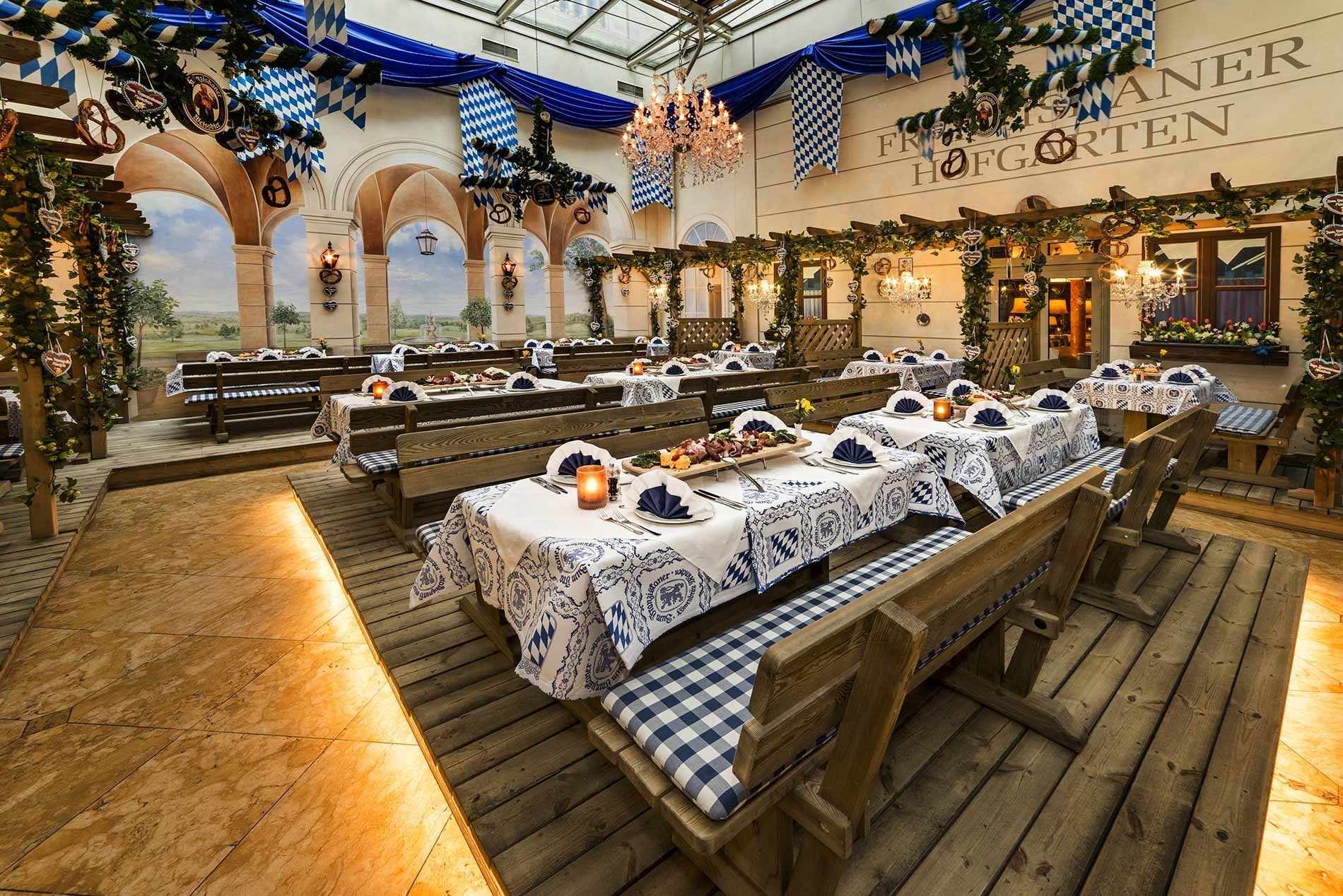
Where Munich Eats When It Matters
There are restaurants you visit on a Tuesday, and there are restaurants you visit when something needs marking. In Munich, the two categories have long been distinct, and Zum Franziskaner on Residenzstraße sits firmly in the second. The address alone carries a certain gravity: Residenzstraße runs along the eastern flank of the Residenz, the former Wittelsbach palace complex in central Munich. To arrive at Zum Franziskaner is to arrive somewhere that understands it is being used for occasions, and that behaves accordingly.
That quality, occasion-readiness, is harder to manufacture than a restaurant's defenders often admit. It requires accumulated time, a sense of physical permanence, and a room that reads as appropriate to ceremony without demanding that you perform it. Munich's premier fine-dining tier, represented by addresses like Tantris, Atelier, and Alois - Dallmayr Fine Dining, frames occasions through the vocabulary of contemporary fine dining: tasting menus, seasonal technique, precision service. Zum Franziskaner operates in a different register entirely, one that leans on Bavarian tradition rather than international culinary idiom. The contrast matters for anyone choosing between them.
The Physical Weight of the Room
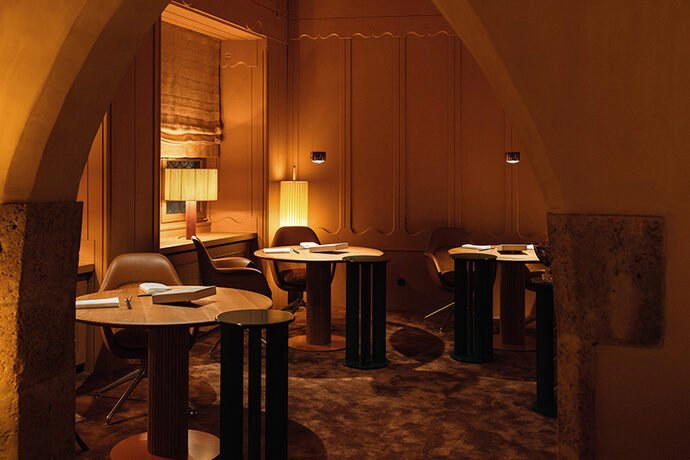
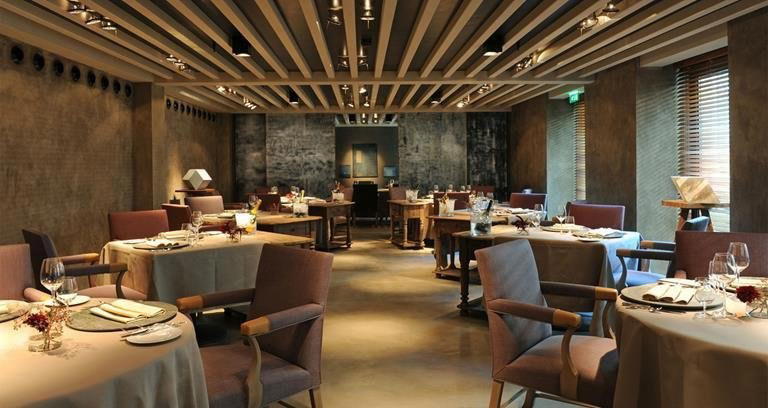
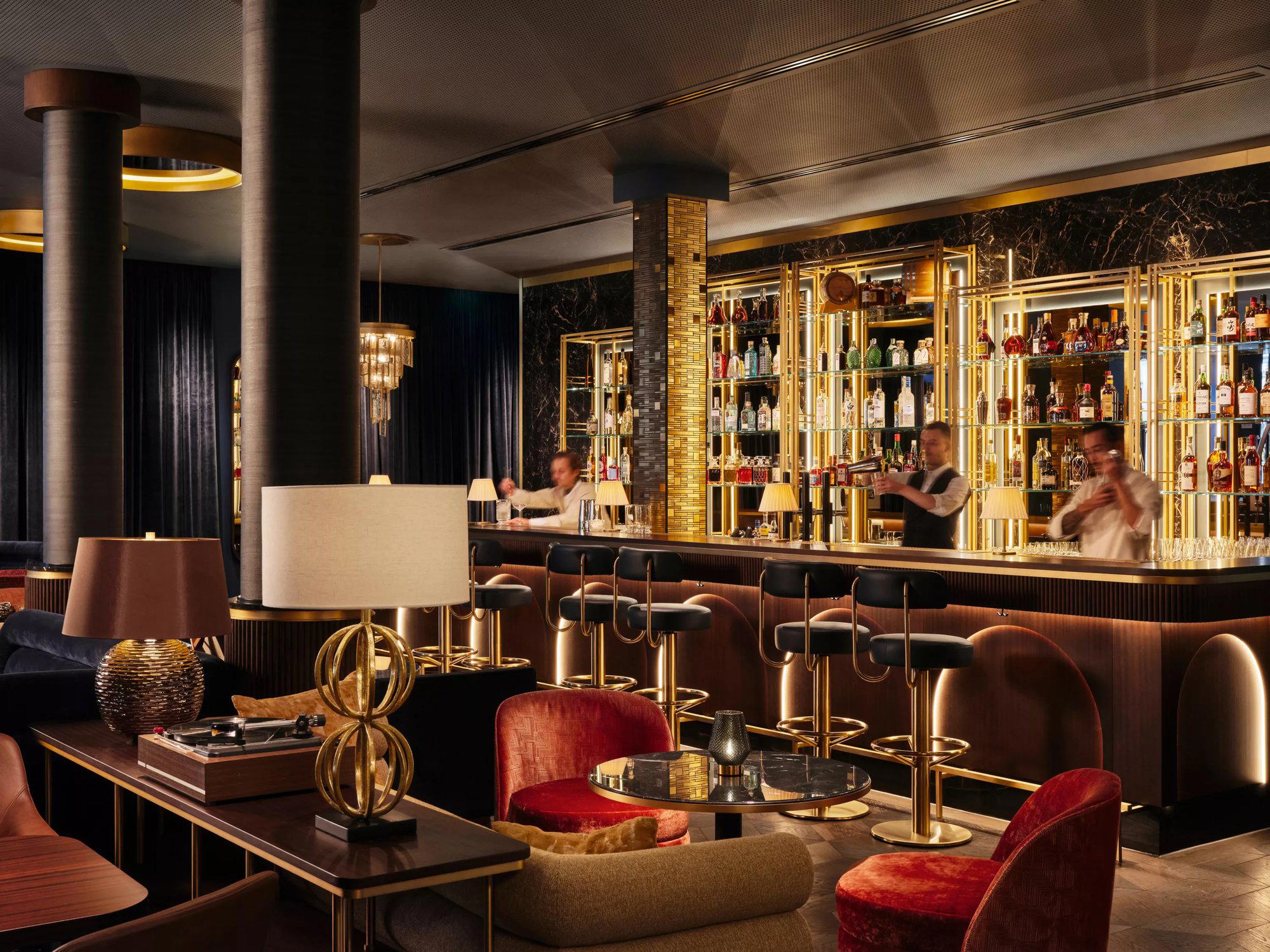
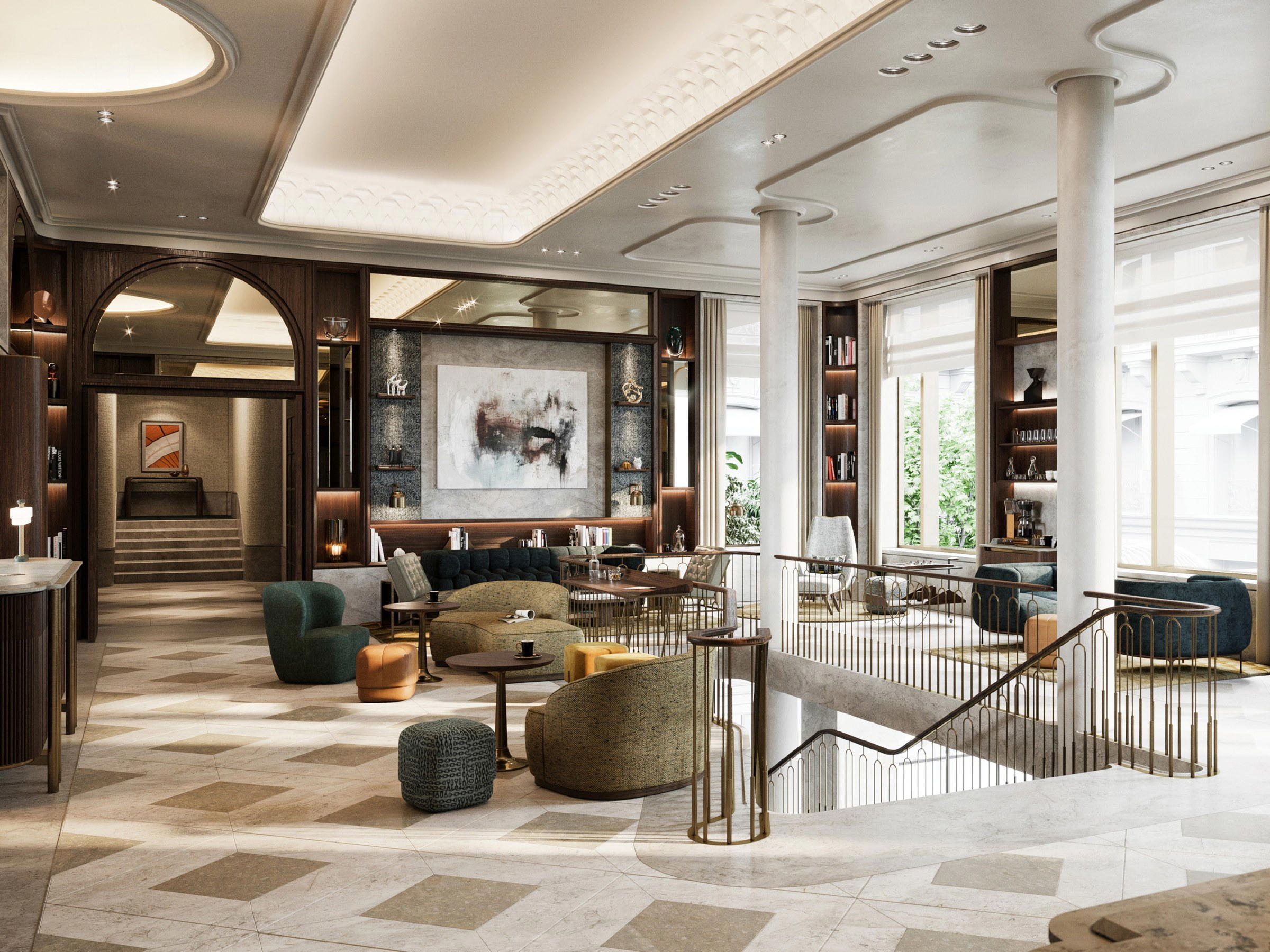
Occasion dining depends heavily on physical environment, and here the restaurant earns its reputation through architecture rather than decor campaigns. The building's interiors: vaulted ceilings, dark wood panelling, and a scale that accommodates large parties without feeling like a banqueting hall. The rooms carry the kind of patina that cannot be reproduced by design firms working to a brief, and for celebratory groups, that matters. A fiftieth birthday dinner or a post-christening table lands differently in a room with genuine age behind it than in a space designed to evoke age.
The ground-floor arrangement moves through several distinct spaces, allowing the restaurant to function across a range of group sizes. For visitors arriving from outside Munich, the proximity to the Residenz and the Nationaltheater makes logistics manageable: the address is central enough to serve as an anchor point for an evening that might begin with a walk through the Hofgarten or end with a performance at the opera house two minutes away.
Bavarian Tradition as the Occasion Framework
The tension in Munich's restaurant scene runs between its internationally prominent fine-dining circuit, which competes credibly with kitchens like Schwarzwaldstube in Baiersbronn or Vendôme in Bergisch Gladbach, and its deep tradition of Bavarian cooking that treats the region's agricultural output, game, pork, freshwater fish, and dairy, as a serious culinary tradition in its own right. The restaurant occupies the latter category, positioning itself as a formal expression of that tradition rather than a casual Wirtshaus or a fusion interpretation of it.
That positioning distinguishes it clearly from places like Tohru in der Schreiberei, where Bavarian ingredients meet Japanese precision, or JAN, where the creative angle is explicitly contemporary. For diners who want their occasion meal to feel rooted in where they are rather than in an international culinary conversation, the restaurant is one of the few addresses at this level of formality that makes that choice available.
German fine dining more broadly has experienced significant recognition in recent years, with kitchens like Aqua in Wolfsburg, Victor's Fine Dining by Christian Bau in Perl, and ES:SENZ in Grassau holding significant critical standing. That recognition has sharpened attention on what German cooking looks like at its most disciplined, and traditional Bavarian restaurants operating at a serious level benefit from that renewed interest. The restaurant sits inside that broader reassessment without being defined by it.
Occasion Dining Across Germany: What Munich Offers
Germany's occasion-dining geography is more distributed than most visitors appreciate. Hamburg has Restaurant Haerlin; the Moselle region offers Schanz in Piesport and Waldhotel Sonnora in Dreis for those willing to make the journey; Berlin has developed a genuinely interesting avant-garde tier anchored by places like CODA Dessert Dining; and the southwest has Bagatelle in Trier for occasion meals with a French-border sensibility. Munich's distinction is that it offers both a high-concentration fine-dining circuit and a tradition of formal Bavarian dining that has no real equivalent elsewhere in Germany. The restaurant sits at the intersection of those two things: formal enough for a significant occasion, Bavarian enough to feel specific to its city.
For international visitors who have dined at addresses like Le Bernardin in New York City or Lazy Bear in San Francisco, the restaurant represents a fundamentally different kind of occasion meal: less technique-forward, more tradition-anchored, and more explicitly tied to a specific place and culinary heritage. That is either the appeal or the limitation, depending on what you're looking for. Our full Munich restaurants guide maps both ends of that spectrum in detail.
Planning Your Visit
Residenzstraße 9 puts the restaurant within walking distance of most central Munich accommodation and directly on the path between the Residenz and Marienplatz. For occasion groups arriving by public transport, the closest U-Bahn stops at Odeonsplatz deposit visitors a short walk from the entrance. The restaurant's scale and historical standing in Munich's dining culture mean it can absorb larger parties for celebrations in a way that the city's fine-dining tasting-menu counters, typically configured for smaller groups, cannot. Anyone planning a milestone dinner for eight or more should consider that practical difference alongside the question of cuisine style. The restaurant is open daily from 10 AM to 12 AM, with reservations recommended and an estimated price of about $25 per person.
Cost and Credentials
Comparable venues nearby, for context on price, style, and recognition.
| Venue | Cuisine | Price | Notes |
|---|---|---|---|
| Zum FranziskanerThis venue — the venue you are viewing | Lehel, Traditional Bavarian | $$ | Not listed |
| Löwenbräukeller | Not listed | $$ | Neuhausen, Traditional Bavarian Beer Hall |
| Wirtshaus im Schichtl | Not listed | $$ | Theresienwiese, Traditional Bavarian Organic |
| Bamberger Haus | Not listed | $$ | Milbertshofen, Imperial Austrian-German Court Cuisine |
| Wirtshaus in der Au | Not listed | $$ | Au, Traditional Bavarian with Innovative Dumplings |
| Restaurant Central Café | Theresienwiese, Traditional Bavarian | $$ | Not listed |
At a Glance
- Classic
- Cozy
- Lively
- Group Dining
- Casual Hangout
- After Work
- Historic Building
- Beer Program
Current opening hours
- Monday
- 10 AM–12 AM
- Tuesday
- 10 AM–12 AM
- Wednesday
- 10 AM–12 AM
- Thursday
- 10 AM–12 AM
- Friday
- 10 AM–12 AM
- Saturday
- 10 AM–12 AM
- Sunday
- 10 AM–12 AM
Hours can change for holidays and private events. Last verified .
Laid-back, living room-like atmosphere with beer garden/brewery layout, always bustling and energetic especially after opera performances.