A Bavarian Wirtshaus in Munich's Riem district, Wirtshaus zur Rennbahn sits near the old racecourse grounds and operates in the tradition of the neighbourhood tavern: a place where regulars return not for novelty but for continuity. The cooking follows the logic of the region, rooted, seasonal, and built around communal eating, making it a useful counterpoint to Munich's fine-dining circuit.
Pearl is the En Primeur Club membership app — saves, bookings, and concierge access live there. Same editors, same standards.
- Address
- Graf-Lehndorff-Straße 36, 81929 München, Germany
- Phone
- +498993080650
- Website
- wirtshaus-zur-rennbahn.de
- Directions
- Get directions
 Saves & bookings on Pearl
Where the Neighbourhood Eats, Not Where Tourists Look
Munich's dining conversation is dominated by its Michelin tier: Tantris in Schwabing, Atelier in the Bayerischer Hof, Alois at Dallmayr, Tohru in der Schreiberei, and JAN. Wirtshaus zur Rennbahn, at Graf-Lehndorff-Straße 36 in the eastern district of Riem, belongs to a completely different register.
The Wirtshaus format, the Bavarian tavern, is one of the more durable institutions in German food culture. It operates on the logic of return. The regulars are the business model. The space, the schedule, and the cooking all bend toward the habits of people who have been coming for years. In a city that has gentrified rapidly and seen many of its old-district taverns replaced by wine bars or pan-Asian concepts, a functioning neighbourhood Wirtshaus in the eastern suburbs carries a quiet significance.
The Riem Setting and What It Signals
Riem is not a neighbourhood that appears on Munich food itineraries. It is east of the Ostbahnhof, past the Messestadt, adjacent to what was once the Munich-Riem airport and later redeveloped around the 1998 Garden Festival grounds. The racecourse that gives the street its name, Graf-Lehndorff-Straße, and the venue its identity is the Trabrennbahn München-Riem, a trotting track with a long history in the city's sporting calendar. The Wirtshaus has anchored itself to that geography in name and in spirit: the clientele has historically included those who come for the races and those who simply live nearby.
That neighbourhood anchoring is not incidental. Across Germany, resilient traditional dining rooms are the ones with a genuine local catchment. The Wirtshaus zur Rennbahn operates on the same principle at a different price tier and with a different ambition.
What Keeps the Regulars Returning
The regulars' relationship with a Wirtshaus is built on trust. It is not the trust of a chef's tasting menu, where you surrender to a sequence and accept the kitchen's judgment course by course. It is a more practical trust: that the Schweinebraten will be the way you expect it, that the Bavarian classics will arrive in portions calibrated for actual hunger rather than photographic composition, and that the room will feel the same as it did six months ago.
This is the unwritten menu that loyal clientele understand before they sit down. Bavarian tavern cooking at this level has its own grammar: roast pork with crackling and bread dumplings, boiled beef with horseradish sauce, radishes cut in the Bavarian radi style, pretzels dense enough to hold their shape in Weissbier. The cooking is not designed to surprise. It is designed to satisfy a specific expectation, and in that, it functions as a form of institutional knowledge kept alive through repetition.
Germany's broader fine-dining circuit, from Aqua in Wolfsburg to Vendôme in Bergisch Gladbach, and from Victor's Fine Dining in Perl to ES:SENZ in Grassau, gets considerable attention for its technical ambition. That attention is deserved. But the Wirtshaus tradition is what German dining culture actually rests on at scale. It is the format that most Germans experience most of the time, and its persistence in neighbourhoods like Riem matters as documentation of regional eating habits that the Michelin tier was never designed to represent.
Placing It in Munich's Wider Eating Map
Munich's tavern culture has thinned considerably in the inner city, where rents and shifting demographics have converted many old Wirtshäuser into something more profitable. What remains tends to cluster in the outer districts: Pasing, Schwabing's edges, Milbertshofen, and the eastern suburbs around Riem. The Wirtshaus zur Rennbahn sits in that outer ring, operating at a remove from the tourist-facing versions of Bavarian hospitality that define the Marienplatz area.
That distance is part of the appeal for those who seek it out. The room is not staging a performance of Bavarian identity for visitors arriving from the city centre. It is simply the local eating place, with all the compressed social meaning that implies: the stammtisch reserved for regulars, the seasonal specials written on a board, the service that assumes you know how things work. For visitors willing to travel east on the S-Bahn or U-Bahn network, the Messestadt Riem station places the area within reasonable reach of the city centre, but the effort of getting there is, in itself, a filter. The people who arrive have generally made a deliberate choice.
For context on the range of options Munich offers across price tiers and styles, the full Munich restaurants guide maps the city's dining from Michelin-tracked fine dining down through the neighbourhood level. The restaurant occupies the end of that spectrum that travel journalism most consistently underrepresents.
Planning a Visit
Traditional Wirtshäuser of this type often take walk-ins as a matter of course, particularly earlier in the evening, though weekends and race-day schedules at the nearby Trabrennbahn may compress availability. Visitors with specific dietary requirements should confirm arrangements ahead of arrival. The address at Graf-Lehndorff-Straße 36, Munich 81929, places it in the eastern Riem district.
How It Stacks Up
Comparable venues nearby, for context on price, style, and recognition.
| Venue | Cuisine | Price | Notes |
|---|---|---|---|
| Wirtshaus zur RennbahnThis venue — the venue you are viewing | Bavarian-Modern German | $$ | Not listed |
| Hofbräukeller | Traditional Bavarian Beer Garden | $$ | Haidhausen |
| Deutsche Eiche | Modern Bavarian | $$ | Isarvorstadt |
| Wildmosers Restaurant-Cafe am Marienplatz - München | Traditional Bavarian | $$ | Altstadt |
| Miss Lilly's | German Cafe with Regional Specialties | $$ | Au |
| Augustiner Gutshof Menterschwaige | Traditional Bavarian Gasthausbrauerei | $$ | Prinz Ludwigshoehe |

At a Glance
- Rustic
- Cozy
- Scenic
- Lively
- Group Dining
- Casual Hangout
- After Work
- Terrace
- Garden
- Standalone
- Beer Program
- Garden
Current opening hours
- Monday
- Closed
- Tuesday
- 11 AM–10 PM
- Wednesday
- 11 AM–10 PM
- Thursday
- 11 AM–10 PM
- Friday
- 11 AM–10 PM
- Saturday
- 11 AM–10 PM
- Sunday
- 11 AM–10 PM
Hours can change for holidays and private events. Last verified .
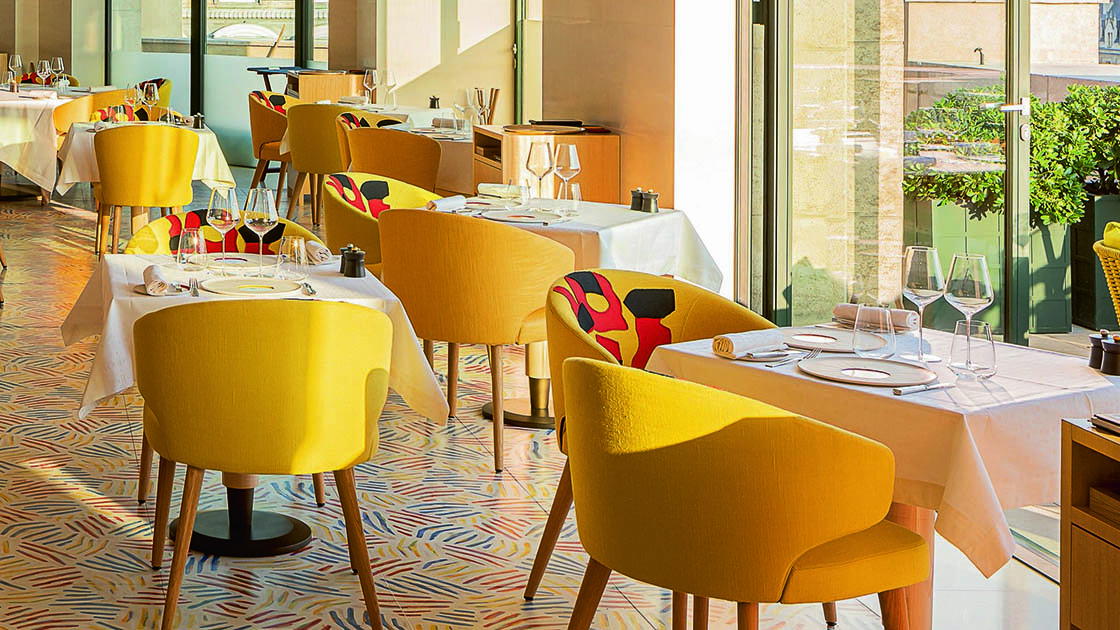
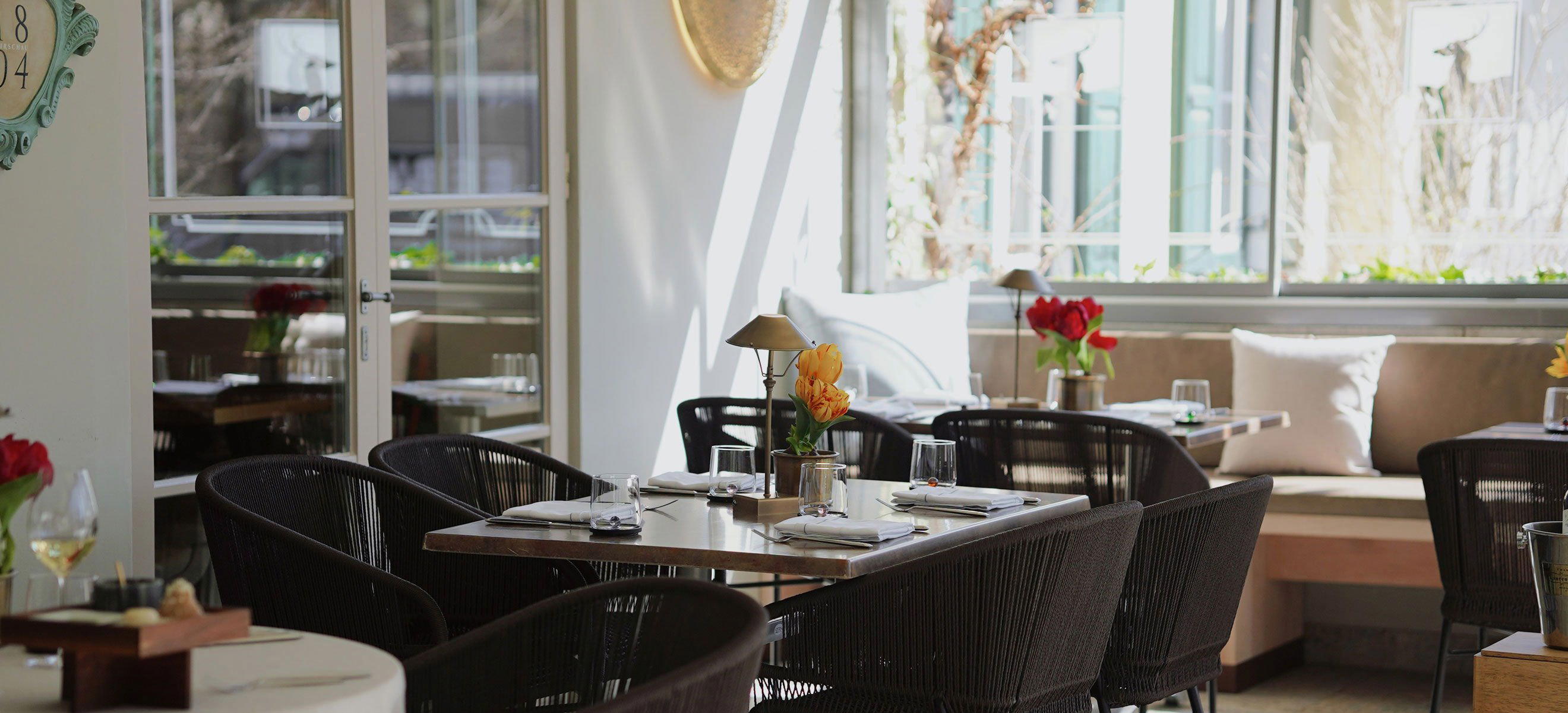
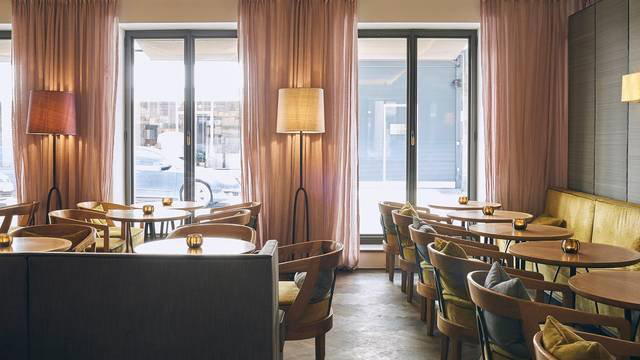
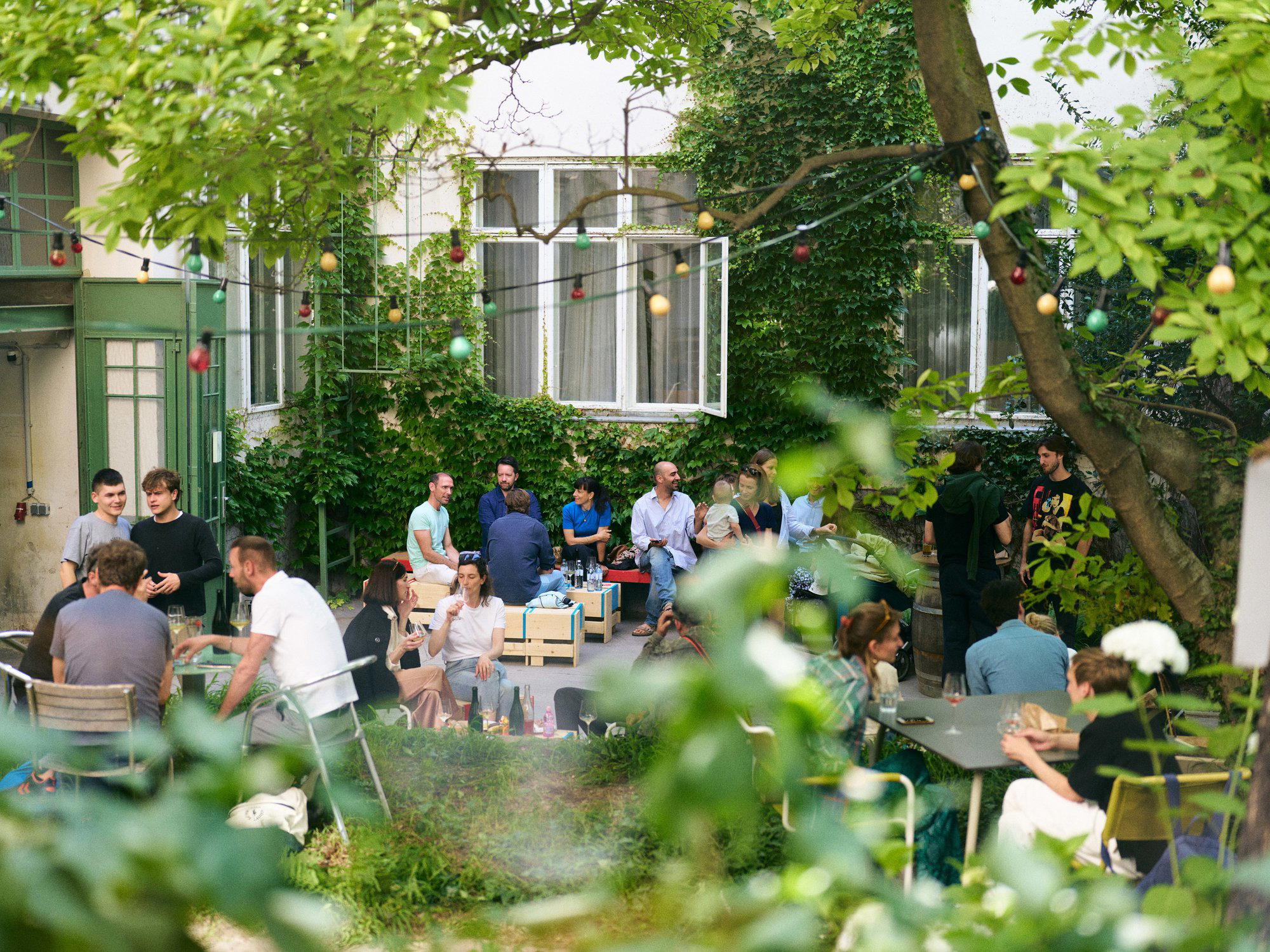
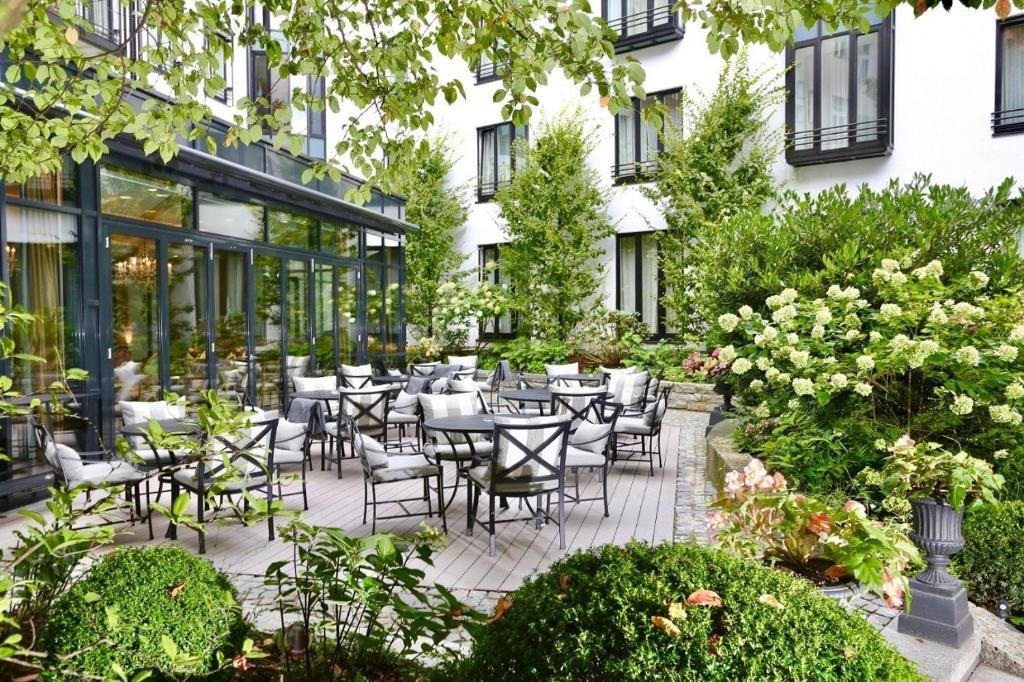
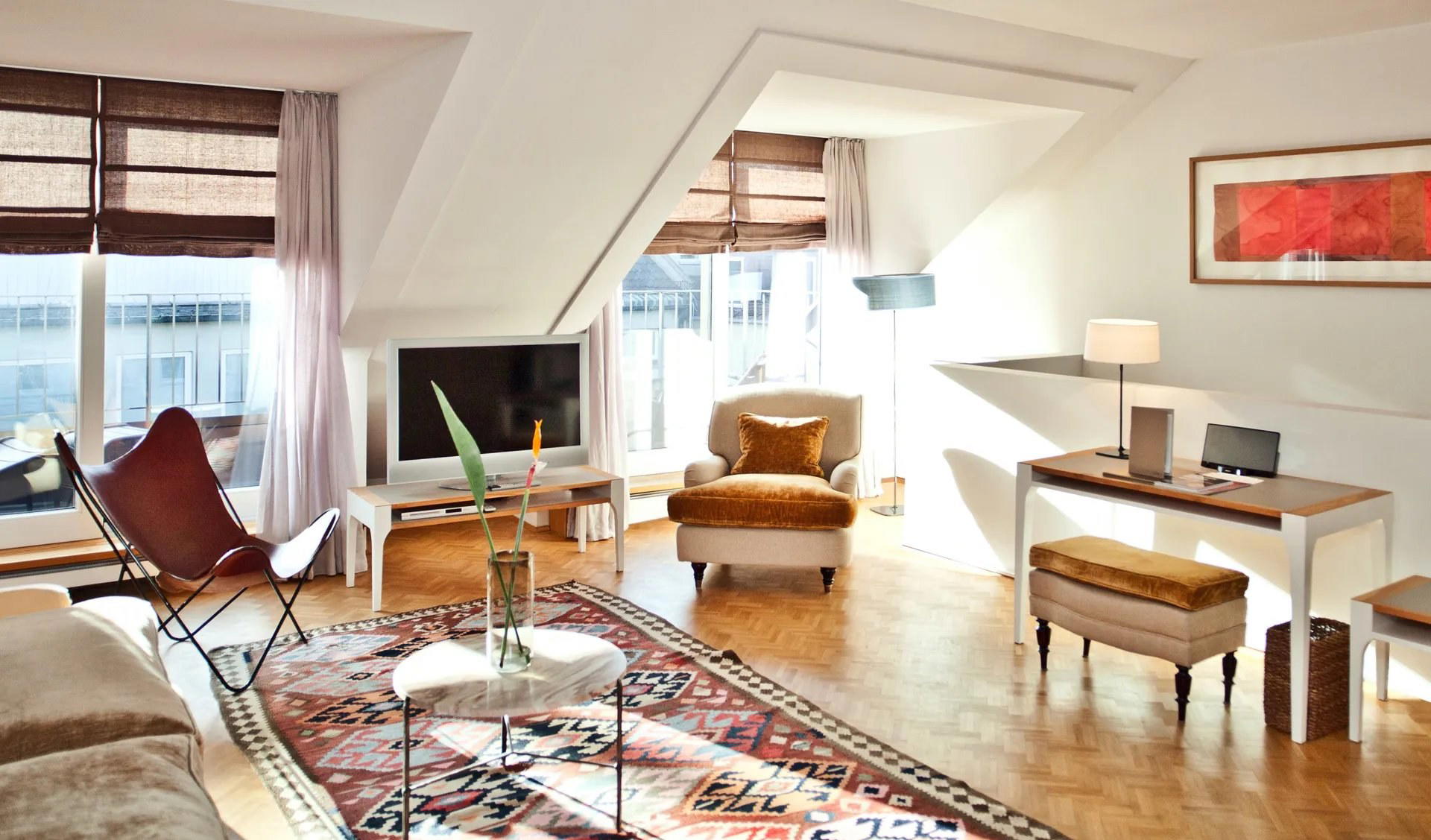
Energetic and lively atmosphere with traditional Bavarian charm, featuring natural lighting from large windows and outdoor terraces with views of the surrounding green spaces.