Münchner Stubn occupies a central Munich address on Bayerstraße, positioning it within the city's broader tradition of Bavarian gastronomy. The name signals a deliberate rootedness in local dining culture, where the Stubn format, intimate, room-like, unhurried, shapes both the physical environment and the pace of a meal. For visitors seeking Munich dining beyond the high-concept tasting menu circuit, it represents a point of entry into a longer regional tradition.
Pearl is the En Primeur Club membership app — saves, bookings, and concierge access live there. Same editors, same standards.
- Address
- Bayerstraße 35, 80335 München, Germany
- Phone
- +4989551113330
- Website
- muenchner-stubn.de
- Directions
- Get directions
 Saves & bookings on Pearl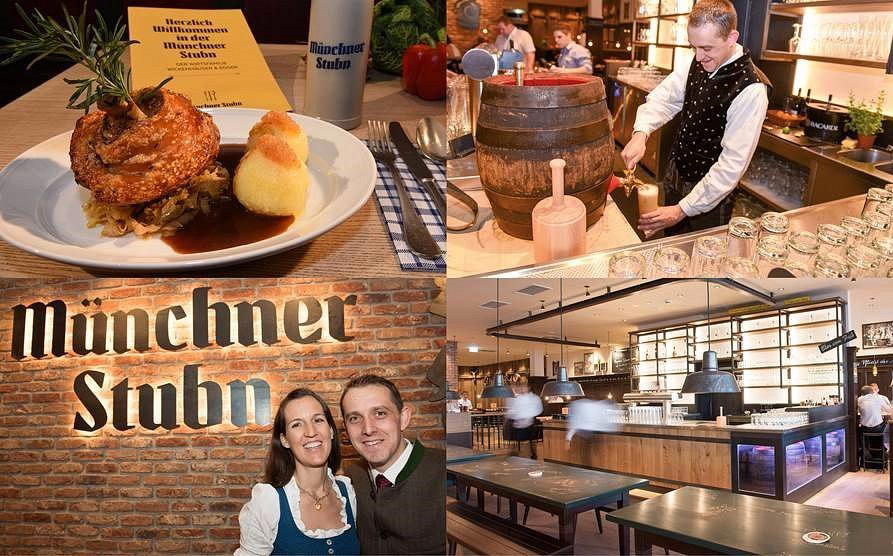
The Stubn Tradition and What It Demands of a Diner
Münchner Stubn is a traditional Bavarian gastropub in Munich, on Bayerstraße 35 near the main station, with a casual dress code and recommended reservations. Munich's dining culture operates on two largely parallel tracks. One runs through the city's Michelin-starred circuit, where venues like Tantris and Atelier trade in contemporary European formats, long tasting menus, and wine programs built for serious collectors. The other runs through the Stubn: a specifically Bavarian dining room concept that resists spectacle by design. The word itself translates loosely as a sitting room or parlour, and it carries an expectation of informality, directness, and a meal paced around conversation rather than kitchen theatre.
Münchner Stubn, at Bayerstraße 35 in the central Ludwigsvorstadt district, takes its name from that second tradition. The address places it within walking distance of Munich's main railway station, in a neighbourhood that moves between transit accommodation and genuine local commerce. That location matters for understanding what the venue is doing and for whom: it is not positioned to compete with the creative omakase-style formats at JAN or the Japanese-German hybrids at Tohru in der Schreiberei. It occupies a different register entirely.
How the Bavarian Dining Ritual Shapes the Room
The Stubn format carries specific behavioural codes that distinguish it from both the brasserie and the formal dining room. In the traditional Bavarian model, the meal is not structured around courses announced by a server with rehearsed preambles. Dishes arrive when they are ready. Seating is often shared at larger tables. The expectation of lingering, staying well past the point at which a city restaurant might begin to signal that a table is needed, is built into the format's logic, not treated as an inconvenience.
This is a dining ritual that rewards patience and penalises visitors looking for speed or ceremony. The correct posture here is to order decisively, accept that the kitchen sets the tempo, and treat the meal as a social event with food as its occasion rather than its centrepiece. Across Germany's broader regional dining traditions, this approach has proven more durable than trend-led formats: venues built around it tend to operate for decades, accruing regulars rather than rotating through waves of curious first-timers. For comparison, look at how Bavarian-rooted formats in rural settings have outlasted many of the cities' more fashionable contemporaries.
The contrast with Munich's high-end tasting menu tier is instructive. At Alois - Dallmayr Fine Dining, or at the creative French work being done at Atelier, the meal is structured as a directed experience: the kitchen controls sequence, portion, and pacing with precision. The Stubn inverts that relationship. The diner controls the rhythm; the kitchen responds to it.
Bavarian Cuisine in the Context of Germany's Fine Dining Geography
Germany's serious dining geography is notably decentralised. The country's most-decorated kitchens are spread across small cities and rural addresses: Aqua in Wolfsburg, Schwarzwaldstube in Baiersbronn, Vendôme in Bergisch Gladbach, and Waldhotel Sonnora in Dreis each represent major culinary recognition outside any major metropolitan centre. Munich, for all its economic weight, does not dominate German fine dining in the way Paris dominates French.
What Munich does hold is one of the country's most coherent regional food identities. Bavarian cooking draws on a specific larder: pork in its many preparations, freshwater fish from alpine rivers and lakes, bread and dumpling traditions that date back centuries, and dairy products with strong regional denominational identity. Where the city's ambitious kitchens, from JAN to Tohru in der Schreiberei, tend to work against or beyond that larder, Stubn-format venues tend to work squarely within it.
That is not a retreat from ambition. It is a different ambition: to execute a known tradition with consistency and without the need for novelty to justify the experience. Germany's ES:SENZ in Grassau and Schanz in Piesport represent the creative-regional hybrid approach. Venues like Münchner Stubn operate from a different premise: the tradition is the destination.
Placing Münchner Stubn in Munich's Dining Tier
Munich's upper dining tier, anchored by multiple Michelin-starred venues, operates at price points that align with Paris or Tokyo. The creative and fine-dining venues cluster in the €€€€ bracket, with tasting menus frequently exceeding €150 per person before wine. Below that tier, the city's mid-range dining scene is genuinely competitive, and the Stubn format historically occupies that space: accessible in price, generous in portion, and consistent in execution rather than seasonal in ambition.
Bayerstraße 35 places the restaurant in a transit-adjacent zone that the city's more scenographic restaurants tend to avoid. For visitors arriving by rail and looking to eat in the first hours in Munich without crossing the city, that location is a practical advantage. For Munich locals, venues of this type tend to serve as reliable anchors rather than destinations requiring advance planning.
Germany's more experimental dining formats, including CODA Dessert Dining in Berlin or Victor's Fine Dining by Christian Bau in Perl, operate from entirely different premises, where the concept itself is the differentiator. The Stubn model asks a different question: not what is new, but what is right. In a city with a dining culture as historically grounded as Munich's, that question has a long answer.
For those building a broader picture of Germany's premium dining geography, venues like Restaurant Haerlin in Hamburg, Bagatelle in Trier, and internationally, Le Bernardin in New York City and Atomix in New York City, represent the further end of the ambition spectrum. Munich's own contribution to that conversation can be traced through
Know Before You Go
- Address: Bayerstraße 35, 80335 München, Germany
- Neighbourhood: Ludwigsvorstadt, near Munich Hauptbahnhof
- Format: Traditional Bavarian Stubn dining room
- Price tier: €€
- Reservations: Recommended
Reputation Context
Comparable venues nearby, for context on price, style, and recognition.
| Venue | Cuisine | Price | Notes |
|---|---|---|---|
| Münchner StubnThis venue — the venue you are viewing | Traditional Bavarian Gastropub | $$ | Not listed |
| Pretty Bun | Premium Hot Dogs | $$ | Neuhausen |
| Zum Franziskaner | Traditional Bavarian | $$ | Lehel |
| Augustiner-Keller | Traditional Bavarian Beer Garden | $$ | Neuhausen |
| Catwalk | German Cafe with Breakfast All Day | $$ | Schwabing |
| IRMI | Modern Munich Kitchen with Bavarian Traditions | $$ | Theresienwiese |
At a Glance
- Rustic
- Cozy
- Classic
- Family
- Group Dining
- Casual Hangout
- Historic Building
- Beer Program
- Local Sourcing
- Organic
Current opening hours
- Monday
- 11 AM–12 AM
- Tuesday
- 11 AM–12 AM
- Wednesday
- 11 AM–12 AM
- Thursday
- 11 AM–12 AM
- Friday
- 11 AM–12 AM
- Saturday
- 11 AM–12 AM
- Sunday
- 11 AM–12 AM
Hours can change for holidays and private events. Last verified .
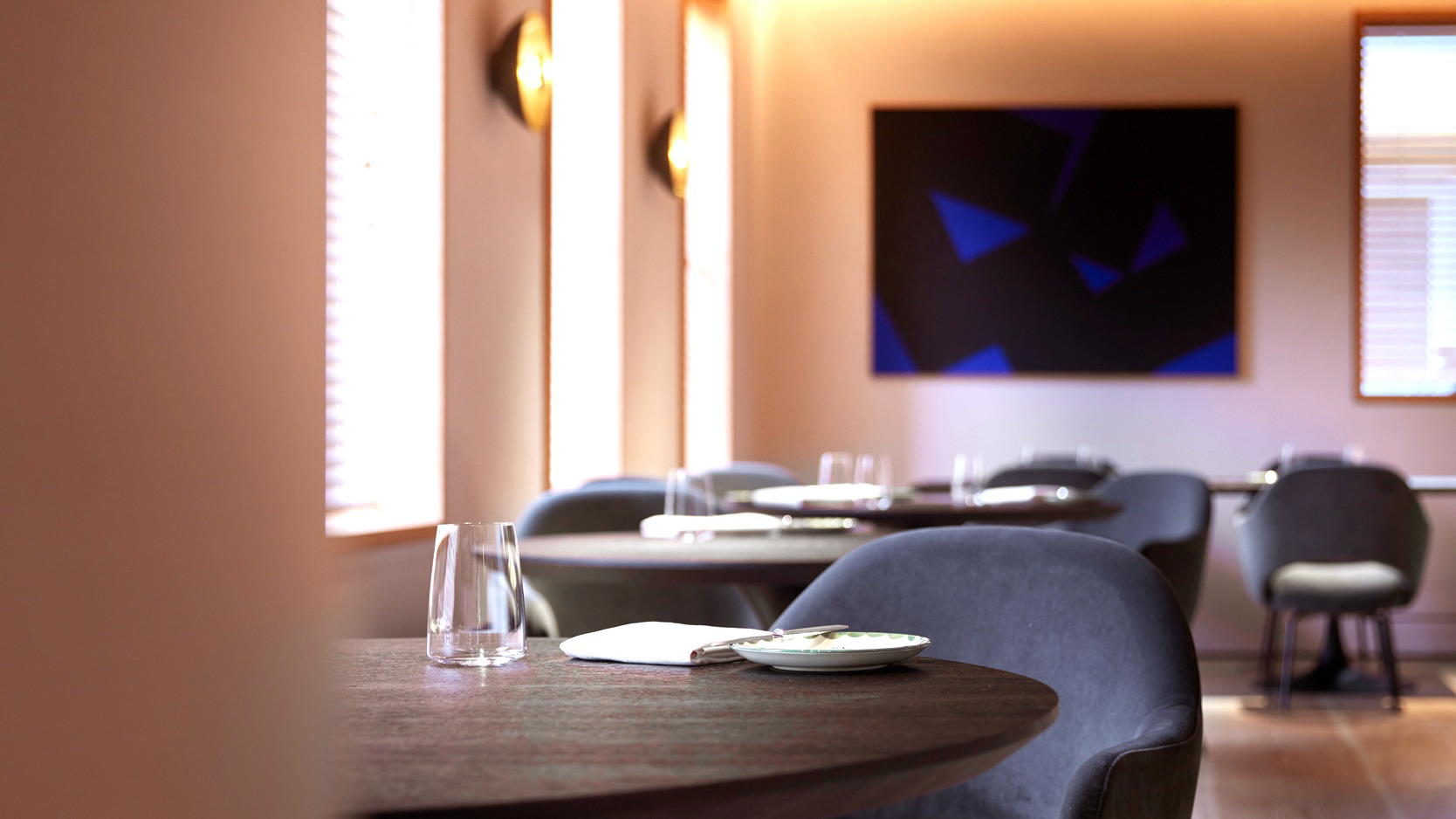
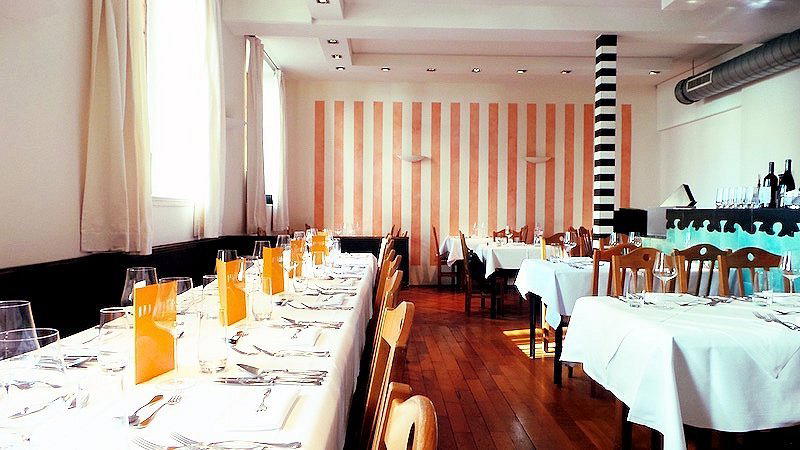
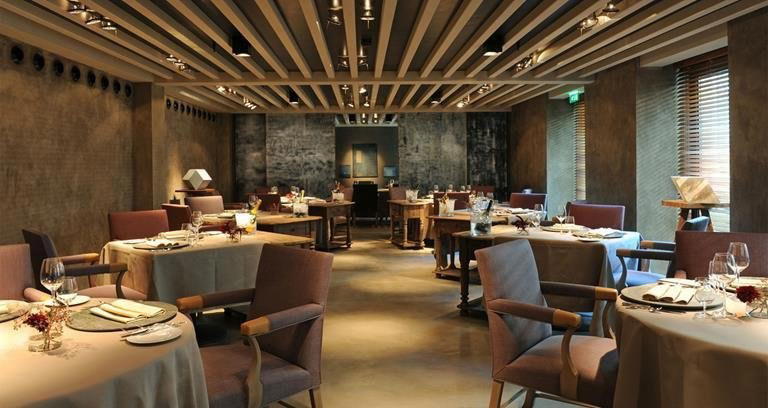
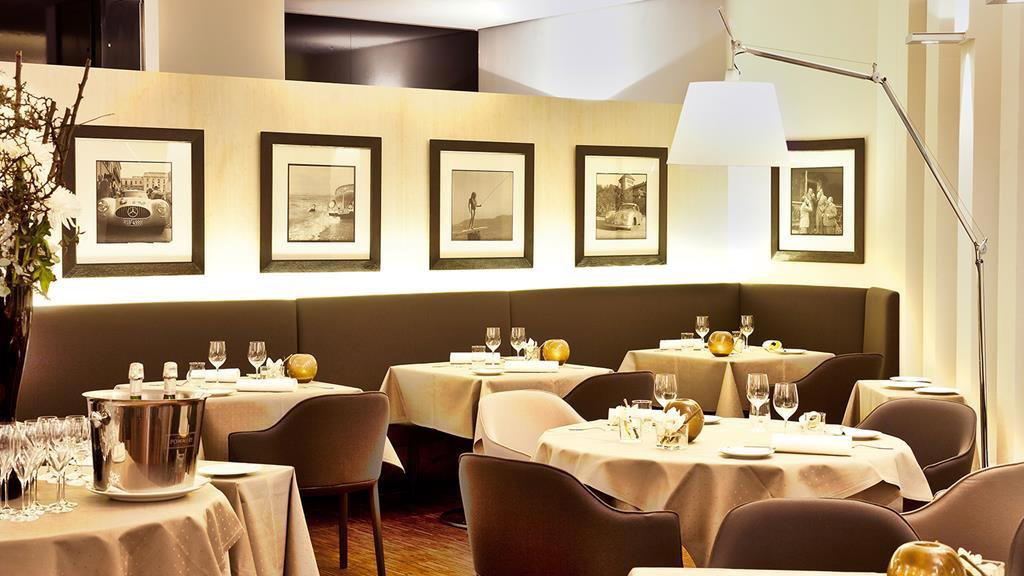
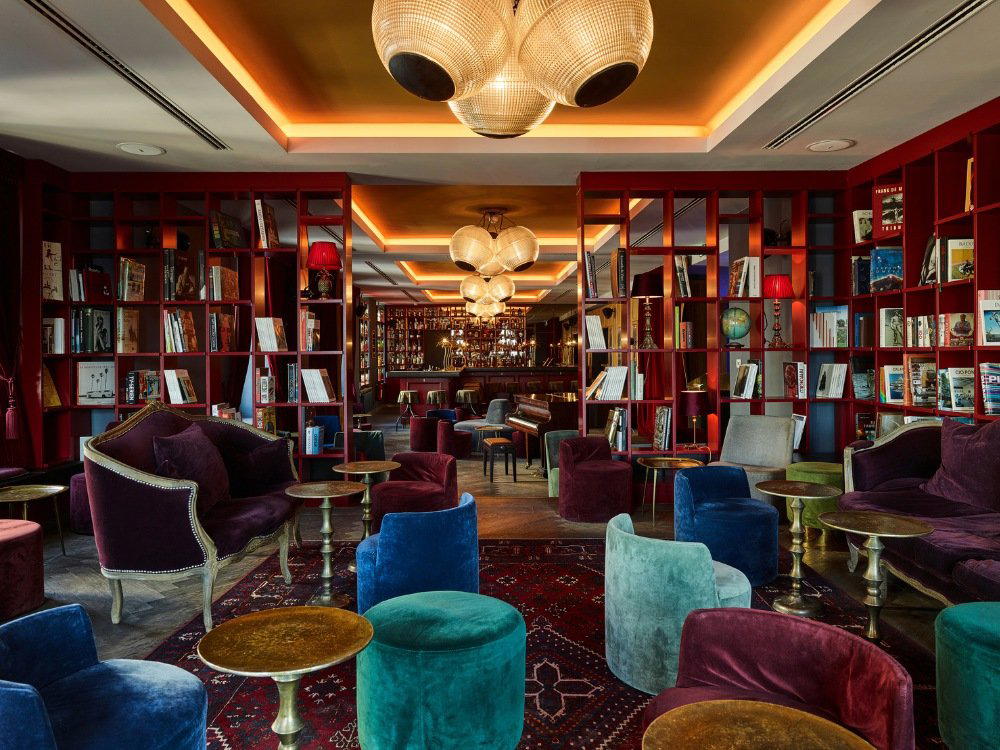
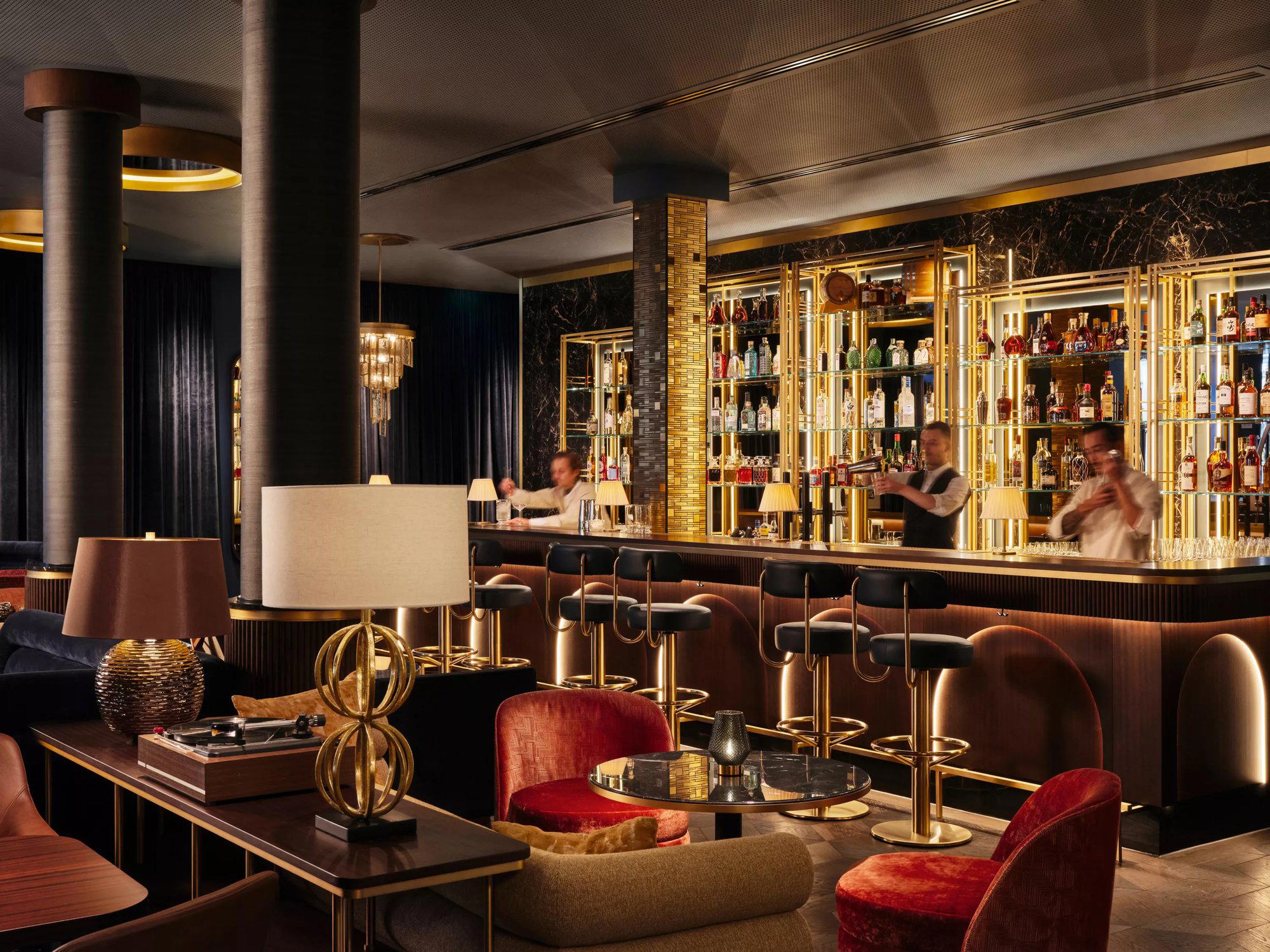
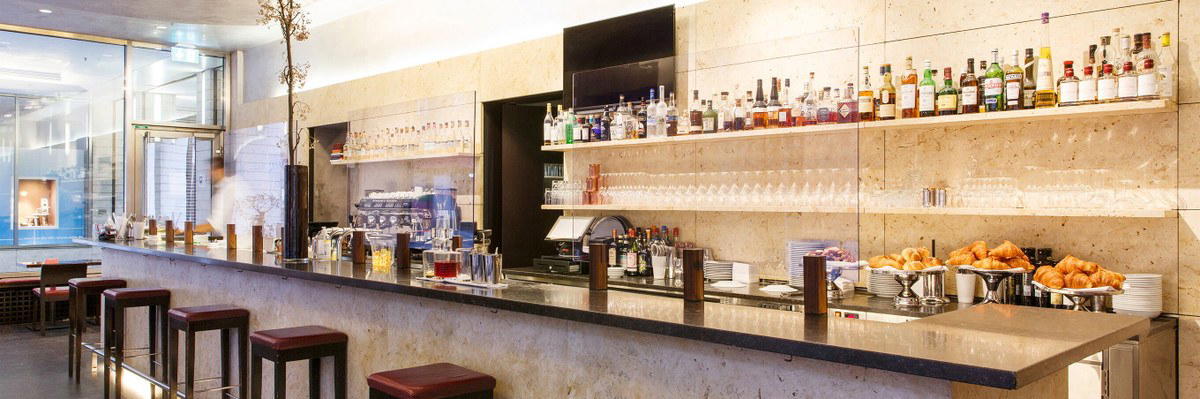
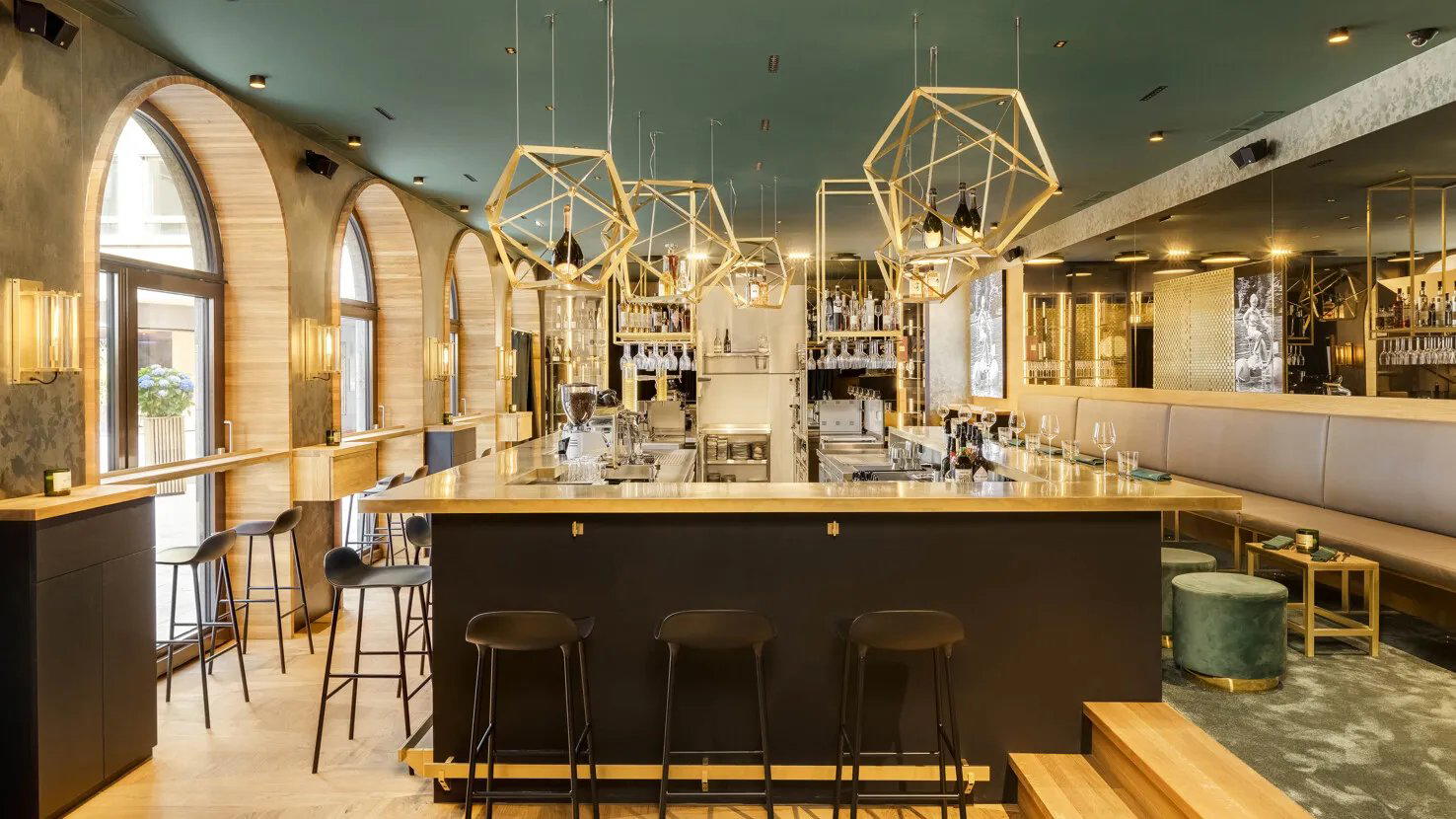
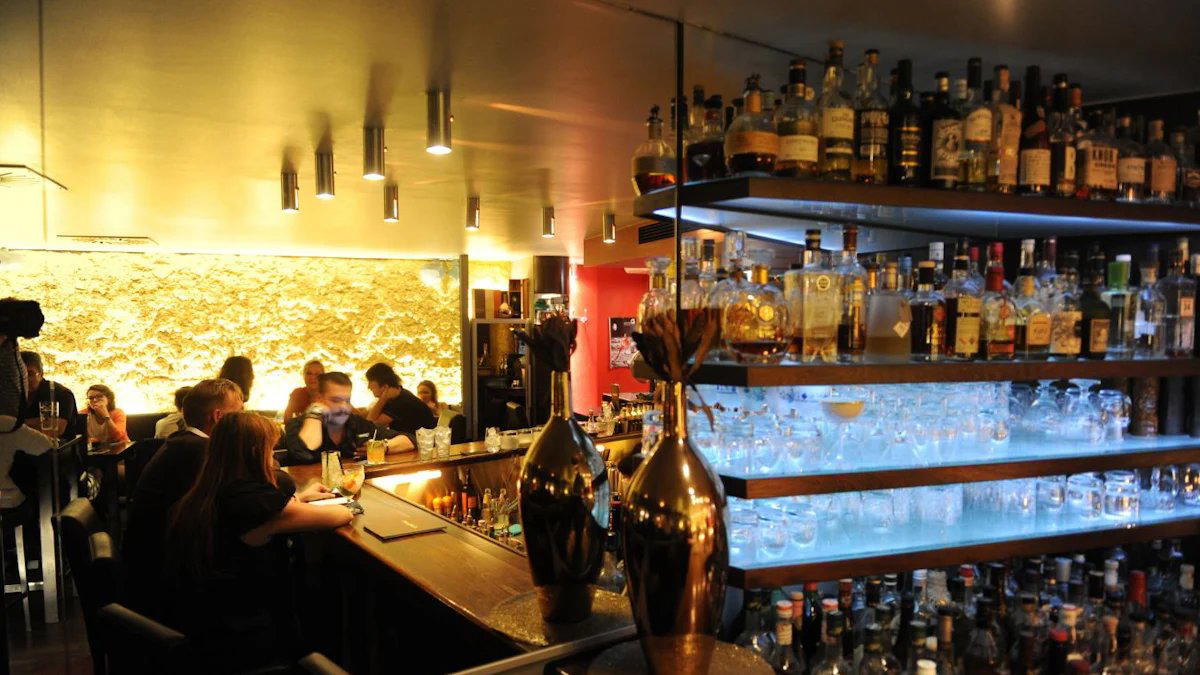
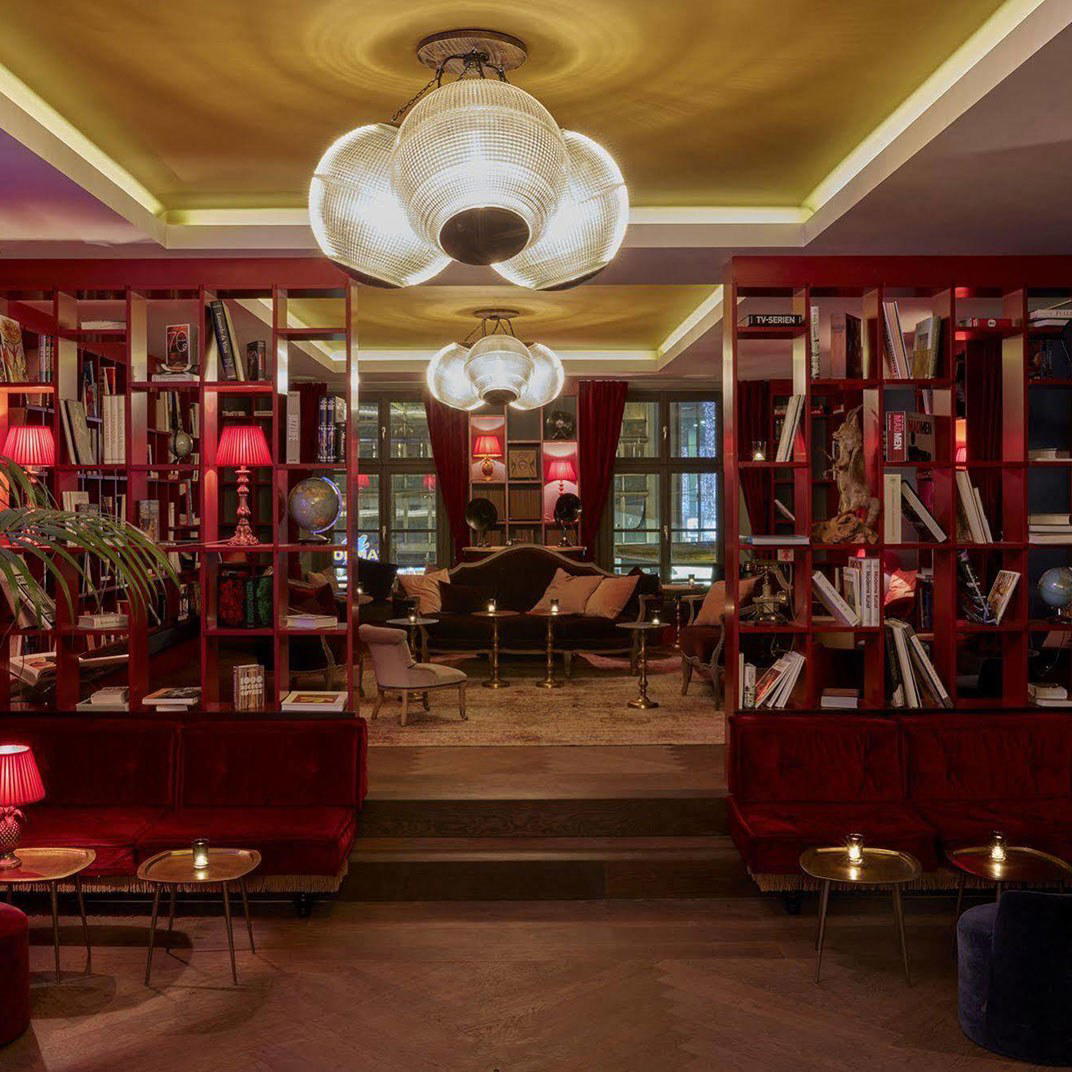
Rustic and cozy Wirtshaus atmosphere blending Bavarian tradition with modern touches, featuring black and gold Munich colors.