Wirtshaus Eder on Gollierstraße sits within Munich's Westend, a neighbourhood where traditional Bavarian hospitality has held its ground against the city's expanding fine-dining circuit. The address draws a loyal local clientele rather than a tourist-facing crowd, positioning it within the city's working-class Wirtshaus tradition rather than the Michelin-tracked tier occupied by venues like Tantris or Atelier.
Pearl is the En Primeur Club membership app — saves, bookings, and concierge access live there. Same editors, same standards.
- Address
- Gollierstraße 83, 80339 München, Germany
- Phone
- +498985634355
- Website
- ederwirt.de
- Directions
- Get directions
 Saves & bookings on Pearl
What Keeps the Regulars Returning
Munich's Westend has long been the city's quietly residential counterweight to the polished restaurant corridors of the Altstadt and Maxvorstadt. Along Gollierstraße, the density of traditional Wirtshäuser, Bavarian pub-restaurants with their wood-panelled rooms, long communal tables, and menus built around pork, dumplings, and dark beer, reflects a dining culture that predates the city's current fine-dining reputation by several centuries. Wirtshaus Eder sits within that tradition, drawing a clientele that returns not for novelty but for consistency: the kind of familiarity that a neighbourhood place earns over years of the same faces at the same tables.
That regulars' dynamic is worth understanding before any first visit. In a city where Munich's celebrated fine-dining addresses, venues like JAN, Tohru in der Schreiberei, and Alois - Dallmayr Fine Dining, compete for a transient audience of destination diners, a Wirtshaus earns its authority through accumulated loyalty rather than awards columns. The regulars at a place like Eder tend to know the kitchen's strengths before they sit down, which is useful intelligence for a first-time visitor trying to read a menu without that accumulated knowledge.
The Westend as Context
Munich's Westend has shifted considerably over the past decade. Once regarded primarily as a working-class district centred on the old slaughterhouse complex at Schlachthof, it has attracted a younger, design-conscious demographic while retaining much of its original residential character. Gollierstraße itself runs through a section of the neighbourhood that has seen modest commercial development without the gentrification pressure that has altered parts of Schwabing or the Gärtnerplatzviertel. The result is a street where a traditional Wirtshaus can operate without competing directly against the cocktail bars and farm-to-table concepts that dominate nearby districts.
That positioning matters for how the venue functions. Unlike the Tantris tier or the creative tasting-menu format at Atelier, a Westend Wirtshaus prices and presents itself for neighbourhood frequency rather than occasion dining. Regulars here are likely to visit multiple times a month, which shapes everything from portion scale to the informality of service. The broader German dining tradition from which this model descends has proved remarkably durable: versions of it persist across the country, from the wine-village Gasthäuser of the Mosel, see Schanz in Piesport, to the forest-set rooms of the Black Forest, represented at the level of Schwarzwaldstube in Baiersbronn. Eder operates at the opposite end of that spectrum: stripped of pretension, built for repetition.
Reading the Room Before the Menu
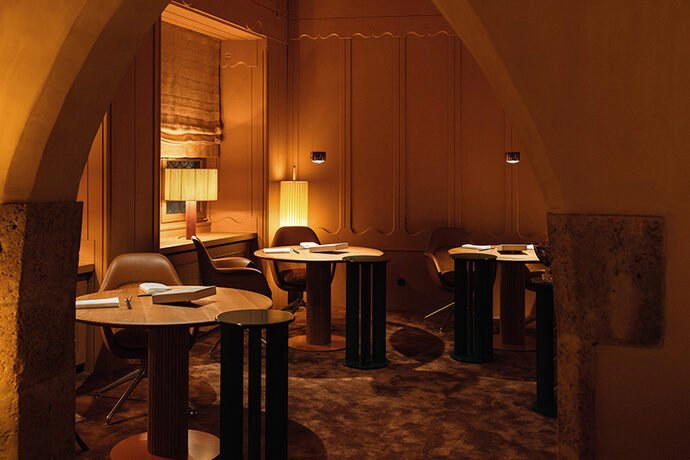
Approaching Gollierstraße 83, the physical cues of a traditional Bavarian Wirtshaus tend to be consistent across the neighbourhood: modest frontage, interior lighting weighted toward warmth, and a sound level that reflects conversation rather than performance. These are not spaces designed to impress on a first impression; they are designed to settle a regular into a familiar state quickly. For a newcomer, this can read as low-key to the point of unwelcoming, but the regulars' perspective reframes it: the absence of theatre is itself the offer.
Bavarian pub-restaurant kitchens of this type have a recognisable repertoire. Roast meats, particularly pork preparations such as Schweinebraten or Haxe, form the structural core. Dumplings, Semmelknödel, Kartoffelknödel, appear as standard accompaniments. Soups tend toward the hearty and clear: beef broth with liver dumplings (Leberknödelsuppe) is a category staple. Seasonal specials follow the Bavarian agricultural calendar loosely: asparagus in spring, game in autumn. A regular who has been coming for years will navigate this without consulting the menu; a first-time visitor is better served by anchoring to the classics rather than seeking out edge-of-menu experiments.
For the broader context of where ambitious German cooking is heading, the reference points are elsewhere in the country's dining circuit: Aqua in Wolfsburg, Vendôme in Bergisch Gladbach, Victor's Fine Dining by Christian Bau in Perl, and Waldhotel Sonnora in Dreis. Eder does not position itself against any of them. It is a different type of argument for what German hospitality can be: undecorated, locally rooted, and defined by what the regulars have already decided works.
Beer, the Practical Currency
In any Munich Wirtshaus, the beer list is not a secondary consideration. Bavaria's brewing traditions mean that draught offerings at a neighbourhood establishment typically centre on one or two local or regional breweries, with Helles as the default pour: pale, lightly hoppy, and calibrated for session volume rather than complexity. This is the drink the regulars arrive expecting, and it sets the register for everything else, the food, the pace, the pricing. For visitors more familiar with the wine-led formality of restaurants like Restaurant Haerlin in Hamburg or the dessert-forward precision of CODA Dessert Dining in Berlin, the shift in register is considerable, and intentional.
Planning a Visit
Wirtshaus Eder's address at Gollierstraße 83 in Munich's 80339 postcode places it in the western part of the city, accessible from the city centre by tram or S-Bahn to Heimeranplatz or by a short ride from the Hauptbahnhof. For visitors building a broader Munich dining itinerary, Phone, hours, and booking details should be confirmed directly with the venue. Reservations are recommended, and walk-ins may be easier on quieter weekdays.
For international context, the regulars-first model Eder represents has parallels in loyalty-driven dining rooms internationally: the kind of sustained local confidence that the leading neighbourhood rooms in cities like New York, think of the borough-level consistency underlying places like Le Bernardin or the precision-focused Atomix, build over years of repeat visits. The scale and ambition differ entirely; the underlying logic of earned loyalty does not. A place that survives in a residential street on the strength of its regulars has passed a test that awards columns cannot replicate. Eder remains a dependable Westend address, shaped by repeat local trade.
Budget Reality Check
Comparable venues nearby, for context on price, style, and recognition.
| Venue | Cuisine | Price | Notes |
|---|---|---|---|
| Wirtshaus EderThis venue — the venue you are viewing | Not listed | $$ | Not listed |
| Zur Festwiese | Not listed | $$ | Theresienwiese, Traditional Bavarian Gasthaus |
| Löwenbräukeller | Not listed | $$ | Neuhausen, Traditional Bavarian Beer Hall |
| Zum Dürnbräu | Altstadt, Traditional Bavarian | $$ | Not listed |
| ZAR Gaststätten GmbH | Not listed | $$ | Rammersdorf, Bavarian & International Gastropub |
| Die Küche im Kraftwerk | Obersendling, Modern Alpine German | $$ | Not listed |
At a Glance
- Cozy
- Rustic
- Classic
- Casual Hangout
- Group Dining
- Family
- Terrace
- Beer Program
- Local Sourcing
Current opening hours
- Monday
- Closed
- Tuesday
- 5 PM–12 AM
- Wednesday
- 5 PM–12 AM
- Thursday
- 5 PM–12 AM
- Friday
- 5 PM–12 AM
- Saturday
- 5 PM–12 AM
- Sunday
- 11 AM–10 PM
Hours can change for holidays and private events. Last verified .
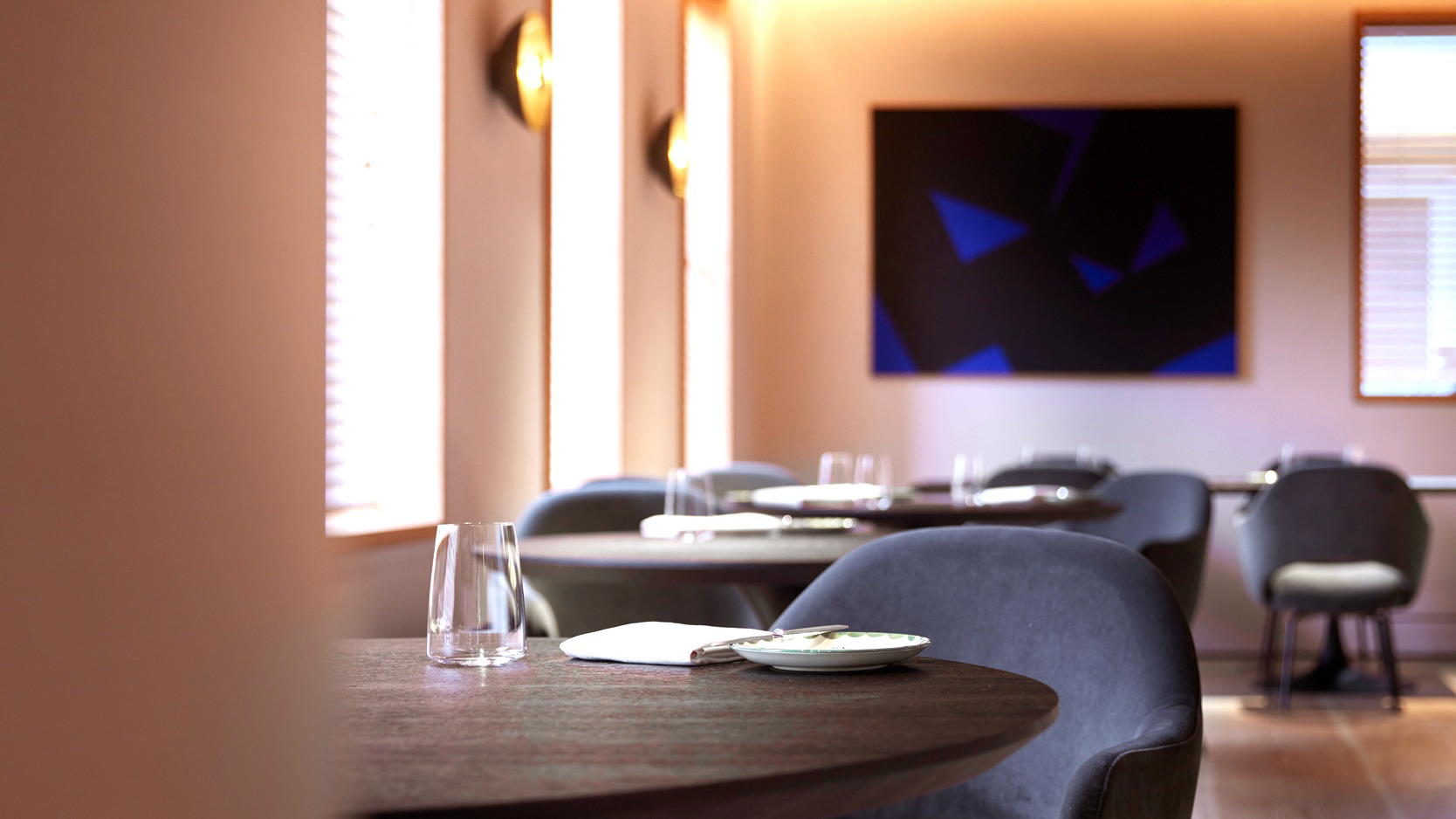
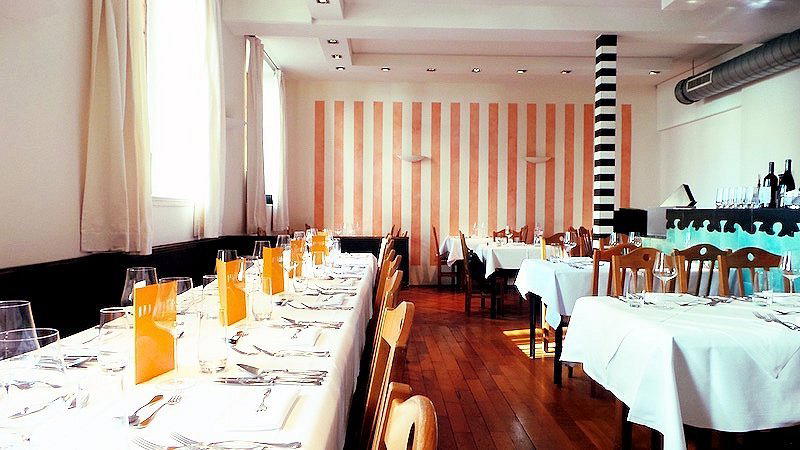
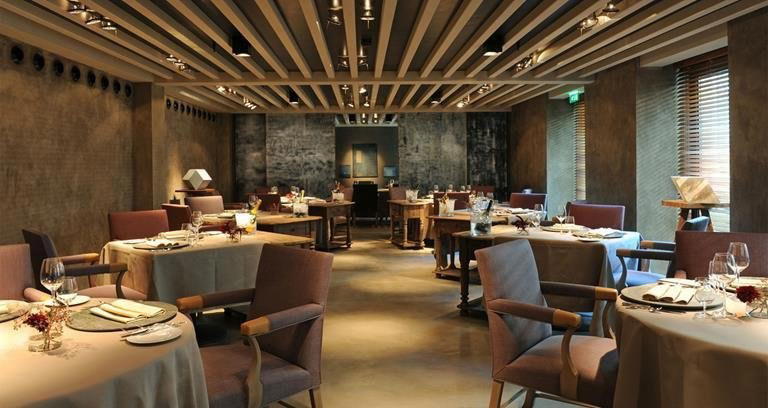
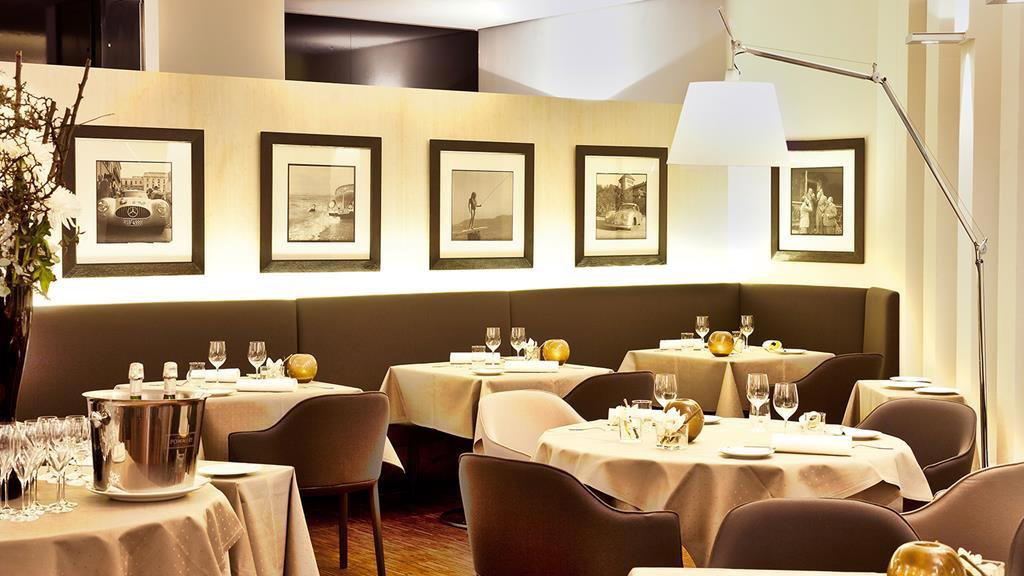
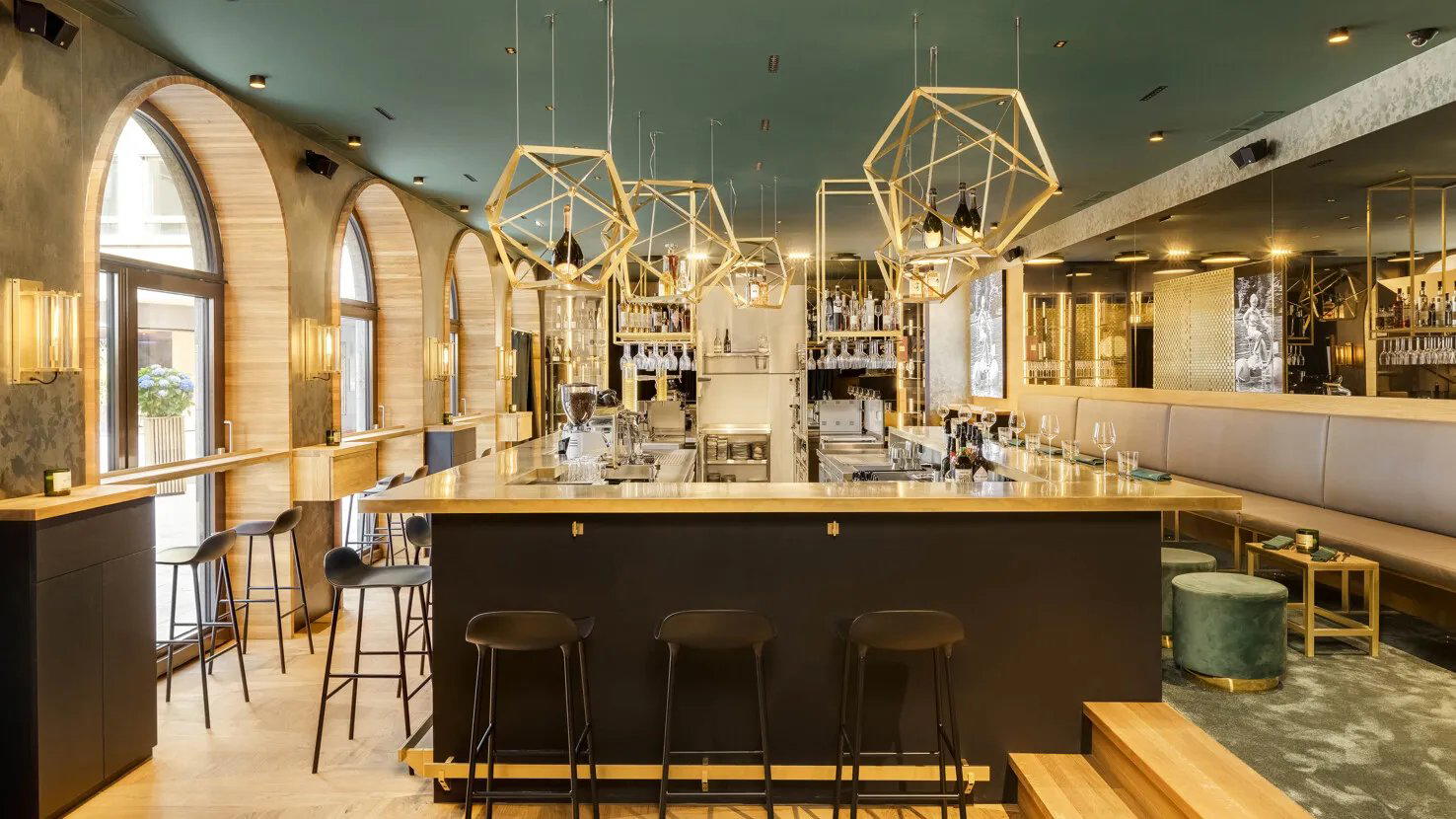
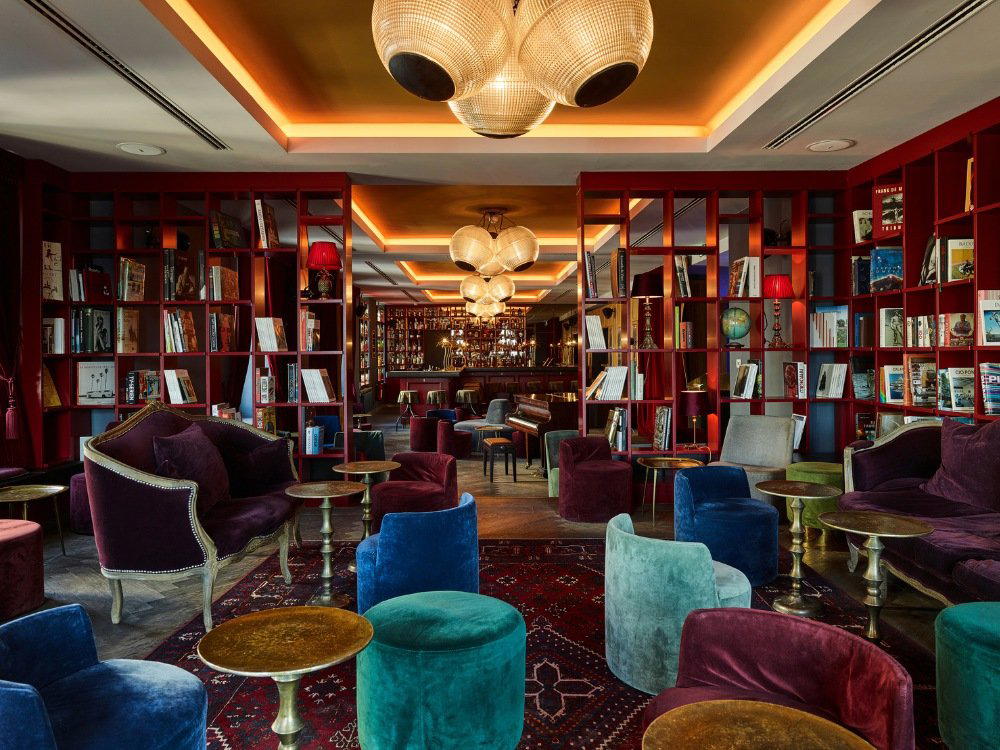
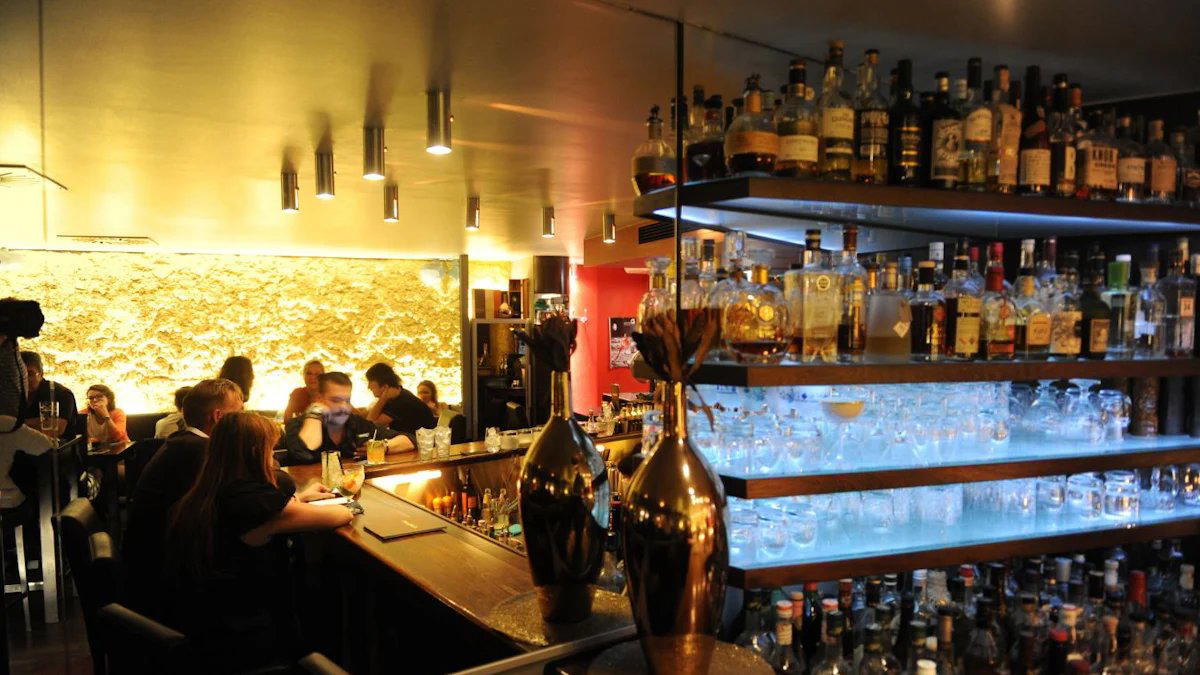
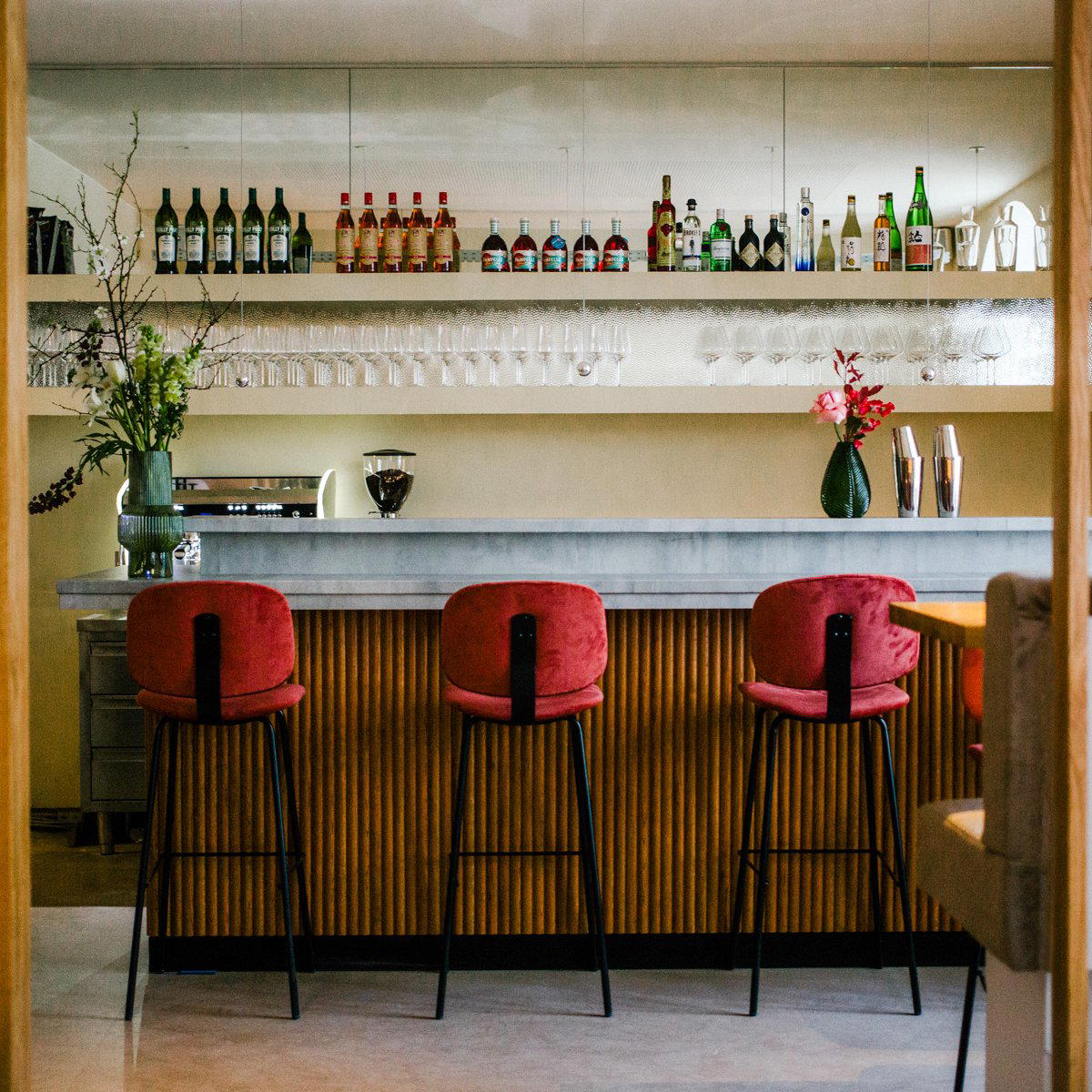
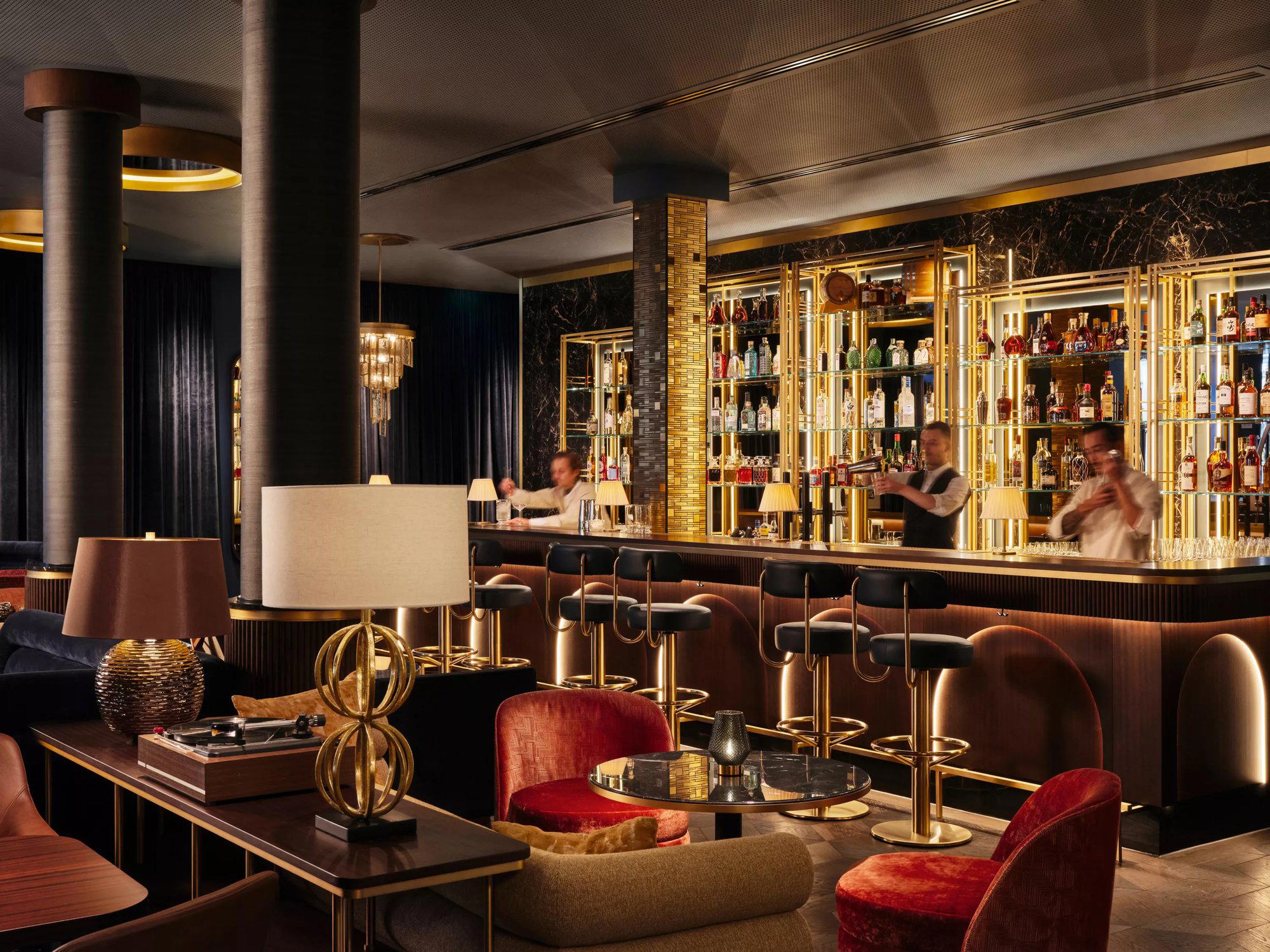
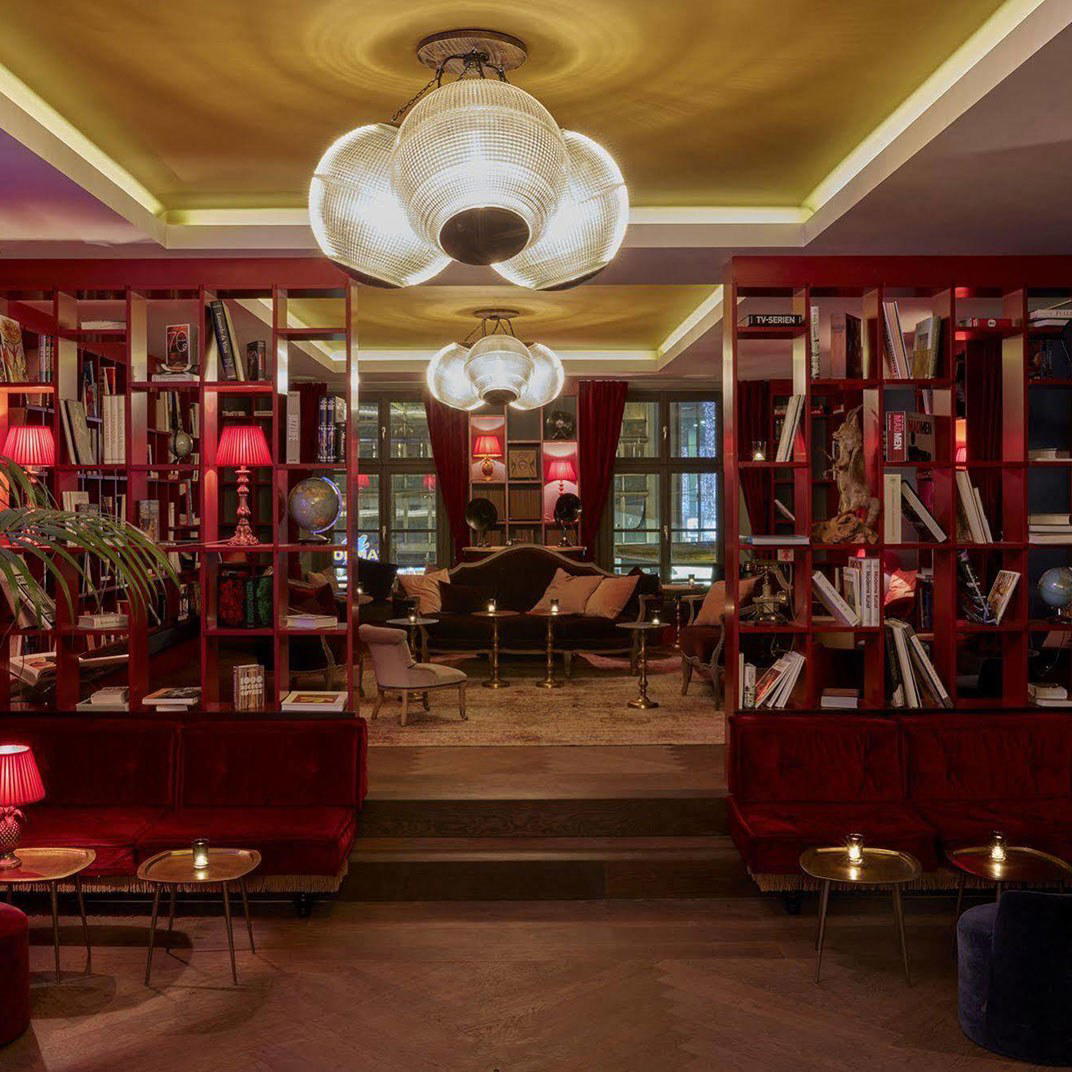
Rustic and cozy with classic wood-paneled interiors, warm lighting, and a welcoming pub atmosphere.