
Wiggo brings Nagoya’s steak-and-teppanyaki culture into a compact counter format in Sakae, with Matsusaka beef, an omakase-style dinner structure, and Tabelog 100 Steak / Teppanyaki EAST 2025 recognition. The appeal is less about ceremony than menu architecture: a narrow grill-led proposition, a small room, and a price tier that sits below some formal teppanyaki counters while keeping the focus on beef.
Pearl is the En Primeur Club membership app — saves, bookings, and concierge access live there. Same editors, same standards.
- Address
- Japan, 〒460-0008 Aichi, Nagoya, Naka Ward, Sakae, 3 Chome−20−9 B1
- Phone
- +81 52-263-0033
- Website
- tabelog.com
 Saves & bookings on Pearl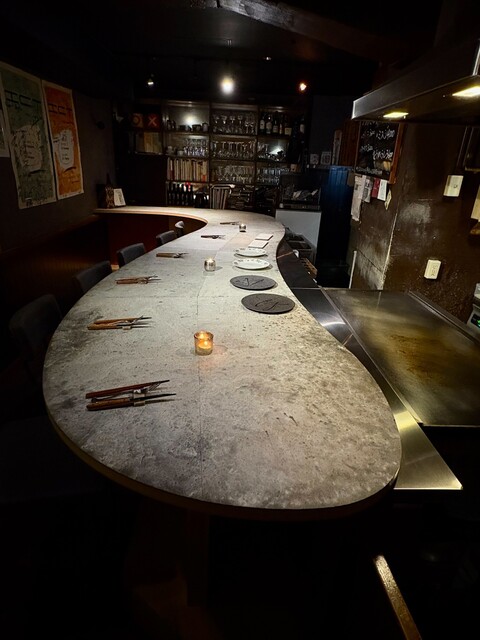
Basement restaurants in Sakae often slow the tempo before the meal: street noise yields to stairs, signage tightens, and the room feels smaller than the neighbourhood. Wiggo works in that register. Its counter puts the iron plate at the centre, which matters in Nagoya, where steak, teppanyaki, yoshoku-adjacent cooking, and bar-style drinking culture often overlap.
The public identity combines steak, teppanyaki, and a Spanish-style bar category, saying more about contemporary Nagoya dining than any single cuisine label. Sakae has long absorbed Tokyo and Osaka formats, but its stronger mid-market restaurants prize concentration over spectacle. Here, beef anchors the menu, the grill defines the method, and drinks shape the pacing rather than sit after the fact.
A beef-led counter shaped by Nagoya's compact dining culture
Japanese teppanyaki can mean hotel dining with polished choreography or a neighbourhood counter where the plate does the work and the room has little tolerance for excess. Wiggo sits closer to the second model, though its Tabelog 100 Steak / Teppanyaki EAST 2025 selection places it in a more competitive bracket than the casual setting suggests.
Matsusaka beef is the centre of gravity. Public materials specify A5-grade Matsusaka beef, marbling No. 12, and cuts sold by weight, giving the meal a logic unlike a surprise-led course sequence. Instead of using beef as a late-menu climax, the structure makes selection, portioning, and grill timing the point. The drama is not a parade of dishes but a steakhouse proposition compressed into a counter.
That compression separates it from many Nagoya peers. Meshiya Ukiyo Banare and CHIBA SAKAE sit in lower dinner bands, while Teppan Dining Shuu Sakae ten reaches a higher evening tier. Wiggo occupies the middle between casual meat dining and formal teppanyaki, with a tighter room and a format that rewards diners who know they want beef rather than a broad category tour.
The four-seat counter is not decorative; it changes the stakes. Small counters make inconsistency harder to hide and broadened menus harder to justify. Here, narrowness is a strength because the restaurant need not pose as an all-purpose dining room. For travellers comparing Nagoya restaurants, Wiggo is a specialist choice rather than a general Sakae booking.
The menu reads like a steakhouse stripped down to essentials
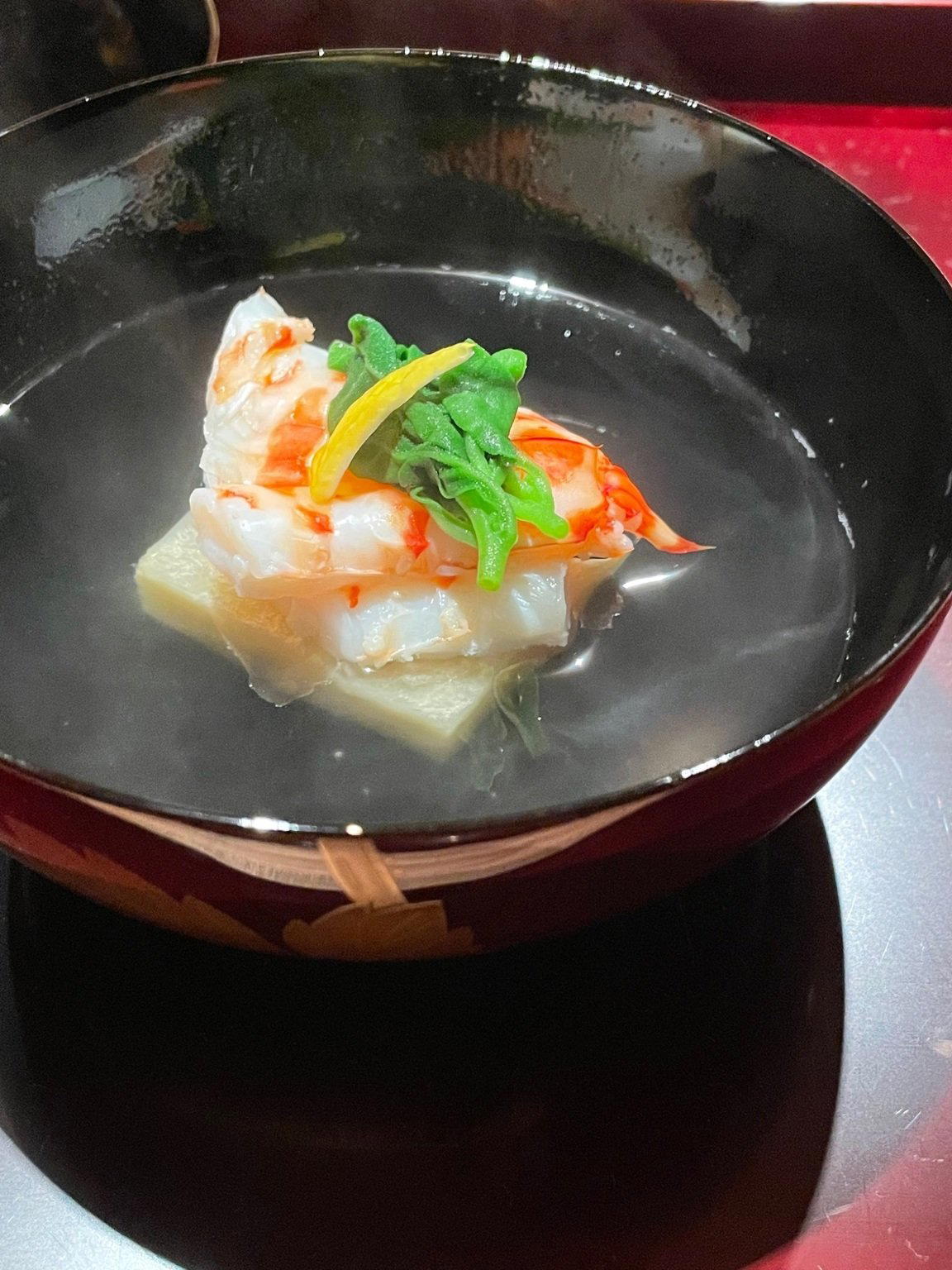
The menu shows a practical philosophy: lunch and dinner behave differently, and dinner is built around omakase. In a steak context, omakase differs from sushi; it is less a chef’s seasonal progression than a decision about how beef, vegetables, fish, and drinks fit around the iron plate. Public food notes also mention attention to vegetables and fish, plus vegetarian options, so the kitchen is not only a slab-of-beef operation, even if meat remains the reason to pay attention.
Bar component is equally telling. Shochu, wine, and cocktails are listed, with particular attention to wine and cocktails. In Nagoya, this hybrid format softens the boundary between dinner counter and drinking room. Steak and teppanyaki restaurants that understand drinks can stretch a meal without adding unnecessary courses, especially in a compact space where pacing, not scale, carries the evening.
A Tabelog score of 3.64 reads differently from a Western review average. On Tabelog, scores above the mid-threes can signal serious local traction, especially outside Tokyo’s globally visible luxury tier. The 2025 Tabelog 100 Steak / Teppanyaki EAST selection is the stronger trust signal, placing Wiggo inside a curated regional category rather than general popularity.
The format is also restrained in what it avoids. Wiggo is not framed as a grand Kobe-beef temple or a hotel teppanyaki room for occasion dining. Its appeal lies between access and specialization: a Sakae counter where high-grade beef can organize the meal without the apparatus of formal service.
How to place Wiggo in a Nagoya itinerary
For visitors planning Nagoya dining, Wiggo works better as a focused meat dinner than an introduction to the whole city. Nagoya’s food identity is often reduced to miso katsu, hitsumabushi, kishimen, and tebasaki, but its contemporary scene is broader: compact counters, wine-friendly rooms, and meat-led formats are part of the city’s premium middle. Wiggo belongs in that group.
The Sakae location also shapes the night. As Nagoya’s central commercial and nightlife district, it lets a meal sit before or after bars rather than requiring a destination-only evening. Readers mapping the wider city can start with Our full Nagoya restaurants guide, then branch into Our full Nagoya bars guide, Our full Nagoya hotels guide, Our full Nagoya wineries guide, and Our full Nagoya experiences guide for the rest of the trip.
Among nearby options, the sharper comparison is intent, not cuisine. 1022, 451, Aaron, Alan., and All Day Dining Montmartre each answer a different Nagoya dinner question. Wiggo answers the narrow brief: a counter, an iron plate, and beef as the organising principle.
Travellers extending the theme across Japan will find contrasts in beef, grill, and casual-specialist formats beyond Nagoya, including -Grilled beef Sukiyaki- KAMAKURA TANUKIAN 鎌倉 たぬき庵 in Kamakura. 鮪と炭火焼き うお炭 秋葉原店 in Tokyo.cafe in Osaka.know in Kumamoto, (Shoku) Vietnam in Kawasaki, and [Curry Senmon Ten] Maruyama Kyoju. in Sapporo. For readers using Japan within a broader Pacific dining map, Jōdo Saké Bar in Los Angeles and Onigiri Time in Pasadena show how focused Japanese formats translate abroad.
The editorial case for Wiggo is strongest for diners who value structure. A small counter, a beef-first menu, and Tabelog category recognition make it a precise choice in Sakae rather than a catch-all recommendation. That precision is the point: Nagoya rewards travellers who stop treating it as transit and read its compact restaurants on their own terms.
Comparable Spots
Comparable venues at the same tier for side-by-side context.
| Venue | Cuisine | Price | Notes |
|---|---|---|---|
| WiggoThis venue — the venue you are viewing | Teppanyaki & A5 Matsusaka Beef Steakhouse | $$$ | Not listed |
| Beef Junkie | Wagyu Hamburg & Aged Fillet Steak | $$$ | Naka |
| Ciotto Giotto | Charcoal-Grilled Steak & Wine Bar | $$$$ | Higashi |
| Ono Michi | High-end Steak & Yoshoku Course Dining | $$$$ | Higashi |
| prospero | Modern Italian | $$$ | Naka |
| Tori Ryori Masa | Yakitori & Chicken Cuisine | $$$ | Higashi |
Recognition history
Dated appearances from independent guides and award organizations, with the underlying list record or original source where available.
Tabelog 100 #9 · No. 9
Tabelog · Tabelog 100 - Steak / Teppanyaki - EAST - 2025
Continue exploring
More in Nagoya
Restaurants in Nagoya
Browse all →

At a Glance
- Cozy
- Modern
- Trendy
- Intimate
- Date Night
- Business Dinner
- Solo
- Special Occasion
- After Work
- Private Event
- Chefs Counter
- Open Kitchen
- Standalone
- Private Dining
- Extensive Wine List
- Craft Cocktails
- Beer Program
- Corkage Allowed
- Byob
- Local Sourcing
Current opening hours
- Monday
- 11:45 AM–2 PM, 6–10 PM
- Tuesday
- 11:45 AM–2 PM, 6–10 PM
- Wednesday
- 11:45 AM–2 PM, 6–10 PM
- Thursday
- Closed
- Friday
- 11:45 AM–2 PM, 6–10 PM
- Saturday
- 6–10 PM
- Sunday
- 6–10 PM
Hours can change for holidays and private events. Last verified .
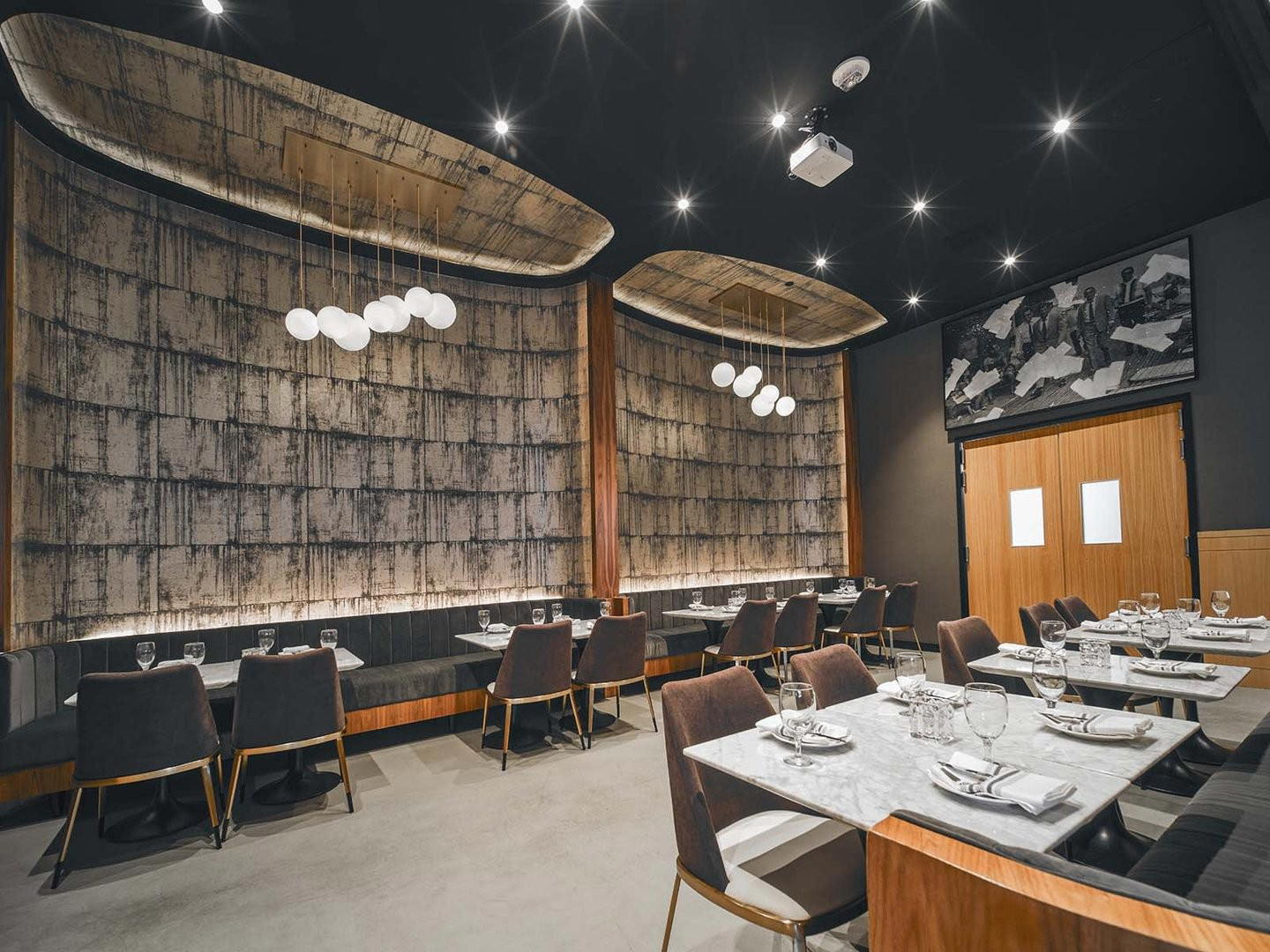
A small basement counter with a stylish yet relaxed, hideout-like feel, non-smoking and softly lit, where guests sit around the teppan and watch steaks seared to order in a calm, conversational atmosphere.