Whaling Station Steakhouse
Whaling Station Steakhouse on Wave Street sits at the point where Monterey's working waterfront history and Central Coast beef country converge. The kitchen draws on regional sourcing traditions that have defined this stretch of California coast for decades, placing it inside a dining category that takes provenance seriously rather than treating it as a selling point.
 Discover on Pearl
Pearl is the En Primeur Club membership app — saves, bookings, and concierge access live there. Same editors, same standards.
- Address
- 763 Wave St, Monterey, CA 93940
- Phone
- +18313733778
- Website
- thewhalingstation.com
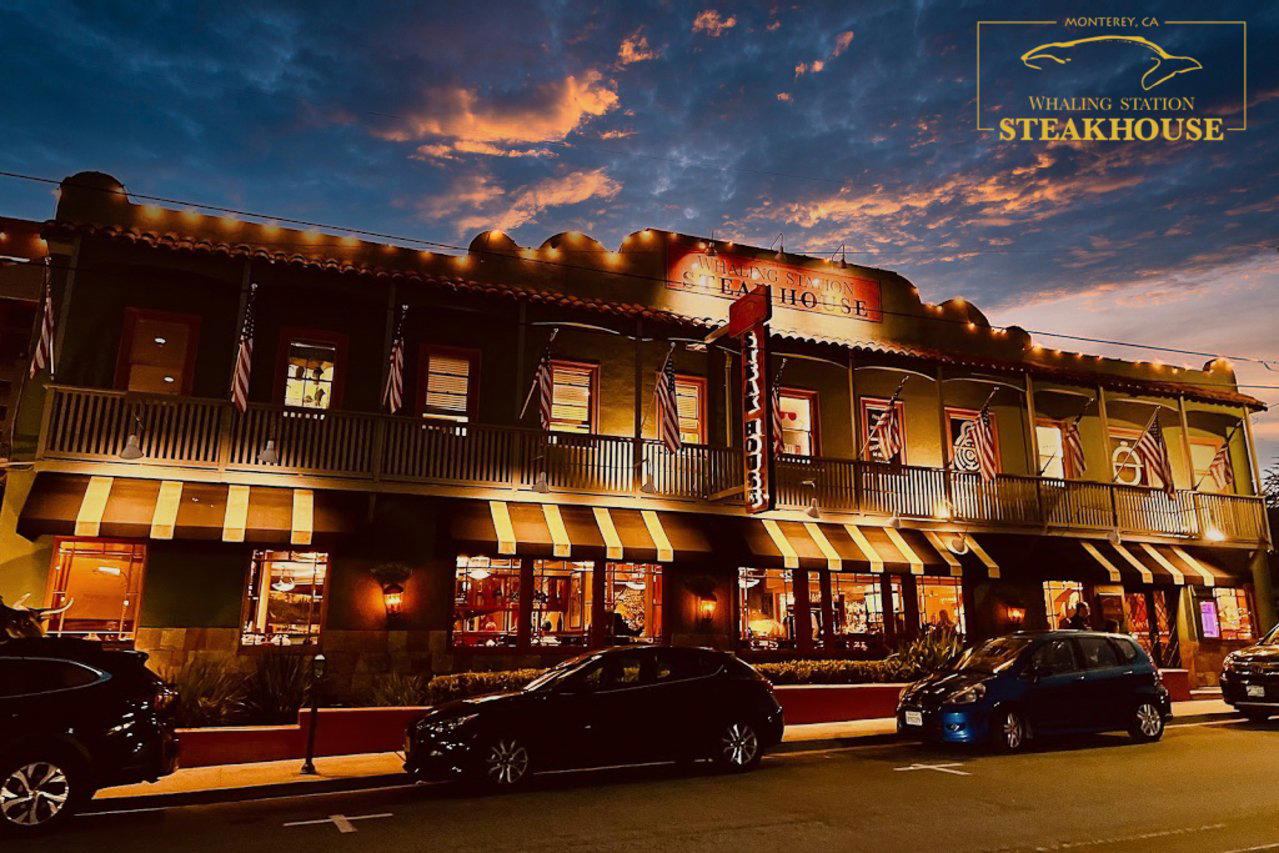
Where the Coast Meets Cattle Country
Wave Street in Monterey runs close enough to the bay that the salt air is present before you reach the door. The address puts Whaling Station Steakhouse at the edge of the old Cannery Row district, a neighbourhood whose identity shifted from industrial fish processing to a dining and hospitality corridor over several decades. That transition created space for a steakhouse to operate not as an anomaly beside the seafood restaurants that dominate the waterfront, but as a counterpoint to them, one that draws on a different strand of Northern California's agricultural identity.
Central Coast beef has a distinct provenance story. The coastal ranges that run from Big Sur north toward Santa Cruz and east toward the Salinas Valley support cattle ranching at elevations and in microclimates that differ substantially from the Central Valley floor. Grass-fed programs in this region benefit from marine-influenced grazing conditions, and the geography that makes Monterey County famous for cool-climate viticulture applies with similar logic to livestock. Whaling Station's positioning on Wave Street places it in a city where most restaurants default to the Pacific catch, making the sourcing argument for Central Coast beef a more deliberate editorial choice than it would be in an inland market.
The Steakhouse Format in a Seafood City
Monterey's restaurant scene is weighted heavily toward its marine heritage. Venues like Café Fina and Cella Restaurant & Bar reflect the port city's instinct to look outward to the Pacific. The Sardine Factory, which has operated at the top of the local price tier for decades, occupies the $$$$-seafood bracket with the kind of longevity that tends to consolidate a market position. Into that context, a steakhouse format carries a certain contrarianism. It signals confidence in a different supply chain, one running inland rather than offshore.
That confidence is not unusual at the premium end of American steakhouse dining. The format has historically anchored itself to named sourcing relationships, whether regional ranches, specific breed programs, or dry-aging protocols that add weeks to the timeline before service. In cities where seafood dominates, the well-executed steakhouse often becomes the default choice for protein-focused diners who want the kind of tableside theatre and cut-specific ordering that a fish-forward menu cannot replicate.
Monterey's dining tier spreads across price points. Bistro Moulin operates in the French bistro register at a mid-range price point, while Cibo handles the Italian-American comfort category with a long-running local following. Ambrosia India Bistro fills the affordable end of the spectrum with subcontinental cooking. Whaling Station occupies territory further up the price curve, operating in a register closer to the local fine-dining ceiling than to the casual mid-market.
Ingredient Sourcing as the Central Argument
The case for a steakhouse in a coastal city rests entirely on what it can put on the plate and where that product comes from. California's premium beef sourcing has matured considerably over the past two decades. Operations in the Salinas Valley and along the coastal ranges supply regional restaurants with product that can be traced to specific ranches, and the state's agricultural transparency infrastructure makes those claims easier to verify than in many other markets. A steakhouse that takes sourcing seriously in this geography is making an argument about California's land-based food production that runs parallel to the marine identity the city is better known for.
That argument gains credibility when set against national benchmarks. Restaurants like Single Thread Farm in Healdsburg and Blue Hill at Stone Barns in Tarrytown have established what rigorous farm-to-table sourcing looks like at the fine-dining level, even if neither operates in the steakhouse format. The broader West Coast scene, anchored by operations like The French Laundry in Napa and Providence in Los Angeles, has conditioned California diners to expect sourcing specificity at premium price points. Whaling Station sits in a regional dining context where that expectation is present even at the steakhouse level.
The Wave Street location adds a further layer of context. Cannery Row's history as a sardine processing hub is well documented, and the neighbourhood's reinvention since the mid-twentieth century has layered hospitality and retail over that industrial past. Dining on this strip carries a residual association with the extraction and processing of marine resources, which makes the decision to build a premium steakhouse here a small act of geographic contradiction worth noting.
How Whaling Station Sits in a Wider National Picture
California's premium restaurant tier is clustered in San Francisco, Napa, and Los Angeles, with operations like Lazy Bear in San Francisco, Addison in San Diego, and Alinea in Chicago representing the kind of recognition-heavy dining that defines the national fine-dining conversation. Monterey sits outside that cluster, which means its top-tier venues operate in a different competitive context, one defined more by the regional visitor market and the local professional dining base than by the culinary tourism that drives reservations at destination restaurants. That context shapes what a steakhouse like Whaling Station is doing and for whom.
The comparison set extends beyond California. Operations like Le Bernardin in New York City, Emeril's in New Orleans, The Inn at Little Washington, and Atomix in New York City represent the kind of sustained institutional presence that defines premium dining in their respective cities. In Monterey, that institutional role at the steakhouse level falls to a shorter list of venues, and Whaling Station's Wave Street tenure positions it as one of the longer-standing options in that category. For a parallel in the Asia-Pacific market, 8 1/2 Otto e Mezzo Bombana in Hong Kong demonstrates how a premium Western-format dining room can establish authority in a city where the dominant culinary identity points in a different direction entirely.
Planning Your Visit
Whaling Station Steakhouse sits at 763 Wave Street in Monterey, within the Cannery Row corridor.
Quick Comparison
Comparable venues nearby, for context on price, style, and recognition.
| Venue | Cuisine | Price | Awards | Notes |
|---|---|---|---|---|
| Whaling Station SteakhouseThis venue — the venue you are viewing | Classic Steakhouse | $$$ | , | |
| Bistro Moulin | Classic French Bistro | $$$ | , | New Monterey |
| Cannery Row Brewing Company | American Brewpub | $$ | , | Cannery Row |
| Cibo | Italian Ristorante | $$$ | , | Old Monterey |
| Rosine's | American-Italian Comfort Food | $$ | , | Downtown Monterey |
| Montrio Bistro | New American Bistro | $$$ | Michelin Plate | downtown Monterey |
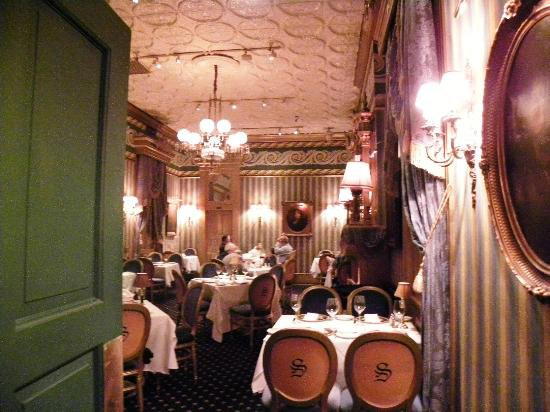
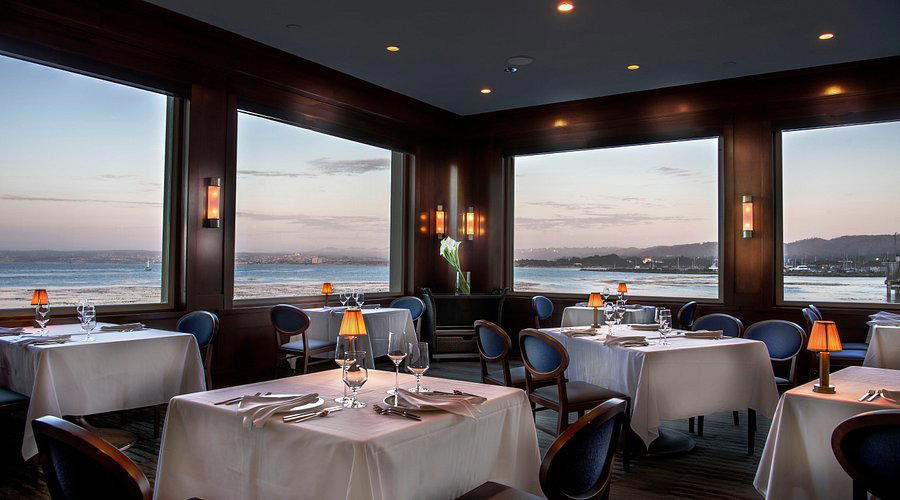
At a Glance
- Classic
- Elegant
- Historic
- Intimate
- Date Night
- Special Occasion
- Business Dinner
- Historic Building
- Private Dining
- Extensive Wine List
- Street Scene
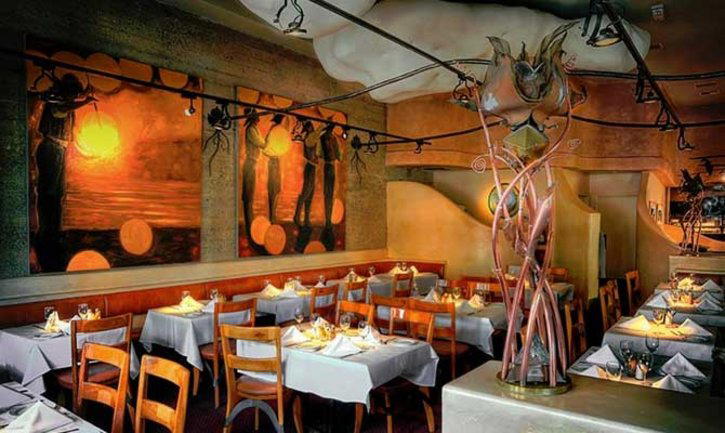
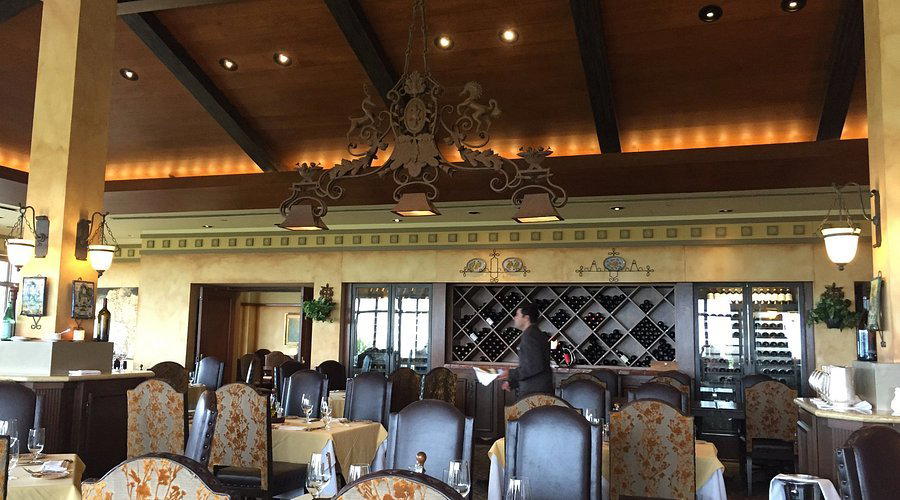
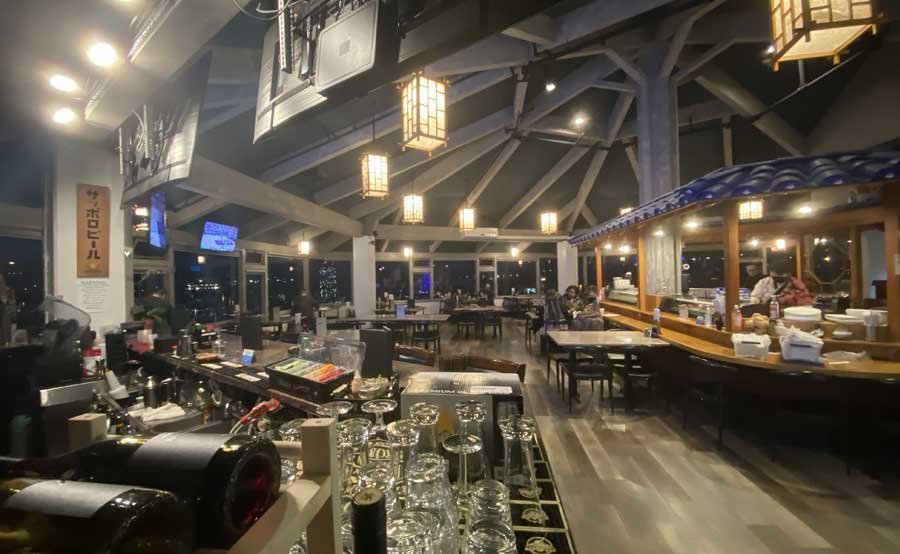
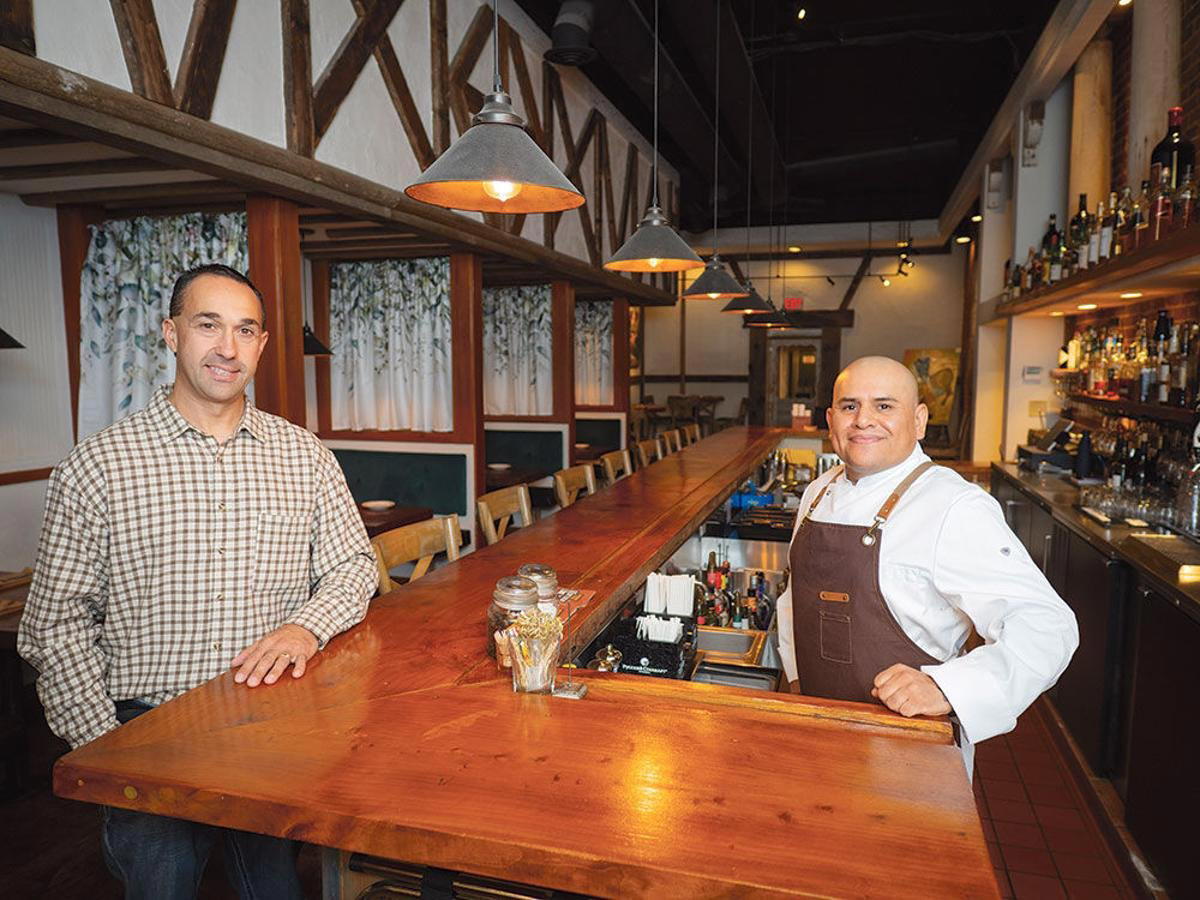
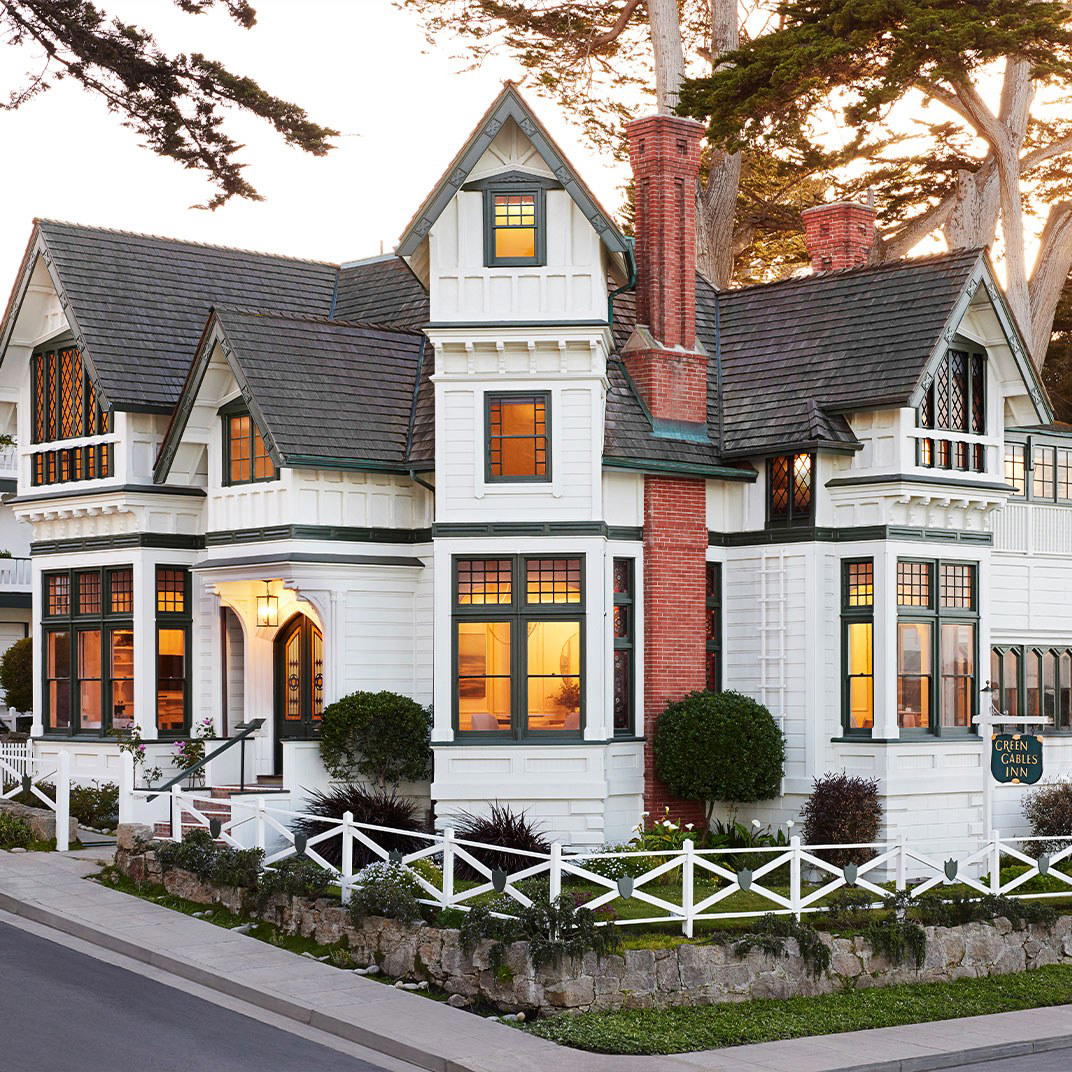
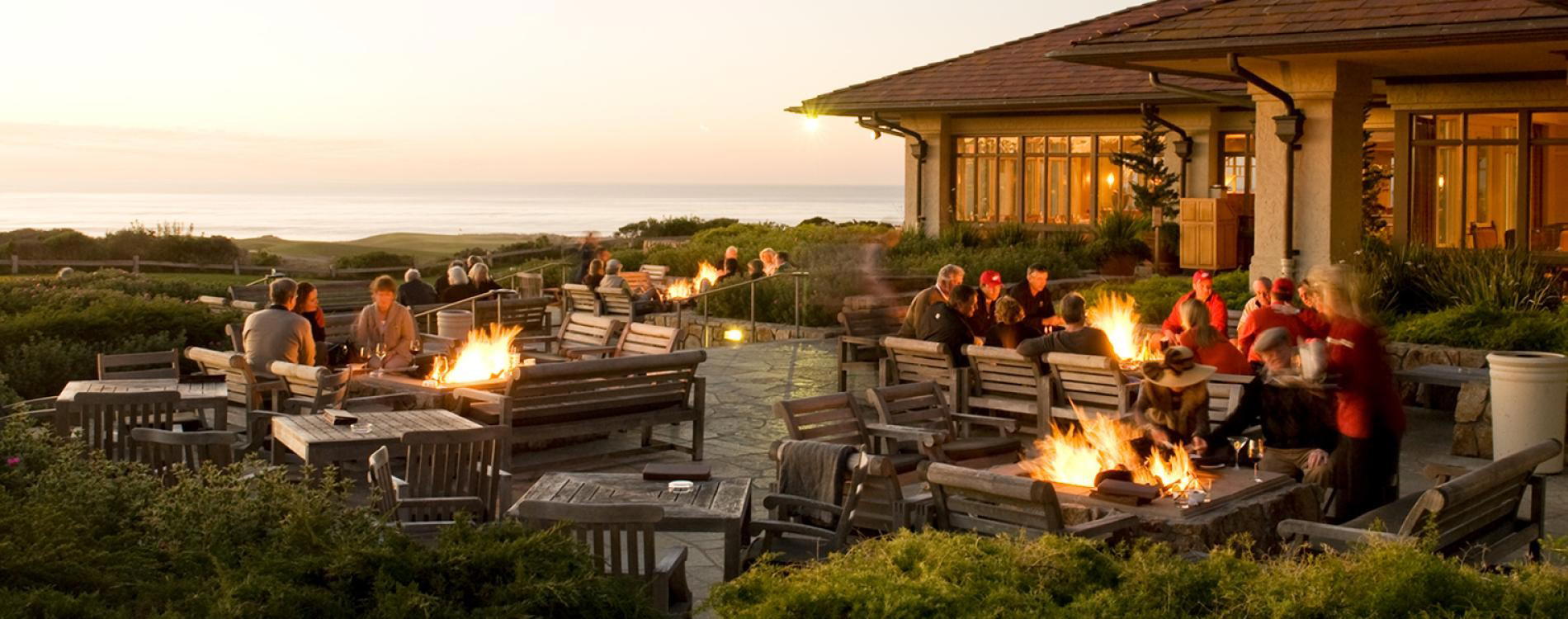
Casual yet sophisticated decor in a historic building with moderate noise levels and an intimate bar atmosphere.