Kokoro Sushi
Kokoro Sushi occupies a modest address on West Gabilan Street in downtown Salinas, where Japanese precision meets California's agricultural abundance. In a city better known for its lettuce fields than its omakase counters, this spot draws locals looking for something more considered than the area's casual dining default. It sits comfortably in Salinas's compact but growing downtown dining corridor.

Pearl is the En Primeur Club membership app, where members save venues, book tables and use the concierge.
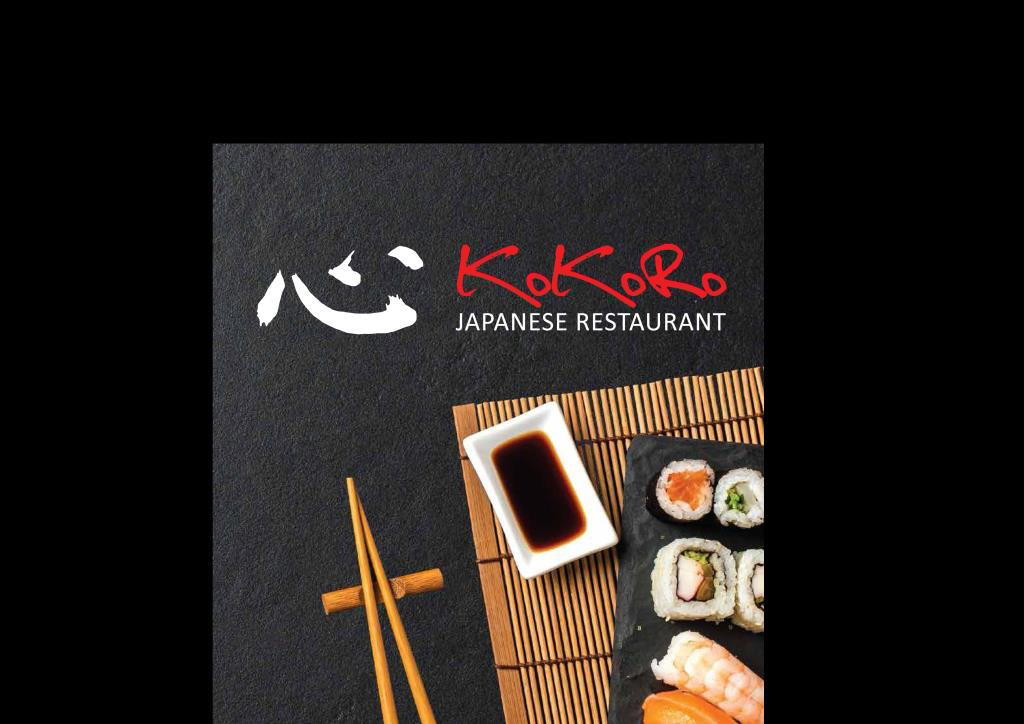
A Sushi Counter on Salinas's Unlikely Dining Street
Downtown Salinas is not the first California city that comes to mind when the conversation turns to Japanese dining. The city built its identity on the produce fields that surround it, Steinbeck country, agricultural heartland, and its restaurant scene reflects that working character. Which makes the presence of a sushi address on West Gabilan Street something worth paying attention to. In smaller cities where the dining scene is still finding its footing, a specialist Japanese restaurant operates in a different context than it would in San Francisco or Los Angeles. It draws from a tighter local base, competes against a more generalist field, and often carries more of the neighborhood's dining identity than any single venue in a larger market would.
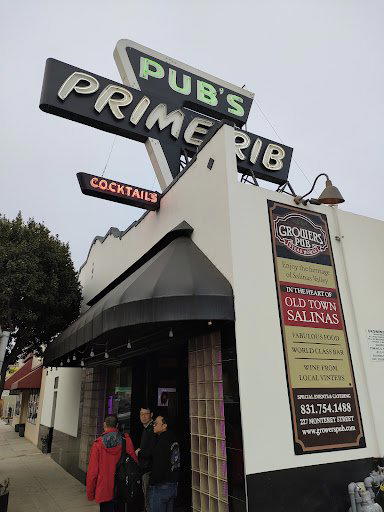
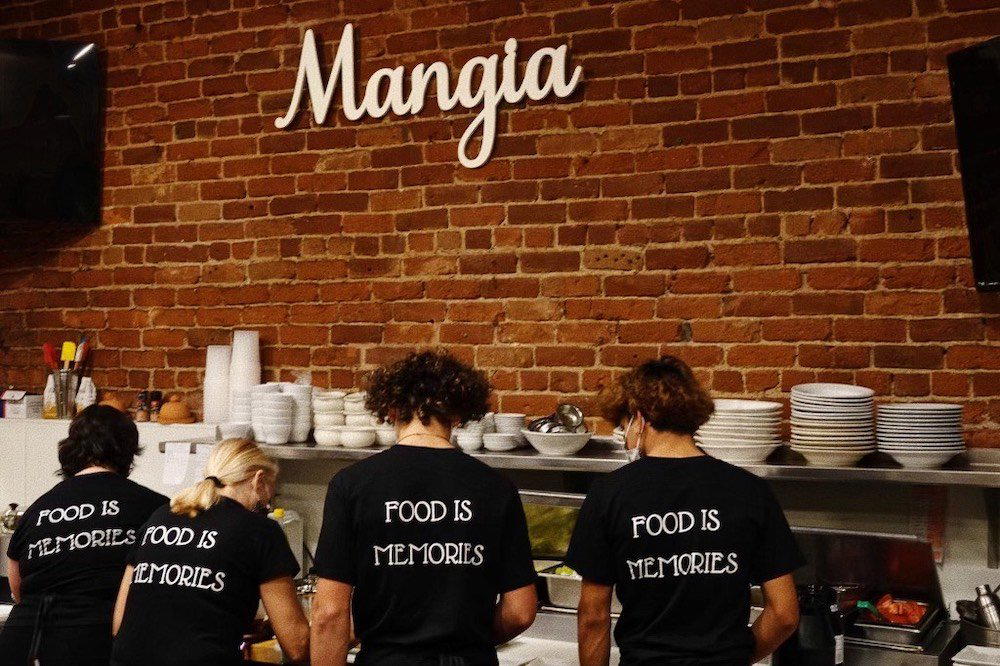
Kokoro Sushi sits at 36 W Gabilan St, in the heart of a downtown stretch that has quietly accumulated a more interesting mix of restaurants than Salinas's agricultural reputation might suggest. Patria on Main and Mangia - Eat on Main are within reach on the same corridor, and the presence of Growers Pub nearby speaks to a neighborhood that has moved beyond purely functional dining. That context matters.
The Physical Environment as the Argument
In mid-size American cities, sushi restaurants tend to occupy one of two modes: the strip-mall operation with bright fluorescent lighting and laminated menus, or the slightly more composed downtown room that gestures toward something calmer without fully committing. The distinction between those two modes is mostly felt before the food arrives, in the light temperature, the spacing between tables, the degree to which the space seems to have been considered rather than assembled.
West Gabilan Street's building stock is typical of California's Central Coast downtowns: low-rise, mixed commercial, with the kind of bones that reward a careful interior fit-out. A sushi counter in this setting, done with some attention to materiality and quiet, can function very differently from the same counter in a suburban plaza. The relationship between the physical space and the experience of eating Japanese food is not incidental. The discipline of a well-run sushi counter, the rhythm of preparation, the restraint of presentation, benefits from an environment that shares those qualities. Where the room is considered, the food tends to be taken more seriously too, by both the kitchen and the diner.
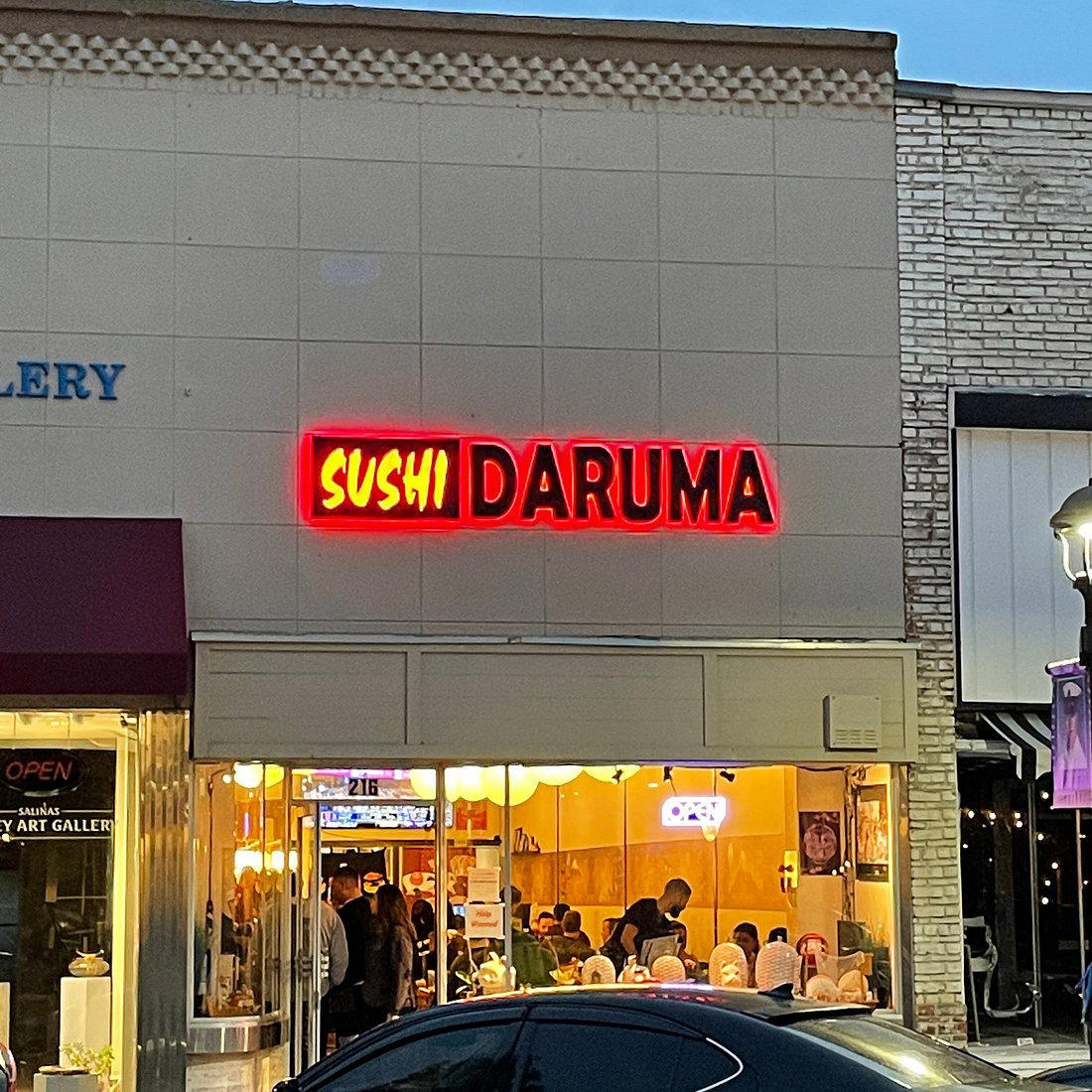
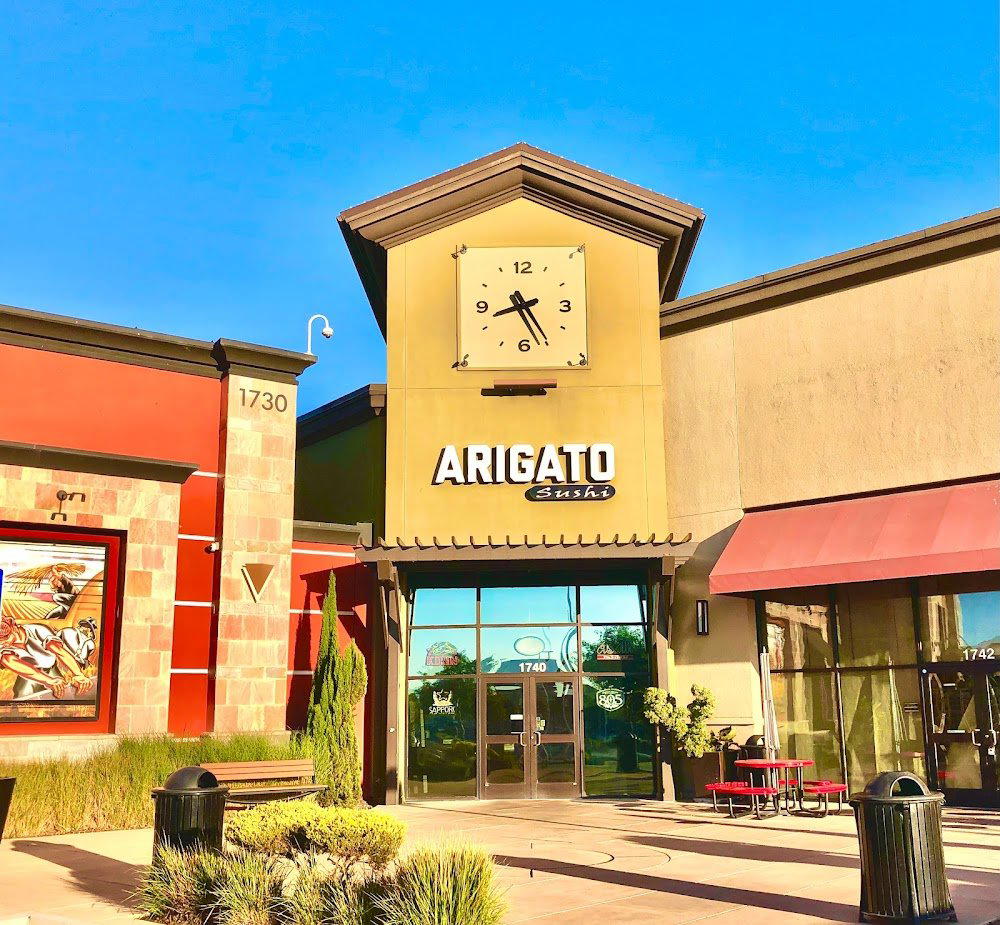
For visitors making their way through the Salinas Valley or stopping before or after the drive along Highway 1, West Gabilan offers a walkable concentration of options. Arigato Sushi represents the other Japanese option in the immediate area, giving diners a point of comparison within the same cuisine category. The two venues serve different functions in the local market, and the choice between them is largely a question of what kind of room and what kind of service format the evening calls for.
Japanese Dining in a California Agricultural Context
There is a coherence to Japanese food and California produce that goes beyond the obvious. The Central Valley and the surrounding agricultural zones supply ingredients that, at their seasonal peak, align naturally with the Japanese emphasis on restraint and raw quality. The Salinas Valley's lettuce and vegetable output is nationally significant, but the area's proximity to Monterey Bay also means Pacific seafood is not far from the supply chain. A sushi counter in Salinas is not working at a disadvantage on that front, the raw material question, which defines so much of what a Japanese kitchen can achieve, has a reasonable answer here.
That regional context separates Salinas from inland alternatives and places it in a different conversation from, say, a sushi counter in a landlocked Midwestern city. The California coastal corridor, running from the Bay Area through Monterey County and down toward Big Sur, has enough culinary infrastructure, distributors, fish markets, a dining public with some familiarity with Japanese food, to support a venue that wants to do more than the minimum. For a broader sense of what the California dining tradition looks like in more developed markets, ABV in San Francisco illustrates how the state's ingredient obsession translates into a more technically demanding bar and dining program.
Salinas in the Wider California Dining Conversation
Salinas doesn't often appear in the same sentences as San Francisco or Monterey when California dining is discussed editorially, but that gap has been narrowing as downtown Gabilan Street fills in. The pattern is familiar from other mid-size California cities: agricultural wealth generates a local professional class with disposable income and some dining sophistication, and eventually the restaurant supply catches up with the demand. What tends to appear first are the generalist spots, then the specialists. A sushi address arriving in that sequence is a reasonable indicator of where a market sits in that arc.
For readers interested in how other cities have handled the transition from generalist to specialist dining programs, venues like Kumiko in Chicago and Jewel of the South in New Orleans offer examples of what a genuinely considered hospitality program looks like when a city's dining culture has matured around it. Bar Leather Apron in Honolulu is a useful Pacific reference point for how Japanese-influenced precision translates into the American West Coast context. Closer to the planning end of a trip, Julep in Houston, Superbueno in New York City, and The Parlour in Frankfurt on the Main demonstrate the range of specialist formats now operating in mid-tier and major markets globally.
Planning a Visit
Kokoro Sushi's address at 36 W Gabilan St places it within walking distance of several other downtown options, which makes it a natural anchor for an evening that starts or ends elsewhere on the same street. The full dining picture for Salinas, including additional neighborhood options and context, is available in our full Salinas restaurants guide.
Cuisine-First Comparison
| Venue | Cuisine | Price |
|---|---|---|
| Kokoro SushiThis venue (the venue you are viewing) | This venue | $20–30 |
| Arigato Sushi | Not listed | $20–30 |
| Mangia - Eat on Main | Not listed | $20–30 |
Continue exploring
More in Salinas
Bars in Salinas
All bars in Salinas →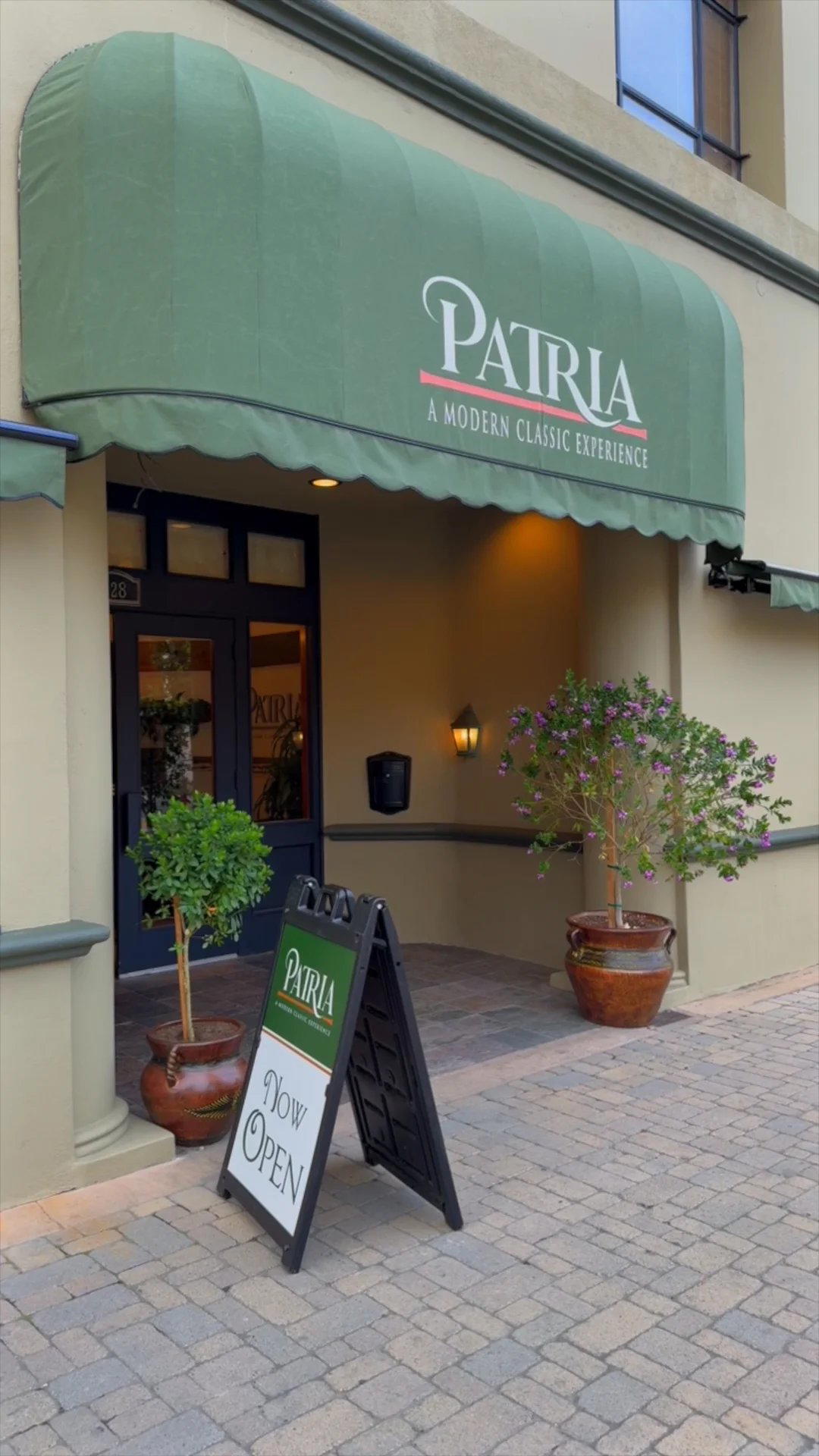
Restaurants in Salinas
All restaurants in Salinas →
Hotels in Salinas
Browse all →

Wineries in Salinas
Browse all →
Details
- Cozy
- Casual Hangout
- Late Night
- Standalone
- Seated Bar
- Sake
Current opening hours
- Monday
- 11 AM–2 PM, 5–8:30 PM
- Tuesday
- 11 AM–2 PM, 5–8:30 PM
- Wednesday
- 11 AM–2 PM, 5–8:30 PM
- Thursday
- 11 AM–2 PM, 5–8:30 PM
- Friday
- 11 AM–2 PM, 5–9:30 PM
- Saturday
- 5–9:30 PM
- Sunday
- 5–8:30 PM
Hours can change for holidays and private events. Hours as of .
Cozy and inviting atmosphere with loud music at times.