Sapporo Sushi & Steakhouse
On Monterey's Municipal Wharf 2, Sapporo Sushi & Steakhouse occupies a position where Pacific seafood and steakhouse traditions converge against an active working waterfront. The dual format places it in a category that Monterey's dining scene has long supported: venues that bridge Japanese technique with American protein-forward expectations, drawing both locals and visitors navigating the bay's culinary offerings.

Pearl is the En Primeur Club membership app, where members save venues, book tables and use the concierge.
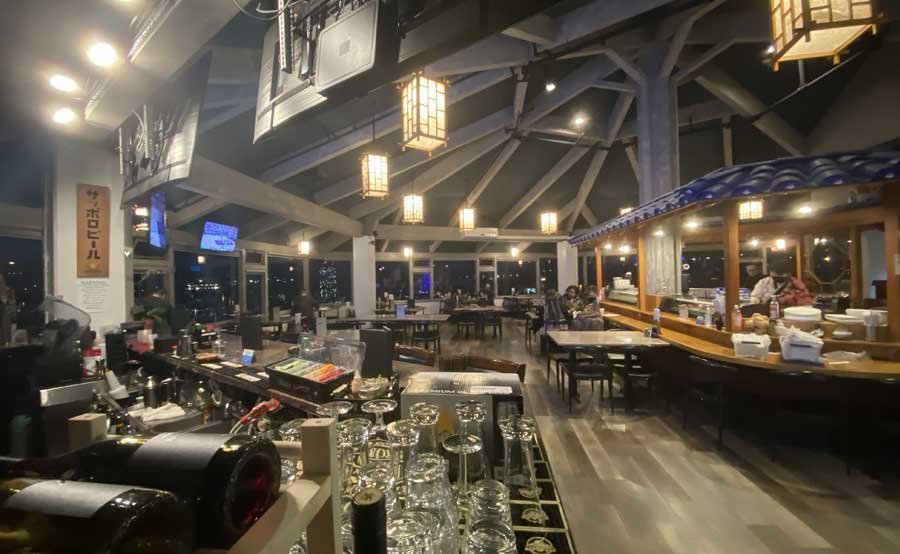
Where the Wharf Meets the Counter
Municipal Wharf 2 is not the tourist-facing boardwalk that most visitors photograph. It is a working pier, still active with fishing vessels and the functional architecture of a harbor that earns its keep. Arriving at Sapporo Sushi & Steakhouse at address 3 on that wharf, the context is immediate: salt air, the low creak of dock lines, and a dining room that earns its waterfront positioning without theatrical flourish. This is the kind of setting that Monterey's mid-tier dining scene has historically built around, where the view is a given and the kitchen is expected to hold its own against it.
The dual-format model, sushi counter alongside a steakhouse menu, is a California coastal convention that predates the current wave of Japanese-American fusion. Along the Central Coast, venues in this category tend to serve a practical function: they offer enough range to absorb a table of four with divergent preferences, from someone who wants nigiri to someone who wants a ribeye. For context on how more specialised cocktail and bar programming intersects with this kind of dual-identity venue format, see our coverage of ABV in San Francisco, where the drinks program carries a comparable weight to the food offering.
The Drinks Dimension on a Fishing Pier
Waterfront venues along California's Central Coast operate under a specific set of expectations when it comes to their bar programs. The dominant register tends toward approachability: sake lists anchored by widely available labels, cocktails that lean on citrus and lighter spirits, and wine selections calibrated to pair across both Japanese and steakhouse formats without demanding too much attention from the diner. This is a different project from what venues like Kumiko in Chicago or Bar Leather Apron in Honolulu have built, where the cocktail program carries its own editorial identity and draws visits independent of the food.
What matters at a venue like Sapporo is whether the drinks program functions coherently within the dual-format structure. A sake selection that bridges the sushi side of the menu and a spirits list that can anchor a steakhouse dinner without feeling incongruous represents the practical goal. The Central Coast's wine production, particularly from the Santa Lucia Highlands to the south and the broader Monterey appellation, gives waterfront venues in this area a genuinely local option that costs less to source and carries more narrative weight than imported alternatives. Programs like Jewel of the South in New Orleans and Julep in Houston demonstrate how a coherent identity at the bar can define the overall experience of a venue even when the food format is broad.
For venues where the cocktail program is the primary editorial frame, the question is always technique and intention. The current direction in American cocktail culture has moved toward clarity of concept, whether that means clarified formats as at Allegory in Washington, D.C., ingredient-driven restraint as at Canon in Seattle, or tightly themed menus as at Superbueno in New York City. A sushi and steakhouse format on a working wharf operates at a different register, but the underlying principle, that the bar should have a point of view, applies regardless of category.
Monterey's Waterfront Dining Context
Monterey has a layered dining identity that visitors often misread. Cannery Row draws the majority of foot traffic, but Municipal Wharf 2 sits slightly apart from that concentration, serving a mix of locals and visitors who have moved past the first tier of tourist recommendations. The wharf's position within the bay gives it access to some of the same Pacific catches that supply the finer tables in Carmel and Pacific Grove, a geographic advantage that the format of sushi-plus-steakhouse is well placed to use.
California's Central Coast has not produced a dense cluster of destination-level Japanese dining in the way that San Francisco or Los Angeles have, which means venues in Monterey that operate with a Japanese framework tend to function as regional generalists rather than specialists. That is a commercial reality, not a criticism. The dining pattern on the Central Coast rewards range and value alongside technique, and the dual format reflects an understanding of that market. For travellers planning a broader Monterey itinerary, our full Monterey restaurants guide maps the waterfront options against the inland and Carmel alternatives with more comparative depth.
The bar and cocktail scene in Monterey has not developed the kind of specialist identity visible in larger California markets, which makes comparison to venues like Bitter & Twisted in Phoenix or Bar Kaiju in Miami instructive as contrast rather than direct peer reference. Those venues operate in cities where a dedicated cocktail culture has created the demand for specialist programming. Monterey's scale supports a different model, where the drinks program at a venue like Sapporo serves a support function for the dining occasion rather than driving a visit on its own terms. The international comparison extends further: The Parlour in Frankfurt illustrates how bar identity can operate as a primary draw even within a broader hospitality format, a model that waterfront California venues have been slower to adopt.
Planning a Visit
Sapporo Sushi & Steakhouse sits at 3 Municipal Wharf 2, Monterey, CA 93940, on the working pier east of Fisherman's Wharf. The wharf address puts it a short walk from the main waterfront hotel strip but outside the immediate tourist concentration of Cannery Row, which affects both the crowd composition and the pace of the dining room. Monterey's waterfront is busiest from late spring through early autumn, when the bay's recreational traffic peaks and dining room demand across the wharf climbs accordingly; a midweek visit outside July and August tends to produce a quieter room. Parking on the wharf itself is limited, and the lot adjacent to the pier fills quickly on summer evenings, so arriving early or on foot from nearby accommodation is the practical approach.
Comparable Venues
Comparable venues nearby, for context on price, style, and recognition.
| Venue | Cuisine |
|---|---|
| Sapporo Sushi & SteakhouseThis venue (the venue you are viewing) | sake_bar |
Continue exploring
More in Monterey
Bars in Monterey
All bars in Monterey →
Restaurants in Monterey
All restaurants in Monterey →
Hotels in Monterey
All hotels in Monterey →
Wineries in Monterey
Browse all →
Details
- Cozy
- Scenic
- Casual Hangout
- Waterfront
- Seated Bar
- Sake
- Craft Cocktails
- Waterfront
Current opening hours
- Monday
- 11:30 AM–9 PM
- Tuesday
- 11:30 AM–9 PM
- Wednesday
- 11:30 AM–9 PM
- Thursday
- 11:30 AM–9 PM
- Friday
- 11:30 AM–10 PM
- Saturday
- 11:30 AM–10 PM
- Sunday
- 11:30 AM–9 PM
Hours can change for holidays and private events. Last verified .
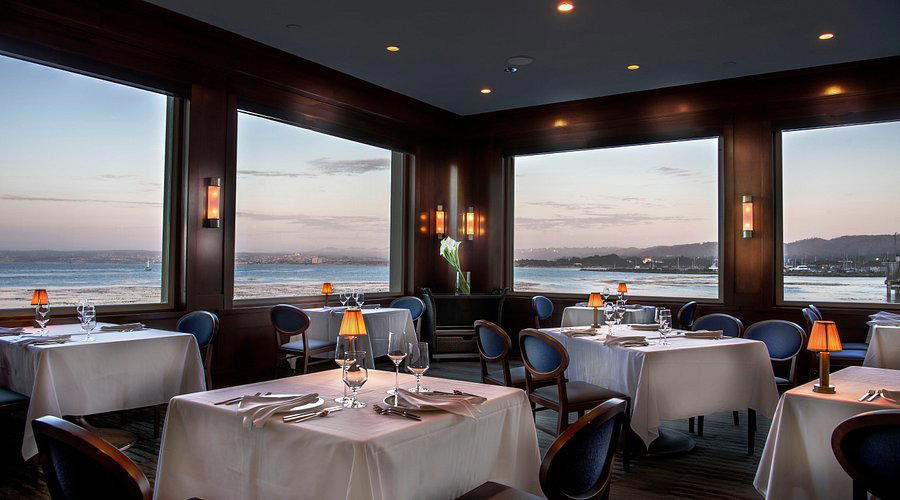
Cozy setting with large windows offering dramatic harbor views.