Cibo
On Alvarado Street in downtown Monterey, Cibo occupies a position that reflects the city's broader dining character: neither the resort-facing seafood houses of Cannery Row nor the hushed tasting-menu rooms that have emerged elsewhere on the Central Coast. It sits in the middle register where Monterey's working dining scene operates, drawing locals and visitors alike to a recognizable address in the city's commercial and cultural centre.
Pearl is the En Primeur Club membership app — saves, bookings, and concierge access live there. Same editors, same standards.
- Address
- 301 Alvarado St, Monterey, CA 93940
- Phone
- +18316498151
- Website
- cibomonterey.com
- Directions
- Get directions
 Saves & bookings on Pearl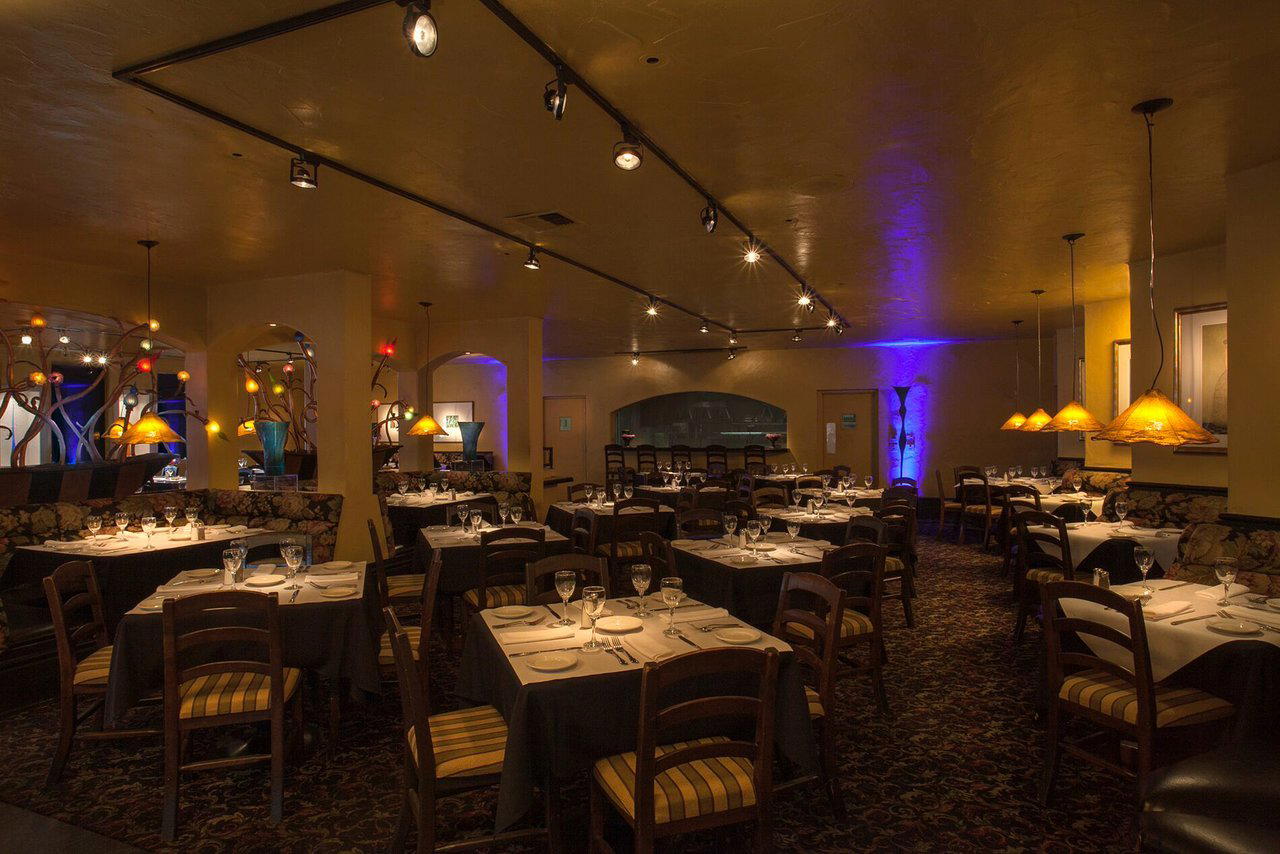
Alvarado Street and the Dining Register It Occupies
Downtown Monterey's Alvarado Street functions as the city's civic spine, running from the waterfront toward the older commercial blocks that predate the tourism infrastructure of Cannery Row. The restaurants along it tend to reflect a different set of priorities than those on the wharf: they serve a local population as much as a transient one, and the room atmosphere tends toward neighborhood utility rather than destination theatre. Cibo, at 301 Alvarado St, sits squarely in that context. Its address alone signals something about what kind of experience to expect, a place embedded in the working fabric of a mid-sized California coastal city rather than positioned against the backdrop of the Pacific.
That positioning matters in Monterey more than in some other California cities because the dining scene here splits quite cleanly along geographic and conceptual lines. On one end are the Cannery Row seafood houses built around the visitor economy and the Steinbeck-adjacent mythology of the waterfront. On the other, a smaller tier of locally rooted operations has developed along streets like Alvarado and in adjacent neighborhoods, drawing on the Central Coast's agricultural depth and a resident population that eats out regularly without requiring spectacle. Cibo occupies that second category.
What Downtown Monterey Produces in This Format
California's Central Coast dining has developed an identity distinct from the Bay Area's tasting-menu circuit and from the resort-led hospitality of Carmel. The region has its own produce rhythms, its own wine country adjacency in Monterey County's wine-growing appellations, and a local dining culture that values accessibility without abandoning quality. Restaurants in this register, neighborhood-facing, centrally located, without the pricing architecture of destination rooms, function as the connective tissue of a city's dining week. They're where residents return on a Tuesday rather than where they take out-of-town guests for a special occasion.
That distinction shapes what a venue like Cibo is being asked to do. It isn't competing with the same instruments as, say, The French Laundry in Napa or Single Thread Farm in Healdsburg, both of which operate inside an entirely different set of expectations around price, format, and advance booking. Nor is it positioned against the technically ambitious tasting-menu rooms represented elsewhere in the country by venues like Smyth in Chicago or Atomix in New York City. Monterey's Alvarado Street corridor asks for something different: a reliable, accessible room with a clear identity that serves the neighborhood across multiple occasions.
The Monterey comparable set
Within Monterey itself, the competitive reference points for a downtown restaurant like Cibo include a range of formats and price tiers. Coastal Kitchen operates at the higher end of the local contemporary spectrum, while Bistro Moulin brings a European bistro sensibility to a comparable neighborhood position. Café Fina anchors the waterfront-adjacent end of the market with a seafood-forward approach, and Cella Restaurant and Bar represents the bar-led casual end of the local scene. Meanwhile, Ambrosia India Bistro diversifies the city's options beyond the seafood and California-contemporary formats that dominate.
Cibo's position within that set is defined by its Alvarado Street address, which places it at the intersection of foot traffic, local regulars, and visitors moving between the Custom House Plaza area and the upper commercial blocks. Downtown locations in mid-sized California cities tend to produce a particular rhythm: lunch business driven by office workers and visitors doing the historic district, dinner driven by a mix of locals and hotel guests. Understanding that rhythm helps calibrate expectations. This is not a room that rewards the same approach as a reservation-only counter in San Francisco's Mission or a destination dining room of the kind operated by Providence in Los Angeles or Addison in San Diego.
Central Coast Context and What It Implies
Monterey County's dining scene benefits from proximity to some of California's most productive agricultural land, the Salinas Valley supplies a significant share of the state's leafy greens and vegetables, and from its own growing wine region, which has developed a particular identity around cool-climate varieties. Restaurants in downtown Monterey that source intelligently from this supply have access to produce quality that coastal cities further south often have to work harder to match. That agricultural context is worth keeping in mind when reading any Monterey menu: the baseline ingredient quality available to kitchens here sits at a structural advantage relative to many comparable-sized American cities.
That advantage has been recognized at the higher end of the national fine-dining conversation, where restaurants with serious farm relationships, like Blue Hill at Stone Barns in Tarrytown, have become reference points for what ingredient sourcing can do to a dining program's identity. In the Central Coast context, that conversation operates at a more local frequency, but the underlying logic is the same: proximity to good land matters. Restaurants that tap into the Salinas Valley and Monterey County's ranching and fishing supply are working with material that shapes the ceiling of what they can produce. For Cibo's position in this market, the implication is that the surrounding ingredient environment is permissive rather than limiting.
Planning a Visit: Practical Orientation
301 Alvarado Street sits in walkable distance from the core of downtown Monterey, within reasonable reach of the Monterey Conference Center and the major hotel clusters around Cannery Row and the waterfront. Visitors based in those accommodation zones typically reach Alvarado Street on foot in under fifteen minutes. For those arriving by car, downtown Monterey's parking structures are concentrated near the waterfront and along Pearl Street, a short walk from Cibo's block.
Cibo is recommended for reservations and follows smart casual dress. The city's peak visitation runs from June through September, when Cannery Row foot traffic is at its highest and tables at recognizable downtown addresses fill more consistently.
A Tight Comparison
Comparable venues nearby, for context on price, style, and recognition.
| Venue | Cuisine | Price | Notes |
|---|---|---|---|
| CiboThis venue — the venue you are viewing | Old Monterey, Italian Ristorante | $$$ | Not listed |
| Esteban | Not listed | $$$ | Downtown Monterey, Spanish Tapas with California Influences |
| Café Fina | Old Fisherman's Wharf, Italian Seafood | $$$ | Not listed |
| Hula's Island Grill | Not listed | $$ | Lighthouse Ave, Hawaiian-California Fusion |
| Shake's Old Fisherman's Grotto | Fisherman's Wharf, Seafood and Italian | $$ | Not listed |
| Whaling Station Steakhouse | Cannery Row, Classic Steakhouse | $$$ | Not listed |
At a Glance
- Intimate
- Lively
- Elegant
- Date Night
- Group Dining
- Special Occasion
- Live Music
- Open Kitchen
- Extensive Wine List
Current opening hours
- Monday
- 8:30 AM–8 PM
- Tuesday
- 8:30 AM–8 PM
- Wednesday
- 8:30 AM–8 PM
- Thursday
- 8:30 AM–8 PM
- Friday
- 8:30 AM–1 AM
- Saturday
- 8:30 AM–1 AM
- Sunday
- 8:30 AM–8 PM
Hours can change for holidays and private events. Last verified .
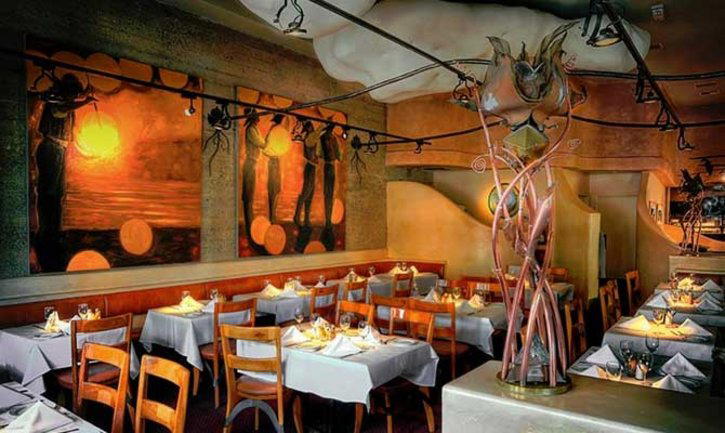
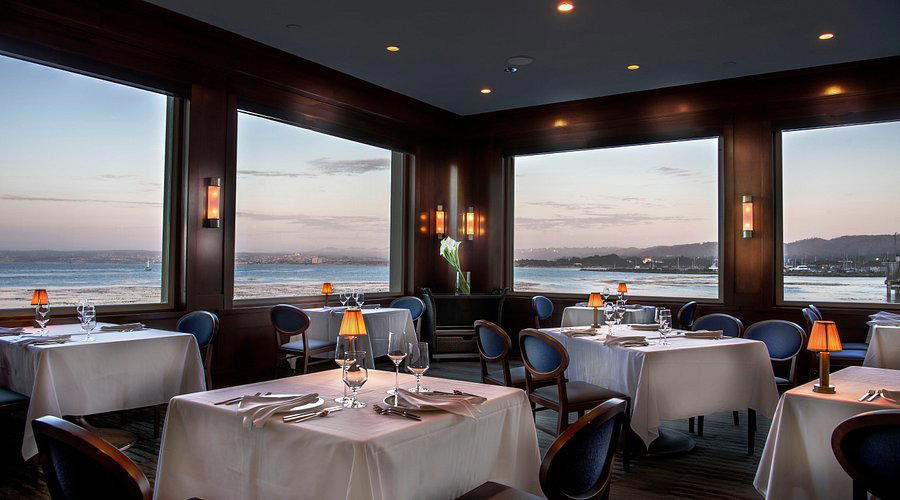
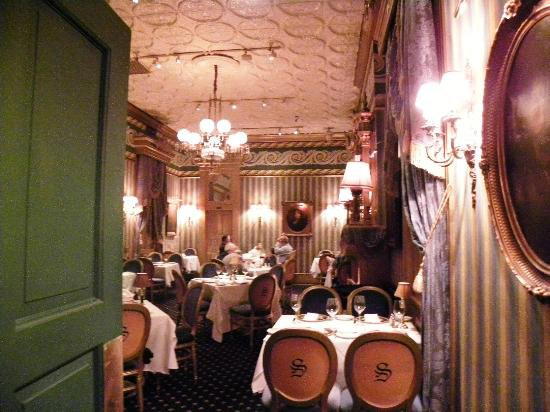
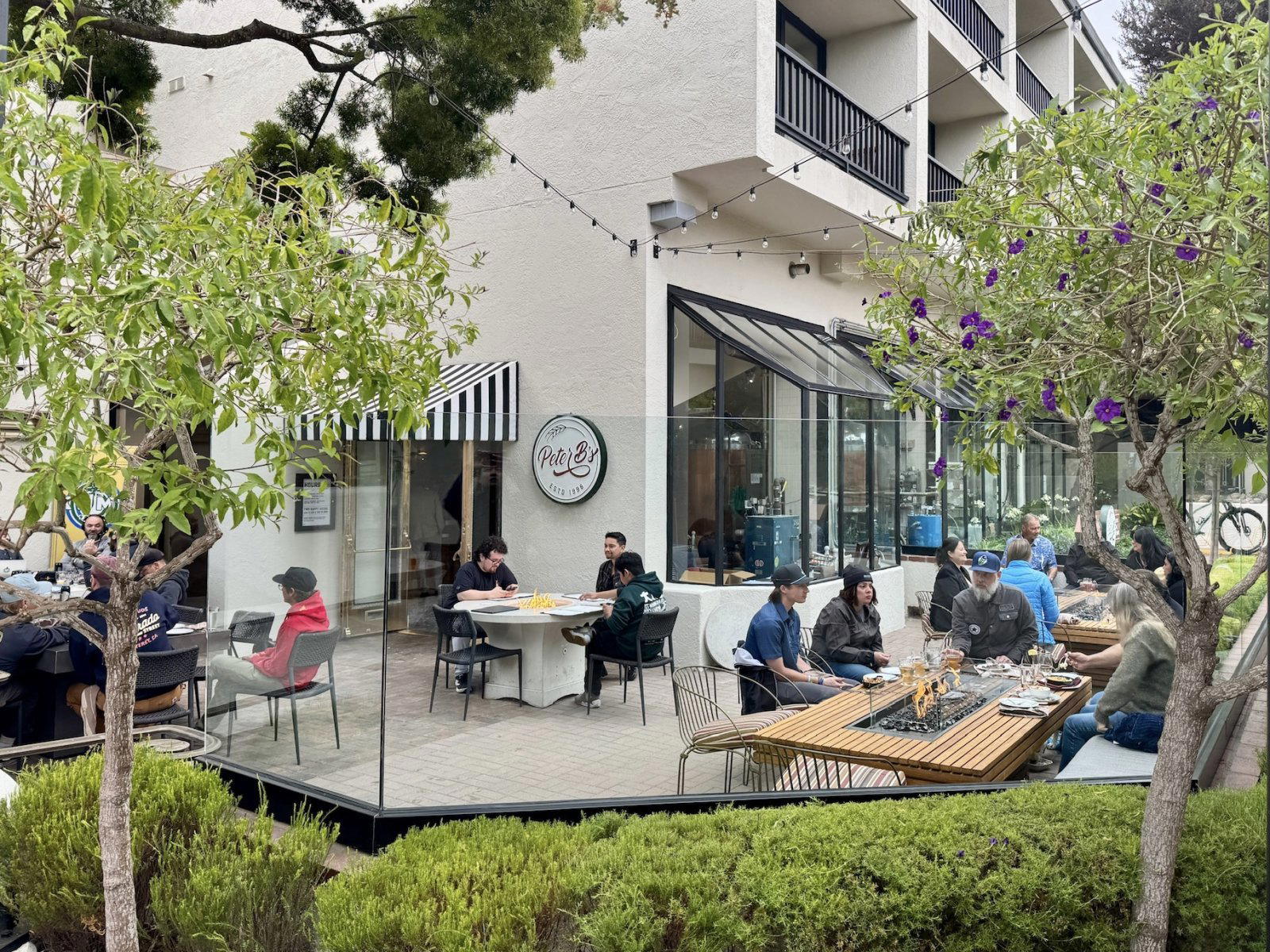
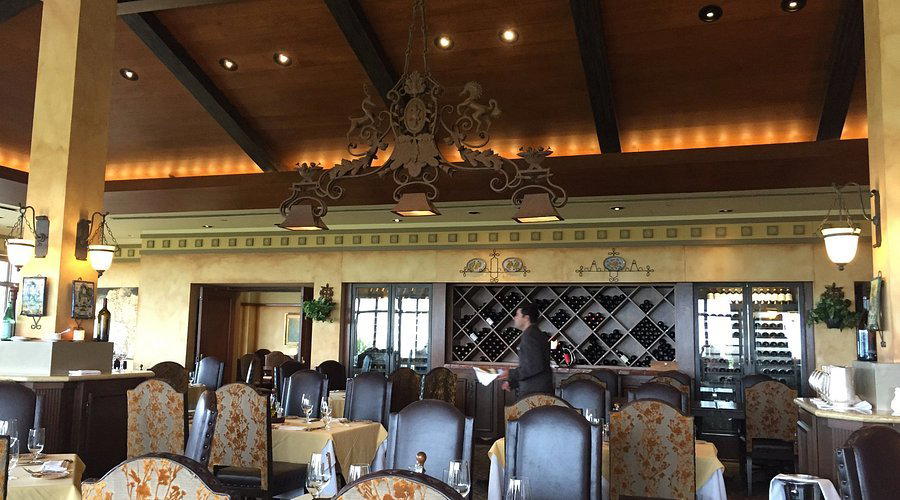
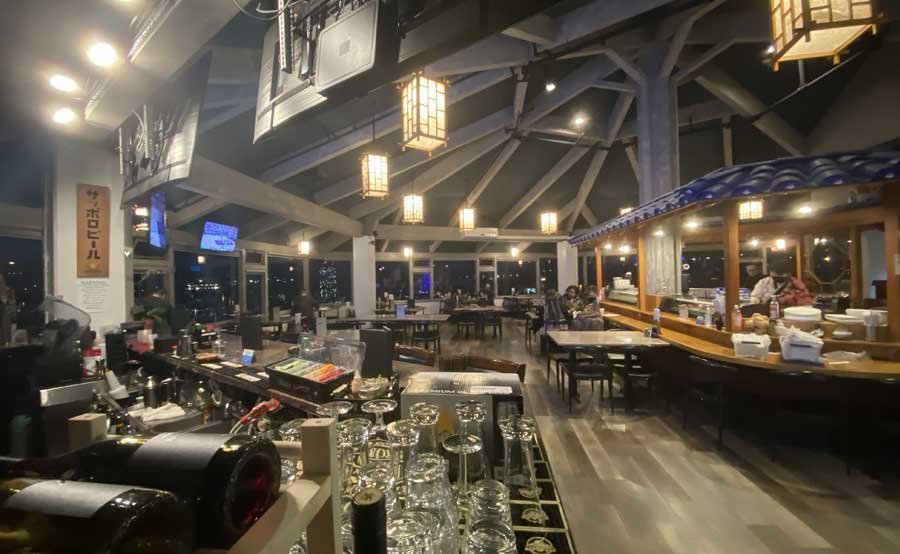
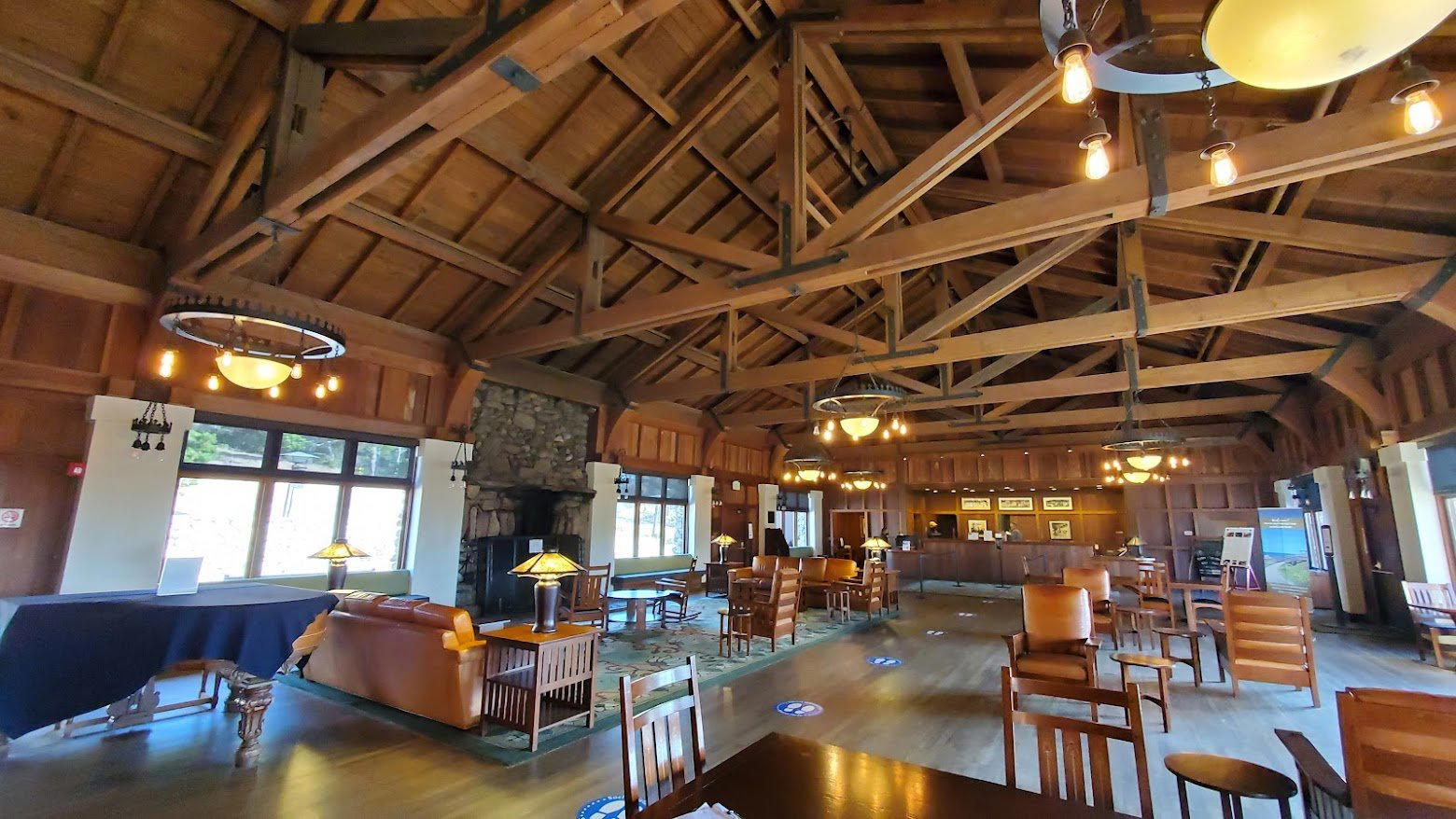
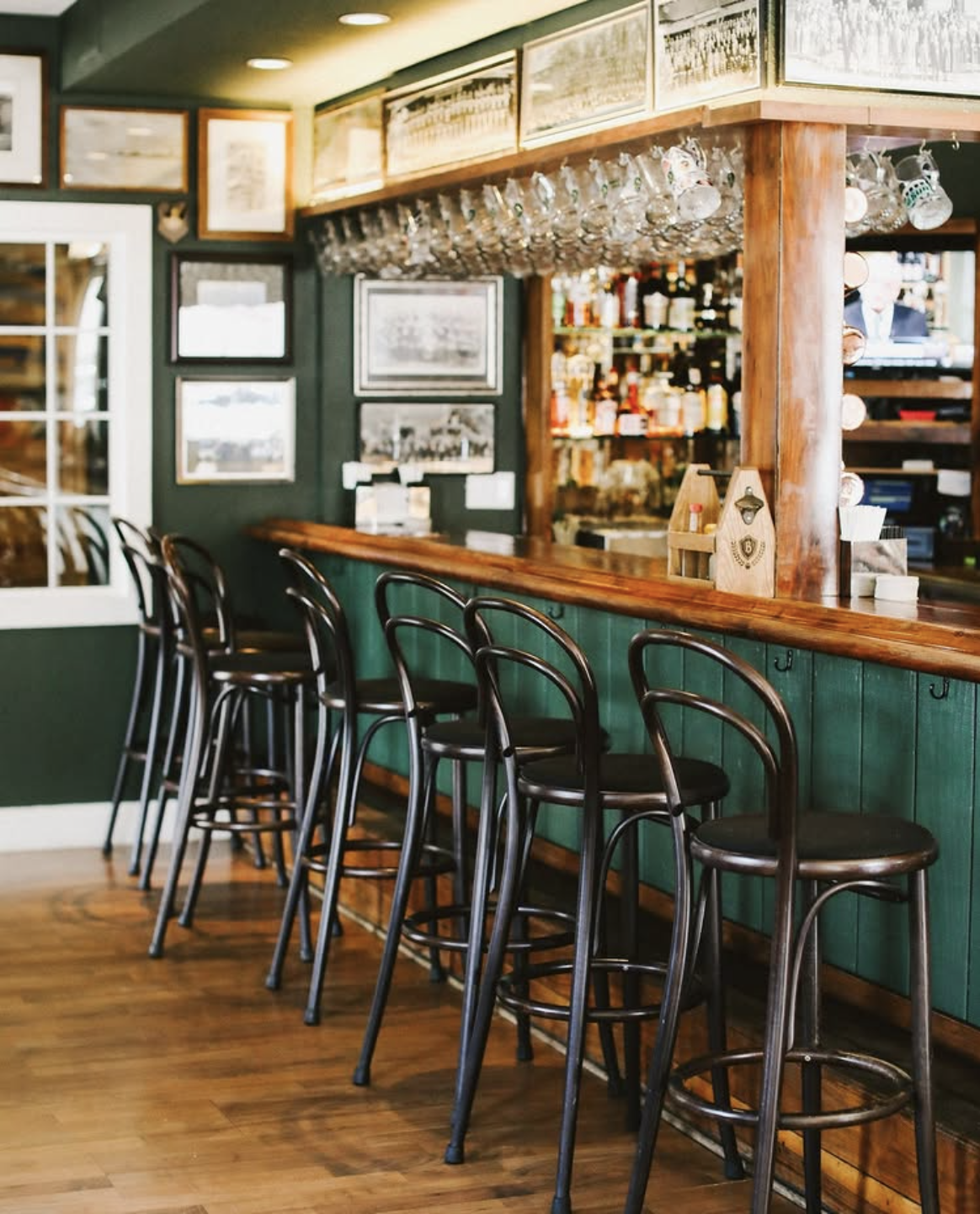
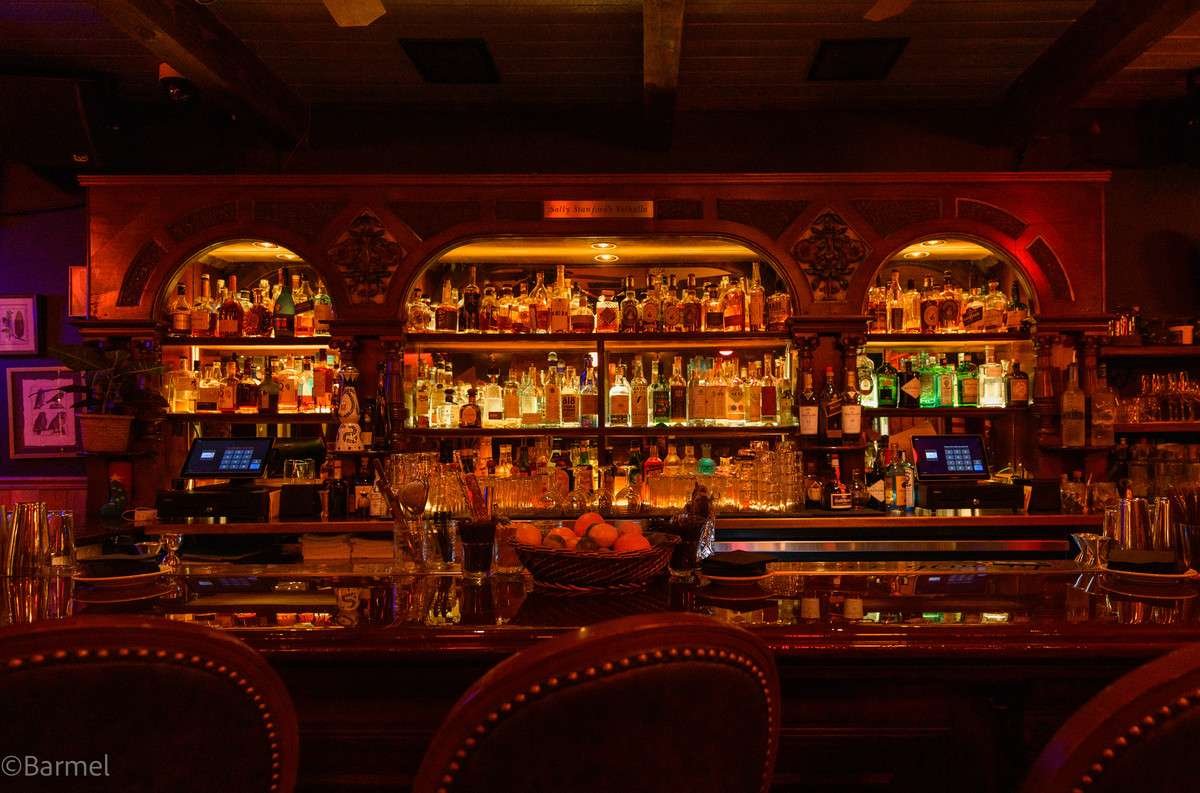
Intimate yet lively atmosphere accentuated with expressive art including photography, paintings, sculpture, hand-blown glass, and live jazz.