Mangia - Eat on Main
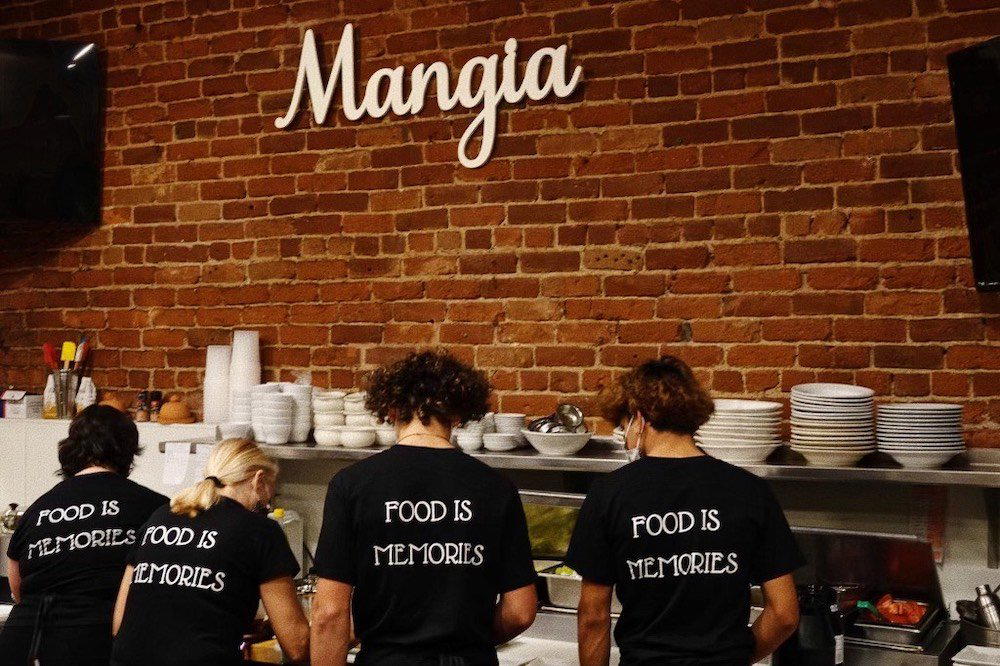
On Main Street in downtown Salinas, Mangia - Eat on Main occupies a stretch of the city's slow-reviving central corridor, where independent operators have been quietly filling gaps left by chain dining. The room sits at 328 Main Street, placing it among a small cluster of independent spots that collectively define what Salinas dining looks like when it steps away from agricultural-town expectations.

Pearl is the En Primeur Club membership app, where members save venues, book tables and use the concierge.
Main Street as a Proving Ground
Downtown Salinas has never been the obvious choice for a destination meal. The city is better known as the agricultural capital of the Monterey Bay region, a place where the economy runs on lettuce fields and cold-storage logistics rather than restaurant weeks or food tourism. That context is precisely what makes the independent operators on Main Street worth paying attention to. In cities where dining culture develops organically rather than through speculative investment, the venues that survive tend to do so on the strength of a genuine local following, not foot traffic from hotel concierges.
Mangia - Eat on Main, at 328 Main Street, occupies that kind of position. The address itself signals something: a suite-letter location on a commercial street in a mid-sized California agricultural city is not the setup for a performative dining experience. It is the setup for a neighborhood room that earns its place through consistency and a clear sense of what it is trying to be.
The Bartender's Role in a Room Like This
Across California's smaller cities, the bar program at an independent restaurant often carries more weight than the dining-out press acknowledges. In Salinas, where the after-work crowd and the weekend-dinner crowd overlap considerably, the person behind the bar sets the temperature of the room as much as the kitchen does. The craft-focused bar movement that reshaped drinking culture in San Francisco and Los Angeles over the past fifteen years has filtered into secondary markets in quieter, less theorized ways. The result is not always a clarified-cocktail program with a printed technique manifesto, but it tends to produce something more durable: a bar staff that knows regulars by name and by drink order, and that treats hospitality as a technical skill rather than an afterthought.
That sensibility connects Mangia to a broader shift in how bars in smaller American cities are beginning to define themselves. Compare the bar programs at places like Jewel of the South in New Orleans or Kumiko in Chicago, where the bartender's craft is the explicit editorial subject of the room, and the distance between those formats and what happens at a Main Street independent in Salinas becomes instructive. The high-concept bar is a specific product, calibrated for a specific audience. The neighborhood bar-restaurant, when it is run well, solves a different problem: it has to be good enough every Tuesday, not just on the night a critic shows up.
Salinas in Context
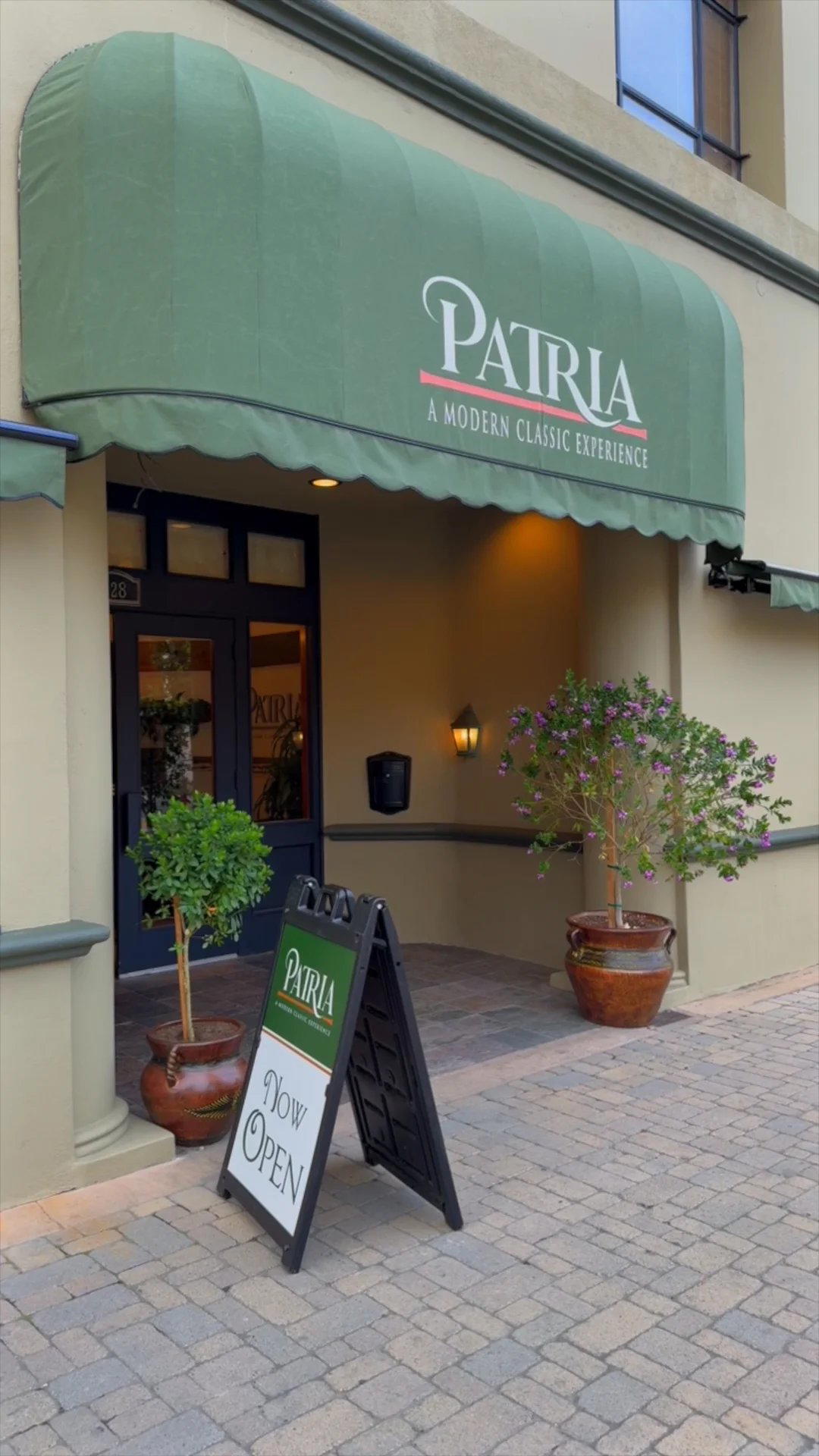
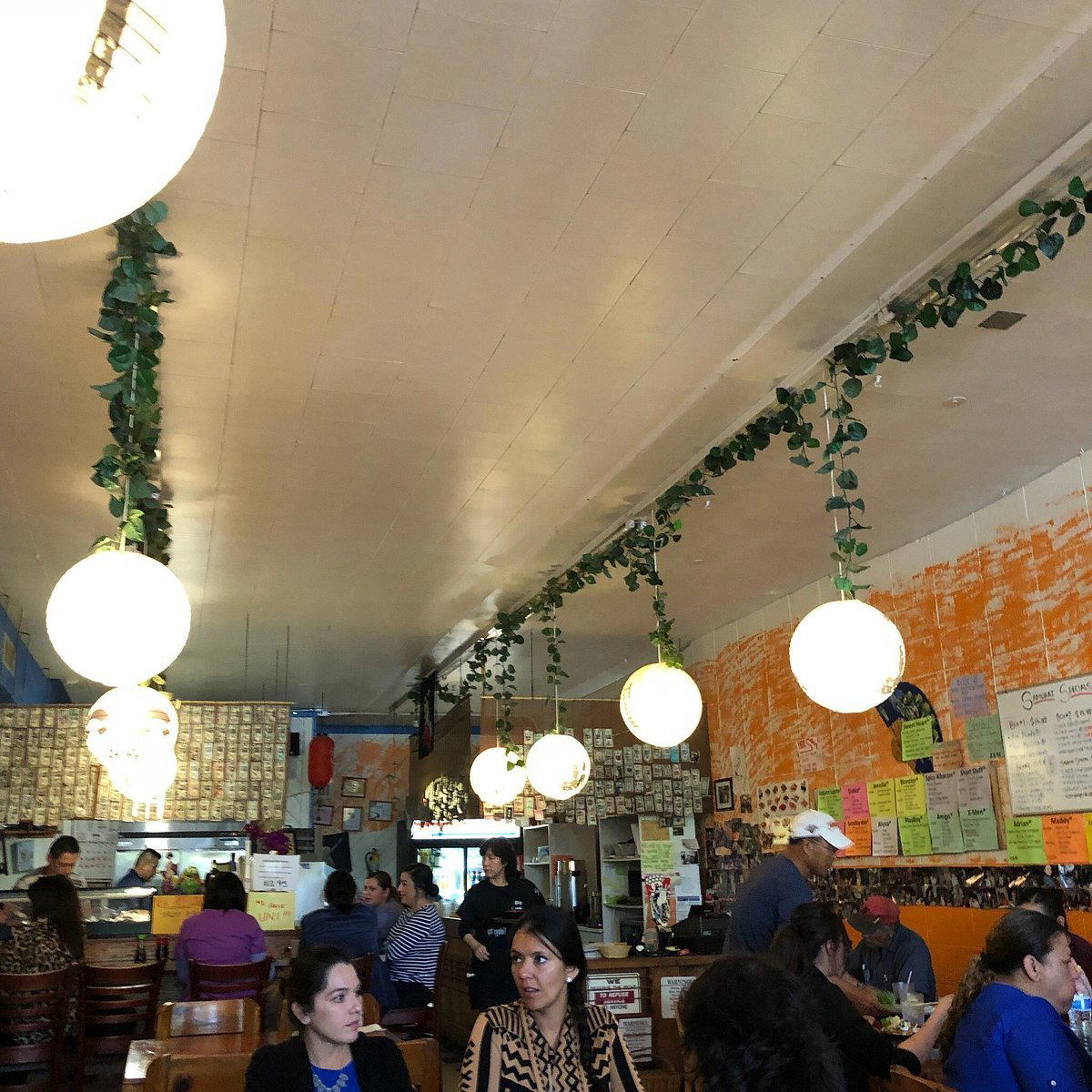
For a city of roughly 160,000 people, Salinas has a denser independent dining scene on its central corridor than the regional reputation suggests. Patria on Main and Growers Pub occupy nearby addresses and collectively form a small cluster of rooms that draw from overlapping audiences. The sushi contingent, represented by Arigato Sushi and Kokoro Sushi, rounds out the picture of a downtown that functions more like a real neighborhood dining corridor than a tourist strip.
That clustering matters. When independent venues concentrate on a single street, the dynamic shifts from each venue competing in isolation to the street itself becoming a reason to visit. Salinas has not yet reached the density of a fully activated downtown, but the concentration of independents on Main Street represents a structural condition that supports operators willing to invest in quality over volume. A visit to Mangia fits most naturally into an evening that starts or ends with a stop elsewhere on the same block, which is how neighborhood dining culture actually builds itself over time.
For visitors arriving from the Monterey Peninsula, the drive from Carmel or Pacific Grove takes roughly twenty minutes heading inland on Highway 68. Salinas does not market itself as a dining destination in the way Carmel does, which means the independent rooms on Main Street operate without the pricing pressure that tourist-facing venues face. That can translate to better value relative to peer quality in the Monterey Bay region. See our full Salinas restaurants guide for a broader overview of the city's dining character.
Where Mangia Sits in the California Independent Spectrum
California's independent restaurant culture spans a vast range, from the ambitious natural-wine-and-fermentation rooms that define San Francisco's Hayes Valley to the unassuming family operations in agricultural towns that have never needed a PR strategy because their regulars have been coming in for fifteen years. ABV in San Francisco represents one end of that spectrum, where the bar program and menu cohere around a technically demanding editorial vision. Mangia operates in a different register, one that is more directly connected to the people who live within walking distance of Main Street.
That positioning is not a concession. In markets like Salinas, the room that knows its neighborhood and delivers reliably within its format occupies a more defensible position than the room that overreaches. The comparison is instructive when you look at how craft-bar culture has developed in smaller American cities generally. Julep in Houston and Superbueno in New York City each made specific bets on format and audience in cities with dense competition. The bet Mangia makes is quieter but no less deliberate: a Main Street address in a working California city, with a name that announces its purpose in two languages and without ambiguity.
For travelers crossing between the Monterey coast and inland California, or for anyone spending time in the Salinas Valley for agricultural or business reasons, the independent rooms on Main Street offer a more honest representation of the city than anything positioned for tourist consumption. Bar Leather Apron in Honolulu and The Parlour in Frankfurt on the Main both demonstrate how a bar-forward independent room can anchor a neighborhood's dining identity without the infrastructure of a major culinary city. The principle applies in Salinas too.
Planning a Visit
Mangia - Eat on Main is located at 328 Main Street, Suite A, in downtown Salinas. Street parking on Main Street is generally available in the evenings, and the address sits within walking distance of the central cluster of independent venues on the corridor.
The Quick Read
Comparable venues nearby, for context on price, style, and recognition.
| Venue | Cuisine | Price | Notes |
|---|---|---|---|
| Mangia - Eat on MainThis venue (the venue you are viewing) | Oldtown Salinas, Bar | $20–30 | Not listed |
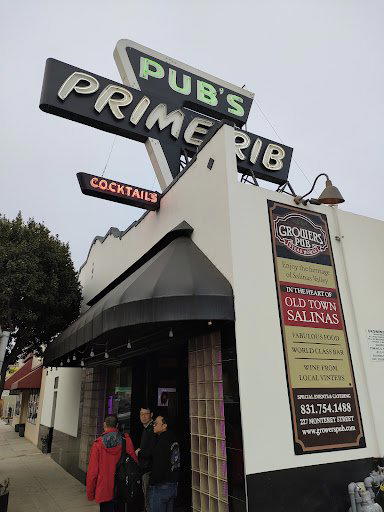
| Growers Pub | Downtown, pub | Not listed | Not listed |
| Arigato Sushi | North Main, Bar | $20–30 | Not listed |
| Sushi Daruma | Oldtown Salinas, Bar | Not listed | Not listed |
| Kokoro Sushi | Not listed | $20–30 | Oldtown Salinas, sake_bar |
Continue exploring
More in Salinas
Bars in Salinas
All bars in Salinas →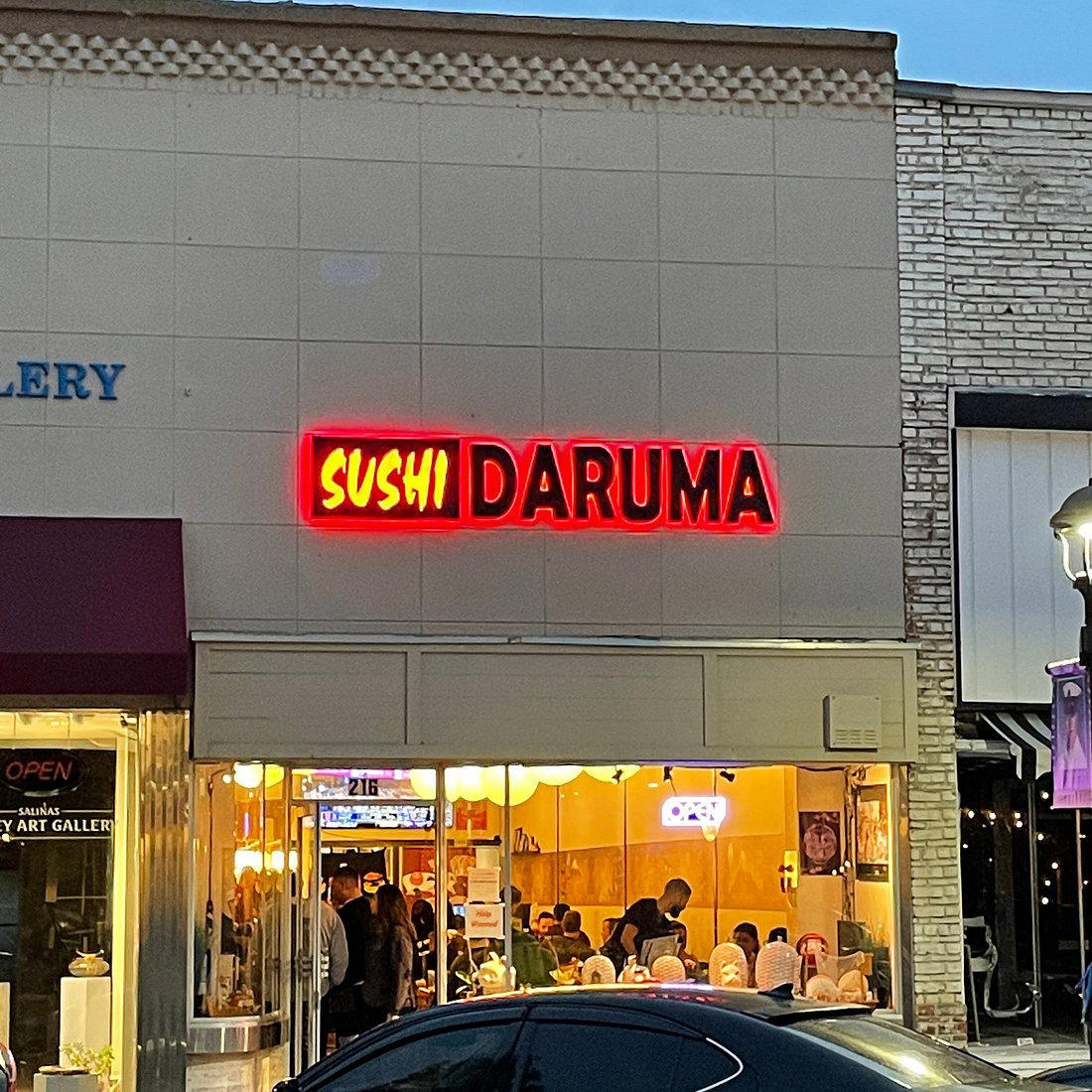
Restaurants in Salinas
All restaurants in Salinas →
Hotels in Salinas
Browse all →
Wineries in Salinas
Browse all →
Details
- Cozy
- Intimate
- Casual Hangout
- Conventional Wine
Current opening hours
- Monday
- Closed
- Tuesday
- 4:30–8 PM
- Wednesday
- 4:30–8 PM
- Thursday
- 11:30 AM–2 PM, 4:30–8 PM
- Friday
- 11:30 AM–2 PM, 4:30–8 PM
- Saturday
- 4:30–8 PM
- Sunday
- Closed
Hours can change for holidays and private events. Hours as of .
Cute, warm, welcoming, clean, casual, and friendly with nice music.