Ambrosia India Bistro
Our verdict
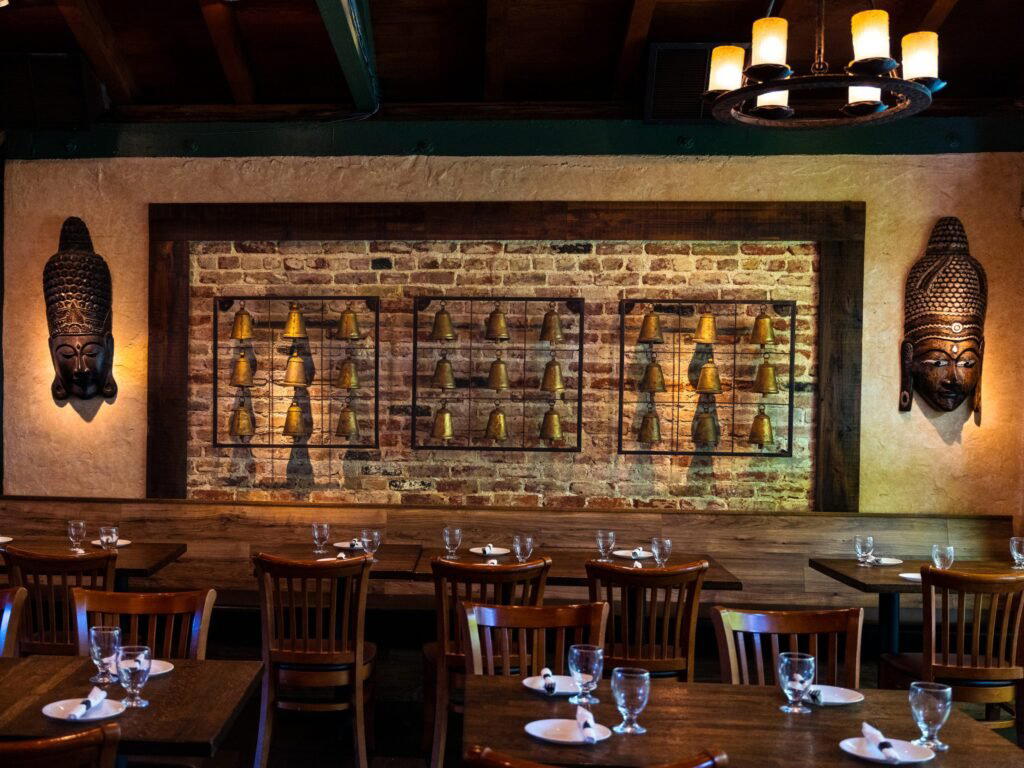
Ambrosia India Bistro serves authentic Indian in Monterey, with a courtyard, garden views, and a conversational, casual pace for lunch or dinner.

Pearl is the En Primeur Club membership app — saves, bookings, and concierge access live there. Same editors, same standards.
- Address
- 565 Abrego St, Monterey, CA 93940
- Phone
- (831) 641-0610
- Hours
- Mon–Thu 11:30 AM–2:45 PM, 5–9 PMFri–Sat 11:30 AM–2:45 PM, 4–9:30 PMSun 11:30 AM–2:45 PM, 5–9 PM
- Website
- monterey.ambrosiaib.com
- Directions
- Get directions
- Booking
- Book on the venue's website
The menu
What to order
- Lamb Rogan Josh
- Butter Chicken
- Paneer Tikka Masala
Indian Cooking in a Coastal California Context
Abrego Street sits a few blocks inland from Monterey's waterfront corridor, where the tourist foot traffic thins and the storefronts shift toward the workaday rhythms of a mid-sized California city. It is in this quieter register that Ambrosia India Bistro operates, occupying a position that Monterey's dining scene genuinely needs: a full-service Indian restaurant in a city whose restaurant identity leans heavily toward Pacific seafood and European bistro formats. For a reference point on how different that adjacent category looks, consider what Café Fina does with the harbour catch, or how Bistro Moulin frames classic French technique through a Monterey lens. Ambrosia operates from an entirely different culinary tradition, one rooted in the subcontinent's spice vocabulary and slow-cooked sauces rather than in local brine and French butter.
The Case for Sourcing in Indian Cooking
Indian cuisine's credibility in California has always been tied, at least in part, to the sourcing question. The spice chains that link a proper korma or a well-built dal to their origins are long and specific: Kashmiri chilli for its colour and moderate heat, Tellicherry black pepper for its aromatic depth, fenugreek for the subtle bitterness that rounds out a butter sauce. When those inputs are treated seriously, the gap between a workmanlike Indian restaurant and a considered one becomes apparent in the cooking rather than in the decor. California's agricultural infrastructure makes sourcing fresh supporting ingredients, dairy, vegetables, aromatics, relatively direct, which means an Indian kitchen in Monterey has access to a supply chain that many comparable restaurants in other American cities would envy. The Central Valley, less than two hours inland, produces the kind of onion and tomato volumes that form the backbone of North Indian sauce work. Whether Ambrosia draws on that proximity deliberately is worth investigating before you book.
That framing matters because it sets expectations. Indian food assessed purely on price-to-portion terms misses the point; the real measure is whether the spice work is layered and timed correctly, whether the proteins are cooked to texture rather than to clock, and whether the bread programme, if there is one, can hold its own against the main plates. Those are the standards that restaurants like Atomix in New York City apply to Korean fine dining, or that Blue Hill at Stone Barns in Tarrytown applies to American farm produce. The principle, sourcing as a discipline that shapes every plate, crosses cuisine categories.
Monterey's Restaurant Tier and Where Ambrosia Sits
Monterey's dining market segments roughly into a top tier of higher-end contemporary and seafood restaurants, a mid-tier of neighbourhood bistros and casual Italian, and a value tier that covers the cafes and quick-service spots that sustain the local working population. Coastal Kitchen and comparable contemporary spots occupy the upper band, while Cella Restaurant and Bar and Cibo anchor the middle. Paprika Café, at the value end of the Mediterranean category, shows that single-dollar-sign pricing can coexist with specific cuisine identity in this market.
Ambrosia occupies a category of its own within Monterey's map in the sense that it represents a cuisine type with almost no direct local competition. For the reader making a booking decision, that context is more useful than a star count would be.
For contrast on what destination-tier cooking looks like at the upper end of the California coastal range, The French Laundry in Napa and Single Thread Farm in Healdsburg represent the farm-to-table extreme where sourcing is the editorial centre of every menu. Providence in Los Angeles and Addison in San Diego show how Southern California handles the same ambition in a seafood and contemporary idiom. Ambrosia operates nowhere near that tier in terms of format or likely price, but the sourcing conversation is the same regardless of altitude.
The Bistro Format in an Indian Context
The word "bistro" in the name signals something deliberate about format and intent. A bistro model, whether French, Indian, or fusion-adjacent, typically implies a room-sized operation with a focused menu, mid-range pricing, and an emphasis on regulars over destination diners. Applied to Indian cooking, that framework tends to produce menus that cover the subcontinent's greatest hits, tandoor-cooked proteins, lentil preparations, vegetarian options with regional specificity, and a bread selection, without the sprawling page-count of a banquet-style Indian restaurant. That restraint, if applied consistently, usually improves quality across the board. Shorter menus are easier to execute well, and Indian food's complexity is better served by fewer dishes done correctly than by dozens executed at a lower standard.
Similar logic applies at the very different scale of tasting-menu operations like Smyth in Chicago or Lazy Bear in San Francisco, where menu discipline is treated as an editorial position. The principle scales down: a bistro that edits aggressively earns trust faster than one that tries to cover every regional base.
Planning a Visit
For a fuller picture of where Ambrosia sits within Monterey's broader dining options, the EP Club Monterey restaurants guide maps the city's restaurants across cuisine types and price tiers. Visitors building a multi-day itinerary will also find useful context in what Le Bernardin in New York City, Emeril's in New Orleans, The Inn at Little Washington, and Atelier Moessmer Norbert Niederkofler in Brunico represent at the far end of the ingredient-sourcing conversation, as a baseline for understanding how much range the concept holds across culinary formats.
Frequently asked questions
How would you describe the vibe at Ambrosia India Bistro?
The bistro format at 565 Abrego Street signals a relaxed, neighbourhood-facing tone rather than a formal dining room. Abrego Street sits a few blocks inland from Monterey's waterfront corridor, where the crowd shifts from tourist-heavy to more local. Expect the pace and setting of a neighbourhood bistro rather than a special-occasion restaurant.
How do I find Ambrosia India Bistro?
Ambrosia India Bistro is located at 565 Abrego St, Monterey, CA 93940, Monterey.
Is Ambrosia India Bistro a good option for Indian food on the Monterey Peninsula?
Monterey's dining market is dominated by seafood-forward and contemporary California restaurants, which makes a dedicated Indian bistro a distinct category on the peninsula. Ambrosia sits at 565 Abrego Street in Monterey, CA, positioning it within walking distance of downtown. For visitors or locals seeking Indian cuisine in a city where the format is underrepresented, it occupies a specific and relatively uncrowded niche.
What should I order at Ambrosia India Bistro?
The bistro format generally suggests a concise menu rather than an extensive multi-page list, which tends to favour dishes the kitchen executes consistently. Visiting during service and asking staff about the day's focus is the most reliable approach.
Side-by-Side Snapshot
Comparable venues nearby, for context on price, style, and recognition.
| Venue | Cuisine | Price | Awards | Notes |
|---|---|---|---|---|
| Ambrosia India BistroThis venue — the venue you are viewing | Authentic Indian | $20–30 | Not listed | Not listed |
| Cannery Row Brewing Company | American Brewpub | Not listed | Not listed | Cannery Row |
| Rosine's | American-Italian Comfort Food | $20–30 | Diners, Drive-Ins and Dives Featured Restaurant | Downtown Monterey |
| Schooners Monterey | Seafood & Steakhouse | $30–50 | Not listed | Cannery Row |
| Esteban | Spanish Tapas with California Influences | $50–100 | Not listed | Downtown Monterey |
| Monterey Cookhouse | American BBQ & Wood-Fired California Cuisine | $20–30 | Not listed | Not listed |
Continue exploring
More in Monterey
Restaurants in Monterey
Browse all →
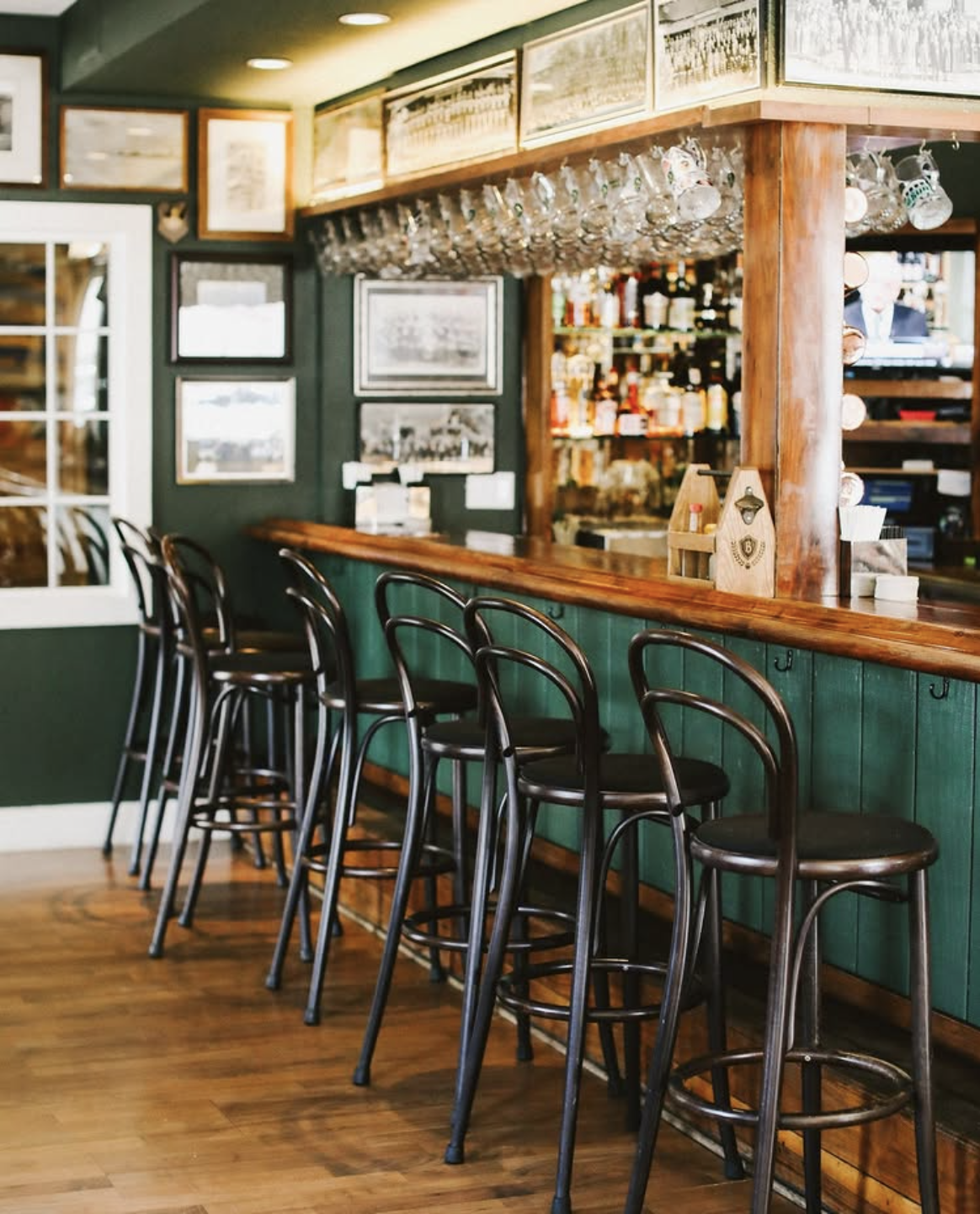
Bars in Monterey
Browse all →
Hotels in Monterey
Browse all →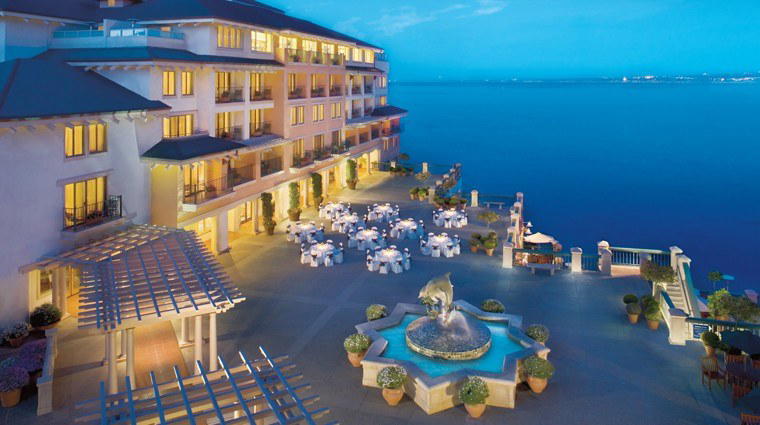
Wineries in Monterey
Browse all →
Details
- Intimate
- Cozy
- Family
- Group Dining
- Casual Hangout
- Courtyard
- Garden
- A La Carte
- Buffet
- Vegetarian Friendly
- Vegan Options
- Gluten Free Options
Current opening hours
- Monday
- 11:30 AM–2:45 PM, 5–9 PM
- Tuesday
- 11:30 AM–2:45 PM, 5–9 PM
- Wednesday
- 11:30 AM–2:45 PM, 5–9 PM
- Thursday
- 11:30 AM–2:45 PM, 5–9 PM
- Friday
- 11:30 AM–2:45 PM, 4–9:30 PM
- Saturday
- 11:30 AM–2:45 PM, 4–9:30 PM
- Sunday
- 11:30 AM–2:45 PM, 5–9 PM
Hours can change for holidays and private events. Last verified .
Intimate setting with beautiful, flavorful food presentation and a lovely courtyard garden for outdoor dining.