Café Fina
Café Fina sits on Fisherman's Wharf in Monterey, California, where the working waterfront tradition of seafood dining has shaped the local table for generations. The restaurant occupies a position in the wharf's dining ecology that reflects the broader Central Coast pattern: proximity to the water as both context and credential. Visitors looking for Monterey's seafood character in a wharf setting will find it anchored here.
Pearl is the En Primeur Club membership app — saves, bookings, and concierge access live there. Same editors, same standards.
- Address
- 47 Fishermans Wharf #1, Monterey, CA 93940
- Phone
- +18313725200
- Website
- cafefina.com
- Directions
- Get directions
 Saves & bookings on Pearl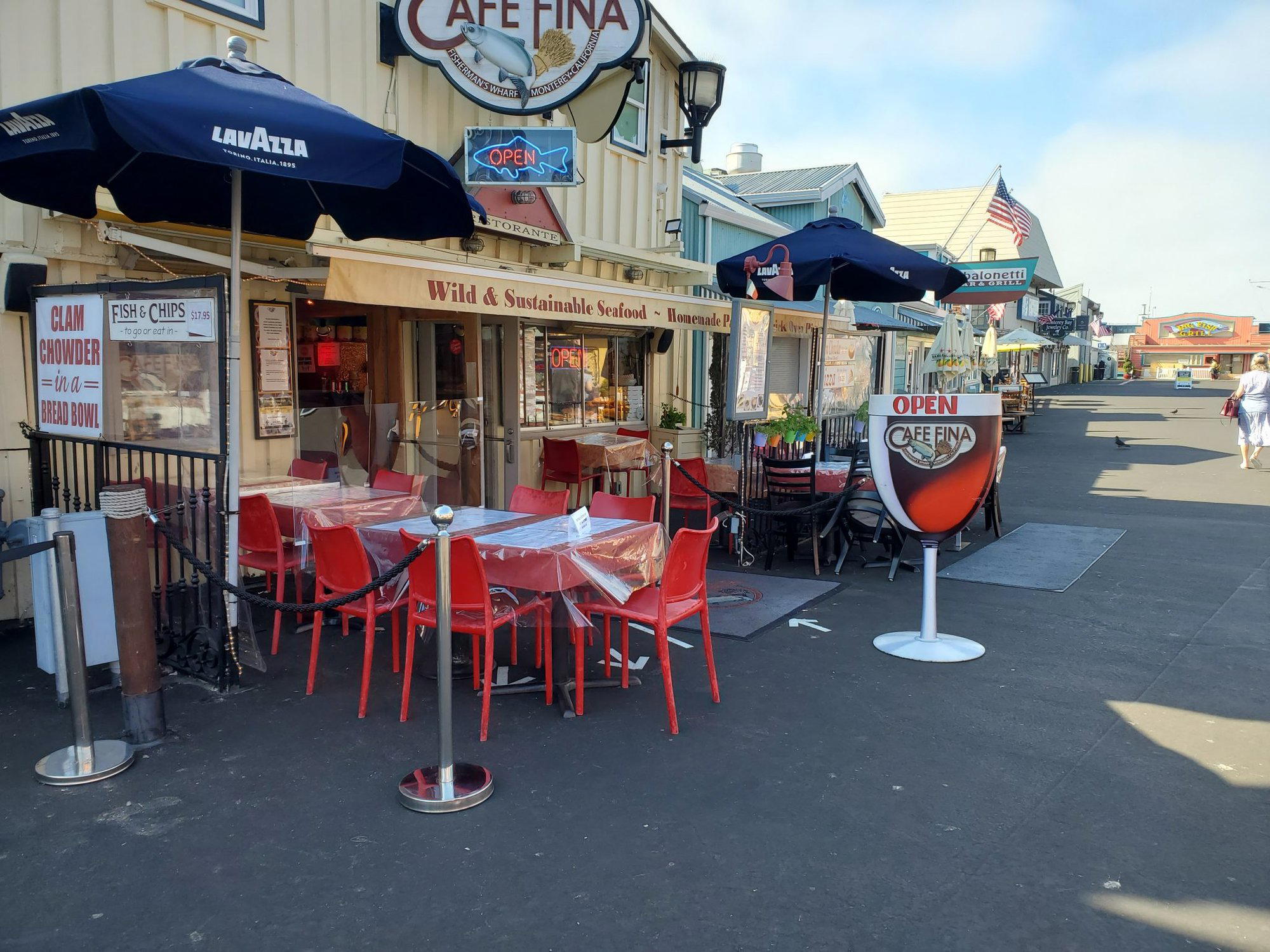
Fisherman's Wharf and the Ritual of the Waterfront Table
There is a particular rhythm to eating on Monterey's Fisherman's Wharf that has little to do with any single restaurant. The approach along the wooden planks, the salt-weighted air moving in off the bay, the ambient presence of working boats moored within eyeline, these environmental facts condition how a meal feels before a menu is even opened. Café Fina is an Italian Seafood restaurant in Monterey, CA, at 47 Fisherman's Wharf #1, with a casual dress code and a recommended reservation policy. It sits inside that ritual frame. The wharf itself is the first course.
Monterey Bay's dining tradition on the waterfront predates the city's tourism economy. The wharf was built as a commercial fishing landing in the nineteenth century, and the practice of eating close to the catch, with minimal distance between ocean and plate, has defined the area's food character ever since. That directness is the organizing principle of wharf dining across the Central Coast, from Santa Barbara north through Morro Bay and into Monterey. What distinguishes the better-positioned wharf restaurants is their fidelity to that principle: the catch as the argument, not the setting as the alibi.
Where Café Fina Sits in Monterey's Dining Tiers
Monterey's restaurant scene has stratified noticeably in recent years. At the higher end, places like Coastal Kitchen (Contemporary) operate in the contemporary fine-dining register. The mid-tier, represented by operators like Cella Restaurant & Bar and Bistro Moulin, tends toward European bistro and French-inflected formats with indoor settings removed from the waterfront. The wharf tier occupies its own category, one defined less by culinary ambition in the fine-dining sense and more by the specificity of location and the directness of its seafood sourcing logic.
Within that wharf category, Café Fina addresses the visitor who is primarily looking for the Monterey experience as geography delivers it: bay-facing position, seafood-forward menu, a sense that the context is earned rather than manufactured. That comparable set also includes The Sardine Factory, which has operated at the summit of the local seafood category for decades and carries the price point to match. The restaurant's Fisherman's Wharf address places it in direct conversation with that tradition, even if the two venues occupy different registers of formality and price.
Providence in Los Angeles and Addison in San Diego represent the other end of that California seafood spectrum, where the regional ingredient story is told through composed tasting formats. Monterey's wharf tradition makes a different argument: that proximity and directness are their own form of credential.
The Pace of a Wharf Meal
Wharf dining in Monterey follows a pace shaped by its setting. Tables turn with the bay's light, lunch service on the wharf has a different energy than dinner, when the water goes dark and the working boat traffic quiets. The meal tends to be shorter and less ceremonial than a downtown restaurant experience, oriented toward the middle of the day when the view is most legible and the foot traffic along the wharf is at its peak. That is the hour when the wharf dining ritual is at its most coherent.
This is not the format of a tasting-menu evening. The comparison to structured multi-course experiences at places like Lazy Bear in San Francisco or Smyth in Chicago is instructive precisely because the Fisherman's Wharf format operates on opposite premises: informal arrival, direct service, the menu organized around what is fresh rather than around a composed narrative arc. That informality is not a lesser version of fine dining, it is a different category of eating, one with its own internal standards. Blue Hill at Stone Barns in Tarrytown makes a related argument from a farm-to-table direction: that where food comes from is as significant as how it is prepared. The wharf version of that argument is simply more compressed and more visible.
Monterey's Broader Dining Context
Travelers arriving in Monterey for the first time often underestimate the range of the city's dining options beyond the waterfront. Ambrosia India Bistro and Cibo represent the more neighborhood-facing, locally sustained part of the dining scene, the restaurants that the city's residents return to on a regular basis rather than the ones that capture the tourist economy. Understanding that distinction helps calibrate expectations when choosing between a wharf table and an inland one.
The wharf's dining ecology has its own logic of value. A meal at the restaurant is not an occasion to benchmark against the tasting-menu tier represented nationally by The French Laundry in Napa, Le Bernardin in New York City, or Atomix in New York City. It belongs to a different part of the American dining map, the regional seafood institution anchored to a specific place, operating on the logic that the setting and the source together constitute the experience. Emeril's in New Orleans and Single Thread Farm in Healdsburg each demonstrate that regional rootedness can anchor serious dining ambition; Fisherman's Wharf operates on the same rootedness principle at a more accessible register.
Planning a Visit
The restaurant's address at 47 Fisherman's Wharf places it at the end of the wharf structure, with the direct water exposure that the outer positions provide. Fisherman's Wharf is accessible on foot from the downtown Monterey hotels and from the Custom House Plaza, making it a natural midday stop during a broader walking itinerary of the waterfront. The wharf operates year-round, though the bay's weather shifts meaningfully between the overcast summer mornings driven by coastal fog and the clearer, calmer conditions of late spring and early autumn. Those shoulder seasons generally offer particularly comfortable conditions for an outdoor or water-facing table. Given the wharf's tourist traffic, particularly during summer weekends and Monterey Bay Aquarium peak periods, arriving at off-peak lunch hours or early in the week tends to produce a more relaxed experience.
Where It Fits
Comparable venues nearby, for context on price, style, and recognition.
| Venue | Cuisine | Price | Notes |
|---|---|---|---|
| Café FinaThis venue — the venue you are viewing | Italian Seafood | $$$ | Not listed |
| Whaling Station Steakhouse | Classic Steakhouse | $$$ | Cannery Row |
| Hula's Island Grill | Hawaiian-California Fusion | $$ | Lighthouse Ave |
| Yamasushi | Americanized Sushi Fusion | $$ | Del Monte Shopping Center |
| Cella Restaurant & Bar | French-American Gastropub with Central Coast Influences | $$$ | Downtown Monterey |
| Bistro Moulin | Classic French Bistro | $$$ | New Monterey |
At a Glance
- Scenic
- Cozy
- Family
- Casual Hangout
- Waterfront
- Open Kitchen
- Local Sourcing
- Organic
- Waterfront
Current opening hours
- Monday
- 12–8:45 PM
- Tuesday
- 12–8:45 PM
- Wednesday
- 12–8:45 PM
- Thursday
- 12–8:45 PM
- Friday
- 12–9 PM
- Saturday
- 11:30 AM–9 PM
- Sunday
- 11:30 AM–8:45 PM
Hours can change for holidays and private events. Last verified .
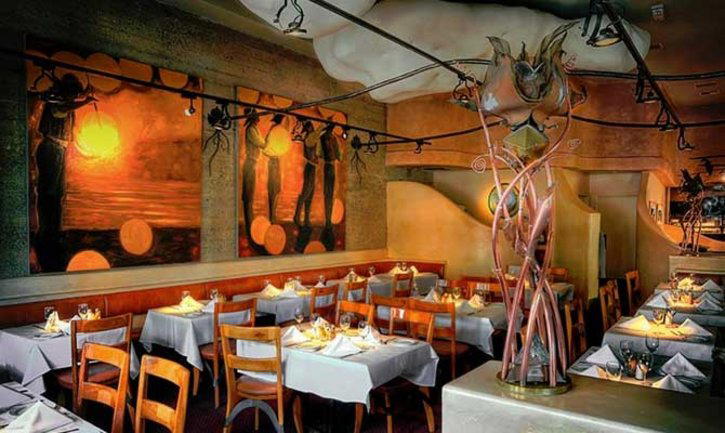
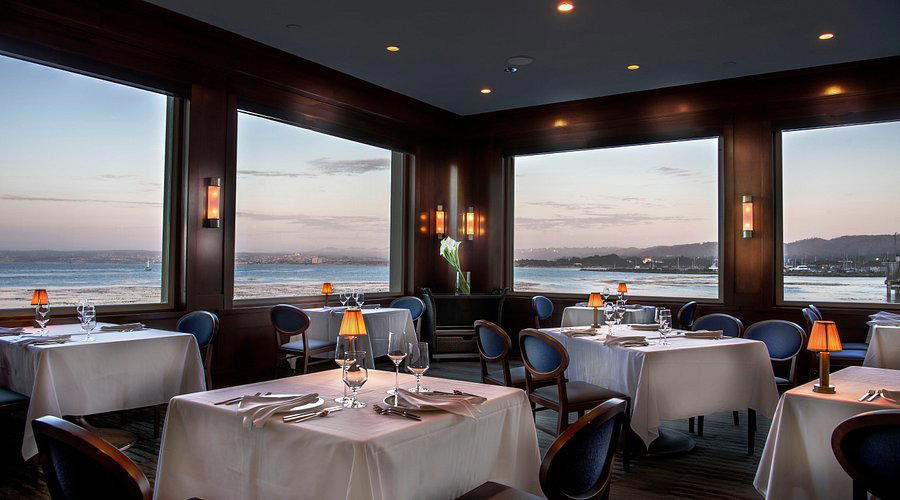
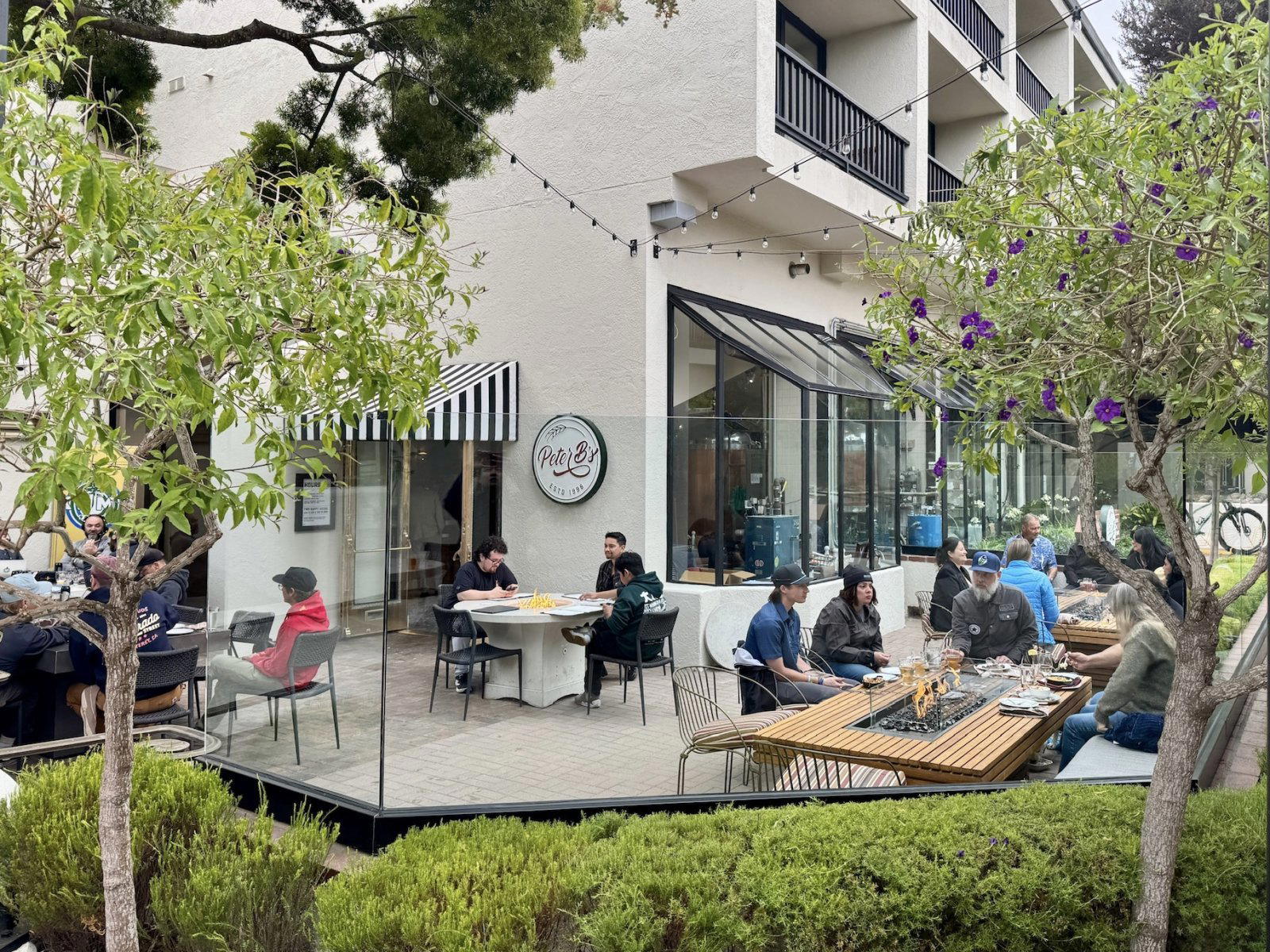
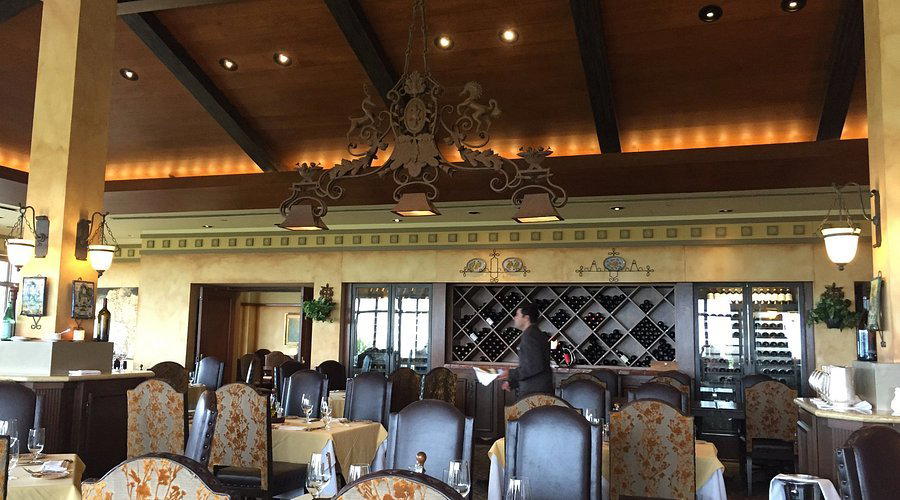
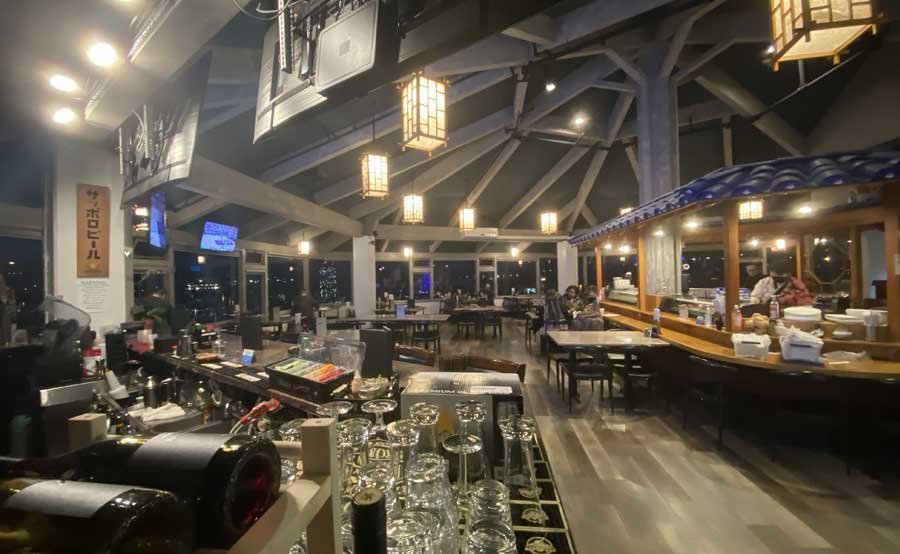
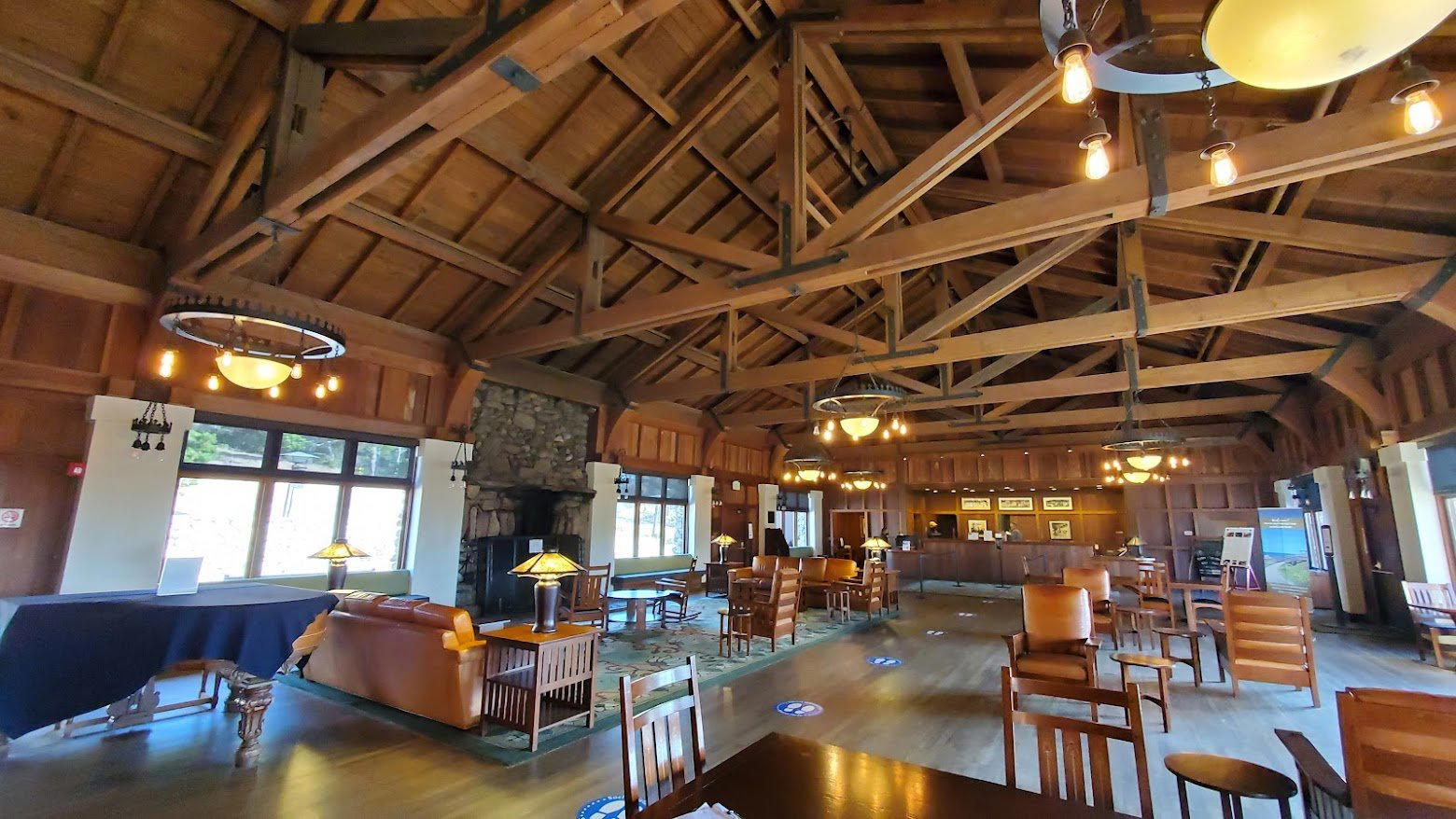
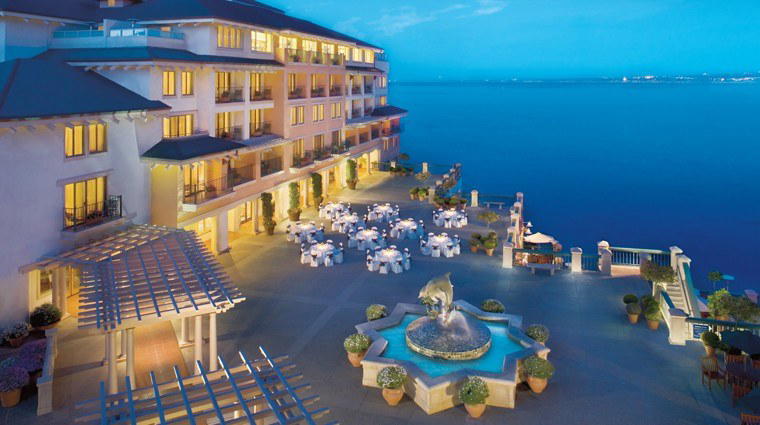
Warm and inviting atmosphere with gorgeous Monterey Bay views from nearly every seat, enhanced by friendly service.