De Tierra Vineyards
De Tierra Vineyards occupies a quiet address in Carmel-by-the-Sea, where the Monterey Peninsula's cool-climate wine tradition shapes everything on offer. The tasting room format places it within a small cohort of producer-direct experiences in a town better known for its galleries and inns. For visitors with more than a passing interest in Central Coast viticulture, it makes a case worth examining.
Pearl is the En Primeur Club membership app — saves, bookings, and concierge access live there. Same editors, same standards.
- Address
- Mission 3SE, 5th Ave, Carmel-By-The-Sea, CA 93921
- Phone
- +1 831 622 9704
- Website
- detierra.com
- Directions
- Get directions
 Saves & bookings on Pearl
Carmel's Wine Counter and the Coast Behind It
The Monterey Peninsula has long operated as a cooler, slower counterpoint to Napa's dominant Cabernet narrative. Fog rolls off the bay through most mornings, the growing season stretches well into autumn, and the Burgundian varieties that struggle in warmer California appellations find a more sympathetic climate here. Against that backdrop, tasting rooms in Carmel-by-the-Sea occupy a specific niche: they are producer-direct outlets where the bottle tells a geographical argument, and the conversation across the counter is expected to be literate. De Tierra Vineyards sits on Mission Street, three southeast of 5th Avenue, in a part of town where the commercial grid softens into residential lanes and foot traffic moves at a different pace than the main retail corridor.
That address matters. Carmel's wine scene is distributed rather than concentrated, with tasting rooms folded into the same blocks as art galleries and small inns. The effect is less wine-district-by-design than wine-room-by-organic-accumulation, which suits the peninsula's unhurried register. Visitors arriving from Napa expecting a tasting flight as ambient backdrop will find the format recalibrated here: the proximity to actual growing sites, the relatively intimate scale of most producers working in this appellation, and the cool-climate specificity of the wines give these encounters more informational density than a comparable tasting room stop further north. For context on what else Carmel-by-the-Sea offers across its bar and restaurant scene, the full Carmel By The Sea restaurants guide maps the full picture.
What the Monterey Appellation Asks of Its Producers
Understanding what De Tierra's wines represent requires some working knowledge of the Monterey appellation's demands. The Santa Lucia Highlands and the valleys below them sit at the northern end of a wind tunnel that pulls cold Pacific air inland every afternoon. Sugar accumulation is slower, acid retention is higher, and the aromatic profiles that emerge from Pinot Noir and Chardonnay grown here carry a tension that warmer appellations rarely produce. Producers who make a case for this appellation are essentially arguing for a California wine identity that sits closer to the Côte de Beaune than to the Napa Valley floor, a proposition that attracts a specific kind of drinker.
This is a smaller competitive set nationally. The restraint-driven, cool-climate California producers occupy a different tier in the market conversation than the big-production, high-extraction labels that defined California's export identity for two decades. The tasting room experience at a property like De Tierra is consequently aimed at a visitor who arrives with questions about site, varietal selection, and vintage variation rather than one seeking a recognizable brand. That narrowing of audience is a deliberate positioning, not a limitation.
The Tasting Format and What to Expect from the Counter
Carmel tasting rooms generally operate on a walk-in or appointment basis, with the smaller producers leaning toward reserved slots that allow for longer, more focused conversations. The counter format common here differs from the bar program at dedicated cocktail venues, but the underlying logic is parallel: a fixed set of offerings, a knowledgeable host, and a format that rewards preparation over impulse. In that respect, the craft and intentionality that serious bar programs bring to a cocktail menu, as seen at venues like Kumiko in Chicago or Jewel of the South in New Orleans, has a direct analog in what the better Monterey Peninsula tasting rooms do with their flight structure and host presentation.
Visitors planning a stop should check current hours and booking requirements directly, as producer-direct tasting rooms in Carmel often adjust their schedules by season and staffing. The Mission Street address, three southeast of 5th, is walkable from the town center and sits in a quieter block that makes the transition from street to tasting room less abrupt than it would be on the main commercial stretch.
Where De Tierra Sits in the Carmel Scene
Carmel-by-the-Sea supports a bar and drinks scene that extends well beyond wine. Chez Noir operates at the more ambitious end of the local spectrum, and Stationæry has developed its own following. But wine tasting remains one of the primary reasons visitors build a day around Carmel rather than passing through, and the peninsula's appellation credentials give that category a degree of seriousness it might lack in a town without the underlying agricultural context.
Compared to the cocktail-forward programs at venues like ABV in San Francisco, Superbueno in New York City, or Allegory in Washington, D.C., a Carmel tasting room operates on a different timeline and logic. The emphasis is on place and vintage rather than technique and composition. Both approaches demand knowledge and conviction from the person behind the counter; they simply deploy those qualities in different directions. Further afield, programs like Bar Leather Apron in Honolulu, Julep in Houston, Bar Kaiju in Miami, and The Parlour in Frankfurt each illustrate how a coherent point of view, whether built around spirits, wine, or fermentation, can define a venue's identity within its local context.
De Tierra's position in Carmel's drinks geography is therefore as a specialist entry point into Monterey viticulture rather than a general drinks destination. That specificity is what gives it relevance for the right visitor.
Planning a Visit
Carmel-by-the-Sea is most accessible by car from Monterey, roughly five miles north, or from Salinas to the east via Highway 68. The town's parking is limited but manageable outside peak summer weekends. Given the volume of tasting rooms concentrated within a small walkable area, visitors who plan two or three stops in an afternoon get more out of the format than those who attempt a single drop-in. Arriving mid-week, particularly outside July and August, allows for longer counter conversations and less competition for appointment slots. Current booking availability, pricing, and hours for De Tierra Vineyards should be confirmed directly before visiting, as these details are subject to change by season.
Continue exploring
More in Carmel-by-the-Sea
Bars in Carmel-by-the-Sea
Browse all →
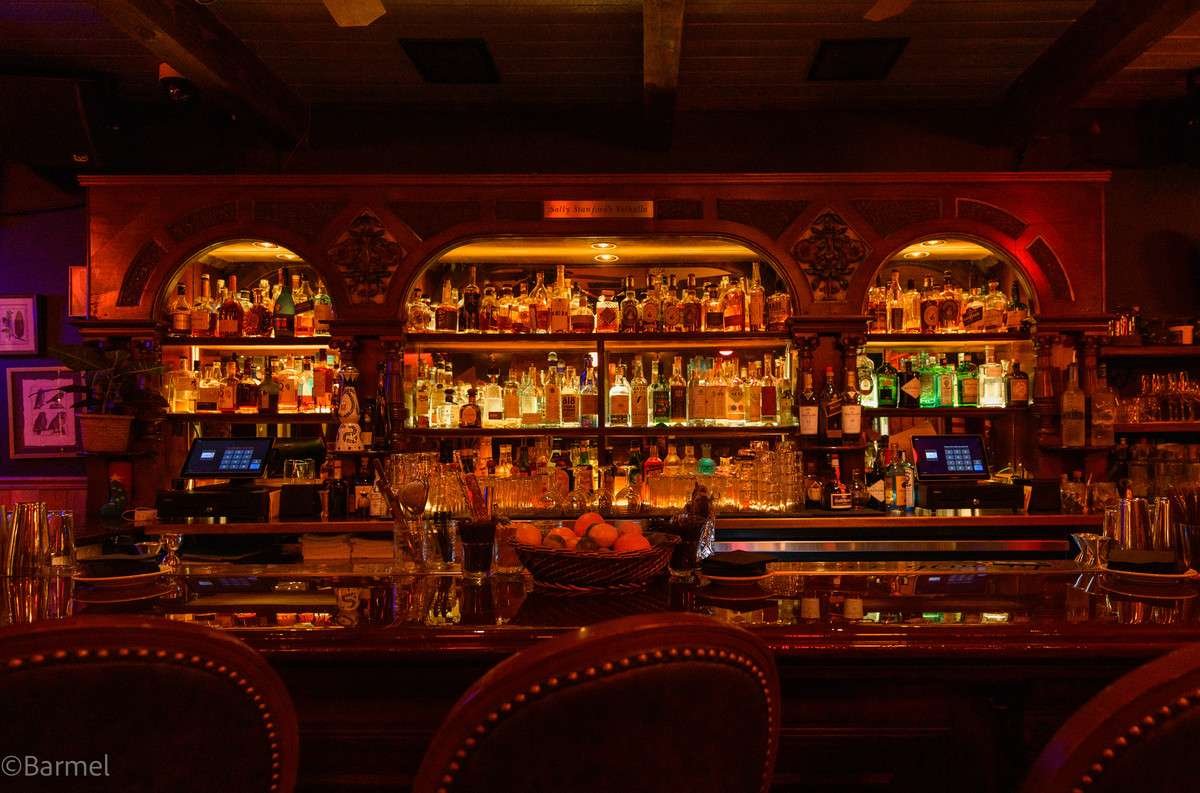
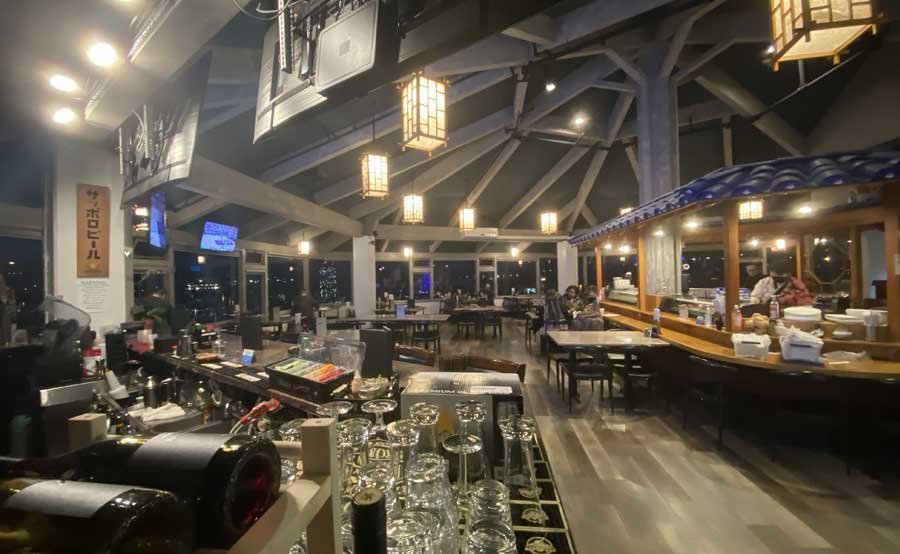
Restaurants in Carmel-by-the-Sea
Browse all →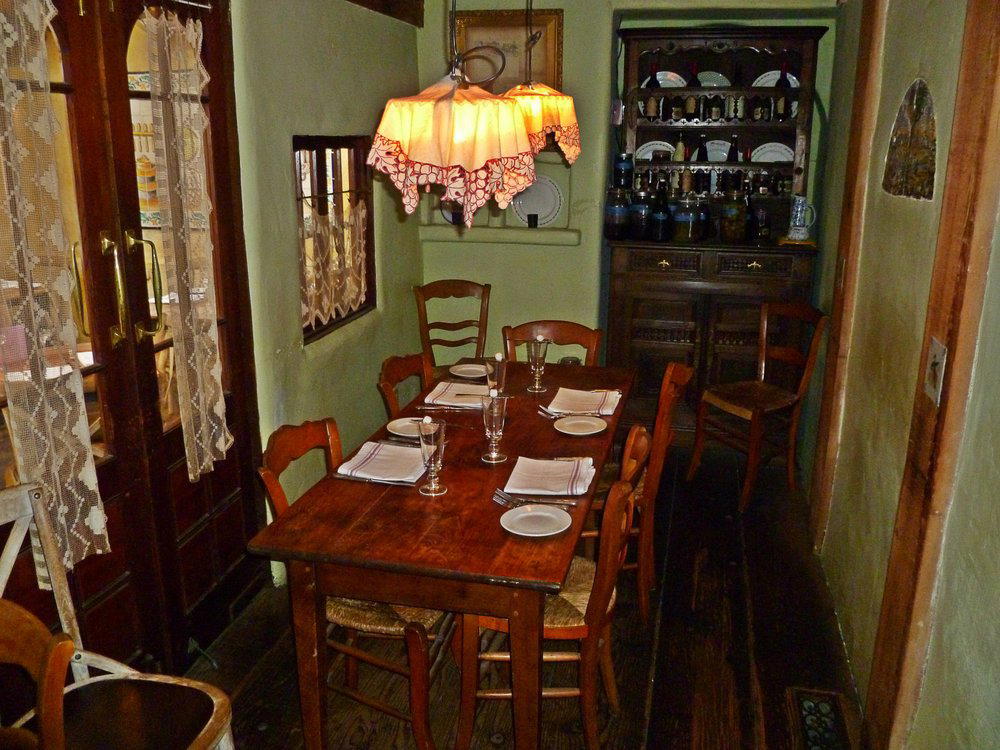
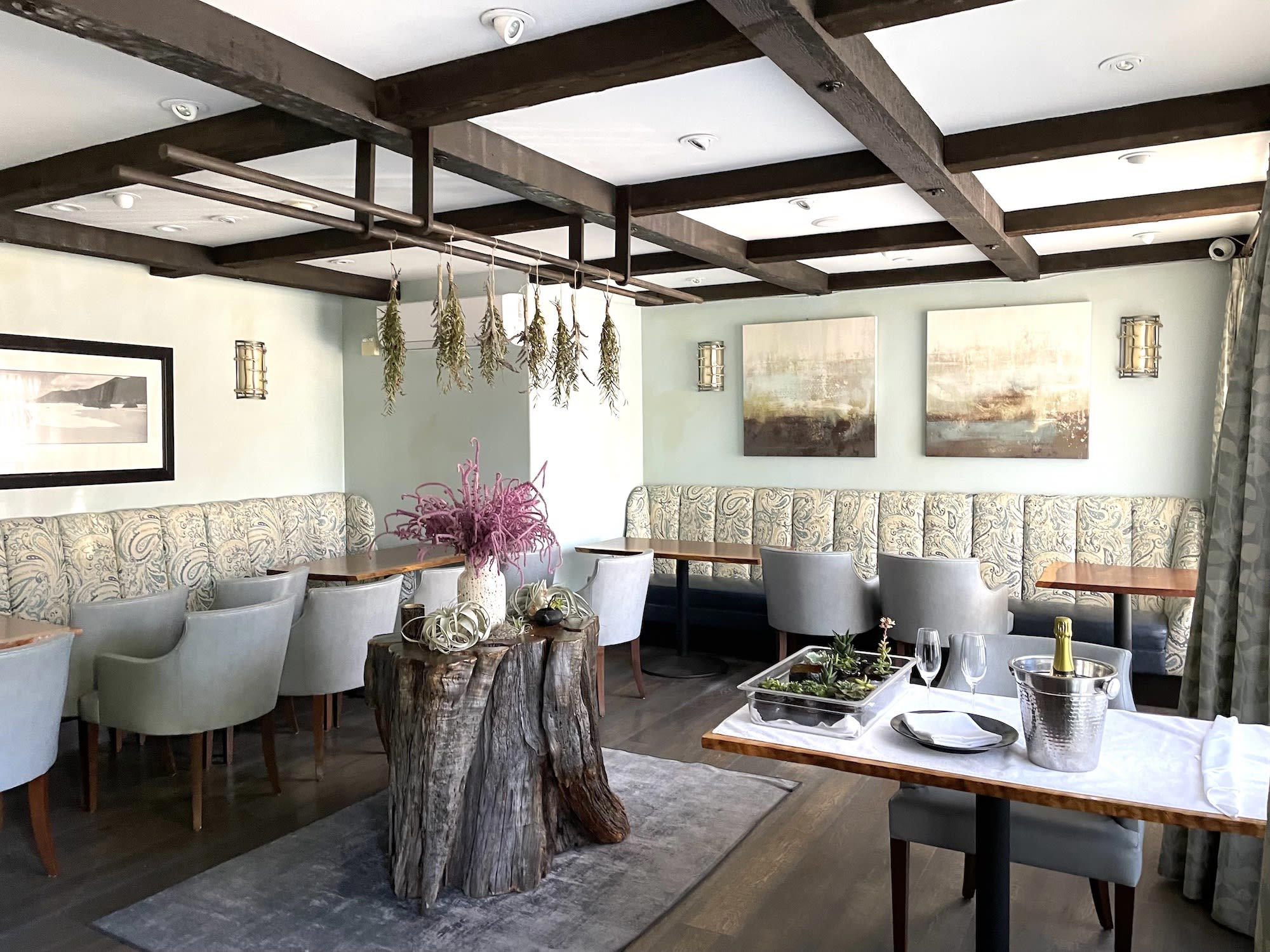
Hotels in Carmel-by-the-Sea
Browse all →
Wineries in Carmel-by-the-Sea
Browse all →
At a Glance
- Cozy
- Rustic
- Intimate
- Elegant
- Date Night
- Casual Hangout
- Special Occasion
- Live Music
- Lounge Seating
- Conventional Wine
- Street Scene
Current opening hours
- Monday
- 1–6 PM
- Tuesday
- 1–6 PM
- Wednesday
- 1–6 PM
- Thursday
- 1–6 PM
- Friday
- 1–7 PM
- Saturday
- 1–7 PM
- Sunday
- 1–6 PM
Hours can change for holidays and private events. Last verified .
Warm and welcoming cottage atmosphere with the lively sights and sounds of downtown Carmel-by-the-Sea.
Know Before You Go
- Getting there
- Mission 3SE, 5th Ave, Carmel-By-The-Sea, CA 93921