Weinhaus Zum Ritter
.png)
A Michelin Bib Gourmand-recognised address in the Main valley village of Triefenstein, Weinhaus Zum Ritter occupies a converted 500-year-old farmhouse and serves fresh, regional cooking that holds to the Franconian tradition without straining for effect. Chef-patron Thomas Hausin runs an open kitchen at the €€ price point, making this one of the more credible value propositions in rural Lower Franconia.
 Discover on Pearl
Pearl is the En Primeur Club membership app — saves, bookings, and concierge access live there. Same editors, same standards.
A Farmhouse in the Main Valley, and What It Tells You About Franconian Cooking
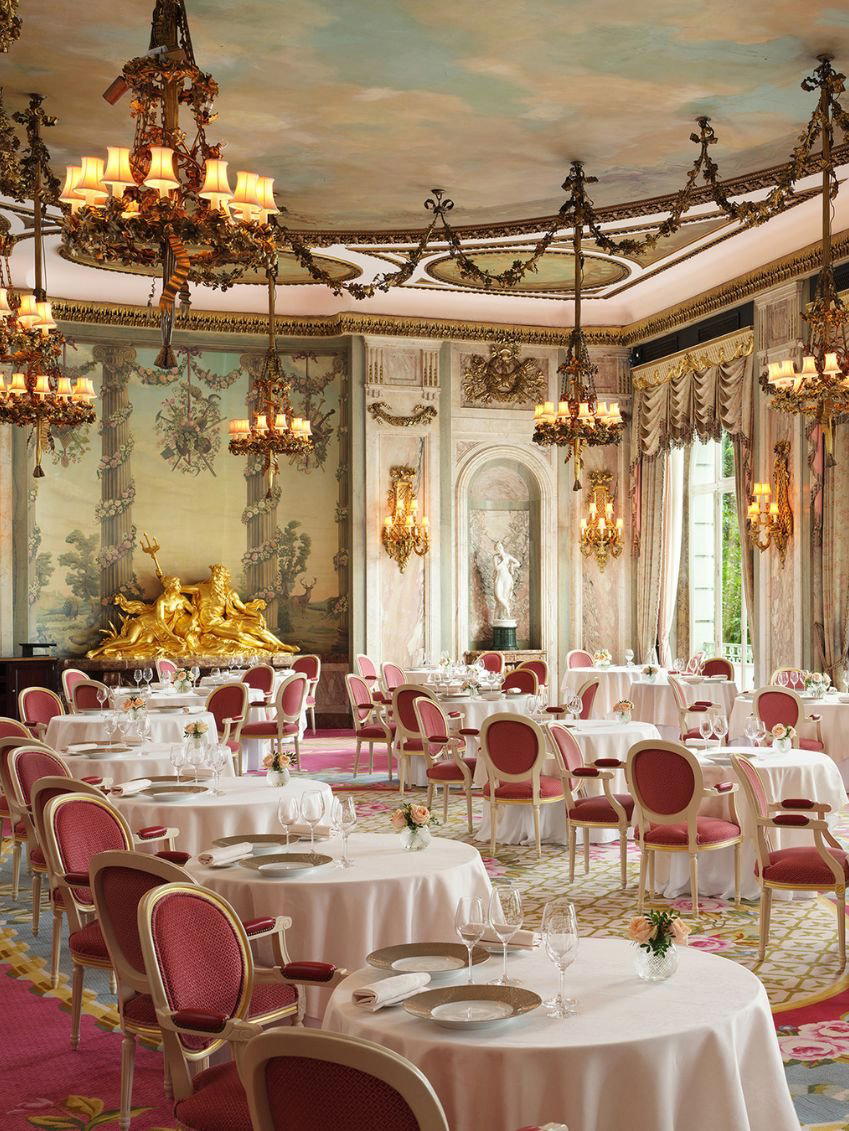
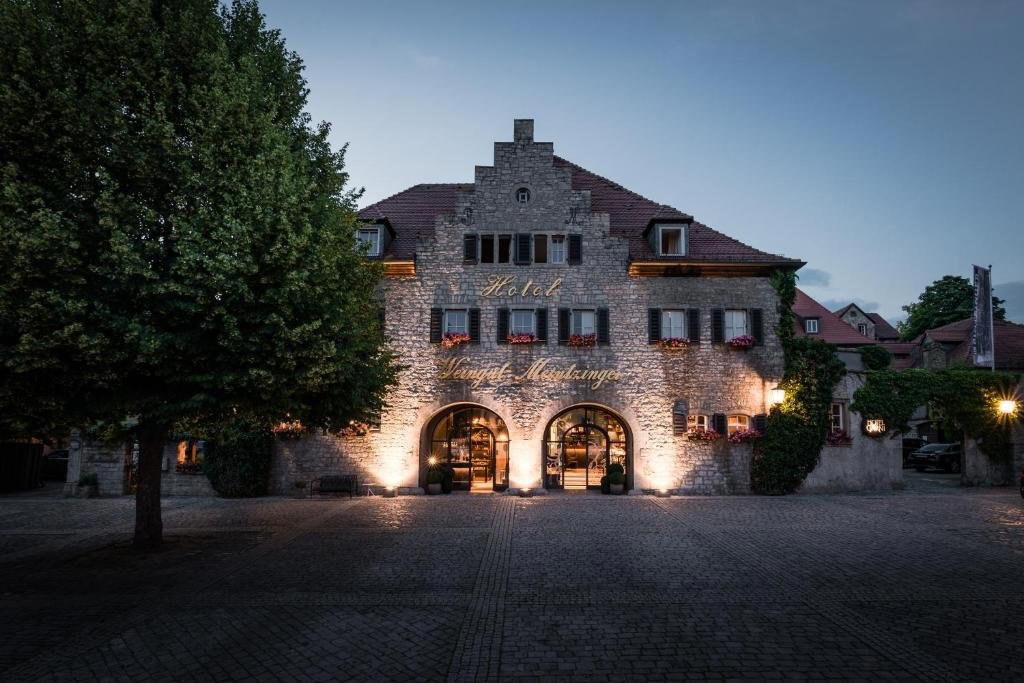
There is a particular kind of German country restaurant that survives not on ambition but on constancy: solid regional produce, a room that feels lived-in, and a kitchen that has earned the trust of the people around it rather than the attention of people passing through. The Main valley town of Triefenstein has one such address. Weinhaus Zum Ritter occupies a converted farmhouse on Rittergasse, a building that has stood for roughly 500 years and wears that age without apology. The dining room is compact, the atmosphere is unhurried, and the detail that stops most first-time visitors in their tracks is a salvaged Swiss church window set into the wall — a piece of architectural salvage that works as shorthand for the whole sensibility: old materials, used well, without explanation.
If you are travelling through the wine-producing corridor of Lower Franconia and want a frame of reference for the regional cooking style, Weinhaus Zum Ritter sits at a useful point on the spectrum. It is not operating at the register of, say, Schwarzwaldstube in Baiersbronn or Aqua in Wolfsburg, where multi-course tasting menus and luxury produce define the proposition. The ambition here is narrower and, in its own way, more demanding: cook the region's food accurately, price it fairly, and run a room with warmth. Michelin's Bib Gourmand recognition in 2025 confirms that the kitchen is achieving that without compromise.
The Regional Cooking Tradition Behind the Menu
Franconian cooking occupies its own corner of the German culinary map. It is not the heavy, ceremony-laden food of Bavaria to the south, nor the French-influenced refinement that appears in some of the Rhine-adjacent kitchens further west. Franconia is wine country first — the region's Silvaner and Müller-Thurgau grapes grow on slopes that run down to the Main , and its food reflects that agricultural rootedness. Vegetables, river fish, game, and pork prepared without elaborate intervention form the backbone. The cooking tends toward directness rather than complexity.
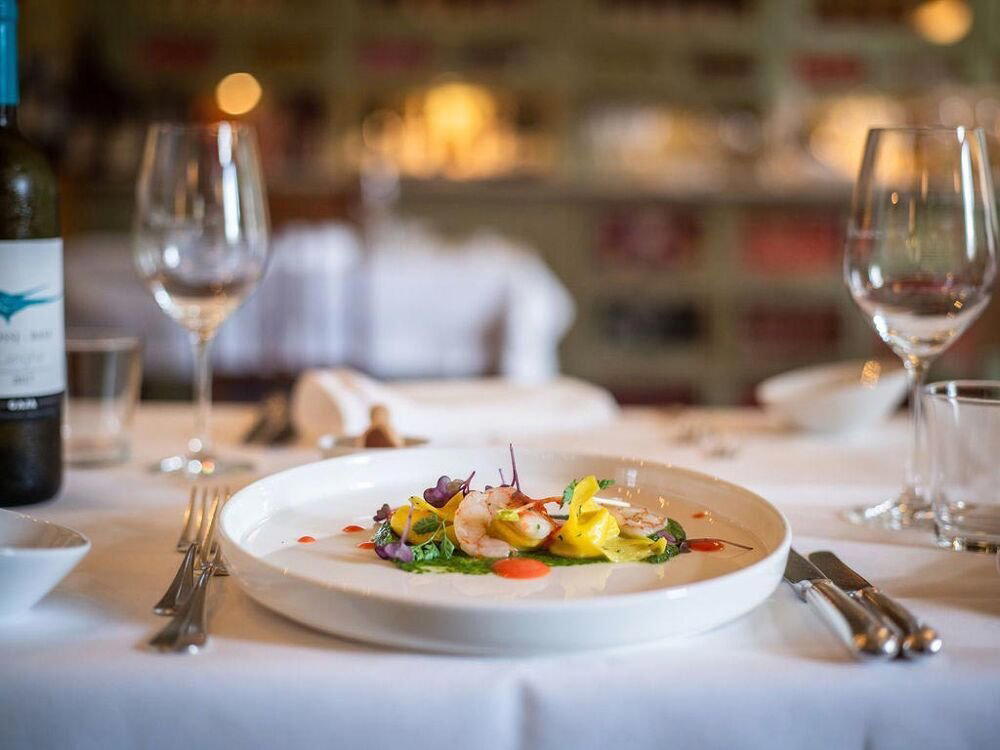
Chef-patron Thomas Hausin works within that tradition from an open kitchen, which is the format of choice for a certain tier of German country restaurant where transparency between cook and guest is part of the proposition. The dishes are described by Michelin as fresh and regional, with flavours that carry weight without tipping into heaviness. The Bib Gourmand classification, which Michelin reserves for restaurants offering good cooking at a price point that does not require prior financial planning, places this kitchen in a specific competitive bracket. It is the category where craft and value coexist, and where the absence of a starred tasting menu is a feature rather than a limitation.
For broader context on how German regional cooking operates across different price tiers and formats, JAN in Munich, Vendôme in Bergisch Gladbach, CODA Dessert Dining in Berlin, and ES:SENZ in Grassau represent the upper end of that spectrum. Restaurant Haerlin in Hamburg, Schanz in Piesport, Waldhotel Sonnora in Dreis, and Victor's Fine Dining by Christian Bau in Perl cover other regional formats. Weinhaus Zum Ritter operates at a deliberately different register, and that register suits the town and the landscape around it.
The Dining Room and What Makes It Work
Country cooking in rural Germany succeeds or fails on atmosphere as much as technique. The converted farmhouse format at Weinhaus Zum Ritter produces a dining room that Google reviewers rate at 4.6 from 187 responses , a score that, at that volume for a small-town address, points to consistent satisfaction rather than occasional excellence. The room's character comes from its age: stone, timber, the kind of cosy arrangement that a purpose-built restaurant rarely achieves. The church window adds a note of the unexpected without tipping into quirk.
Service is run by a hostess whose attentiveness Michelin singles out specifically, which matters in a room where the informality of the setting could easily shade into inattentiveness. The €€ price range positions this below virtually every starred restaurant in the wider region, and the kitchen holds its quality without leaning on that comparison as a crutch. It simply cooks, charges fairly, and sends guests out into the Main valley with enough goodwill to bring them back.
It is worth noting that Michelin flags different opening hours in summer, which is common practice for rural German restaurants that adjust to agricultural and tourism rhythms. Checking ahead is advisable for any visit, particularly during the warmer months when the local wine calendar drives significant regional foot traffic.
Triefenstein and Where Weinhaus Zum Ritter Sits Within It
Triefenstein is a small municipality in the Main-Spessart district of Bavaria, positioned along the river Main in a stretch of Lower Franconia where viticulture and timber have shaped the local economy for centuries. It is not a dining destination in the conventional sense , there is no cluster of restaurants drawing visitors from Frankfurt or Würzburg. What it has is a specific character: quiet, rooted, unhurried. A restaurant like Weinhaus Zum Ritter fits that character precisely, which is part of why it works. It is not fighting the surroundings; it is an expression of them.
Visitors exploring the broader region will find the Bib Gourmand designation useful as a planning anchor. Michelin's criteria for the award are applied consistently across France, Germany, and Italy, and its presence here signals a kitchen operating above the regional average for craft and value simultaneously. For comparison, country cooking at a similar price tier in northern Italy can be found at 21.9 in Piobesi d'Alba and Andrea Monesi - Locanda di Orta in Orta San Giulio, both of which share the same structural proposition: regional produce, accessible pricing, and a room with genuine character.
For visitors building a wider itinerary around the western end of the Main, Bagatelle in Trier is within range if you are following the river wine corridor toward the Moselle. For everything else in Triefenstein, see our full Triefenstein restaurants guide, our full Triefenstein hotels guide, our full Triefenstein bars guide, our full Triefenstein wineries guide, and our full Triefenstein experiences guide.
Planning Your Visit
Weinhaus Zum Ritter sits at Rittergasse 2, 97855 Triefenstein. The €€ pricing makes advance budgeting uncomplicated, and the 4.6 Google rating across 187 reviews suggests that walk-in demand can be meaningful at peak periods. Given that Michelin specifically notes different summer hours, confirming opening times before making the drive is more than routine caution. No booking method is listed in the public record, so direct contact via the address is the practical route. The restaurant is worth building into any itinerary that combines Lower Franconian wine country with a meal that reflects rather than transcends the region.
Peer Set Snapshot
These are the closest comparables we have in our database for quick context.
| Venue | Cuisine | Price | Awards | Notes |
|---|---|---|---|---|
| Weinhaus Zum Ritter | Country cooking | €€ | Bib Gourmand | This venue |
| Schwarzwaldstube | French, Classic French | €€€€ | Michelin 3 Star | French, Classic French, €€€€ |
| Aqua | Contemporary German, Italian/Japanese, Creative | €€€€ | Michelin 3 Star | Contemporary German, Italian/Japanese, Creative, €€€€ |
| CODA Dessert Dining | Creative | €€€€ | Michelin 2 Star | Creative, €€€€ |
| Tantris | Modern French, French Contemporary | €€€€ | Michelin 2 Star | Modern French, French Contemporary, €€€€ |
| Vendôme | Modern European, Creative | €€€€ | Michelin 2 Star | Modern European, Creative, €€€€ |
Continue exploring
More in Triefenstein
Restaurants in Triefenstein
Browse all →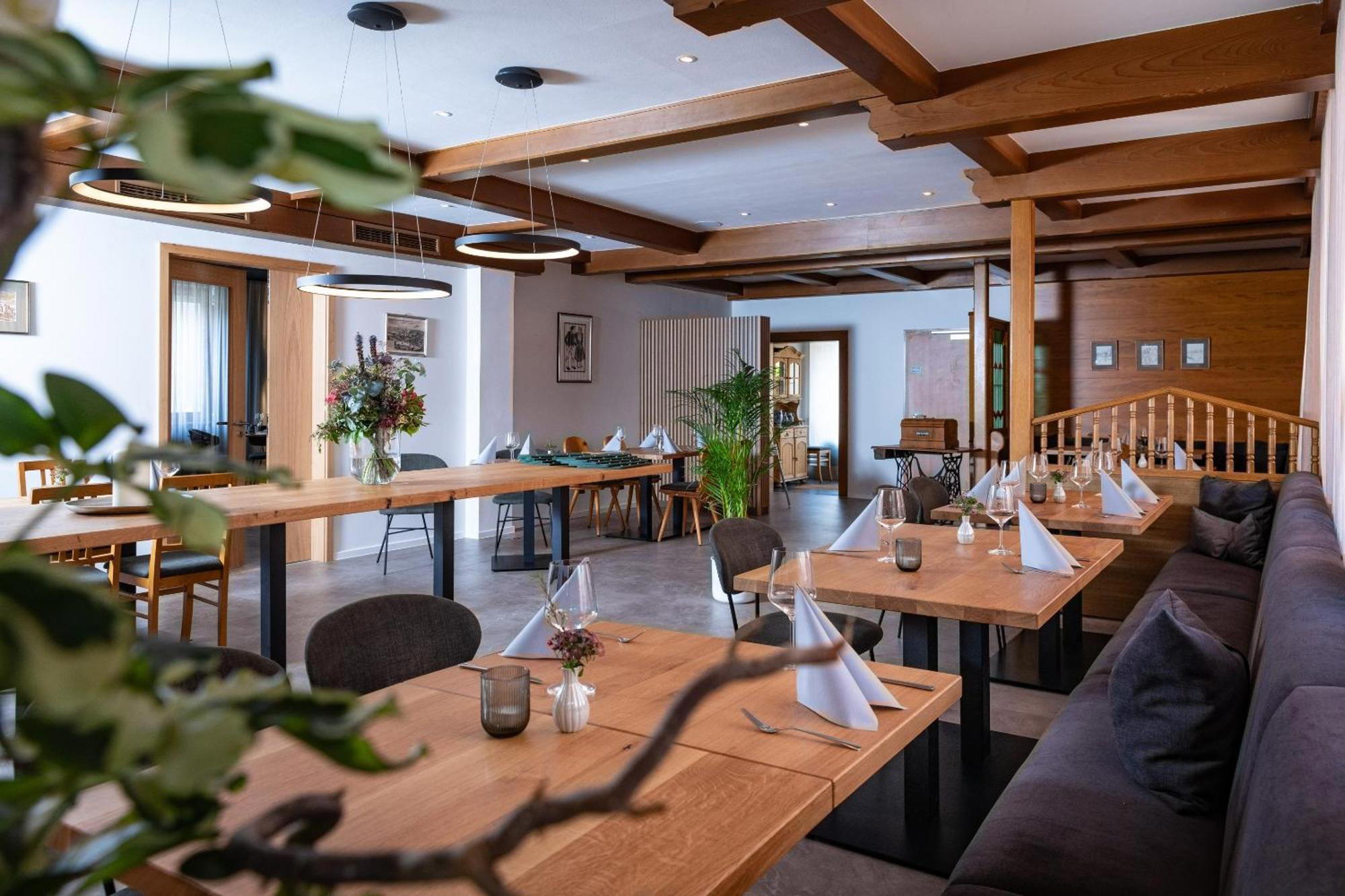
Hotels in Triefenstein
Browse all →
At a Glance
- Cozy
- Rustic
- Classic
- Intimate
- Family
- Casual Hangout
- Special Occasion
- Open Kitchen
- Historic Building
- Terrace
- Extensive Wine List
- Local Sourcing
- Vineyard
Charming and cosy dining area in a historic farmhouse with an eye-catching old Swiss church window and grapevine-shaded outdoor seating.