Wa'z Seattle
Wa'z Seattle occupies a Cedar Street address in Belltown, positioning itself within a Seattle dining scene that has grown increasingly serious about fine-dining formats and beverage programs. The venue sits in a neighborhood where the gap between casual and considered has narrowed considerably, making it a reference point for visitors assessing where Seattle's upper-tier restaurant culture has arrived.
 Discover on Pearl
Pearl is the En Primeur Club membership app — saves, bookings, and concierge access live there. Same editors, same standards.
- Address
- 411 Cedar St, Seattle, WA 98121
- Phone
- (206) 441-7119
- Website
- wazseattle.com
Cedar Street and What It Signals About Seattle's Fine-Dining Moment
Belltown has spent the better part of two decades oscillating between its nightlife reputation and a quieter ambition as a serious dining address. The block around 411 Cedar Street sits closer to the latter: the approach is low-key by design, the kind of entrance that rewards attention rather than announces itself. That restraint is itself a signal. In a city where the loudest room rarely serves the most considered meal, the venues that have defined Seattle's upper register, Canlis (New American) among them, tend to operate with a similar economy of gesture. Wa'z Seattle belongs to that quieter school.
Seattle's fine-dining scene has matured in a particular direction over the past decade. Where the early 2000s produced restaurants that imported coastal prestige formats wholesale, the more recent wave has been locally calibrated: smaller in scale, more attentive to the Pacific Northwest's ingredient calendar, and increasingly serious about beverage programs that go beyond a predictable list of California Cabernets and Oregon Pinots. That shift matters for how you read any venue at this address. The context is one of growing confidence rather than imitation.
The Wine Program as the Central Argument
In cities like New York, the cellar has long been treated as a parallel editorial to the kitchen, at Le Bernardin in New York City, the wine program operates at a depth that matches the technical precision on the plate. That model, in which the sommelier's curation is as considered as the chef's sourcing, has been slower to arrive in Seattle but is now visible at the upper end of the market. Wa'z Seattle operates within that framework.
What defines the current generation of serious wine programs in American fine dining is not the size of the list but the coherence of its argument. The difference between a list that has been assembled and one that has been curated is felt immediately: the former gives you options, the latter gives you a point of view. Venues like Single Thread Farm in Healdsburg and Addison in San Diego have built reputations in part on the quality of reasoning behind their cellar selections, not just the labels themselves. That standard is the relevant comparison for any restaurant in Seattle operating at a premium price point with a beverage program as a stated priority.
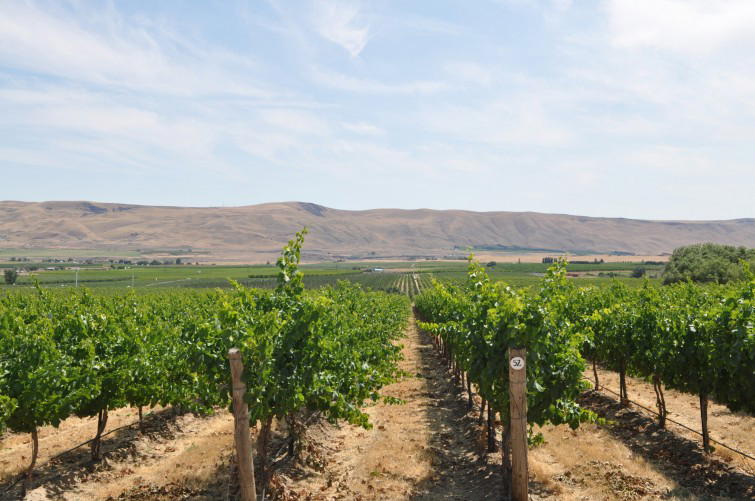
For a city with direct access to Washington State's Columbia Valley, the Yakima Valley, and Walla Walla, producing regions that have moved from regional novelty to serious critical consideration, a locally anchored wine program carries geographic logic that few other American cities can claim as readily. The question a thoughtful list in Seattle should answer is not whether it includes Burgundy or Barolo (it should, and likely does), but whether it treats Washington State producers with the same editorial seriousness. That is where a program becomes a statement rather than a checklist.
Where Wa'z Seattle Sits in the City's Restaurant Conversation
Seattle's premium dining tier is small enough that every addition to it shifts the competitive set. The venues that have held consistent recognition, Joule (New Asian) among the more creative format operators, have done so by maintaining a clear identity over time. Nationally, the standard for that kind of sustained positioning is set by restaurants like Alinea in Chicago and The French Laundry in Napa, where the program is rebuilt seasonally but the identity remains fixed. The venues that have struggled are those that borrowed format without committing to the depth that makes a format legible over multiple visits.
Wa'z Seattle's Belltown location places it in proximity to a cluster of addresses worth noting for visitors assembling a broader itinerary: 1415 1st Ave and 1744 NW Market St both represent different registers of the city's current dining range, and 2963 4th Ave S sits across the water in SoDo for those willing to extend their geography. Each of these reflects a different thesis about what Seattle dining can be. The comparison is instructive: the city's serious restaurants have never coalesced around a single neighborhood the way San Francisco's upper tier clusters around a few Telegraph Hill and Financial District blocks, or the way New York's operates across a more defined set of zip codes. Seattle's geography demands intentionality from diners.
For visitors building a multi-night itinerary around serious eating, the regional comparison set extends beyond the city limits. Lazy Bear in San Francisco and Providence in Los Angeles represent West Coast fine-dining reference points in different format registers, communal versus classical, and Blue Hill at Stone Barns in Tarrytown remains the benchmark for farm-integrated tasting menus in the American context. Korean-inflected fine dining has its own national reference in Atomix in New York City, and the Italian fine-dining standard at an international level is set by venues like 8 1/2 Otto e Mezzo Bombana (Hong Kong) in Hong Kong. Understanding where Wa'z Seattle aligns against those coordinates, or deliberately diverges from them, is the right frame for a first visit.
Planning a Visit: What to Know Before You Go
Belltown is walkable from Seattle's downtown core and from the waterfront, making Wa'z Seattle accessible without a car for guests staying in the central hotel corridor. The Cedar Street address is a short distance from the Pike Place Market area, which means the neighborhood absorbs significant foot traffic during the day but quiets considerably by dinner service. See our full Seattle restaurants guide for broader itinerary context, including southern Seattle options like Emeril's in New Orleans as a point of comparison for the kind of chef-driven American fine dining that Wa'z's neighborhood peers are measured against, and The Inn at Little Washington in Washington for the kind of single-destination hospitality format that represents the far end of the American fine-dining commitment spectrum.
Quick Comparison
Comparable venues nearby, for context on price, style, and recognition.
| Venue | Cuisine | Price | Awards | Notes |
|---|---|---|---|---|
| Wa'z SeattleThis venue — the venue you are viewing | Modern Northwest Kaiseki | $$$$ | , | |
| wa'z | Modern Japanese Kaiseki | $$$$ | , | Uptown Triangle |
| MIGAKU | Japanese Sushi Kaiseki Omakase | $$$$ | , | Adams |
| Tomo | Modern Japanese-American Fusion | $$$$ | 1 recognition | Roxbury Heights |
| Matsu | Modern Japanese Sushi & Omakase | $$$ | , | Pioneer Square |
| Shiro’s Sushi | Traditional Japanese Sushi Omakase | $$$ | 2 recognitions | Belltown |
Continue exploring
More in Seattle
Restaurants in Seattle
Browse all →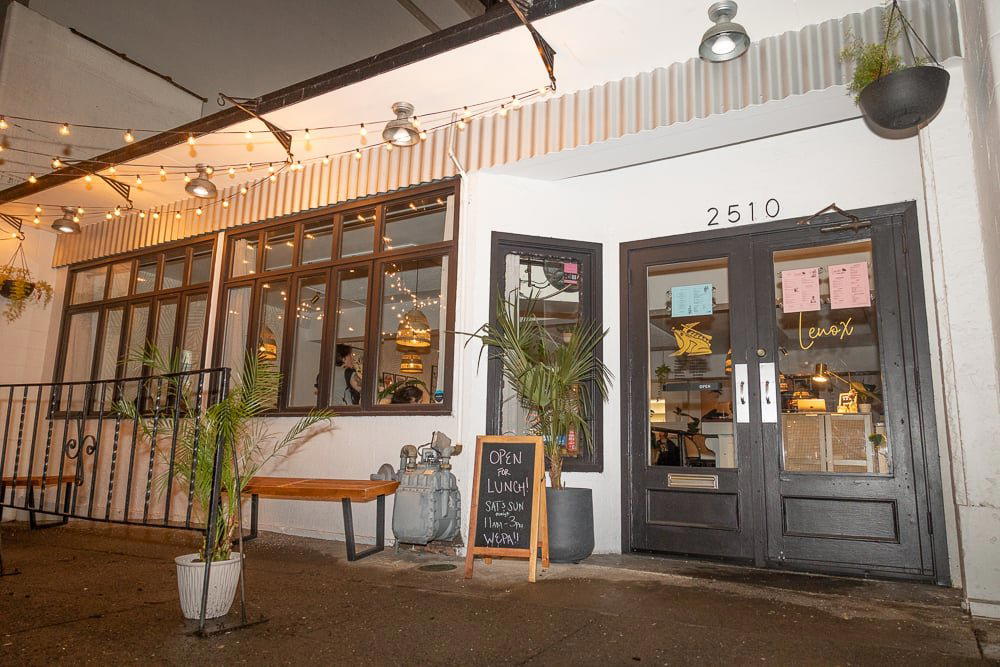
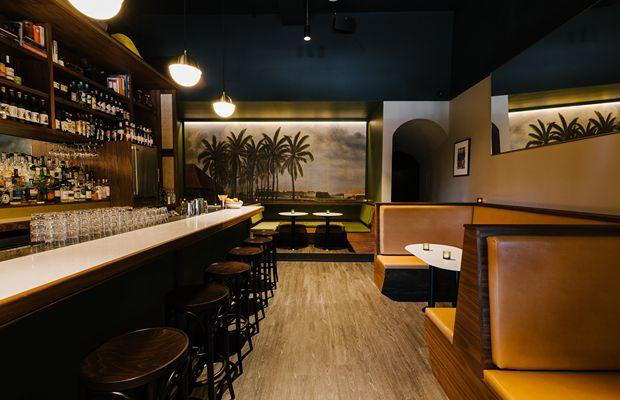
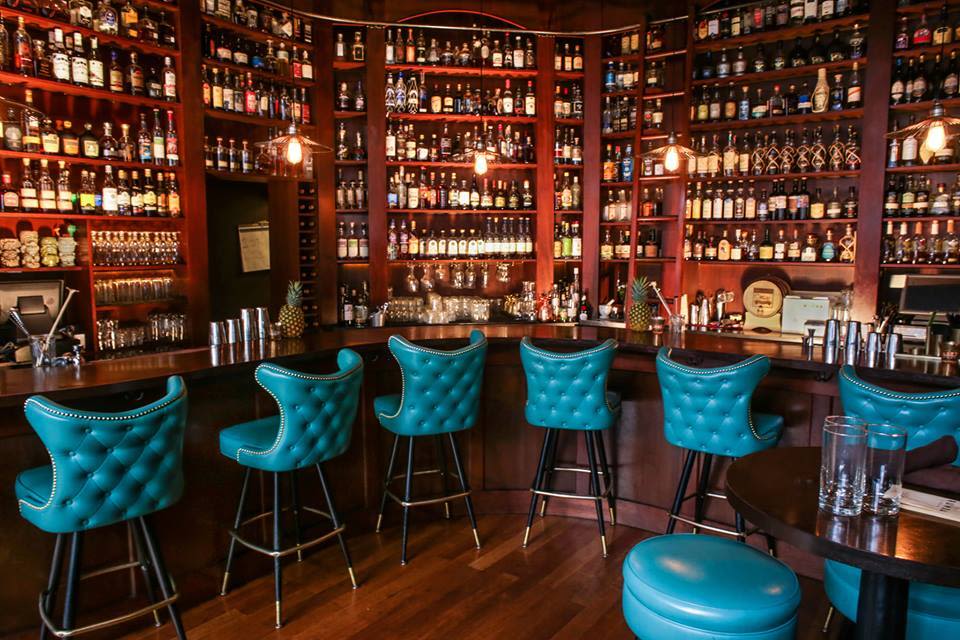
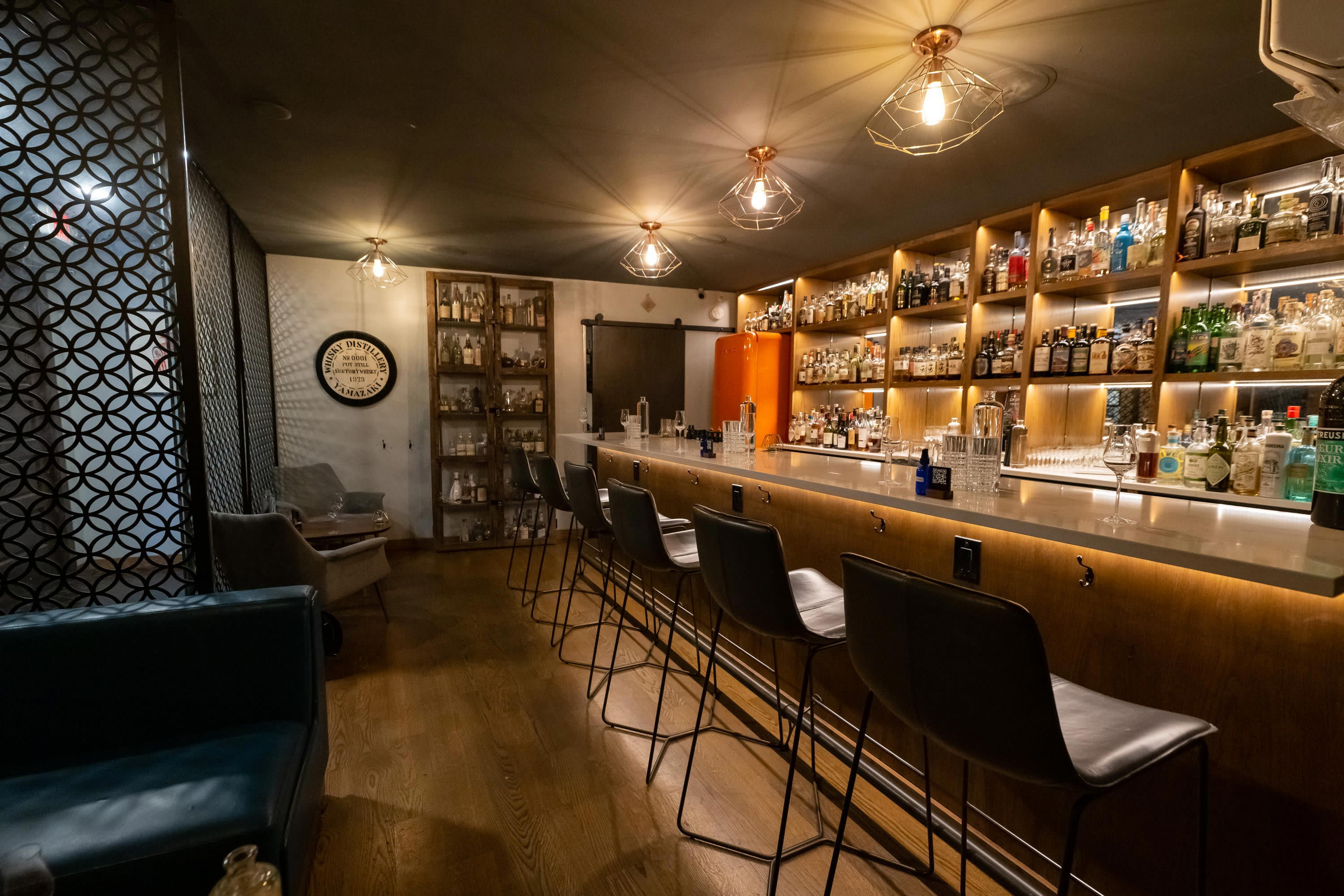
Bars in Seattle
Browse all →
Hotels in Seattle
Browse all →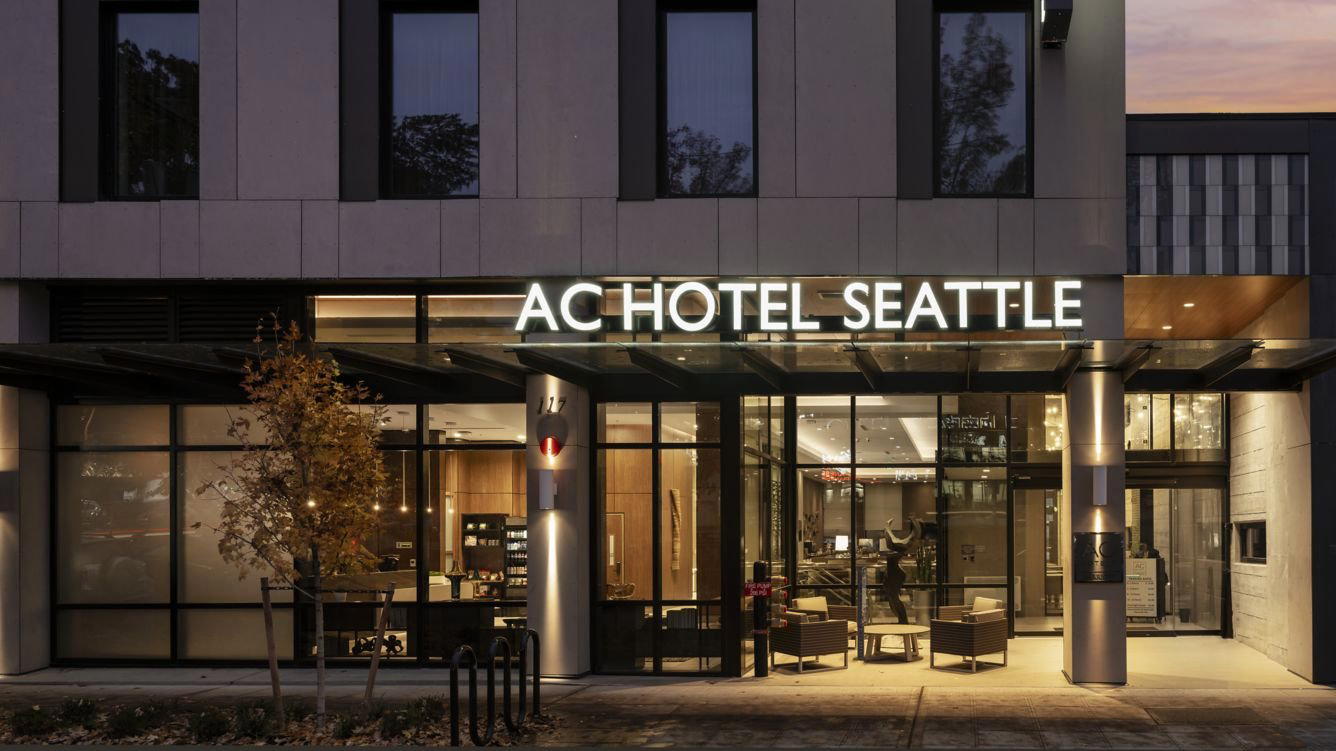
At a Glance
- Intimate
- Elegant
- Sophisticated
- Date Night
- Special Occasion
- Chefs Counter
- Open Kitchen
- Sake Program
- Local Sourcing
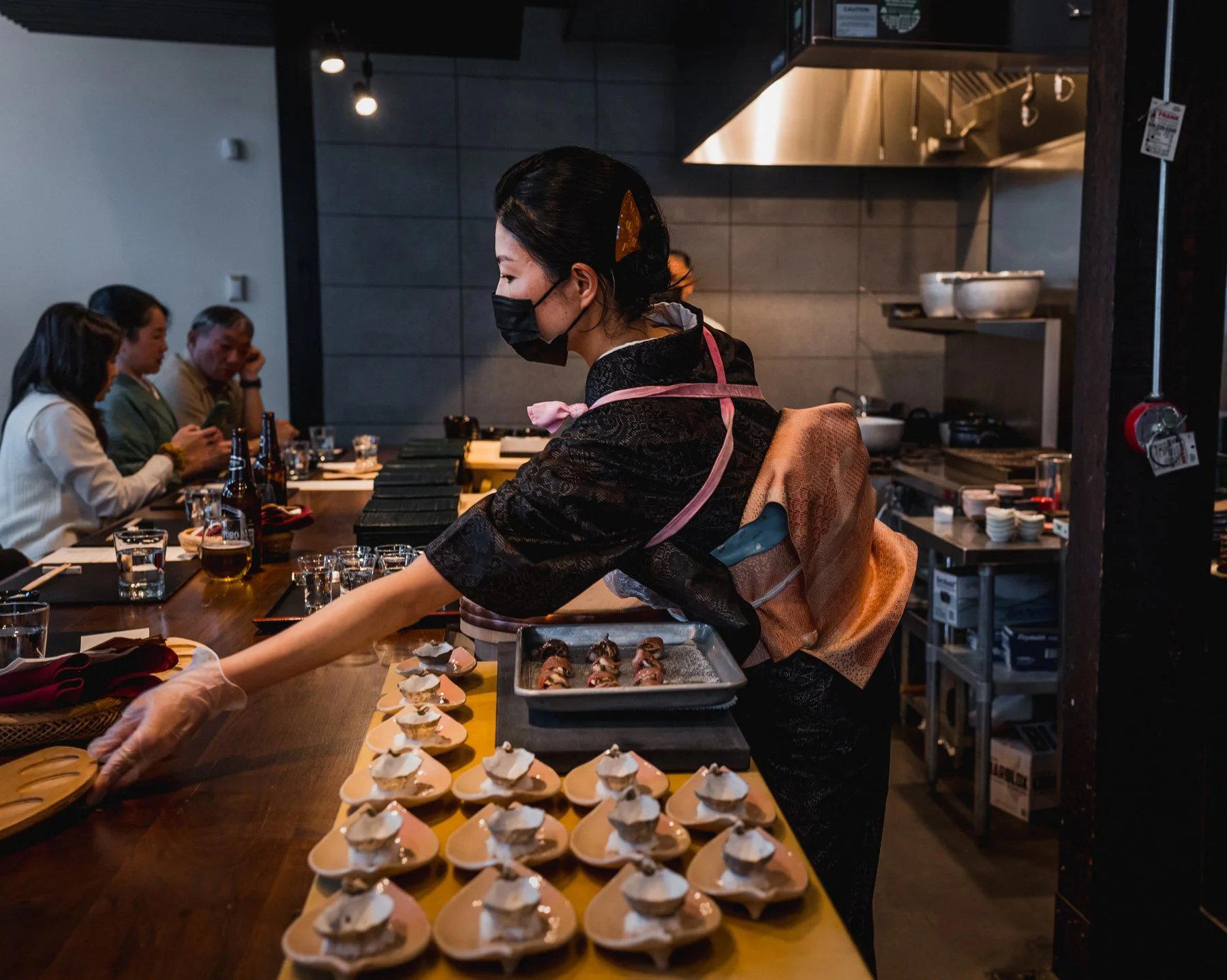
Tiny and intimate setting with meticulous hospitality, counter seating overlooking the kitchen, and an atmosphere of quiet artistry and focused dining.