Ace Hotel Seattle

Michelin Selected
Ace Hotel Seattle occupies a converted building on 1st Avenue in Belltown, where the hotel's design-forward approach and community-oriented programming have made it a reference point for the neighbourhood's creative class. The property sits in a competitive Seattle market that increasingly rewards hotels with a distinct cultural identity over those defined purely by amenity counts.

Pearl is the En Primeur Club membership app, where members save venues, book tables and use the concierge.
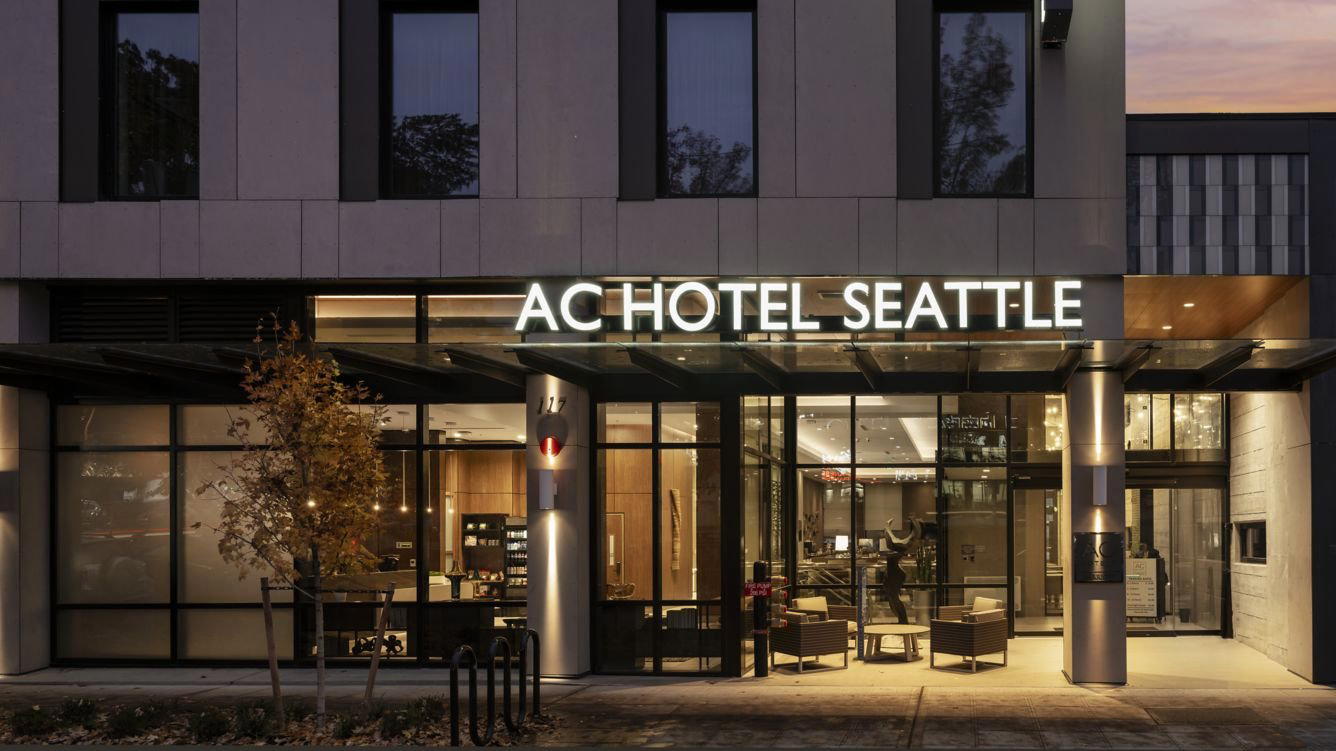
Belltown's Living Room: How Ace Seattle Fits the Neighbourhood
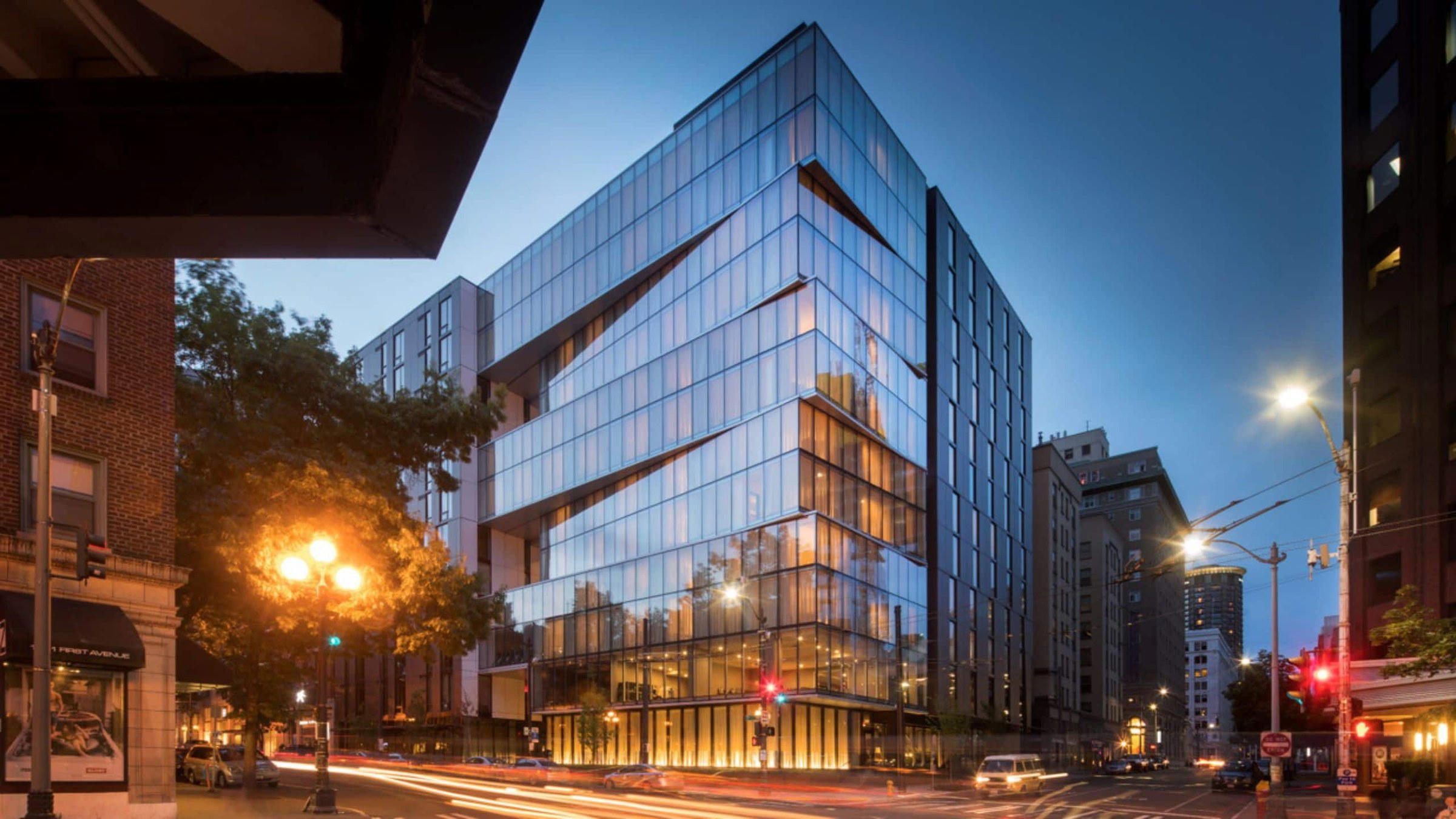
First Avenue in Belltown has always been a corridor of contradictions: galleries next to dive bars, century-old brick facades across from glass towers. Ace Hotel Seattle, at 2423 1st Ave, arrived into that mix and read the room correctly. Rather than imposing a generic luxury template, the property leaned into the neighbourhood's existing character, making the lobby a space where guests and locals coexist without the usual transactional remove you find in more convention-oriented hotels. In a city where the boundary between hotel guest and neighbourhood resident can feel artificially enforced, that posture matters.
Belltown's position relative to the rest of Seattle's hotel market is worth understanding before you book. The neighbourhood sits north of Pike Place Market and south of South Lake Union, close enough to both that it functions as a practical base for either, but with a distinct street-level energy that sets it apart from the polished calm of the waterfront properties or the corporate adjacency of hotels clustered near the convention centre. If you are choosing between Ace and a property like Four Seasons Hotel Seattle or Lotte Hotel Seattle, you are not comparing equivalent experiences. You are comparing different theories of what a hotel stay in Seattle should feel like.
The Aesthetic Logic of the Building
Boutique hotels in American cities have generally split into two camps over the past decade: the design-as-destination model, where interiors are conceived as Instagram architecture, and the community-integration model, where the building's cultural programming does the heavy lifting. Ace Seattle belongs to the second category. The property's design vocabulary draws from the Belltown it found rather than the Belltown a developer might have invented, with an emphasis on materiality and creative programming over amenity maximalism.
Fairmont Olympic Hotel operates in the historic luxury register, with a formality suited to a particular kind of business or occasion travel. Hotel 1000 and Hotel Sorrento each occupy their own niches, Sorrento in particular leaning on its Capitol Hill heritage. Ace's competitive argument is not about thread counts or square footage but about whether a hotel can function as a genuine piece of a neighbourhood's cultural fabric rather than a visitor enclave within it.
Sustainability and Community as Structural Commitments
The hospitality industry's relationship with sustainability has evolved considerably, and not always honestly. Many properties treat environmental commitment as a marketing layer applied to existing operations. The more credible version, increasingly visible among independent and lifestyle-adjacent hotels, integrates sustainability and community impact at the operational and programming level. Ace, as a brand, has generally aligned with the latter approach across its properties, using local sourcing frameworks, community-facing event programming, and adaptive reuse of existing structures rather than new construction where possible.
The Seattle property's position in a converted building is itself a sustainability signal. Adaptive reuse in urban hospitality carries a lower embodied carbon footprint than equivalent new construction, a consideration that has moved from niche concern to mainstream evaluation criterion among a growing segment of travellers. For those tracking that calculus, the Belltown location also supports car-free stays: Seattle's public transit infrastructure, including the light rail network connecting the airport to downtown, makes the property accessible without a vehicle, and most of the city's central attractions are reachable on foot or by transit from 1st Avenue.
That community-integration posture connects Ace to a broader pattern visible at properties like Troutbeck in Amenia or SingleThread Farm Inn in Healdsburg, where the relationship between hotel and surrounding community is treated as a design problem rather than an afterthought. The scale and urban context differ significantly, but the underlying logic is similar: a hotel that functions as a cultural anchor rather than a temporary encampment tends to produce stays that feel more grounded and less interchangeable.
Where Ace Sits in Seattle's Hotel Hierarchy
Seattle's hotel market has grown considerably in the past decade, with new inventory entering across multiple tiers. At the top of the market, properties like Four Seasons Hotel Seattle set the ceiling for price and service formality. In the mid-market lifestyle segment, where Ace operates, the competition includes properties with stronger neighbourhood identity claims and properties with stronger amenity packages. Ace's argument rests primarily on identity and cultural positioning rather than room count or wellness infrastructure.
For travellers whose stays are built around Seattle's music, art, and independent food scenes, Belltown's density of venues within walking distance is a genuine logistical advantage. For those whose trips are anchored in corporate meetings or waterfront access, the calculus shifts. Hotel Ballard and Hotel Five, a Staypineapple Hotel, each serve distinct neighbourhood contexts that may better suit specific itineraries. Seattle rewards knowing which part of the city you actually want to be in, and Belltown's particular energy is not a universal fit.
Further context on where Ace sits relative to other lifestyle-oriented properties nationally: the model has clear antecedents in markets like New York, where Aman New York and The Fifth Avenue Hotel operate at the ultra-luxury end, and where the mid-market lifestyle tier has become increasingly competitive. In Seattle, that lifestyle tier is less crowded, which gives Ace more room to define its own terms. See our full Seattle restaurants and hotels guide for broader context on the city's accommodation options.
Planning Your Stay
The address at 2423 1st Ave places the hotel within walking distance of Pike Place Market to the south and the Olympic Sculpture Park to the north, with Seattle Center and the Space Needle reachable in under twenty minutes on foot. Link Light Rail connects downtown Seattle to Sea-Tac Airport in approximately forty minutes, and the nearest station is a manageable walk from Belltown, making the property viable for car-free arrivals. For room selection, the upper floors on the west side of the building tend to offer the clearest views toward Puget Sound, though the building's orientation and the Belltown streetscape both factor into what any given room actually sees. Those travelling for Seattle's cultural programming, including events at the nearby Seattle Art Museum or live music venues in Capitol Hill, will find the location more useful than those primarily visiting for corporate purposes in South Lake Union, where proximity would favour a different base. Booking directly through the property is generally advisable for lifestyle hotels of this type, as third-party platforms occasionally carry restrictions on room availability or rate flexibility that direct booking resolves.
Cost and Credentials
A quick peer reference to anchor this venue in its category.
| Venue | Price | Awards |
|---|---|---|
| Ace Hotel SeattleThis venue (the venue you are viewing) | $100–200 | Michelin Selected |
| Four Seasons Hotel Seattle | Not listed | Michelin Guide New Hotels New Hotel · Michelin Selected |
| Hotel 1000 | $300–500 | 1 Michelin Key |
| Lotte Hotel Seattle | Not listed | 1 Michelin Key · Virtuoso Luxury Hotel Partner |
| Thompson Seattle | Not listed | Michelin Selected · Forbes Recommended |
| Tulalip Resort Casino | $100–200 | Forbes Recommended |
Recognition history
Dated appearances from independent guides and award organizations, with the underlying list record or original source where available.
Michelin Selected
Michelin
Continue exploring
More in Seattle
Hotels in Seattle
All hotels in Seattle →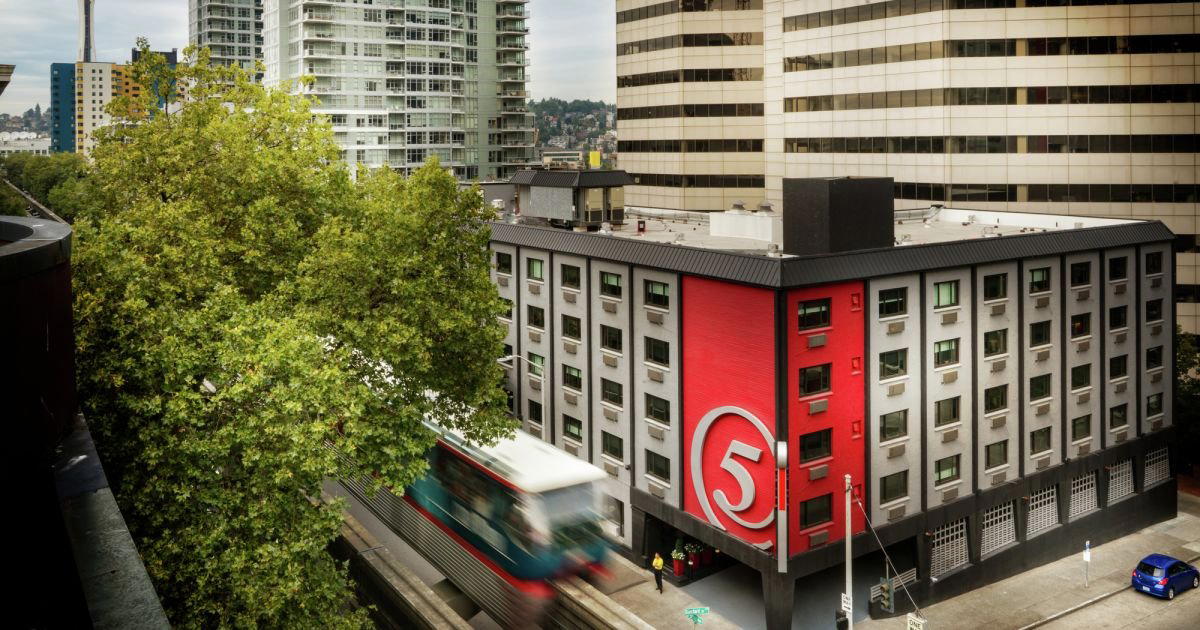
Bars in Seattle
All bars in Seattle →
Details
- Trendy
- Modern
- Lively
- Industrial
- Minimalist
- Weekend Escape
- Business Trip
- Historic Building
- Design Destination
- Wi Fi
- Concierge
- Breakfast Included
- Waterfront
- Wheelchair Accessible
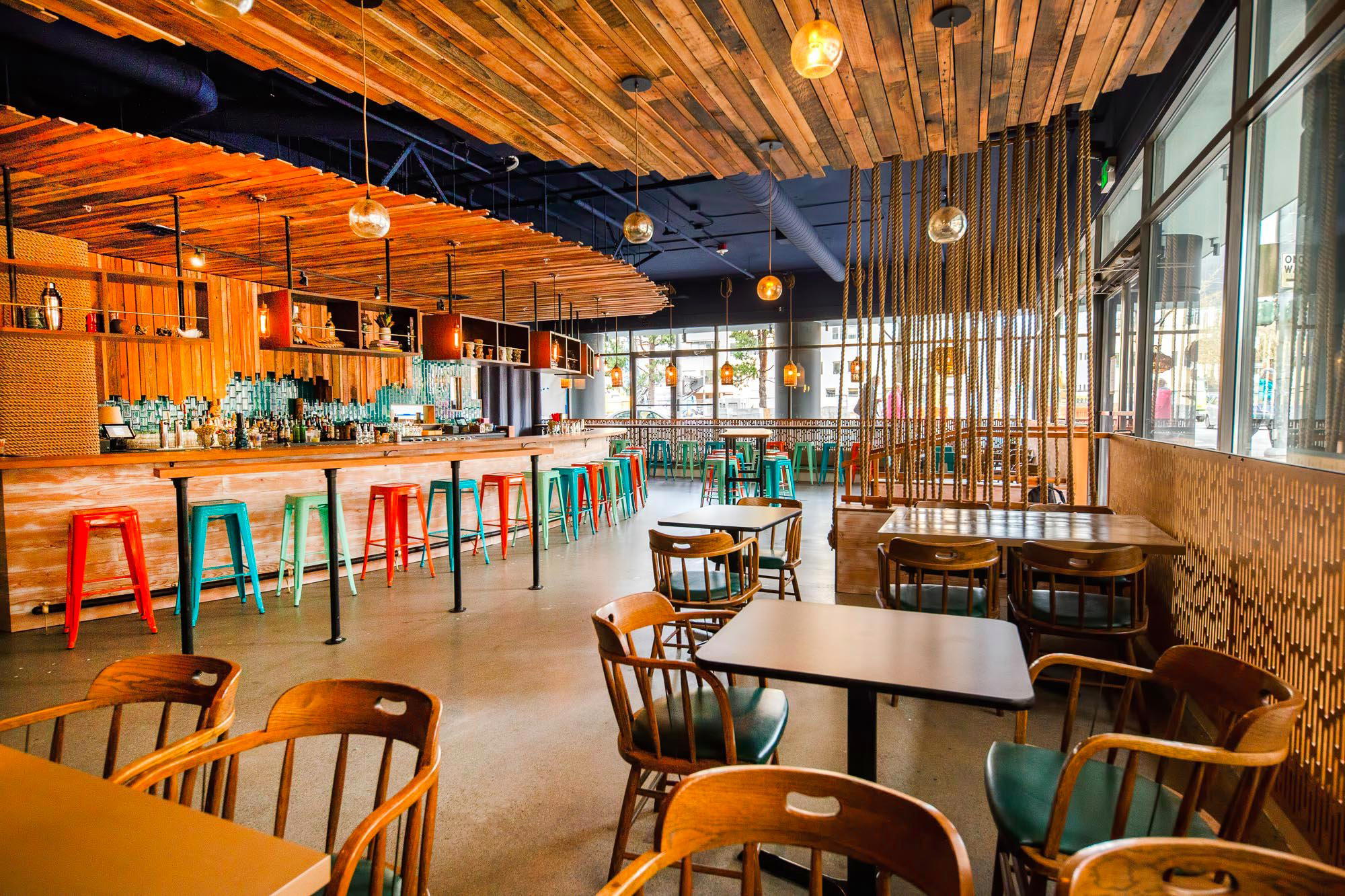
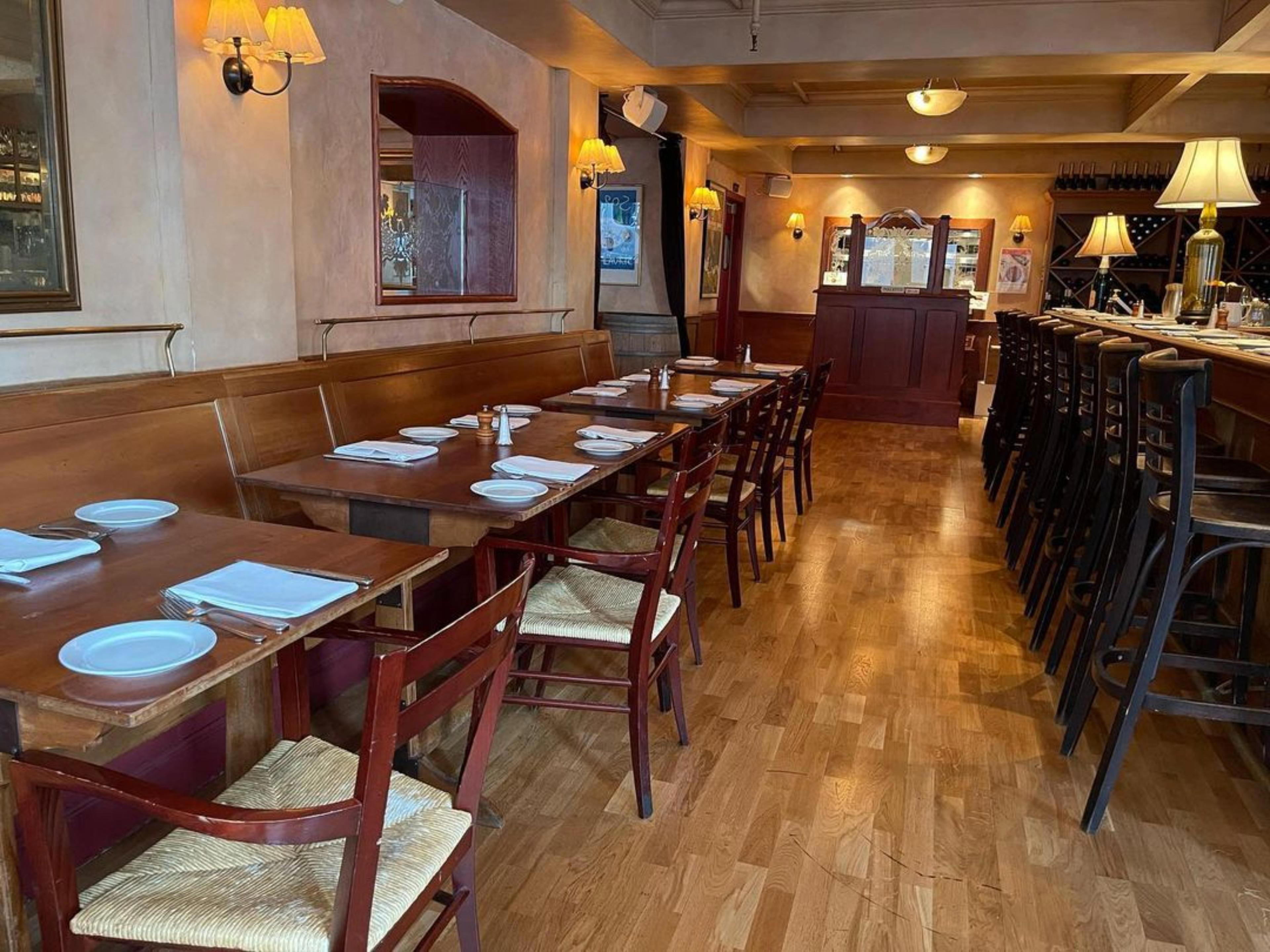
Intimate and residential-scale spaces with exposed brick, wood-paneled walls, comforting tones, and a lively communal kitchen fostering interaction among guests.