Tomo


Our verdict
Tomo sits on 16th Avenue SW in Seattle's White Center corridor, a neighborhood that has drawn serious food attention without the polish of Capitol Hill or South Lake Union. The restaurant earned national recognition when its dishes appeared on Bon Appétit's list of the 23 Best Restaurant Dishes Eaten Across the U.S., a signal that what's happening here registers well beyond the city.

Pearl is the En Primeur Club membership app, where members save venues, book tables and use the concierge.
The menu
What to order
- Dungeness crab rice
- Kakigori
- Rigatoni
- Sweet n’ sticky fried chicken
White Center's Quiet Claim on National Attention
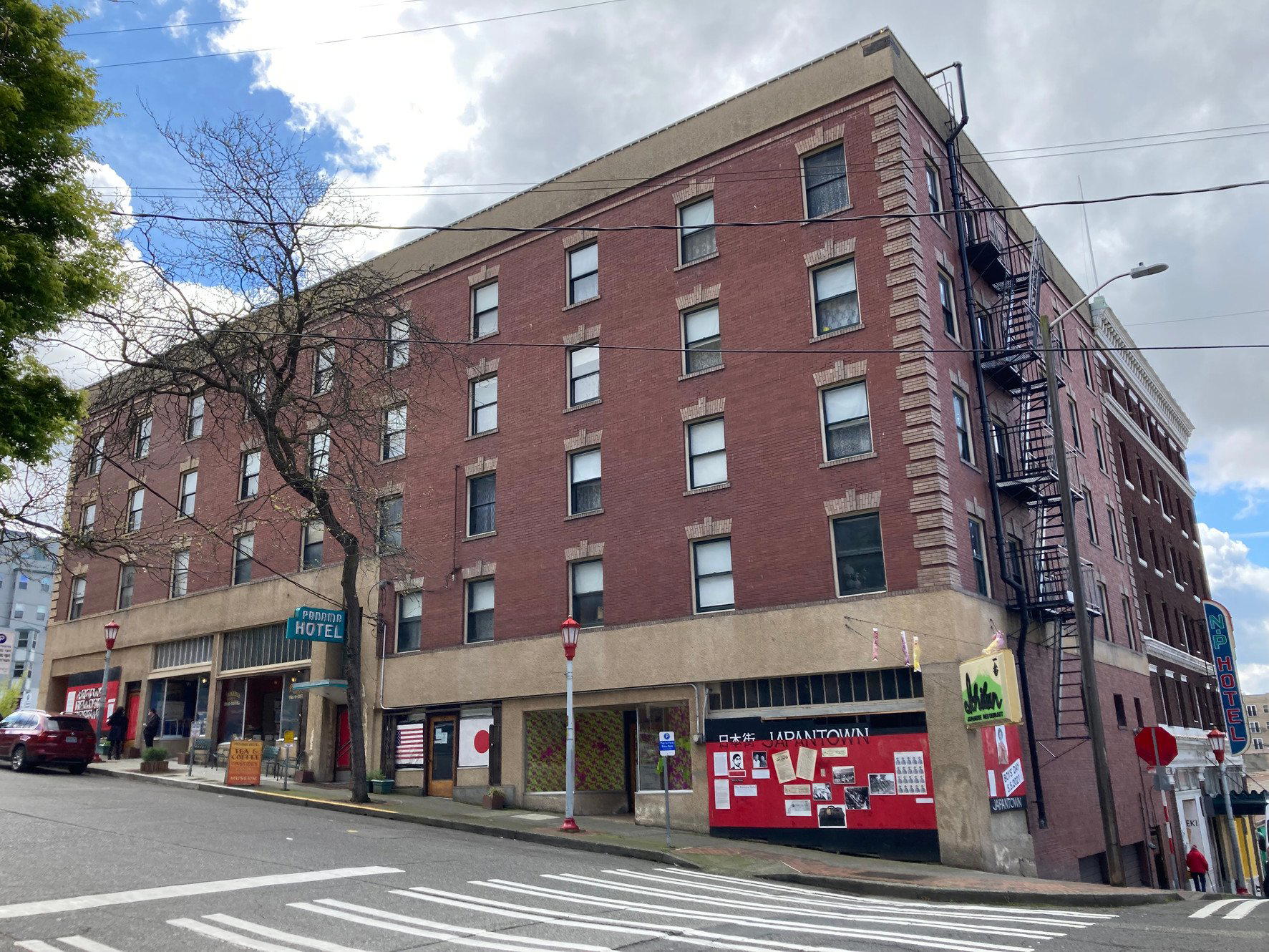
Seattle's most-discussed dining geography tends to cluster around Capitol Hill, the Pike/Pine corridor, and the waterfront-adjacent blocks that photograph well. White Center, the unincorporated Southwest Seattle neighborhood anchored by 16th Avenue SW, has operated on different terms: lower rents, less foot traffic from tourists, and a food culture that developed from the neighborhood's Filipino, Vietnamese, and Mexican communities rather than from investor-backed openings. Tomo, at 9811 16th Ave SW, is part of the generation of restaurants that has made the area worth a deliberate trip rather than an accidental discovery.
National food media began paying attention to this corridor not because it was marketed to them but because the cooking gave them no choice. When Bon Appétit included Tomo's dishes in their list of the 23 Best Restaurant Dishes Eaten Across the U.S. a competitive, nationally scoped recognition that puts a Seattle neighborhood restaurant in the same editorial frame as destinations like Le Bernardin in New York City or The French Laundry in Napa, it confirmed something locals had already understood: the address matters less than what's on the plate.
Where Tomo Sits in Seattle's Current Dining Conversation
Seattle's premium dining tier has diversified considerably over the past decade. The older model, represented by long-standing institutions like Canlis, emphasized formal service, Pacific Northwest ingredients, and occasion-dining formats built around panoramic views and polished room design. A newer cohort, which includes places like Joule and Atoma, has pushed toward formats where the cooking itself carries the experience rather than the setting.
Tomo operates at the far end of that shift. It is not positioned as a destination-dining room in the conventional sense, there is no tasting-menu architecture built around pacing and service choreography, no sommelier program built for expense-account bottles. What it offers instead is the kind of focused, specific cooking that earns national dish-level recognition rather than restaurant-of-the-year nominations. That distinction matters when you're deciding how to spend a Seattle evening. Restaurants like Altura and Archipelago occupy a different register, longer formats, deeper wine programs, rooms built for extended stays. Tomo is where you go when the dish is the destination.
For context across the national scene, the kind of dish-first recognition Tomo has received is the same currency that moves places like Lazy Bear in San Francisco or Atomix in New York City into serious consideration. Those are very different formats, but the underlying editorial logic is the same: a specific dish or a specific kitchen sensibility earns the coverage, not the PR effort around it.
Planning Your Visit: What the Booking Experience Actually Looks Like
The practical reality of visiting Tomo is shaped by what the neighborhood is and is not. White Center is a 15-20 minute drive from Capitol Hill or downtown Seattle, depending on traffic on the West Seattle corridor. It is not walkable from most hotels, and there is no direct light rail connection to the immediate block. Rideshare is the most direct approach from central Seattle, and parking is available in the area if you're driving from elsewhere in the region.
Because Tomo operates in a neighborhood without significant hotel infrastructure nearby, the visit requires more deliberate planning than a Capitol Hill dinner where you might walk from your hotel, have a drink at a neighboring bar from our Seattle bars guide, and walk home. The isolation is part of the point: this is not a restaurant that benefits from passing trade or proximity to other anchors. The people who are here came specifically to be here.
Given the national recognition the restaurant has received, availability at peak times is unlikely to be casual, restaurants at this level of editorial attention in smaller formats tend to fill quickly once coverage lands. Contacting the restaurant directly before planning a visit is the only reliable way to confirm current operating days, reservation requirements, and any format changes that may have occurred since the Bon Appétit recognition. For those building a broader Seattle itinerary, our full Seattle restaurants guide maps the city's dining across neighborhoods and formats, including other White Center and West Seattle options worth stacking into the same evening.
Tomo in the Broader Pacific Northwest Picture
The Pacific Northwest dining identity has long been anchored by ingredient sourcing, the salmon, the mushrooms, the Dungeness crab, the Willamette and Columbia Valley wine programs. That framing is still accurate for a significant part of the market, and places built around that story, from farm-to-table tasting rooms to waterfront seafood houses, continue to define how visitors imagine the region's food. But the more interesting development in recent years is the layer of restaurants that sit beneath that story, kitchens run by cooks from the region's Southeast Asian, Filipino, and East Asian communities, whose reference points are not the Pacific Northwest ingredient canon but the cooking traditions they grew up with, reinterpreted through whatever combination of technique, sourcing, and creative instinct applies to their specific kitchen.
Tomo's national recognition places it in that conversation. The Bon Appétit acknowledgment is not a Pacific Northwest award; it is a national dishes list, which means the cooking was evaluated against everything the magazine ate across the country in that period, including rooms far better resourced and far more famous. That the dishes landed at this address, in White Center, on 16th Avenue SW, says something about where Seattle's cooking energy is actually concentrated.
For visitors whose Seattle itinerary is built around the city's food reputation, the combination of Tomo with the more formal end of the dining spectrum, whether that's a meal at Canlis or an evening at one of the Capitol Hill tasting-room formats, gives a fuller picture of what the city actually does. The hotels guide for Seattle covers properties across neighborhoods if you're building an itinerary around multiple dining stops, and the experiences guide maps the non-dining side of the city for those spending more than a night.
For reference on how comparable national-recognition moments have played out at restaurants in other cities, the pattern at places like Emeril's in New Orleans or Alinea in Chicago suggests that early national attention tends to compress booking availability quickly. Whether Tomo operates at reservation-required capacity or still has walk-in flexibility at certain hours is something only direct contact can confirm.
Frequently asked questions
at Tomo?
Do they take walk-ins at Tomo?
What's the signature at Tomo?
Can Tomo accommodate dietary restrictions?
Why is Tomo in White Center rather than a higher-profile Seattle neighborhood?
Budget Reality Check
A quick peer reference to anchor this venue in its category.
| Venue | Cuisine | Price | Awards | Notes |
|---|---|---|---|---|
| TomoThis venue (the venue you are viewing) | Modern Japanese-American Fusion | $150–200 | Not listed | Not listed |
| Canlis | Modern American Fine Dining | $200–300 | Star Wine List · James Beard Award Semi Finalist | New American |
| Joule | Korean-Fusion Steakhouse | $50–100 | James Beard Award Outstanding Bar Program | New Asian |
| Altura | Italian-Inspired Pacific Northwest Tasting Menu | $150–200 | Not listed | New American |
| Ba Bar | Authentic Vietnamese Street Food | $20–30 | Not listed | Vietnamese |
| Bakery Nouveau | Bakery | $10–20 | Not listed | Not listed |
Recognition history
Dated appearances from independent guides and award organizations, with the underlying list record or original source where available.
Opinionated About Dining Casual in North America Recommended
Opinionated About Dining
New York Times The 23 Best Restaurant Dishes We Ate Across the U.S.
New York Times
Continue exploring
More in Seattle
Restaurants in Seattle
All restaurants in Seattle →
Bars in Seattle
All bars in Seattle →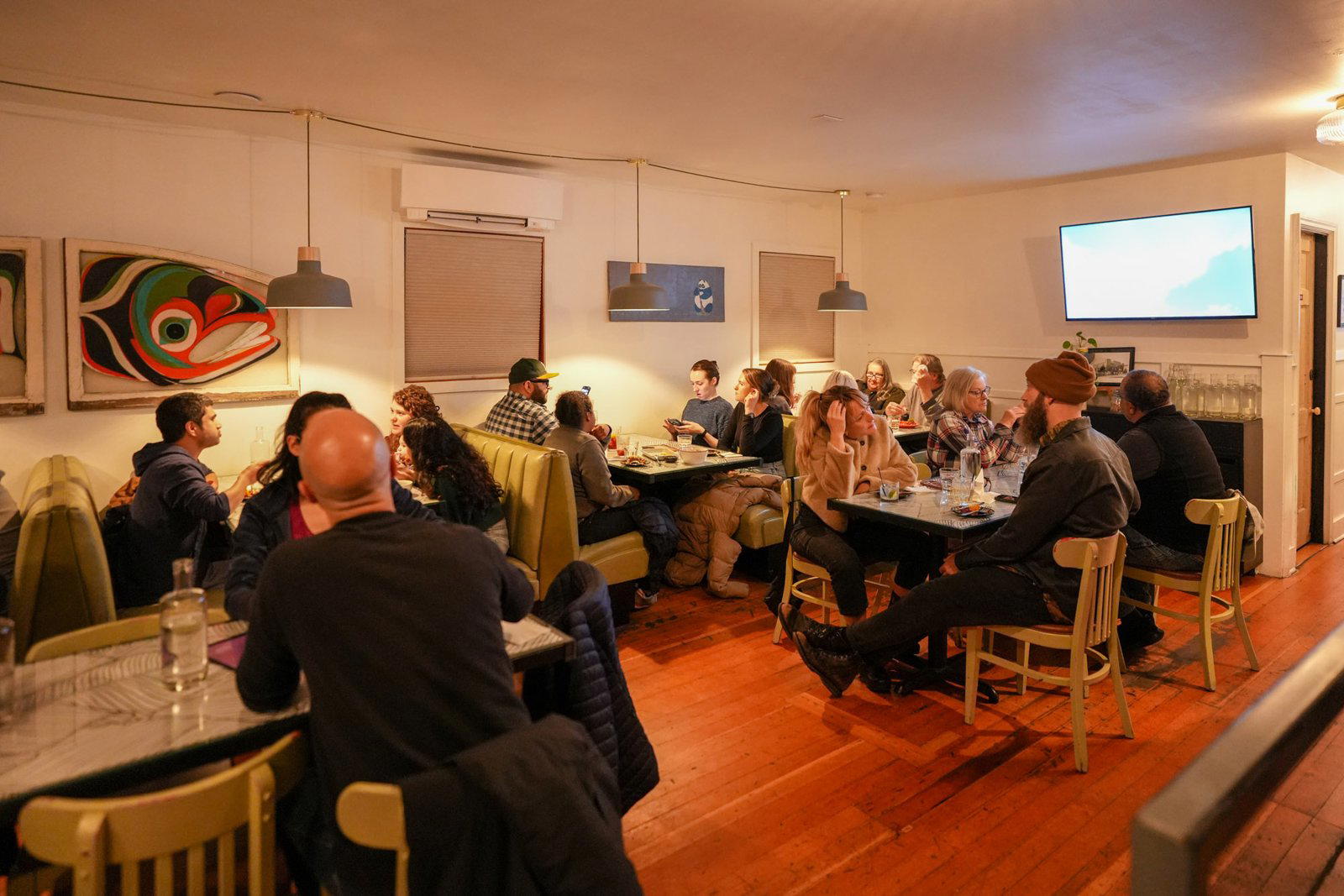
Tomo
The wine
- Wine program
- Deep wine list
- Extensive wine list
- Sake program
Details
- Intimate
- Modern
- Cozy
- Trendy
- Sophisticated
- Date Night
- Special Occasion
- Open Kitchen
- Extensive Wine List
- Sake Program
- Farm To Table
- Local Sourcing
- Tasting Menu
- A La Carte
- Wine
- Cocktails
Current opening hours
- Monday
- 5–9 PM
- Tuesday
- Closed
- Wednesday
- 5–9 PM
- Thursday
- 5–9 PM
- Friday
- 5–9 PM
- Saturday
- 5–9 PM
- Sunday
- 5–9 PM
Hours can change for holidays and private events. Hours as of .
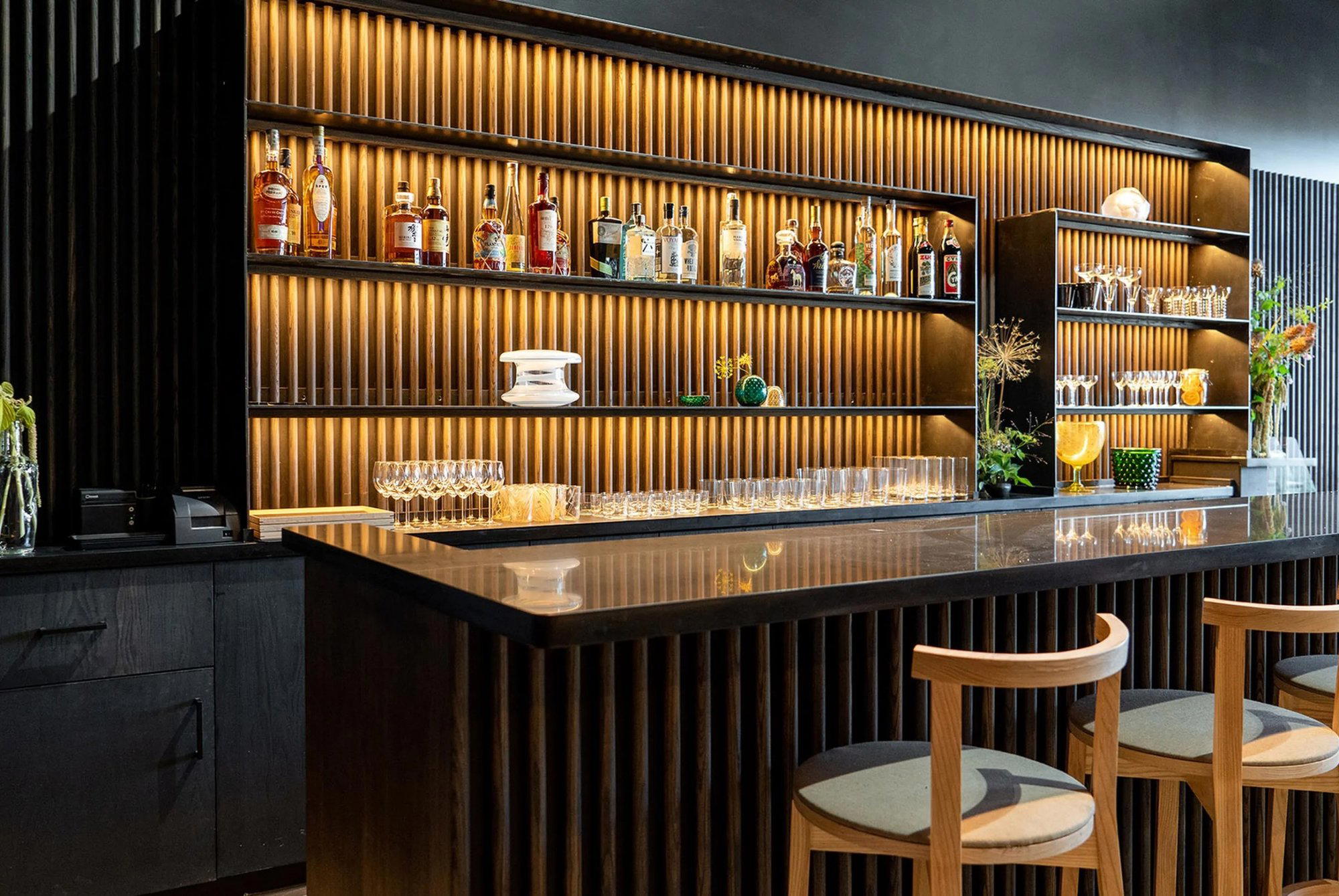
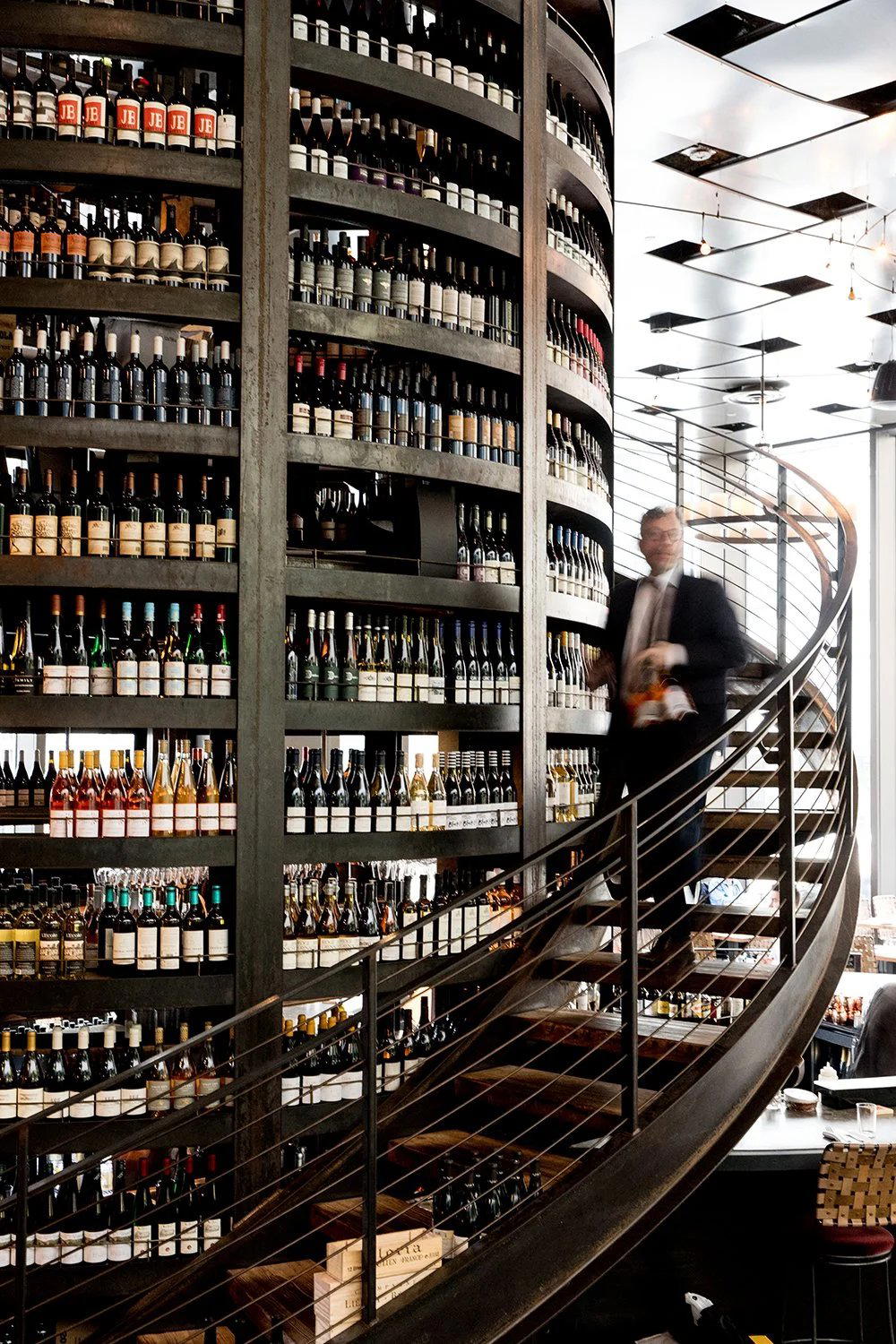
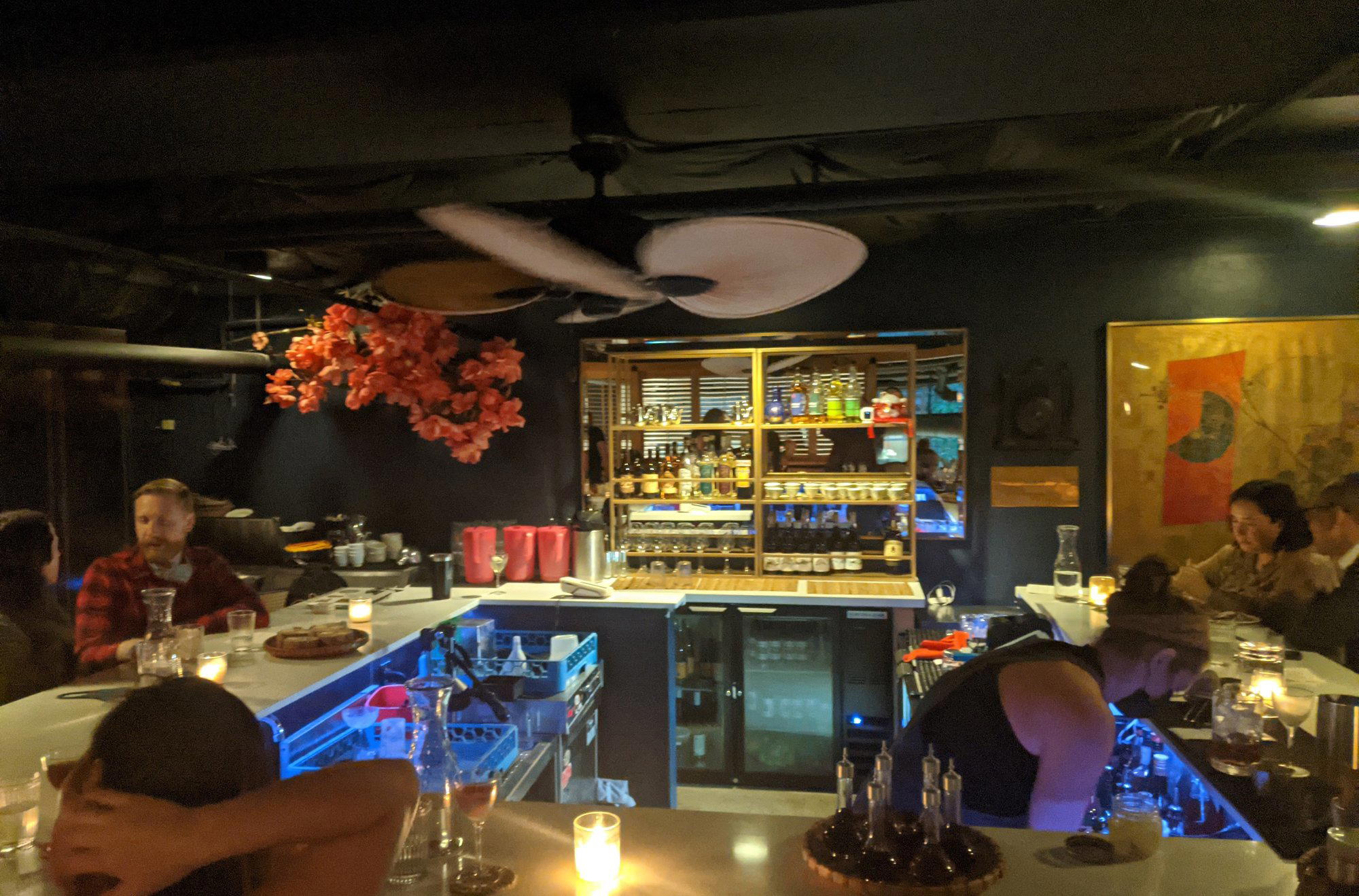
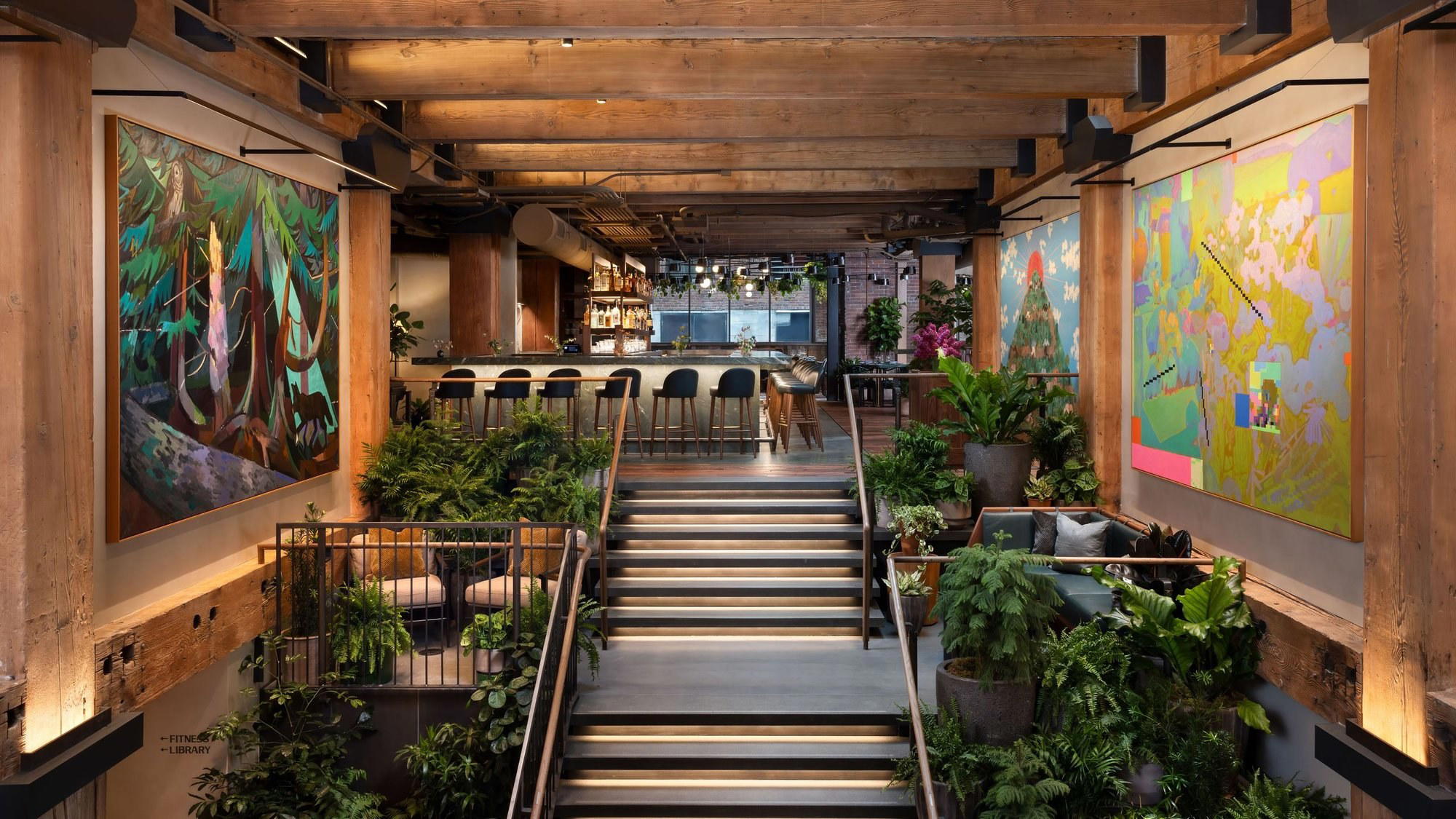
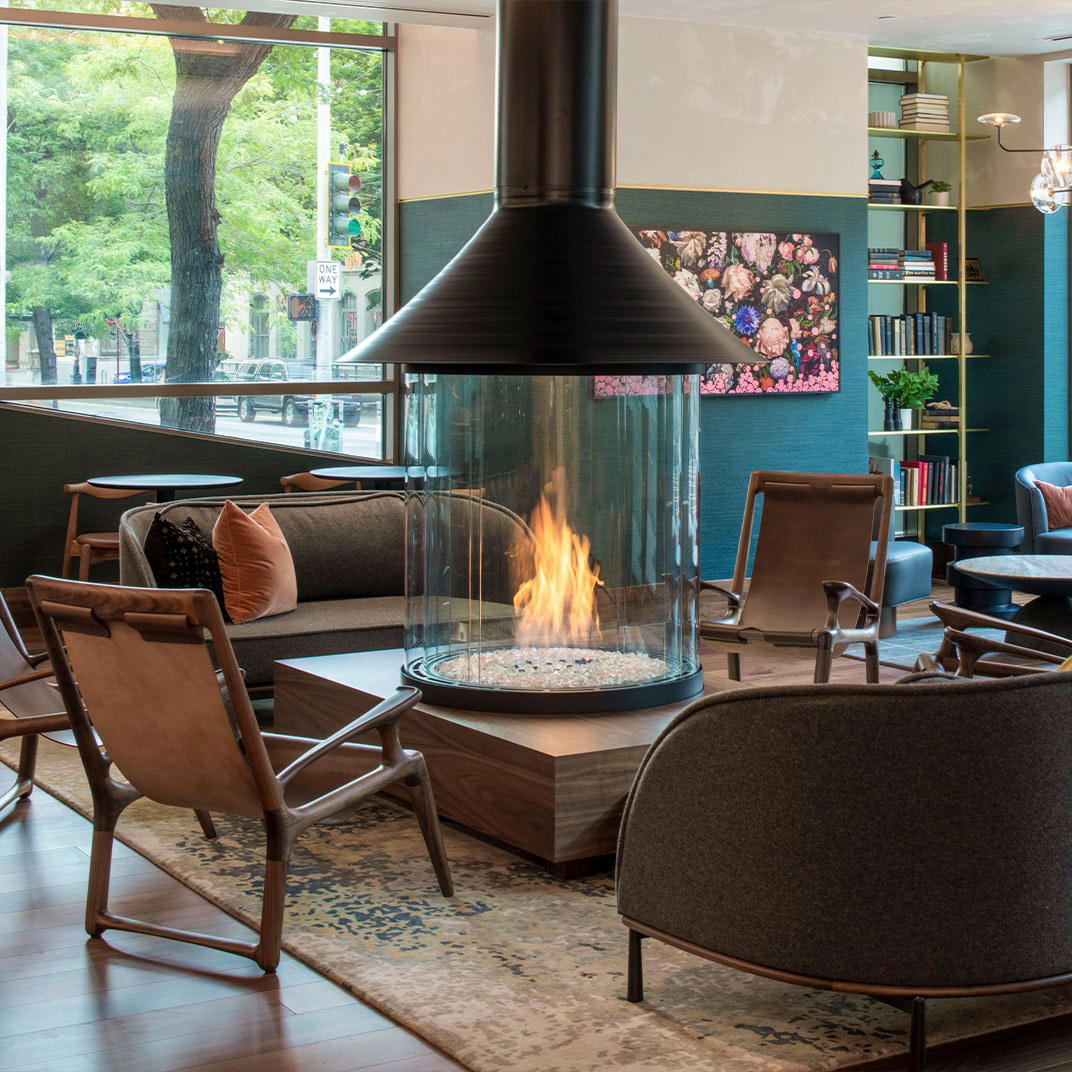
Low-lit, modern-industrial space with cozy, intimate, and slightly edgy atmosphere.