Matsu
Matsu sits at 501 Stadium Pl S in Seattle's SoDo district, where the Pacific Northwest's sourcing culture meets a precision-driven kitchen format. Positioned against Seattle's more established fine-dining tier, it draws comparisons to ingredient-led programs at Canlis and Joule without replicating either. For visitors tracking the city's evolving restaurant scene, it merits attention on its own terms.
Pearl is the En Primeur Club membership app — saves, bookings, and concierge access live there. Same editors, same standards.
- Address
- 501 Stadium Pl S, Seattle, WA 98104
- Phone
- +12062574259
- Website
- matsuseattle.com
- Directions
- Get directions
 Saves & bookings on Pearl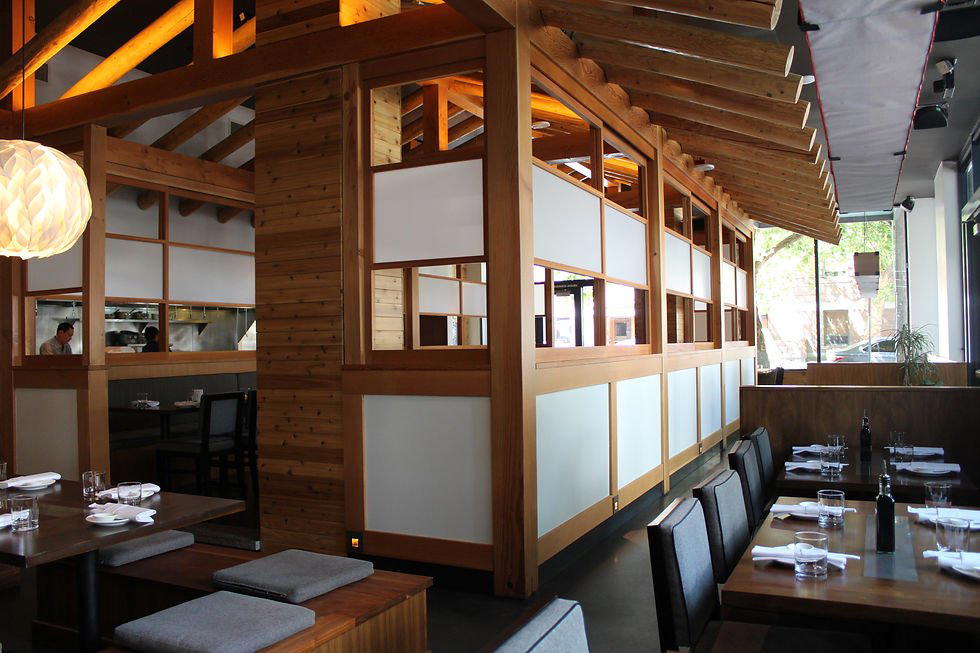
SoDo's Quieter Register
Seattle's dining geography has long favored Capitol Hill, Belltown, and the Pike Place corridor, neighborhoods where foot traffic and legacy reputation reinforce each other. The SoDo district operates at a different register. The industrial blocks south of downtown, bracketed by Lumen Field and the rail yards, have historically been pass-through territory for diners rather than destination territory. That positioning is changing, and Matsu, at 501 Stadium Pl S, sits inside that shift. Arriving here requires intention. There is no ambient streetscape to carry you in; the decision to come has already been made before you leave the house.
That kind of deliberate arrival changes what a restaurant has to do. Without the borrowed energy of a dense dining neighborhood, the room and the plate carry the full weight of the experience. Across American fine dining, from Blue Hill at Stone Barns in Tarrytown to Single Thread Farm in Healdsburg, particularly ingredient-driven kitchens have often chosen location over convenience, positioning distance itself as a signal of seriousness. SoDo is not rural, but it asks the same question of a guest: did you come here for this specifically?
The Northwest Sourcing Argument
Few American cities make a more credible claim to ingredient provenance than Seattle. The Pacific Northwest's convergence of cold-water fisheries, volcanic-soil agriculture in the Yakima and Skagit valleys, and a foraging culture that predates the current national interest in wild ingredients gives kitchens here a supply chain that restaurants in landlocked cities have to approximate at considerable cost. The oyster beds of Hood Canal, the Dungeness crab season that runs through the winter months, the Walla Walla onion harvest, and the summer stone fruit coming out of eastern Washington's orchard country are not marketing language here, they are logistics realities that define what goes on the plate and when.
Ingredient-led programs in Seattle operate in a competitive context that rewards specificity. Saying "local" in this market is table stakes. The more pointed claim is knowing which farm, which fisher, which week of the season. Restaurants like Joule have built a reputation on that kind of precision-sourcing within an Asian-inflected framework. Canlis, operating since 1950, has woven Pacific Northwest provenance into a New American format that remains one of the city's most carefully managed dining programs. Matsu enters a scene where those standards are already set high.
The broader national conversation about sourcing-driven fine dining has coalesced around a handful of reference points. The French Laundry in Napa and Le Bernardin in New York City approach provenance from opposite directions, one from the land, one from the sea, but both treat ingredient sourcing as a foundational commitment rather than a garnish to the menu narrative. On the West Coast, Lazy Bear in San Francisco and Providence in Los Angeles have built programs where the sourcing argument is structural, not decorative. Matsu's SoDo address places it in proximity to Seattle's wholesale fish and produce infrastructure, which is either a practical advantage or a statement about supply chain access, and both.
Format and Competitive Position
Seattle's premium dining tier has diversified over the past decade. The traditional white-tablecloth format that Canlis has refined over generations now coexists with counter-service omakase rooms, tasting-menu-only formats, and hybrid casual-fine spaces. The city's restaurant scene, when mapped against comparable West Coast markets, sits between San Francisco's deeper bench of Michelin-recognized programs and Portland's more DIY, chef-driven culture. Addison in San Diego and Alinea in Chicago represent the formal tasting-menu pole; Seattle's version of that conversation is less codified, which gives kitchens more room to define their own format terms.
Matsu's name, a Japanese term most commonly associated with pine trees, with connotations of endurance and high grade in the context of Japanese quality rankings, suggests a particular kind of positioning. The address at 501 Stadium Pl S places it in a zone that serves both the stadium event crowd and a quieter weekday population of SoDo workers and deliberate diners. These are not always the same guest, and how a kitchen navigates that tension says something about its editorial self-understanding.
For comparison within Seattle's evolving scene, 1415 1st Ave and 1744 NW Market St represent different neighborhood anchors and format approaches. 2963 4th Ave S sits in closer geographic proximity to Matsu's SoDo territory. These reference points matter because Seattle diners are not short of options at any price point, and a restaurant in SoDo is implicitly making an argument that the destination is worth the detour from more central corridors.
Nationally, the kitchen programs that have sustained relevance across format shifts tend to share one attribute: a sourcing story that updates seasonally and holds up to scrutiny. Atomix in New York City and The Inn at Little Washington in Washington both demonstrate that tightly controlled format and ingredient specificity can anchor a program through changing critical climates. Emeril's in New Orleans established that regional ingredient identity can sustain a flagship over decades. The question for a newer entrant in SoDo is whether the sourcing argument has enough operational depth to function as the program's spine rather than its pitch.
Seattle's position as a Pacific Rim port city gives its kitchens access to ingredient flows that come from both the Washington interior and across the Pacific. Japanese pantry items, Korean ferments, Southeast Asian produce, these are available to Seattle chefs through a wholesale infrastructure that other American cities approximate through specialty importers. Whether Matsu draws on that breadth or focuses narrowly on Pacific Northwest regional sourcing is a material question about the kitchen's identity, and one that becomes clearer at the table than in any description.
At a Glance
Comparable venues nearby, for context on price, style, and recognition.
| Venue | Cuisine | Price | Notes |
|---|---|---|---|
| MatsuThis venue — the venue you are viewing | Not listed | $$$ | Not listed |
| Karaage Setsuna | Not listed | $$ | Belltown, Hawaiian-Japanese Fried Chicken |
| Yoroshiku | Not listed | $$ | Wallingford, Modern Hokkaido Ramen & Izakaya |
| Kushibar | Not listed | $$ | Belltown, Japanese Street Food & Kushiyaki |
| Onibaba by Tsukushinbo | Japantown, Japanese Onigiri Specialist | $$ | Not listed |
| Elliott's Oyster House | Not listed | $$$ | Seattle Waterfront, Classic Pacific Northwest Seafood & Oyster House |
Continue exploring
More in Seattle
Restaurants in Seattle
Browse all →
Bars in Seattle
Browse all →
Hotels in Seattle
Browse all →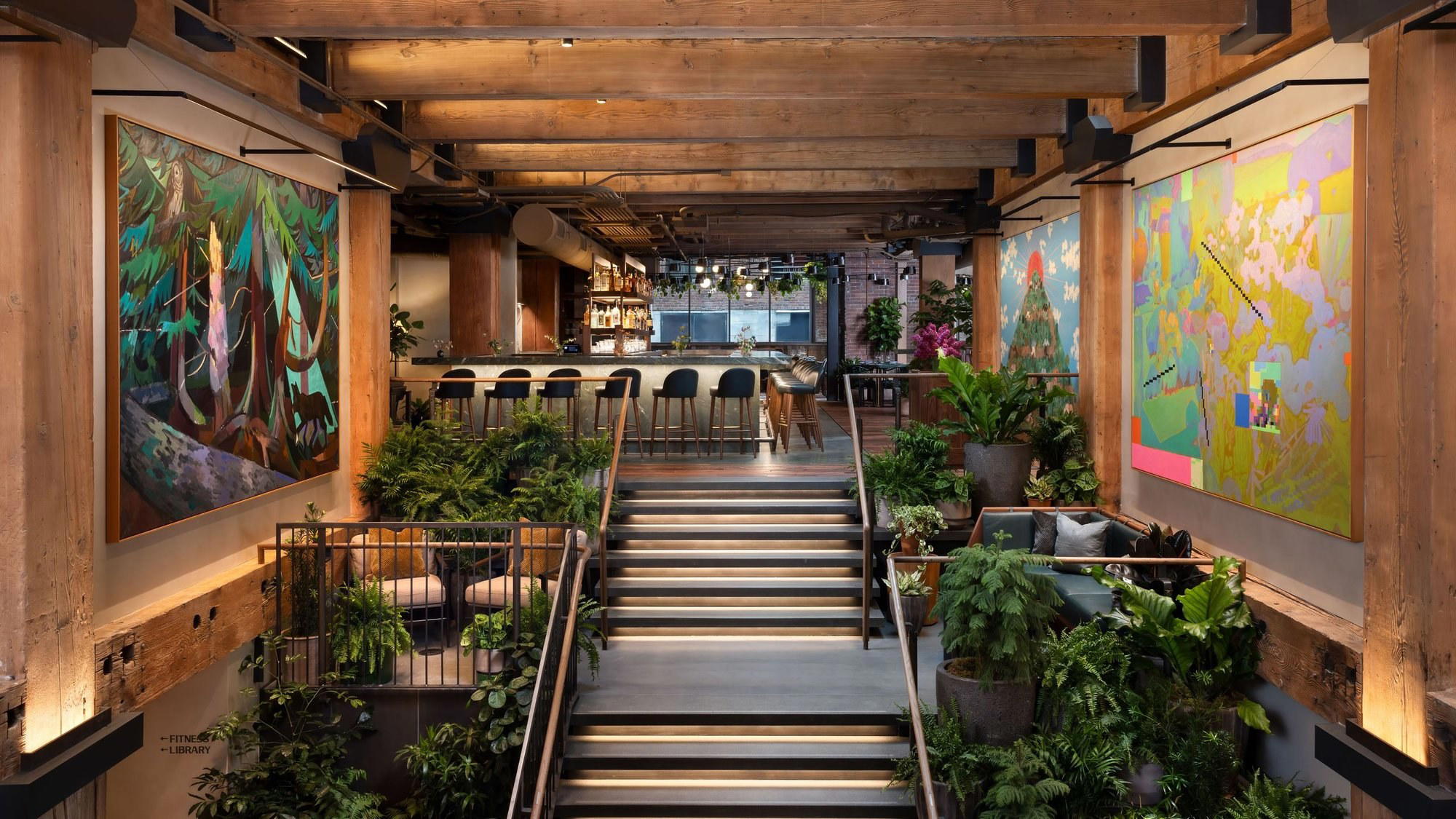


At a Glance
- Modern
- Elegant
- Lively
- Date Night
- Business Dinner
- Group Dining
- Casual Hangout
- After Work
- Open Kitchen
- Sake Program
- Extensive Wine List
- Local Sourcing
- Sustainable Seafood
Current opening hours
- Monday
- 4–10 PM
- Tuesday
- 4–10 PM
- Wednesday
- 4–10 PM
- Thursday
- 4–10 PM
- Friday
- 4–11 PM
- Saturday
- 4–11 PM
- Sunday
- Closed
Hours can change for holidays and private events. Last verified .
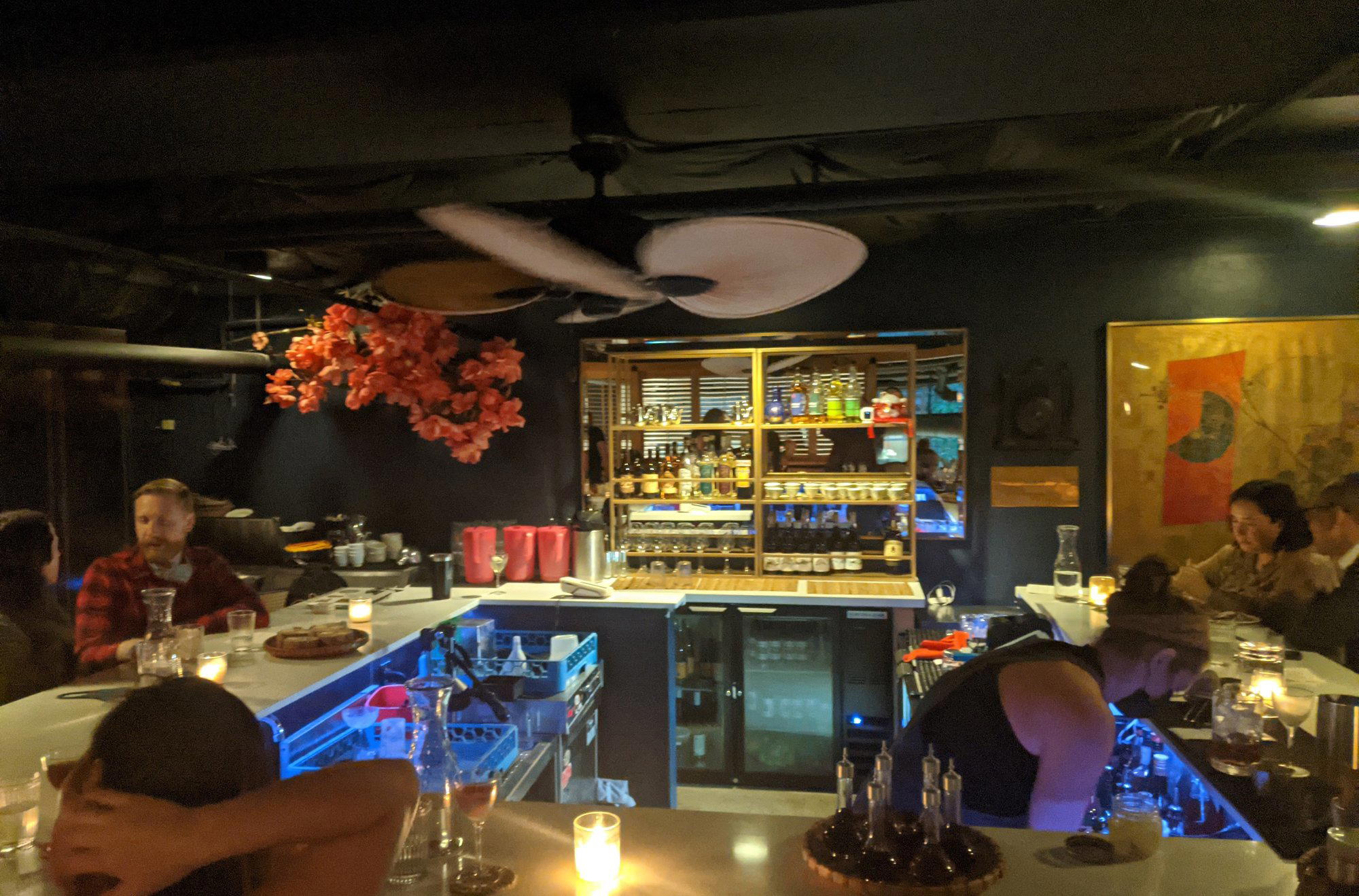
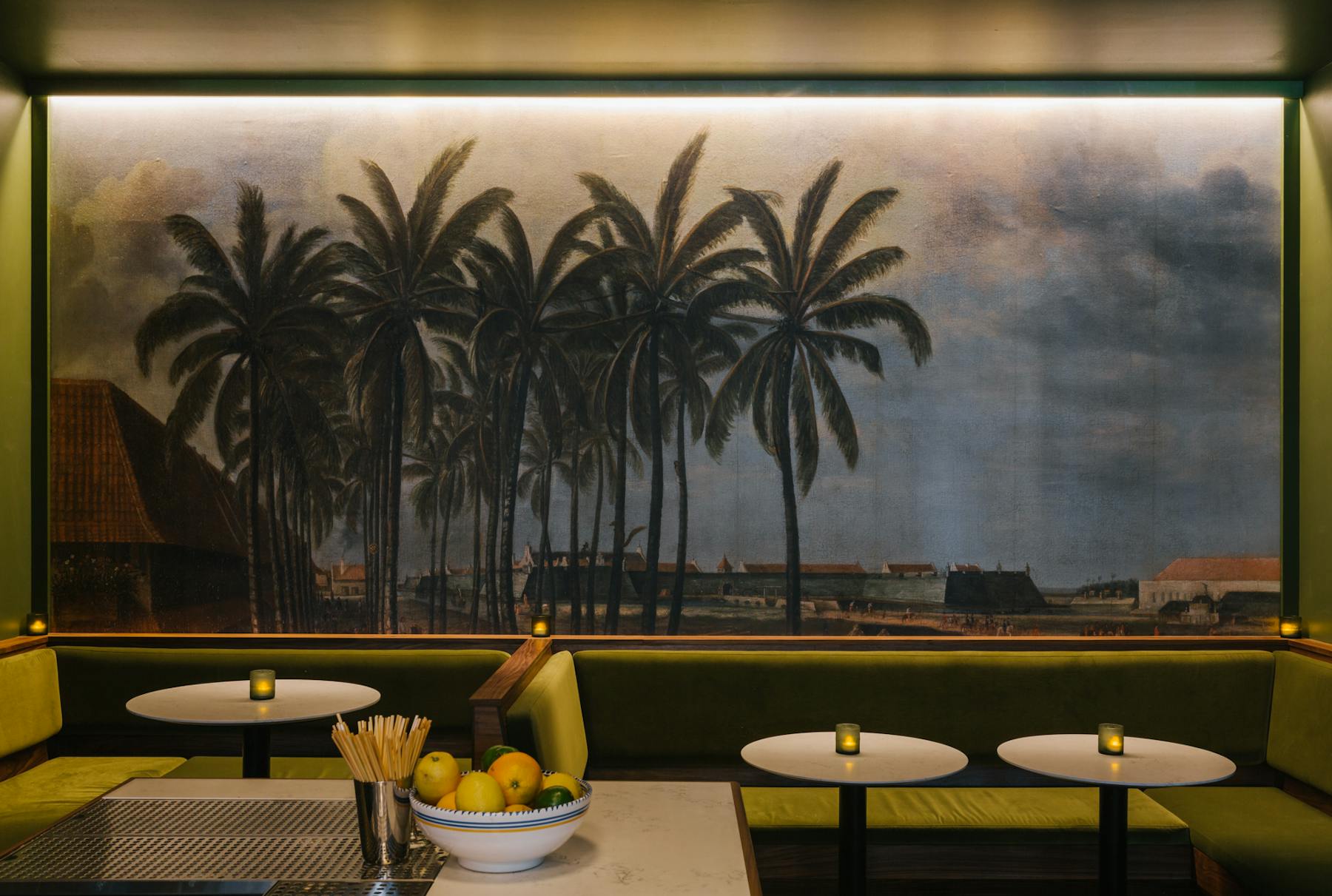
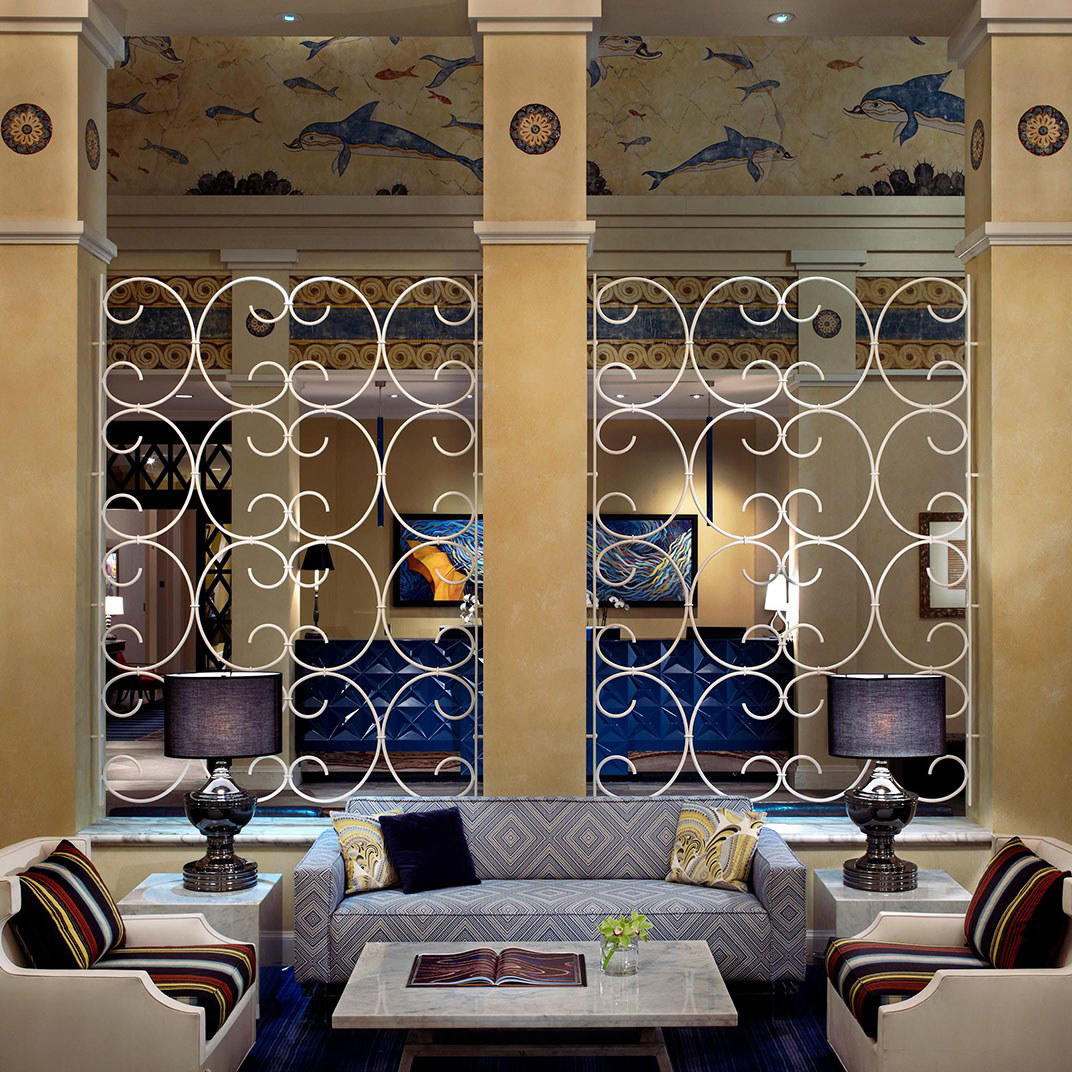
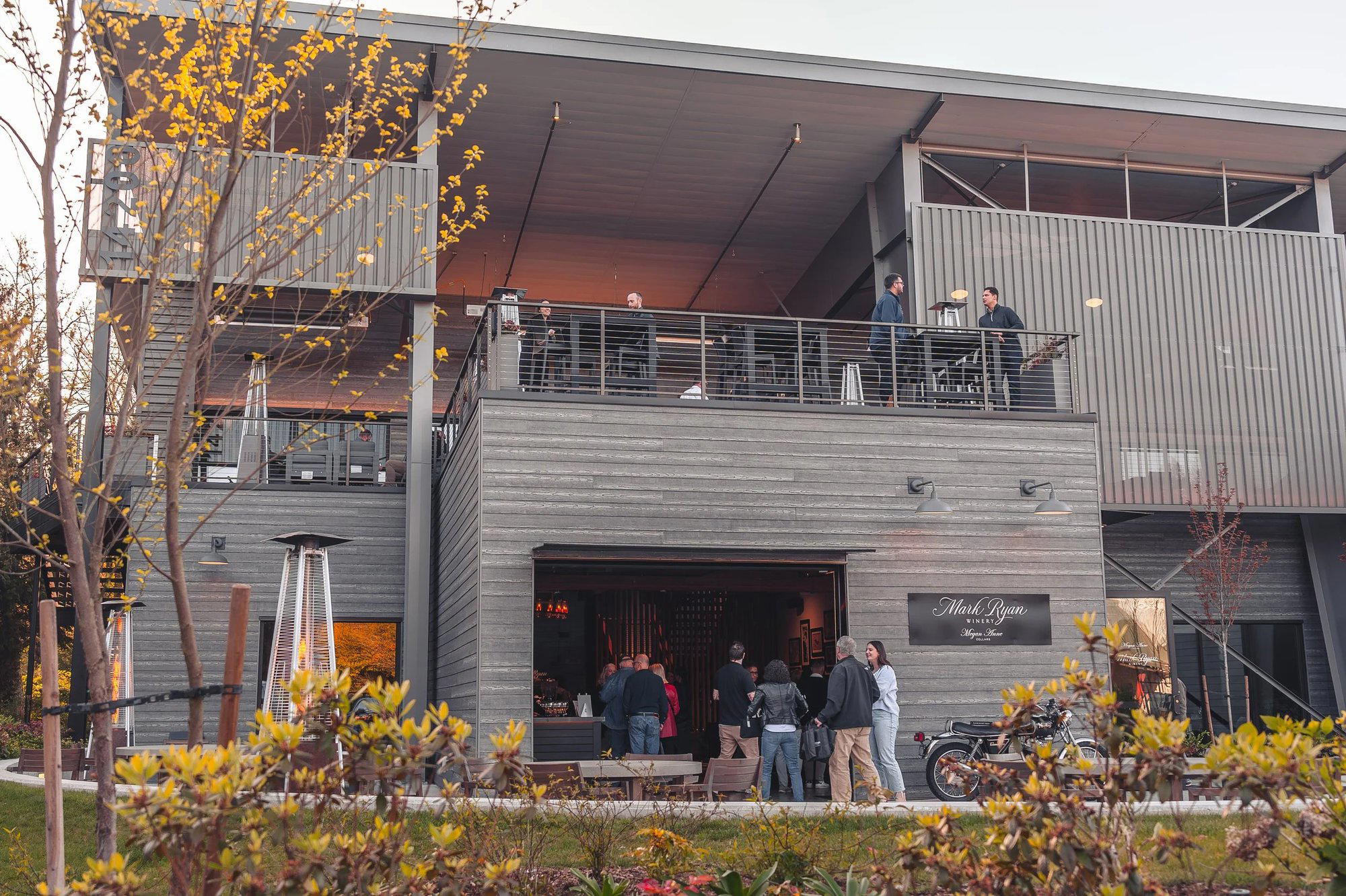
Modern, clean restaurant with comfortable seating and a warm atmosphere; described as beautiful with contemporary design elements.