Wayo Sushi Restaurant
Wayo Sushi Restaurant occupies a Van Ness Avenue address in San Francisco's Polk Gulch corridor, positioning it at the edge of the city's dense sushi market. The restaurant sits in a neighborhood that rewards deliberate seekers rather than walk-in traffic, making it a reference point for locals who track the city's mid-tier and specialist sushi scene closely.
Pearl is the En Primeur Club membership app — saves, bookings, and concierge access live there. Same editors, same standards.
- Address
- 1407 Van Ness Ave, San Francisco, CA 94109
- Phone
- +14155619598
- Website
- 1407wayosushi.wixsite.com
- Directions
- Get directions
 Saves & bookings on Pearl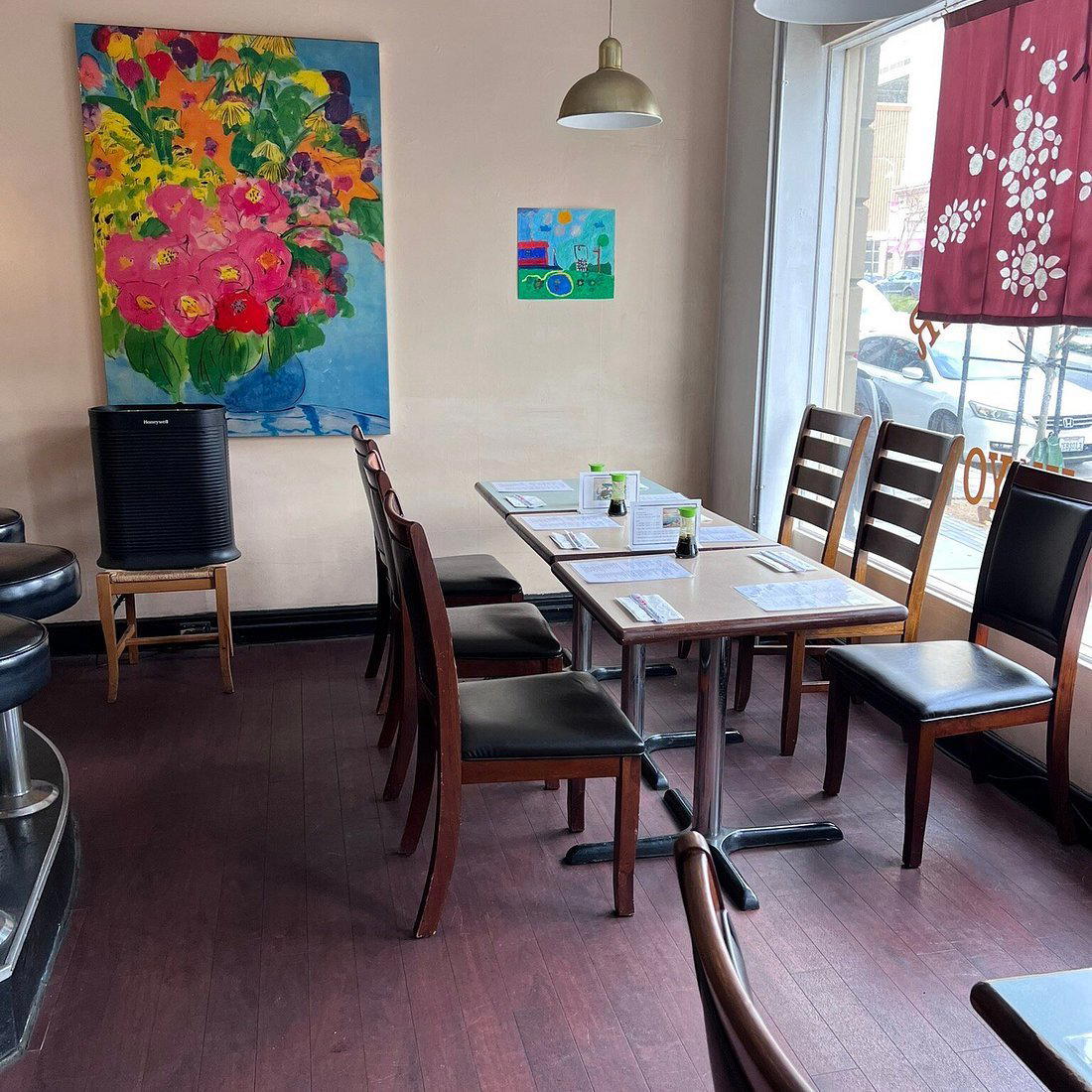
Van Ness and the Sushi Spectrum
San Francisco's sushi scene divides roughly into three tiers: the high-commitment omakase counters in SoMa and the Financial District that price at or above $200 per head, the neighborhood standbys running à la carte menus at accessible price points, and a middle band of specialist operations that lean on technique without the ceremony of the white-glove counter format. Van Ness itself is a transit artery rather than a dining destination street, which means the restaurants along it tend to serve a local residential customer base rather than the destination-seeking visitor crowd that fills spots in Hayes Valley or the Inner Sunset.
That positioning matters more than it might seem. Venues on Van Ness compete primarily on consistency and value proposition rather than buzz cycles or press attention. This is a different operating logic from the omakase counters at the city's formal end, places where a first-time guest is, by definition, the target audience.
Daytime Versus Evening: How the Rhythm Changes
Across San Francisco's sushi operations, the lunch-to-dinner divide is one of the more reliable editorial lenses for understanding what a restaurant is actually doing. Lunch service at sushi restaurants in this price tier typically skews toward bento-adjacent formats, abbreviated sets, and faster table turns. The kitchen is running a different tempo, the room reads differently, and the value calculation often tilts sharply in the diner's favor during midday hours. Dinner shifts the register: more deliberate pacing, longer stays, and a greater likelihood that the kitchen extends toward more composed presentations or larger-format dishes.
Evening dining on Van Ness tends to draw from the residential blocks of Polk Gulch, Russian Hill, and the lower slopes of Nob Hill. These are not dramatically different audiences, but the evening crowd tends to settle in longer, which changes the pacing of service in meaningful ways.
This lunch-versus-dinner logic is something that San Francisco's broader sushi scene handles unevenly. The upper-end omakase counters, the kind of operations that draw comparisons to destinations like Benu or sit in the same conversation as the city's most decorated fine dining rooms including Atelier Crenn and Quince, often run only one service per day and collapse the lunch-dinner distinction entirely. A neighborhood sushi restaurant has to make both services work as independent propositions, and the better ones do this by treating them as genuinely separate offerings rather than the same menu at different hours.
The Van Ness Corridor in Context
To place Wayo Sushi within San Francisco's wider dining map, it helps to understand what Van Ness represents as a restaurant environment. The avenue is not a dining destination in the way that Valencia Street or the Embarcadero waterfront are, it is a through-route, and the restaurants along it are anchored by residential demand rather than editorial momentum. This is not a liability so much as a descriptor. Some of the city's most durable culinary operations are invisible to the press cycle precisely because they serve a function that press attention doesn't capture: reliable neighborhood dining for people who live within walking distance.
San Francisco's sushi scene has expanded considerably over the past decade, with the omakase format now represented at multiple price points and the à la carte category ranging from fast-casual hand-roll counters to full service sit-down operations. The city's most scrutinized sushi destinations sit further south and east, in proximity to the Financial District and SoMa, where expense-account dining and destination traffic support higher price floors. Polk Gulch operates on different economics, which means a sushi restaurant at this address is making a different kind of argument about value, accessibility, and local relevance. Those are legitimate editorial arguments, and the diners who understand the neighborhood context will find them more useful than any comparison to the formal counter operations covered in guides oriented toward out-of-town visitors.
For readers tracking the full sweep of San Francisco's serious dining scene, the reference points worth mapping include Lazy Bear and Saison at the progressive American end, and further afield, operations like Single Thread Farm in Healdsburg and The French Laundry in Napa that define the regional fine dining ceiling. For sushi specifically, the comparison set pulls from across the country: Atomix in New York City sits at the formal counter end of Korean-Japanese-influenced tasting format; Le Bernardin in New York City anchors precision seafood at the highest level of American dining. These are not direct comparisons to a Van Ness neighborhood sushi operation, but they map the poles of the category, which is useful context for calibrating expectations. The broader dining conversation across American cities, Alinea in Chicago, Providence in Los Angeles, Addison in San Diego, Blue Hill at Stone Barns in Tarrytown, The Inn at Little Washington, Bacchanalia in Atlanta, Emeril's in New Orleans, and internationally 8 1/2 Otto e Mezzo Bombana in Hong Kong, frames how city-level neighborhood sushi fits into a global hierarchy of dining intent.
Know Before You Go
- Address: 1407 Van Ness Ave, San Francisco, CA 94109
- Neighborhood: Polk Gulch / Van Ness Corridor
- Getting There: Van Ness is served by multiple Muni bus lines; street parking is available but competitive on weekday evenings
- Booking: Reservations are recommended.
- Hours: Mon-Sun: 12-8 PM.
- Price Range: About $30 per person.
- Timing Note: Lunch and dinner operate as distinct service rhythms on Van Ness; lunch typically offers better value and faster pacing
Reputation First
Comparable venues nearby, for context on price, style, and recognition.
| Venue | Cuisine | Price | Notes |
|---|---|---|---|
| Wayo Sushi RestaurantThis venue — the venue you are viewing | Authentic Japanese Sushi | $$ | Not listed |
| Sake Bomb | Japanese Sushi | $$ | Mission |
| Marufuku Ramen | Hakata-Style Tonkotsu Ramen | $$ | Japantown |
| Izakaya Sozai | Authentic Japanese Izakaya | $$ | Inner Sunset |
| Mamanoko | Japanese Izakaya & Sushi | $$ | Marina |
| Ebisu | Authentic Japanese Sushi | $$ | Inner Sunset |
Continue exploring
More in San Francisco
Restaurants in San Francisco
Browse all →
Bars in San Francisco
Browse all →
Hotels in San Francisco
Browse all →
At a Glance
- Cozy
- Intimate
- Classic
- Date Night
- Casual Hangout
- Sake Program
Current opening hours
- Monday
- 12–8 PM
- Tuesday
- 12–8 PM
- Wednesday
- 12–8 PM
- Thursday
- 12–8 PM
- Friday
- 12–8 PM
- Saturday
- 12–8 PM
- Sunday
- 12–8 PM
Hours can change for holidays and private events. Last verified .
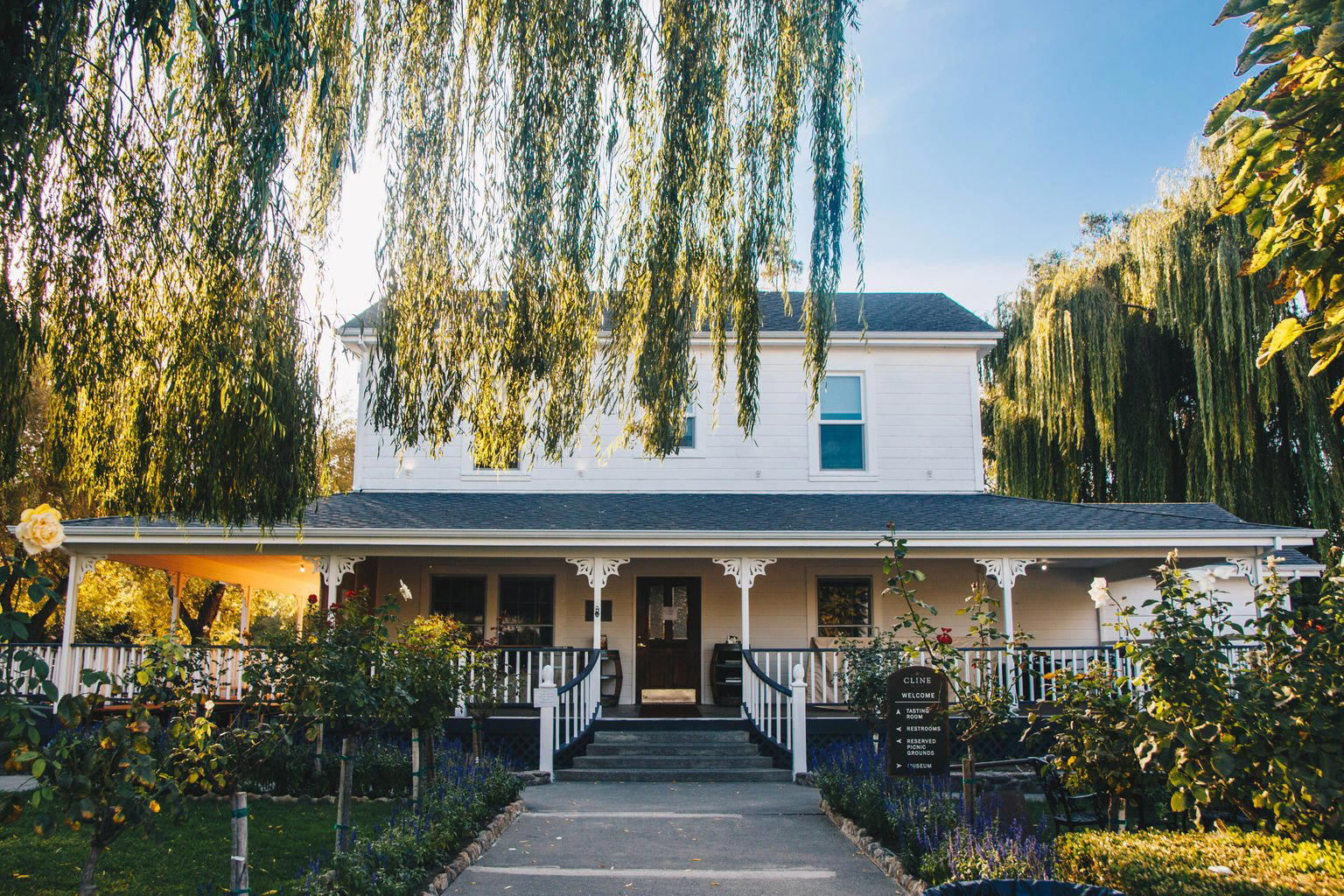
Cozy and unassuming intimate atmosphere in a simple storefront setting with friendly family-run service.