Ebisu
On the western edge of San Francisco's Inner Sunset, Ebisu at 1283 9th Ave occupies a neighborhood corner that has long drawn residents seeking composed Japanese cooking away from the downtown circuit. The address sits within a walkable stretch where the dining pace is unhurried and the expectations run toward craft over spectacle, a useful combination when a meal is meant to mark something.
Pearl is the En Primeur Club membership app — saves, bookings, and concierge access live there. Same editors, same standards.
- Address
- 1283 9th Ave, San Francisco, CA 94122
- Phone
- +14155661770
- Website
- ebisusushi.com
- Directions
- Get directions
 Saves & bookings on Pearl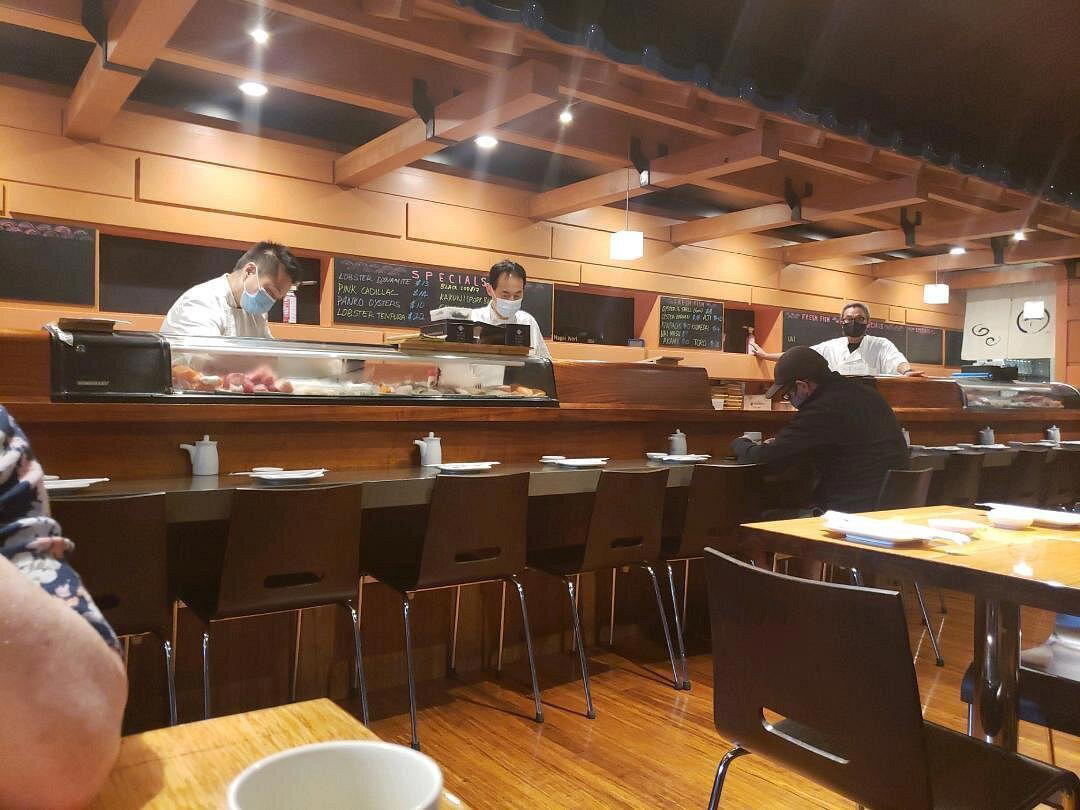
Japanese Dining in the Inner Sunset: A Neighborhood That Sets Its Own Pace
Ebisu is an authentic Japanese sushi restaurant in San Francisco's Inner Sunset, with a casual dress code and a walk-in-friendly policy. Ebisu, at 1283 9th Ave in the Inner Sunset, belongs to the second category.
The Inner Sunset runs west from Twin Peaks toward Golden Gate Park's eastern edge, a corridor where the fog arrives early and the restaurants are chosen by people who live within walking distance rather than by tourists mapping their way between landmarks. The neighborhood's dining character is more durable than fashionable, which makes it a reasonable place to mark occasions that require a room that won't feel performative.
The Case for Occasion Dining Outside the Formal Tier
There's a default assumption in milestone dining that formality and significance are proportional, that a celebration demands one expensive room in the city. San Francisco has several restaurants in that bracket. Lazy Bear runs a $$$$ progressive American format built around communal theatre. Atelier Crenn operates at the intersection of modern French technique and California produce at a similar price tier. Benu fuses French and Chinese traditions across a multi-course format that demands full commitment from both kitchen and guest. Quince and Saison anchor the city's contemporary Italian and progressive Californian ends respectively.
Each of those options is correct for certain occasions. But not every occasion calls for a two-hour tasting menu and a dress code. Some milestones are better served by a familiar room with focused cooking, where the conversation can hold the center of gravity rather than the kitchen's pacing. Japanese restaurants with deep neighborhood roots tend to function well in that role precisely because the format, whether it's composed sashimi, a wide izakaya-style spread, or grilled items that arrive as they're ready, allows a table to eat at its own rhythm.
Nationally, this dynamic shows up across cities and restaurant types. Le Bernardin in New York City sits in the formal occasion tier; Smyth in Chicago occupies a contemporary format where the occasion is built into the experience design. Single Thread Farm in Healdsburg raises the stakes through a kaiseki-influenced format that integrates inn accommodations with the meal itself. Providence in Los Angeles and Addison in San Diego similarly represent the high-format end of California occasion dining. Ebisu operates in none of those registers, and that's precisely what makes it worth considering for occasions where you want the meal to feel significant without requiring the table to perform significance at every course.
What Japanese Neighborhood Restaurants Do Well on Special Occasions
The strongest Japanese neighborhood restaurants in American cities share a set of structural advantages for milestone meals. The menu breadth typical of sushi-and-kitchen formats, combining raw preparations, cooked dishes, and a sake or beer list, means a table of mixed preferences doesn't require negotiation. One guest orders conservatively; another pushes into the kitchen's more technical preparations. Neither choice disrupts the other. That flexibility is harder to find in prix-fixe formats, where the kitchen sets the pace and the table follows.
Japanese cooking also tends to age well as an occasion framework because the visual discipline of the cuisine, the proportioning, the temperature contrasts, the deliberate use of ceramic and lacquerware, communicates care without requiring explanation. A well-composed plate of sashimi makes the occasion feel considered even when the restaurant itself is relatively informal. This is a different kind of specialness than what you'd find at The French Laundry in Napa, Blue Hill at Stone Barns in Tarrytown, or The Inn at Little Washington, all of which build occasion into the architecture of the experience, but it's a legitimate and often more comfortable form of it.
For comparison outside the Japanese idiom, Frasca Food and Wine in Boulder has long demonstrated that a neighborhood-rooted restaurant with serious cooking and a strong wine program can carry the weight of milestone meals without requiring formal-tier pricing or ritual. Emeril's in New Orleans occupies a similar position in its city: a room where the occasion is carried by the cooking's track record rather than its format's ambition. Korean-focused contemporary cooking at Atomix in New York City and Italian-Alpine technique at Atelier Moessmer Norbert Niederkofler in Brunico both show how cuisine-specific depth can carry the weight of special-occasion expectations without defaulting to French-tasting-menu format. Ebisu fits this pattern at the neighborhood scale.
Reading the Inner Sunset Before You Go
The practical character of the Inner Sunset matters for planning. The neighborhood sits a reasonable transit distance from downtown San Francisco, the N Judah streetcar connects the area to the Embarcadero and Castro, but it has the feel of a self-contained district rather than a transit hub. Parking on 9th Ave and the surrounding streets is available but competitive on weekend evenings. If the occasion is a dinner that begins with drinks elsewhere in the city, building in transit time is sensible. The neighborhood's fog pattern also means evenings here run cooler than much of the city, which is worth accounting for if the plan includes any time outside before or after the meal.
Planning Your Visit
Address: 1283 9th Ave, San Francisco, CA 94122. Neighborhood: Inner Sunset, adjacent to Golden Gate Park's eastern edge. Transit: N Judah streetcar to 9th and Irving; street parking available on surrounding blocks. Reservations: Walk-ins are welcome. Hours: Mon: Closed; Tue: 11:30 AM-2 PM, 5-9 PM; Wed: 11:30 AM-2 PM, 5-9 PM; Thu: 11:30 AM-2 PM, 5-9 PM; Fri: 11:30 AM-2 PM, 5-9 PM; Sat: 11:30 AM-2 PM, 5-9 PM; Sun: Closed. Budget: About $30 per person. Dress: Casual.
Cuisine and Recognition
Comparable venues nearby, for context on price, style, and recognition.
| Venue | Cuisine | Price | Notes |
|---|---|---|---|
| EbisuThis venue — the venue you are viewing | Authentic Japanese Sushi | $$ | Not listed |
| Mamanoko | Japanese Izakaya & Sushi | $$ | Marina |
| Okaeri Japanese Bistro | Japanese Sushi & Omakase | $$ | Mission |
| Sanraku | Authentic Japanese Sushi | $$ | Nob Hill |
| Wayo Sushi Restaurant | Authentic Japanese Sushi | $$ | Nob Hill |
| Tokyo Express Restaurant | Japanese Sushi & Teriyaki | $$ | Chinatown |
Continue exploring
More in San Francisco
Restaurants in San Francisco
Browse all →
Bars in San Francisco
Browse all →
Hotels in San Francisco
Browse all →
At a Glance
- Casual
- Cozy
- Date Night
- Casual Hangout
- Open Kitchen
- Sake Program
Current opening hours
- Monday
- Closed
- Tuesday
- 11:30 AM–2 PM, 5–9 PM
- Wednesday
- 11:30 AM–2 PM, 5–9 PM
- Thursday
- 11:30 AM–2 PM, 5–9 PM
- Friday
- 11:30 AM–2 PM, 5–9 PM
- Saturday
- 11:30 AM–2 PM, 5–9 PM
- Sunday
- Closed
Hours can change for holidays and private events. Last verified .
Casual dining room with closely spaced tables, loud atmosphere, and lively sushi bar.