Mamanoko
Mamanoko occupies a quietly considered position on Chestnut Street, in a Marina District that has grown considerably more serious about its dining over the past decade. The address places it among a neighborhood moving away from casual standards toward restaurants with genuine editorial interest, making it a marker of how San Francisco's mid-tier dining geography continues to shift.
Pearl is the En Primeur Club membership app — saves, bookings, and concierge access live there. Same editors, same standards.
- Address
- 2317 Chestnut St, San Francisco, CA 94123
- Phone
- +14153468494
- Website
- mamanokosf.com
- Directions
- Get directions
 Saves & bookings on Pearl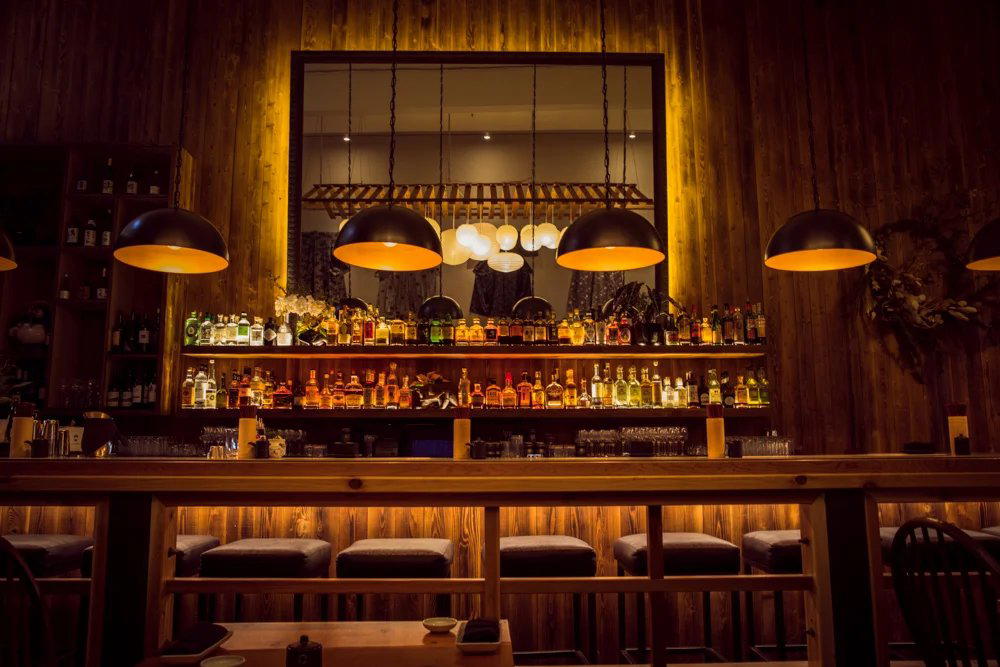
Chestnut Street and the Marina's Changing Dining Register
The Marina District has spent most of its history as a neighborhood better known for brunch queues and late-night bars than for restaurants worth traveling across the city to reach. Chestnut Street, its commercial spine, followed that pattern: reliable, occasionally pleasant, rarely demanding of serious attention. That has shifted. Over the past several years, a handful of addresses on and around Chestnut have begun attracting a different kind of operator, one less interested in volume and more interested in a specific point of view. Mamanoko, at 2317 Chestnut St, is one of those addresses, and its presence on this block says something about where the neighborhood is heading as much as it says anything about the restaurant itself.
San Francisco's broader dining scene sets a competitive frame that makes any restaurant's positioning legible. At the summit tier, counters like Benu and tasting-menu rooms like Atelier Crenn operate with Michelin credentials and price points that put them in conversation with Le Bernardin in New York City or Alinea in Chicago rather than anything neighborhood-casual. Below that tier, the city supports a wide band of serious restaurants without the full ceremony: places where the cooking has genuine ambition but the format stays accessible. Mamanoko operates in that middle register, in a neighborhood that until recently didn't have much of it.
How the Marina Grew Into Seriousness
The evolution of a dining neighborhood rarely happens all at once. It tends to move through a recognizable sequence: first a few operators take a risk on underpriced rents, then the surrounding area starts to follow, then the clientele recalibrates its expectations. The Marina is mid-sequence. It still has the casual anchors that defined it for decades, but the newer arrivals are operating with a different set of assumptions about what the neighborhood's residents will support. Mamanoko fits that trajectory: an address that would not have seemed natural on Chestnut Street ten years ago, now fitting into a block where the surrounding context has caught up to it.
This pattern is not distinctive to San Francisco. Similar shifts have played out in Los Angeles neighborhoods around Providence, in Atlanta around Bacchanalia, and in New York around Atomix. In each case, a restaurant with a defined perspective arrives before the neighborhood fully expects it, and helps accelerate the area's recalibration. The mechanism is consistent even when the cuisine and format vary considerably.
What the Address Signals About Format and Ambition
Restaurants in the Marina have historically skewed toward formats that minimize friction: broad menus, familiar categories, mid-week accessibility. The newer operators, Mamanoko included, are working from a different set of priorities. The Chestnut Street location means foot traffic and visibility, but the decision to operate at this address rather than in, say, the Mission or Hayes Valley suggests a deliberate interest in the neighborhood's demographic profile: higher residential density, more consistent disposable income, and a clientele that increasingly expects something beyond the familiar.
That positioning places Mamanoko in conversation with a cohort of restaurants that have found their footing in areas previously underserved by serious cooking. Across the Bay Area, the model has worked in places like Healdsburg, where Single Thread Farm operates at a considerable distance from any major urban center, and in Napa, where The French Laundry long ago established that destination dining doesn't require a downtown address. The Marina's version of this is less extreme, but the underlying logic is the same: the right restaurant, in the right moment, can redefine what a neighborhood supports.
The Broader San Francisco Dining Frame
San Francisco's restaurant scene in 2024 and 2025 is navigating several pressures simultaneously. Labor costs remain among the highest in the country. Commercial rents on desirable corridors are structurally high even after the pandemic-era adjustments. And the city's dining culture, which has historically rewarded innovation, is now having to reconcile that appetite with the economic realities facing independent operators. The restaurants that have survived and found consistent audiences are those that identified a specific lane and executed it with discipline, rather than trying to appeal broadly.
The top end of that market, represented by places like Lazy Bear, Quince, and Saison, has held its position. So has a lower-cost segment built around accessibility. The middle has been harder to sustain, which makes Mamanoko's position on Chestnut Street worth watching. It is operating in a tier and a neighborhood that are both in the process of proving themselves, and its continued presence is itself a data point about whether the Marina can support this kind of restaurant consistently.
For comparative reference points outside the city, Addison in San Diego, Blue Hill at Stone Barns in Tarrytown, The Inn at Little Washington, Emeril's in New Orleans, and 8 1/2 Otto e Mezzo Bombana in Hong Kong each represent how restaurants at different tiers have established durable identities in their respective cities, a frame that helps calibrate what Mamanoko is attempting in the Marina.
Comparable Venues
Comparable venues nearby, for context on price, style, and recognition.
| Venue | Cuisine | Price | Notes |
|---|---|---|---|
| MamanokoThis venue — the venue you are viewing | Japanese Izakaya & Sushi | $$ | Not listed |
| Katana-Ya | Japanese Ramen and Sushi | $$ | Tenderloin |
| Miyabi Sushi 2 Go | Japanese Sushi | $$ | North Beach |
| Ryoko's Japanese Restaurant & Bar | Lively Japanese Sushi Bar | $$ | Nob Hill |
| Shabu House | Japanese Shabu Shabu Hot Pot | $$ | Outer Richmond |
| Ebisu | Authentic Japanese Sushi | $$ | Inner Sunset |
Continue exploring
More in San Francisco
Restaurants in San Francisco
Browse all →
Bars in San Francisco
Browse all →
Hotels in San Francisco
Browse all →
At a Glance
- Minimalist
- Trendy
- Cozy
- Date Night
- Casual Hangout
- Open Kitchen
- Sake Program
Current opening hours
- Monday
- 5–9 PM
- Tuesday
- 5–9 PM
- Wednesday
- 5–9 PM
- Thursday
- 5–9 PM
- Friday
- 12–2:30 PM, 5–9:30 PM
- Saturday
- 12–2:30 PM, 5–9:30 PM
- Sunday
- 12–2:30 PM, 5–9 PM
Hours can change for holidays and private events. Last verified .
Minimalist yet tasteful atmosphere ideal for date nights or casual outings.